
Last updated: Apr 19, 2026
Palm Coast sits on Florida's Atlantic side, where June through November hurricane season drives the highest roof damage risk and can interrupt active roofing jobs. The coastal exposure means roofs face powerful wind gusts, flying debris, and rapid pressure changes during storms. The local reality is that wind-related damage tends to be the primary driver of claims, not cold-weather concerns. When a storm approaches, the risk isn't theoretical-it's measurable, immediate, and costly if ignored. Plan with the assumption that a tropical system can arrive with little warning, and prepare to act quickly before winds pick up.
Local roof decisions are shaped by wind-related damage concerns more than cold-weather performance, especially after tropical systems move up the coast. That means roof classifications, fastener patterns, and edge protection carry more weight than typical winter conditions. In practice, this translates to prioritizing wind-rated underlayments, impact-resistant materials where suitable, and fasteners that resist uplift at multiple roof edges and hips. Shingle granule loss, loose flashing, and lifted edges commonly trace back to underperforming detailing on windward faces or where roof-to-wall connections aren't fortified. Start with a wind-resilience mindset from tear-off through reinstallation.
Frequent summer thunderstorms and heavy rain in Palm Coast make temporary dry-in protection and scheduling around weather windows especially important during tear-off. A sudden downpour can flood exposed sheathing, compromise underlayment, and force costly short-notice delays. Having an insured, clearly staged dry-in plan with tarps, fast-dry underlayment, and a weather contingency buffer helps prevent water intrusion during a storm-sensitive period. Communication with the crew about shifting rain forecasts is essential, because a single thunderstorm can derail days of work and leave vulnerable roof edges exposed.
The wind uplifts that threaten Palm Coast roofs are not a onetime risk; they fluctuate with storm intensity, wind direction, and nearby vegetation. A practical approach is to insist on installation details that explicitly address uplift resistance at every perimeter, ridge, and valley. That means verifying that fasteners penetrate structural sheathing appropriately, that cutting patterns avoid weak points, and that edge protection is continuously reinforced. Documentation of wind-resistant methods, tested components, and installation checks becomes a practical shield when insurance conversations spark after a storm.
Insurance documentation is not a post-storm afterthought-it's a frontline requirement in a storm-sensitive market. Start gathering clear evidence of pre-existing conditions, the scope of tear-off, material types chosen for wind performance, and a detailed plan showing how wind-prone areas are addressed. Strong photos, dated notes, and a progress log support a smoother claim process if a tropical system tests the roof later in the season. In this climate, a transparent, well-documented project reduces friction and accelerates recovery when wind damage occurs.
Identify exposed sections-valleys, hips, and irregular roof lines where wind can leverage edges. Prioritize materials with proven wind resistance for coastal exposure, and ensure attic ventilation remains balanced to prevent moisture buildup that can complicate drywall and fascia work after a storm. Establish a rapid-response contact with a local, trusted roofing crew who can mobilize quickly, secure the site, and protect interior spaces if a fast-moving storm approaches. Remember: the goal is to minimize vulnerability before the first gust and to streamline the path from assessment to repair if the season delivers a strike.
Palm Coast's mix of coastal exposure, humid summers, and storm-driven wind pressures means roof systems perform differently when faced with wind, rain, and debris. Asphalt shingles, metal, clay tile, and concrete tile dominate local roofs, each with distinct wind and water-shedding behavior. Understanding how each material handles uplift, fastener patterns, and edge detailing helps you pick a system that resists wind events and sheds water efficiently after a storm. The practical takeaway is to match the roof's inherent shedding ability with the neighborhood's typical wind directions and rain intensity, then confirm installation details that optimize that behavior.
Asphalt shingles are common and approachable for many Palm Coast homes, and they can perform well when installed with proper uplift-rated underlayment and fully sealed with appropriate fastening patterns. In this climate, you want shingles that sit tight along the eave and rake edges and a ridge installation that resists uplift at high winds. Look for edge-fastening and adhesive activation options that hold through driving rain and gusts. After a wind event, you may notice granules in gutters or small lifted tabs; these are signals to inspect why a panel might have loosened and to verify that replacement shingles match the existing profile for water shedding continuity.
Metal roofing is recognized locally as a meaningful specialty and is often chosen for stronger wind performance and lower maintenance in a humid, rainy climate. Metal systems typically provide solid uplift resistance when seams are properly sealed and fastened, and panels are integrated with capture details at eaves and around penetrations. The main practical step is to inspect fastening patterns and sealant integrity around roof penetrations, as wind-driven rain can exploit any gaps. In humid seasons, ensure coatings and coatings' edges remain intact to prevent corroded fasteners or edge lifting. Replacement or repair should maintain the continuous water-shedding path, with attention to panel alignment after storms and to backseal around vent stacks and chimneys.
Clay tile and concrete tile roofs bring Florida-style coastal architecture to life, but their wind performance hinges on attachment details and tile-to-tile interaction. In Palm Coast, tiles must be secured with appropriate clips or battens to resist uplift without creating perched loads that trap moisture. After a wind event, replacing broken or displaced tiles requires precise matching to maintain water shedding paths and to prevent micro-leaks at the underlayment. The practical rule is to prioritize a robust starter row and continuous edge interlock along eaves, with matching tiles for color and texture to preserve the roof's wind-resistant envelope and to reduce the need for frequent breech repairs.
In this market, the best choice aligns the roof's shedding behavior with typical storm-driven wind directions and rainfall patterns. Asphalt shingles offer a familiar, cost-conscious path with careful fastening and edge detailing. Metal roofs present a strong wind-resistance option with a straightforward drainage path and durable coatings for humidity. Clay and concrete tiles deliver coastal aesthetics while requiring meticulous attachment and careful tile matching after events. Regardless of material, ensure the roof system is installed with an uplift-rated design that harmonizes fastener placement, edge detailing, and flashing around penetrations to maintain wind performance and water shedding during the storm season.
In Palm Coast, roof replacement costs rise sharply when you move from asphalt shingles to higher-end systems. Asphalt shingles sit around 350 to 550 USD per square installed, which is a common starting point for homes with traditional, modest roof footprints. If you're weighing metal, you'll be in a broader band, roughly 700 to 1400 USD per square, reflecting the faster install times and wind-rated profiles common along the coast. Clay tile clocks in around 1000 to 2800 USD per square, with concrete tile typically between 1000 and 1900 USD per square. Wood shingles or shakes run roughly 450 to 900 USD per square, while slate sits at the top end, from about 1400 to 3000 USD per square. These ranges reflect local supplier pricing, labor intensity, and the need to meet wind uplift expectations for storm-season performance.
Atlantic storms drive sudden spikes in demand in Palm Coast, and that tension hits both price and lead times. After a named storm, labor pools tighten as crews shift to storm-damaged areas, and local crews can be booked weeks or months out. That means when a project finally starts, you may face higher material costs if suppliers are short on inventory, and scheduling can slip if crews are juggling surge work. The impact is most noticeable on larger or more complex replacements, like clay or slate, where crew hours, scaffolding, and specialty fasteners become critical. If you're planning a replacement in the window of peak hurricane season, expect a added premium and longer timelines compared with quieter months.
In Palm Coast, the whole-project cost isn't just the per-square price. The coastal environment means higher wind uplift performance is a baseline expectation, so some systems require enhanced underlayment, stronger fasteners, and matched flashing details, all of which add labor and material expense. Roofs that demand meticulous sealing at hips, valleys, chimneys, and attic penetrations tend to push the price up, particularly for tile or slate installations where precision alignment matters for wind resistance. The labor component is also affected by the condition of the existing roof deck; if decking needs replacement or significant repair to achieve a proper wind-rated installation, that adds to the total. Additionally, color-consideration and weight-bearing constraints for your home's structure can influence fastener patterns and installation sequences, nudging costs higher for some material types.
Start with the material you plan to use and acknowledge the broad cost bands above. For asphalt, factor in a straightforward replacement with simpler edge details; you'll likely stay near the lower end of the range. For tile or slate, budget with a cushion for specialized labor, longer lead times, and potential mitigation work for wind uplift, since these systems demand precise installation and higher fastener counts. If a storm hits during your project window, confirm your contractor's ability to secure materials and crews promptly, and ask about anticipated scheduling shifts and any surge pricing-this helps you plan cash flow and project milestones. Finally, align your expectations with the attributes of coastal Florida markets: higher wind resistance requirements mean a stronger emphasis on system integrity, which can elevate both price and lead times but pays off in insurance-clearance and long-term performance.
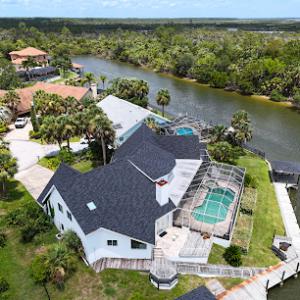
AK Certified Roofing
21 Old Kings Rd Suite B204, Palm Coast, Florida
5.0 from 389 reviews
AK Certified Contracting is a family owned and operated Certified Roofing Contractor. We specialize in residential and commercial roofing. With more than 15 years of experience in the construction industry. The team is committed to providing you with professional workmanship. We are committed to taking care of each customer from the moment you call for an estimate through the entire project until completion. Whether a job is for new roofs, reroofs, or repairs we treat every project as if it was our own. AK Certified Contracting is here for you!
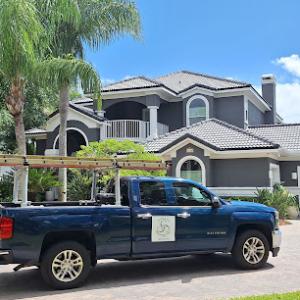
Three C's Roofing
(386) 276-0758 threecroofing.com
5 Market Pl Ct Unit 5, Palm Coast, Florida
5.0 from 89 reviews
Three C's Roofing is a full-service roofing contractor serving Flagler and surrounding counties. Backed by over 30 years industry experience, they provide comprehensive roofing solutions for residential and commercial properties, prioritizing exceptional customer service.
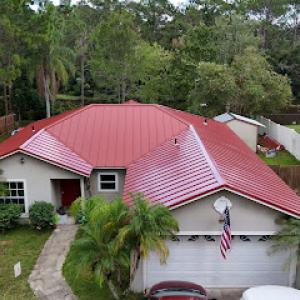
Armed Forces Roofing & Contracting
(386) 248-5810 www.afroofing.net
11 Eastgate Ln, Palm Coast, Florida
5.0 from 48 reviews
Founded by a team of veterans with seven years of experience in the roofing industry, our company, Armed Forces Roofing and Contracting, LLC, brings a deep commitment to quality, integrity, and hands-on service. Our military background not only instilled a high level of discipline but also provided an in-depth understanding of metalworking and construction. This experience gives us an edge, especially in metal roofing, where our knowledge of working with metal is unmatched.
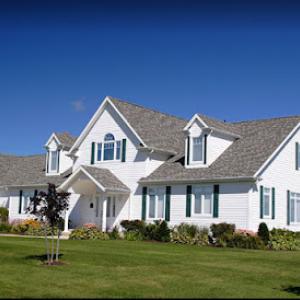
Chardani Roofing
(386) 338-7926 chardaniroofing.net
389 Palm Coast Pkwy SW Suite 4, Palm Coast, Florida
4.9 from 72 reviews
Chardani Roofing is a local full service roofing company; specializing in new roof installations, replacements, repairs & maintenance. We provide inspections and roof condition certifications. Chardani Roofing offers insurance claim assistance - with a comprehensive background in insurance adjusting and claims, we can guide customers and communicate with insurance companies on behalf of the homeowner. Quality craftsmanship and professionalism are key to Chardani Roofing, we go beyond the basics with tailored customer service, timely waiting periods, extended warranties and top of the line products to ensure the long time performance of any roof we service as well as optimum customer satisfaction. Our success is measured one roof at a time.
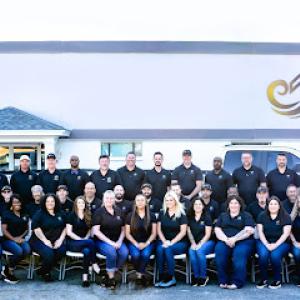
Elo Roofing
7 Old Kings Rd #6, Palm Coast, Florida
4.8 from 225 reviews
Elo Roofing is a roofing contractor in Palm Coast, FL that services Flagler County, Bunnell, Palm Coast and nearby areas. Our roofing company offers residential roofing, commercial roofing, asphalt shingle roofing and many more. What make us standout is our insurance claims assistance plus our excellent customer service. We are also an Owens Corning Platinum Preferred Contractor, and have received the honor of winning the Owens Corning 2019 Service Excellence Award. If you want to experience how your most trusted Palm Coast roofing contractor embrace our goal of providing a “Red Carpet Experience”, call us now for free estimate!
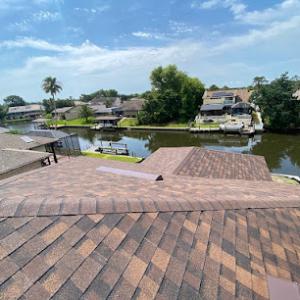
Howard Roofing
(386) 347-0366 howardroofingusa.com
Palm Coast, Florida
5.0 from 35 reviews
Howard Roofing is a licensed and insured, family-owned roofing company proudly serving our local community. With years of hands-on experience, we specialize in roof replacements and repairs. Our team is committed to quality craftsmanship, honest service, and protecting your home with a roof built to last.
EZ Roofing of Flagler County
(386) 328-5359 www.ezroofingofflaglercounty.com
6 Market Pl Ct, Palm Coast, Florida
4.9 from 61 reviews
EZ Roofing of Flagler County is a licensed and insured roofing contractor in Palm Coast, Florida. We specialize in roof replacement, roof repair, gutter installation, and emergency services. Our work utilizes high-quality Owens Corning shingles and is backed by a transferable 10-year warranty. Serving Palm Coast and Flagler County, we offer free estimates for all our services. Contact us today for reliable roofing solutions.
Capt Attic-Solution & Insulation's & Roofing Service Palm Coast, FL
112 Florida Park Dr N, Palm Coast, Florida
4.8 from 22 reviews
For superior service, put your trust in our licensed technicians.
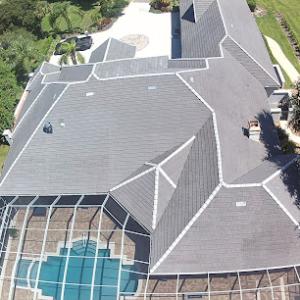
Ryskcon Construction & Roofing
(386) 445-7945 www.ryskcon.com
2 Market Pl D, Palm Coast, Florida
5.0 from 11 reviews
We specialize in tile roofs and shingle systems. We also offer tile roof repair services and when necessary offer re-roofing options.
Pinnacle Roofing Group
(386) 631-5566 pinnacleroofinggroup.com
18 Market Ave suite 160, Palm Coast, Florida
5.0 from 10 reviews
Palm Coast Roofing Group specializes in comprehensive roofing services in Palm Coast, offering expert roof installations, repairs, replacements, and restorations. Known for our metal and shingle/asphalt roofing solutions, we're the go-to Palm Coast roofing contractor for both residential and commercial needs. Fully licensed, bonded, and insured, we ensure top-quality service with industry-leading warranties. Our financing options include low-interest and zero-down offers. For superior roofing services in Palm Coast, using only certified technicians and high-quality products, contact us for a free quote!
Roofing of Palm Coast FL
(386) 387-6517 roofingpalmcoastfl.com
15 Hargrove Grde, Palm Coast, Florida
5.0 from 2 reviews
Roofing of Palm Coast FL is a trusted local roofing team proudly serving homeowners and businesses across Palm Coast, Florida. We specialize in high-quality roof installations, repairs, and replacements using durable materials built to withstand Florida’s coastal weather. Whether you're dealing with storm damage or planning a full roof upgrade, our experienced team delivers reliable craftsmanship and personalized service on every job. Let us protect your home with a roof that’s built to last.
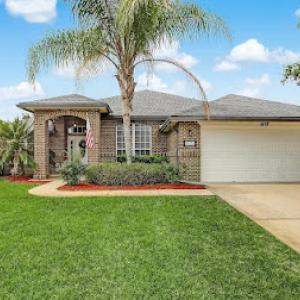
R & K Certified Roofing of Florida
Serving
4.6 from 270 reviews
Our owner, Ken Reed, has been in the construction industry for over 40+ years. He was a roofing contractor in California and Illinois before relocating to Florida. When the series of hurricanes hit Florida in 2004, Ken traveled the state repairing the damages left behind. This helped him to better understand the need for top-notch roofing.
In this coastal community, full roof replacements require a permit. The application is submitted to the Flagler County Building Department by the contractor. As a homeowner, you should confirm with the contractor that the permit packet includes critical details such as roof type, underlayment, and fastener specifications designed for wind uplift. Expect steady communication about plan review timelines, especially when storms or heavy rain create backlogs. Having a clear line of sight with your contractor on the permit status helps prevent delays that could push your project past vulnerable periods in the hurricane season.
Re-roofs in this market are not a set-it-and-forget-it job; inspections occur during installation and again at final. The focus is on wind uplift performance and proper nailing patterns, which are essential in a neighborhood with exposed coastal winds. Your contractor should schedule inspections at defined milestones-for example, after roof deck preparation and after shingle or tile installation but before final clearance. Expect the inspector to verify that nailing is per code, that anchor points and fasteners meet wind-resistance requirements, and that underlayment and flashing are correctly installed around valleys, skylights, chimneys, and penetrations. If any item fails to meet the wind uplift standard, the contractor will need to make corrections and request a re-inspection, which can add days to the timeline.
Weather in this area can be unpredictable, particularly during the rainy season. Inspections are frequently tied to installation stages, so rain delays can ripple through the schedule. It helps to build in a flexible window for the contractor's inspection visits and to confirm the expected sequence of inspections with the building department and the contractor prior to work starting. If a weather delay is anticipated, ask the contractor for a proactive update on what needs to be re-inspected once conditions improve. Clear documentation from the contractor-such as progress photos and notes of any weather-related adjustments-will support any subsequent insurance or permit-related communications.
Understanding that inspections are part of a storm-sensitive market can alleviate unexpected stress. Your contractor should maintain open lines with the Flagler County Building Department to track your project's progress and respond quickly to any requested corrections. When communicating with your insurer, retain copies of permit approvals, inspection reports, and final inspection documentation. These records are often as important as the roof itself when verifying compliance and wind performance after a claim, especially after a hurricane event. Having organized paperwork tied to the permit and final inspection helps streamline claim handling and reduces the likelihood of dispute during the wind-damage season.
Palm Coast homeowners are navigating Florida's difficult property-insurance market, where rising premiums, non-renewals, and tighter underwriting directly affect roof replacement timing. Insurance decisions can hinge on how current the roof is, whether recent storms caused damage, and whether wind-resistance improvements have been documented. When insurers face storm-exposure risk, they scrutinize age and condition more closely, and renewals can hinge on demonstrating reliable upkeep rather than on a simple "good enough" standard. Expect longer intervals between decisions and more careful justification if your roof is older or shows wear.
Insurers commonly want documentation of roof age, recent storm damage, and may request wind mitigation information before renewing or pricing coverage. Gather receipts, contractor notes, and photos that establish a clear timeline: when the roof was installed, any repairs, and visible condition as storms approach. In a market where wind uplift is a focal point, having a detailed record of consistent maintenance can reduce surprises at renewal. Store digital copies in a cloud folder that you can share with an adjuster or new insurer quickly.
After storms affecting the Atlantic coast, claims handling and adjuster timelines can stretch out, making photo documentation and contractor records especially important for Palm Coast owners. Keep a current set of storm photos, preferably dated, showing roof materials, flashing, penetrations, and any hail marks or wind-related damage. If a contractor notes wind-driven damage, obtain a written statement and keep copies of all communication. When adjusters arrive, you'll want to present a coherent narrative: roof age, storm events, and the steps taken to mitigate further damage.
A proactive approach reduces friction during renewal. Maintain a concise history of roof-related improvements that strengthen wind performance, and bundle this with clean, organized documentation. If an insurer requests wind mitigation information, respond swiftly with precise, professional records. In a storm-prone market, clear, well-organized evidence offers a tangible path to smoother renewals and fewer coverage gaps.
Connect with contractors who help homeowners navigate the claims process from damage assessment to final approval.
AK Certified Roofing
21 Old Kings Rd Suite B204, Palm Coast, Florida
5.0 from 389 reviews
Armed Forces Roofing & Contracting
(386) 248-5810 www.afroofing.net
11 Eastgate Ln, Palm Coast, Florida
5.0 from 48 reviews
Chardani Roofing
(386) 338-7926 chardaniroofing.net
389 Palm Coast Pkwy SW Suite 4, Palm Coast, Florida
4.9 from 72 reviews
In this coastal climate, the long, hot, humid summers accelerate aging of exposed roofing components more than freeze-thaw cycles do elsewhere. Shingles, sealants, and metal edge details face relentless sun, which dries and warps vulnerable spots sooner than you might expect. Look for curling edges, loose tabs, or fasteners that feel proud of the decking. If you notice soft or split edges after a tough stretch of heat, plan a proactive mid-season inspection rather than waiting for a leak to appear.
Ample annual rainfall makes the underlayment and flashing the first line of defense when a roof begins to wear. In a storm-prone market, a small lapse in flashing integrity or underlayment condition can become a big problem quickly. Check around vent pipes, chimneys, and skylights for hairline gaps or lifted sealant after storms or heavy downpours. Ensure the underlayment beneath the surface layer remains dry when you poke test exposed edges from the attic access. Water intrusion often starts as a slow seep along fastener lines or along a poorly mated drip edge, then becomes a bigger problem after a rain event.
Late spring and summer sun exposure can shorten the service life of vulnerable roof components even before a major storm arrives. If you have clay or concrete tiles, watch for micro-cracks that expand with heat; metal roofs can develop panel oil-canning and fastener loosening from repeated heating cycles. Plan heat-aware maintenance: schedule inspections after back-to-back sunny weeks, and look for accelerated granule loss on asphalt shingles or dulling on metal finishes. When you find weathered edges or fading coatings, address them promptly rather than letting a small issue escalate.
When a storm passes, prioritize a rapid leak check inside the attic and along ceilings for new stains or moisture trails. If you find moisture, tape a note on the exterior indicating the area of concern and the date of discovery, then schedule a professional assessment without delay. A timely response minimizes damage to interior spaces and helps protect the roof's wind-resistance performance during a volatile hurricane season.
When you can't wait, these contractors offer fast response times to stop leaks and prevent further damage.
Three C's Roofing
(386) 276-0758 threecroofing.com
5 Market Pl Ct Unit 5, Palm Coast, Florida
5.0 from 89 reviews
Armed Forces Roofing & Contracting
(386) 248-5810 www.afroofing.net
11 Eastgate Ln, Palm Coast, Florida
5.0 from 48 reviews
EZ Roofing of Flagler County
(386) 328-5359 www.ezroofingofflaglercounty.com
6 Market Pl Ct, Palm Coast, Florida
4.9 from 61 reviews
In Palm Coast, the rhythm of the year drives when a roof replacement goes smoothly. The area's coastal winds, heat, and sudden summer storms all knock concrete plans off track. A well-timed project minimizes weather delays, reduces exposure during construction, and lowers the chance of storm-related interruptions that can complicate a re-roof.
Late fall through spring is generally the preferred replacement window because it is drier and less likely to be interrupted by daily summer storms. This stretch tends to offer more predictable weather, which helps crews keep the installation schedule intact and reduces the risk of wind-driven surprises during critical stages like deck and underlayment installation. If possible, plan to align major steps with dry weeks rather than the height of Florida's wet season.
Scheduling a full re-roof before the June start of Atlantic hurricane season can reduce the chance of storm delays and emergency exposure during construction. Early planning creates a buffer for any last-minute weather shifts and allows crews to secure the roof before peak wind events. A solid contingency plan should be in place for rapid protection if storms roll in, but a proactive start lowers overall risk.
Palm Coast summer tear-offs face a higher risk of weather stoppages from thunderstorms and heavy rain than jobs scheduled in the drier part of the year. If a replacement must occur in summer, build in extra time and be prepared for longer gaps between stages due to sudden downpours. Clear communication with the crew about daily weather expectations helps keep the project on track and reduces the chance of partial work left exposed.
Aim for a start date after the first cool spell but before the heaviest storm threat arrives. Have the crew stage materials to minimize on-site clutter and improve safety during windy conditions. Maintain a short, agreed-upon contingency window in the plan to absorb any unexpected rain delays, keeping the project moving without sacrificing quality.
The Palm Coast market shows especially strong demand for re-roofing rather than niche roof restoration, reflecting a homeowner base focused on full replacement and storm recovery. That reality shapes who you'll encounter when you start shopping for a crew: more crews that can handle a complete tear-off, full installation, and the wind-resistant details that insurance companies scrutinize after a storm. Expect steady competition among bidders, but also a few outfits that will push quicker-than-ideal timelines. The healthiest choice prioritizes a crew comfortable with full-scale replacement, not patchwork fixes that leave you exposed to repeat wind damage.
Cleanup and quick response are prominent hiring priorities in Palm Coast contractor reviews, which matters when jobs are exposed to sudden rain and storm debris. A reliable crew will contain debris at the site, protect landscaping, and schedule debris removal and material delivery to minimize on-site chaos during a rain spell. Quick response also shows up in how promptly a crew returns calls, provides documentation for insurance purposes, and coordinates access for inspectors after a storm event. If a crew cannot consistently tidy the site and mobilize after weather alerts, that delay compounds risk to the stack, attic, and interior.
Licensed, long-established, and family-owned firms are visible in Palm Coast's contractor mix, suggesting homeowners here value stability and accountability during insurance-sensitive roof work. Those firms often come with a multi-decade track record, a predictable crew roster, and a readiness to stand behind workmanship after a storm. Seek out a company with direct lineage in the trade, clear communication channels, and a plan for protecting windows, fencing, and mature trees during installation. In this market, the strongest choice pairs a solid local reputation with transparent, consistent service.