Last updated: Apr 19, 2026
From June through November, storm season in this coastal corridor ramps up quickly, and wind events along the Atlantic can arrive with little warning. When a named storm tracks nearby, roofs that look intact can suffer hidden damage-lifted shingles, flashing that's begun to fail, and compromised underlayment that leaks once rain pressure builds. In this climate, a minor gust can become a major setback if it exposes decking or allows the wet season to saturate wood and glue-down layers. If a storm is forecast, your window for timely inspection and minor repairs narrows fast, so plan ahead and act as soon as conditions permit.
During tear-offs, rain and humidity don't pause for a project calendar. Exposed decking, underlayment, and fasteners soak up moisture quickly in late spring through fall, and Saint Augustine's humidity compounds the risk. Moisture in the roof deck can lead to warped plywood, mold growth, and faster deterioration of newly installed layers if work stretches into wet spells. A practical response is to coordinate staged work that avoids drying cycles during peak humidity, and to insist on moisture barriers and high-grade underlayment that can tolerate Florida humidity without buckling. If a sudden shower interrupts a tear-off, protect exposed areas immediately and reassess material compatibility before resuming to prevent repeated soaking.
The contractor market here shows unusually strong demand for storm-damage remediation, emergency repairs, and insurance-claims assistance after a hit.That pattern isn't a side effect of a slow season-it's a clear signal that post-storm response is a primary homeowner concern. When a roof is damaged, the timeline to secure temporary protection, document the loss, and initiate repairs moves quickly, and reputable crews can ride the surge with efficiency if you've prepared. Expect pressure on scheduling, supply chains, and communication in the immediate aftermath of a hurricane or tropical-system event. Having a pre- storm readiness plan and a clearly documented plan for post-storm documentation helps you avoid delays and miscommunications during the rush.
You can reduce post-event chaos by building a simple, ready-to-use file: recent photos of the roof, a current roof plan or sketch, and a list of known vulnerabilities (vent collars, flashing seams, ridge caps). After a storm, rapid, thorough documentation helps verify damage for insurance and expedites restoration. When hiring after a storm, prioritize crews with proven experience in wind-rated assemblies and Florida wind standards, especially for tile and metal systems common in this area. If you suspect decking moisture after a tear-off, insist on a moisture check and a temporary protective layer to bridge any gaps in the repair timeline. Coordination with your insurer should include clear records of pre-storm conditions, the scope of proposed repairs, and a phased plan that reduces exposure to further moisture while the work progresses.
When you plan a re-roof, locking in a window that minimizes rain intrusion and moisture risk matters more here than almost anywhere else. Replacements are commonly scheduled for the drier stretch from late fall through early spring to reduce rain interruptions and moisture risk. That means a practical approach is to aim for late November through February, with a hard reserve for any sudden cool fronts that slide south from the mainland. Winter is usually the most workable season locally, though occasional cold fronts can still shift schedules. If a cold spell grinds a crew to a halt, you'll want a clear contingency plan for staging materials and protecting exposed sheathing until the weather cooperates again. In Saint Augustine, planning around these seasonal rhythms helps avoid repeated tarps and damp interior days, which saves both time and potential moisture damage in older homes with tile or historic light wells.
Before a single shingle is lifted, walk the roof with a trusted contractor who understands the area's salt-laden humidity and wind-driven spray. In our climate, roof decks and underlayment must withstand sub-tropical salt exposure and frequent gusts. A best-practice window aligns with a calm stretch where afternoon sea breezes don't turn into sudden squalls. For historic homes with clay or concrete tile, verify that the underlayment and fasteners are compatible with long-term Florida wind standards. If your project involves metal or slate-like products, check for proper edge detailing and harboring of fasteners against corrosion. The window you choose should be compatible with coastal conditions and permit a clean, integrated finish once the new roof is installed. Spring rain can complicate this stage, so choose a period when your crew can complete sheathing, underlayment, and flashing with minimal interruption.
As the re-roof progresses, you'll want a plan that keeps the house protected if a quick-moving storm arrives. Use tarps and sealants specifically rated for coastal humidity, and ensure temporary closures cover attic vents to minimize moisture ingress. The best window is one that allows a steady workflow: cover vulnerable areas, then proceed to flashing and drip edge installation in a sequence that minimizes rework. Early spring can bring stop-and-start production due to thunderstorms, so communication with your crew about daily weather outlooks and priority tasks matters. If a storm forms while work is underway, quick-access tarps and a secure staging area help prevent wind-driven uplift on open edges. The crew should have a clear protocol for shutting down activities safely and resuming promptly when conditions ease.
Saint Augustine homeowners often find that robust documentation smooths insurance interactions after a storm. Start with a written project scope that outlines roof type, deck condition, underlayment, flashing, and anchor points for the chosen system. Photo logs taken before, during, and after work create a reliable record of mitigation steps and material transitions. Keep a weather log that shows planned windows and any deviations caused by fronts or thunderstorm activity. If damage is suspected during construction, report promptly with dated photos and a concise description of observed issues. A well-documented timeline reduces friction with insurers and helps validate the work when a storm resets or accelerates your schedule. This approach also supports future claims by establishing a baseline for the roof's condition prior to hurricane season.
Goode Brothers Roofs & Gutters
(904) 827-7978 www.goodebrothersroofsandgutters.com
Serving
4.7 from 406 reviews
Goode Brothers Roofs & Gutters is a veteran-owned roofing and gutter company specializing in both commercial and residential properties. We offer expert roof installation, repair, and replacement services, including metal, asphalt shingle, and tile roofs. Our gutter solutions include seamless, half-round, and copper gutters, along with cleaning, installation, and repair services to ensure water flows properly off your property. Serving St. Augustine, Jacksonville, Ponte Vedra, Palm Coast, and surrounding areas, we deliver reliable, high-quality roofing and gutter systems to protect your home or business. Contact Goode Brothers Roofs & Gutters today for an estimate!
McGrath Roofing
(904) 504-6901 mcgrathroofing.com
Saint Augustine, FL
5.0 from 2 reviews
Since 2017, McGrath Roofing has been a trusted leader in commercial roofing solutions. With a commitment to quality and craftsmanship, we specialize in a wide range of services, including new installations, repairs, and maintenance. Our experienced team uses high-quality materials to ensure your property is protected and secure. Whether you need a comprehensive roof replacement or a minor repair, McGrath Roofing provides reliable, professional service to meet all your commercial roofing needs.

J Adams Roofing
(904) 814-6454 www.jadamsroofing.com
Serving
4.6 from 64 reviews
J Adams Roofing is a residential & commercial roofing contractor in St Augustine, FL. Best Roofer for complete roofing solutions and roof repairs. We take great pride in offering reliable and trustworthy roofing solutions to residential and commercial customers. Our team of experienced roofing contractors in St. Augustine is fully licensed and insured. We use only the highest quality materials and equipment to ensure every job is completed to the highest standards. We specialize in roof repair, replacement, installation, and maintenance. Whether you need replacement or roof repair in St. Augustine, FL, we have the expertise and experience to handle any job. We also offer emergency roofing to give our customers fast and reliable solutions!
Roofology Roofing
(904) 800-4801 roofologyroofing.com
Serving
5.0 from 146 reviews
Roofology Roofing is St. Augustine’s trusted, GAF-certified roofing contractor, proudly serving St. Johns County, Jacksonville, Palm Coast, and surrounding Northeast Florida communities. Our experienced team specializes in residential and commercial roof replacement, roof repair, storm damage restoration, and new roof installations using premium materials like GAF Timberline HDZ shingles, Standing seam metal roofing, Concrete Tile, TPO flat roofing systems, and Euroshield rubber slate. We’re locally owned and operated, dedicated to delivering honest inspections, detailed estimates, and expert craftsmanship backed by lifetime workmanship warranties. Call today for a free roof inspection and estimate
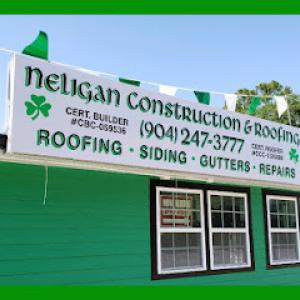
Neligan Construction & Roofing
(904) 247-3777 www.neliganconstruction.net
Serving
5.0 from 50 reviews
Neligan Construction & Roofing, LLC, based in St. Augustine, FL, is a trusted name in roofing and construction since 1988. We specialize in residential and commercial roofing, offering durable roof installation, roof leak detection, and energy-efficient solutions. Our expertise extends to metal roofing, reflective coatings, and elastomeric coatings. We also provide professional siding installation, including fiber cement and vinyl siding, as well as gutter, downspout, soffit, and fascia installation. From home renovation and custom builds to construction consulting and insurance claim, we deliver precision and quality.
Roof Pros Storm Division
(888) 844-4245 roofprosflorida.com
Serving
4.7 from 84 reviews
We are licensed, bonded and specially trained to spot storm damage. We offer our customers the highest quality roof materials and the best warranty options. When you choose Roof Pros – you are choosing an honest and reputable roofer that has your best interests in mind. Contact us today to learn more.
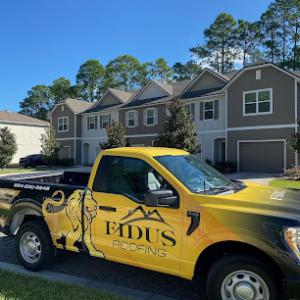
Fidus Roofing, Construction & Pavers
(904) 355-7663 fidusroofingandconstruction.com
Serving
4.8 from 401 reviews
Top Roofing Contractor Serving St Augustine, and Surrounding Areas. Call Us Today For A Free Estimate.
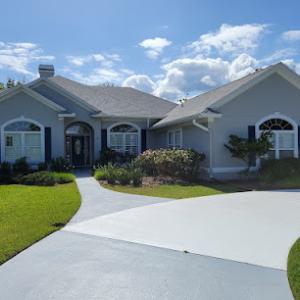
Sunshine Roof Services
(904) 794-7100 www.sunshineroofservices.com
Serving
4.7 from 104 reviews
Roof installations, roof repairs, leak repairs, free estimates.
A-Z Roofing & Waterproofing
(904) 669-8037 www.atozroofingandwaterproofing.com
Serving
4.6 from 60 reviews
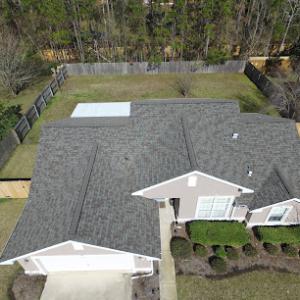
A locally owned roofing business with over 25 years of construction experience. The owner has both a state Residential Contractor & Roofing Contractors license. We install, maintain & service shingle, tile, metal, flat & designer roof coverings.
Elsa Roofing Company
(904) 392-0202 elsaroofing.com
Serving
4.3 from 12 reviews
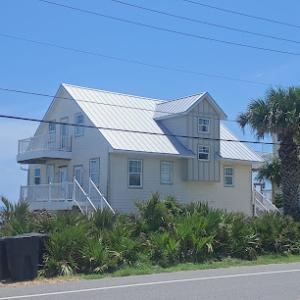
At Elsa Roofing Company, we bring excellence to every layer of your roofing needs. Serving St. Augustine, and all of St John's and Flagler counties, we are your go-to source for a wide range of roofing services, specializing in residential roofing and commercial roofing projects. From new roofs and roof replacements to roof repairs, maintenance, and roof inspections, we've got you covered. No matter if it's a shingle roof, a metal roof, or a commercial roof, we have the expertise and dedication to get the job done right. Elsa Roofing is a family business, ran by a father and son team, dedicated to providing quality roofing systems for St Augustine, FL and surrounding areas!

J&M Roofing
(904) 320-1968 www.jandmroofing.com
Serving
4.9 from 146 reviews
J&M Roofing is a GAF Master Elite certified roofing contractor with over 15 years of experience specializing in residential roofing. J&M Roofing's sole focus is to be the most trusted roofing contractor in the greater Jacksonville area. We believe that a well-informed customer makes the best decision. If you're looking for roofers, in Jacksonville, FL look no further than J&M Roofing. We're Northeast Florida's preferred roofing company. Serving Jacksonville, St Johns County, Clay County, and Nassau County for all of your roofing needs including emergency storm or hurricane roof repair, new roof installation, and more. Call J&M Roofing today.
Lighthouse Roofing
(904) 930-1983 lighthouseroofer.com
Serving
4.9 from 49 reviews
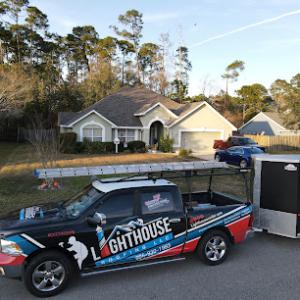
At Lighthouse Roofing, we are dedicated to providing top-quality roofing services to our customers. Our Team of experienced and certified roofing professionals is equipped to handle any type of roofing project, from simple repairs to full roof replacements. We use only the highest grade materials and follow industry-best practices to ensure that our work is durable and long-lasting. Customer satisfaction is our top priority, which is why we offer a 100% satisfaction guarantee on all of our work. Contact us today for a free estimate and let us help you protect your home or business with a strong and reliable roof.
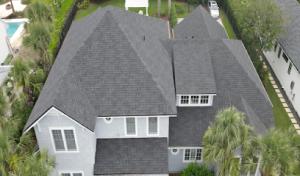
In Saint Augustine, the dominant residential roof mix includes asphalt shingles, metal roofing, clay tile, concrete tile, wood shingles or shakes, and synthetic or composite shingles rather than a single-material market. Each material suits different historic contexts and coastal needs, so planning around the specific home style matters as much as the material selected. A traditional Mediterranean or coastal bungalow may pair tile or metal with careful framing and fasteners to meet wind standards, while newer builds may lean toward asphalt or composite systems for budget-friendly resilience. Understanding how these options interlock with your house design helps prevent mismatches between appearance, performance, and long-term durability.
The hot, humid, rain-heavy coastal climate can shorten underlayment life, making the full roof assembly especially important here, not just the visible surface material. Salt-laden air accelerates corrosion on metal components unless coatings and rated fasteners are chosen, and it also fosters mold and rot in plywood or fiberboard sheathing if ventilation and drainage aren't optimized. In practical terms, that means paying attention to the continuity of underlayment upgrades, roof deck venting, and proper slope for drainage. When you replace or retrofit, consider a modern synthetic underlayment with high moisture tolerance and a roof system that pairs it with corrosion-resistant fasteners suitable for coastal use. The goal is a watertight, breathable assembly that can hold up through heavy tropical rainfall and the occasional hurricane-season downpour.
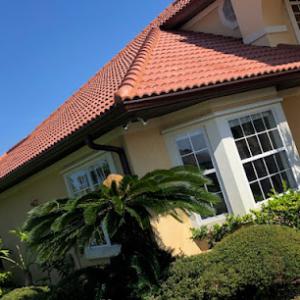
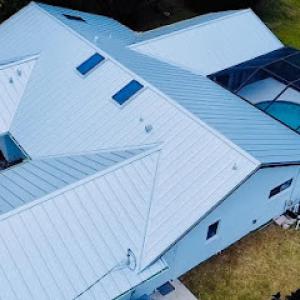
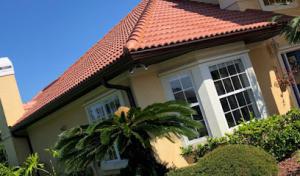
Historic and Mediterranean-style homes with clay tile or concrete tile remain highly relevant and common in this area, offering durability under wind loads when properly installed and fastened. Tile systems shine in hot climates because their mass helps regulate attic temperatures and can provide long life with adequate maintenance. Metal roofing, popular on a range of coastal vernaculars, delivers excellent wind resistance when attached with correct fastener patterns and edge detailing to guard against salt-induced corrosion and wind-driven debris. For architectural consistency, tile or metal often blends with existing facades without compromising performance, especially where historic admixtures or ornamental trim are present.
During hurricane season, the vulnerability of any roof hinges on the integrity of seams, penetrations, and flashing. Inspect and seal wall-to-roof junctions, skylights, chimneys, and vent stacks with corrosion-resistant materials, and ensure that all flashings are embedded in a continuous, overlapping system. When a storm hits, having clear photos of the roof surface, underlayment condition, and vents can ease insurance documentation and post-storm claims. A practical approach is to keep an updated roof inventory and recent maintenance log, noting material type, age, and notable upgrades. This record supports rapid assessment after a storm and helps determine whether a full replacement or a targeted repair is appropriate, particularly for historic or mixed-material roofs.
In a humid, rain-exposed environment, tile roofs often outlast the underlayment beneath them, so leaks may appear before the tile covering itself looks worn out. The moisture in the air, combined with heavy summer downpours, seeps into the layers just above the decking, and you may not see trouble until you notice staining or soft spots inside the attic. That means a roof may look like it has years left on the tiles while the membrane underneath is telling a different story. Pay close attention to any musty smell, attic condensation, or unexplained daylight when you're in the attic during a storm. These are signs that the underlayment has aged beyond its protective role.
Clay and concrete tile are both common locally, which makes broken field tiles, flashing transitions, and underlayment aging especially important inspection points. A chipped field tile might seem cosmetic, but the impact can travel through the underlayment to the deck and rafters. Inspect every flashing joint where tiles meet ridges, chimneys, and skylight curbs. If you see moss, pitting, or calcium buildup on a tile surface, don't assume the roof is still watertight-the real risk is what's beneath and around those edges. Regular checks after storms help catch problems when they're still manageable.
Because the city sees tropical-storm exposure, fastening and flashing details matter as much as the tile profile when evaluating an older roof. If fasteners have corroded, or if the flashing around a vent pipe or chimney has pulled away slightly, even a small gap can channel water under the tiles. Wind-driven rain can lift edges and allow infiltration at vulnerable seams. A thorough inspection after a heavy rain or hurricane season should include lifting a few edge tiles to feel for soft decking or displaced underlayment beneath.
Begin with a careful exterior sweep for cracked or displaced field tiles, especially along eaves and valley intersections. On the interior side, look for brown stains along joists and ceilings that align with roof lines-these hints point toward hidden leaks. When a tile roof hasn't been resealed or re-flashed in years, consider a targeted inspection of the most vulnerable transitions first, then expand to the broader field as needed. This approach helps prevent small leaks from becoming costly repairs later.
Find contractors who specialize in clay and concrete tile roofs, known for their durability and curb appeal.
Goode Brothers Roofs & Gutters
(904) 827-7978 www.goodebrothersroofsandgutters.com
Serving
4.7 from 406 reviews
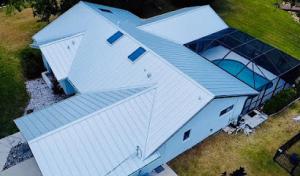
Fidus Roofing, Construction & Pavers
(904) 355-7663 fidusroofingandconstruction.com
Serving
4.8 from 401 reviews
A building permit is typically required for a full roof replacement in Saint Augustine through the City of St. Augustine Building Department. Before any material is ordered or a crew arrives, verify that the permit is pulled in the property owner's name or by an authorized contractor, and that the scope matches the planned roof type and underlayment. The city's historic restrictions and wind-resistance standards mean plans should show tile, metal, or shingle systems with appropriate Florida-approved components. If the project includes venting upgrades, skylights, or attic access work, these changes should be described clearly in the permit packet to avoid delays.
Local roof inspections are staged and commonly verify material type, nailing pattern, underlayment, and flashing details rather than only checking the finished surface. Expect an inspection after the roof deck is exposed, another when underlayment is in place, and a final inspection after all flashing, fasteners, and venting are completed. Inspectors will look for a proper nailing schedule that matches the chosen system and the wind zone requirements, so having manufacturer installation guidelines on site helps keep the process smooth. Adhesives, sealants, and drip edge must be installed per code and the approved plan, with any deviations documented and approved before proceeding.
Wind-mitigation and code-compliance checks can affect both project timing and the paperwork homeowners need to keep after completion. In this coastal climate, these checks look closely at impact-resistant features, roof-to-wall connections, and the quality of flashing around all perimeters and penetrations. If a licensed contractor files the wind-mitigation documentation, ensure the paperwork reflects the installed system accurately, including fastener type, underlayment, and any secondary water retardant measures. Missing or mismatched documentation can slow inspections or trigger rework, so keep copies of product data sheets, installation manuals, and inspection approvals in a dedicated folder.
Once the final inspection passes, collect the certificate of completion and all inspection reports. Store wind-mitigation credits, permit numbers, and any manufacturer warranties in a single, accessible location. If a future claim or sale requires documentation, having a complete packet that demonstrates code compliance and material type will streamline the process. For historic neighborhoods with stricter adherence requirements, retaining before-and-after photos and a detailed notes section on flashing transitions and edge details helps prove compliance during any future reviews.
Provided local cost ranges run from about 350 to 750 USD per square for asphalt shingles, 700 to 1400 for metal, 900 to 1900 for clay tile, 900 to 1800 for concrete tile, 600 to 1200 for wood shingles or shakes, and 450 to 900 for synthetic or composite shingles. In this market, material choice has a bigger impact on the bottom line when you factor in coast exposure and Florida wind expectations. A tile roof, common on historic and newer coastal homes, climbs quickly into the higher end of the range once long-span tiles or high-wind-rated accessories are chosen.
Costs in Saint Augustine can rise after tropical storms when demand spikes for re-roofing and emergency work across the local market. If a storm hits, expect pricing to shift for both materials and labor, and schedule or access to crews to tighten up in the weeks immediately after. Storm-surge repairs also drive temporary surcharge decisions on expedited orders and permit-related timelines (even when permits aren't in this section, the effect shows up in job scoping and task ordering).
Tile-heavy architecture, coastal exposure, and the need to meet Florida wind-related installation and inspection expectations can make labor and accessory details more significant here than in simpler inland reroofs. Fasteners, underlayment, and wind-rated bite into labor time and material packages. If you're replacing with tiles, plan for longer installation windows and careful handling of decorative features to stay within wind-resistance standards without compromising look.
In this climate, labor quality and choice of accessories (miters, hips, ridge vents, and sealants) matter more than in milder markets. Synthetic or composite shingles offer a mid-range option with easier maintenance, while clay or concrete tiles demand specialized crews and careful substrate preparation. Weigh the upfront cost against long-term durability, maintenance frequency, and insurance documentation needs tied to wind mitigation and storm readiness.
Preparation for potential hurricane-season claims benefits from clear records of shingle counts, underlayment type, and wind-rated components. Maintaining a detailed bill of materials aligned with your chosen roof system helps when reporting to insurers after a storm, and aligns with the local expectation for robust, wind-resilient installations in this bay-front community.
Don't let upfront costs delay a critical repair - these contractors offer payment plans to fit your budget.


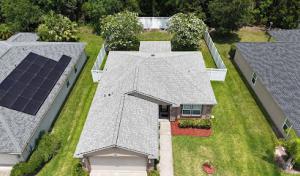
Saint Augustine sits in Florida's high-claim coastal insurance environment, where roof losses receive close scrutiny and documentation matters before and after storms. Insurers know the Atlantic exposure and the salt-laden humidity can shorten a roof's effective life, especially if wind events expose shingle or tile laps, flashing, and soffit vulnerabilities. In this climate, a well-documented roof history helps avoid surprises during renewal or claims, and it can influence the speed and outcome of a denial or payout.
When a claim or quote is in play, expect requests for records of prior damage, roof age, and wind-mmitigation features. Photos that show condition before a storm, receipts for repairs, and notes from any competent tradesperson carry weight. In recent years, policy availability has tightened across Florida, so insurers often scrutinize installed materials, installation dates, and evidence that the roof has withstood previous wind events. Having clear, organized records can prevent delays or gaps in coverage after a storm.
Because local permits and inspections verify installation details, homeowners should retain permit records, inspection approvals, photos, and product information for future underwriting or claims. Maintain a folder with warranty papers, manufacturer data for the roofing system, and any contractor communications about wind-related improvements. If a storm leads to damage, you'll want before-and-after images showing the roof's condition, the types of fasteners used, and the course of repairs. This helps a claims adjuster quickly verify what was present at the time of loss and what improvements have been made since.
Act quickly to assess wind-related damage and document it with time-stamped photos from multiple angles. Gather contractor contact info and keep a written log of dates when inspections or temporary protections were installed. If a second storm follows, having an organized file helps demonstrate ongoing diligence and supports timely, accurate processing with your insurer. In this market, proactive documentation can be as important as the roof itself in supporting a fair settlement.
Connect with contractors who help homeowners navigate the claims process from damage assessment to final approval.
Neligan Construction & Roofing
(904) 247-3777 www.neliganconstruction.net
Serving
5.0 from 50 reviews
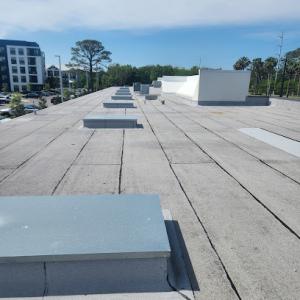
Although Saint Augustine is primarily a steep-slope residential market, some homes and additions locally still include low-slope sections that need separate detailing from the main roof. Those flatter areas often hug porches, sunrooms, or attached garages where the main roof is tile or shingle. The result is a mixed roof geometry where water can pool in seams and around transitions if not properly designed. Pinpoint these sections during annual inspections, especially after heavy rain events or tropical storms, so you can target drains and seals early.
Frequent rain and humidity in Saint Augustine make drainage and seam integrity especially important on these flatter sections. Ensure the low-slope area has a clearly defined, unobstructed drainage path and that the roof deck slopes toward a proper drain or scupper. Inspect membrane laps, flashing joints, and edge details for any gaps that may allow water intrusion. In salty coastal air, sealants can deteriorate faster, so plan seasonal re-sealing alongside more frequent checks after hurricane season. If you notice standing water after a heavy shower, address it promptly by regrading or reinforcing the drainage plan.
Low-slope transitions around porches, additions, and attached structures can become leak points when paired with tile or shingle main roofs. Pay special attention to the interface where the low-slope deck meets the higher-slope roof, including any penetrations for vents, skylights, or gutters. Use integrated counter-flashing and properly sealed joints at all penetrations to prevent capillary action from drawing water into the overlap. For ground-up renovations, specify compatible underlayment and flashing details that maintain a continuous barrier across the transition.
Develop a targeted inspection routine that includes seasonal checks of the low-slope areas, especially after storms. Look for loose seams, damaged flashings, and any punctures in the membrane. Keep gutters clean to maintain flow, and confirm that downspouts extend away from the fascia to avoid backflow. In Saint Augustine's climate, proactive sealing and timely resealing are practical defenses against moisture intrusion in these flatter sections.
Find specialists in TPO, EPDM, and built-up flat roofing systems for residential and commercial properties.
A-Z Roofing & Waterproofing
(904) 669-8037 www.atozroofingandwaterproofing.com
Serving
4.6 from 60 reviews