Last updated: Apr 19, 2026
Storm timing drives every reroof project here. The pattern of frequent summer thunderstorms and tropical downpours means you can lose days-sometimes weeks-if a crew can't work due to wind, lightning, or saturated tarps. In practice, that translates to compressed windows and crowded schedules when the forecast looks unsettled. The risk isn't just weather itself; it's the way a sudden storm can undo days of progress, soak exposed decking, and force temporary shutdowns that push your project past ideal conditions. You need to plan for these interruptions as if they were part of the job, not anomalies you'll deal with after the fact.
Atlantic hurricane season runs June through November, and Leesburg sits squarely in the zone where weather systems can stall, redevelop, or jump on a window with little warning. A tropical disturbance can slam through a weekend and leave you with a half-done roof and a waiting period before you can safely resume. That risk compounds if a project overlaps multiple storms, requiring re-sequencing of materials, staging, and crew availability. If a storm comes through during your reroof, the crew may need to suspend work, secure materials, and return when conditions are safe, possibly delaying final sealing and inspection. Plan for the possibility of weather-driven gaps and communicate early with the contractor about contingencies and rescheduling options.
The drier, cooler months are the safer, more reliable reroof window locally because high heat and humidity can interfere with underlayment and sealant handling. Asphalt shingles set, metals bend, and sealants cure more predictably in cooler air with lower humidity. When temperatures stay comfortably below the peak afternoon humidity, tasks such as applying underlayment, fastening, and final sealant adhesion proceed with fewer compromises. If you can align your schedule to this period, you reduce the probability of re-doing sections because adhesive or underlayment failed to cure properly in heat, and you avoid late-season monsoon surprises that leave crews scrambling.
Start with a conservative project calendar that assumes at least a few weather-impacted days, and insist on a clearly defined weather contingency plan with your contractor. Require daily weather briefings and a documented plan for postponement, tarp protection, and material coverage from the moment work begins. Demand that crews stage materials so a storm won't strand piles on the ground or scene fencing that could be damaged by wind. Have a clear sequence for temporary weatherproofing between reroof layers and a defined point when the roof is considered "weather-safe" enough to avoid unnecessary hold times. Keep a close eye on storm forecasts for June through November and set a firm, flexible target. If a major storm is looming, you want a plan to either accelerate pre-storm work or pause safely rather than risk rushing critical steps during a lull.
When a storm timing squeeze occurs, ensure the contractor documents weather-related delays and any protective measures taken. The goal is to minimize exposure of interior spaces and to maintain proper ventilation and moisture control during any halt. A well-timed reroof in Leesburg respects the rhythm of the Central Florida summer and the hurricane cycle, balancing the urgency of protection with the reality of nature's calendar.
Leesburg homeowners are navigating a Florida insurance market with high claim activity tied to hurricane, wind, and hail losses. That means the policy you carry-and the way your roof was installed-can influence whether a carrier approves coverage, renews, or adjusts your premium after a storm. When a reroof is on the table, carriers aren't just looking at the new materials; they're weighing the age of the existing roof, the roof's design, and how well the installation team documented every step. If the records aren't thorough, the likelihood of coverage decisions leaning against you increases, even for a seemingly straightforward job.
In this climate, wind resistance is not a nice-to-have feature but a practical safeguard for your family and your wallet. The months when storms barrel through are not the time to discover gaps in fastenings, underlayment, or edge detail. You'll hear about wind-rated shingles, proper nailing patterns, and additional fasteners in the attic and eaves. The emphasis is on how the roof behaves in gusts, how well it holds at the edges, and how the components coordinate under pressure. For Leesburg homes with mixed-age roofs or visible storm damage history, the emphasis should be on verifiable wind performance rather than just a cosmetic update. If a new roof is installed, expect a push for proven wind mitigation measures that align with the local climate realities.
Wind-related documentation may be requested in the local permit or insurance process, making installation records and final approvals especially important after a reroof. That means your project needs a clear paper trail: manufacturer specifications for every material, a stamped roof plan showing nailing patterns and overlaps, and a record of inspections from the installer during and after the job. Photos taken at key stages-start, mid-progress, and completion-provide tangible proof of adherence to the chosen wind-rated system. Keep the project binder ready for a claims adjuster or an underwriter who may ask to verify the exact fastener counts, placement, and alignment of hips, ridges, and eaves. Missing or inconsistent documentation can trigger questions, delays, or, in the worst case, a claim dispute when a storm hits.
When planning reroofing, request a written wind mitigation plan from the contractor that clearly outlines the fastener type, spacing, and edge protection used for the chosen material. Before work begins, establish a simple documentation workflow: a labeled folder for receipts, product data sheets, and inspection notes, plus a folder for final permit-related paperwork and inspection approvals. After the crew completes the job, arrange for a final inspection and obtain a certificate of completion that confirms the installation details match the wind mitigation plan. If you have aging decking or evidence of prior wind-related damage, discuss how to address those issues as part of the reroof package-because every extra layer of protection can help with future wind events and insurance considerations.
Connect with contractors who help homeowners navigate the claims process from damage assessment to final approval.
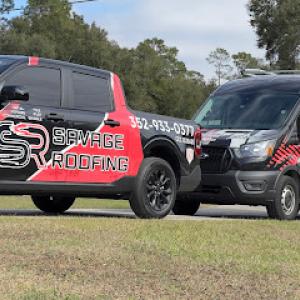
Savage Roofing
(352) 933-0377 savage-roofing.com
1130 E N Blvd, Leesburg, Florida
5.0 from 252 reviews
Savage Roofing is the premier roofing contractor in Leesburg, FL, and the surrounding area. We proudly offer shingle roof replacement, flat roof coating, metal roof replacement, flat roof, and tile roof replacement in Leesburg, FL! As a veteran-owned and family-operated business, we take pride in our craftsmanship, professionalism, and commitment to customer satisfaction. We provide durable and high-quality solutions tailored to residential and commercial properties. Our licensed and insured team uses industry-leading materials and techniques to ensure long-lasting results, whether you need a full roof replacement or a protective flat roof coating. Savage Roofing is your trusted partner for all roofing needs. Get your quote today!
Skymark Roofing
(352) 706-4798 www.skymarkroofing.com
Leesburg, Florida
4.9 from 1336 reviews
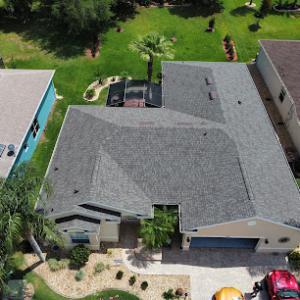
We have been serving Central Florida for more than 30 years, delivering dependable roofing solutions for both residential and commercial properties. Our team provides expert roof repairs, re-roofing, full replacements, and solar panel installations. We approach every project with attention to detail and a commitment to quality workmanship, ensuring long-lasting protection against Florida’s climate. At Skymark Roofing, we take pride in helping homeowners and businesses safeguard and improve their properties with reliable, durable roofing services.
Covenant Roofing & Construction, Inc.®
(352) 314-3625 covenantrooffl.com
1410 Emerson St, Leesburg, Florida
4.8 from 1859 reviews
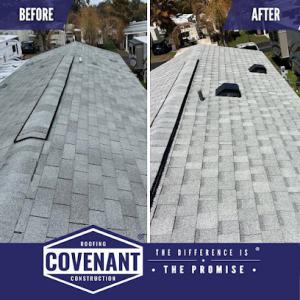
Covenant Roofing and Construction, Inc. is a State of Florida licensed and insured roofing contractor. Family-owned, no sub-contractors, and over 35 years of experience. We pride ourselves on the Promise of quality materials, communication, workmanship and accountability and "The Difference Is The Promise®." High quality materials combined with Superior craftsmanship and client services that are second to none. With our company – the Covenant Roofing family, you find the Integrity you’ve always wanted with the reliability you’ve always needed.
NB Roofs
1014 W Dixie Ave, Leesburg, Florida
5.0 from 31 reviews
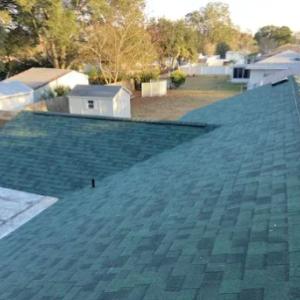
Central Florida's #1 Roofing Company. We are a family owned and operated roofing contractor based in Central Florida. We specialize in new roof installations, roofing upgrades and roofing repairs. Our full services list includes roof replacements, inspections, flat roofs, additions, metal roofs, tile, roof coating, and solar tubes and skylights. We service the following Florida counties: Marion, Sumter, Lake, Citrus and Alachua, but will travel further if needed. With decades of experience in this industry, our mission is to provide our customers an unmatched level of professional service and top-quality workmanship. Nieves and Baker Roofing understands that customer happiness drives our success. We are fully committed to excellence!
JCOF Roofing
(352) 323-1500 www.jcofroofing.com
9738 US-441 Suite 105, Leesburg, Florida
5.0 from 29 reviews
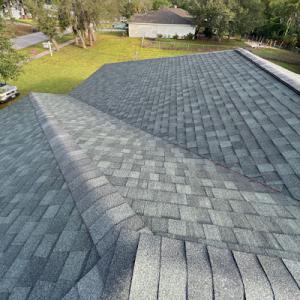
Family-owned, family-operated roofing business. 15+ years of roofing experience. We specialize in re-roofs and roof repairs. Our mission is to build a long-term relationship with each customer and community by providing excellent customer service and workmanship. At JCOF Roofing, we aim to resolve your roofing issues promptly and efficiently.
MLD Roofing & Construction
2850 W Main St, Leesburg, Florida
5.0 from 24 reviews
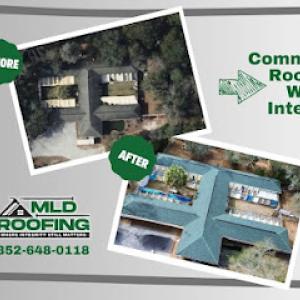
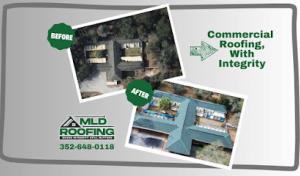
MLD Roofing & Construction is "Where integrity still matters." We are a family owned, State of Florida licensed and insured roofing contractor (CCC1336396). We never use subcontractors—ensuring every job is completed by our trusted, in-house team, with 100% accountability. We take pride in our quality materials, communication, workmanship, and long-term relationships with our customers, vendors, and community. We proudly provide metal, shingle, TPO/Flat roofing replacement and repair needs for homes and businesses across Marion, Sumter, and Citrus counties. Call us today for your FREE, no-obligation roof inspection and evaluation.
Miller's Top Choice Roofing
(727) 589-0240 millerstopchoiceroofers.com
Leesburg, Florida
5.0 from 3 reviews
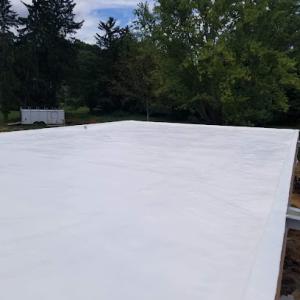
Let Miller's Top Choice Roofing handle your commercial roofing needs in the Central Florida area. With over 40 years of experience, we're the trusted experts for professional spray foam roof installations, membrane restoration, and more. Our licensed and insured team ensures top-notch service every step of the way. Contact us today for a free estimate.
Gold Key Roofing - The Villages
(352) 492-0042 goldkeyroofing.com
Serving
5.0 from 87 reviews
Since 1975, Gold Key Roofing has proudly served the Central Florida area, providing roofing and construction solutions backed by over 130 years of combined industry experience. We are a family-owned and operated business—not owned by a hedge fund out of New York or Europe. When you choose Gold Key Roofing, you’re keeping your investment in the local community, not sending it out of state or overseas. Our team of skilled, trained professionals is committed to delivering exceptional workmanship, honest pricing, and customer service that goes above and beyond. This dedication to quality has earned us a trusted reputation throughout Central Florida—because at Gold Key Roofing, your roof and your trust mean everything.
Leesburg Roofers
(352) 309-3831 leesburgroofs.com
1517 N Lake Ave, Leesburg, Florida
5.0 from 1 review
As a local roofing company located in the Leesburg area, we take pride in providing the best roof replacements. We are dedicating to providing unbeatable customer service and quality craftsmanship that sets us apart from the other contractors in our field. Our in depth knowledge of roof replacement and the quality products we install enables us to deliver a long-lasting roofing system that will protect your home for a long time to come. Please use the form to contact us for an appointment. Or go ahead and call us at 352-309-3831.
McHale Roofing
(352) 706-8232 mchaleroofingfl.com
Serving
4.9 from 124 reviews
McHale Roofing is a local, top-rated roofing company in Central Florida built on the desire to offer superior service to our friends and neighbors. With nearly two decades of experience in the local roofing industry, we understand the particular needs and concerns of property owners in our area and have the knowledge and expertise to address those concerns head on. When you work with McHale Roofing, no job is too big or too small. Unlike many local contractors and storm chasers coming in after severe weather events we won’t turn our nose up at a minor repair job because we know how important it is for our people to have a reliable and professional contractor working on their roof, even for the smallest issues.
Thomas Roofing of Central Fl - Lady Lake Roofer
(352) 653-0697 tomtheroofer.com
Serving
5.0 from 28 reviews
Expert roofing contractor serving Lady Lake, FL and Lake County since 1995. Specializing in roof installation, repair, and replacement for homes throughout The Villages area and surrounding communities. We handle storm damage, hurricane repairs, and skylight services. Licensed, insured, and locally owned. Our crews understand Lady Lake's unique challenges including proximity to The Villages, severe weather, and diverse housing styles from retirement communities to family neighborhoods. Serving zip code 32159, Rolling Acres, and areas near Lake Griffin State Park. Free estimates available. Emergency services ready when storms hit. Call (352) 653-0697 for expert roofing solutions.
RoofTek
Serving
5.0 from 24 reviews
RoofTek in Lady Lake, FL, located at 510 Co Rd 466 Suite 201, Office #A3, is your trusted partner for top-tier roofing solutions. Specializing in roof services such as roof replacement, metal roofing, and tile roofing, our expert team ensures durable and weather-resistant results. Whether you need quick roof leak repair, comprehensive roof inspection, or regular roof maintenance, we've got you covered. We excel in both residential and commercial roofing, offering expert flat roof repair and precise roofing estimates. Choose RoofTek for reliable roofing services that will protect your property and enhance its value. Contact us today!
The dominant residential roofing materials in Leesburg are asphalt shingles, metal roofing, clay tile, concrete tile, wood shingles or shakes, and synthetic or composite shingles. Each material meets a different balance of durability, weight, and appearance, which matters when choosing based on your home style and exposure. Asphalt remains common on ranches and mid-century houses with simple rooflines, while tile and metal show up on newer builds and homes with more defined eaves or Mediterranean-inspired designs. Wood shingles appear on older neighborhoods with traditional character, and synthetics fill gaps where people want a lower-maintenance look without sacrificing resilience.
Central Florida heat and humidity accelerate aging differently across these materials, so Leesburg material choice is closely tied to sun exposure, moisture retention, and storm resilience. Asphalt shingles handle heat reasonably well but can curl or lose granules after years of heavy sun; alloys in metal roofs can reflect heat, yet require proper panel sealing to resist wind-driven rain. Clay and concrete tiles excel in hot sun and can shed heavy rainfall efficiently, but their weight and installation need must be matched to roof structure. Wood shingles endure a classic look but demand meticulous maintenance to resist humidity and fungal spots. Synthetic or composite shingles aim to blend ease of care with decent resilience in our seasonal downpours.
Tile and metal are especially relevant in this market because local contractor specialization signals show strong activity in both categories. If you lean toward a tile roof, expect a heavier roof system and careful framing review; tile offers good longevity in sun-drenched elevations and handles wind when installed with the right underlayment and fasteners. Metal roofing, with its variety of profiles, tends to be popular for its quick installation and wind performance, provided flashing and seams are properly sealed. In homes with large overhangs or vaulted sections, metal often pairs well with existing architecture while offering notable resistance to hail and heavy rain.
Match your home style to the roof's silhouette and color story, then consider maintenance realities in the Florida climate. For a traditional or modestly styled home, asphalt or synthetic shingles deliver familiar curb appeal with manageable upkeep. For newer or more expressive shapes, metal or clay tile can emphasize lines and contrast, but require deliberate structural checks and professional installation. In older neighborhoods with historic texture, wood shingles can preserve character, yet plan for ongoing moisture control and resin protection. Whichever path, prioritize a reliable underlayment, robust fasteners, and a contractor who understands wind-driven rain and frequent storm timing in this market.
A full roof replacement in Leesburg typically requires a building permit through the local Leesburg or Lake County building process. Whether the project is a full replacement or a major repair, the jurisdiction expects you to document the work and secure the necessary approvals before starting. That means coordinating with the permit office to confirm which forms, site plans, and wind- and moisture-resistance details must be filed for your home. The goal is to ensure that the reroof aligns with current wind-speed standards, drainage considerations, and local wind-documentation requirements that are common in Lake County.
The reroof permit process commonly includes plan review followed by staged inspections during installation and a final inspection after completion. Plan review usually focuses on fastener patterns, underlayment type, and methods for securing the roof deck, given Leesburg's heat, humidity, and propensity for summer storms. A plan reviewer may request details about attic ventilation, eave overhangs, and ridge venting to demonstrate that moisture control and attic temperatures will remain within acceptable ranges. Expect a back-and-forth period where contractors may need to supply added information or adjust installation methods before permission to proceed is granted. Once the plan is approved, construction can begin, with inspections scheduled along the way to verify compliance with the approved scope and local codes.
During installation, staged inspections commonly occur at key milestones such as after roof deck preparation and after underlayment installation, then again once the fastener pattern and flashing are in place. In Leesburg, inspectors will look closely at nailing patterns, the integrity of underlayment, and the integration of ventilation components to ensure the roof breathes properly in Florida's heat and humidity. The final inspection is the critical checkpoint, confirming that all materials and workmanship meet the adopted standards. Final approval is expected to verify items such as proper nailing, underlayment, and ventilation, which are recurring compliance points in this jurisdiction. Because Lake County and the City of Leesburg require accurate record-keeping for insurance and wind-damage documentation, keeping complete, organized project files-shop drawings, permit numbers, inspection reports, and any change orders-helps smooth the final sign-off.
Coordinate early with your contractor to align the project timeline with permit review windows, especially in storm season when inspections may backlog. Schedule inspections promptly and ensure that access to the attic, roof, and eaves is clear for the inspectors. If a question arises about wind- or load-resistance details, have the installer provide stamped drawings or manufacturer data that explicitly address Leesburg's wind and climate context. Maintaining a tidy, accessible job site and complete documentation reduces delays and supports a clean path to final approval.
In this market, typical local pricing runs about 350 to 650 USD per square for asphalt shingles, 700 to 1100 for metal, 900 to 1800 for clay tile, 800 to 1400 for concrete tile, 450 to 900 for wood shingles or shakes, and 400 to 850 for synthetic or composite shingles. Those figures reflect not just the material itself but the way Leesburg homeowners routinely pair them with the inland Central Florida climate-heat, humidity, and storm interruptions that stress fast timelines and reliable scheduling. When you price out a reroof, expect a few bands: material cost, waste disposal, and the labor cadence needed to handle the heat and occasional summer downpours.
Leesburg reroof costs can rise during storm-driven demand spikes when emergency work and post-storm scheduling pressure tighten labor availability across Central Florida. That means if a major storm rolls through, bids you receive days apart can swing by a noticeable margin as crews juggle warranties, inspections, and wind-documentation needs. The timing of your project matters: windows with bright sun and calm afternoons reduce annoyance and potential delays. If a storm watch is in effect, plan for possible shorter work days and extended project durations rather than assuming a single steady push to completion.
Material choice matters more than usual locally because heavier tile systems, wind-documentation needs, and staged inspections can add complexity compared with a straightforward shingle reroof. Clay tile and concrete tile bring substantial weight and require careful framing checks and fastener patterns suited to Florida winds. Synthetic or composite shingles can offer a compromise between weight, cost, and ease of installation, especially when a quicker turnaround is a priority after a storm. Wood shingles or shakes bring their own considerations in the humid heat, including decay risk and maintenance needs that can alter long-term value. Your selection should balance initial cost with expected performance under Leesburg's summer sun and afternoon thunderstorms.
Begin with a material-focused budget that matches your home's roof size and pitch, then build in a contingency for weather-related delays. If storm scheduling pressure is likely, add a buffer for labor availability and possible expedited inspections so the project doesn't stall mid-progress. For heavier tile options, factor in framing checks and potential reinforcement-these can shift the total well beyond the base per-square price. In short, anticipate that local conditions push costs beyond sticker price when storms create demand spikes, and align your material choice with both budget and the anticipated wind and rain exposure of your home.
Get a clear picture of your project costs upfront - no commitment required.
Miller's Top Choice Roofing
(727) 589-0240 millerstopchoiceroofers.com
Leesburg, Florida
5.0 from 3 reviews
Thomas Roofing of Central Fl - Lady Lake Roofer
(352) 653-0697 tomtheroofer.com
Serving
5.0 from 28 reviews
In Leesburg, repeated summer rain exposure makes leak tracing a real challenge because active storm patterns can mask whether failures come from shingles or tile, flashing, underlayment, or penetrations. When a storm rolls through, water can travel along roof planes and flashing gaps in unpredictable ways, so a surface inspection after a downpour may mislead you about the true source. A careful after-storm assessment should include checking all penetrations, reevaluating previous flashing work, and tracing potential water paths from attic vents to any observed stains.
High heat and humidity in late spring and summer can shorten the margin for error on sealants and underlayment installation during local reroof projects. Rapid temperature swings push sealant bonds to the edge, and sticky conditions can affect self-adhesive underlayment quality. Expect adhesive failure or edge lifting if products were installed in the heat without proper curing time or ventilation. Plan reroofing around the hottest weeks when possible, and ensure that curing periods and wind-driven drying times are observed to prevent premature leaks from overheated, under-specified materials.
The local inspection emphasis on nailing and ventilation reflects two of the most important workmanship-related failure points for roofs in this part of Florida. Inaccurate nail patterns or undersized fasteners can loosen in heavy rain and wind, while inadequate attic ventilation increases interior moisture that can corrode or warp decking and underlayment. To reduce risk, verify nail spacing against the chosen roof system, use appropriate fastener length for the decking, and confirm that attic vents, soffit intakes, and ridge vents are integrated to sustain balanced airflow during hot months.
Find contractors experienced in skylight installation, flashing, and leak repairs to bring natural light into your home.
Thomas Roofing of Central Fl - Lady Lake Roofer
(352) 653-0697 tomtheroofer.com
Serving
5.0 from 28 reviews
DAN Roofing Service & Dryer Vent Cleaning Services Fruitland Park, FL
Serving
4.2 from 14 reviews
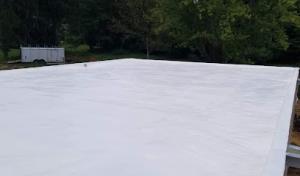
Flat and low-slope roofing is a meaningful local specialty in the Leesburg market, indicating enough homes, additions, lanais, or commercial-style sections to warrant dedicated expertise. When you see a porch roof, a garage extension, or a screened-in lanai with a shallow pitch, expect more careful attention to drainage, flashing, and seam performance. The climate brings frequent summer downpours, so a roof system with solid edge detail and reliable water routing matters from day one.
On low-slope sections, water tends to shed more slowly than on steeper residential roofs. Plan for a drainage path that minimizes standing water after a heavy shower. Pay close attention to the roof deck condition where joints meet walls, vents, or skylights, because those transitions are the most vulnerable to leaks during a sudden Florida storm. Ensure that scuppers, gutters, and downspouts are sized to move a pulse of rainwater quickly, not just passively sit there waiting for the next storm.
Scheduling and dry-in discipline matter more on low-slope sections locally because repeated storm interruptions can leave vulnerable transitions exposed. Build a realistic work rhythm that allows for tight sealing before a forecasted rain window, and keep the crew focused on securing perimeter membranes, flashings, and penetrations first. If a storm interrupts, protect exposed seams with temporary measures that crew experience trusts, so a small delay doesn't become a leakage risk in a later downpour.
For flat or low-slope roofs, material selection should emphasize seam integrity and wind resistance. Look for systems with proven, continuous flashing details at walls and equipment curbs, and investigate products with robust adherence to the deck under humidity, heat, and sun exposure. In this market, durability of the membrane or cap sheet matters as much as the core roof assembly, especially where aging or prior repairs show signs of moisture intrusion.
Find specialists in TPO, EPDM, and built-up flat roofing systems for residential and commercial properties.
Savage Roofing
(352) 933-0377 savage-roofing.com
1130 E N Blvd, Leesburg, Florida
5.0 from 252 reviews
MLD Roofing & Construction
2850 W Main St, Leesburg, Florida
5.0 from 24 reviews