
Last updated: Apr 19, 2026
This part of the Panhandle faces a brutal mix: tropical-system wind plus frequent warm-season thunderstorms. The result isn't a simple heat-driven aging curve. Shingles, underlayment, and deck-fastening systems show wear from wind-driven rain and rapid moisture swings. In practical terms, your roof ages faster where wind gusts slam over open eaves and where storms slam in with heavy rainfall. Understanding this combined wear pattern helps you spot trouble earlier and plan replacements before the next season's storms hit.
In Milton, small flashing gaps and lifted shingles aren't minor issues. A fast-moving thunderstorm can push moisture under edges you thought were sealed, especially if the edge details or vent flashings were already stressed from prior seasons. The wet season stretches from May through October, so a minor flashing leak today can become a full-on ceiling stain tomorrow if a storm rides in with a gust and a downpour. The practical upshot: you're not watching a gradual fade in color; you're watching the roof silently degrade behind the scenes, then suddenly you have active leaks during or after a storm.
The preferred installation window in this area is the drier period from fall through spring. Waiting into the summer increases risk because every additional storm raises the probability of hidden damage surfacing as a leak. If a roof is approaching 15-20 years of age on asphalt or around the 20-25-year mark on some other materials, that is a clear signal to start planning sooner rather than later. The goal is to line up a replacement so that work happens in a dry window, with enough lead time to address underlayment, deck attachment, and wind-resistance details before the next hurricane season arrives.
Look for more than just curling tabs or a few lifted shingles. Pay attention to:
If any of these show up, it's a red flag that underlying underlayment or deck attachment could be compromised. The risk isn't only a wet ceiling-it's structural dampness tracking into sheathing and rafters over time.
First, schedule a thorough roof inspection after the wet season tapers but before the next dry period ends. Your goal is to identify wind-damaged edges, lifted shingles, loose flashings, and underlayment gaps while the weather is mild. Second, document wind-driven concerns with dated photos and a simple note of storm dates that coincide with leaks or stains. This wind-and-moisture wear map helps you time replacements to the dry season, when crews can install with proper deck attachment methods and wind-resistant details without fighting rain. Third, plan the replacement crew's scope to include reinforced fasteners, specially sealed penetrations, and upgraded underlayment where needed, rather than patching only visible shingles. This forward-looking approach buys you resilience against the next round of storms, minimizes last-minute surprises, and preserves your home's weather-tight shell across Milton's windy, wet seasons.
In Milton, roof replacement generally goes through Santa Rosa County's building permit process rather than being handled only at a neighborhood level. This means your project starts with a formal submission that includes details beyond a simple scope description, such as the proposed materials, a basic deck assessment, and a plan that shows how the new system will integrate with the existing structure. The plan should clearly indicate fastener patterns, underlayment material and coverage, and a basic venting strategy. Expect a review that checks code compliance, workmanship standards, and how the replacement aligns with wind-resistance expectations for the Panhandle climate. Having the plan prepared with a licensed contractor who understands Santa Rosa County requirements helps avoid delays that pop up from missing details or unclear fastener layouts.
The county process typically includes inspection checkpoints at rough underlayment and final completion under the Florida Building Code. The rough-in underlayment checkpoint verifies that the deck is clean, dry, and properly prepared, and that the chosen underlayment meets code and manufacturer specifications. Proper nailing or stapling patterns, along with correct fastening for fastener corrosion resistance, are validated at this stage. The final inspection confirms that the installed roof system, including shingles, metal, tile, or composite options, complies with wind-load requirements and that all penetration flashings, hips, ridges, and edge details are properly integrated with adequate drainage. Because Santa Rosa County places emphasis on underlayment quality and deck attachment, a clean, well-documented job file will speed reviews and reduce the risk of rework.
Some Milton projects trigger added documentation on roof deck condition, fastener patterns, or wind-mitigation-related details that affect approval and insurance paperwork. The county may request evidence of deck stability, fastener schedules, and attachment patterns that demonstrate capability to withstand high wind events. Wind-mitigation documentation, when applicable, might include engineered or code-based clips, strap details, and shingle or tile attachment methods designed to meet higher wind-resistance standards. Be prepared to provide photographs, product data, and a simple narrative explaining how the chosen system meets Santa Rosa County expectations for performance in hurricane-prone conditions.
Coordination with the building department often surfaces around permit issuance, contractor plan revisions, and scheduling of inspections. Local conditions-such as recent storm activity, material lead times, and the necessity for updated wind-resistance details-can influence timing. If inspections reveal gaps, the county will outline the required corrections and a reasonable window for re-inspection. Keeping your contractor in close communication with the permit office helps ensure that the project timeline aligns with approval milestones and reduces the chance of weather-related delays. In practice, use the permit as a living document: organize the plan set, underlayment spec, deck attachment notes, and wind-m mitigation details so they're easy to reference during inspections.
On inspection days, expect the inspector to walk the roof edge-to-edge, noting exposure, attachment, and any penetrations that could impact performance. Prepare for questions about deck condition, fastener spacing, and the compatibility between underlayment and chosen roofing material. If the project involves alternates to standard fastener patterns or a more intricate wind-mitigation strategy, have manufacturer data ready to illustrate compliance with the Florida Building Code and Santa Rosa County requirements. A well-documented file that aligns with the county's emphasis on underlayment, deck attachment, and wind documentation helps you move from rough underlayment verification to final approval with fewer questions and smoother insurance paperwork.
In this area, roof decisions don't end at the eave line. The combination of inland Panhandle storm exposure, heavy summer thunderstorms, and Santa Rosa County's emphasis on underlayment, deck attachment, and wind documentation means that your roof is under more scrutiny than many similar houses elsewhere. The age of the roof, how it's attached, and what upgrades were made during replacement can directly affect underwriting and renewals. That means a sound roof isn't just about keeping water out; it's about keeping insurance terms stable year to year.
When a roof has been replaced or upgraded, insurers look for two things: robust deck attachment and effective wind-resistance features. In practice, that means fasteners that penetrate deeper into solid framing, a deck that has been properly secured, and an underlayment system that remains intact under wind-driven rain. If the roof still relies on older fasteners or an insufficient underlayment, the risk profile rises in the eyes of many adjusters. If present, upgraded components like upgraded nailing patterns, better wind-rated underlayments, or reinforced connections between the roof deck and walls can help reduce the chance of a write-down after a storm. The key is not just what sits on top but how it's anchored and protected underneath.
Storms leave a trail of questions for adjusters, and the most helpful trail is clear, organized documentation. After a replacement, insurers commonly focus on how the deck and fasteners were installed or upgraded. Photos that show the roof deck condition, the type and placement of fasteners, and the presence of approved underlayment become practical, persuasive evidence. If the roof was redecked or re-fastened, keep records that show the fastener type, spacing, and penetration depth, along with confirmation from the installer about attic ventilation and underlayment choices. This is not about fear-mongering-it's about giving adjusters a straightforward path to verify the work that was done.
Homeowners benefit from preserving a simple set of records: permit signoffs, inspection notes, photos of the completed installation, and manufacturer information for the chosen materials. After storms, adjusters often ask for proof beyond visible surface materials, and a tidy archive reduces the back-and-forth that can delay claim resolution. If a roof replacement included wind-resistance enhancements, having a summary that ties the product data to the installation method helps demonstrate compliance with the project's intended performance. In the end, careful record-keeping supports steadier insurance relationships and smoother claim processing, rather than leaving the narrative to memory after the next storm.
Connect with contractors who help homeowners navigate the claims process from damage assessment to final approval.
Freeman Roofing
(850) 994-1078 www.freemanroofing.com
4201 Auckland Rd, Milton, Florida
4.6 from 308 reviews
DAC Roofing
(850) 910-4707 www.dacroofingllc.com
5421 Stokes Rd, Milton, Florida
4.7 from 137 reviews

Coastal Roofing & Exteriors
(850) 816-1973 coastalroofingexterior.com
3002 Avalon Blvd, Milton, Florida
4.9 from 31 reviews
Asphalt shingles remain the dominant practical choice in Milton, reflecting a market shaped more by storm durability and budget control than by specialty premium systems. They install quickly, are familiar to local crews, and handle the Panhandle's mix of heavy summer moisture and frequent thunderstorms. In this climate, look for shingles with good granule retention and a strong sealant strip, and verify that the underlayment and attic ventilation are up to the task of Florida humidity. Proper attic moisture management helps prevent early granule loss and keeps appearance from degrading after a long season of heat and rain. When choosing asphalt, you'll want a product with a robust warranty and a relatively dense granule mix to resist sun exposure and algae with our hot, humid summers.
Metal roofing is a staple for durability-driven projects in this market, especially for homeowners prioritizing wind resistance and lower maintenance over the long term. In Milton, metal systems shine when paired with well-sealed seams and a solid deck attachment strategy. Where asphalt might weather a decade or two before showing wear, metal can offer extended service life if installed with attention to fastening patterns, proper underlay, and drip edge details. Metal's reflective surface helps mitigate heat buildup in the attic, which can matter in hot summers. An informed choice here involves ensuring the panels and fasteners are suitable for high-wind conditions and that flashings at hips, valleys, and eaves are properly integrated to withstand seasonal storms.
Heavier systems like clay and concrete tile are available locally but require attention to structural suitability and storm-related repair logistics in a Panhandle wind zone. These tiles bring a distinct look and long-term durability, yet the weight demands a robust deck and framing from the outset. In a hurricane-exposed setting, the method of attachment and the redundancy of fasteners become paramount; tiles should be laid with secure overhead support and designed to shed wind pressures efficiently. If a tile roof is pursued, budget for a meticulous inspection plan after major storms to address cracked or displaced units before interior water intrusion occurs.
Regardless of material choice, heavy thunderstorm episodes and summer heat demand vigilant maintenance. In all systems, pay attention to flashing, ridge details, and the underlayment's condition after severe weather. Algae and mildew can accelerate appearance degradation on any shingle, and timely cleaning or treatment can preserve curb appeal and edge protection. A proactive approach to inspection after storms helps catch wind-driven issues before they become costly repairs.
When you price a roof in this area, the numbers aren't driven by the color of shingles alone. Local pricing reflects Florida code compliance work such as underlayment upgrades, deck repairs, and fastening requirements. That means two identical-looking roofs can diverge by a few thousand dollars if the underlayment or deck needs extra attention to meet local expectations. In practical terms, your budget should include solid underlayment and secure deck prep if the current roof has any signs of moisture intrusion, fastener corrosion, or deck sagging.
Milton's storm season tightens labor availability and can push scheduling delays when many homeowners seek tarping, repairs, or full re-roofs at once. If your roof is aging and a hurricane or summer thunderstorm hits, expect crews to shift toward emergency or triage work, which can push timelines and occasionally raise expedited-material costs. Build a realistic window for material delivery and crew start dates, and plan for potential weather-driven setbacks that are common in the Panhandle's peak months.
Material choices common in Milton span asphalt shingles at 400 to 700 USD per square, metal roofing at 800 to 1200, clay tile at 1000 to 1800, concrete tile at 1000 to 1700, wood shingles or shakes at 600 to 1100, and synthetic or composite shingles at 500 to 1000. For storm-driven aging, prioritize options that handle wind and moisture well and still fit your deck condition and underlayment upgrade needs. If a reroof is on the table, factor in additional costs for improved underlayment, faster deck fastening systems, and wind-resistance detailing, which can push price toward the higher end of the ranges but offer long-term resilience against Florida's storm exposure.
Freeman Roofing
(850) 994-1078 www.freemanroofing.com
4201 Auckland Rd, Milton, Florida
4.6 from 308 reviews
Since 1976, Freeman Roofing has provided honest, quality workmanship to countless clients all along the Gulf Coast. James “Jimmy” Freeman began roofing for his eventual father-in-law. Knowing the importance and investment in a sound roof, Jimmy Freeman had the desire to provide a fair-priced, quality roof to everyone. This has become the company’s goal and mission statement. We are licensed and insured (License #RC0058058) dedicated to making sure we deliver quality work with quality products and manufacturers. Maintaining our family company’s stellar reputation is a top priority. Freeman Roofing offers a variety of services from small repairs to total re roofs on residential and commercial structures of all sizes.
DAC Roofing
(850) 910-4707 www.dacroofingllc.com
5421 Stokes Rd, Milton, Florida
4.7 from 137 reviews
DAC Roofing is a roofing contractor in Milton, FL, providing roof repair and replacement for homes and businesses. We specialize in asphalt shingle, metal, and flat roofing systems built to withstand Gulf Coast weather. As a locally owned and operated roofing company, we’re known for honest quotes, professional crews, and superior craftsmanship, DAC Roofing delivers lasting protection!

Coastal Roofing & Exteriors
(850) 816-1973 coastalroofingexterior.com
3002 Avalon Blvd, Milton, Florida
4.9 from 31 reviews
Coastal Roofing and Exteriors is a local roofing contractor serving Milton Florida and nearby communities. We focus on residential roofing and protect homes from heat, rain, wind, and severe storms common to the Florida Panhandle. Homeowners trust us for roof repair, roof replacement, emergency roofing, and storm damage repair tied to insurance claims. Our team installs and repairs shingle roofing and metal roofing with attention to detail. We provide clear roof inspections and honest guidance so homeowners understand roof condition. We are licensed and insured with deep experience handling Florida storm damage. Clear communication, reliable scheduling, and solid workmanship guide every project from inspection through completion.
Abram Roofing
(850) 400-2070 abramroofing.com
4821 Glover Ln, Milton, Florida
5.0 from 14 reviews
Ensure your home stays protected year-round with Abram Roofing, your trusted roofing contractor in Alabama. We specialize in roof installation, repair, and full roof replacement tailored to your property's needs. Whether you're dealing with storm damage, aging shingles, or planning a new build, our skilled team delivers reliable, high-quality results on every project. Don't wait until minor issues become costly repairs. Contact Abram Roofing today for professional service, durable materials, and lasting protection. Call now or book your free roof inspection and estimate. We're here to keep your roof strong, secure, and built to last.
Weatherproof West Florida Roofing
(850) 320-8410 www.wpwestfloridaroofing.com
Milton, FL
5.0 from 10 reviews
We provide roofing services for people throughout the Pensacola, FL area and will complete your new roof installation from start to finish. We have extensive experience with roofing and understand the unique challenges that come with living in Florida. You can rest assured that your roof will be up to code and built to last.
Jacob Hill Roofing
(850) 529-0547 jacobhillroofing.org
4715 Parch Rd, Milton, Florida
5.0 from 10 reviews
"Jacob Hill Roofing is a Commercial and Residential Contracting. We are growing and will compete with all the companies in the state of Florida. Jacob Hill Roofing is a veteran owned company has been serving the Florida Panhandle area for over 60 years in roofing. This company is owned by the second generation of roofers. We replace, repair and add on new roofing. Our continuing goal is to keep meeting the expectation by providing quality materials, precise craftsmanship, responsive customer service and happily satisfied customers."
Bill Walther Roofing
(850) 432-2029 www.billwaltherroofing.com
Milton, Florida
3.8 from 103 reviews
Need to repair or replace your leaking roof? Bill Walther Roofing helps residents of Milton, FL build quality new roofs. With years of experience, we work closely with every customer to find them the perfect material, style, and layout for their new roof. As a licensed roofing contractor, we keep up to date on the latest building codes and trends in the roofing industry. This means we can install every roof with durability, longevity, and affordability in mind. Your business is one of the biggest investments you’ll ever make, so it deserves protection. Our roof contractors work with you to make your roof beautiful, durable, and lasts for years to come! To get started with your next residential roofing project, call us at (850) 432-2029.
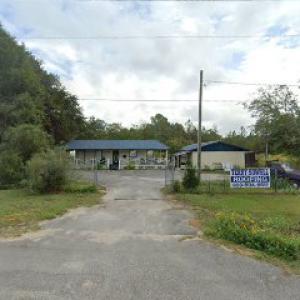
Terry Sowell Roofing
(850) 683-3553 www.terrysowellroofingco.com
6618 Munson Hwy, Milton, Florida
4.1 from 13 reviews
We have been in business since 1960 and service Okaloosa,Walton, Escambia, and Santa Rosa counties.We do not sub-contract our work. All of our employees work directly for us and are covered by Worker's Comp and General Liability.
Bilco Best Roofing Pensacola
(850) 710-0224 bestroofingpensacola.com
6752 Weathered Drive, Milton, Florida
5.0 from 3 reviews
Best Roofing Pensacola is the company you can count on. Occupied and fully operational job sites are never a problem. We can also plan, manage, and build multi-phase jobs for all sorts of clients. Our roofing team will work together to produce top notch results. We offer a beginning-to-end client experience that includes seamless communication, budgeting, staffing, on-site organization, and solid, quality work every time. Our previous projects include both new construction and repairs/restorations. Contact us today to receive a money saving hassle free quote for your roof. Don’t forget to ask about the monthly special!
Davis Roofing & Sheetmetal
(850) 665-4027 davisroofingllc.com
5935 Commerce Rd, Milton, Florida
4.3 from 7 reviews
Florida License #CCC1330079 Alabama License #56251
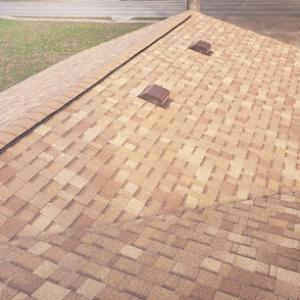
Bluewater Roofing Company
(352) 428-1047 www.bluewaterroofingcompany.com
Milton, Florida
4.0 from 11 reviews
Bluewater Roofing Company specializes in residential and commercial roofing in the panhandle and central Florida. We strive very hard to provide a superior customer experience, while providing tremendous value for all of our customers. Owner Garry Gordon Jr., has over 25 years of experience in the roofing and construction industries, and is passionate about exceeding your expectations. His team are experienced professionals, who share his enthusiasm for performing exceptional work. With a new roof on your existing home or business, Bluewater Roofing Company will work diligently to ensure your project is completed to your utmost satisfaction. Visit our website and follow us on Facebook. Call today for your Free Estimate.
Swindell & Sons Roofing
(850) 512-3975 swindellandsons.com
Serving
5.0 from 17 reviews
Welcome to Swindell and Sons Roofing, where roofing expertise meets family values. As a dedicated hometown, family-based company, we take pride in providing top-notch roofing solutions with a personal touch. With a commitment to quality and a legacy of trust, we aim to safeguard your home with the care and craftsmanship that only a family-owned business can offer.
In the repeated thunderstorm pattern, leak complaints often surface first around penetrations and edge details because wind-driven rain finds weaknesses that may stay hidden in drier climates. You'll notice small drips near vent pipes, skylights, electrical boots, and where roof-to-wall transitions meet. If flashing shows chalking or sealant gaps after a heavy shower, treat it as a red flag rather than a mere incongruity. Inspect these spots after every storm season and before the next round of heat- or wind-driven storms, looking for loose fasteners, cracked mastic, or worn kickout details that channel water toward the deck rather than away from it.
Edges wear fastest when a roof edge bears the brunt of wind and driving rain. In Milton, the combination of coastal moisture and inland wind streams can peel sealant and lift shingle edges, especially on roof eaves, rake, and ledger lines. Check that edge metal and drip edge sit firmly and that underlayment has a clean, continuous barrier beneath the shingles. If you find curling shingles at the edge or irregular shingle alignment after a strong thunderstorm, the underlying deck attachment may be compromised-address these promptly to prevent hidden leaks from becoming interior staining.
Occasional winter cold fronts can interfere with sealing performance on some roofing products even though the main installation season is generally smoother than summer. Skylights and low-slope transitions deserve extra scrutiny in Milton because prolonged wet-season exposure can magnify small installation defects. Pay attention to condensation patterns on cloudy days after a front passes and inspect around skylight frames for dried sealant seams, shifting caulk, or stray granules that indicate compromised drainage. If you notice persistent dampness near these features, plan a targeted inspection before the next cold front arrives.
Find specialists in TPO, EPDM, and built-up flat roofing systems for residential and commercial properties.
DAC Roofing
(850) 910-4707 www.dacroofingllc.com
5421 Stokes Rd, Milton, Florida
4.7 from 137 reviews
Ridgeline Construction Roofing & Exteriors
(850) 669-6976 ridgelineconstructionhsv.com
Serving
4.8 from 184 reviews
This market moves fast after storms, with many crews prioritizing turnaround speed. You should expect companies to advertise quick mobilization, but you need a clear plan for how long the tear-off and replacement will take, how weather windows will be handled, and how scheduling will adapt to additional local storm debris. Ask for a written timeline, concrete milestones, and a point person who will give you regular updates during the project.
Cleanup is a major local hiring priority, and it shows up in neighborhoods with mature trees and recurring storm debris. Expect crews to tape off work zones, protect landscaping, and sweep for nails daily. Request a magnet sweep at the end of each day and a final debris removal checklist. Clarify how tear-off waste will be contained to prevent nails and shingle fragments from lingering in yards or driveways, especially near alleys and curb lines where debris tends to collect.
Because the market includes both affordable operators and long-established family firms, you often compare responsiveness and storm documentation practices as much as price. Look for crews who provide detailed site documentation-before and after photos, wind-resistance notes, and a clear method for recording roof deck attachment and underlayment choices. Favor teams that demonstrate reliable communication habits, predictable scheduling, and a transparent process for addressing post-storm concerns.
Begin with two local references who can confirm on-time performance and cleanup thoroughness. Verify insurance coverage and a current certificate of liability. Request a written scope that names the underlayment, fasteners, and deck-attachment approach, plus a description of how weather delays will be managed. Finally, agree on a fixed daily cleanup routine, including magnet sweeps, nail removal, and dump-site handling to minimize lingering mess.