
Last updated: Apr 19, 2026
Thunderstorm activity in spring and summer hammer Loganville roofs with wind, hail, and heavy rain. Shingle lift, ridge damage, and leak entry around flashing sit high on the priority list for homeowners. When shingles lift, wind-driven moisture can track under the deck, seeping into attic spaces and creating hidden rot. Ridge caps are a common weak point after a quick gust, and flashing around valleys, vent stacks, and chimneys often fails first under sustained rain. The first hours after a storm matter, because a small breach can become a big leak quickly in this climate. Prioritize a rapid roof-diagnosis plan that focuses on weather-exposed edges, interior signs of moisture near ceilings, and any sag or soft spots in the decking.
Georgia insurers scrutinize wind and hail claims with close attention to documentation. For a Loganville claim, date-stamped photos are essential, but they must tell a story beyond a single shot. Capture elevation-by-elevation roof images to show the extent of wind lift, torn shingles, or damaged flashing from the eave line up to the ridge. A detailed replacement scope-itemizing damaged materials, flashing, underlayment, and any decking replacement-helps the adjuster understand the full scope before moving to a repair plan. Keep a dated log of every weather event, and note the timeline from impact to suspected leaks, because timing can influence how the claim is evaluated in this market.
When a storm hits, scheduling constraints in Loganville and nearby Gwinnett service areas can create bottlenecks. Temporary drying-in and tarping become essential stopgaps to prevent water intrusion from turning into structural rot. A properly placed tarp over the affected slope, anchored in a way that withstands gusts, buys you precious days for a thorough assessment. If active leaks are present, set up buckets to catch water, protect valuables in the attic, and avoid walking on soft or sagging decking. Recognize that after a major regional event, crews and materials move quickly, but access can be limited; prioritize securing a safe temporary cover that can be left in place until a full replacement or repair can be scheduled.
Choose a local contractor who understands the typical Loganville rooflines and the vulnerability of ridge lines and flashing details. Look for a communicator who will walk you through the claim process, bring a measured scope, and provide a transparent timeline for drying-in, temporary fixes, and final replacement. The contractor should offer a staged plan: first, emergency protection, then a documented assessment, followed by a comprehensive repair or replacement plan that aligns with the insurer's expectations. In a storm-prone area, this staged approach reduces risk of gaps between a tarp job and the full replacement, and helps ensure the project proceeds steadily rather than stalling at critical moments.
After the immediate storm response, review the roof's vulnerable details with a trained eye: ridge lines, flashing around skylights and vents, and transitions from shingles to coping or gutters. Short-term post-storm inspections-especially after the next thunderstorm season-can catch developing leaks before they become bigger problems. Loganville homes often feature a mix of stock shapes and ages; tailoring a maintenance plan to that mix helps keep the roof resilient through Georgia's hot, humid summers and sudden downpours. Stay ahead by scheduling regular checks after major storms and ensuring that any temporary coverings are removed and the underlying roof is fully evaluated and repaired as soon as feasible.
Storms in this area can leave a telltale pattern on roofs that adjusters expect to see. After a thunderstorm, you should perform a quick, safe exterior check from the ground if possible and note any obvious climbing injuries, lifted shingles, or exposed underlayment. When the hail or wind is fresh in memory, call your insurer or agent to start the claim within the same business week if you can. Georgia is an active wind and hail claim environment, so adjusters will ask about roof age, prior repairs, and whether damage is isolated or part of broader storm loss. Be ready with the basic dates and a concise description of what happened and when. If a neighbor had the same storm, that can help illustrate the scope of the event, but avoid guessing about damage you cannot verify from your own property.
In Loganville, adjusters frequently focus on whether damage is scattered or part of a wider neighborhood pattern, especially after a broad storm. Expect questions about roof age and prior repairs, and be prepared to explain any previous leaks or patchwork. When the adjuster schedules a visit, request the appointment window to ensure you can be present, verify the scope of the inspection, and confirm what parts of the roof and interior spaces will be examined. If the claim involves premium materials such as tile or slate, anticipate closer underwriting review or coverage limitations from some carriers; this can influence replacement decisions. Document the meet-up with the adjuster by confirming the date, time, and the specific areas agreed to be inspected. If you cannot be present, arrange a trusted neighbor or a contractor to accompany the adjuster to provide access and a second set of eyes on the roof condition.
A strong claim file rests on organized visuals and notes. Take inspection photos from ground level and from the attic if accessible, including interior leak spots that correspond to roof connections. Shingle or metal panel closeups are critical to showing physical damage versus wear. Keep a dated folder of all photos, labeled by location (for example, attic, eave, valley) and by issue (burst seam, hail impact, missing granules). Written notes tying damage to a specific storm date help frame the loss as a single event rather than gradual deterioration. Save any related paperwork: prior permits or inspections if available, contractor estimates, and notes about any temporary repairs you made to slow leaks before the adjuster's visit. Consistency matters-align the dates of photos with the storm calendar and the claim timestamp.
Older homes with tile or slate may trigger closer scrutiny. The insurer might question the recoverability of premium materials or request supplementary documentation to support the replacement decision. Ensure you have recent photos of the intact condition before the storm and clear images of damage after, plus notes detailing any previous repairs that could affect underwriting. When discussing replacements, be prepared to show why a certain material choice aligns with the existing roof's degree of damage and the home's overall exposure. Building a precise, storm-focused narrative in the claim file increases the likelihood of a smooth adjustment process.
Connect with contractors who help homeowners navigate the claims process from damage assessment to final approval.
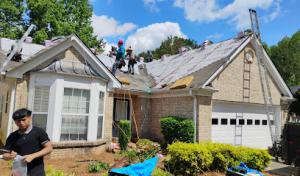
Barrelle Roofing
(770) 658-0342 barrelleroofing.com
147 Lee Byrd Rd, Loganville, Georgia
4.9 from 229 reviews

True Quality Roofing
(770) 554-1229 www.truequalityroofing.com
2828 Rosebud Rd, Loganville, Georgia
5.0 from 137 reviews
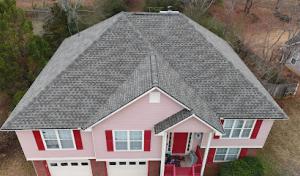
Empire Roofing & Restoration
(770) 703-5140 myempireroofing.com
2382 Pro-Tec Wy Suite A, Loganville, Georgia
4.9 from 319 reviews
Barrelle Roofing
(770) 658-0342 barrelleroofing.com
147 Lee Byrd Rd, Loganville, Georgia
4.9 from 229 reviews
Barrelle Roofing is a local, family-owned business located in Loganville, GA with over 22 years of experience in the roofing industry. Our company's doors have been open for over 10 years. We are licensed and insured for your protection, accredited with the Better Business Bureau, and an Owens Corning preferred contractor.

True Quality Roofing
(770) 554-1229 www.truequalityroofing.com
2828 Rosebud Rd, Loganville, Georgia
5.0 from 137 reviews
True Quality Roofing, LLC is your go-to roofing contractor in Loganville, GA. We specialize in top-notch roof replacement, repairs, and maintenance services. Our team is dedicated to providing the highest level of craftsmanship and customer service. In addition to roofing, we also offer full home renovation and remodeling services to transform your space into the home of your dreams. Trust True Quality Roofing for all your roofing and home improvement needs.
Empire Roofing & Restoration
(770) 703-5140 myempireroofing.com
2382 Pro-Tec Wy Suite A, Loganville, Georgia
4.9 from 319 reviews
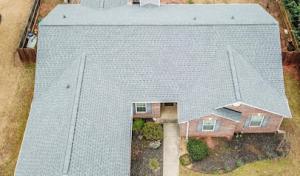
GAF Master Elite Roofing Company: we are one of only 2% of roofing contractors in the country to achieve GAF Master Elite Certification. This means that we can offer warranties that other contractors cannot offer, such as the Weather Stopper Golden Pledge. Contact us today for new roof installation, roof repair and replacement, storm damage repair, hail damage repair, wind damage repair and more! We work with all insurance companies and provide internal financing. Get a free inspection and cost estimate by calling 770-703-5140.
Anchor Roofing
(678) 463-6612 anchorroofing.net
3705 Harrison Rd Suite 100, Loganville, Georgia
4.9 from 137 reviews
Located in Loganville, Bethlehem, Conyers, and Lawrenceville, GA, Anchor Roofing is a trusted Roofing Contractor dedicated to providing high-quality roofing solutions for both residential and commercial properties. We specialize in full roof replacements, roof repairs, and inspections, using top-grade materials and expert craftsmanship. In addition to roofing, we offer professional gutter services to protect your property from water damage and ensure long-term performance. Our team is committed to honest service, clear communication, and lasting results. If you're looking for a reliable Roofing Contractor in Loganville, Bethlehem, Conyers, or Lawrenceville, Anchor Roofing is your go-to source for expert roofing and gutter services.
Proaccess Roofing
(770) 727-8879 www.proaccessroofing.com
174 Line St, Loganville, Georgia
4.9 from 78 reviews
We handle all roofing needs here at Proaccess. We are one of the top rated roofing contractors in Georgia with the experience to back it up. We’ve spent years installing, repairing, and replacing roofs in Monroe, Loganville, and the surrounding Atlanta metro area. We strive for customer satisfaction by excelling in customer service and providing quality workmanship. With dozens of options in roofing materials and warranties, the product you choose will impact the appearance of your residence. We are proud to be one of the Premier roofing companies that’s looking out for your best interests.
Southern Integrity Roofing
(470) 220-4367 southernintegrityroofing.com
Loganville, Georgia
5.0 from 25 reviews
Southern Integrity Roofing provides commercial and residential roofing services to Georgia and the entire Southeast.
Storm Hero Roofing & Restoration
(770) 380-6809 stormheroroofing.com
4396 Lawrenceville Rd Suite 103, Loganville, Georgia
4.9 from 19 reviews
Storm Hero Roofing & Restoration is Gwinnett & Greater Atlanta's #1 Top Rated Roofer for Residential & Commercial. Family owned with 20+ years of roofing & electrical experience. Certified, Bonded, & Insured. All work 100% guaranteed. Premier Services Include: - Online Roof Estimates - Residential Roof Installation & Repair - Commercial Roof Installation & Repair - Shingle, Tile, Flat Roofs - Water Damage Mitigation & Restoration - Electrical Services - Skylight Services Service Areas: Atlanta Metro Athens/Oconee Gainesville Newnan Greensboro Gwinnett Marietta Alpharetta Give Us A Call. Everyone Is Family.
Roof America
501 Plantation Park Dr, Loganville, Georgia
4.6 from 79 reviews
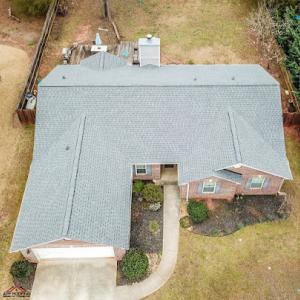
Roof America is one of the leading roofing companies in the United States and the best roofing company in Loganville Ga. We specialize in a variety of roofing services, from residential roofing to commercial roofing. We also offer roof repair services, and are experts in new roof installation and metal roofing. Our roofing team is dedicated to providing quality roofing service to our customers, and we always go the extra mile to make sure they are satisfied with the end result. We also offer free roofing estimates so that our customers can make an informed decision about their roofing needs. Contact us today for all your roofing needs!
Roofing Rescue
(470) 236-1976 www.roofingrescue.net
4851 Old Hwy 138, Loganville, Georgia
5.0 from 16 reviews
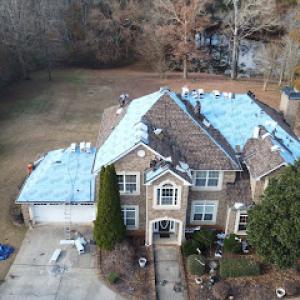
At Roofing Rescue, we are proud to be a veteran and firefighter-owned company dedicated to serving our local community with exceptional roofing services. Our mission is to provide thorough roof inspections and honest recommendations, ensuring you get the care your roof truly needs. From rejuvenation powered by RoofMaxx to full replacements, repairs, and cleanings, we offer a comprehensive range of services tailored to protect your home. We also offer a unique roof protection subscription plan for ongoing maintenance and peace of mind. Whether you need a small repair or a full roof overhaul, Roofing Rescue is here to help. Our team brings a commitment to integrity, quality craftsmanship, and customer satisfaction in every job we undertake.
Deluxe Roofing
Loganville, Georgia
4.9 from 17 reviews
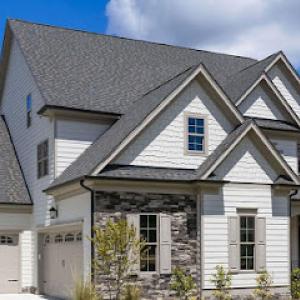
Deluxe Roofing Provides Roof Contractor Services to the Loganville, GA Area.
TC Quality Roofing
(678) 310-9001 www.tcqualityroofing.com
5750 Kent Rock Rd, Loganville, Georgia
5.0 from 13 reviews
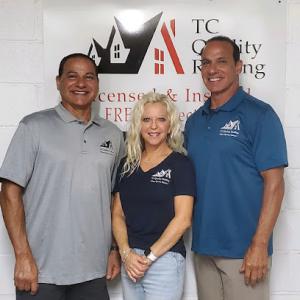
TC Quality Roofing is an Insured, Licensed, Certified and reputable Roofing Company serving the entire Atlanta, Georgia area. We are locally owned, been in business since 2009 and strive to provide quality and excellence for every customer as well as a comprehensive approach to project management while providing our clients with a wide range of services to cover all their roofing needs. Give us call today to learn more about what we can offer you and to receive your FREE Roof Inspection and Quote.
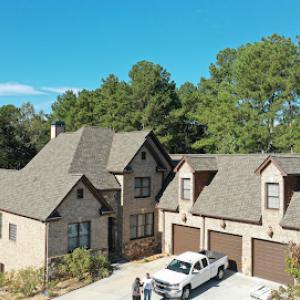
Dreamworks Roofing & Contracting
4640 Lawrenceville Rd, Loganville, Georgia
4.3 from 119 reviews
It sounds simple. Dreamworks is more than roofing. While it’s true that we do more than repair and replace roofs – specializing also in siding, painting, gutters, windows, decks, and remodeling – we put stock in our people. In other words, we’re more than roofing because we’re creating a company culture rooted in opportunity and purpose that benefits each individual team member and ultimately our customers. Our purpose is to provide incomparable service and workmanship with every project… for every property owner. The work ethic and service mentality cultivated at Dreamworks promotes responsibility, positivity, self-respect, and pride in the work we deliver to our communities. #morethanroofing
A full reroof in Gwinnett County typically requires a permit, and applications are submitted through the Gwinnett County Building Plan Review online portal. Before any material comes off or new shingles go on, log in to the portal, upload the required documents, and secure the permit number. In this part of Georgia, permits are tied to the property location, not just the mailbox address that contractors may use for service routes. Make sure the property in question actually falls under Gwinnett County's permitting rules, even if the street address appears to sit near a boundary. The online portal will guide you through the plan review steps, including required site diagrams and system specifications for the roof replacement.
Inspections are typically scheduled at tear-off and again at final installation, and both stages must pass before the permit is closed. The tear-off inspection confirms the old roof has been removed down to the deck, the deck is in good condition, and the ventilation and decking meet code for reroofing. The final installation inspection verifies proper shingle or panel application, flashing around penetrations, valleys, skylights, and chimney details, plus proper attic ventilation and insulation where applicable. Inspections tend to be scheduled promptly after notice of readiness, so plan for access to your attic and roof lines during the inspection window. Missing or incomplete items can stall permit closure, so readiness at each stage matters.
For properties in this area, homeowners should confirm jurisdiction before work starts because city mailing addresses can overlap contractor service patterns near the Gwinnett-Walton line while permit authority depends on the actual property location. If the property sits just outside city limits, Gwinnett County will generally handle the permit and inspections; if it lies within a city-adjacent zone with established city code, the city may require its own permit or an additional review. Start by checking the parcel number in the Gwinnett County system and, if uncertainty remains, call the county permit office or the city planning department with the exact legal description. Document the property's jurisdiction in writing and share that with the contractor to avoid mismatches during inspection scheduling.
On inspection day, clear access paths to the roof and attic, ensure all penetrations are sealed temporarily if needed for weather protection, and have a copy of the permit and any plan reviews handy. Tell the roofer to coordinate with the inspector on any deferments or special conditions that may apply to storm-damaged replacements common after thunderstorms. Understanding the sequence-tear-off first, then final-helps you plan weather buffers and avoids last-minute rushes that can complicate documentation and timely permit closure.
Asphalt shingles dominate replacements in this market, and for good reason. In an area where quick sourcing and fast installation after storm events matter, standard residential roofing built with asphalt shingles tends to be the most practical and readily available option. The typical Loganville home can often accommodate these shingles without major structural changes, and local crews are accustomed to the nuances of Georgia summers and frequent thunderstorms. When storms strike, you'll find the supply chain and contractor turnout closer to home, which reduces downtime and helps get leaks blocked sooner while you address deeper storm-related repairs.
Metal roofs stand out as a meaningful local specialty for homeowners who prioritize durability against repeated storm exposure and high summer heat. In homes that endure hail, driving rain, and intense sun, metal panels can offer extended service life with resistance to denting and wind uplift. For reroof projects where you want a long-term, lower-maintenance solution, metal can be appealing, especially if the existing structure already has the necessary framing or a metal-ready deck. Local crews familiar with the climate understand the nuances of fasteners, underlayment, and thermal expansion that influence performance in this region.
Tile options-whether clay, concrete, synthetic/composite, or slate-appear in the Loganville market as premium or specialty choices. These materials can offer distinctive aesthetics and long lifespans, but they require closer structural and insurance consideration on older homes than standard shingle replacements. The heavier weights demand careful assessment of roof framing, deck capacity, and potential retrofit needs. In addition, insurance documentation becomes more involved if a retrofit alters loading or wind uplift characteristics. If considering these materials, plan for a thorough structural evaluation and coordination with your insurer to ensure compatibility with existing systems and replacement expectations after a storm event.
In hurricane-prone or rapidly changing Georgia weather patterns, the ability to respond to leaks quickly is essential. Asphalt shingles provide a reliable, fast-path interim fix after a storm while a longer-term decision about roof system upgrades is made. For homes that regularly endure harsh exposure or heat, metal roofing presents a sensible upgrade path when the structure supports it and the long-term benefits align with local conditions. Tile and its variants can elevate curb appeal and durability but demand careful scrutiny of the house's age, framing, and insurance implications. In the end, the best choice blends local availability, installation speed, and how the roof will perform under Loganville's seasonal storms.
When a storm rolls through Gwinnett and Walton County, crews get pulled into emergency repairs, insurance work, and full reroofs all at once. That surge can push scheduling and material availability, which quietly drives up costs and extends timelines in the weeks after a big thunderstorm. If your roof was damaged during a gusty afternoon, expect some price variability as local crews balance urgent repairs with planned jobs. In practical terms, work may start later in the season or require a short-term change order if a crew is already committed to a nearby project that week.
Asphalt shingles typically run about 350 to 650 USD per square. Metal roofing sits around 600 to 1100 USD per square. Clay tile ranges from 900 to 1500 USD per square, while concrete tile is usually 500 to 900 USD per square. Synthetic/composite shingles fall roughly between 600 and 1000 USD per square, and slate commonly runs 1100 to 1800 USD per square. These figures reflect Loganville's mix of older neighborhoods with steeper layouts and newer homes that can require extra attention to edge detailing. The sticker shock you notice from a quick online quote often softens a bit once the crew visits and assesses exact scope.
Costs can rise in Loganville when steep residential rooflines demand more safety measures or longer installation times. Humidity-related deterioration can affect decking, especially where plywood or underlayment bears on uneven rafters, potentially triggering replacement or reinforcement. Skylight flashing work adds a per-penetration line item, and any associated repairs to gutters or downspouts can nudge the total upward. Scheduling delays tied to high post-storm demand mean communication about lead times is essential, and documented change orders should be expected if the scope expands after the initial inspection.
After a storm, you'll want to have clear, organized documentation ready for the insurer. Photos of the damaged areas, a roof plan with measurements, and a written summary of the observed problems help streamline the claim. If the replacement involves multiple stages or multiple roof sections, request a staged timeline and a fixed-price breakdown for each phase to avoid surprises. Keep copies of all receipts, permit-related notes, and any correspondence with the insurer or contractor so you can reference them during the claim review and any follow-up inspections.
Get a clear picture of your project costs upfront - no commitment required.
Empire Roofing & Restoration
(770) 703-5140 myempireroofing.com
2382 Pro-Tec Wy Suite A, Loganville, Georgia
4.9 from 319 reviews
TC Quality Roofing
(678) 310-9001 www.tcqualityroofing.com
5750 Kent Rock Rd, Loganville, Georgia
5.0 from 13 reviews
Georgia's hot, humid summers accelerate asphalt aging, so you'll often find better installation conditions during cooler shoulder seasons. In Loganville, aim for mild mornings after overnight cooling, when the roof is dry and the surface heat won't soften asphalt. Early fall often provides a stable climate for tear-off and re-roof work, reducing thermal stress on shingles and underlayment.
Spring in this area can bring heavy rain and frequent thunderstorms that interrupt tear-off schedules. If crews must pause, expect drying times to lengthen once rain stops, especially on poorly ventilated roofs. For storm-damaged homes waiting on insurance approval, plan for potential delays in reordering materials and resuming work, and keep communication tight with the contractor to minimize weather-driven gaps.
Autumn wind and intermittent showers can complicate installation plans. Wind-driven debris and rapid air changes challenge temporary protection and flashing installation. Contractors often stagger tasks to avoid full-day exposure to brisk gusts, prioritizing secure underlayment and flashing during favorable windows.
Occasional winter cold snaps and rain may pause adhesive sealing or extend project timelines. Adhesives can lose tack in colder temperatures, so crews may delay sealant work until temperatures rise above critical thresholds. If a cold spell arrives mid-project, expect a pause rather than a rush job, with a focus on preserving roof integrity until conditions improve.
Keep gutter systems clear and landscaping nearby protected during stretches of unstable weather, as Loganville storms can be sudden. When a storm is forecast, coordinate with the crew to cover exposed roof areas promptly and to document any pre-existing damage for timely follow-up.
In a storm-driven repair market, leak tracing often centers on shingle blow-offs, ridge and hip exposure, and flashing failures after wind-driven rain. Shingles that lift or shed their granules leave vulnerable gaps where rain can intrude, especially along roof edges and near vent pipes. Ridge and hip areas take beating during gusts, and the exposed fasteners or underlayment there can fail quietly, letting water travel sideways before it shows up inside the attic or ceiling. The consequence is not just a drip-it's widespread staining, warped decking, and the potential for mold if moisture sits unchecked. When you inspect after a storm, start at the ridges, valleys, and vent penetrations, then work downward along the slope to confirm which shingles actually stayed put.
Skylights are a recurring specialty in the local contractor base, indicating that curb and flashing details are a meaningful repair point for area homeowners. Water often tracks along the skylight curb, slipping behind the flashing if seals have aged or if the shingle course above has shifted. In practice, this means a tiny hairline crack around the flashing or a misfit seal can become a waterfall during the next heavy rain. If you notice a damp corner near a skylight, check both the curb seal and the surrounding flashing for pooling water, then verify that the shingles above have proper coverage without gaps or lifted edges.
Humidity and repeated wet-dry cycles can turn minor flashing or decking issues into larger reroof scopes if leaks are not addressed quickly after storms. Small rust spots on metal flashings, delamination of underlayment, or soft spots in decking can escalate with every passing shower. The key is swift response: a quick patch may stop a small leak, but delaying repairs invites rot and more extensive replacement. When you detect dampness, trace it to the nearest flashing joint or fastener line, then plan timely repairs before the cycle repeats.
Find contractors experienced in skylight installation, flashing, and leak repairs to bring natural light into your home.
Barrelle Roofing
(770) 658-0342 barrelleroofing.com
147 Lee Byrd Rd, Loganville, Georgia
4.9 from 229 reviews
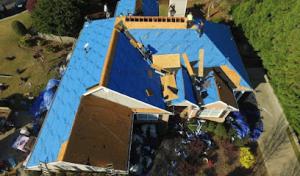
Proaccess Roofing
(770) 727-8879 www.proaccessroofing.com
174 Line St, Loganville, Georgia
4.9 from 78 reviews
Storm Hero Roofing & Restoration
(770) 380-6809 stormheroroofing.com
4396 Lawrenceville Rd Suite 103, Loganville, Georgia
4.9 from 19 reviews
Cleanup is a major local hiring priority in Loganville's contractor market, so you should confirm debris removal, magnet sweeps, and haul-off in writing before reroofing starts. A clear agreement helps avoid end-of-project surprises when the crew leaves and you still have nails or scrap on the property. Ask for a written checklist that includes daily debris containment, sweep of the yard and driveway, and a final teardown of all construction waste. If a magnet sweep is promised, require documentation of the date and scope. Ensure the contract specifies where debris will be staged during the job and how long haul-off will be allowed to linger before removal.
Manufacturer-certified and warranty-offering contractors are present in the market, which matters when comparing workmanship coverage versus material coverage on replacement roofs. Know who backs what: material warranties typically come from the shingle or metal supplier, while workmanship warranties come from the installer. In practice, a Loganville roof often relies on a blend-high-quality materials paired with a solid workmanship guarantee. Clarify exactly what each warranty covers, what exclusions apply, and how long coverage lasts. Request copies of the manufacturer's warranty language and a separate workmanship warranty to review before signing. It helps to identify whether coverage transfers if the property changes hands.
Because reroofing is more prevalent locally than niche new-construction work, focus on replacement experience, final inspection closeout, and post-job punch-list response. Ensure there is a documented final inspection with sign-off from the contractor, a clearly defined punch-list process, and a timeline for addressing any deficiencies found after the job is completed. Confirm how long it takes to respond to a punch-list item and how communication will be handled if weather or access delays occur during cleanup or final edging. This clarity protects both you and the crew during the critical closeout phase.