
Last updated: Apr 19, 2026
June through September in Ellenwood brings a peak in roofing disruptions due to frequent thunderstorms and tropical remnants crossing metro Atlanta. Shingle loss, lifted flashing, and active leaks can emerge with little warning after a fast-moving storm. The inland DeKalb location means wind-driven rain and repeated storm events occur more often than coastal salt exposure or hurricane landfall damage, so the pattern is predictable: rapid cycles of wet weather, dry spells, and renewed downpours. Fast action matters because summer humidity and recurring rain can turn a small deck exposure into interior moisture damage before a full roof replacement can be scheduled.
When a leak is suspected, your first move is to cover exposed decking and the interior space with sturdy plastic sheeting and a weather-resistant seal over any obvious gaps. Secure the edges with boards or weighty objects so wind cannot lift the cover. Do not wait for a perfect dry spell to seal up the most vulnerable areas. Small penetrations-such as a loose shingle or lifted flashing-can become major leaks in a single afternoon thunderstorm. If possible, place the temporary shield in a way that channels water away from the interior and toward exterior drains or ground. Recheck after each storm, because the next round of rain can undo the previous patch.
In Ellenwood, storms often leave uneven shingle rows, torn tabs, or lifted edges, especially on the southern exposure and higher slopes where wind can grab loose material. Check the attic for signs of moisture, such as dark spots on sheathing or an unusual odor, which can signal hidden leaks. Inspect exterior flashings around chimneys, vents, and edges; even small gaps can admit significant water during heavy downpours. Prioritize areas where interior ceilings and walls show staining or bubbling paint, because those are indicators that water has traveled beyond the surface.
Document damage as soon as it is safe to do so. Take clear photos from multiple angles, including close-ups of flashing, shingles, and any interior staining or mold growth. Create a dated, written log of when storms hit and what parts of the roof and attic showed signs of trouble. Keep a record of all temporary measures and any emergency repairs. This documentation helps establish a timeline for insurance claims and accelerates the recovery process after summer storms.
Because the risk window coincides with the most active storm period, plan for rapid escalation if leaks worsen between storms. If an inspector or contractor is scheduled, arrange interim measures that secure the most compromised areas without delaying a permanent fix. In this climate, delays between detection and replacement are common; efficient, targeted temporary protection can limit interior damage while you orchestrate a full re-roof.
Storm season readiness includes keeping outdoor debris cleared from roof lines and gutters to reduce water flow obstacles during heavy rain. Maintain a simple leak-response kit (waterproof tape, tarps, utility knife, and a flashlight) so that urgent limitations can be addressed between storm events. A proactive approach keeps the interior safer and reduces the risk of widespread damage from back-to-back downpours.
In Georgia, carriers commonly want photo documentation and may send an adjuster before approving roof replacement, so you need to document damage immediately after a storm event. After the last thunderstorm passes, walk the roof if safely accessible and inspect for lifted shingles, curling, or granular loss, plus interior signs like ceiling staining or attic condensation. Take clear photos from ground level showing any trees, your home's full roof line, and close-ups of damaged areas. Photograph interior signs of leaks in the attic, including insulation saturation, moldy sheathing, or visible daylight through the decking. Keep a dated log of weather events and any hail or high-wind reports from your local utility or weather app. If access is difficult, capture the most critical exterior views from a safe stance and document a timeline of when the concerns first appeared.
When a claim is filed, an adjuster may be sent to verify damage before any replacement is approved. Have your storm photos organized by severity and date, plus a summary of areas most affected (roof edges, valleys, flashing, penetrations). Prepare a simple list of prior repairs or issues that could influence the claim, such as previous leaks, failed sealant, or aging roofing material. During the visit, point to the photos and reference the most vulnerable roof zones, especially around tree canopy gaps where debris can accumulate. Ask for a written scope of work and the expected timeline for approval and payout. If an item is disputed, request a re-inspection or a second opinion. Keep all correspondence in a dedicated claim file-emails, phone notes, and any technician assessments.
Metro Atlanta storm frequency creates a steady roof-claim environment, but Ellenwood is not in the coastal insurance stress zone, so coverage availability is generally more stable than in shoreline counties. This stability matters when communicating with the insurer because it supports a straightforward replacement narrative: documented damage, proper photos, and timely reporting. Leverage the predictability of summer storm patterns to align the claim timing with when the damage is freshest, and avoid delays caused by lapse dates or weekend processing if possible. For carriers, the emphasis remains on verifiable, promptly submitted evidence tied to a specific storm event and its aftermath.
Post-install insurer follow-up can matter locally because some carriers may ask for updated dwelling values or proof of completed replacement after a claim-funded project. After the work is finished, expect an additional round of documentation requests: updated photos of the new roofing installation, a final contractor invoice, and a brief summary of the replacement scope. If the dwelling value has shifted due to the project, provide updated appraisals or market statements that reflect the improved condition. Coordinate with the contractor to obtain a full completion certificate and a final lien release, if applicable, and store these records with the original claim folder for easy reference during any subsequent insurer inquiries. In Ellenwood, a well-documented closure reduces the chance of confusion when the insurer reviews the completed project and confirms the replacement happened to plan.
Connect with contractors who help homeowners navigate the claims process from damage assessment to final approval.
Empire Roofing Global Remodeling & Restoration
(470) 207-8586 empireroofingglobal.com
Serving
5.0 from 114 reviews
Matallana Contracting
4100 E Tanners Church Rd, Ellenwood, Georgia
5.0 from 16 reviews
Matallana Contracting is a trusted roofing expert with reliable and efficient roofing solution at the lowest price guarateed. Book an appointment today!
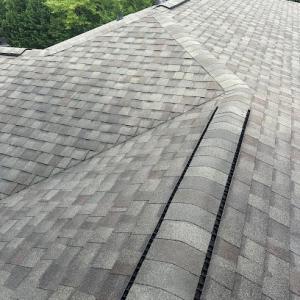
Ponce's Exteriors
(404) 510-5370 poncesexteriorsllc.com
2636 Farn Dr, Ellenwood, Georgia
5.0 from 7 reviews
🏡 Experience the Difference with Ponce's Exteriors Founded with a passion for excellence🛠️, Ponce's Exteriors has proudly served the Ellenwood community for nearly 30 years. Our journey began with a simple mission: 👉 To provide top-notch exterior services that homeowners can trust and rely on. Over the years, we've built a reputation for: 🔹 Integrity 🔹 High-quality craftsmanship 🛠️ 🔹 Exceptional customer service 🤝 As a family-owned and operated business, we take pride in building strong relationships with our clients. Every project is a collaborative effort, where your needs and preferences are always our top priority.
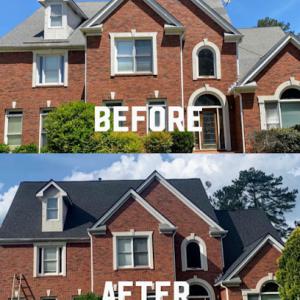
Empire Roofing Global Remodeling & Restoration
(470) 207-8586 empireroofingglobal.com
Serving
5.0 from 114 reviews
Empire Roofing Global, Remodeling and Restoration offers: New Roof Installation Roof Repairs Gutter Cleaning, Repair, and New Gutter Installation Remodeling Restoration Storm, Wind, Hail Damage, Free Inspection Insurance claims for roofing, interior damage, and restoration. Roof replacements and repairs, gutters, siding, 15 years of experience in Single Family Homes, HOA's, Town Homes, Apartment Communities and Commercial Buildings. We are Insured and Bonded, Specialized in Emergency Services, Insurance Claim Approval/ Damage Assessment and Insurance Claim Assistance/ Storm Damage. Financing Available. Call us today for your free Roof Inspection!! Veteran Owned
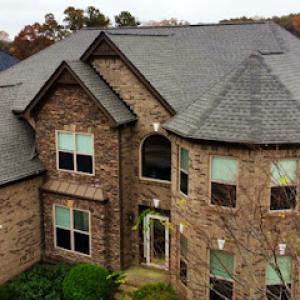
Acorn Roofing
(678) 704-1349 pro.acornroofs.com
Serving
5.0 from 92 reviews
We are a local residential and commercial roofing contractor. We specialize in storm restoration, hail and wind damage, as well homeowners insurance claim assistance. Our goal is to provide our clients with excellent customer service, and a trustworthy experience from the beginning to end of the any project.
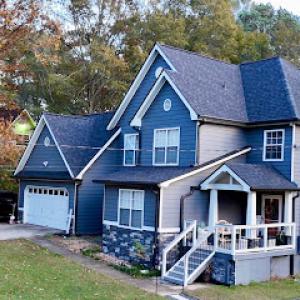
Skyline Roofing & Remodeling
Serving
5.0 from 50 reviews
With over a decade of installation experience, reputation for integrity, and incredibly high rate approval with even the worst insurance companies (State Farm, Allstate, etc) it's easy to see why we're one of the highest recommended roofing contractors in the state of Georgia. We are committed to excellence; whether it's a cash job, or storm related claim with insurance, we are the roofing company you can trust to get the job done right, and on time, all while keeping more money in your pocket. Give us a call today.
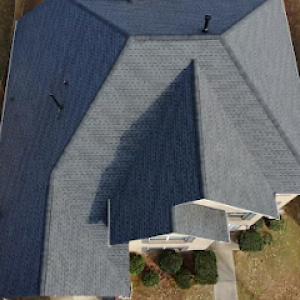
ExP Contractors
(404) 974-4969 exproofingcontractors.com
Serving
4.9 from 171 reviews
ExP Contractors and Roofing, the trusted roofing contractor in Forest Park, GA, brings over 9 years of expertise in delivering exceptional roofing solutions. As a licensed and bonded full-service firm, we specialize in roof repair, asphalt shingle replacement, storm damage repair, hail damage repair, and roof inspections for both residential and commercial properties. Our commitment to excellence is backed by an A+ BBB rating, 5-star Google reviews, and GAF Certification, ensuring quality and customer satisfaction every time. Discover why we’re the go-to choice for roofing in Forest Park, GA. Visit our website for more information or call us today to experience the ExP Contractors and Roofing difference!
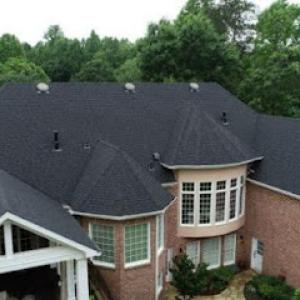
KTM Roofing
Serving
4.8 from 96 reviews
KTM Roofing is a full-service commercial and residential roofing company in Atlanta with over 38 years of experience. We offer roof repair and roof replacement services in and throughout the greater Atlanta metro. This includes roof contracting services in Alpharetta, Marietta, Sandy Springs, Decatur, Roswell, and John's Creek, Georgia. We provide comprehensive roof repair and replacement in Fulton County, Cherokee County, Clayton County, Cobb County, DeKalb County, Fayette County, Forsyth County, Gwinnett County, Hall County, Henry County, and Rockdale County, Georgia. KTM Roofing is certified, insured, and bonded.
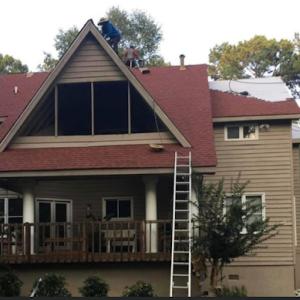
North American Home Improvements
Serving
5.0 from 5 reviews
North American Home Improvements is here to serve all of your needs with 100% professionalism and efficiency. Specializing in over 5 trades, we promise to do our best to fulfill complete satisfaction. Our goal is to exceed expectations with quality work and dependable services. Thanks for becoming apart of North American Home Improvements family.
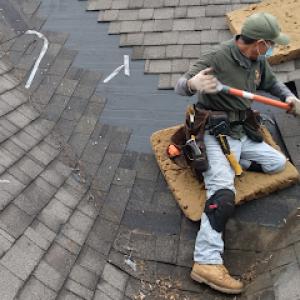
The Roof Leak Detective
(678) 223-5724 theroofleakdetective.com
Serving
5.0 from 259 reviews
The Roof Leak Detective specializes in fast, reliable roof repair services in Lawrenceville, GA and surrounding areas. From pinpointing hidden roof leaks to replacing worn-out exhaust vent pipes, we focus on solving your roofing problems with precision and care. Whether it’s minor roof repairs or urgent roof leak detection, you can count on us for honest service, quality work, and long-lasting solutions.
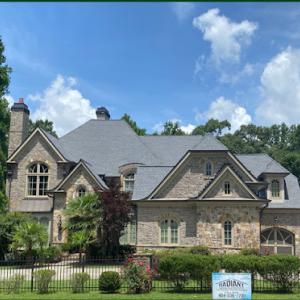
Radiant Roofing Solutions Atlanta
(404) 538-1700 www.radiantroofingatlanta.com
Serving
5.0 from 161 reviews
Looking to save energy for your home? Our team at Radiant Roofing Solutions Atlanta offers professional services for making your rooftop more energy-efficient. From professional roof replacement to radiant barrier installation, we help Georgia locals save every day! To learn more about our services or to schedule a consultation for your home, call our friendly team at Radiant Roofing.
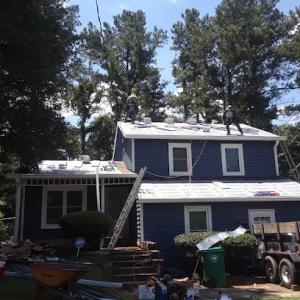
Superb Roofing
(770) 292-0214 www.superbroofingofga.com
Serving
4.9 from 80 reviews
We are roofing and siding experts with over 20 years of experience in roofing and siding. We use high quality roofing and siding materials and have qualified professionals to handle any roofing or siding job that you have. We are a certified GAF contractor and a receiptent of Angie's List Super Service Award. We are accredited business with the Better Business Bureau with an A+ rating.
Chamber Roof
Serving
4.9 from 98 reviews
Chamber Roof is a locally based roofing company specializing in full replacement and repairs of residential and commercial roofs.
In this part of DeKalb County, asphalt shingles are the go-to for most residential roofs because they fit the common roof forms found across subdivisions and give you the broadest contractor availability. That means faster service when storms hit and easier access to skilled crews who understand the prevailing roof pitches and spacing in Ellenwood neighborhoods. If a quick, reliable replacement is the goal after a thunderstorm, asphalt can usually be matched to nearby homes, aiding a smoother color blend with neighboring properties.
Hot, humid summers in Ellenwood put extra stress on attic ventilation, shingle aging, and sealant performance. Heat management matters not only for comfort but for long-term roof integrity. A well-ventilated attic helps reduce deck temperatures and slows shingle aging, so consider systems that promote airflow, like soffit vents paired with a vented ridge or an effective auxiliary vent. Moisture shedding becomes particularly important after heavy afternoon storms when tree cover funnels leaves and debris toward the gutters. A roof setup that accommodates rapid moisture escape-along with properly sealed joints and flashings-helps prevent pinhole leaks and the kind of interior staining that triggers emergency responses after a downpour.
Tile, metal, wood, and synthetic systems are available locally, but heavier tile options may trigger closer structural review during framing changes or load questions arise. If a homeowner is weighing tile or heavier metal options, anticipate potential adjustments to rafters or support beams, especially on older houses or those with marginal attic clearance. Metal and synthetics can offer excellent hail resistance and longer service life, but the weight and installation details still matter for the underlying structure. Synthetic shingles, while lighter than concrete or clay, can provide a contemporary look and good weather resistance while easing some load concerns. For those in shaded, tree-dense lots, choosing a system with robust underlayment and a reflective finish can help mitigate heat buildup and reduce moisture retention beneath the surface.
The typical Ellenwood home sits on a frame that handles moderate slopes and mixed shading from mature oaks and pines. In practice, that means balancing ease of maintenance with long-term resilience. Asphalt remains the dependable baseline, but if a home has excellent attic ventilation and a stronger framing system, metal or synthetic options can offer quicker shed-off during storms and reduced maintenance cycles. When weather-driven moisture persists, selecting a roof with a solid underlayment and compatible sealants will maximize leak resistance and facilitate faster emergency repairs after a downpour.
During a sudden summer deluge, the priority is stopping the leak and protecting interior spaces. A rapid-response plan includes tarping the exposed roof edge and minimizing water intrusion until a contractor can safely reach the site. After a storm, capture clear photos of the affected areas, note the date and the storm event, and document any interior damage or dripping paths. These records simplify insurance conversations and help prioritize urgent repairs. Keep a log of temporary fixes and relay your findings to the contractor and insurer promptly, so that emergency mitigation and a proper claim path can proceed without delay.
When you're weighing a replacement after a serious storm, you'll see local pricing anchored in these ranges: asphalt shingles typically run about $350-$650 per square, metal around $700-$1350, clay tile $1000-$1900, concrete tile $1100-$2100, wood shingles or shakes $700-$1200, and synthetic or composite shingles $450-$900 per square. Those figures reflect the area's material choices and what crews here in the DeKalb corridor commonly install on suburban, multi-plane homes with moderate to heavy tree cover. It's common to see higher quotes after a big weather event, when demand spikes for fast turnarounds and dry-in work.
During a typical summer thunderstorm season, Ellenwood projects can shift from a planned replacement to an accelerated schedule. Storm-driven demand in metro Atlanta can push project timing and pricing upward after widespread weather events, especially if you need a quick dry-in and temporary protection while you sort out insurance documentation and contractor scheduling. If a hail or wind event hits, you may encounter a tight backlog and tighter window to dry in the roof before new rain. In practice, that means you'll want to flag a contractor early, confirm emergency protections, and then align your material choice with the most urgent needs-lighter, easier installs for fast dry-in or heavier, longer-lasting options if the budget and timelines allow.
The material you pick drives the bulk of the budget, and costs can move based on the roof's complexity common in suburban multi-plane homes. Heavier replacements-such as concrete or clay tiles-multi-plane geometry, and the need for structural review if the existing deck isn't up to the load can all push prices higher. Disposal logistics also matter; older homes with many penetrations or limited access can add labor days and disposal fees. If you're replacing in the aftermath of a storm, plan for a phased approach: secure a temporary waterproofing solution quickly, then complete the full replacement once your insurance documentation is settled and the weather cooperates.
Start by documenting damages with photos and a timeline of the storm event for your insurance claim. Gather estimates from two or three local crews who understand Ellenwood's climate nuances and the typical suburban roof profiles here. Ask for a clear line-item scope that includes tear-off, deck inspection, underlayment, ventilation considerations, and waste disposal. Compare not just the bottom line, but also the crew's readiness for a rapid dry-in and their ability to work around mature tree canopies that dominate many lots. By lining up options early, you'll reduce the risk of delays when the next thunderstorm hits.
Don't let upfront costs delay a critical repair - these contractors offer payment plans to fit your budget.
Empire Roofing Global Remodeling & Restoration
(470) 207-8586 empireroofingglobal.com
Serving
5.0 from 114 reviews
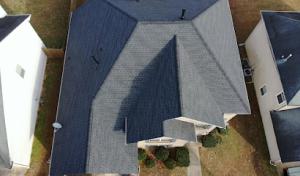
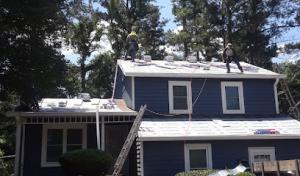
In this part of DeKalb County, a full roof replacement generally requires a formal permit. The process starts with an application, then you'll need to include project details that spell out what's being changed, the materials to be used, and the anticipated schedule. The county will expect payment of the permit fee and will place the project on a calendar for inspections. DeKalb's building department treats roofing as a structural update when the plan involves new sheathing, rafters, or altered roof loads, so it is not a place to skip forms or rush through signatures. If a storm contractor appears with a quick-turn permit shortcut, pause and verify that the plan aligns with the county's requirements before signing anything.
The county commonly expects the roofing contractor to hold a valid license, a detail that becomes particularly important after severe weather when quick-response crews show up. In Ellenwood's humid climate and dense tree cover, many roofs bear multiple impacts from summer storms, and the temptation to hire the fastest responder can be strong. Make sure the contractor's license is current and that the company has local references. A licensed contractor is more likely to follow the inspection schedule and to provide the documentation that the county or your insurer may later request.
Inspection flow usually includes rough-in and final stages. The building department may review structural changes before approval when the project alters framing or roof loading. Expect a rough-in inspection after decking and any structural work are in place but before the final shingles go on. The final inspection confirms the roof is weather-tight and that flashing, ventilation, and load calculations meet code. If the project includes any changes to attic ventilation, ridge lines, or collateral structural components, the inspector will focus on those areas. Having the permit, license, and a clear, line-by-line plan ready can prevent delays that linger through storms and insurance processing.
Autumn leaf drop is a practical roofing issue in Ellenwood because debris buildup at gutters and roof edges can trap moisture and back water under lower shingle courses. In neighborhoods with established trees, that risk is real after every gusty storm. You'll want to treat these areas as a first line of defense each fall and again after the last big leaf fall of the season.
This matters more in Ellenwood's established residential areas with mature trees than in newer, less-shaded developments, making maintenance needs vary sharply by neighborhood lot conditions. If your property sits under a dense canopy or along a curb with lingering debris, plan for more frequent gutter and edge inspections. Even small accumulations can redirect water toward fascia and into the eaves, especially where the roof line steps or there are overhangs.
Start with a conservative, safe check routine after the peak leafing period. Walk the roofline from a sturdy ladder, looking for shingle edges that appear cupped or loose at the eaves, and for visible moisture staining along the fascia board. Clear gutters and downspouts of leaves and twig clogs, ensuring water can flow away from the house without backing up under the lower courses. If you notice granular loss near the eaves or soft spots along the soffit line after a wet spell, treat that as a sign to pause and reassess-root damage or saturated decking can follow prolonged exposure.
Repeated wet periods from winter into spring can prolong moisture exposure around clogged eaves before full drying conditions return. During that stretch, monitor the roof edge closely for any sign of moss or algae growth, which can hold moisture against shingles and flashing. Consider installing debris shields or mesh guards where snag-prone deciduous trees dominate your lot, and commit to a routine cleanup before the next storm cycle begins. This approach keeps the most vulnerable line of defense-your roof edges and gutters-clear and functional.
In a storm-heavy environment with humid summers, roof penetrations such as skylights and chimneys become frequent leak origins because wind-driven rain tests flashing details repeatedly through the warm season. Those flashing joints-that little shield where the roof meets metal or plastic around a skylight or chimney-see the most wear. If flashing has softened, cracked, or was never trimmed to shed water properly, a single thunderstorm can push moisture into attic spaces and visible ceilings fast. This isn't about a single bad component; it's about a pattern that repeats with each season's heat and humidity.
Local contractor signals show meaningful demand for skylight and chimney-related roof work, indicating homeowners here often need repair expertise beyond basic field shingle replacement. Look for peeling sealants around skylights, dark staining at chimney bases, and damp spots that travel along rafters after a heavy storm. If you notice granular loss at the flashing edges or rust on metal step flashing, treat it as a warning that the flashing may no longer keep up with another humid Georgia summer.
These details become especially important on re-roofing projects where older flashing may not perform well through another humid Georgia summer if not replaced correctly. When planning a reroof, ensure the installer removes and replaces surrounding flashing components rather than simply tucking new shingles over old, and request full replacement of any compromised counter-flashing around skylights and chimneys. Proper integration with vent piping and fan flashings matters just as much as shingle color or profile for long-term leak resistance.
After a major storm, perform a focused inspection of penetrations once the roof is safe to access. Look for sunscreen-like sealant pullbacks, lifted shingles near the skylight flange, and any signs of moisture under or around the boot. If a drip is detected, prioritize a prompt temporary seal while arranging a professional assessment; delaying can compound water intrusion and lead to interior damage that complicates the next re-cover.
Find contractors experienced in skylight installation, flashing, and leak repairs to bring natural light into your home.
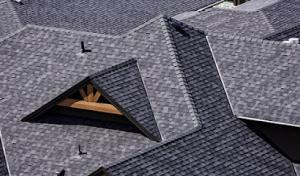
After a storm-driven roof replacement, it is essential to separate what the shingle or panel manufacturer covers from what the local contractor promises about installation. Material warranties typically warrant defects in the product itself, weather resistance, and finish integrity for a set period. Workmanship warranties cover how the roof was installed, including flashing, nail placement, and insulation interface. In this market, many firms compete on speed and price, so clarity on both types of coverage becomes central to protecting your investment after a surge-demand install.
Look for a written policy that spells out exclusions, service procedures, and claim timelines. Manufacturer coverage is often transferable, but some limits apply when the roof is not serviced by an authorized installer. Contractor workmanship promises should specify what they will repair, the response time, and whether labor costs are included for the repair work. In Ellenwood's storm cycle, warranty language that addresses accelerated wear from humid conditions and frequent afternoon thunderstorms is a plus.
Ask whether the contractor is certified by the shingle or panel maker and whether their warranty is backed by a third party or the manufacturer itself. Clarify if the contractor offers a workmanship warranty independent of the product warranty, and who handles claim administration if wind-driven leaks or tree-impact events occur. Since locally available options include emergency and insurance-focused providers, verify who will manage documentation and follow-through.
Maintain a project folder with the original purchase agreement, product labels, installation date, and photos from installation. For any claim, request a written statement detailing affected components, expected remediation steps, and timeline. In a high-volume storm market, having clear warranties and documented proofs can reduce confusion and speed up repairs after the next thunderstorm.