
Last updated: Apr 19, 2026
Spring storms and hail can leave fast, unseen damage across shingles, underlayment, and flashing. In Jasper, the risk escalates as thunderstorm seasons stretch into hot, humid months, followed by more intense afternoon downpours. A small leak today can become a widespread interior drip tomorrow if left unaddressed. The reality here is that storm-driven leaks often show up after hard rain or hail, sometimes days later, making timely triage crucial. Treat every new drip as a potential storm-related claim until proven otherwise, and act quickly to document what you see and what you don't.
Georgia carriers lean on proof-of-damage history, roof age, and any prior repairs. In Jasper, that makes post-storm documentation non-negotiable. Start with a clear photo log: wide shots of the roof show the overall condition, close-ups capture hail impact marks, missing or cracked shingles, and any damage to flashing, vents, or chimneys. Date-stamped images taken after each weather event provide a timeline that insurers can trust. Note the season's pattern-spring and summer storms often arrive in rapid sequences, so track how damage evolves over a few days of rain. Keep a simple diary of leaks inside the house, including which room, ceiling location, and approximate time of day when moisture appears. If shingles have curled, lifted, or slid, photograph the edge details and the surrounding roof plane to illustrate wind or impact effects. Consistency in this record matters; insurers look for a coherent narrative that distinguishes new damage from older wear.
Georgia carriers commonly request proof of roof age and prior repairs. In your Jasper case, provide a concise summary of the roof's age, original material, and any previous claims or patchwork noted by past contractors. Attach the photo log organized by storm date, plus the diary of interior leaks. If an adjuster is scheduled, prepare a short, factual briefing: where the damage is, how it started, and what weather event likely caused it. Avoid speculation; focus on observable, verifiable details. For hail events, emphasize patterns that align with the storm path and hail size, if known. For wind-driven damage, document shingle edges, missing granules, and any uplift along ridges or eaves. If multiple storms occur in quick succession, present a cumulative view that helps the insurer see the total scope, not just isolated incidents.
Jasper homeowners routinely face the decision between temporary repairs and a full reroof after spring and summer storms. The triage hinges on age, extent, and cost-effectiveness. If the roof is nearing the end of its expected life or if multiple wind-driven events have produced widespread damage across large roof areas, a full reroof is often the prudent choice. On the other hand, if damage is localized to a small section and the rest of the roof remains sound, targeted repairs may suffice temporarily while planning a broader replacement. In practice, align the plan with the insurance claim's scope and the house's longer-term resilience against Georgia weather. Quick, decisive action in Jasper reduces the risk of hidden damage seeping into attic spaces, sheathing, or interior ceilings.
Don't wait for a single heavy storm to declare a full replacement without a documented history showing gradual deterioration. Don't confuse cosmetic wear with storm-caused damage, especially when the roof has multiple past repair entries. Don't rely on estimates from contractors who haven't coordinated with your insurer-clear alignment on scope prevents disputes later. Finally, don't overlook the sequence of events: a hail event followed by a summer deluge can compound leaks. In Jasper, staying disciplined about documentation, timing, and communication with both adjusters and contractors is the fastest path from a storm day to a durable, properly protected roof.
Find local contractors experienced in assessing and restoring roofs after hail, wind, and severe weather events.
Roofing Georgia
(770) 874-7663 www.roofinggeorgia.com
735 Martin Rd A, Jasper, Georgia
5.0 from 112 reviews
Force Field Roofing
(706) 301-8630 forcefieldroofing.com
285 Ambrose Dr, Jasper, Georgia
4.9 from 67 reviews
SharpTop Roofing & Exteriors
(706) 253-7050 sharptoproofs.com
4077 Camp Rd, Jasper, Georgia
5.0 from 28 reviews
Roofing Georgia
(770) 874-7663 www.roofinggeorgia.com
735 Martin Rd A, Jasper, Georgia
5.0 from 112 reviews
Roofing Georgia | Expert residential and commercial roofing services in Georgia. Specializing in roof installation, repair, replacement, and maintenance. Premium materials, fast turnaround, competitive pricing, and top-notch customer service.
Force Field Roofing
(706) 301-8630 forcefieldroofing.com
285 Ambrose Dr, Jasper, Georgia
4.9 from 67 reviews
We are a commercial and residential roofing company. We do offer other trades that we do in conjunction with roofing mostly due to storm damage and insurance claims. We do siding, gutters, guards, drip edge, framing, sheetrock, painting, water proofing and more.
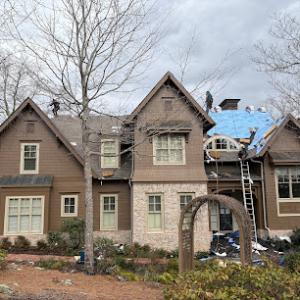
SharpTop Roofing & Exteriors
(706) 253-7050 sharptoproofs.com
4077 Camp Rd, Jasper, Georgia
5.0 from 28 reviews
North Georgia's premier roofer since 2014. Providing the highest worksmanship and customer service in Residential, New Construction, and Commercial Roofing. Get a Free Quote on your next roofing project today!
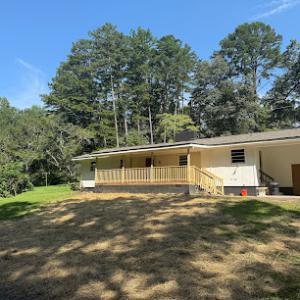
Glory Roofing
(706) 656-0391 www.gloryroofingllc.com
Jasper, GA
5.0 from 13 reviews
Glory Roofing is your trusted local roofing contractor serving North Georgia, Metro Atlanta, and West Central Georgia. Our experienced team delivers professional roofing solutions for homes and businesses, using high-quality materials and expert craftsmanship. Whether you need a simple repair or a complete roof replacement, we provide honest inspections, competitive pricing, and dependable service that keeps your property protected.
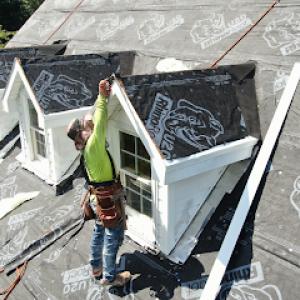
AMI Roofing
Jasper, Georgia
5.0 from 8 reviews
We can install and repair roofs of all materials, shapes, and sizes. When you need roofing services, look no further than AMI Roofing. Call us today!
Sunrise Exteriors & Metal Fab
Jasper, Georgia
5.0 from 2 reviews
Protect your largest investment with our reliable roofing services. We are a locally owned and operated roofing company currently serving Jasper, GA and surrounding communities. If you want to make your roof last as long as possible, it is vital that you never put off a roof repair. Small issues with roofing become big issues in a hurry. No matter how major or minor the repair you need, we are here to help. We offer roofing services, roof installation, and metal roofing.

Affordable Gutters Plus
(770) 735-4433 affordableguttersplus.com
Serving
5.0 from 7 reviews
North Georgia’s premiere Rain Gutter and leaf guard installation company. Family owned and operated since 1995.
Rise Residential Roofing
(678) 772-6995 www.riseresidentialroofing.com
Serving
5.0 from 13 reviews
Your home and family deserve nothing but the best. That is exactly what Rise Residential Roofing provides to our customers. Partnering with the finest manufacturers available, our skilled team members provide the highest quality roofing solutions. Call the experts at Rise Residential Roofing for a seamless roofing experience, superior customer service and a roof that will protect and perform for decades.
Ellijay Roofing Company & Restoration
(706) 889-3087 ellijayroofs.com
Serving
5.0 from 32 reviews
Roofing services including repairs and installations. Restoration services including decking, windows, siding, remodels, flooring, cabinets, countertops, landscaping, retaining walls, and concrete projects.

Fraser Roofing
(678) 710-9068 www.fraserroofingllc.com
Serving
5.0 from 331 reviews
Fraser Roofing in Canton, GA provides roof repair, replacement, storm damage repair, and gutters designed for North Georgia wind and hail. Our go‑to system is CertainTeed shingles, installed by a Select ShingleMaster team for tested performance and warranty options. For an upgraded look and durability, we offer DaVinci composite roofing and F‑Wave synthetic shingles. Contact us for a free estimate.
Prominence Roofing & Exteriors
(678) 704-5348 prominenceroofs.com
Serving
5.0 from 43 reviews
Prominence Roofing & Exteriors is a trusted provider of high-quality roofing solutions for residential and commercial properties. Serving the Greater Atlanta Area, we specialize in roof installations, repairs, inspections, and exterior upgrades to protect and enhance your property. Our team combines craftsmanship with premium materials, ensuring durability, energy efficiency, and lasting protection. We also assist with insurance claims to make your roofing project as smooth as possible. At Prominence, we’re dedicated to delivering exceptional service with transparency and integrity. Call us today for a free consultation and see why so many trust us with their roofing needs.
RainMan Roofing & Restoration
(706) 276-6754 www.rainmanrestoration.com
Serving
5.0 from 245 reviews
RainMan Roofing and Restoration/ RainMan Gutters are both family owned and operated companies deeply rooted in the beautiful town of Ellijay, Georgia. We specialize in replacement roofs, insurance claims, and gutters. We would love to earn your business!
In this high-humidity, hot-to-sweltering climate, underlayment handling and fastener performance can shift quickly. During peak summer heat, shed roof sections may trap heat under layers, causing underlayment to stretch or curl if left exposed too long. That makes crew timing and dry-in sequencing especially important. Plan install days to avoid the hottest mid- afternoon hours, and keep underlayment sheets shaded or covered when practical to maintain their shape and adhesive properties. If a roof is particularly steep or has multiple ridges, coordinate staged dry-in so each section is fully protected before lifting material to the next area. Expect pipe boots, vents, and chimneys to require extra attention on hot days because heat can soften sealants and affect flashing fitment.
Autumn storms in this North Georgia foothill area can bring heavy rain and gusty winds that interrupt tear-off and delay completion windows. When a front moves through, prioritize securing loose debris, tarping exposed areas, and protecting the interior from sudden downpours. If a significant storm system is forecast, move toward a rapid tear-off and temporary closure of open edges in advance, then resume work promptly once winds subside. Realistic scheduling should include a buffer for short wet spells; a few extra days can prevent rushed installations that compromise flashing and sealant integrity. On the back end of summer, test how the crew handles fasteners in wind-driven conditions, especially along eaves and rakes where gusts can dislodge unsecured materials. Provide a clear, up-front plan with a designated safe staging area so rain gutters and debris do not accumulate on vulnerable sections.
Winter in this area is usually mild rather than deeply frozen, but rain and temperature swings still affect material handling and scheduling for reroofs. Breaks in cold spells can make asphalt shingles brittle and slowed adhesives less effective, while warm spells can speed curing too quickly if sealants are applied during inappropriate humidity levels. Build a winter schedule that accounts for potential afternoon temperature dips and the tendency for sudden showers to drift through from higher elevations. When rain threatens, keep a nearby sheltered area for material staging and avoid stacking shingles in damp piles that could swell or warp. If a wind event accompanies a cold front, secure all loose components to prevent damage during transport and installation. In cooler mornings, plan for longer acclimation times for certain materials so they lay flat and seal properly once warmed by sun or room temperature.
A practical approach in Jasper is to sequence dry-in sections from the lower portions upward, ensuring gutters and drainage paths remain clear and protected as work progresses. With hot, humid summers, aim to complete dry-in on a given face before the day's peak heat, then resume when temperatures moderate, minimizing exposure of underlayment to prolonged sun. In autumn, coordinate tear-off with forecasted dry spells and prepare temporary weatherproofing for any roof penetrations so interior rooms stay dry if rain interrupts the schedule. In winter, set a flexible cadence that respects temperature swings; keep seams and fasteners clean and dry, and verify adhesive timelines after any rain event before continuing with shingle or metal installation. This adjacency to seasonal patterns helps keep projects moving without sacrificing quality or the dry-in integrity that protects the home.
Asphalt shingles and metal roofing are the workhorses of the North Georgia foothills, where visibility of roofs is high and the landscape leans toward residential comfort. Asphalt shingles offer straightforward maintenance and a broad range of profiles that fit most Jasper homes, while metal provides a weather-resilient option with a sleek curb appeal. In this setting, you'll often see asphalt on mid-sized ranches and bungalows, with metal edging into the higher-end or more contemporary designs. The climate's hot, humid summers and frequent storms make the simple, proven performance of these two options especially appealing for long-term durability in this foothill grid.
Tile-whether clay or concrete-appears selectively on higher-end or style-driven homes, where the roof is also a visible part of the architectural statement. In the foothill terrain around the city, tile choices can contrast nicely with the natural backdrop, but they demand careful attention to underlayment, fasteners, and wind resistance. Wood shingles or shakes, while offering classic character, tend to be chosen more sparingly due to maintenance needs and sensitivity to hail and heavy rain. If you favor rustic charm or a distinct profile, these materials can work, provided a proactive plan for weather exposure and ongoing care is in place.
Jasper's thunderstorm-heavy climate places extra emphasis on wind resistance, impact visibility after hail, and rapid shedding of warm-season rain. When evaluating materials, consider how the chosen roof handles high wind uplift and hail impacts, as well as how easily you can inspect for damage after a storm. Metal roofs generally excel on wind resistance and hail performance, while asphalt shingles vary by product line and installation quality. With tiles or wood, ensure the system is designed for the local wind zones and that fasteners and sealants are rated for elevated moisture and temperature swings.
Homes in the area often sit in foothill settings where roof visibility is high, so curb appeal weighs heavily in material choice. A roof that looks good from the street matters, but it should not overshadow the practicalities of storm durability and replacement logistics after severe weather. In dense tree-lined neighborhoods or hillside drives, accessibility for maintenance and the ease of replacing individual sections after wind or hail can influence the material path. Weigh the long view: a visually striking material that complicates future repairs may feel less compelling after a tough storm season.
Explore specialists in steel, aluminum, and standing seam metal roofs built to last 50 years or more.
Roofing Georgia
(770) 874-7663 www.roofinggeorgia.com
735 Martin Rd A, Jasper, Georgia
5.0 from 112 reviews
Force Field Roofing
(706) 301-8630 forcefieldroofing.com
285 Ambrose Dr, Jasper, Georgia
4.9 from 67 reviews
SharpTop Roofing & Exteriors
(706) 253-7050 sharptoproofs.com
4077 Camp Rd, Jasper, Georgia
5.0 from 28 reviews
Shingle surface damage from hail and wind-driven storms is a common pattern in this part of the foothills. The hits may not cause an immediate leak, so the issue hides in plain sight until rain proves otherwise. You'll notice granule loss, embedded dents, or cupping and curling joints that don't seem urgent at first glance. Because these flaws can accumulate, a roof that looked fine after a storm can deteriorate faster than you expect. The consequence is not just cosmetic-missing granules expose underlayment to sun and moisture, accelerating aging and narrowing the window for a simple fix before bigger problems arise.
High summer humidity in this region keeps roof systems damp longer after storms, which means small flashing or fastening defects can become bigger leaks. Metal flashings may corrode a bit sooner, fasteners can loosen when damp wood swells, and shingles that barely held their position in a gusty afternoon may sag into a vulnerable state. The lingering moisture also slows the drying-out process, making it harder to confirm whether a patch or seal is truly holding. This is the season when contractors emphasize moisture checks, flashings, and sealants that can stand up to extended humidity rather than quick, temporary fixes.
After severe weather, emergency repair is a meaningful local specialty. Temporary tarping and a fast leak response are common parts of the reroofing cycle here. If a storm knocks loose panels or tears at edges, temporary containment buys time while a longer-term plan is put in place. The takeaway is practical: don't let a tarp linger longer than necessary, and coordinate a follow-up assessment promptly. Proactive communication with a trusted roofer matters, because rapid response reduces interior damage and helps you decide whether a full reroof is warranted soon after the event.
Storms in the warm months create a tight window for evaluation. If evidence of widespread surface damage or recurring leaks appears, you'll want a candid assessment of whether targeted repairs will restore reliability or if a full reroof is prudent. Consider how lingering humidity affects each material choice, and discuss with a local contractor who understands how the summer climate interacts with flashing, fasteners, and underlayment. In the end, the decision hinges on the balance between immediate protection needs and long-term durability under North Georgia weather.
When you can't wait, these contractors offer fast response times to stop leaks and prevent further damage.
Force Field Roofing
(706) 301-8630 forcefieldroofing.com
285 Ambrose Dr, Jasper, Georgia
4.9 from 67 reviews
SharpTop Roofing & Exteriors
(706) 253-7050 sharptoproofs.com
4077 Camp Rd, Jasper, Georgia
5.0 from 28 reviews
Typical Jasper pricing runs about $350 to $800 per square for asphalt shingles, $700 to $1200 for metal, $900 to $2000 for clay tile, $900 to $1800 for concrete tile, $600 to $1400 for wood shingles or shakes, and $550 to $1100 for synthetic or composite shingles. In practice, your choice of material drives the bulk of the project cost, but the foothill setting can tilt prices a bit due to material availability and local crew scheduling. When you price out a reroof, ask for a precise per-square total that includes removal, disposal, underlayment, and flashing, not just the roofing material.
Storm-driven demand spikes in Jasper and the broader North Georgia market can push labor scheduling and pricing upward after hail or widespread thunderstorm events. If a storm hits, you'll often see shorter lead times for inspections and faster onset of labor, but that can also mean higher crews' daily rates and occasional material delays. Plan for a buffer of a few weeks to several months after a major hail event, depending on the scale of damage nearby and the contractor's workload. Have documentation ready to streamline decisions if an adjuster is involved, so your project isn't delayed by back-and-forth.
Costs can also shift based on whether the property falls under Pickens County or Jasper city processing, roof complexity common in foothill homes, and the added handling demands of humid-weather installation windows. Foothill homes often feature complex slopes, multiple ridges, and antique or non-standard flashing details, all of which can raise both labor hours and material waste. Humid summers can slow certain tasks, particularly if wood components or fasteners are susceptible to warping or rust; plan for modest adjustments in crew allocation during peak heat and humidity.
If you're targeting cost control, asphalt remains the most budget-friendly option and typically offers the most predictable scheduling. If rain and humidity are forecasted, consider scheduling mid-spring or early fall when the weather is generally more stable in this region. For higher durability with a similar length of service, metal or concrete tile can be worth the premium, but confirm existing roof geometry and roof-to-wall interface details with the contractor to avoid surprises. If insurance involvement is likely, organize documentation (photos, timelines, and scope) early to reduce back-and-forth during the claim process.
A full reroof in Jasper commonly requires a permit, handled by the Pickens County Building Department or by city hall when the property is within Jasper city limits. The location of the project determines which office processes the paperwork, so confirm your exact address before starting. In practice, you typically apply online or in person and receive a permit that accompanies the scheduled work window.
Inspections are typically staged during installation and again at completion, so scheduling matters if weather delays the job. After you obtain the permit, plan for an initial inspection soon after the new underlayment and starter rows go down, followed by a mid-course check as shingles rise, and a final inspection when all work is finished. In the spring and summer, thunderstorm patterns can compress the inspection timeline, so factor in potential weather holds when lining up the contractor's schedule.
A local quirk is that the permit number may need to be posted on site, visible from the street, for the duration of the project. The department may require a contractor license on file while processing times vary with backlog. If the contractor changes mid-project, new paperwork may be needed, so keep a copy of the permit and any changes readily accessible on site.
With the split permitting reality between Pickens County and Jasper city limits, keep the address check and permit status handy as spring storms roll through. If a delay pushes into the next rain season, coordinate with the inspector about rescheduling without losing formal progress. A well-timed submission helps secure approvals ahead of the most volatile weather, reducing the chance of weather-related rework.
Storms roll through the North Georgia foothills with surprising intensity, and Jasper sits in a Georgia insurance environment shaped by recurring wind and storm claims. Roof condition and documentation directly affect claim outcomes and renewal terms. When a hail hit or a sudden gust tears off a vent, the way a roof looks and the records you keep will matter almost as much as the damage itself. If you can demonstrate a recent, well-documented roof condition, you reduce questions later about age and prior repairs.
Older roofs in Jasper may face stricter underwriting or higher deductibles, especially when carriers see prior repairs without clear records of age and storm history. A patchy history can raise red flags during policy reviews or renewal, even if the current damage seems straightforward. If a roof has undergone repairs in the past, but the paperwork is fuzzy, insurers may treat it as ongoing risk rather than a clean slate. That reality means the sequence of events after a storm-what happened, when, and how it was fixed-matters more than ever.
Homeowners in Jasper should keep dated photos, prior invoices, and post-storm inspection notes because adjusters in Georgia often ask for detailed proof of pre-loss condition and repair history. A thorough file helps protect eligibility for coverage and supports fair claim outcomes. Assemble a simple, organized record set: a dated photo log from before and after any work, contractor receipts, and notes from any professional roof assessments. This isn't about fear; it's about ensuring your claim isn't sidelined by an absence of clarity.
After a storm, more detail is better. Photograph repair progress, request written inspections, and keep communications with your insurer concise and documented. When Jasper's spring and summer thunderstorm cycles arrive, timely, well-documented decisions can influence both claim results and future renewal terms, so avoid waiting for the next wave of weather to act.