
Last updated: Apr 19, 2026
The North Georgia thunderstorm season drives frequent, intense wind and hail events that slam roofs across Forsyth County. Wind-lifted shingles are a leading concern, especially on homes with older underlayment or multi-story elevations where gusts can grab edges and ridge lines. Hail bruising shows up as pockmarks and soft spots, even when shingles look intact from the ground. Sudden leaks often emerge after a window of heavy rain, sometimes long after the storm since wind-driven damage may compromise flashing, valleys, or where shingles have been pried loose by hail impact. In short, a storm event in this area is not truly over until the roof's integrity is restored and interior moisture is contained.
Because insurance activity runs hot in this part of Georgia, the fastest path to a proper settlement starts with solid documentation. After a storm, you want a clear timeline: when the storm occurred, outdoor conditions at the time, and any changes you noticed in the days that follow. Take exterior elevation photos from multiple angles to capture roof lines, flashing, chimneys, vents, and eaves. Close-up shots of damaged shingles, bruising, or missing shingles are essential, as are attic photos showing any signs of water intrusion or mold. Keep organized records: dates of loss, notes on suspect damage, and a concise repair plan you plan to discuss with your insurer. This careful record helps prevent delays and arguments over the scope of repairs.
In Forsyth County, emergency tarping and immediate leak stabilization are not optional after a major weather event-they are critical. When a leak is detected, prioritize temporary protection to keep water from spreading into living spaces. Use tarps and boards to cover the most exposed roof areas if safe access is possible, and arrange for a same-day or next-day temporary repair to limit further interior damage. Given the local demand spike, securing a tarp quickly can make the difference between a manageable claim and ongoing interior damage. Coordinate with a reputable contractor who can perform rapid stabilization and document the work for insurance purposes.
Once stabilization is in place, perform a careful but cautious assessment of interior impact: ceiling stains, warped drywall, or peeling paint can indicate hidden roof issues. Communicate findings to the insurer with the storm date, the extent of visible damage, and the stabilization measures already completed. If more extensive roofing work is needed, rely on a licensed professional to provide a scope of repair that matches the documented damage and the home's roofing category, whether asphalt, metal, or tile. Stay proactive about follow-up inspections, because persistent leaks after a first repair attempt are common if wind-driven damage has compromised structural components or underlayment.
Find local contractors experienced in assessing and restoring roofs after hail, wind, and severe weather events.
Ajax Roofing
(770) 649-3132 ajaxroofing.org
327 Dahlonega St Ste 604A, Cumming, Georgia
5.0 from 350 reviews
Reset Roofing
(770) 317-1237 resetroofing.com
204 Kelly Mill Rd, Cumming, Georgia
5.0 from 361 reviews
Live Oak Exteriors
(770) 318-2024 www.liveoakexteriors.com
433 Canton Rd Ste 108, Cumming, Georgia
4.9 from 903 reviews
Ajax Roofing
(770) 649-3132 ajaxroofing.org
327 Dahlonega St Ste 604A, Cumming, Georgia
5.0 from 350 reviews
Ajax Roofing is a premier roofing company specializing in high-quality residential roof installations in the Metro Atlanta area. With our extensive expertise and commitment to excellence, we take pride in delivering top-notch roofing solutions to homeowners. At Ajax Roofing, we understand the importance of a durable and reliable roof for your home. Our team of skilled professionals is dedicated to providing exceptional craftsmanship and utilizing the finest materials to ensure long-lasting results that withstand the test of time. As a customer-focused company, we offer free inspections to assess the condition of your roof. Our experienced technicians will thoroughly examine your roof, identifying any issues or potential concerns.
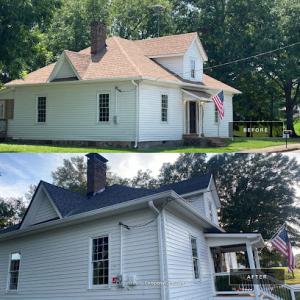
Reset Roofing
(770) 317-1237 resetroofing.com
204 Kelly Mill Rd, Cumming, Georgia
5.0 from 361 reviews
Reset Roofing is a family-owned roofing company serving homes and businesses in our area. We handle all your roofing needs including repairs, replacements, and storm damage. Our services: - Home and business roofing - Roof inspections and fixes - Complete roof replacements - Gutter installation and cleaning - Help with insurance claims for storm damage What makes us different: - We send you photos during your project - We have a supervisor on-site for quality - We clean up completely when finished - We're active in our local community - We're certified by GAF (top 3% of roofers) We treat you like people, not just customers. Our honest approach and quality work have earned us many 5-star reviews. Call us today for a free estimate!
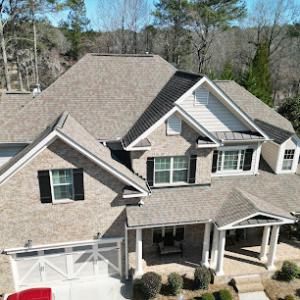
Live Oak Exteriors
(770) 318-2024 www.liveoakexteriors.com
433 Canton Rd Ste 108, Cumming, Georgia
4.9 from 903 reviews
Live Oak Roofing + Exteriors was founded on the principle of treating our customers and employees like family. At Live Oak, our roots run deep. The company is owned by a group that grew up in the same hometown, raised with family values, and 10 years of roofing experience. We strive to share those same values with our customers and employees, ensuring the best and most professional experience possible. Live Oak specializes in roof replacement, roof repairs, gutters, and exteriors maintenance in Cumming, GA. Our teams of skilled roofers near you offer the best products. We exclusively offer Owens Corning roofing products to all our customers. Their products offer a wide variety of styles, colors, and components that will fit any home!
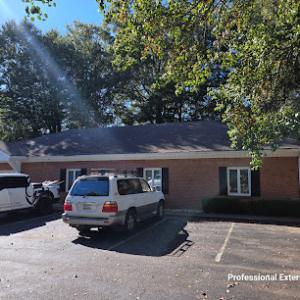
Professional Exteriors
100 Professional Park Dr Suite B, Cumming, Georgia
5.0 from 226 reviews
Our goal is to help property owners maximize the actual and aesthetic value of their property. We specialize in Roofing Restoration, Repair, and Maintenance. Our general knowledge of the construction trade allows us to provide high-quality service to our client's roofing systems and the exterior components of their properties.
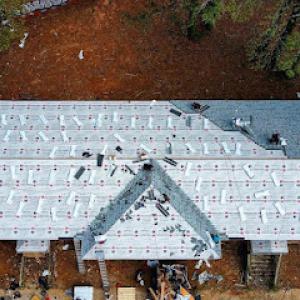
Ironside Roofing & Exteriors
(470) 668-4599 www.ironsideroofs.com
2440 Belaire Dr, Cumming, Georgia
5.0 from 138 reviews
Ironside Roofing & Exteriors is a veteran-owned exterior renovation company servicing the Atlanta Metro area. Along with being experts in a multitude of different trades, our contractors are also certified HAAG Inspectors, specializing in storm/disaster restoration. Our competency in this particular field makes filing your homeowner's claim a seamless process. We’re fully licensed and insured, as well as certified contractors with Owens Corning, CertainTeed, IKO, and GAF.
ProRoofing
410 Peachtree Pkwy, Cumming, Georgia
5.0 from 127 reviews
Welcome to ProRoofing in North Atlanta! With years of experience, you can trust ProRoofing's team to handle any roofing situation in a prompt and efficient way. We have extensive knowledge and experience in the roofing industry, and our team undergoes extensive training to stay updated with the latest trends and technologies. Our roofing team only uses high-quality roofing materials from leading manufacturers, ensuring that your roofing project is of the highest standards. We offer an array of residential and commercial roofing services, from repairs to installation and inspections. We aim to provide all of the roofing services you need to keep your roof in perfect condition. Schedule your free roofing assessment today!
FOREVER Exteriors
540 Lake Center Pkwy STE 201, Cumming, Georgia
5.0 from 185 reviews
Expert Roofing, Siding & Gutter Services As a family-owned and operated company, we've built our reputation on delivering exceptional residential and commercial roofing, siding, and gutter services that truly last forever. Our commitment to quality craftsmanship is backed by prestigious industry certifications including Owens Corning Preferred Contractor status, LP Builders certification, and Boral Tile Certified credentials. With A+ ratings from the Better Business Bureau and comprehensive insurance assistance, we provide maintenance-free packages and emergency services designed specifically for the customer.
Highland Group
(470) 302-5992 www.highlandroofingllc.com
101 Colony Park Dr #300, Cumming, Georgia
5.0 from 120 reviews
North Georgia Residential Roof Replacement Done Right! By keeping a narrow focus on residential shingle roofing, we have the knowledge, tools, training, and crews ready to go to work for you! The Friendly folks at Highland Roofing Group prefer to make residential shingle roofing our strength. We are your one-stop shop for roofing, painting, seamless gutters, and siding. For the absolute best in shingle roofing in the Cumming, GA and Atlanta area. We provide impeccable customer service and blazing fast response time, contact the Professionals of Highland Roofing Group today!
Georgia Home Roofing
(678) 451-1483 georgiahomeroofing.com
327 Dahlonega St Ste 602B, Cumming, Georgia
5.0 from 111 reviews
At Georgia Home Roofing, we are not your typical “roofing company”. We go beyond simply providing roofing services by advising & educating our customers to find the best solution for their budget and property maintenance goals. Our mission is to ensure customer satisfaction through complete transparency. Our services include: residential roof replacement & repair (asphalt, metal), commercial roofing, custom fit gutters & gutter covers, siding, painting, exterior renovations, financing options for all credit scores with payments as low as $83 per month, lifetime warranty on our work, project managers on every site, & we are fully licensed & insured. We also pull permits on every job to ensure homeowners have a record with the county or city.
Award Roofing
(404) 543-1871 awardroofing.net
4380 Pleasant Woods Dr, Cumming, Georgia
5.0 from 108 reviews
We have over 50 years of experience and our reputation is over the TOP! We are a small family owned business and most of our costumers come from "word of mouth". We strive to be honest, reliable and affordable. We are located in Cumming, but we service 40 miles all around us. Call us for a free estimate!
Waters Edge Roofing
(678) 661-6029 www.watersedgeroofing.com
6020 Pkwy N Dr Suite 1000, Cumming, Georgia
5.0 from 69 reviews
Waters Edge Roofing provides affordable, reliable, and honestly roofing solutions to homeowners and business owners. We provide exceptional customer service, fast roofing solutions, and competitive pricing. We are fulling licensed and insured.
Hopewell Roofing & Restoration
(678) 771-5372 www.hopewell-roofing.com
1480 Bettis Tribble Gap Rd, Cumming, Georgia
4.9 from 190 reviews
With Cumming, GA based Hopewell Roofing & Restoration, you get a GAF Master Elite Certified contractor with a team of HAAG Certified Roofing Inspectors and Insurance Specialists and who are fast building a reputation as one of the best residential and commercial roofing repair services in the industry. Our roofing services go far behind qualified roof installation and repair. Whether it's Roof Inspections, Storm Restoration, Inspections & Consultations, Insurance Claims, Gutter Installation, Attic Insulation, etc., we view what we do as a way to keep our local families and businesses safe, secure, and flourishing.
Asphalt shingles dominate in this area, fitting well with the widespread older and newer subdivisions alike. The local mix also includes metal panels, clay and concrete tile, wood shakes, and synthetic shingles, reflecting a range from practical comfi rts to higher-end homes. When choosing, think not just about curb appeal, but how the roof handles North Georgia's storm-driven cycles: humid summers, quick weather shifts, and the kind of afternoon thunderstorm that can rattle gutters and loosen granules. Metal offers clean lines and strong wind performance, tile systems bring a long lifespan and a distinct look, while asphalt remains a versatile, easier-to-repair option. Wood shakes and synthetics provide character or durability depending on the neighborhood, so consider how each option ages under Forsyth County weather patterns and the expected maintenance load.
Hot, humid summers accelerate granule loss on shingles, promote algae staining, and boost attic heat buildup. That makes ventilation and underlayment choices more consequential here than in drier climates. A well-ventilated attic reduces heat soak and preserves shingles' life, while a high-quality underlayment provides a reliable moisture barrier during thunderstorm bouts. For asphalt, ensure the roof deck is clean and dry, with a vented ridge or soffit strategy that suits your attic layout. If you're leaning toward metal or tile, confirm the underlayment is appropriate for those systems and that any vapor barriers align with your attic's moisture profile. In practice, a roof plan that prioritizes continuous ventilation along with a robust underlayment tends to perform best through Georgia's humid heat and sudden rain bursts.
Frequent thunderstorms and gusty seasonal fronts make wind resistance a practical selection factor when comparing standard architectural shingles, metal panels, and heavier tile systems. In this climate, cutting-edge wind-rated shingles and properly installed fasteners can reduce the risk of uplift during intense winds. Metal panels inherently resist wind better than many shingles when installed with proper seam practice and fastening patterns. Tile systems offer durability but can be vulnerable to localized impacts and uplift if not installed with appropriate battening and edge detail. For every option, insist on a comprehensive installation approach that seals roof edges, flashings, and penetrations; proper alignment with existing gutters and vents helps prevent wind-driven water intrusion during storms.
After a North Georgia thunderstorm, rapid assessment matters. If you notice leaks or loose granules, document immediately with clear photos from multiple angles and note the date and time. Create a simple damage log: what you saw, where, and when. If you need to tarp a compromised area to prevent further water intrusion, do so with caution and follow safety best practices. When you contact a storm restoration pro or your insurer, provide a straightforward narrative supported by the photos and the log. Keep copies of all communications, measurements of any affected areas, and any temporary repairs you authorize. A prompt, well-documented report helps speed up the repair process and supports coverage for necessary replacements or repairs after a major storm.
The most popular roofing material in the US. Find pros who install, repair, and replace asphalt shingles.
FOREVER Exteriors
540 Lake Center Pkwy STE 201, Cumming, Georgia
5.0 from 185 reviews
Highland Group
(470) 302-5992 www.highlandroofingllc.com
101 Colony Park Dr #300, Cumming, Georgia
5.0 from 120 reviews
Georgia Home Roofing
(678) 451-1483 georgiahomeroofing.com
327 Dahlonega St Ste 602B, Cumming, Georgia
5.0 from 111 reviews
Local pricing is strongly affected by storm-driven demand spikes, which can tighten labor availability across Cumming and the broader Forsyth County market after severe weather. When a storm pushes in a high volume of replacements, wait times lengthen and crews may quote higher prices to cover accelerated scheduling and material haul times. In practice, this means if a North Georgia thunderstorm hits hard, you should expect not only steeper labor slots but also increased lead times for appointments, inspections, and material deliveries. Planning for a replacement after the first major event of the season can help you secure a window before another round of storms hits.
Costs often rise on steeper suburban rooflines with multiple valleys, dormers, chimneys, and skylights common in the area's large single-family homes. These features complicate installation, increase waste, and require more flashing, underlayment patches, and careful detailing around penetrations. In Forsyth County, those design elements are not rare, and they consistently push both the labor hours and the probability of incidental repairs. Your project may also see a wider range of contractor access challenges during peak season, which can compress scheduling choices and influence per-square pricing.
Material choice in Cumming ranges from lower-cost asphalt shingles at 350 to 650 USD per square to premium tile systems at 900 to 2600 USD per square, with metal and synthetic products commonly selected for durability upgrades. Asphalt shingles remain the practical default for many homes, offering straightforward installation and solid curb appeal, especially for mid-range rooflines. If longevity and weather resistance are priorities, metal roofing or synthetic composites provide strong performance for north Georgia storms, though they carry higher upfront costs. Tile options-clay or concrete-often target homeowners prioritizing long service life and a distinctive look, but they demand a heavier roof structure and higher install complexity.
Start with a realistic baseline by selecting asphalt shingles, then factor in the typical costs for your roof's size and slope. If your home features multiple valleys, a dormer-rich profile, or several penetrations, set aside a contingency of 10-15 percent to cover flashing, vent work, and potential minor repairs discovered during tear-off. When storm recovery is underway, incremental price changes may occur, so obtain written estimates with itemized scopes that specify tear-off, disposal, underlayment, flashing, and accessory costs. Consider early-season scheduling to avoid peak demand surcharges, and ask for a material option mix that balances upfront price against long-term performance.
Document storm damage promptly with photos and a clear list of suspected issues for the contractor review. Request multiple bids with the same scope to compare apples to apples, and confirm warranty terms on both shingles and workmanship. If you have a steep or feature-rich roof, ask about staged replacement or partial repackaging that can help spread labor demand without sacrificing protection. For storm-damaged roofs, quick leaks response is essential: insist on a temporary measure that stops further water intrusion while awaiting a complete replacement timeline.
Get a clear picture of your project costs upfront - no commitment required.
Reset Roofing
(770) 317-1237 resetroofing.com
204 Kelly Mill Rd, Cumming, Georgia
5.0 from 361 reviews
Professional Exteriors
100 Professional Park Dr Suite B, Cumming, Georgia
5.0 from 226 reviews
Award Roofing
(404) 543-1871 awardroofing.net
4380 Pleasant Woods Dr, Cumming, Georgia
5.0 from 108 reviews
In Forsyth County, most full roof replacements require a building permit that is handled through the applicable local building department. Depending on the property location, that oversight may flow through the Forsyth County government or the City of Cumming. The jurisdiction hinges on exact property boundaries and the targeted scope of work, so it's essential to confirm at the outset which agency will review plans and issue approvals. This step helps prevent delays once crews are ready to start and avoids having a partial permit in place when the weather window is tight.
Contractors typically submit project details to the right building department and coordinate the inspection schedule. The inspection plan commonly includes an initial framing or underlayment check to verify that structural components and weatherproofing are in place before the roof coverings go on. A final inspection occurs after the job is complete to confirm the installation meets local codes and permitting requirements. In busy storm seasons, inspectors may have tighter availability, so coordinating early with the contractor and the inspector helps keep the project on track.
Older homes or certain replacement scopes can trigger wind mitigation considerations or a preliminary plan review before work begins. Wind mitigation inspections look at features like underlayment, nailing patterns, and roof geometry that influence resilience against North Georgia thunderstorms. If a wind mitigation or plan review is required, the permit timing can extend the overall schedule. Planning ahead for this possibility reduces the risk of unplanned stand-downs during peak storm periods and helps align delivery of materials with inspection readiness.
When scheduling, understand that inspections may require you to have specific components accessible and ready, such as attic spaces for framing checks or clear eaves for exterior verification. If you are coordinating while repairs are underway, setting realistic buffers around inspection days is especially important after severe weather hits, since both permits and weather-related delays can compress the timeline. Staying in close contact with your contractor and the local building department helps ensure all documentation, including project details and any wind mitigation forms, is current and ready for review.
Keep a dedicated file with permit paperwork, inspection notices, and any correspondence with the building department. Confirm the correct jurisdiction early-whether Forsyth County or the City of Cumming-and verify the exact property address and scope of work. This clarity helps prevent misfiles, reduces back-and-forth, and supports a faster, more predictable start after a storm-driven replacement need. Remember that prompt, transparent communication with your contractor and the local inspector is the best way to maintain momentum from permit submission through final approval.
Georgia's severe storms, hail, and wind exposure keep roof claim activity elevated, and that directly affects how homeowners should document damage and communicate with carriers. In a later season, you may find hail hits on shingles that aren't obvious from the ground, while wind can peel underlayment or lift edges where you can't see it from street level. Take systematic, timestamped photo sets from multiple angles: roof surfaces, gutters, vents, and fascia. Include close-ups of any dented or displaced shingles, granule loss, and any interior signs of moisture around attic spaces. Write short storm notes that tie each photo to the date, wind speed if you recall it, and where you observed damage, so the claim file has a clear narrative for the adjuster.
Insurers commonly want detailed photo sets, storm-related notes, and wind information before approving replacement scopes in this market. Prepare a concise summary that links observed roof wear to the event: where wind-driven debris could have caused impact damage, where granules are missing, and where flashing or seals appear compromised. Having a visible, orderly record that connects the damage to the North Georgia storm sequence makes it easier for the adjuster to evaluate whether a full replacement is warranted or if spot repairs are appropriate. If you have prior repairs or upgrades, document those as well to avoid questions about preexisting conditions.
Adjuster response times can vary by carrier after major weather events affecting North Georgia, so temporary protection and organized documentation are especially important locally. While you wait, protect vulnerable areas with tarps or sturdy coverings, and keep a dated log of what you've done. Maintain a tidy file of all communications with the insurer, including names, dates, and numbers of any claims representatives. If a carrier schedules an on-site inspection, prepare your documentation so the adjuster can verify conditions quickly, reducing the chance of delays piling up in the queue.
Connect with contractors who help homeowners navigate the claims process from damage assessment to final approval.
Ajax Roofing
(770) 649-3132 ajaxroofing.org
327 Dahlonega St Ste 604A, Cumming, Georgia
5.0 from 350 reviews
Reset Roofing
(770) 317-1237 resetroofing.com
204 Kelly Mill Rd, Cumming, Georgia
5.0 from 361 reviews
Live Oak Exteriors
(770) 318-2024 www.liveoakexteriors.com
433 Canton Rd Ste 108, Cumming, Georgia
4.9 from 903 reviews
Spring and fall are your best bet for a roof replacement in this area because they dodge the harshest summer heat and avoid winter adhesive-setting issues. In practice, aim for late February through April or late September through early December when temperatures stay moderate, humidity is manageable, and you have time to dry-in before any sudden weather changes. Scheduling with a crew that understands Forsyth County weather patterns helps keep your project on track.
Summer thunderstorms and heat can interrupt tear-off and dry-in schedules. If a replacement starts in midsummer, expect occasional pauses for stray downpours and scorching afternoons that slow asphalt shingle work or metal panel handling. Build a realistic window with your contractor that allows for daily milestones and temporary protection to keep interior spaces dry during storm bursts. Have a plan for securing ladders and tarps when a storm rolls through quickly.
Spring rain and humidity can slow progress, especially during roof decking and underlayment installation. If a spring project is underway, anticipate interruptions from wet days and plan for extended drying times before surface sealing. Your contractor should stage materials to minimize moisture exposure and adjust the schedule to preserve shingle integrity and flashing performance once rain subsides.
Fall cold fronts bring gusty conditions that affect installation windows. High winds can complicate fall protection, debris control, and shingle placement on steeper pitches. Schedule anticipated progress around known seasonal shifts, and ensure the crew has a contingency plan for sudden wind events. Clear communication about weather forecasts helps keep the project on track and reduces surprises as temperatures drop.
Occasional North Georgia winter cold snaps can impact seal-down performance of certain products. If a roof is launched late in the year, confirm that seal-down procedures are appropriate for cooler air and dry conditions. A well-timed finish before deep cold snaps helps ensure long-term performance and minimizes post-install adjustments.
Chimney flashings and skylight perimeters are common failure points on many homes with larger, more articulated roof lines. In Forsyth County's rising wind and storm activity, those junctions endure a lot of thermal cycling and pressure changes. When flashing lifts, sealant degrades, or step flashing isn't properly integrated with adjoining roofing, you get slow leaks that can travel unseen for seasons. On roofs with intricate valleys, the transition work is critical: a small misalignment or an overlooked nail can redirect runoff into the attic or along rafter tails. If you notice dark stains along these edges after a heavy rain, treat it as a warning, not a cosmetic issue. Have a trained eye check for loose fasteners, gaps, and degraded sealant, and address promptly to prevent widespread rot.
Humidity here can imitate a bigger problem than what meets the eye. Asphalt shingles often show algae or stain patterns that cling to the surface, but moisture retention behind the veneer can mask ongoing leaks. In practice, what looks like cosmetic discoloration may indicate underlying moisture that compromises the decking or underlayment. Don't mistake a green or brown bloom for mere curb appeal; it can signal trapped humidity that accelerates shingle deterioration and smooths the path for rot. A careful inspection should separate harmless staining from actual water intrusion, focusing on perimeter sealants, drip edges, and the attic underside for any signs of dampness.
Older homes in this area often reveal decking wear or compromised fastening when a full replacement is on the table. Framed roofs endure more wind-driven uplift over the years, and fasteners may have corroded or pulled slightly from framing members. When planning a major overhauls, inspect the decking for warped patches, soft spots, or nail pops that hint at deeper water or structural concerns. The risk isn't just a loose layer; it's the potential chain reaction-delamination, uneven roofing surface, and accelerated aging of new materials. A candid assessment of decking and wind-fastening details helps avoid hurried missteps that compromise long-term performance.
Find contractors experienced in skylight installation, flashing, and leak repairs to bring natural light into your home.
Waters Edge Roofing
(678) 661-6029 www.watersedgeroofing.com
6020 Pkwy N Dr Suite 1000, Cumming, Georgia
5.0 from 69 reviews
Hopewell Roofing & Restoration
(678) 771-5372 www.hopewell-roofing.com
1480 Bettis Tribble Gap Rd, Cumming, Georgia
4.9 from 190 reviews
The market is crowded with storm-response contractors after North Georgia thunderstorms, so distinguishing long-established local firms from short-term post-storm sales activity matters. Look for a firm with a multi-year presence in Forsyth County, clearly listed local contact points, and a track record on homes similar to yours. Ask for a local reference list and follow up with several homeowners who faced weather-driven replacements. A reliable roofer will acknowledge the seasonal rush and still provide steady, professional communication.
Cleanup is a prominent metric in this market. Homeowners regularly compare contractors on debris containment, waste haul-off, and jobsite protection. Observe whether crews use ground protection mats, plastic containment, and weather-safe disposal practices. Ask for a written promise about post-job cleanup, including nail and screw gathering, tarp removal, and yard protection. If there is a storm surge of debris during a project, a dependable roofer will show proactive steps to minimize yard disturbance and protect landscaping.
Inspection-led selling is common locally, including free inspections and drone-based roof reviews. Expect photo-heavy estimates that show damaged areas, missing shingles, and flashing wear. A good estimator will annotate photos with the moisture sources and provide a clear repair or replacement plan. If the contractor offers only verbal assessments, treat that as a red flag. Request an on-site inspection complemented by drone imagery to ensure no overlooked damage.
Compare bids based on documentation, not just totals. Require a written scope, phased timelines, and a full materials list with warranties. Look for bids that reference visible issues from the inspection photos and explain how each item will be addressed. If a discrepancy appears between the photos and the bid, ask for clarification in writing before committing to work.