
Last updated: Apr 19, 2026
Dawsonville sits in the North Georgia foothills, where summer thunderstorms and severe-weather bands moving through the region can produce wind-driven rain, hail, and sudden leak events. The clock starts the moment a storm passes. Wind can peel shingles, lift flashing, and dent metal, while hail can compress granules and nick edges. Humidity in the days that follow feeds mold growth and can accelerate deck and sheathing rot if moisture sits in a vulnerable spot. In this market, small issues aren't just minor annoyances-they can become active leaks overnight if not addressed between weather windows. The goal is to push material and labor through the storm window quickly, not wait for the next guaranteed dry spell.
If you hear rain again or see droplets inside, treat every potential breach as real until proven otherwise. Start with a calm walk around the exterior at daylight. Look for lifted shingles, torn flashing around chimneys and vents, and any unusual gaps at rakes and valleys. Pay attention to the lowest section of your roof line-water follows gravity, so a single lift can expose a larger area beneath. Inside, check ceilings and upper walls for damp spots near the attic access, plumbing chases, and any dark staining. In this climate, repeated storm cycles mean what looks like a small lift or a lifted shingle today can become a full-on leak next week if tarping or temporary patching isn't used to bridge the gap.
If access to the attic is safe, feel for soft spots on the decking through the attic hatch. If the attic smells musty or shows damp insulation, that's a sign to act quickly. Cover exposed roof openings with a sturdy, waterproof tarp anchored down to prevent wind flapping. Ensure the tarp extends well beyond the damaged area and overlaps intact sections to minimize further water intrusion. Remove any loose debris that could turn into projectiles in the next storm, but don't climb onto a compromised roof without proper fall protection. When tarping, document the damage with clear photos and notes before any temporary repairs, so the urgency is recognized by responders and insurers alike.
In this storm-prone market, the post-storm repair timeline is driven by claim processing just as much as by the weather forecast. Prompt, precise communication with the insurer can save days of delay. Keep a log of storm dates, observed damage, and any temporary measures taken. If an adjuster's visit is delayed due to weather or backlog, maintain the temporary protection you've installed-extensions of tarps or seals help prevent further damage and support the claim's credibility. When a contractor is discussing options, expect urgency: you want fast, documented repairs that restore a dry, safe interior and guard against recurring leaks until a permanent fix can be completed.
The first 48 hours after a storm are critical. If there is active dripping, prioritize containment, temporary sealing, and a plan for a full assessment. A rapid response can prevent secondary problems-like compromised insulation or interior water damage-that complicate a later, larger repair. In this market, a contractor with a proven track record for storm damage, fast leakage response, and clear communication is as essential as the roof materials chosen. Stay proactive, stay documented, and stay in touch with trusted local crews who understand the seasonal weather patterns and the urgency of turning around repairs before the next round of storms arrives.
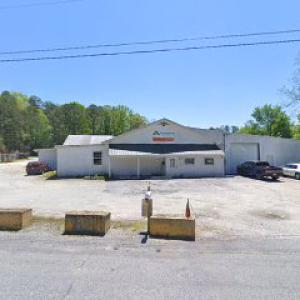
Dawsonville Metal Products
(706) 265-3099 www.dawsonvillemetal.com
82 Etowah River Rd, Dawsonville, Georgia
5.0 from 63 reviews
There are numerous benefits to metal roofing as opposed to shingles, including their durability and energy efficiency, making them long-lasting and weather-resistant with little needed maintenance. For a team you can rely on to make the best recommendation for your property and budget, reach out to Metal Roofing Sales, Inc. in Dawsonville, GA. Working with both residential and commercial clients, they’ll custom fabricate your new roofing to ensure a perfect fit for your property. With a number of warranties available, you can rest easy knowing you’ve made the right investment.
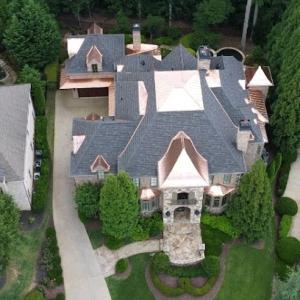
Greater American Roofing
(404) 678-0773 greateramericanroofing.com
253 Grogan Dr Suite 135, Dawsonville, Georgia
4.8 from 56 reviews
Since 2000, Greater American Roofing, located in Dawsonville, Georgia, has been the go-to roofing contractor for Luxury Residential and Commercial property owners. The Certified and skilled team of experts provide a wide range of services including repairs, replacements, inspections, and specialty services like painting, coppersmith work, metal fabrication, and building restoration. With years of experience and a commitment to quality workmanship, they ensure the safety, durability, and beauty of customers' properties. Greater American Roofing is dedicated to providing exceptional customer service, offering honest assessments, and utilizing high-quality materials for long-lasting roofing solutions. Manufacturer Certified.
NGPR Roofing & Exteriors
(770) 231-9049 www.ngproofing.com
22 Thayer Rdg Dr Suite B, Dawsonville, Georgia
5.0 from 24 reviews
NGPR Roofing has a reputation of trust & honor among our clients, with attention to detail, excellent customer service & the highest quality workmanship in the area. We are a full service roofing company serving all of North Georgia. Our team operates out of our headquarters office in Dawsonville, GA & we utilize a remote satellite office in Cumming, GA as well. We were named 'Best Pro in Town' & are a GAF Certified Contractor, have a A+ rating with the BBB, are HAAG Roofing Certified, & hold other various licenses/certifications as well. Our services include but are not limited to: roof installation, roof repair, roof soft washing, insurance claims, gutters, gutter guards, siding and exterior painting. Ask us about our financing options.
Homeland Roofing
(762) 234-0075 homelandroofs.com
2107 Basalt Dr, Dawsonville, Georgia
5.0 from 10 reviews
Protecting your home and your wallet.
RRG Roofing & Gutters
Serving
4.8 from 531 reviews
RRG Roofing & Gutters in Dahlonega, GA, specializes in providing reroofing and repair services for residential properties. We are committed to delivering the highest quality materials, professional workmanship, and outstanding customer service. Whether you need a metal roof or asphalt shingle roof replacement Dahlonega, RRG Roofing guarantees a durable solution that fits your budget. With over 17 years of licensed insurance experience and as an Owens Corning Platinum Preferred Contractor, we offer extensive warranties and adhere to rigorous standards, including proper licensing, insurance, and over five years of experience. Trust RRG Roofing for your roofing needs and enjoy reliable service.
Award Roofing
(404) 543-1871 awardroofing.net
Serving
5.0 from 108 reviews
We have over 50 years of experience and our reputation is over the TOP! We are a small family owned business and most of our costumers come from "word of mouth". We strive to be honest, reliable and affordable. We are located in Cumming, but we service 40 miles all around us. Call us for a free estimate!
Edge Roofing
(833) 468-3343 www.roofsbyedge.com
Serving
4.8 from 354 reviews
Edge Roofing is a licensed, insured contractor serving North and South Georgia, including Dahlonega, Gainesville, Buford, Cumming, Cleveland, Dawsonville, Alpharetta, Roswell, Marietta, Macon, Valdosta, Lake Park, Savannah, Thomasville and nearby communities. Since 2015, we’ve provided reliable residential and commercial services: roof replacement, roof repair, gutters, gutter guards, siding, painting, decking, flooring, porches, additions, windows, doors, soft wash cleaning, and full exterior and interior remodeling. Clients say we’re “reliable, honest, and easy to work with.” As an Owens Corning Platinum Preferred Contractor with an A+ BBB rating, we are trusted for craftsmanship, communication, free inspections, and doing what’s RIGHT.
Gainesville Roofing & Gutter
(678) 687-6413 www.gainesvilleroofingandgutter.com
Serving
4.8 from 49 reviews
As Gainesville's dedicated roofing and gutter specialists, we provide quality craftsmanship and honest service to protect your greatest investment. From storm damage repair and full roof replacement to seamless gutter installation and maintenance, our local, licensed team delivers reliable, guaranteed results right here in Hall County. We are your hometown roofing and gutter service
Cumming Roofing
(678) 725-2138 www.cummingroofingco.com
Serving
5.0 from 18 reviews
Cumming Roofing provides the best roofing services in the area with a focus on trust, customer service, and dependability. Let our experienced team be committed to providing reliable and cost-effective solutions for all your roofing needs.
Elite Roofing & Restoration
(678) 781-1998 www.eliteroofingga.com
Serving
4.7 from 81 reviews
Elite Roofing and Restoration is your source for quality roof repair and replacement. We are insurance industry specialists, partnering with your insurance company to assist you with all your roofing needs. Our team provides roofing repairs and replacements, new construction assistance and restoration and general construction services. Since 2014, the Certified GAF and CertainTeed Shingle Master Select Installers at Elite Roofing and Restoration have provided exceptional roofing services to north Georgia. We offer a highly knowledgeable staff on insurance claims for roof repairs and replacements, as well as an extensive catalog of materials and colors to ensure your roof looks as good as it performs.
Anderson Roofing & Sheet Metal
(706) 864-1714 www.anderson-roofing.com
Serving
4.9 from 11 reviews
Residential and Commercial Roofing Certified GAF Contractor In Business Since 1975!
Ironside Roofing & Exteriors
(470) 668-4599 www.ironsideroofs.com
Serving
5.0 from 138 reviews
Ironside Roofing & Exteriors is a veteran-owned exterior renovation company servicing the Atlanta Metro area. Along with being experts in a multitude of different trades, our contractors are also certified HAAG Inspectors, specializing in storm/disaster restoration. Our competency in this particular field makes filing your homeowner's claim a seamless process. We’re fully licensed and insured, as well as certified contractors with Owens Corning, CertainTeed, IKO, and GAF.
Storms roll through the foothills and spin off from North Georgia's higher terrain, and that means roofs in this area endure a heavier mix of wind and hail exposure than many parts of the state. In practice, that translates to more frequent hail hits, wind-peaked gusts, and the kind of subtle roof wear that doesn't always show up on a quick visual. Georgia insurers are sensitive to hail and wind-loss history, so Dawsonville homeowners often need clear roof-age records, maintenance history, and pre-loss photos when storm damage occurs. Keeping a tidy record-timestamps on attic vent checks, shingle replacements, even a simple ledger of repairs-can simplify a claim later, especially when a storm toggles from a nuisance leak to a full reroof needed after the next squall.
Because adjuster scheduling can affect project timing, Dawsonville homeowners need to document damage immediately after storms and preserve evidence before temporary repairs or full replacement begin. In the minutes after a storm, walk the attic and exterior roof line with a camera, capturing any lifted shingles, granule loss, or dented metal. If a tree limb brushes the gutter line and you notice staining or moisture behind the fascia, photograph that too. The key is to show not just what is visible at the surface, but where signs of water intrusion or wind damage begin to appear. Avoid rushing into tarp fixes that cover structural concerns without documenting the underlying issues; that evidence can become pivotal when the insurer reviews whether the damage is wind-driven or from wear over several years.
In a market where many local contractors advertise insurance-claim help, homeowners should expect claim-related roof decisions to be a major part of the reroof process rather than a side issue. When the storm claim is opened, the adjuster will flag what counts as wind or hail damage and may request specific photos, age of the roof, and maintenance history. This means your roof's current state and history matter as much as the damage itself. If a contractor promises a rapid, "one-call" solution, approach with healthy skepticism: the best path often involves a collaborative review of recovery options, including which materials match the home's existing style and the roof's exposure to the Northeast Georgia wind profile. A clear plan, agreed to by you, the insurer, and your chosen contractor, reduces the chance of sticker-shock later in the process.
Storm damage in this climate can evolve quickly from a cosmetic issue to a structural risk if leaks are left unaddressed through a stormy season. Fast leak response matters. If you notice water intrusion, isolate where possible and document the progression with dated photos before any temporary fix. The moment the weather clears, arrange a professional assessment that prioritizes shingle integrity, flashing around chimneys and vents, and the underlayment's condition. Because North Georgia storms can reappear with little warning, a plan for rapid triage-temporary containment followed by a durable repair or replacement-helps prevent secondary damage to ceilings, insulation, and interior finishes. Expect the reroof decision to be a central element of the process, not a later addition, and plan accordingly with your insurer and contractor to avoid gaps that invite further leaks.
Dawsonville homes often rely on a handful of trusted local crews who understand this climate's particular cadence: the way winds shear along ridge lines, the way hail exposes micro-damage on asphalt and metal, and how a reroof should restore weather-tight confidence. When selecting a contractor, ask for a written damage timeline tied to your claim, a documented scope of work aligned with your insurer's notes, and a transparent communication plan that sets expectations for post-storm follow-ups. The most resilient outcomes come from partners who treat your home with the same care you do, who acknowledge the wind-hail reality here, and who keep your roof history as clean as your storm records.
Connect with contractors who help homeowners navigate the claims process from damage assessment to final approval.
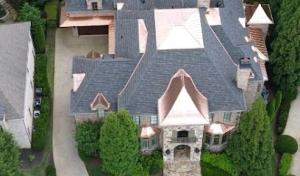
Greater American Roofing
(404) 678-0773 greateramericanroofing.com
253 Grogan Dr Suite 135, Dawsonville, Georgia
4.8 from 56 reviews
NGPR Roofing & Exteriors
(770) 231-9049 www.ngproofing.com
22 Thayer Rdg Dr Suite B, Dawsonville, Georgia
5.0 from 24 reviews
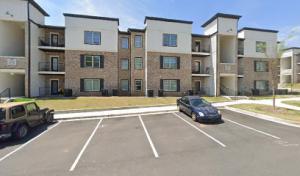
Homeland Roofing
(762) 234-0075 homelandroofs.com
2107 Basalt Dr, Dawsonville, Georgia
5.0 from 10 reviews
Asphalt shingles and metal roofing are the most practical mainstream choices in this area, where hot humid summers and frequent storms reward systems that shed water well and can be serviced easily after weather events. When you're choosing between these two, think about how the roof will respond to rapid temperature swings and how accessible the attic is for ventilation. Asphalt shingles are forgiving on wind uplift if a quality underlayment is paired with a sturdy starter strip and proper nailing patterns. Metal roofs, on the other hand, handle heavy rain without as much thermal expansion stress and can be walked for quick inspections after a storm, provided the panels are properly seated and fastened. For a Dawsonville home facing regular moisture cycles, a well-sealed valley and robust edge drip edge are essential regardless of your material choice.
Clay and concrete tile appear in the local material mix but require attention to structural load, underlayment longevity, and impact vulnerability during severe weather compared with lighter systems common in the area. If clay or concrete tile is on your radar, verify the roof deck's ability to carry the added weight and plan for a top-tier underlayment that resists moisture intrusion during the region's humid months. Tile roofs perform well once correctly installed, but they demand a precise installation of fasteners and battens to keep fasteners from loosening under wind gusts. In this climate, you'll want a roof system with strong impact resistance and provisions for expansion joints, especially around vent pipes and chimneys, to avoid cracking during rapid temperature shifts and hail events.
Wood shingles and shakes are present in the market but need closer monitoring in North Georgia's humid conditions, where moisture retention can shorten service life if ventilation and drainage details are weak. If wood is chosen, prioritize species with natural decay resistance and ensure ventilation is ample to keep the deck dry. Adequate soffit vents, ridge ventilation, and a well-sealed underlayment are not optional notes-they're critical for preventing cupping, warping, and algae growth in the humid spells. Regular inspections after strong storms help catch raised edges or loose shakes before water penetration becomes a bigger issue. For best results, pair any wood option with a protective coating or stain designed for high-humidity environments and a roof deck that drains efficiently to prevent standing moisture.
In this market, rapid leak response after North Georgia thunderstorms matters as much as the initial installation. Choose a roofing system with straightforward access for quick patching and a crew that can seal minor breaches within hours of an event. Establish a basic post-storm check routine: inspect for lifted shingles, lifted tiles, damaged flashing, and clogged gutters. Keeping a small, ready-to-use repair kit on hand and knowing where to reach a trusted local contractor can save a lot of interior damage during the peak storm season. Consistent maintenance and prompt, professional inspections after heavy weather help preserve the life of the roof regardless of material choice.
When a North Georgia thunderstorm batch rolls through, local reroof pricing tends to spike fast. Storm-driven demand tightens scheduling and labor availability for tear-off, dry-in, and repair crews, which can push timelines and, in turn, project costs. In practice, you'll notice longer lead times after a big event and tighter windows for quick leak-response work. That volatility matters most if the roof is damaged during or shortly after a storm, because proximity to the next storm can limit crew rotation and materials access. Expect variability not just in the base material price, but in the crew hours needed to stage, protect, and clean up on steep or rolling terrain.
For asphalt shingles, a common choice when the budget matters, expect a typical range near the low end of the spectrum, with labor still a factor during peak season. Metal roofing sits higher but often saves time on tear-off and weatherproofing, which can offset some of the labor premium in unstable schedules. Clay and concrete tiles command premium both for material and for the extra staging and care required on steeper roofs. Wood shingles and synthetic composites land in between, but regional weather patterns-humidity, rain interruptions, and the need for accurate inspection timing-can nudge total spend up if delays stretch over weeks. In practice, the listed ranges reflect the installed cost per square (100 square feet) and include both material and typical labor for Dawsonville's terrain.
Steeper residential rooflines and homes perched on rolling lots are the norm here, and that changes the math in real terms. More ladder time, more edge protection, more cleanup, and occasionally more waste when sections tear off unevenly on sloped, tight lots. The labor premium on these sites often shows up as a higher per-squarecharge, even if the material price sits close to the published range. In seasonal busy periods, expect crews to allocate extra hours for staging and removal of debris on slopes, which translates to a higher final tally.
Humidity and rain interruptions aren't abstract here; they can stretch a project from a few days into a few weeks. That extended duration affects labor costs through extended crew mobilization and the need for continuous temporary protection (tarps and barriers) to prevent leaks between storm events. When the schedule lengthens, the overall installed price can drift upward even if material pricing remains steady. A careful plan that prioritizes dry-in windows and proactive protection can help keep the numbers steadier during unpredictable Southeast storms.
Asphalt shingles: roughly 400-800 USD_per_square
Metal roofing: roughly 600-1100 USD_per_square
Clay tile: roughly 900-1500 USD_per_square
Concrete tile: roughly 700-1200 USD_per_square
Wood shingles/shakes: roughly 500-1000 USD_per_square
Synthetic/composite shingles: roughly 600-1000 USD_per_square
In this market, the timing of storm events and the availability of local crews after severe weather often has as much influence on the final bill as the chosen material. Planning for a weather-aware schedule, especially on steeper lots, helps keep a reroof project on track and on budget.
Get a clear picture of your project costs upfront - no commitment required.
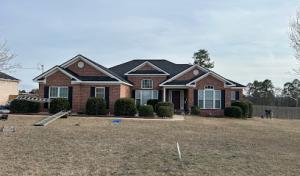
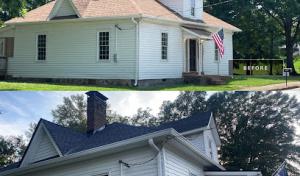
A full reroof in Dawsonville typically requires a building permit filed through the local building department serving Dawson County. The process starts when you or your contractor submits the project details, including the roof type, square footage, and any changes to ventilation or flashing. The department understands that storm-related reroofs are common, so having a plan that shows material choices and installation steps helps keep things moving. Expect to receive confirmation from the permit office before work begins, and keep the permit number handy for inspections and any future repairs.
Inspections are commonly scheduled during and after installation to verify underlayment, flashing, and ventilation compliance before final approval. In practice, this means your roofer should coordinate a sequence where the underlayment and flashing are visible to the inspector at the right stages. If an inspector notes a mismatch or a ventilation shortfall, timely corrections can prevent delays during the final review. A smooth inspection hinges on clear access to attic spaces and roof edges, plus documentation of wind-rated components if your area experienced recent North Georgia storms.
Plan review and final inspection timing can see minor delays tied to department workload and weather, which matters in a market where many projects are storm-related and time-sensitive. Weather windows influence when roof tear-off and reinstallation can proceed safely, especially on steeper pitches or in areas with high summer humidity. Coordination with utilities, scaffolding, and waste removal adds to scheduling clarity, so having a realistic timeline and buffer helps you avoid cascading delays. If a storm event drives a cluster of reroofs, anticipate some backlogs but also know that the county typically prioritizes urgent cases; staying in regular contact with your contractor and the permit office can help keep your project on track.
Dawsonville's hot, humid summers make attic ventilation and moisture control especially important because trapped heat and humidity can accelerate shingle aging and worsen deck-related issues. In practice, that means the attic should not feel like a closed box on the hottest days. If insulation is correctly installed but ventilation feels inadequate, heat can push through roof sheathing and lift underlayment, inviting slow leaks or decking deterioration. A breathable balance between soffit intake and ridge exhaust helps keep attic temperatures down and moisture levels manageable, even when afternoon storms roll through.
Inspection emphasis on ventilation in local reroof approvals means ventilation upgrades are often part of a compliant replacement rather than an optional add-on. When planning a reroof, expect evaluators to check attic intake areas, ridge vents, and potential dead zones behind kneewalls or closets. If the attic lacks continuous venting or shows signs of trapped moisture, upgrading to higher airflow can be a straightforward first step. In humid summers, increased airflow reduces condensation on the underside of decking and can slow cosmetic and structural decay that masquerades as other issues.
Homes that have repeated summer leak events may have combined problems involving flashing, underlayment, and attic airflow rather than a single visible shingle defect. Pay attention to flashing around chimneys, vents, and wall transitions, especially where wind-driven rain can push water toward the deck. If leaks recur after storms, have the entire roof-venting strategy reassessed, not just the visible leak source. A coordinated approach-better ventilation, improved flashing, and compatible underlayment-tends to resolve the pattern of frequent summertime leaks more reliably.
In this foothill region, skylights and chimneys show up meaningfully in the local contractor market, signaling that penetrations are a common source of leak calls. Wind-driven rain from North Georgia thunderstorms can exploit weak flashing details around these features much faster than in drier climates. When a storm rolls in with gusts and heavy downpours, every skylight curb and chimney base becomes a potential entry point. Recognize that a small leak around a flashing seam today can grow into widespread interior damage after a single heavy rain.
During a rapid wind-driven rainfall, existing flashing around skylights and chimneys is pressed to its limit. Shingles can lift, gaps widen, and metal flashings may bend or peel away. In homes with multiple penetrations, a single compromised edge can channel water into attic spaces, soffits, or into ceilings beneath upper rooms. Because moisture travels along the deck and framing, the visible drip is only part of the story. The real risk is hidden staining and wood rot that can quietly worsen between storm events.
Emergency repair is a common local reality. Expect temporary sealing or tarping around penetrations to slow the leak while a permanent flashing solution is scheduled in a clear weather window. Temporary measures buy time but do not replace the need for proper flashing integration with the roofing system. If a storm is rolling in, prioritize securing the immediate entry points-then arrange a detailed, permanent fix that addresses step flashing, counter-flashing, and proper overlap with the roof plane.
Inspect skylight seals and chimney flashing after heavy rains, looking for lifted shingles or pooled water at edges. Keep a clear area around the chimney base and skylight, free of debris that could trap water. If you notice active leaks, place a temporary tarp or sealant outward from the leak path to divert flow away from the interior while arranging a professional assessment. Regularly remind yourself that early detection and prompt temporary protection reduce damage until a qualified roofer can complete the final flashing repairs.
Find contractors experienced in skylight installation, flashing, and leak repairs to bring natural light into your home.
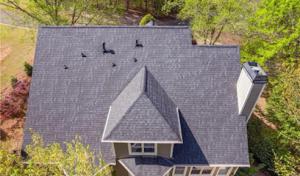
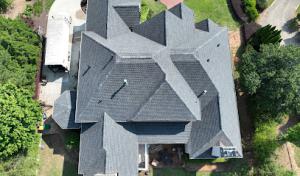
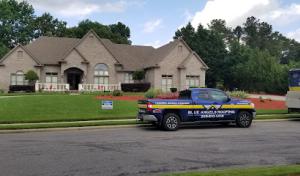
In this market, reroofing dominates, so you want a crew that treats replacement as an ongoing process, not a one-off job. Look for crews with clearly defined replacement workflows, from initial tear-off through final cleanup. You'll want to see a robust plan for storm-season work, with rapid on-site response, organized material staging, and a commitment to leaving the property clean and broom-swept. That practical rhythm matters after North Georgia thunderstorms when leaks pop up fast.
When a storm hits, your top signals are speed, thorough cleanup, and a fair, transparent process. Ask for a storm-response window that's realistic in your area and confirm what "cleanup included" means in writing. You're not just paying for shingles; you're paying for debris containment, rapid tarp placement if needed, and a cleanup crew that finishes before the next weather event. If a contractor treats cleanup as an afterthought, that's a red flag in this market.
Manufacturers increasingly require documented inspection and reporting to honor warranties. In practice, that means you should see drone-inspection options and professional, written roof-condition reports as part of the package. Choose a crew that can provide certified inspection photos, elevation views, and a summarized condition report suitable for warranty claims. That kind of documentation helps you avoid gaps when you file after a storm and keeps the coverage active.
Because the local market leans toward fast leak response and reliable cleanup, you want a crew with a track record of meeting temporary needs without sacrificing long-term quality. Ask about crews' storm-season availability, their ability to stage materials quickly, and how they manage post-installation checks. The goal is a seamless, predictable experience from start to finish, with clear lines of communication and a dependable warranty pathway.