
Last updated: Apr 19, 2026
Canton sits in the north Georgia weather zone where spring and early summer hail and wind events regularly drive roof claim activity. In your neighborhood, a fast-moving storm can crack shingles, lift edge tabs, or loosen flashing in minutes, leaving exposed underlayment and vulnerable attic spaces. After a hail season or a sequence of strong gusts, the likeliest indicators of storm damage pop up on days you'd rather be enjoying calm weather: granule loss along gutters and driveway streaks, bent chimney caps, dented metal edging, and curled or missing shingles. Storm risk in this area isn't theoretical-it's a recurring neighborhood reality that demands vigilance.
Local contractor signals strongly skew toward storm damage, insurance claims, and emergency repair, showing that post-storm service is a core homeowner need in this market. In practice, that means you should expect a flurry of activity in the days and weeks after a significant event: quick-onset roof checks, temporary tarps, and rapid response to minimize interior water intrusion. The most dependable crews set up triage after a storm, prioritizing safety, structural integrity, and essential watertightness. If a crew can't commit to a rapid assessment or to placing sturdy temporary protection, that is a red flag. In a Canton neighborhood, you want a team that treats your home as a priority-especially when wind-driven debris might still be lurking in the yard.
Adjuster availability can tighten after regional hail and wind events affecting Cherokee County and nearby north metro Atlanta communities, which can slow claim handling. During those windows, communication becomes crucial: you'll want regular status updates, clear timelines, and a point of contact who can translate insurer requirements into actionable steps for your roof. If the storm back-to-back pattern hits, get ahead by documenting damage while it's fresh and maintaining a log of conversations with your insurer and contractor. Delays are common near the crest of storm season, so plan for an extended process rather than expecting a quick resolution.
You need a Canton-area team that understands the specific weather-driven stress points on local homes. Look for crews with verifiable references from nearby streets that experienced the same hail or wind event you did, and that can demonstrate experience managing storm-damage claims from start to finish. A reliable contractor will perform a thorough exterior and attic assessment, photograph the damage carefully, and provide a detailed, storm-focused scope of work that aligns with typical local claim expectations. Prioritize companies that arrive with tarps and temporary protection capabilities, are transparent about next steps, and stay accessible through the entire claim process.
Preparation matters when walls and ceilings are watching you for moisture intrusion. Before you file, photograph all affected areas-shingles with bruising, granule loss in gutters, and interior signs of leakage around ceilings and attic spaces. Keep a dated record of storms, wind speeds if available, and any unusual sounds or smells that followed the event. When speaking with the adjuster, present your documentation calmly and concisely, and request a joint inspection with your contractor so that the scope mirrors what the roofer sees on the surface and in the attic. In Canton, where weather-driven claim pressure is a fact of life, timely, well-documented submissions can keep your project moving when the clock is ticking.
Find local contractors experienced in assessing and restoring roofs after hail, wind, and severe weather events.
Fraser Roofing
(678) 710-9068 www.fraserroofingllc.com
200 Eagles Nest Dr Suite C, Canton, Georgia
5.0 from 331 reviews
Invictus Roofing
(770) 264-7977 www.invictusconstructiongroup.com
130 E Main St Suite 314, Canton, Georgia
5.0 from 135 reviews

10.10 Contracting
(404) 953-2982 www.1010contracting.com
185 W Main St suite i, Canton, Georgia
5.0 from 99 reviews
Fraser Roofing
(678) 710-9068 www.fraserroofingllc.com
200 Eagles Nest Dr Suite C, Canton, Georgia
5.0 from 331 reviews
Fraser Roofing in Canton, GA provides roof repair, replacement, storm damage repair, and gutters designed for North Georgia wind and hail. Our go‑to system is CertainTeed shingles, installed by a Select ShingleMaster team for tested performance and warranty options. For an upgraded look and durability, we offer DaVinci composite roofing and F‑Wave synthetic shingles. Contact us for a free estimate.
Fowler Exteriors
(770) 800-8758 www.fowlerexteriors.com
3000 Ficklen Church Way, Canton, Georgia
5.0 from 265 reviews
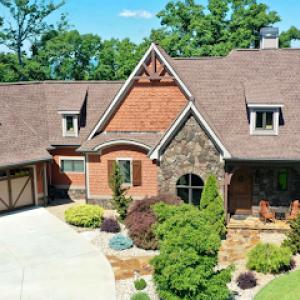
For over twenty years, Fowler Exteriors has been the trusted choice for homeowners in Canton, Georgia, and the surrounding areas. Our experienced team specializes in roofing, siding, and decks, providing services to enhance and protect your home's exterior. Whether you require a new roof, updated siding, or want to expand your outdoor living space with a stylish new deck, our team is ready to help. We are a local North Georgia company that is licensed and insured, and we can help you with everything from roof inspections and repairs to a new metal roof installation. We cover a wide range of areas in North Georgia, including Atlanta, Woodstock, Alpharetta, and Jasper.

10.10 Contracting
(404) 953-2982 www.1010contracting.com
185 W Main St suite i, Canton, Georgia
5.0 from 99 reviews
10.10 Contracting is a full-service contractor specializing in roofing, remodeling, and storm damage restoration. We proudly serve Canton, Metro Atlanta, & North Georgia, with residential and commercial consulting services extending to South Carolina & Florida. Our Canton-based roofing contractor offer a wide range of services, including residential roofing, remodeling, consulting, & storm damage restoration, along with dump trailer rentals. Our services cover roofing repairs, drone inspections, wood rot repair, windows, siding, porches, decks, screen enclosures, painting, and more. 10.10 Contracting has an A+ rating with the BBB and is an Owens Corning Preferred Contractor, Certainteed ShingleMaster and a Storm Restoration Specialist.
Prominence Roofing & Exteriors
(678) 704-5348 prominenceroofs.com
2400 Riverstone Blvd #4493, Canton, Georgia
5.0 from 43 reviews
Prominence Roofing & Exteriors is a trusted provider of high-quality roofing solutions for residential and commercial properties. Serving the Greater Atlanta Area, we specialize in roof installations, repairs, inspections, and exterior upgrades to protect and enhance your property. Our team combines craftsmanship with premium materials, ensuring durability, energy efficiency, and lasting protection. We also assist with insurance claims to make your roofing project as smooth as possible. At Prominence, we’re dedicated to delivering exceptional service with transparency and integrity. Call us today for a free consultation and see why so many trust us with their roofing needs.
Infiniti Roofing & Remodeling
(770) 720-1160 infinitiroofingandremodeling.com
915 Goodwin Rd, Canton, Georgia
4.8 from 308 reviews
Infiniti Roofing & Remodeling is a roofing contractor in Canton, Georgia that services North Metro Atlanta and nearby areas. Our roofing company offers residential roofing, commercial roofing, asphalt shingle roofing, metal roofing and many more. What make us standout is our fair, competitive pricing plus our lifetime warranties. We have industry certifications such as GAF, Certainteed Shingle Master and Owenscorning. If you want to experience how your most trusted Canton roofing contractor embrace honesty, integrity and professionalism, call us now for free estimate!
Ridgeline Roofing & Construction
(678) 880-6187 www.ridgelinerandc.com
2442 Marietta Hwy # 300, Canton, Georgia
5.0 from 33 reviews
Ridgeline Roofing & Construction provides complete home renovations. Count on our highly trained experts for all of your home remodeling needs. Roofing, siding, windows, decks, bathroom remodels, kitchen renovation, Interior & Exterior Painting, and home additions. We provide roofing services throughout the state of Georgia. All construction and remodeling services within Cherokee County and surrounding areas.
Bardin Roofing | Best Restoration consultants
(770) 576-5490 www.bardinroofing.com
225 Reformation Pkwy Suite 200, Canton, Georgia
4.8 from 85 reviews
Bardin Roofing is a residential and commercial roofing contractor. We help homeowners navigate the insurance process following severe storm damage to the roof of their home. We also provide retail options for aged roofs that need replacing. We specialize in all types of roofing and use the best products on the market that will protect your home, family and/or business.
Four Seasons Roofing & Repair
(678) 880-6839 www.fourseasonsroofingga.com
825 Valley Dr, Canton, Georgia
4.9 from 36 reviews
Asphalt Shingle Roofing Company
Suburban Roofing
(770) 863-8042 suburbanroofs.com
3760 Sixes Rd Suite 126-212, Canton, Georgia
4.8 from 23 reviews
Suburban Roofing, LLC is family owned roofing company located in Cherokee County, GA. As specialists in residential and commercial roofing services, we are dedicated to providing customer service that is second to none. Whether you have a new construction project or it is time for repairs, we offer the roofing services you need.
Rise Residential Roofing
(678) 772-6995 www.riseresidentialroofing.com
528 Black Horse Cir, Canton, Georgia
5.0 from 13 reviews
Your home and family deserve nothing but the best. That is exactly what Rise Residential Roofing provides to our customers. Partnering with the finest manufacturers available, our skilled team members provide the highest quality roofing solutions. Call the experts at Rise Residential Roofing for a seamless roofing experience, superior customer service and a roof that will protect and perform for decades.
Summit Roofing
(678) 664-8101 www.summitroofpro.com
229 Jay Ln, Canton, Georgia
5.0 from 8 reviews
Summit Roofing is a family owned business based in Canton, GA. We specialize in full roof replacement and have 20+ years of experience in roofing and construction.
Affordable Gutters Plus
(770) 735-4433 affordableguttersplus.com
644 Pleasant Union Rd, Canton, Georgia
5.0 from 7 reviews
North Georgia’s premiere Rain Gutter and leaf guard installation company. Family owned and operated since 1995.
In Canton, spring and fall are typically the best replacement windows because days are drier and temperatures are more moderate than peak summer. That steady weather minimizes the risk of rain delays and helps sealants cure as intended. If you're aiming for a clean, efficient install, plan projects to land in these shoulder seasons when crews can keep to a predictable pace and you're less likely to have material warping or adhesive issues from heat. A typical schedule is to start with a good-weather forecast, pick a window of several dry days, and align your project around a midweek sequence when crews can avoid weekend holdovers.
Hot, humid Canton summers can slow crew pace and affect handling and sealing conditions for roofing materials during installation. Heat makes shingles feel sticky, ladders and safety gear become more exhausting, and the risk of radiant deck heat affecting underlayment climbs. If you must tackle a summer replacement, plan for early starts, extra crew depth to maintain progress, and more frequent water protection checks on the deck. Have shade or cooling breaks mapped out, and ensure venting and sealing work is scheduled for the coolest parts of the day to keep attention sharp and seams tight.
Autumn rain periods and winter temperature swings in north Georgia can shorten workable installation windows and create wet-deck delays. Rain can interrupt asphalt shingle sealing or push you into higher humidity issues for certain underlayments. Freezing mornings slow adhesive setting and complicate nailgun performance. If you must work into late fall or early winter, build in contingency days for wet decks and plan for longer drying times between steps. Proactively protect the deck when storms roll through and have a plan to tarp or cover exposed areas during unexpected rain.
Start with a solid weather outlook and a pinpointed install window. Try to avoid back-to-back storm fronts that can flood with debris and compromise the work area. For spring and fall, core tasks-roof removal, deck inspection, underlayment, and final sealing-benefit from consistent temperatures and lower humidity. In heat-prone periods, emphasize material handling and rapid progression through the deck and underlayment stages to minimize exposure. In colder stretches, target tasks that don't require peak adhesive performance or high-temperature sealing, and reserve delicate finish work for warmer midday hours. A well-timed schedule in Canton's variable climate reduces risk and supports a smoother, more reliable roof replacement.
Asphalt shingles are the backbone of residential roofing in this area, with a local market that leans heavily on their familiarity, ease of installation, and broad availability. They pair well with the common Canton rooflines and often fit the existing sheathing and attic layouts found on midcentury and newer homes alike. When choosing asphalt, you'll notice a range of impact-resistant and high-wheel wind-rated options that help address storm-driven events common to the north Georgia pattern. The color and texture variety also supports a broad spectrum of neighborhood aesthetics without requiring specialized installation crews.
Metal roofs store well against hail and high winds and can be a smart upgrade for homes facing repetitive storm exposure. Locally, metal has a noticeable foothold compared with many suburban Georgia markets, offering long-term durability and faster installation in some cases. However, the weight, required underlayment, and precise fastening details mean picking a contractor with specific metal-roof experience is crucial. In Canton, metal can be an attractive, low-maintenance option for properties with steeper pitches or roofs that must withstand frequent thunderstorms, provided the installation accounts for proper ventilation and drainage.
Clay tile, concrete tile, synthetic/composite shingles, and slate are present in Canton, but their higher weight and installation complexity limit local contractor options. Clay and concrete tiles demand structural reinforcement and careful workmanship to prevent cracking under hail impact or ground-level movement. Synthetic or composite shingles offer some of the aesthetics of slate or tile with lighter weight and easier handling, but still require skilled installation to ensure wind uplift resistance. Slate delivers a premium, long-lasting look but is typically available only through specialty crews and is best suited for homes with the appropriate roof structure and load-bearing capacity.
The local climate-humid summers, regular thunderstorms, and mild wet winters-puts moisture tolerance, wind uplift resistance, and hail exposure at the forefront of material performance. Roof assemblies should emphasize high-quality underlayment, explicit attention to flashing around chimneys and vent stacks, and ventilation that prevents moisture buildup in attic spaces. In regions with frequent storms, choosing materials and installation methods that maximize wind and impact resistance while maintaining reliable moisture drainage will give Canton homes a durable, longer-lasting roof that stands up to the unique weather pattern of north Georgia.
In Canton, you'll see a practical spread across common roof types that reflects both material quality and local climate needs. Asphalt shingles run roughly from $350 to $700 per square, a range that fits many midtown and subdivision homes facing our hot/humid summers and spring hail. Metal roofing tends to be from $700 to $1,800 per square, which lines up with longer service life and better impact resistance during our storm season. Clay tile sits higher, around $1,800 to $3,200 per square, a choice favored by some newer builds or homes with a Mediterranean aesthetic in newer pockets of the market. Concrete tile registers at about $900 to $1,800 per square, offering durability with a slightly more approachable price than clay. Synthetic/composite shingles are typically $500 to $900 per square, providing a balance of affordability and performance. Slate is the premium option here, generally $1,800 to $4,200 per square, valued for longevity and a distinctive look in higher-end neighborhoods.
Storm-driven demand spikes in the north Georgia market can push scheduling pressure and labor pricing higher after hail and wind events. In practice, that means a batch of calls can come in within days after a severe hail day, while crews juggle multiple local projects. Expect longer lead times for materials that sustain the most damage, and be aware that price quotes may shift as crews re-balance crews, equipment, and supply on the ground. If a storm hits, the time you allocate for selecting materials and coordinating a replacement can be as impactful as the initial quote-plan for a window rather than a single date when possible.
Costs can vary depending on whether the property falls under City of Canton or Cherokee County permitting workflows, as processing times and fees can differ by jurisdiction and material. This can translate to slight shifts in scheduling and pre-install logistics, especially for larger or more complex installations. When comparing bids, ask each contractor to itemize material choice, underlayment, fasteners, and ventilation specifics, so that you're comparing apples to apples across the Canton/Cherokee context.
Get a clear picture of your project costs upfront - no commitment required.
Fraser Roofing
(678) 710-9068 www.fraserroofingllc.com
200 Eagles Nest Dr Suite C, Canton, Georgia
5.0 from 331 reviews
Infiniti Roofing & Remodeling
(770) 720-1160 infinitiroofingandremodeling.com
915 Goodwin Rd, Canton, Georgia
4.8 from 308 reviews
Four Seasons Roofing & Repair
(678) 880-6839 www.fourseasonsroofingga.com
825 Valley Dr, Canton, Georgia
4.9 from 36 reviews
A full re-roof in Canton generally requires a permit, issued through the local building department with an application and fee tied to project scope. This is not optional paperwork to skip, especially after a storm when insurance claims are involved and timelines tighten. The permit ensures the work meets Canton's structural and weather-resistance standards, which matter when hail and high winds have rattled shingles loose or compromised underlayment. Entering the process prepared helps avoid delays that can complicate a quick re-roof after a claim.
Homeowners in the Canton area need to confirm whether their property is inside City of Canton limits or in unincorporated Cherokee County because permit handling can differ by jurisdiction. In practice, that distinction can change which office processes the permit, how inspections are scheduled, and how documentation is recorded. If the property sits in unincorporated Cherokee County, the county's building department may oversee the permit instead of a city office. Understanding the correct channel early helps prevent misfiled forms or misdirected fees that stall a project during the critical post-storm window.
Inspections are typically scheduled during and after installation, and final inspection is generally required before the permit is closed. In Canton's climate, these inspections serve as practical checks against missed underlayment repairs, ventilation changes, or flashing updates that storms can expose. An inspection plan should anticipate at least one mid-point review and a final walk-through to confirm not just the visible roof but the integration with attic ventilation, chimney and vent terminations, and drainage connections. Plans that anticipate potential adjustments after weather events can reduce rework and keep the job on track.
When storm damage is involved, gather proof of prior condition, any insurer correspondence, and the scope provided by your contractor before submitting a permit. Confirm the correct jurisdiction early-whether city or county-and ask the building department about required forms, timelines, and inspection windows. Keep a clear record of all inspections, approvals, and the final permit clearance. Staying organized helps prevent a permit hold from turning a timely re-roof into a months-long setback, which is a real risk in Canton's storm-prone climate.
Georgia's homeowners insurance market stays relatively steady, but the north Georgia storm pattern brings enough hail and wind events to influence how claims are handled in Canton. When a storm rolls through, the volume of claims can push contractors into the mix and sway how insurers interpret damage. You might notice that a routine shingle lift or a dented vent could trigger closer scrutiny of your roof's condition, especially if your roof is older or showing signs of wear from years of exposure to sun, humidity, and seasonal storms.
Some carriers serving this region may request detailed roof age information or contractor documentation before or during a claim review. That means a simple photo after a storm may not be enough to move the process along. Having a clear, dated record of the roof's condition, plus notes from a licensed contractor, can help your case. In Canton, where storm-driven damage can show up in patches across a roof line, consistent documentation helps insurers see the full picture rather than isolated spots.
Because coverage decisions vary by insurer and policy, Canton homeowners benefit from photo documentation, date-stamped storm records, and contractor reports when damage is recent. Snap photos from multiple angles, capture the interior attic signs like daylight through decking or accelerated moisture, and keep a timeline of when storms hit and what you observed afterward. If a claim is filed, those items become your strongest support. A concise contractor report that aligns with the storm dates can help bridge gaps between observed damage and policy language.
Storm-driven damage doesn't always line up with what a homeowner expects. Hail can create non-obvious impact patterns, and high wind can peel shingles in ways that aren't immediately visible from the ground. In Canton's climate, quick securement after a storm is wise, but doing so should be documented and coordinated with your insurer and contractor to avoid confusing the claim path.
Intermittent leaks around skylights are a common early sign after Canton's regular afternoon storms. Skylight-related service is notably active in the Canton market, indicating that flashing and penetration details are a recurring homeowner concern locally. From the attic, look for condensation, staining, or dark halos along the flashing. Outside, inspect the flashing seam where the skylight meets the roof deck for lifted metal, wrinkled sealant, or gaps around fasteners. If a shingle bed near the skylight looks loose or sunken, the issue often traces to the flashing rather than the glass. For older homes with skylight adapters, confirm that curb flashing is solid and that there is a proper sealant to shed water away from the sash. In homes with multiple skylights, a pattern of minor leaks after storms can point to a shared flashing detail that needs resealing or re-flashing.
Chimneys also appear frequently in local contractor profiles, which aligns with the need to watch flashing transitions on older and custom homes in the area. Regular checks should include the base flashing where the chimney meets the roof, the counter flashing along brick or stone, and the condition of the chimney cap and spark arrestor. Look for mortar cracks, shifting bricks, or missing caulk where the chase meets the roof line. If a cricket or saddle stone is absent or misaligned, water can pool and funnel into the flashing during heavy showers. For brick chimneys, inspect mortar joints just below the flashing, as moisture can migrate through compromised joints even when the visible seal looks intact.
With Canton's storm pattern, small flashing defects around skylights and chimneys tend to show up first as leaks after an afternoon downpour rather than as obvious shingle failures. Establish a simple post-storm walk-through, noting any damp spots or stains. If leaks recur, engage a professional to inspect the flashing transitions, especially on aging or custom-built homes, before concerns grow into larger repair projects.
Find contractors experienced in skylight installation, flashing, and leak repairs to bring natural light into your home.
Fowler Exteriors
(770) 800-8758 www.fowlerexteriors.com
3000 Ficklen Church Way, Canton, Georgia
5.0 from 265 reviews
Four Seasons Roofing & Repair
(678) 880-6839 www.fourseasonsroofingga.com
825 Valley Dr, Canton, Georgia
4.9 from 36 reviews
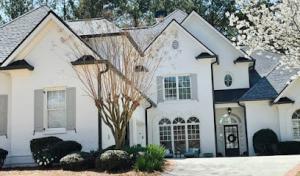
The Canton market favors crews that can handle re-roofing with reliable follow-up after storms. When you're comparing contractors, focus on how they manage the replacement process from start to finish, not just the initial tear-off. Look for clear project timelines, documented scope of work, and a method for addressing storm-related debris promptly. A practical contractor will spell out the sequence: teardown, underlayment, any necessary repairs to the deck, and the finish with minimal disruption to your daily routine.
In this area, quick response and thorough cleanup are unusually prominent hiring priorities. Ask how the crew handles leaks as soon as they're detected and what happens if weather interrupts progress. Confirm who will be on site for the installation and whether that foreman will be the same person you can call with questions during or after the job. Verify that any storm-related follow-up-leak checks, shingle replacements, or flashing adjustments-has a concrete plan and a reasonable window for service calls after the roof is completed.
Drone inspections are common enough to expect photo-heavy reports that track both the pre-existing condition and the progress of the project. You should still verify who reviews the photos, how detailed the scope is, and how any changes are documented. Ensure the final pack includes a comprehensive record of materials used, flashing details, and fastener patterns, so you have a clear reference if another storm hits or if you need future repairs.
Ask for a clearly defined installation plan, including material brands, color choices, and nail patterns. Clarify who is responsible for clean-up and how debris is contained during work. A dependable contractor will provide a concise punch-list at completion and a warranty that covers both workmanship and the new roofing system.