Last updated: Apr 19, 2026
Alton sits along the Mississippi River and below bluff terrain, where passing severe storms can bring wind-driven rain, hail, and sudden roof damage that homeowners often need documented quickly. When that fast-moving weather hits, your top priority is to protect your interior, document the damage, and set the right post-storm response plan in motion before further deterioration occurs. Lightning flickers, shingles shed, gutters buckle, and leaks can creep in behind missing granules. The clock runs fast after a hail event or a heavy windstorm, and delayed action often translates to bigger repair bills and more intrusive interior damage.
The local contractor market strongly skews toward storm damage, insurance claims, and emergency repair work, indicating that post-storm roof response is a primary homeowner need in Alton. This means you should expect a surge of crews, some legitimate and some not, scoping jobs or offering quick patches that look convenient but don't hold up to the bluff-top weather. Your best bet is to assemble a small, trusted team up front: a licensed roofer who understands hail impact patterns, an adjuster-friendly inspector who can document damage with contemporaneous photos, and a leak-response crew ready to seal entry points while you secure a long-term replacement plan. Do not wait for a "good weather" window to respond-storms don't wait, and neither should you.
Spring storm activity in the Alton area can interrupt active reroof jobs and create short-term demand spikes for shingles, underlayment, and repair crews after hail events. This means you will likely see supply snags and schedule squeezes. Plan ahead by identifying backup suppliers for materials and arranging a temporary leak-stop strategy that can be installed quickly after a storm, especially on exposed slopes that catch the brunt of wind-driven rain. If a hail event is forecast or has just occurred, walk the roof with a professional as soon as it is safe to do so. Document every dent, every missing granule, and every stressed edge seam. Your objective is a meticulous report that will stand up to an insurer's review, not a quick patch that might pass a cursory glance.
In the hours after a hail strike, prioritize water intrusion control. A single tarping job, properly secured and vented, can buy critical time while the roofer develops a full replacement plan. If interior staining or damp ceilings appear, photograph immediately and keep a dated log of when each new leak is observed. When contractors show up offering "expedited" guarantees or "storm-only" pricing, treat these as red flags unless they provide verifiable licenses, insurance, and a detailed scope of work. Insurers will rely on the written scope, photos, and roof measurements to determine what portion is covered, so clarity at the outset prevents surprises later.
Communicate with the insurer without delay, but maintain control over the process. A solid path is to schedule a same-day or next-day inspection with an adjuster who can confirm hail impact patterns-round, pocked dents on flat, smooth surfaces, and crushed granules along edges are common indicators. Ask for a scope that includes attic ventilation assessment, deck integrity checks, and underlayment condition after severe weather. If a claim is approved, demand a phased plan that aligns with the seasonal backlog and allows for a thorough, durable reroof rather than a rushed, temporary fix. In a bluff-and-river setting, the difference between a patch and a true replacement is measured in how the roof handles the next season's freeze-thaw cycles and wind-driven rain.
Find local contractors experienced in assessing and restoring roofs after hail, wind, and severe weather events.

Riverbend Roofing Services & Construction
(618) 830-4720 riverbendroofingservicesandconstructionllc.com
219 Piasa St #3A, Alton, Illinois
4.1 from 22 reviews

Riverbend Roofing Services & Construction
(618) 830-4720 riverbendroofingservicesandconstructionllc.com
219 Piasa St #3A, Alton, Illinois
4.1 from 22 reviews
Protect your largest investment with our reliable roofing services. We are a locally owned and operated roofing company currently serving Alton, IL and surrounding communities. If you want to make your roof last as long as possible, it is vital that you never put off a roof repair. Small issues with roofing become big issues in a hurry. No matter how major or minor the repair you need, we are here to help. We offer roofing contracting, roofing repairs, and asphalt roofing and other services.

Tycon Builders
(618) 465-7335 www.tyconbuilders.net
3414 College Ave, Alton, Illinois
4.2 from 18 reviews
Local residential remodeling, roofing and building Contractor. Well versed in all aspects of home improvement and construction.
Rob's Construction
(618) 258-9828 www.robsconstruction.net
Serving
4.8 from 43 reviews
We are A+BBB accredited company doing roofing, windows, siding, kitchen/baths, basement remodels, and decks.
Upper Deck Roofing
(618) 420-9194 upperdeckroofing.com
Serving
5.0 from 136 reviews
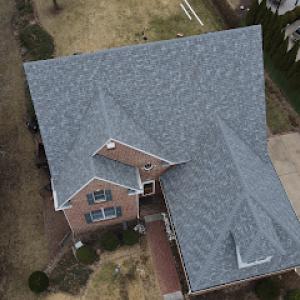
Upper Deck Roofing is a company built on honesty, integrity, and industry leading experience. Our mission is to better our community and build lasting relationships with those we meet. Upper Deck Roofing Specializes in Residential Roof Replacement.
Roofsbyantonio
Serving
5.0 from 5 reviews
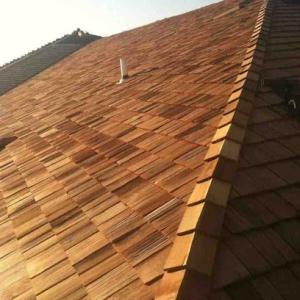
Whether you need a small patch job or a completely new roof, our team of dedicated roofers at Roofs by Antonio are here to help. We can easily travel to you wherever you are in the St Louis metro area or what's call the metro east, our competitive prices mean you'll be completely satisfied. We are experts in high end roofing products like ludowici tile roofs,woodshake roofs,davinci bellaforte,real slate,but of course we do composition shingles, so call us today for free quote!
Martin & Sons
(314) 839-0700 www.martinandsons-stl.com
Serving
5.0 from 148 reviews
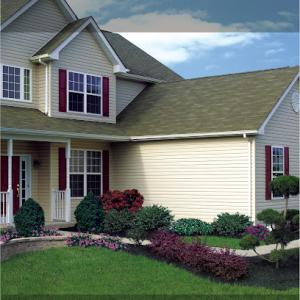
Martin & Sons is the leading roofing contractor in Florissant, MO, & the surrounding areas. Martin & Sons is a roofing & siding contractor specializing in roofing, window, & door installations. Martin & Sons is a family-owned & operated business started in 1953. We have over 35 years of experience in the industry. We have always prided ourselves on our honesty, integrity, & quality. We use only top-rated materials & do not carry many different manufacturers or grades of products to “fit a budget” like most of our competitors. We require no up-front deposit & you only pay when your project is 100% complete, guaranteeing you are 100% satisfied with our work. Contact Martin & Sons to see the difference in quality & service today!

Meridian Roofing & Renovation
(314) 952-4158 buildmeridian.com
Serving
5.0 from 32 reviews
Meridian Roofing and Renovation is a full-service exterior contractor serving the greater St. Louis area. We specialize in roofing, siding, and gutter installation with a focus on storm damage repair and premium materials. As a James Hardie Preferred Remodeler, GAF Certified Contractor, Owens Corning Platinum Preferred Contractor, LP SmartSide Certified Installer, and CertainTeed Credentialed Installer, we bring manufacturer-backed expertise to every project. Our services include roof replacement and repair, James Hardie and LP SmartSide fiber cement siding installation, seamless gutter systems, storm damage restoration, and insurance claim assistance. We serve St. Louis city, St. Louis County, St. Charles County, and surrounding areas.
Michael Ryan Exteriors - Roofing Professionals
(618) 600-3490 www.michaelryanexteriors.com
Serving
4.9 from 46 reviews
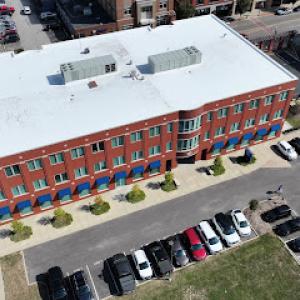
Michael Ryan Exteriors - Roofing Professionals is your trusted roofing contractor located at 1063 S State Route 157 - Suite 2, offering top-tier roofing services across Edwardsville, IL, and the Metro East area. Specializing in commercial TPO & EPDM roofing, we also provide expert metal roofing, shingle roof replacement, and emergency roof repair services. Whether you need a full roof replacement, routine maintenance, or a quick roof leak repair, our skilled team ensures safety and quality using only superior materials. As a reputable roofing company near you, we are committed to enhancing your property’s value and protection. Contact us for a free, no-obligation estimate today!
Toubl Contracting
(314) 612-4777 www.toublcontractinginc.com
Serving
4.7 from 23 reviews
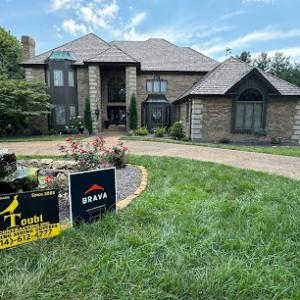
With over 20 years of experience in the storm damage repair, home restoration and carpentry trade, we provide quality workmanship for the domestic and commercial markets. In need of a new roof, gutter installation, windows or siding or maybe a complete restoration? Look no further! You may be entitled to a new roof from your insurance company. Our team can walk you through the entire insurance claim process and you will be sure to have an experience beyond your expectations.

H&F Exteriors
(618) 961-3362 hfexteriors.com
Serving
4.9 from 699 reviews
Serving all of Metro St. Louis, H&F Exteriors is locally owned and operated with offices in St. Louis and Edwardsville, IL. With over 15 years of experience in exterior remodeling and over 20 years of insurance industry experience, H&F Exteriors has the mastery and understanding necessary to ensure your project is finished to perfection. Whether you are looking for help with a storm damage claim, want to freshen up your curb appeal, or need an H&F Exteriors specialist to guide you from design to finished product, H&F Exteriors will deliver a 5 star customer experience. H&F Exteriors expertise is in the knowledge and installation of roofing, siding, windows, and gutters. Service is our specialty! ~ "Done Right. Every Time."
Halo Roofing & Construction
(314) 489-3636 haloroofing.pro
Serving
4.9 from 28 reviews
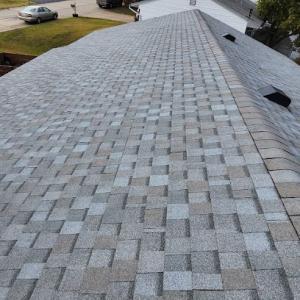
At Halo Roofing and Construction, we specialize in high quality roofing and construction for residential properties. As a locally and family-owned business, we take pride in integrity, expert craftsmanship, and exceptional customer service. Whether you need roof repairs, new installations, or full construction projects, our experienced team delivers reliable, tailored solutions. We offer competitive pricing and timely, professional service to keep your property safe and visually appealing. We proudly serve St. Louis, St. Louis County, and surrounding areas. Where quality meets excellence!
Stonebridge Roofing
(618) 507-6494 stonebridge-roofing.com
Serving
5.0 from 19 reviews
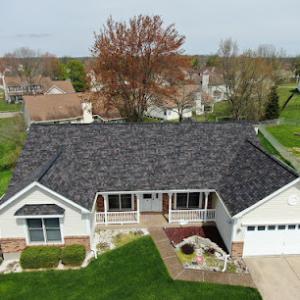
Full-service home improvement company offering all roofing and repair services as well as masonry services. We are a full service roofing company serving the entire St Louis area specializing in residential & commercial roof systems. We are proud of being a family owned and operated business in Edwardsville, IL.
Alton's unusual topography puts roofs in the path of bluff-top winds and seasonal freezes in a way that flat suburbs never experience. Homes sit on steep streets, bluff edges, and hillside lots where tear-off staging, debris handling, and material delivery require thoughtful planning. When a roof is close to a riverfront breeze or tucked into a narrow hillside notch, the crew must choreograph access routes, crane or ladder reach, and material stacking to avoid slips, trips, and equipment interference with neighboring properties. In practical terms, this means a pre-job walk-around with the crew to map the best route for trucks, the safest place to stage dumpsters, and a plan to shield landscaping, gutters, and downspouts from incidental damage during removal. Expect longer setup and teardown times on steeper lots, chimney-rich hips, and roofs with multiple angles.
Neighborhoods near the riverfront and those up the bluffs share a common thread: complex rooflines and access constraints that complicate labor time more than simple ranch-style reroofs. You'll see a lot of chimneys, dormers, and vent stacks that demand precise flashing details. In these pockets, the wind can lash exposed ridge lines while sheltered recesses stay relatively calm; the same roof can experience very different conditions at different elevations. When planning, the contractor should evaluate how wind pressure, hail impact, and freeze-thaw cycles interact with each roof plane. That means a tailored fastening pattern, flashing choices around stack locations, and attention to edge metal where gusts tend to lift unprotected shingles. On hillside properties, anticipate occasional material handling hurdles: tighter access lanes, tighter turning radii for equipment, and the need to secure rolled underlayment along steep pitches with temporary anchor points.
Storm damage is not a one-week event here; it's a near-seasonal pattern. Hail can leave pockmarks on exposed peak portions, while heavy rains can exploit compromised flashing or missing granules after a hail event. The practical goal after a severe storm is to locate leaks quickly and stage a temporary fix that protects interior spaces while a full reroof is scheduled. Prioritize roof sections with the most wind exposure or visible pavement-like granule loss on shingles, then check flashing around chimneys, skylights, and vent pipes. In bluff-and-hillside settings, leaks often travel along underlayment seams and through damaged valleys; tracing the water path from the ceiling to the roof deck helps avoid chasing the leak for days. Quick tarping and a targeted temporary seal can prevent interior damage while planning a longer-term repair window.
In this terrain, the choice of material and fastening system matters as much as the daylight hours you have for work. Wind exposure varies sharply across neighborhoods, so fastener counts and clip types should be adjusted for ridge and overhang conditions. Choose underlayment with good self-sealing capabilities and consider a robust drip edge to deter wind-driven water ingress at eaves and rake edges. For asphalt, think about a thicker shingle line in exposed sections and regular rail-line venting to maintain breathability. If clay or concrete tiles are on the roster, ensure battens and clips are rated for wind uplift and that penetrations through the roof plane are sealed with weatherproof flashing that resists thermal movement. On hillside lots, consider staging solutions that minimize material handling on steep slopes to prevent accidental breakage of fragile ridge caps and decorative vents.
Access constraints demand careful planning for debris containment and clean-up. Materials delivered to or from a bluff location should pass through a clearly defined route that avoids disturbing driveways, pedestrians, and nearby landscaping. Debris nets and magnet picks reduce post-storm cleanup time and limit environmental impact from fast-moving gale winds that carry shingle fragments into yards and street drainage. After the job, a thorough inspection of valleys, flashing joints, and rake edges helps ensure no overlooked vulnerabilities could invite a quick leak during the next freeze-thaw cycle. Keeping a log of weathered sections and high-wind days will guide inspections and timely maintenance between major projects.
In Alton, late spring through early fall is typically the most favorable reroofing window because moderate temperatures reduce installation problems tied to winter cold and peak summer heat. The same logic applies to window replacements that involve exterior trim work or sealant curing around openings. Plan your project to avoid periods of extreme heat or freezing temperatures, since both can slow the curing of sealants and adhesives and complicate flashing details around the rough opening. A practical approach is to target a stretch with daily highs in the comfortable range and predictable humidity, so caulks and sealants set reliably and long-term performance isn't compromised by repeated weather stress.
Freeze-thaw cycles in Alton winters can accelerate wear at shingle edges, flashing transitions, and vulnerable roof penetrations, making timing important for roofs already near end of life. When choosing replacement windows, look for products that emphasize durable, weatherproof glazing and robust flashing integration at the roofline or sidewall interfaces. Pay attention to how the window frame abuts the roof edge if you're replacing a skylight or a roof-penetrating vent. Properly integrated flashing and a continuous sealant line reduce the risk of wind-driven rain seeping behind siding or flashing during freeze-thaw events.
Winter ice damming and snow accumulation, spring hail, summer humidity, and autumn wind events each create different scheduling and performance risks for Alton reroof projects. For windows, that translates to sizing and placement that minimize leakage paths during heavy storms, and to coatings or laminated glass options that resist hail impact. If a storm hits during installation, temporary coverings and a careful sequence of installation can prevent wind uplift on temporary sheathing or exposed framing. When planning, coordinate around local storm patterns: target calmer weeks after a hail event or after a major wind session, so interior comfort and energy efficiency are preserved as soon as possible.
Choose window assemblies with strong, cold-weather-rated gaskets and low thermal bridging at openings. Aluminum-clad wood or vinyl-clad options often balance durability and ease of maintenance in bluff-top exposure. Ensure the installer details flashing from the roof deck to the wall with an integrated drainage plane, and that sealants used around the rough opening are rated for freeze-thaw cycles. For hails-stressed climates, consider laminated glass or impact-resistant options for skylights and high-exposure panes, paired with a reputable local crew familiar with Alton's seasonal shifts.
Asphalt shingles are the dominant practical choice on the bluff-top streets and hillside neighborhoods that line the Mississippi. They fit the large stock of conventional sloped residential roofs you'll see across town, and they provide the broadest price range when storm-driven replacement becomes timely after a hail event or a harsh winter. In Alton's climate, you'll notice that the standard asphalt layers tolerate freeze-thaw cycles well when paired with a sound underlayment and proper attic ventilation. For many homes, this combination delivers reliable performance without overburdening the roof structure. When choosing asphalt, you'll benefit from modern high-watertight nailing patterns and impact-resistant selections that help you bounce back quickly after a hail season. The key is to align shingle type, underlayment quality, and flashings with your roof's slope and exposure so that surface wear doesn't turn into a leak during the first heavy rain after a storm.
Metal roofing stands out as a meaningful local option for homeowners who want stronger wind and hail resilience. The bluff-and-river setting amplifies the importance of installation details, especially uplift resistance and flashing performance where walls meet the roof and along any valley lines exposed to blowing rain. In yards where gusts can hit from open river-facing directions, a carefully engineered metal system with properly sealed fasteners and a robust edge detail buys you time when a storm rolls through. If metal is on the table, ask for a manufacturer's uplift test data and confirm that flashings, chimney/corner penetrations, and vent boot connections are designed for the local wind speeds you commonly encounter in the bluff area. A well-specified metal roof can maintain its appearance and integrity through numerous seasons of freeze-thaw stress, provided the installation is tailored to the exposed nature of the property.
Clay tile and concrete tile make appearance-driven standpoints for certain homes that feature older architectural styles or upgrades where the visual language matters as much as durability. In the Alton context, these tiles are more selective due to their weight and the way freeze-thaw cycles test the roof deck and fasteners over time. Wood shakes hold a similar niche, appealing where craftsmanship and texture align with period-housing aesthetics, but they demand higher maintenance and a tighter seasonal inspection plan for exposed bluff areas. Synthetic shingles offer another route for homeowners balancing look and durability, presenting an option that mimics traditional textures while aiming to better cope with freeze-thaw cycles and storm impact. In all cases, consider how each roof texture integrates with existing framing, attic ventilation, and potential drainage challenges on hillside streets that have unique water flow patterns after heavy rain.
The most popular roofing material in the US. Find pros who install, repair, and replace asphalt shingles.
Riverbend Roofing Services & Construction
(618) 830-4720 riverbendroofingservicesandconstructionllc.com
219 Piasa St #3A, Alton, Illinois
4.1 from 22 reviews
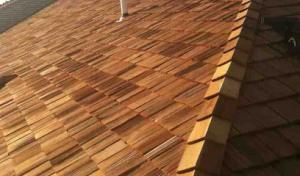
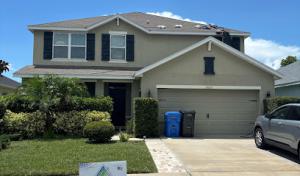
In Alton, typical material pricing runs about $350 to $700 per square for asphalt shingles, $700 to $1400 for metal, $1200 to $2800 for clay tile, $1000 to $1900 for concrete tile, $450 to $900 for wood shingles or shakes, and $500 to $900 for synthetic or composite shingles. Those ranges stay fairly tight when compared to nationwide averages, but real-world numbers can drift with the work needed to match older hillside homes or bluff-top angles. When you're budgeting, use the higher end of the range if you're aiming for longer-lasting warranties or heavier-duty underlayment and venting, especially on steeper pitches or mixed roof lines.
Costs in Alton can rise on bluff or hillside properties where access is tighter, setup takes longer, and debris removal is harder than on flat suburban lots. Expect additional crew time if equipment can't pull straight up to the eave, or if a crane or pulley system is required for tile or heavier metal panels. Materials may need to be staged up narrow drive lanes or via scaffold systems, which adds labor hours. If nearby trees spill needles or branches during reroof, add a modest debris management line item. For slate-and-tile options, anticipate careful handling and potential waste from older roof fittings that must be removed before new layers go on.
Storm-driven demand spikes after hail and wind events in the Alton market can temporarily push labor scheduling, material lead times, and total reroof pricing upward. Fast response after severe weather matters to limit interior damage, but expedited schedules can mean higher surge costs or weekend/after-hours labor. If hail is reported in your zone, think through temporary protection quickly, but plan the project with a contingency for possible delays in materials or crew availability. In bluff settings, scheduling a wind and hail assessment promptly helps lock in a careful plan that mitigates future leak risk while balancing the bluff-adjacent site challenges.
Get a clear picture of your project costs upfront - no commitment required.
Michael Ryan Exteriors - Roofing Professionals
(618) 600-3490 www.michaelryanexteriors.com
Serving
4.9 from 46 reviews
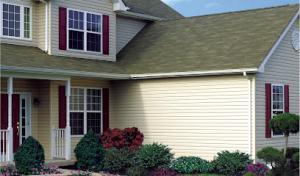
In this city, a full reroof typically requires a permit issued by the City of Alton Building Department, with inspection oversight guiding the project from start to finish. The process is not a hurdle to stall work, but a check to ensure the roof system is installed to endure Alton's bluff-top exposure and harsh winter cycles. You want the permit in hand before any shingles come off, because working without proper authorization can lead to delays, fines, or a stop-work order that blocks even the best-laid plans.
Most standard reroofs in this neighborhood do not trigger a separate plan review. That said, the permit approval acts as a formal guarantee that key details-ventilation, underlayment, and wind-resistance-meet local code expectations. Do not assume "standard practice" covers all contingencies. If your roof is perched high on a hillside or faces frequent hail, double-check that the chosen underlayment and vent layout align with current guidance from the Building Department. It's worth confirming early to avoid rework after inspections.
Inspections occur at several milestones and conclude with a final inspection after completion. In practice, that means you should plan for an inspector to review tear-off safety and debris control, inspect the installed roof system for proper nailing, flashing, and ventilation, and finally sign off on completion. The city's signoff is a concrete confirmation that the reroof meets Alton's standards, not just the contractor's scope of work. Failing to secure final approval can complicate warranties and future property disclosures.
Alton's bluff-top exposure to hail, wind, and severe storms creates a roof history that insurers scrutinize more closely after each event. The Mississippi River's weather kickback can leave shingles bruised, granules missing, and underlayment exposed long before any visible leak appears. In practice, that means storm-damage notes need to be precise and timely: dates of hail, wind speeds if known, and the exact trees or debris that struck the roof. A homeowner who can narrate a clear storm timeline-with photos showing damage near the crown vents, skylights, and edge rows-helps prevent a slow claim or a loan of patience from adjusters who know this terrain well. In neighborhoods where hillside homes have mixed-age roofs, the insurer may weigh older patchwork differently, so keep track of every patch, every change, and every prior repair.
After a major storm, adjusters reviewing claims in this market will often request detailed photo documentation, including close-ups of blown granules, lifted shingles, and the condition of flashings around chimneys and dormers. Date-of-loss information, along with a clear path of the water entry, can determine whether the issue is a single event or a cumulative wear pattern. In Alton, where the combination of hail impact and repeated freeze-thaw cycles stresses roofing systems, you'll want to show a continuous, well-documented roof history. Organize images by date and location on the roof, label them, and keep a simple log of when you first noticed leaks or abnormal moisture inside the attic. This preparation can keep the claim process from bogging down in back-and-forth requests.
Some carriers serving storm-prone markets like Alton will have preferences or requirements for wind-rated materials and specific underlayment choices on replacement roofs. Those choices can affect the scope of coverage and the ultimate feel of the finished roof. If a storm claim anticipates replacement, discuss whether wind-rated shingles or enhanced underlayments are recommended for your house's exposure, especially on hillside elevations where wind uplift matters more. Understanding how these selections interact with your existing roof deck-and with the insurer's guidelines-helps you avoid a mismatch between what's needed to withstand future storms and what the claim language originally envisioned. It also reduces the risk of later disputes about the last storm's impact versus cumulative aging.
Many older homes in this area show what happens when masonry meets roof planes. The chimney transition is a frequent leak point because brick or stonework expands and contracts with freeze-thaw cycles while the surrounding roof deck can move independently. When step flashing and counter-flashing age or fail, water finds its way behind the mortar and into the attic or ceilings. You may notice stained ceilings near the chimney, spalling mortar, or a damp, musty smell after storms. Addressing these joints before they widen is much more reliable than chasing down water spots after rain starts on a windy afternoon.
Old roofs accumulate small flashing gaps in spots that aren't obvious from the ground. In bluff-top weather, valleys bear extra stress from runoff and ice buildup, so valley metal can bend, crease, or pull away slightly. Sealants that once kept seams watertight become brittle or lose elasticity with age and freeze-thaw cycling. The result is slow leaks that appear after a light rain or a few days of freezing and thawing. The practical approach is to inspect all flashing step-by-step during dry days, look for hairline gaps, and replace or reseal joints with materials compatible with the existing roof. In older homes, you'll often find that the original sealant has degraded more quickly around penetrations where vent stacks or plumbing vents intersect the roof.
Layered additions-carports, dormers, or later extensions-create hidden creases and broken planes where water can pool or slip behind a seam. When these areas are not tied into the main roof with properly lapped underlayment and flashing, you get focused leaks along joints that were never designed to handle long-term moisture exposure. The fix is not only repairing the visible seam but reworking the nearby flashings so that runoff from each plane directs water toward proper drainage paths.
The local pattern of repeated freeze-thaw cycling compounds small gaps into noticeable leaks over time. Age-related brittleness in shingles or metal edges worsens sealant or gasket failures around vents, chimneys, and skylights. In Alton, storm bruising from hail can intensify this effect by creating microcracks that expand with every temperature swing. Look for hairline cracks in sealants, loose vent bootings, or granule loss that accompanies exposed flashing.
Be attentive to damp spots near chimneys, sudden moss growth on north-facing slopes, or a rise in attic humidity after storms. The practical response is proactive inspection after significant weather, with emphasis on chimney-to-roof transitions, valley intersections, and any roof area that has seen a previous repair. In this region, a quick response helps prevent larger sections from needing replacement later on. For homeowners in Alton, timely intervention reduces the risk of storm damage propagating through layered roof areas and into living spaces.
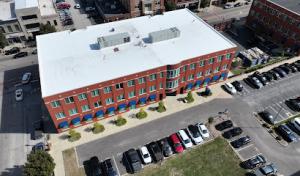
While Alton is primarily a sloped-roof residential market, some homes and additions include low-slope sections that need different drainage and membrane detailing than the main roof. These areas quietly collect water and can become weak spots after a harsh winter or a heavy storm. If a low-slope run is neglected, you'll often see water tracking into eaves or gutters, which can lead to hidden rot and interior staining that shows up long after the wind has passed.
Ice, wind-driven rain, and freeze-thaw conditions in Alton make skylight curbs and low-slope transitions more vulnerable than simple open shingle fields. Skylight frames and flashing can crack or lift when ice forms behind the curb, or when wind pressures push against thin membrane details. Even small gaps in sealant or misaligned flashing can funnel water inward, especially where the roof transitions to a dormer or brickwork seam. Expect more frequent attention to these areas if your home sits on a bluff or faces varying exposures along the river wind corridor.
These details are less common than standard reroofing in Alton, but they are recurring enough in the contractor market to justify separate attention during inspections and scope review. During a typical roof check, aim to verify that low-slope transitions are properly baffled and membrane-terminated, and that skylight curbs show clean, continuous flashing with no signs of ice dam pressure along the curb line. If issues are found, address them before the main roof replacement to prevent recurring leaks and interior damage.
Find specialists in TPO, EPDM, and built-up flat roofing systems for residential and commercial properties.
Michael Ryan Exteriors - Roofing Professionals
(618) 600-3490 www.michaelryanexteriors.com
Serving
4.9 from 46 reviews