
Last updated: Apr 19, 2026
Spring hailstorms and strong winds are a primary trigger for sudden roof replacement decisions in this Missouri River valley corridor. The mix of older in-town roofs and newer suburban builds means damage can hide under surface looks. Hail can bruise shingles or dent flashing, and gusty winds can peel edges loose or lift ridges where shingles meet valleys. In this climate, a seemingly minor bruise today can become a leak-ready problem once the next cold snap arrives and weather cycles tighten up. The roof is your first line of defense against wind-driven rain, and time is of the essence after a major storm. If a loud hail impact or a puff of wind-to-roof shake is followed by any dampness inside the attic, treat it as urgent and document with photos the same day.
The local contractor signal mix skews toward storm-damage and insurance-claim work, so homeowners commonly seek roofers after severe weather rather than solely for age-related replacement. That dynamic means timely, careful inspection matters more than ever. After a storm, conduct a quick visual check from the ground: missing granules, lifted shingles, broken or bent vent pipes, damaged flashing around chimneys, skylights, or dormers. If you see any loose material or dark staining near joints, arrange a professional inspection promptly. A trained eye will distinguish between surface scuffs and structural compromise, preventing a claim from dragging on or a replacement being forced by delayed discovery. Keep a detailed storm log: dates of hail events, wind speeds if known, and any attic condensation or wet attic insulation you notice later. This log helps the claims process and supports a fair, timely repair.
Winter freeze-thaw cycles compound spring damage. Shingle bruising from a storm can sit quietly, while flashing movement can worsen with cold-weather expansion. When temperatures swing, those seemingly minor flaws can crack seals, open gaps, or allow moisture to creep under roofing layers. The result is leaks that don't appear immediately but show up as damp spots on ceilings once the heating season resumes. In this environment, a quick post-storm roof walk with a flashlight at dusk can reveal lifted tabs or flashing gaps. Do not ignore small details; they are stress points that grow under freezing temperatures. If attic insulation feels damp or you notice musty odors after a cold snap, there is a good chance water is traveling through a compromised roof.
After a major hail or wind event, prioritize a no-nonsense inspection within 72 hours. Photograph all damaged areas from multiple angles, including close-ups of bruising, lifted edges, and flashing gaps. Take wide shots to show the overall roof condition and rooftop features like chimneys, skylights, and vent stacks. Gather receipts for any temporary repairs you perform to protect interior spaces-temporary tarps or board patches can prevent further water intrusion while awaiting a primary repair or replacement. When scheduling a contractor, ask for a detailed assessment that differentiates between repairable surface damage and sections requiring full roof replacement. In a market where storm work dominates, a credible contractor will provide clear, itemized notes that align with insurance expectations and the building's long-term durability. Stay proactive; in this corridor, the right move today often avoids a larger claim and longer downtime tomorrow.
Missouri is a high-claim hail and wind state, and Washington homeowners should expect carriers to request detailed photos, date-of-loss documentation, and on-site adjuster review after major storms. When a big storm rolls through the river valley, carriers shift into a fast-paced claims mode that assumes roof damage, interior moisture, and possible secondary issues like gutter and vent damage. This means the process can feel more procedural than personal, and decisions may hinge on the clarity and timing of your documentation. Understanding that dynamic helps you stay prepared without letting frustration drive the interaction.
In this market, insurance-claim assistance is one of the strongest contractor specialty signals, reflecting how often roof projects are tied to storm events rather than purely elective upgrades. Start compiling a clear loss history: photos taken as soon as safely possible after the storm, close-ups of shingles, blinking vents, and any visible soffit or fascia damage. Note the exact date of the storm and any subsequent events that could compound damage. Keep a simple log of conversations with the insurer, including the names of adjusters and what was promised. When an on-site adjuster arrives, have your photos ready and a straightforward list of observed issues so the review can proceed efficiently and accurately.
Claim timing matters locally because post-storm contractor demand can surge across the Washington area, making it important to document damage before temporary repairs and before neighborhoods are canvassed by out-of-town storm chasers. Acting quickly to secure an unbiased, local inspection helps prevent overpriced patchwork or unnecessary replacements. If you do temporary tarping or other fixes, photograph those efforts and note dates and materials used. Insurers often view coordinated, evidence-backed repairs favorably, but fragmented, ad-hoc fixes can complicate the claim or delay full replacement decisions.
Given the market realities, many homeowners turn to contractors who specialize in insurance-claim projects. A reputable helper provides documentation support, helps interpret adjuster findings, and coordinates the scope of work that aligns with both the policy and the most durable roof solution for the local climate. Look for a firm with a track record in finish-grade roofing and a transparent claim-shop process, so you're not left interpreting dense adjuster notes after the visit. Clear communication about timelines, required repairs, and approved materials helps you avoid surprises when the check arrives or the project begins.
Beware of high-pressure canvassing by out-of-town storm chasers offering sole quick-fix patches and inflated scopes. These crews often rush to lock in work before proper inspections, and their temporary solutions may clash with the insurer's recommended scope. Stick with established local contractors who can provide a documented, policy-aligned plan. If a neighbor's claim seems different from yours, don't assume the same fixes apply; every roof is unique, and the adjuster's notes should drive the final scope once the damage is evaluated on-site.
Connect with contractors who help homeowners navigate the claims process from damage assessment to final approval.
RC Roofing & Contracting
(636) 390-7663 www.rcroofcontractors.com
1901 E Fifth St, Washington, Missouri
5.0 from 148 reviews
Storm Guard Roofing & Construction of SW St. Louis
(636) 429-4099 www.stormguardrc.com
1235 Deer Run Dr, Washington, Missouri
5.0 from 5 reviews
RC Roofing & Contracting
(636) 390-7663 www.rcroofcontractors.com
1901 E Fifth St, Washington, Missouri
5.0 from 148 reviews
We are a locally owned and operated roofing company who’s mission is to serve our customers first and install the best roofing systems in town. When considering us for your roofing, gutters or siding needs, please know that we will take care of you! If you are in need of roofing work, gutters, siding or any exterior project, look no further. We are here to help!
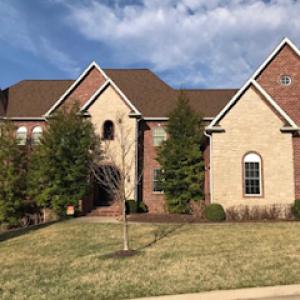
Storm Guard Roofing & Construction of SW St. Louis
(636) 429-4099 www.stormguardrc.com
1235 Deer Run Dr, Washington, Missouri
5.0 from 5 reviews
Welcome to Storm Guard Roofing & Construction of SW St. Louis, a locally owned and operated contractor serving Franklin county and the St. Louis area. We specialize in roofing including flat, metal and specialty roofing. We are a certified CertainTeed Master Shingler. We also work with insurance. We install vinyl siding and any of the Hardie or LP products, seamless gutters and several different types of gutter guards, vinyl and wood replacement or new construction windows. If you have an exterior construction need, give us a call. If we can't do the work, we will refer you to our network of contractors to find the best fit for you!
Utz Roofing
(636) 402-8086 www.utzroof.com
300 Jefferson St Suite 901, Washington, Missouri
5.0 from 5 reviews
We are family owned and operated. We work with integrity. We install products we believe in. We provide excellent workmanship. We provide affordable options. We respond quickly. We hold all our employees and hired contractors to the highest standards. We are insured. We always give free estimates. There is no pressure at any time.
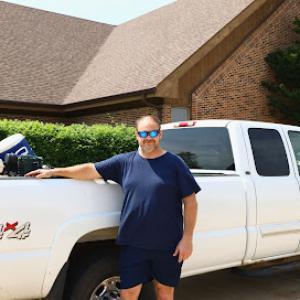
Integrity Roofing & Sons
(636) 485-4938 integrityroofingandsons.com
Serving
5.0 from 21 reviews
My name is Jeremy Bryant, I’m the owner and operator of Integrity Roofing & Sons. I’ve lived and worked on roofs in Franklin County for over 20 years, specializing in shingled roofing, both commercial and residential. No matter if the job is a small dog house, or a big 3,000 square foot building, I do the majority of the work myself, and I stand by it. My goal is to glorify God and serve my community as best I can, so if you have a roof that needs repair, give me a call!
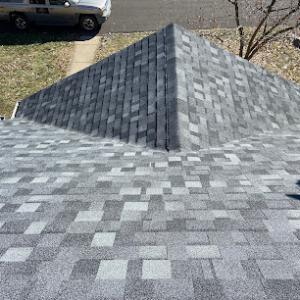
Show Me Roofing.org
(314) 337-6067 moshowmeroofingorg.com
Serving
5.0 from 10 reviews
Show Me Roofing org is a trusted roofing contractor serving Union, MO, Franklin County, and the greater St. Louis area. We specialize in roof repair, roof replacement, and storm damage restoration for both residential and commercial properties. With over 10 years of experience, our fully insured team offers free roof inspections, insurance claim assistance, and expert installation of architectural shingles, metal roofs, and seamless gutters. We also handle siding, soffit and fascia, painting, and more. Backed by leading brands like Owens Corning, GAF, TAMKO, and IKO, we deliver durable results with honest, high-quality craftsmanship. Call today for a fast, free estimate and see why Missouri homeowners trust Show Me Roofing!
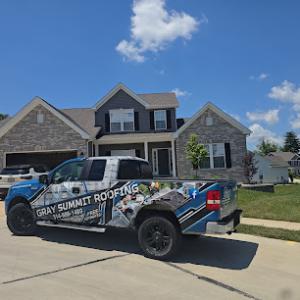
Gray Summit Roofing
(314) 886-1489 graysummitroofing.com
Serving
5.0 from 37 reviews
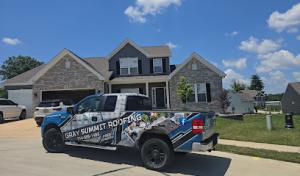
Gray Summit Roofing is a trusted roofing contractor serving St. Louis and the surrounding areas with top-quality roofing solutions. We specialize in residential and commercial roof installation, repair and replacement, using only the highest grade materials and proven techniques. Whether you are dealing with storm damage, leaks or aging shingles, our experienced team delivers reliable service, honest assessments and lasting results.
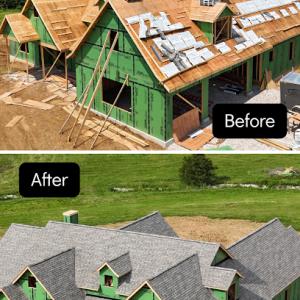
Patriarch Roofing
(636) 373-7663 www.patriarchroofing.com
Serving
5.0 from 129 reviews
Local & Family-owned business specializing in roof replacements & exterior renovations. We offer free no-obligation roof and property damage inspections to assess hail and wind damage. We take picture and video documentation of what we find so you can determine what the best solution is for your home. If we don't find any damage, you'll get some peace of mind! We work with all insurance companies. Call us today to schedule your free inspection!

Koziatek Contracting
(314) 837-8262 www.koziatekcontracting.com
Serving
5.0 from 26 reviews
At Koziatek Contracting, Inc., we are a family-owned business and have been providing roof repair for over 30 years. We employ only high-quality roofers in St. Charles, Florissant, St. Louis, and surrounding areas. Your home is your largest investment, and it is important to maintain the roof that protects it properly. As a trusted roofing contractor in St. Charles, MO, we have our team of skilled experts who provide superior craftsmanship and uses only top-rated products. Our philosophy at Koziatek Contracting, Inc. is simple: equip our customers with superior service and high-quality products at an affordable price that respects your budget through a commitment to safety and excellence.
Gullet Contracting
(636) 257-4663 www.gulletcontracting.com
Serving
4.5 from 26 reviews
We are a Top Rated Roofer and General Contractor specializing in helping your home be the best it can be. Located in Pacific, serving the entire St Louis Metro Area. We are happy to serve you with free quotes and unbeatable service.

Veterans Touch Exteriors
Serving
4.4 from 9 reviews
At Veterans Touch Exteriors, we take great pride in our experience, expertise, quality and customer service that we provide to meet the consumer’s needs. It is our mission to provide excellent workmanship and complete customer satisfaction from start to completion of a project. In order to understand the needs and expectations of our customers, we take great care to work and communicate with every customer in a professional manner. Our reputation is based on service, safety and quality, regardless of how large or small the job.
3 Brothers Gutters & Roofing (a Rain Ready affiliate )
(636) 393-8181 3brothersgutters.com
Serving
5.0 from 204 reviews
Seamless gutters and roofing - based in Wentzville Missouri. We serve all of St Charles County as as St. Louis and Lincoln. Same day service on most repairs if In Wentzville , O’fallon , Lake St. Louis , warrenton or Foristell. 5 inch, 6 inch, 8inch seamless gutters , Full Roof replacements / service/repair and leaf guards / gutter guards. From gutter cleanings to new seamless. We do it all. Call , text , or message address for a fast free bid. We digitally measure using online records - So in most cases we do not need to come see your property for a bid. ( although - We certainly will if you’d like us to ). No pressure - just prices. As of August 2021 - we bought a small Roofing company and now we also do Roofs.
Rattini Roofing & Exteriors
(636) 675-0683 rattiniroofingexteriors.com
Serving
5.0 from 160 reviews
When the time comes to make repairs or replacements to your roofing, it’s vital to hire a professional company that is licensed, insured, and experienced in completing quality work. When residents of Wildwood, MO, need dependable roof repair services, they trust Rattini Roofing & Exteriors, LLC. The third-generation family owned and operated business has serviced home and business owners throughout the St. Louis metro area since 1932. The A+ Better Business Bureau® rated company proudly offers commercial, residential, and industrial roof repair and replacement solutions property owners can depend on. As seasoned members of the Midwest Roofers Contractors Association (MRCA), they offer a variety of roofing options, fixes, and solutions to e
In Washington, spring and fall are generally the preferred replacement windows because central Missouri summers are hot enough to affect sealants and underlayment handling, while winter moisture complicates tear-offs. Plan a roof project to start when days are mild and dry, with daytime temperatures in a comfortable range and overnight moisture low enough to allow decking to dry before laydown. If you must pick a single window, aim for late March through early May or late September through early November. This timing minimizes the swing between heat damage and winter dampness, helps sealants cure properly, and gives crews a stable rhythm for shingle or panel installation.
Summer installations in this area require attention to heat-softened asphalt products, especially on darker roofs that absorb more sun during prolonged hot spells. When heat is high, avoid long, uninterrupted tear-offs and keep material stock cool and shaded where possible. Schedule the most critical phases for cooler parts of the day, like early mornings, and ensure plenty of water and shaded break areas for workers. If a summer job is unavoidable, use lighter-colored starter shingles and confirm that adhesives and sealants are rated for elevated temperatures. Protect underlayment from sun exposure during staging, and consider temporary windbreaks to lower heat buildup on exposed sections.
Autumn rain and wind can delay open-roof work in this part of Missouri, so scheduling too late in the season raises the risk of exposed decking during wet weather. Have a contingency plan for potential rain days, such as a firm path to close in the roof deck and cover or tarp vulnerable areas quickly. If an autumn project must proceed, prioritize shorter, interconnected phases that reduce open decking time and allow rapid completion of critical seams before cold fronts, while maintaining a clear communication line with the crew for last-minute weather updates.
Spring hail and wind are a common driver for timely re-roofing claims in this corridor. Build flexibility into the schedule to respond to storm aftermaths without leaving roof decks exposed for extended periods. Prearrange access for inspections, material deliveries, and interim protection if a sequence gets interrupted by weather or high winds. A practical plan keeps decking integrity intact and helps ensure the project can resume promptly after a hail or wind event.
Get a clear picture of your project costs upfront - no commitment required.
Utz Roofing
(636) 402-8086 www.utzroof.com
300 Jefferson St Suite 901, Washington, Missouri
5.0 from 5 reviews
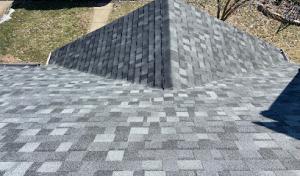
Asphalt shingles are the workhorse of the Washington market. They fit the area's common residential re-roofing needs and are widely used after hail-related replacements. For homes in this Missouri River corridor, asphalt shingles strike a balance between installation speed, repairability, and performance under spring hail and wind events. When choosing asphalt, look for impact-resilient options and a good warranty, plus laminated (architectural) styles that better mimic older, textured roofs common in town. Proper underlayment and a solid attic ventilation plan help these roofs weather freeze-thaw cycles and keep heat from stressing the shingles after a storm.
Metal roofing is a meaningful local specialty, often considered by homeowners looking for better hail resilience and longer service life in a region with repeated wind and storm exposure. In Washington, a metal roof can ride out hail better than many asphalt products, and its reflective surface helps mitigate heat buildup on sunny spring days. If choosing metal, pay attention to panel profiles and fastener types, since some profiles shed snow and resist wind uplift differently. A properly installed metal roof with hidden fasteners or sealed seams reduces the chance of leak paths after heavy rain or hail. The combination of strong wind performance and a longer service life makes metal a compelling option for higher-stake homes or properties near open spans where wind load is more pronounced.
Clay tile, concrete tile, wood shakes, and synthetic shingles exist in the market but are more selective choices here, typically requiring closer review of structural load, repair matching, and installer experience. Clay and concrete tiles bring a distinct curb appeal but add weight and require a solid structural assessment; if your attic and joists aren't prepared, failures from freeze-thaw cycles can appear. Wood shakes offer a classic look but demand diligent maintenance to prevent moisture intrusion and disease, especially in shaded or exposed corners. Synthetic shingles provide hail resistance and easier repair pathways, yet durability varies by brand and installation method. If you're considering any of these options, engage a contractor with recent, city-specific experience and a track record in storm-damaged neighborhoods.
In the aftermath of a hail event, the priority is a thorough roof assessment, not only for missing or damaged shingles but for hidden delamination and lifted edges that invite water entry. Whichever material is chosen, insist on a design that minimizes panels or seams in vulnerable locations and aligns with existing roof geometry. For repairs or replacements, seek installers who document hail-related issues and provide a plan that integrates with existing gutters, flashings, and attic ventilation. A locally experienced contractor will recognize common failure zones in older-town homes and adjust fastener patterns, underlayment choices, and flashing details accordingly.
In this market, spring hail and high winds can trigger sudden surges in demand across town and nearby Franklin County communities. When a major hail event hits, labor availability tightens quickly as re-roof crews shift to the most urgent claims, and prices can drift upward for a window of weeks. Local pricing tends to reflect that spike, especially on larger or more complex jobs, and homeowners should plan for the possibility of a tighter labor market just after a damaging storm.
Costs here are driven by the predominance of asphalt shingles, but upgrades to metal, synthetic, or tile systems bring tangible gains in longevity and resistance to recurring hail impacts. Asphalt shingles commonly fall in a broad range of 350 to 650 per square, while metal roofing sits higher from roughly 700 to 1200 per square. Clay and concrete tile commands even steeper budgets, typically 1100 to 2100 and 800 to 1400 per square respectively, with wood shingles and synthetic options occupying intermediate positions around 650 to 1100 and 550 to 900 per square. For many homes in the older stock, the need to re-tear and address deteriorated underlayment or compromised ventilation adds to the project's base cost.
Several factors commonly push a Washington project toward the higher end of the ranges. If a tear-off reveals multiple layers or aged sheathing needing repair, expect extra labor and material time. Ventilation upgrades or underlayment improvements requested during review add modest but meaningful increases. The complexity of roof geometry on older in-town houses-short spans, dormers, and penetrations-also raises labor hours. In the aftermath of a destructive hail event, permit-like coordination and inspection iterations may appear as well, nudging the final price upward, especially on larger homes or multi-story structures.
Begin with a roof plan that accounts for typical storm season scheduling, budgeting a contingency for a brief labor shortage after major hail events. Compare bids not only on unit costs per square but on included tear-off management, disposal, underlayment upgrades, and ventilation improvements. Ask for a material breakdown that aligns with your chosen system, and request a clear schedule that shows anticipated start and completion windows, considering possible weather delays characteristic of spring in the river valley. By anchoring expectations to the local mix of materials and the likelihood of post-storm demand, you can navigate swings in pricing with steadier footing.
For a full roof replacement in this area, the permit typically goes through the local city or county building department rather than assuming re-roofing is exempt. When initiating the project, expect to provide contractor information, a permit fee, and a plan that shows the scope of work. The permitting office will want to know the materials being installed and the sequence of work, and the contractor should be licensed and bonded where required by local rules. In addition to the initial submission, inspections during and after installation are standard, with final approval issued at completion. The process is designed to verify safety, ventilation, and drainage, so having the right documentation handy helps avoid delays.
Inspections are scheduled at key milestones-setups such as decking and underlayment, followed by the completed roof installation, and a final walk-through by the inspector. Scheduling can be subject to the department's backlog, and review times can vary by season, especially after storms that spike activity in the Missouri River valley corridor. It is prudent to coordinate timing with the contractor so that weather windows align with required inspections, reducing the chance of rework or additional visits. Expect the inspector to verify fasteners, flashing, venting, and drainage details as part of the post-installation review.
A local quirk to plan for is that some projects may need documentation showing ventilation and underlayment upgrades, which can affect scheduling after storms. Keep a file of permits, inspection approvals, and any correspondence with the building department. If the project includes retrofit vents or upgraded underlayment, have the installer note these changes on the permit submittal. Clear communication with the contractor about expected inspection dates and the department's preferred documentation helps keep post-storm re-roof timelines on track.
In Washington, freeze-thaw cycling commonly stresses flashing details and can accelerate shingle edge wear after roofs have already taken spring storm impacts. Melted hail runoff and rapid temperature swings push metal step-flashing and chimney penetrations out of alignment. When flashing leaks show up, they tend to migrate along fasteners and around vents, making attic moisture harder to pinpoint. The result is concentrated leaks that travel with wind-driven rain and hail and can undermine interior ceilings before a homeowner recognizes the issue.
Hot central Missouri summers can shorten the life of sealants and expose weaknesses in underlayment or attic ventilation that were not corrected during prior re-roofing. Sealant joints around vents, dormers, and chimney caps may become brittle, causing small gaps that invite moisture intrusion. Underlayment can delaminate or dry-rot faster under high heat, especially if attic vents are blocked or undersized. If previous repairs relied on patching rather than addressing the root cone of heat and moisture exchange, those spots tend to fail again when a heavy sunlit afternoon meets a spring storm.
The local emphasis on re-roofing means many homeowners are dealing with aging systems where repeated patching after storms has left mismatched repairs, vulnerable penetrations, or layered wear patterns. Older homes with in-town layouts often carry mixed roof lines and varying substrate conditions, so patches may not knit together with the same integrity as a full roof replacement. Vulnerable penetrations-vents, plumbing stacks, and skylines-are common failure points when multiple small fixes accumulate, allowing wind uplift and water to exploit seams and fasteners.
Look for edge wear along shingles, especially near hips and valleys, and watch for granule loss in spring after storm season. If attic insulation appears damp or there are musty odors after wind events, investigate ventilation and potential moisture channels. When flashing shows any displacement or corrosion after a hail event, plan for targeted repair or a re-seal that treats underlying movement rather than masking it. Regular inspection after storms is essential to catch small problems before they cascade into interior damage.
Find contractors experienced in skylight installation, flashing, and leak repairs to bring natural light into your home.
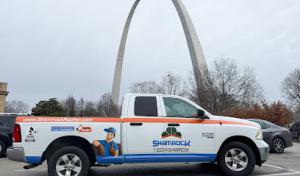
Shamrock Roofing & Construction Lake Saint Louis
(314) 380-3028 shamrockroofer.com
Serving
4.9 from 292 reviews