
Last updated: Apr 19, 2026
Ottumwa sits in southeastern Iowa, where spring storm season brings hail and heavy rain that commonly trigger roof inspections and insurance claims. After a severe storm, shingles can look intact from the ground, but wind-driven impacts and granule loss create unseen damage that weakens the roof's ability to shed water. The clock is ticking: insurers expect prompt documentation of what happened and what needs to be replaced. If a claim feels stalled, it's often because the initial damage picture is incomplete or improperly described. Gather your evidence quickly and methodically, because time can be the hinge on approval.
In this Iowa market, insurers commonly expect photo documentation of damage and a detailed replacement scope before approving roof claims. Take wide shots of the entire roof, close-ups of any dents, lifted shingles, or granule loss, and photos of flashing, ridge caps, and any visible leaks. Include attic photos if staining appears or if you notice decreased ventilation or trapped moisture. A clear narrative should map each issue to a proposed scope, showing not just what's damaged but what must be replaced to restore the roof's integrity. A spare set of eyes-like a trusted roofing contractor or public adjuster-can help ensure the documentation aligns with policy language and avoids back-and-forth delays.
Wind-driven storm damage in Ottumwa often shows up first at ridge caps, flashing transitions, and older shingle tabs before homeowners notice interior leaks. Ridge caps can crack or lift, creating channels for water entry during a spring downpour. Flashing around chimneys, skylights, and vent pipes is especially vulnerable to wind-driven lift, which can lead to hidden leaks that only surface after several storms. If you notice a sudden change in attic humidity, staining along ceiling corners, or musty smells after windy days, treat it as a warning sign. Addressing these indicators early can prevent more extensive interior damage and strengthen your claim narrative.
Your best move is to establish a straightforward routine right after the storm: document with high-resolution photos, note the date and wind direction, and compare what you see to the last known installation state. Then, draft a concise damage map: where every issue is located, what appears compromised, and the recommended repair or replacement scope. Present this map to your insurer with a professional roof assessment from a local contractor who understands Ottumwa's common shingle types, flashing configurations, and typical wear patterns. The contractor's notes should correlate with the photos, providing a cohesive file that's harder for a reviewer to dispute.
When selecting a roofer, prioritize local experience with Ottumwa's housing stock and weather patterns. A nearby contractor will recognize the telltale signs of hail impact on common shingle profiles, especially on older roofs where tabs may curl or lift at the edges. Ask for references from neighbors who weathered a spring claim and completed a full replacement. The right partner should deliver a thorough diagnostic, a transparent scope of work, and the kind of documentation that stands up under insurance scrutiny, not just a cosmetic patch.
Expect insurers to request a corroborating narrative that links observed damage to the replacement scope. If the claim hinges on the roof's ability to shed water, ensure the documentation demonstrates that no underlying ventilation or underlayment issues contributed to the problem. A robust file can accelerate approvals and reduce the risk of partial or delayed settlements. Keep communication channels open with the insurer, your adjuster, and the contractor, and be prepared to provide additional photos or measurements if requested. In spring's rush, staying organized and proactive is the surest path to a timely resolution.
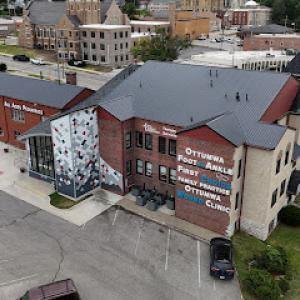
Dempsey's Roofing & Solar
(641) 812-5222 haildempseyroofing.com
221 S Madison Ave, Ottumwa, Iowa
4.9 from 75 reviews
Dempsey’s Roofing and Solar is your leading team for all things insurance roof repair, and Solar!
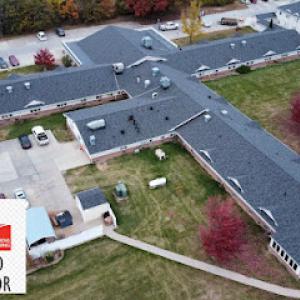
Grooms Roofing
(641) 814-2905 groomsroofing.com
6191 Madison Ave, Ottumwa, Iowa
4.8 from 57 reviews
Premier Roofing and Restoration Company located in Ottumwa,IA Call us today for all your Roofing, Siding, Gutters and Insurance Restoration needs!
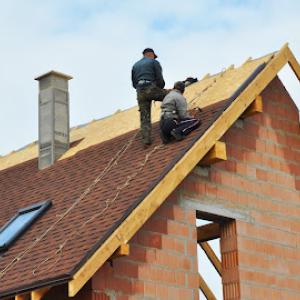
Affordable Quality Painting & Roof Coatings
(641) 664-1735 justplainbusiness.com
Serving
5.0 from 5 reviews
painting and roofing
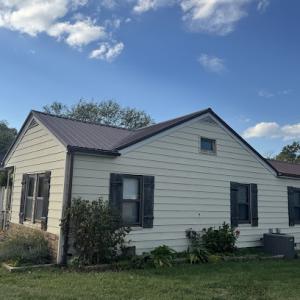
Heartland Commercial Roofing
(641) 242-2304 sites.google.com
Serving
5.0 from 3 reviews
“Heartland Commercial Roofing provides reliable roof restoration, repairs, and coatings for businesses and homeowners within 60 miles of Drakesville, Iowa. We specialize in metal roof restoration, leak repair, and protective coatings that extend the life of your roof while saving you money. With quality workmanship and a commitment to customer satisfaction, we make sure your roof is built to last.”
Korys Konstruction
Ottumwa, Iowa
1.0 from 1 review
Roofing, siding, decks and 24 hr. Handyman services. Exterior and Interior specialist with prices one can afford. Licensed, insured and warranty on labor.
Ottumwa experiences cold, snowy winters and hot, humid summers, so replacement timing matters more here than in milder climates. The goal is to choose a window when weather is predictable enough to keep underlayment, ventilation, and flashing from taking repeated freeze-thaw hits. A spring or fall project tends to give the crew a steadier schedule, fewer harsh temperature swings, and less risk of ice dam stress on the first winter after installation.
Spring brings hail and wind that can trigger roof damage and insurance-driven replacements. The season also tends to yield workable dry spells between systems that move through. The key is planning soon after the storms, while damage is fresh but before the heat of summer settles in. In Ottumwa, a quick turnaround from assessment to installation helps ensure underlayment and flashing aren't exposed to late-season rain and heat, which can accelerate wear and complicate ventilation checks.
Milder spring and fall installation windows are typically more favorable in Ottumwa than peak winter or the hottest humid summer stretches. If a hail event occurs in spring, a mid-season window-avoiding the earliest warming days and the late freeze risk-lets crews verify ventilation, nailing pattern, and underlayment with less urgency. Fall work benefits from cooler, drier days that reduce heat-related issues for asphalt or composite layers and give installers a comfortable margin to complete vent checks before winter.
During any chosen window, ensure that the crew prioritizes a thorough attic ventilation evaluation and a careful assessment of existing flashing. The winter cycle in this area stresses flashing seams and underlayment, so confirm those components receive extra attention and are properly sealed. If minor moisture entry points exist, address them now rather than letting them linger into the next cold season. A well-timed reroofing job in Ottumwa reduces the chance of early winter setbacks and supports longer-term roof performance.
Asphalt shingles are a common sight on Ottumwa's aging and newer homes, largely because they fit the typical residential stock and come with a friendlier entry point for many neighbors. In practice, that convenience pairs well with spring hail and hot summer days, but the short-term comfort can give way to longer-term concerns. Hail strikes and repeated sun exposure tend to erode the surface granules, which accelerates aging and can provoke leaks if weak spots form where water channels down into the underlayment. The practical takeaway is to choose a higher-rated asphalt shingle when hail risk and heat are expected, and to pair the roof with careful attic ventilation and a solid underlayment so the next big weather event doesn't catch you off guard. In Ottumwa, ductwork and insulation that stay dry pay dividends across seasons, so ensure any retrofit keeps air sealed without trapping moisture near the eaves.
Metal roofing stands out for shedding snow efficiently and standing up to moisture during humid summers, which helps in a city that experiences both winter freeze-thaw cycles and muggy heat. The upside is a roof that resists ice damming and damp interior surprises when temperatures swing. The critical caveat is installation quality around fasteners and flashing: metal roofs rely on tight, fully sealed penetrations to avoid leaks as panels expand and contract through the seasons. In Ottumwa's climate, freeze-thaw movement can stress seals, so attention to the rake edges, valley flashing, and chimney penetrations is essential. If you're considering metal, choose installers who provide a detailed fastener pattern and confirm allowances for thermal movement. A well-executed metal job can last decades and hold up to the spring hail that sometimes travels through southeastern Iowa.
Clay tile, concrete tile, wood shakes, and synthetic/composite products appear less often on Ottumwa streets, but they do show up on select homes with specific architectural goals or roof pitches. These materials demand careful structural assessment and moisture planning because the city sees both substantial snow loads and humid summers. Clay and concrete tiles bring beauty and a long lifespan, yet they're heavy enough to require structural reinforcement if the existing deck wasn't designed for that load. Wood shakes offer a rustic look but can suffer from moisture and insect exposure if ventilation isn't optimal, and they can struggle under heavy snow accumulations. Synthetic and composite options provide flexibility and improved moisture resistance, but still call for precise underlayment, ventilation, and fastener strategies tailored to Ottumwa's freeze-thaw cycles. If you're eyeing any of these, start with a structural evaluation and a careful climate-focused installation plan that addresses moisture movement and snow load considerations.
Across all materials, the region's combination of hail risk, summer heat, and winter thaw makes good ventilation and a robust underlayment non-negotiable. The best-performing roofs in this area are those that manage attic heat buildup and provide a continuous, moisture-resistant barrier beneath the visible surface. Choose underlayment that tolerates potential hail impact where applicable and that remains flexible enough to accommodate temperature swings without cracking. In addition, ensure the roof's ventilation strategy moves enough air to prevent condensation in the attic during humid months, while still keeping snow and ice concerns in mind during the winter. A thoughtful assembly-covering shingles, underlayment, flashings, and proper nailing patterns-will help any material type weather Ottumwa's spring storms and seasonal shifts more reliably.
Ottumwa typically requires a building permit for a full roof replacement rather than treating it as a no-review project. That permit is not a formality you can push through later; it sets the framework for ventilation, nail pattern, and underlayment to meet local expectations. The city's approach is to ensure the work aligns with current codes and with the climate realities of this region, where hail-prone springs and freeze-thaw cycles place extra stress on the roof system. If a contractor tries to shortcut the process, you risk delays, fines, or having to redo portions of the job to satisfy inspectors.
The city's building department reviews reroofing work and schedules inspections after installation. The timing matters: the permit review happens before work begins, and inspections follow the completion of the roof replacement. Knowing the inspection cadence helps you plan around weather windows and any necessary rework. In practice, the department tends to be thorough, especially after spring storms when roofs bear the brunt of hail and wind. If a permit is delayed or missing, the project can stop mid-install, leaving you with exposure to weather and potential moisture intrusion.
Ottumwa inspections specifically verify ventilation, nailing, and underlayment in addition to general code compliance. Ventilation checks ensure attic air flow is adequate to prevent ice damming and heat buildup, which matter in both cold winters and hot prairie summers. Nailing patterns are scrutinized to resist wind uplift and hail impact, particularly on steeper pitches or older decking. Underlayment quality and installation technique are looked at as a line of defense against moisture intrusion. Expect inspectors to test or require documentation that confirms these elements are correctly executed before final approval.
Coordinate closely with the contractor to align schedule with the permit process; confirm the permit number is posted prominently on site and that all required materials and methods match the approved plan. Prepare for inspections by doing a pre-inspection walk-through with your contractor to spot common trouble spots-vented attic routes, proper nail spacing, and correct underlayment overlaps. If any deficiencies are found, address them promptly to avoid delays and re-inspection fees, keeping the project moving toward a compliant, long-lasting roof.
In Ottumwa, typical pricing runs about $350 to $700 per square for asphalt shingles, $600 to $1100 for metal, $900 to $2100 for clay tile, $800 to $1500 for concrete tile, $600 to $1100 for wood shingles or shakes, and $450 to $900 for synthetic or composite shingles. These ranges reflect the mix of aging homes and newer builds in the area, as well as local labor costs that tend to cluster around small-town crews with storm experience. When you hear "per square" here, that's the 100 square feet measurement the trade uses, so you'll often see a 30- or 40-square roof estimated in these numbers. A common Ottumwa scenario is pairing a mid-range shingle with a straightforward, no-fruss reset of existing decks, which stays closer to the lower end of the asphalt range, but any added complexity or upgrade nudges costs upward quickly.
Storm-driven demand spikes in Iowa can tighten contractor availability after hail and wind events, pushing Ottumwa replacement pricing upward during active claim seasons. After a big hail year, crews book out weeks in advance, and some crews may add surge charges or minimum-project fees to cover rapid mobilization. This is especially true for metal and tile installations, where specialized crews shift to high-priority homes and emergency repairs. If your roof fails inspection due to hail damage, you'll likely see a stepped price increase as materials are in high demand and contractors balance multiple urgent projects.
Costs in Ottumwa can also move based on tear-off complexity, ventilation corrections required at inspection, and whether older roofs need flashing or underlayment upgrades to pass review. If the existing deck has soft spots or requires extensive decking replacement, expect the price per square to climb. Ventilation improvements, such as adding or upgrading roof vents to meet attic airflow expectations, can add to labor and material costs. Upgrading underlayment or installing a more wind-resistant underlayment type can also shift the total. Finally, if your roof has multiple roof lines, valleys, or skylights, the added details add labor time and material waste, nudging the final bill up from the base ranges above.
Ottumwa winters bring ice-dam risk that can back water up beneath shingles at eaves and vulnerable flashing lines. When spring storms hammer the roof and meltwater refreezes, the ice creates a stubborn dam that pushes moisture toward joints, penetrations, and any spot where water can find a path. The result is stained ceilings inside and the faint, creeping feel of moisture seeping into the attic structure. You should picture every eave line and every flashing joint as a potential bottleneck where that meltwater fights its way in.
Repeated freeze-thaw cycling in this part of Iowa can widen small flashing gaps into leak paths over a single winter season. Tiny gaps around vents, chimneys, and roof-to-wall intersections can grow with each cycle, transforming a minor nuisance into a reliable source of leakage by late winter. The danger isn't always a dramatic intrusion; it can be a slow, steady dampness that weakens insulation, dries out attic sheathing, and increases the risk of mold behind ceiling spots.
Homes that enter winter with marginal attic ventilation or aging underlayment are more likely to show moisture-related roof problems by late winter or early spring. Inadequate airflow traps humidity near the roof deck, feeding condensation that worsens any existing gaps. If you notice frost on sheathing or a musty attic odor after cold snaps, you're looking at signs to address promptly. In Ottumwa, a well-ventilated attic and a robust, intact underlayment are the first lines of defense against recurring moisture issues.
Iowa is a high-claim hail and wind state, so Ottumwa homeowners should expect insurers and adjusters to scrutinize roof condition and storm-date evidence. The time window after a spring storm matters, and adjusters will look for consistency between when damage occurred and when it was reported. Prepare to justify the storm date with dated photos and a clear narrative of when the issue first appeared.
Detailed photo sets of all slopes, soft metal impacts, lifted shingles, interior staining, and prior repairs are especially important before temporary fixes alter the evidence. Take wide-angle shots of the entire roof, close-ups of all damage points, and images of attic or ceiling stains that indicate leakage. Photograph any visible sagging or loose flashing before covers or tarps go on, since those can mask underlying issues during the claim.
Because claim approval often depends on scope detail in this market, Ottumwa homeowners benefit from line-item estimates that clearly separate shingles, flashing, underlayment, ventilation, and code-related work. A clear breakdown helps the adjuster see what work is truly needed and avoids back-and-forth questions that stall the process. Document construction details that influence repairability, such as attic ventilation and the condition of existing underlayment.
Keep a dated record of everyone who inspects the roof, including contractor names, license numbers, and contact information. Retain receipts for temporary protections and any prior repairs. If you have storm debris observations or neighbor corroboration of the same damage timeline, note those observations too. This compiled documentation supports a smooth, evidence-driven review by the insurer.