
Last updated: Apr 19, 2026
Urbana sits in east-central Illinois where spring hail and wind events are a recurring roofing trigger, making post-storm inspections a practical first step for many homeowners. After a hailstorm or a strong wind gust, drop whatever you're doing and walk the perimeter of your roof with a critical eye. Look for dented shingles, granule loss in the gutters, and any suspicious lifting along edges and hips. If you have attic access, check for fresh daylight or new moisture stains on the ceiling. Do not wait for a "noticeable" leak to appear-wind-driven damage can compromise underlayment and roof deck before a visible drip shows up.
Local replacement timing is often pushed toward late spring or early fall because winter snow and freezing temperatures limit installation windows and peak summer heat can affect crew productivity. If a storm creates enough damage to warrant replacement, the window should be treated as a race against the calendar rather than a convenience. The goal is to avoid freeze-thaw cycles that can weaken newly installed layers and to steer clear of the peak heat of summer when productivity drops and material temperatures complicate workmanship. In practice, prioritize a staged approach: secure temporary protection if necessary, document damage promptly, and line up a trusted contractor for the next feasible installation window.
Insurers in Illinois commonly scrutinize storm documentation in wind and hail markets, so Urbana homeowners benefit from date-stamped photos and prompt inspection records after regional storms. Take clear, timestamped photos from multiple angles: the ridge line, valleys, ventilation components, gutters, and any interior signs of moisture. If you can, arrange a professional inspection within a week of the storm and obtain a written report that notes observed hail impact indicators, wind-related lift, and any compromised underlayment or decking. Keep a simple diary of when you noticed issues, who inspected, and what was recommended. The combination of dated imagery and timely professional notes is your strongest guard against disputes and delays.
Choose a local contractor who understands our seasonal cadence and the realities of Urbana's older neighborhoods and newer developments. Ask about how they schedule around spring and fall windows, how they protect landscaping during a roof replacement, and how they manage debris and safety on windy days. A responsive contractor will offer a staged plan that aligns with the late-spring to early-fall installation arc, provide a clear sequence of steps from inspection to completion, and commit to documenting progress with dated photos after each major milestone. If a storm has just passed, request a rapid but thorough assessment-quickly identifying whether you're facing cosmetic damage or structural concerns, or both.
As soon as you engage a contractor, expect a two-pronged assessment: exterior and interior. Exterior inspection targets shingle integrity, flashing, vents, and chimneys, while interior checks for signs of water intrusion or hidden moisture that could signal deck or underlayment issues. The goal is to distinguish between isolated surface damage and systemic problems that would drive a full roof replacement. In this climate, that distinction matters not just for comfort but for how buyers and lenders view your roof later on when weather patterns return each spring. Stay engaged, ask for a written scope of work, and insist on a clear timeline that respects our local installation realities.
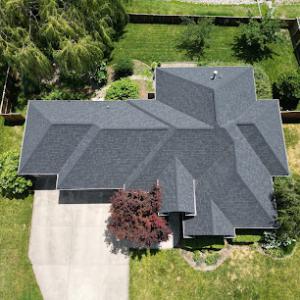
A.T.S. Custom Construction
(217) 800-1445 atscustomconstructionil.hibuwebsites.com
1511 Triumph Dr, Urbana, Illinois
4.9 from 218 reviews
A.T.S. Custom Construction provides fencing, decks, concrete flat work, siding, roofing, and additions in Champaign/Urbana and surrounding areas in Central Illinois.
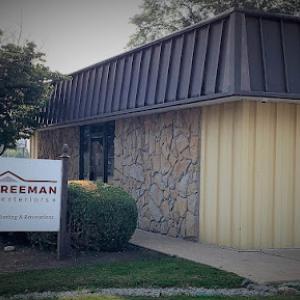
Freeman Exteriors
(217) 355-5447 www.freemangeneralcontracting.com
1502 Airport Rd, Urbana, Illinois
4.9 from 204 reviews
Freeman Exteriors is the leading Roof contractor in Urbana, IL & the surrounding areas. We proudly offer Siding, Window, and Gutter Contractors in Urbana, IL! Get in touch with us if you need Roof Estimates. Freeman Exteriors specializes in roofing and commercial renovations. We are the best roofing services around. We have been providing new roofing and re-roofing services for many years. We serve Urbana, IL, and surrounding areas. Our goal is to be the general contractor of choice through our pledge to maintain the highest quality of standards and artistry. We educate our customers along the way. Reach out to Freeman Exteriors to learn more about our Roof Services in Urbana, IL, Today.
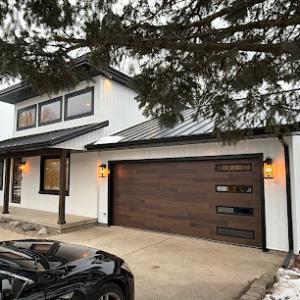
Roof Panther - Roofing & Construction
(217) 530-8570 roofpanther.com
903 N High Cross Rd, Urbana, Illinois
4.9 from 101 reviews
Roof Panther is your trusted roofing and exterior expert in Urbana, IL, serving Champaign, Saint Joseph, Savoy, Mahomet and Central Illinois. We specialize in residential and commercial roof installations, custom decks, sunrooms, additions, siding, and new construction. Our licensed and insured team also offers storm damage restoration, enhancing your property’s curb appeal and protection. As a family-owned business with roots in the community, we prioritize integrity, quality, and transparency. If you’re looking for a trusted local roofer offering free inspections, clear communication, and professional workmanship, contact Roof Panther today at (217) 530-8570.

Steinmeyer Roofing
(217) 202-4158 www.steinmeyerroofing.com
3605 N Cunningham Ave, Urbana, Illinois
4.3 from 72 reviews
Steinmeyer Roofing, Inc. serves Champaign-Urbana to Southern and Mid-State Illinois with offices in Urbana, IL, O'Fallon, IL, and now proudly serving St. Louis, Missouri. As a family-owned business with over 20 years of experience. We offer Residential and Commercial roofing.
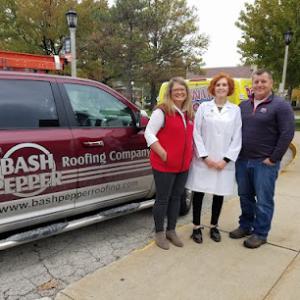
Bash Pepper Roofing
(217) 352-2200 www.bashpepper.com
4704 N Cunningham Ave, Urbana, Illinois
4.1 from 92 reviews
Bash Pepper Roofing is a trusted roofing contractor providing high-quality residential and commercial roofing services. We treat every house we work on as if it is our own family home, and with decades of experience, we specialize in roof repairs, replacements, and inspections, ensuring durable results and exceptional customer care across Central Illinois. Bash Pepper Roofing is here for all your roofing needs.
Dillman Brothers
(217) 897-9007 www.dillmanbrothers.com
3509 N Cunningham Ave, Urbana, Illinois
3.8 from 68 reviews
Dillman Brothers provides construction services, exterior screens, garage door installation, garage door repairs, gutter installation and more to Central Illinois.
Waterproofessional Roofing Company
(217) 390-2938 www.waterproofessionals.com
3412 N High Cross Rd, Urbana, Illinois
5.0 from 3 reviews
Residential Commercial and industrial Roofing Company. Locally owned and operated.. We offer residential and commercial roofing services, flooring installations, exterior and interior remodeling and emergency roof restoration. Call for a quote.
Freedom Roofing & Construction
(217) 393-6000 www.freedomchampaign.com
Serving
4.9 from 307 reviews
Discover unrivaled roofing solutions at Freedom Roofing & Construction, Inc., your premier choice for expert roofing contractors in 511 N Neil St. Specializing in top-notch commercial roofing services, we are dedicated to quality craftsmanship and customer satisfaction. Whether you need dependable gutter contractors or robust roofing systems, our team combines industry expertise with cutting-edge technology to ensure your property's durability and safety. Trust Freedom Roofing & Construction, Inc. to deliver excellence and protect your investment. Contact us today for reliable roofing solutions and experience the freedom of quality service!

Quick Action Home Improvement
5110 N Cunningham Ave, Urbana, Illinois
5.0 from 1 review
Quick Action Home Improvement is a reliable construction partner, specializing in a variety of home improvement services. From expert roofing and gutter installation to stylish siding and energy efficiency windows replacements, our team of skilled professionals delivers exceptional craftsmanship and superior customer service. Let Quick Action swiftly transform your home with their unmatched expertise and commitment to quality. Illinois roofing license 104.020518. Illinois contractor license 105.011445 Quick Action is your company to choose and we live up to our name. Quick Action has served Champaign/Urbana area for more than 30 years.
White Roofing Service - Champaign / Savoy
(217) 688-2522 ljwhiteroofing.com
Serving
4.9 from 43 reviews
White Roofing has been serving central Illinois for over 65 years and can keep your home or business dry through installation or replacement of an existing roof. Savoy Roofing Service providing installation, replacement and repair of roofs, siding, and gutters in Champaign, Urbana, Rantoul, Savoy and the greater CU area. We also repair leaking roofs and fix storm damage. With decades of experience roofing ranch homes, small houses, and architectural roofs, we can get small jobs done quickly and complex jobs done right. Quality materials are used to install asphalt shingle roofs, copper roofs, metal roofing and low slope roofs. We also install, repair and replace gutters, pipes, flashing, vents and attic ventilation systems.
Rivera Unlimited
(217) 390-2568 www.riveraunlimited.com
Serving
4.7 from 24 reviews
At Rivera Unlimited we count with a team of highly experienced and skilled professionals whose only goal is to provide you with the best results for your project. You can count on us to ensure that your project is completed on time and budget.

Legend Exteriors & Construction
(217) 600-4686 legendexteriors.com
Serving
4.6 from 31 reviews
Discover Legend Exteriors & Construction, an A+ BBB rated licensed contractor in Champaign, your local roofer and siding specialist! We offer roof repairs, metal roofing, and quality roofing contractors near you. Our siding options include vinyl, Hardie board, stone veneer, and fiber cement, making us a top choice among nearby siding companies. As gutter experts, we provide gutter guards, leaf guard, and installation services. Also, we can install soffits fascia to ensure the proper aesthetics of your home. For window replacement and installation, we help you navigate costs and connect with the best windows available. As a general contractor, trust Legend Exteriors for all your remodeling and exterior needs. Choose excellence with us!
In this area, cold winters and warm summers create repeated freeze-thaw cycling that can widen small shingle, flashing, and sealant failures over a single season. That cycling stresses surface granules, loosens sealant lines, and makes minor leaks seem to appear overnight after a thaw. The effect is most noticeable on aging or previously patched sections where moisture can settle and expand in tiny gaps. Plan on a slower, staged approach to repairs rather than a one-and-done replacement if damage tracks with the seasonal cycle.
Once the ground thaws and roofing crews can move safely, perform a careful walk-out inspection of the roof and attic. Look for dark shingles with a curled edge, granule loss along eaves or in gutters, and any new signs of moisture back to the attic space. Pay attention to flashing around chimneys, vent stacks, and transitions where freeze-thaw stress tends to widen gaps first. In houses with steeper pitches or multiple roof faces, inspect each slope-south-facing and west-facing surfaces collect more sun and therefore more thermal stress after winter movement. If you see soft spots or waviness in the sheathing from inside the attic, treat those as high-priority concerns.
Snow and freezing conditions in winter can delay both leak tracing and full replacement work, which is why temporary protection and staged repairs matter locally. If residual ice or snow remains on the roof during a thaw window, avoid aggressive intervention that could damage underlying decking. Use tarps or temporary coverings to shield vulnerable valleys and flashing while a more thorough plan is prepared. For ongoing or lingering leaks, set up a temporary seal around the most active areas and arrange a staged schedule for patching, then a follow-up recheck after the next full melt.
Sun exposure during the warm season adds thermal stress after winter movement, accelerating aging on south- and west-facing roof slopes. Darker materials tend to absorb more heat, which can cause rapid expansion and contraction cycles that crack caulking and lift shingles at the edges. On these slopes, pay extra attention to the sealant lines at rake edges and at the top of any dormers. If a slope shows hairline cracks along the shingle tabs or flashing seams after a long hot spell, plan for targeted resealing or partial replacement rather than a full roof tear-off-often the most practical move in the short term.
Document every area with a photo, focusing on areas where the ice dam season would have stressed sealants and flashings. Prioritize leaks that track into living spaces or reach insulation layers, then address surface issues on the most exposed slopes first. When choosing repair materials, match to the existing roof type and consider how thermal cycling will affect the new work over multiple seasons. Finally, recheck after the next thaw cycle to confirm that the repairs are holding and that no new micro-cracks have emerged in the galvanized or rubberized sealant interfaces.
Asphalt shingles remain the dominant roofing material in Urbana, reflecting a large stock of conventional sloped residential roofs and a cost-conscious replacement market. They pair well with the typical roof angles found in older neighborhoods and newer subdivisions alike, offering straightforward installation and broad color and style options. For homes facing spring hail and freeze-thaw cycles, asphalt shingles with good granular protection and impact resistance provide a reliable balance of durability and ease of maintenance. Local crews are familiar with how these shingles weather the seasonal shifts, which translates to predictable performance after rough spring weather and quick field repairs when wind gusts loosen edges or lift tabs.
Metal roofing has a meaningful local specialty presence, making it a realistic upgrade path for homeowners prioritizing durability through snow, hail, and summer sun exposure. In Urbana, a metal roof can shed snow more efficiently and resist hail impact better than standard shingles, which matters during wet springs and windy days when shingles may sustain edge damage. Metal panels pair well with modern and some ranch-style homes, and they can contribute to a longer service life with lower maintenance over time. The look ranges from sleek panels to simulated profiles that blend with a variety of neighborhood aesthetics. When considering metal, note that fasteners and seam details matter for long-term weather tightness, especially on roofs with complex outlines or multiple penetrations.
Clay tile and concrete tile populate the market in Urbana, but they require careful matching to the roof structure, slope, and neighborhood housing style. Clay and concrete tiles bring distinctive curb appeal and excellent longevity, yet their weight and installation demands mean structural checks and careful planning are essential. Wood shakes offer a textured, traditional appearance, but exposure to UV, moisture, and hail can influence maintenance needs and replacement timing. Synthetic shingles provide a compromise between aesthetics and resilience, often emulating the look of natural materials with improved impact resistance and lighter weight. For homes with steeper slopes, these alternatives can be a compelling option when the roof's framing and attic space can support the system without altering the rooftop profile too drastically.
The final choice hinges on roof slope, local wind patterns, and the surrounding architectural context. In Urbana, the blend of older neighborhoods and newer development means pairing a roof type with the existing home silhouette matters for curb appeal and resale harmony. When considering a non-asphalt option, ensure the selected material aligns with the home's structural capacity, roof pitch, and the appearance that neighbors expect in the block. Across all types, choosing materials known for weather resistance and proven performance in spring hail and freeze-thaw cycles helps protect long-term value and minimizes the likelihood of urgent repairs following severe weather.
When you price a re-roof in this area, asphalt shingles sit in the typical ballpark of about 350 to 550 USD per square, while metal roofs run higher, roughly 600 to 900 USD per square. If you're considering clay or concrete tile, expect a wide range-clay tiles from 800 to 1500 USD per square and concrete tiles from 750 to 1300 USD per square. Wood shingles or shakes usually land around 420 to 900 USD per square, and synthetic or composite shingles come in at about 420 to 800 USD per square. These ranges reflect Urbana's mix of older, solid homes and newer, energy-conscious builds, plus the variety of roof lines you'll encounter in a university-adjacent neighborhood.
Spring hail and wind events in east-central Illinois don't just affect your roof structurally; they tighten schedules and push labor pricing higher during busy claim seasons. After a hailstorm, crews can be booked up weeks out, and expedited materials deliveries are common bottlenecks. If your project hits a peak demand window, you'll see shorter-term price pressure from nearby job sites competing for the same crews and equipment. Planning ahead or scheduling during a lull after a storm can help stabilize both timing and cost.
A straightforward re-roof on a typical sloped home will stay near the lower end of those per-square ranges, especially with asphalt or synthetic shingles. Costs rise when the job isn't simple: skylights mean patchwork and flashing adjustments, low-slope sections demand special detailing to avoid leaks, and ventilation corrections can add labor and material heft. Heavier tile materials (clay or concrete) compound those complexities, with more frequent penetrations to seal and more careful framing considerations. Understanding your roof's design early on helps prevent surprises when bids come in.
Get multiple, detailed bids that itemize shingles, underlayment, flashing, vents, and any structural work. If hail season is approaching, plan for possible short-notice scheduling and the potential premium on expedited material orders. Consider staged replacements if your budget requires, balancing immediate protection with long-term performance. Even within Urbana's price bands, a well-graded bid that anticipates storm-driven demand can save you time and stress when the next hail event hits.
Don't let upfront costs delay a critical repair - these contractors offer payment plans to fit your budget.

Steinmeyer Roofing
(217) 202-4158 www.steinmeyerroofing.com
3605 N Cunningham Ave, Urbana, Illinois
4.3 from 72 reviews
The City of Urbana typically requires a building permit for a full re-roof rather than treating complete replacement as permit-free maintenance. If your project involves stripping down to the deck and laying new underlayment and roofing, expect a permit review as part of the process. Missing or delayed permits can create headaches when you try to secure insurance claims or occupy the home. A full re-roof should be treated as a governed project from day one, with the understanding that the permit isn't a mere formality but a concrete step that anchors the rebuild to local codes and safety expectations.
Permit issuance generally follows application review, with plan review when needed, so full replacements should be scheduled with municipal lead time in mind. In practice, that means coordinating with the contractor to fit the permit timeline into your spring or early summer schedule-especially after a spring hail event when demand climbs. Factor in weather windows for roof work and the possibility of inspections catching you during volatile spring conditions. Building departments may request storm notes or installation details; having these ready speeds things up and reduces the risk of interim work overruns.
Urbana's inspection process includes a final inspection focused on proper installation and venting, and the building department may coordinate access or scheduling around weather conditions. The final inspection is not merely a formality; it confirms that the venting and exhaust systems function correctly and that the overall installation adheres to energy code and safety standards. If your contractor schedules the final inspection, confirm the window and any required curb or attic access accommodations. Weather can factor in; icy mornings or rain-heavy days may push the final inspection to a window with less disruption.
Weather and access coordination are practical realities in this city's climate. The department may coordinate access during a narrow weather lull or reschedule if wind, hail remnants, or storms complicate safety. Communicate with the inspector about roof slope, ventilation vents, and attic access points so that during inspection, nothing blocks critical views. If you anticipate delays due to weather, keep the structural and venting work documented and ready for a smooth, clear final review.
In this university-adjacent Midwest town, carriers track wind and hail exposure patterns across neighborhoods. That means claim handling can reflect regional storm history as much as what's visible from the ground on the day of inspection. Homeowners should understand that a roof's acceptance for replacement might hinge on past re-roof cycles in a block, not just a single hail strike. The risk profile of Urbana's older neighborhoods versus newer developments plays into how insurers view material performance after a spring hail event or a strong wind gust. Staying aware of the area's storm history helps set expectations for how quickly a claim moves and what might be considered warranted damage.
Local practice rewards meticulous record-keeping. Take clear, timestamped photos from multiple angles after a storm, focusing on hail bruising, lifted shingles, and flashing around vents and chimneys. Some damage isn't obvious from ground level, especially on asphalt singles or metal cap strips, and inspectors may rely on evidence you provide to corroborate concerns. Photographs should capture the roof edge, transitions to walls, and any missing or displaced granules. Keep a dated log of when you observed changes, such as new dents or discoloration after a wind event. If a neighbor reports similar symptoms, include their observations as context. In Urbana, thorough documentation helps bridge gaps between what's seen during inspection and the full extent of exposure.
Insurance timing can influence whether a homeowner pursues immediate replacement, temporary repairs, or a second inspection after a Champaign-Urbana area storm. If a claim seems likely, prioritize documenting spring hail or wind-related concerns promptly, then coordinate with the insurer about whether to stage temporary repairs or await a confirmatory second inspection. This approach reduces the chance of disputed damage later and aligns with how carriers interpret regional storm patterns that shape coverage decisions. When in doubt, err on the side of detailed documentation and timely communication with the insurer and chosen contractor.
Older neighborhoods in town often pair aging roof systems with ventilation and flashing details that need correction during re-roofing rather than simple shingle replacement. When stripping down, check for cracked or caked vent collars, rusty pipe boots, and fatigued attic baffles. Plan to replace degraded underlayment where needed and re-check soffit intake and ridge vent continuity. In practice, this means you should expect to address ventilation as a core part of the project, not as a postscript.
Final inspection attention to venting is especially relevant in these homes because inadequate attic airflow can compound winter moisture issues and summer heat buildup. After the new roof goes on, test for proper exhaust and intake balance. Look for uniform attic air movement, and verify that ridge vents are unobstructed by soffit baffles or insulation. If moisture staining or mold signs appear in the attic, race-condition corrective steps should be planned before exterior finish work is considered complete. This step helps prevent long-term indoor air quality problems.
Roof replacements on older Urbana houses may uncover deck repairs or transitions around chimneys and dormers that are less common on newer tract-style homes. Expect to encounter nail-back or ledger connections that show wear, plus potential soft spots on the deck boards at transition points. Carefully inspect flashing around chimney bases and dormers for rust, lifted metal, or signaling gaps. Where transitions exist, plan for careful flashing re-seating and, if necessary, deck patching or reinforcement to maintain a solid, weather-tight surface through the next several winters.
Find contractors experienced in skylight installation, flashing, and leak repairs to bring natural light into your home.

Bash Pepper Roofing
(217) 352-2200 www.bashpepper.com
4704 N Cunningham Ave, Urbana, Illinois
4.1 from 92 reviews
White Roofing Service - Champaign / Savoy
(217) 688-2522 ljwhiteroofing.com
Serving
4.9 from 43 reviews
Although sloped residential roofs dominate Urbana, the local contractor market shows active specialties for both low-slope roofing and solar-integrated work. The presence of additions, porches, garages, and mixed rooflines means that sections of a home can age differently from the main shingle roof. This requires careful assessment of drainage, flashing transitions, and connection details where low-slope areas join steeper sections.
In Urbana, a common pattern is a traditional two-story main roof with flatter extensions. These low-slope pockets can trap water longer after storms and thaw cycles, increasing the risk of fast wear on the flashing and underlayment. When planning replacement, inspect not only the visible slope but also how valleys, dormers, and valley intersections are tied into the primary roof. A coordinated approach minimizes patchwork and reduces the chance of leaks at sheet metal transitions and edge details.
Solar-related roof planning is a practical local consideration when homeowners want replacement timing to align with future panel installation rather than reworking a newer roof later. If solar is on the horizon, consider a roof deck that provides clean, continuous surface for panel mounting and optimal shading avoidance. A well-designed system will prioritize consistent underlayment coverage, a favorable substrate, and clean integration with existing venting and attic airflow.
If a roof is nearing replacement and a solar array is anticipated, coordinate with the installer to align roof replacement and panel mounting plans. Ensure that low-slope transitions receive enhanced flashing and that any added roof penetrations are accounted for in the design. In neighborhoods with mixed rooflines, document all slopes and angles so future panel layout can be optimized without costly alterations to the roof surface.
Find specialists in TPO, EPDM, and built-up flat roofing systems for residential and commercial properties.
Roof Panther - Roofing & Construction
(217) 530-8570 roofpanther.com
903 N High Cross Rd, Urbana, Illinois
4.9 from 101 reviews
Bash Pepper Roofing
(217) 352-2200 www.bashpepper.com
4704 N Cunningham Ave, Urbana, Illinois
4.1 from 92 reviews
When a storm hits or a leak appears after a heavy spring hail event, homeowners in this area look for contractors who respond quickly and treat cleanup as part of the job. Local teams that show up promptly, lay out a clear plan, and remove debris daily tend to earn trust faster than crews that leave messes behind. If a contractor's response window stretches past 24 hours, that's a red flag in a neighborhood where steady weather changes pressure aging roofs.
The market reflects a mix of long-established and family-owned companies. That combination means homeowners often favor contractors with recognizable local names, reliable crews, and a track record of steady service. You'll see repeat referrals and long-running relationships with local suppliers-hallmarks that translate into smoother scheduling and fewer surprises when a mid-winter freeze cycles into a spring hail season.
Residential service is common here, but Urbana also hosts a notable commercial presence. Do not assume every roofer handles house-scale roofs with the same confidence as a larger project. Ask to see recent residential projects similar in size and material to yours. A contractor who regularly handles single-family homes and townhouses will understand attic venting, overhangs, and shingle patterns that align with typical local housing stock.
Given the Midwest climate, the right contractor plans for freeze-thaw cycles and potential spring hail damage. Look for a crew that documents roof conditions with photos, explains material choices suitable for our climate, and offers a practical, step-by-step repair or replacement plan. A local specialist who speaks to Urbana's specific mix of older neighborhoods and newer builds will translate weather-driven needs into durable results.