Last updated: Apr 19, 2026
In Avon, spring hail and strong storms are a primary roofing trigger, and the local contractor market heavily emphasizes storm damage and insurance-claim work. That means you'll likely see a spike in contractors knocking on doors and offering evaluations as soon as skies clear. The urgency is real: hail can ding shingles, dent metal edges, and punch through softer roofing surfaces, creating weaknesses that aren't always visible from the ground. If a storm just passed, treat every exposed shingle tab, flashing seam, and roof edge as a potential entry point for moisture, especially when the next freeze and thaw cycle moves in.
Because Avon also sees winter freeze-thaw cycling, storm-created openings can worsen after cold snaps as water enters and expands around shingle tabs, flashing joints, and fastener penetrations. Sun, wind, and sudden temperature swings can push small damage into bigger problems in a single week. A quick visual check after a storm is not enough: you need to inspect suspect areas for hairline cracks, lifted tabs, curling shingles, and loose or missing granules. When temperatures swing, those tiny vulnerabilities become thick-needed failure points, so you should act decisively rather than waiting for a drip inside the attic to appear.
Homeowners in Avon need photo documentation, damaged component notes, and a thorough estimate because Indiana carriers commonly scrutinize hail and wind claims after active storm seasons. Start with clear, date-stamped photos from multiple angles: the roof surface from ground level, up close shots of damaged edges and flashing, and interior photos of any signs of water intrusion or staining in ceilings and attic spaces. Document every visibly damaged component-shingles with bruising or edge lift, dented vents, dented gutters, damaged ridge caps, and compromised attic ventilation. Keep a simple ledger of when you first noticed issues, how the damage progressed after subsequent freezes, and any corresponding weather events.
When you schedule an assessment, bring your photo set and notes that pinpoint locations of concern. Ask the contractor to provide a line-by-line scope that distinguishes damaged versus undamaged components, and request a conservative, repair-friendly plan that can evolve into a full replacement if the claim dictates it. Insurers often respond more quickly to claims with thorough, organized documentation, so present your package in a neat, chronological format. If an adjuster schedules a visit, accompany them to the roof edge to highlight problem areas and ensure that the assessment covers all vulnerable zones, including flashing joints and fastener penetrations.
Keep a simple damage diary through the spring: note incoming storm dates, visible changes after each event, and any temporary protective measures you deploy. If a claim becomes necessary, you want the date of loss, the scope of damages, and the anticipated repair timeline clearly laid out. A swift, well-documented claim reduces back-and-forth and helps your project stay on track through the volatile Avon weather pattern. This approach also protects you from contractors who may push premature decisions or over-promise outcomes without a solid, storm-season-specific backing.

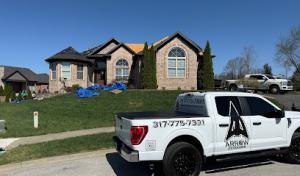
ATR Roofing
(317) 460-1191 allthatroofingin.com
6075 E County Rd 200 N, Avon, Indiana
4.9 from 170 reviews
Are you seeking a reliable roofing contractor in Central Indiana? ATR Roofing is your trusted local expert, proudly serving residential and commercial property owners since 2020. As a licensed and insured roofing contractor, we specialize in a wide range of services—from roof repair and replacement to maintaining various commercial roofing types including metal roofs, TPO, EPDM, PVC, ballast, spray-on silicon, and traditional shingles. We are committed to using only top-quality materials, delivering exceptional workmanship, and providing personalized solutions tailored to your roofing needs. With ATR Roofing, you can count on professional service, clear communication, and a long-lasting roof designed to protect your home or business
Honeycomb Roofing & Exteriors
(317) 743-4483 honeycombexteriors.com
1691 S Ronald Reagan Pkwy Suite 1501, Avon, Indiana
5.0 from 25 reviews
At Honeycomb Roofing & Exteriors, a west side Indianapolis establishment serving as roofing and general contractors, homes enjoy exceptional roofing, siding, and gutter services. Their experience of over 20 years includes proficient handling of repairs to thorough replacements, utilizing materials of the highest quality, some eco-friendly. Recognized for expertise in storm damage repair, Honeycomb is the name you can trust for the safety and beauty of your abode.
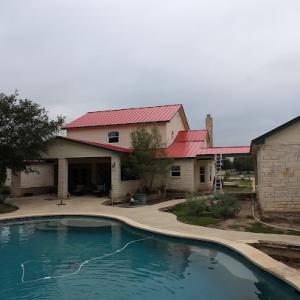
O C Roofing Services
(317) 869-9234 www.olycontracting.com
8103 E US Hwy 36 PMB 315, Avon, Indiana
4.9 from 50 reviews
O C Roofing Services, a roofing contractor established since 2009, is your trusted specialist for all your roofing needs. Whether it's a new installation or repairs, you can be confident you'll receive the right roof at the right price. With a team of skilled professionals, they offer free inspections and estimates, ensuring you get the best roofing solution for your property. They specialize in a variety of materials, including asphalt shingles, EPDM, TPO, metal panels, and tiles. They also provide gutter installation for a complete roofing system. Contact O C Roofing Services today to schedule an appointment and let them take care of your roofing needs.
Renewed Restoration
(317) 339-5644 renewedrestoration.com
Avon, Indiana
5.0 from 18 reviews
Repairing or replacing your roof can be stressful. Thankfully, Renewed Restoration can ease your stress with convenient and affordable roofing services. Our experienced second-generation roofers work in Hendricks County, IN as well as the surrounding areas. You'll have peace of mind knowing you have a sturdy roof to protect your home or business. Our team will help you understand your options and pick one that suits your needs and budget.
Storm Guard Roofing & Construction
(463) 465-2539 www.stormguardrc.com
180 N Avon Ave Ste 200, Avon, Indiana
4.1 from 17 reviews
When you need a contractor who specializes in roofing, windows, siding, gutters, and painting in Indianapolis, IN, turn to a local professional for assistance. We’re a locally owned and operated company that has the backing of a national brand, and we’ll provide you with the highest quality exterior contractor services available.
Royal Construction Services
(317) 695-1587 www.rcservices.com
Avon, Indiana
4.0 from 8 reviews
At Royal Construction Services, LLC, we are dedicated to service and quality. After a thorough survey of other roofing and construction service providers, we identified a common trend in the industry. So we began delivering our services exceeding the norm by bridging construction and technology to meet modern and trendy needs. As a locally family owned and operated business, we believe that one good job brings more opportunities; therefore, we expend maximum effort on all jobs we take on. We are not only focused on providing construction services; we are concerned about the wellness of our customers. To us, every project means offering a clean environment for our customers, their families, and their immediate environment.
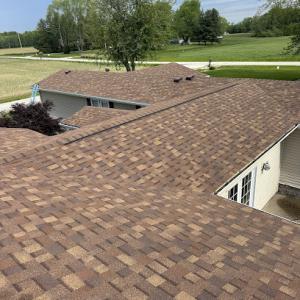
Overton Roofing
(812) 698-1159 overtonroofing.com
Serving
4.9 from 58 reviews
Overton roofing is a veteran owned roofing company. Overton Roofing Installs shingle, metal roofing, and guttering as well as roof cleaning. Over 12 years experience. We’re insured and we have a lot of experience dealing with insurance claims.
Karis Construction
(317) 515-4044 www.karisbuilding.com
Serving
4.8 from 42 reviews
Karis Construction is your trusted roofing contractor in Greenwood, IN, offering top-notch roofing solutions and customized services to meet your specific needs. We specialize in gutter installation, deck building, drywall repair, and remodeling, delivering expert craftsmanship and attention to detail with every project. Our team of dedicated professionals is committed to ensuring your home or business is safe, efficient, and beautifully remodeled. Karis Construction is the go-to choice for reliable and high-quality general contractors in Greenwood, IN, ensuring every job is executed with care and expertise. Experience the difference of working with a team that prioritizes excellence in every aspect of construction service.
Spurlock Roofing
(317) 417-0759 spurlockroofing.net
Serving
4.8 from 31 reviews
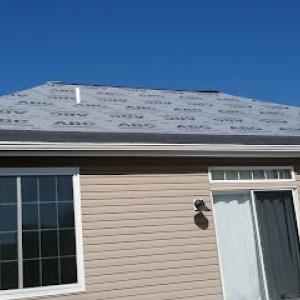
Spurlock Roofing, specializes in complete tear-offs and roof replacements. We serve Camby, IN and surrounding areas with the best materials and workmanship available. Our goal is to treat the most important part of your home like it was our own. We are not satisfied until you are and it shows with every happy customer. Please call today for your inspection.
Sustainable Roofing & Restoration
(317) 207-7652 www.sustainable-roofing.com
Serving
5.0 from 45 reviews
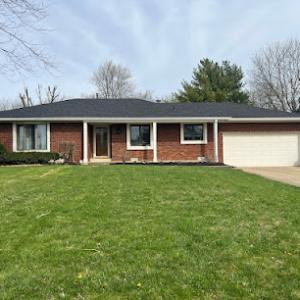
Sustainable Roofing & Restoration is a family owned and operated business located in Noblesville, IN. We serve homeowners throughout central Indiana by providing excellent restoration services with a focus on eco-friendly solutions. Our services include storm restoration as well as residential and commercial roofing. We also specialize in helping our customers navigate insurance claims. At Sustainable Roofing & Restoration our goal is to protect your home while helping the planet.
Tri Exterior Solutions
(317) 828-4530 thereasonableroofers.com
Serving
5.0 from 17 reviews
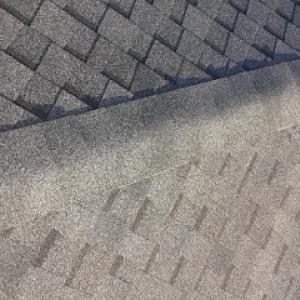
Tri Exterior Solutions, more simply known as Triex, is a small business locally owned by two men who grew up in the construction field. Being in the business for a several years we began to see time and time again the big companies take advantage of the average people who need work done. It got to a point where we said "enough is enough" and put our money where our mouths are. Here at Triex we pledge to work with everyone as best as we can to get to a price where everyone wins. Being a small business we are able to negotiate our prices much more efficiently than the bigger guys.
AK Exteriors
(765) 777-6191 www.akexteriorsindy.com
Serving
5.0 from 15 reviews
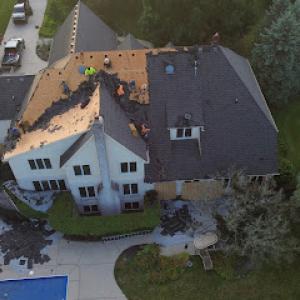
AK Exteriors is your trusted partner for enhancing and protecting your property. Specializing in roofing, siding, gutters, and custom deck building, our team of highly knowledgeable exterior professionals is dedicated to delivering outstanding craftmanship and personalized service. We use only premium materials and proven techniques to ensure durable, aesthetically pleasing results that boost both the value and curb appeal of your home or business. Whether you're looking to refresh your exterior or embark on a complete renovation, AK Exteriors combines innovation, precision, and a commitment to excellence on every project.
Avon's humid continental climate brings hot summers, cold winters, and regular precipitation. That pattern means your roof endures repeated freeze-thaw cycles, which stress shingles, underlayment, and flashing. Water that seeps into small gaps can freeze, expand, and widen those gaps, accelerating edge wear and lifting shingles over time. In practice, you'll notice asphalt shingles aging faster than expected in sun-scarred valleys and around valleys where ice dams form. The key is to catch early signs: curling edges, granule loss, and tiny hairline cracks across shingles. When you see those, plan a proactive inspection rather than waiting for a leak to appear. In Avon, the impact is compounded by wind-driven rain during spring storms, which can push moisture under loose edges and create localized rot in sheathing if the attic isn't adequately ventilated.
The local inspection environment places emphasis on venting and underlayment, and that focus matters here because attic moisture and ice-related stress can shorten roof life when assemblies are poorly balanced. A well-ventilated attic keeps deck temperatures lower in summer and reduces condensation in shoulder seasons. In practical terms, verify you have a balanced system: enough soffit intake for every ridge or turbine exhaust, with no dead-air zones that trap warm, moist air. Underlayment quality is equally critical in this climate; a high-grade, breathable underlayment paired with proper installation helps resist moisture migration during freeze-thaw events. If your attic insulation is insufficient, warm attic air can promote condensation on cold nights, leading to mildew and wood rot that may not be visible until a leak shows up in spring storms.
Replacement timing is often pushed toward milder seasons because winter installation and summer heat both create material-handling challenges. In Avon, spring can bring hail and wind storms that stress roofing systems right before or during the typical window for re-roofing, so scheduling matters. If you notice persistent ice dam formation in late winter or early spring, that is a signal to perform a targeted assessment of insulation gaps, venting balance, and flashing integrity. Choosing a shoulder-season project window reduces the risk of rapid material expansion or contraction during extreme temperatures, minimizes disruption from storm-related scheduling bottlenecks, and helps crews manage moisture-controlled indoor environments during installation.
A balanced attic assembly reduces the risk of interior moisture migrating to the roof deck, which can exacerbate freeze-thaw damage. You want minimal warm air leaking into the attic during cold snaps, and you want the deck to stay near exterior temperatures to limit condensation risk. Check insulation depth and uniformity in the attic, looking for cold spots under eaves and around penetrations where moisture can collect. Seal penetrations and gasket around vents to prevent drafts that pull humidity toward the roof plane. If attic moisture levels remain high after rainfall, it may indicate insufficient ventilation or insulation, not a failing roof assembly.
As the seasons shift, perform a targeted exterior inspection focusing on flashing, shingles at roof-to-wall connections, and the valley areas where ice can accumulate. Clear any debris from gutters and downspouts to reduce ice dam formation risk, but do so gently to avoid damaging the edge of shingles. Inspect attic vents from the inside for signs of moisture saturation or staining, and look for peeling paint or mildew on attic rafters that signals hidden condensation. If a close-up inspection reveals lifted shingles, damaged flashing, or granule loss concentrated in high-wind zones, plan a professional assessment before the next severe storm season to prevent a small issue from turning into widespread aging damage.
For homeowners, the dominant roofing materials in Avon are asphalt shingles, metal roofing, clay tile, concrete tile, synthetic/composite shingles, and slate. Asphalt remains central because local re-roofing demand pairs with affordable, widely available installation talent. Metal has a meaningful specialist presence, offering longevity and wind resistance, while clay and concrete tiles are less common but still active, especially on homes with strong weight support or a preference for a distinct, durable profile. Synthetic or composite shingles provide a middle ground-lightweight, often with good hail resistance, and compatible with a wide variety of home styles. Slate, though less common, appears on select properties where a traditional, timeless look is paired with a strong structural base and a desire for exceptional longevity. The choice should be guided by how well each option handles hail exposure, freeze-thaw cycles, and the structural realities of the home.
Spring hail and wind damage are central considerations in this climate. Asphalt shingles perform well in typical residential settings and are easy to repair after hail damage, which makes them a practical first choice for many Avon houses. Metal roofing offers outstanding hail resistance and can shed impact risk when properly installed, though it can require more precise flashing and edge detailing to prevent leaks in a freeze-thaw cycle. Clay and concrete tiles are heavy and excel at hail resistance, but their performance hinges on a solid structural frame and careful installation to prevent cracking in freeze-thaw conditions. Synthetic/composite shingles balance impact resistance with lighter weight and more forgiving installation. Slate delivers exceptional longevity and hail resistance but is not ideal for every home due to weight and cost considerations. In regions with frequent freeze-thaw, detailing around roof penetrations, along eaves, and at transitions becomes a deciding factor in long-term performance.
Weight is a practical driver in material selection. Clay and concrete tiles require a robust roof structure, sometimes necessitating structural reinforcement or a conversion from lighter systems. Slate demands a similarly sturdy substructure and careful moisture management to avoid crack progression. Metal roofing offers a lighter alternative to tile or slate, with strong wind and hail performance, but installation specifics-such as deck preparation and fastener layout-play a crucial role in durability. Asphalt and synthetic/composite shingles are generally more forgiving for homes with standard framed roofs, making them accessible options for a wide range of Avon houses. When evaluating materials, verify that the existing rafters and deck can support the chosen system, and plan for potential reinforcement if a heavier option is selected.
Aesthetic compatibility with the home's architecture matters alongside performance. Asphalt shingles come in a broad palette and mimic the look of more expensive options at a practical price point. Metal roofs offer clean lines and modern finishes that complement contemporary styles and can accentuate authentic architectural features. Clay and concrete tiles bring Mediterranean or mission-inspired curb appeal and can extend the visual life of the home when paired with appropriate fascia and gutters. Synthetic shingles try to replicate the look of natural products while offering improved impact resistance and lighter weight. Slate remains the premium choice for timeless elegance and exceptional durability, ideal for homes designed around a classic, enduring aesthetic.
In this market, the right way to estimate is to use the local per-square ranges shown for each material. Asphalt shingles cost about 350 to 700 USD per square, metal about 600 to 1100 USD per square, clay tile roughly 750 to 1500 USD per square, concrete tile about 700 to 1400 USD per square, synthetic or composite shingles around 400 to 800 USD per square, and slate typically 1200 to 2400 USD per square. These figures reflect Avon's specific mix of suburban homes, storm-responsive demand, and the quick-start teams that crews bring to the area after hail. Do not rely on national averages; these Avon ranges align with how local suppliers price labor, disposal, and material delivery in a tight, high-demand window.
Spring hail and wind damage claims drive a surge in activity that can push scheduling tighter and labor calendars shorter. When a hail season hits, crews concentrate on nearby neighborhoods, and lead times may compress by several days. Homes that are in the standard slope and roof line categories will see the most pronounced shifts, especially if the project involves higher-end materials or multiple penetrations for vents, skylights, or solar. As a result, you may notice bids clustering within the upper portions of these ranges, or slightly longer project durations due to storm-response demand.
Choosing asphalt shingles keeps upfront costs and scheduling predictable within Avon's ranges, but if hail damage reveals deck or underlayment concerns, replacements may move into higher-end options. Metal roofing, while pricier, can offer longer life and faster installation in some crews' schedules, potentially smoothing out long-term maintenance costs. Clay and concrete tiles bring distinctive durability and curb appeal but require careful handling and a longer install window, which can affect timing and overall project cost when local crews adjust to complex layouts or steep pitches. Synthetic/composite presents a middle ground with decent durability and often faster installation, while slate, though stunning, quickly pushes the project into the highest cost band and longest timelines in this market.
Get a clear picture of your project costs upfront - no commitment required.
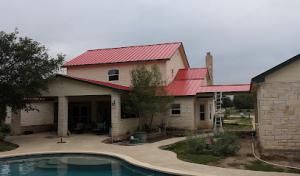
O C Roofing Services
(317) 869-9234 www.olycontracting.com
8103 E US Hwy 36 PMB 315, Avon, Indiana
4.9 from 50 reviews
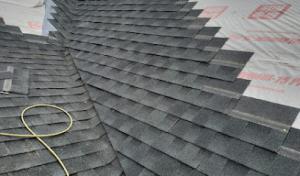
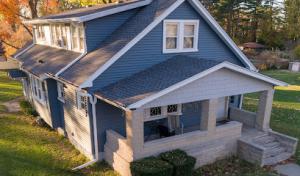
A full re-roof in Avon normally requires a building permit, with filing through the Hendricks County Building Department and the local town process. That means your project isn't just about selecting shingles or underlayment; it triggers a formal review that ties into the town's permitting calendar. If the project is part of a storm restoration after a hail event, the timeline can tighten as inspectors look for code-compliant patching and proper ventilation, so plan ahead rather than letting the project drift.
The filing pathway runs through the county along with whichever town office handles permits for your neighborhood. You'll submit standard plans and roof dimensions, then follow up with any requested amendments. Be prepared for questions about attic ventilation, attic overhangs, and underlayment type. Coordinating with your roofing contractor on the front end helps ensure the paperwork matches what will be installed, reducing back-and-forth during the permit review. In practice, timely communication with the building department speeds things up and minimizes hold-ups when spring storms create rushes in the queue.
Inspections in this area are performed after completion with a final inspection for compliance. The department may pay particular attention to venting and underlayment standards, since deficiencies there can lead to moisture problems later and can affect warranty validity. A common pitfall is finishing a roof before all venting has been verified or before the underlayment meets the applied code, which can trigger rework or a re-inspection. If there are ventilation upgrades tied to a retrofit, have your contractor document the changes clearly so the final inspection sees a complete, code-conforming package.
In spring, when freeze-thaw cycles and hail wear show up, the permitting timeline can feel like a bottleneck after a quick restoration decision. Start early, gather all site details, and maintain a clear line of communication with both the contractor and the issuing offices. Missing paperwork or mismatched specs between what is installed and what was approved is a common cause of delays and post-completion questions. Keeping the permit file organized helps ensure the project moves smoothly from permit to final sign-off.
In this Indiana insurance environment, spring hail and wind leave fast-restitched homes rushing to claim doors. Adjusters move on seasonal priorities, and the clock can pressure decision points that feel urgent but aren't always aligned with what your roof truly needs. A homeowner should expect that claim handling may stretch across several weeks, and those timelines influence what work gets authorized.
Carriers may tilt toward full replacement after substantial storm damage, especially when wind-driven shingle lift or hail hits a roof with aging components. Terms can tighten after severe seasons, which means delays and tighter scope are possible if the claim is filed after an unusual number of storms. Recognize that a quick settlement offer might not cover every functional issue, so understanding your roof's actual condition before signing is crucial.
The most useful claim file includes date-stamped photos, notes on damaged components, and a line-item estimate that distinguishes cosmetic from functional damage. Before speaking with an adjuster, take clear daytime photos of all sides of the roof, attic signs of leaks, and any visible hail impact on gutters or vents. Keep a simple diary noting weather events, dates of observed damage, and any temporary protective actions you take. These details help avoid back-and-forth that wastes time and can shape the repair vs. replacement decision.
Plan for a slower, paper-driven process and gather those specifics early. In a market with regular hail and wind events, the quality and clarity of your claim documentation can determine how smoothly the restoration progresses and how closely the outcome matches the roof's true needs.
Connect with contractors who help homeowners navigate the claims process from damage assessment to final approval.

ATR Roofing
(317) 460-1191 allthatroofingin.com
6075 E County Rd 200 N, Avon, Indiana
4.9 from 170 reviews
Honeycomb Roofing & Exteriors
(317) 743-4483 honeycombexteriors.com
1691 S Ronald Reagan Pkwy Suite 1501, Avon, Indiana
5.0 from 25 reviews
O C Roofing Services
(317) 869-9234 www.olycontracting.com
8103 E US Hwy 36 PMB 315, Avon, Indiana
4.9 from 50 reviews
Minor roof damage can become active interior leaks once a spring storm arrives or a new freeze-thaw cycle takes hold. In Avon, every wind gust or hail shower carries that risk, and a quick response can stop water from seeping into ceilings, walls, and insulation before a full replacement is scheduled. The clock is measuring you, not the forecast, so treat any new dampness or exposed underlayment as a call to action rather than a delay.
The contractor scene here shows unusually strong quick-response and emergency-repair positioning, reflecting homeowner demand for tarping and rapid leak stabilization. When a storm ends, the best teams are ready to stage a temporary cover, board, and seal, then triage the roof to minimize further damage. A fast crew is often the difference between a minor setback and weeks of interior disruption, especially after a harsh winter and during a busy spring.
If rain is on the way or a freeze-thaw cycle is forecast, prioritize securing the roof immediately. Place a sturdy tarp or leak-cover over the most exposed areas and secure edges with heavy ballast. Clear the interior of valuables from damp zones and set buckets under active drips. Avoid stepping on wet sheathing and call for professional tarping if access or height feels unsafe.
Act quickly to photograph damage from multiple angles, including attic signs of moisture. Keep records of weather events, pinpointing when damage was first observed. Clear notes help the insurer evaluate emergency repairs and schedule permanent work without unnecessary delays.
When you can't wait, these contractors offer fast response times to stop leaks and prevent further damage.
ATR Roofing
(317) 460-1191 allthatroofingin.com
6075 E County Rd 200 N, Avon, Indiana
4.9 from 170 reviews
Sustainable Roofing & Restoration
(317) 207-7652 www.sustainable-roofing.com
Serving
5.0 from 45 reviews