
Last updated: Apr 19, 2026
Bedford homeowners face regular hail and wind exposure typical of south-central Indiana, making storm-related roof claims a primary trigger for replacement decisions. The combination of vigorous spring storms and sturdy local roofing stock means damage isn't always visible from ground level, but it stacks up over time. In practice, a roof that looks fine from the curb can harbor bruised shingles, lifted tabs, and flashing wear that undermines the roof system's ability to shed water and resist wind uplift. When insurers see a pattern of storm-driven wear across multiple components-shingles, underlayment, flashing, and soffits-the likelihood of a full replacement increases. This is not guesswork; it's a documented risk in our market, where insurers expect a clean, well-supported claim rather than a patchwork fix.
Spring hail and wind events in Bedford can leave hidden shingle bruising, lifted tabs, and flashing damage that may not be obvious from the ground. After the rush of the storm passes, moisture can migrate under compromised shingles, accelerating ice-dam risk in the winter and creating softer spots along the roofline. If your attic shows sudden pressure changes, unusual warmth in attic spaces, or staining near flashing or vent pipes, those are red flags that the visible surface isn't telling the full story. In Bedford, where the house mix ranges from smaller bungalows to mid-size ranches with complex roof lines, even small unaddressed issues can snowball into a larger claim problem when insurers line up a broad replacement narrative. Don't rely on a casual once-over; a seasoned local roofer who knows Bedford's typical roof slopes and material choices can spot the telltale signs that only show up after a storm.
Local replacement timing is often driven by the need to document damage quickly for insurers before weathering, temporary repairs, or delayed adjuster visits complicate the claim. After a hail event, timing matters: insurers prefer a current, detailed damage record rather than a later, extrapolated summary. A rapid, well-documented assessment helps lock in the insurer's initial scope and reduces the risk of a downward revision later. If rain or wind keeps you from a ladder-based inspection, coordinate with a contractor who can perform a careful, storm-focused walkaround and provide a neutral damage report. Delays compound risk because damaged underlayment and flashing degrade faster with moisture exposure, and insurers can question the extent of wear when months pass. In Bedford, where weather windows can compress the schedule, establishing a plan soon after the storm-while the damage picture is still accurate-helps prevent dispute and keeps the claim on track.
Start with a thorough exterior scan as soon as it's safe. Photograph all sides of the roof, focusing on perimeters, skylights, chimneys, and vent flashing. Note any hail impact marks, loose or missing shingles, lifted tabs, or granule loss in gutters and downspouts. Inside, check for attic signs of moisture, staining, or excessive condensation, which can indicate hidden penetration. Contact a local roofer who is familiar with Bedford's typical roof lines and common material choices to perform a storm-damage assessment that aligns with insurer expectations. When you file, present the contractor's findings alongside the initial adjuster's notes to provide a complete picture. If the adjuster schedules a visit, prepare by keeping a log of dates, temperatures, and any interim repairs, so the claim timeline doesn't drift.
Avoid relying on quick, cosmetic fixes as a substitute for a proper assessment. Temporary repairs can be valuable to manage moisture, but insurers may interpret them as a complete fix unless supported by a comprehensive replacement plan. Do not delay the claim while waiting for perfect weather or a perfectly sunny day; document while the storm aftermath is still evident and fresh. Be wary of contractors who pressure you into a replacement without a clear scope and documented damage, or who promise an easy, all-in-one solution without showing the underlying causes of failure. In Bedford, the goal is to secure a durable, code-resilient roof that can withstand the next round of hail and wind, with an evidence-backed claim process that moves quickly and accurately through the insurer's review.
In Bedford, dry late spring through early fall is the preferred installation window because crews can better protect exposed decking and complete shingle sealing in steadier conditions. That same logic applies to window work: you want days with moderate temperatures and minimal precipitation so sealants cure properly and flashing around the rough opening seats cleanly. Plan the project for a stretch when mornings are cool enough to avoid rapid expansion and evenings stay above freezing, reducing the risk of improper sealant set. Have landscaping and exterior siding protected ahead of time, since spring winds can lift loose shingles and create debris that can interfere with window installation. Expect crews to bring temporary weatherproofing to keep interior rooms comfortable during the first pass of installation.
Hot, humid summer conditions in Bedford can affect installation pace and adhesive behavior, while fall rains can slow tear-off and dry-in scheduling. If a mid-summer job is unavoidable, schedule the most interior work for cooler parts of the day and ensure sun exposure on the exterior is balanced to avoid adhesive failure or glazing issues. Humidity can slow the curing of sealants around new window installations, so plan for slightly extended drying times and avoid tight schedules that backstop against rain or heat waves. Roof edge protection remains crucial, because high winds can expose openings and stress new flashing adjacent to window heads and sills. Have crews verify that exterior trim, drip edges, and any nearby flashing receive extra attention to prevent later leaks.
Fall rains can slow tear-off and dry-in scheduling, so you want a window in the forecast that minimizes consecutive wet days. As temperatures cool, sealants and foam rise to their best performance range; however, early frost or sudden cold snaps can hinder cure times. If you're aiming to complete a replacement before the first frost, coordinate closely with the contractor about forecasted drying days and moisture control measures. Inspectors or weather-tightness checks after installation are particularly valuable in this season to confirm flashing lines and window head details align with the roofline and gutter system. The goal is to leave a tight, well-sealed installation that won't invite interior leaks once the first snowfall tests the eaves and exterior corners.
Cold Bedford winters raise the risk of ice dams and snow-related stress at eaves, flashing lines, and gutters, which can turn small defects into interior leaks. If winter work is unavoidable, prepare for shorter daylight work windows and increased risk of frost on sealants. Temporary enclosure of exposed openings is essential to prevent moisture intrusion during setbacks caused by wind-driven snows. A prudent approach is to defer non-urgent window replacements until temperatures stabilize and a dry spell emerges, allowing the team to complete flashing integration and interior insulation without compromising performance.
Asphalt shingles are a dominant choice in this market because they fit the local housing stock and cost range, aligning well with mid- to upper-density neighborhoods and older homes that meet the typical roof footprint. When hail and wind events occur, these shingles are the default target for evaluation, both for cosmetic damage and weather-tightness. In practice, expect a careful look at shingle lift, granule loss, and any shingle-bridging issues caused by freeze-thaw cycles. The manufacturer recommendations for underlayment, flashing, and proper nailing become critical after a storm, since inspections are thorough and the permit-and-inspection process emphasizes full-coverage protection at joints and edges. You should plan for a detailed ridge and valley assessment, because hail can drive impact damage to the underlying roof deck that isn't always visible from the surface.
Metal roofing is common in this market and appeals to owners looking for durability through freeze-thaw cycles and storm seasons, though detailing at penetrations and edges becomes critical. If you lean toward metal, focus on flashing around chimneys, vents, skylights, and wall penetrations, plus the through-fastened points that are susceptible to moisture intrusion if not sealed and sealed again properly. A well-installed metal roof resists wind uplift and ice dam weight better than many other materials, but the joints between panels and the fastener penetrations demand meticulous sealing and maintenance. In winter, ensure appropriate ventilation to manage condensation under metal and to minimize ice dam risks at eave lines and overhangs. Regular inspections after hailstorms help catch edge corrosion or panel loosening before they escalate.
Heavy materials listed for this market such as clay tile, concrete tile, and slate require closer attention to structural suitability and specialized installation compared with standard shingle reroofs. The weight load must be confirmed against existing truss and rafter capacity, and the roof deck must be evaluated for exposure to hail impact, wind uplift, and potential moisture intrusion. Clay and concrete tiles demand precise nailing patterns and an underlayment strategy tailored to deal with cold-season moisture; slate increases nail and fastener demands and may call for additional fasteners and edge protection. In all cases, expectations for long-term performance hinge on correct substrate preparation, appropriate fastener choices, and careful detailing at eaves, ridges, and transitions to gutters to guard against wind-driven water and ice dams during winter storms.
When you're estimating a roof replacement in this market, you'll see a clear ladder of material costs. Typical Bedford pricing runs about $350 to $650 per square for asphalt shingles, $700 to $1100 for metal roofing, $900 to $1500 for clay tile, $850 to $1400 for concrete tile, $1200 to $2200 for slate, and $550 to $900 for fiber cement shingles. Those ranges reflect not just the material itself but the labor footprint of each option, including how long crews stay on your steep or complex roof. If your home leans toward steeper pitches or intricate flashing, expect the higher end of the spectrum. You'll also notice that heavier materials can push the cost up due to structural checks and additional ventilation or underlayment needs.
In this climate, storm-driven demand spikes after hail and wind events can tighten contractor schedules and push pricing upward during busy claim seasons. When a big hail event hits the area, local crews shift from routine maintenance to emergency replacements, and that rush can compress timelines. If you're planning ahead, you'll often secure better availability and more predictable pricing in the shoulder seasons. If you must replace during a peak period, be prepared for longer waits, higher per-square rates, and potential temporary accommodations for materials staging and disposal.
Costs in Bedford can also move based on inspection-related corrections, ventilation upgrades, flashing replacement, and the added labor needed for steeper roofs and heavier materials. A standard full replacement on asphalt may stay near the lower end when the underlayment and flashing are solid, but if the inspection flags issues-such as compromised decking or inadequate attic ventilation-there's a ripple effect: you'll incur additional material and labor, and that can push the total well beyond the basic per-square price. Heavier systems like slate or clay bring not just material penalties but longer install windows and more crew hours, which translates to higher total costs.
Start with a price map: list the material options you're considering, then add estimated ventilation upgrades and flashing replacements based on the visible condition of the soffits and ridges. Get at least three written quotes that itemize underlayment, flashing, toenailing, and ventilation. Discuss any potential weight/load considerations, especially if your attic ventilation is marginal. Finally, align your plan with typical seasonal patterns-aim for the non-peak window to balance availability with stable pricing.
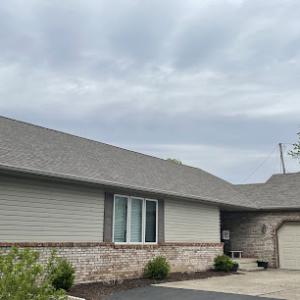
D&M Roofing & Restoration
(812) 545-9660 dandmroofingandrestoration.com
2049 30th St, Bedford, Indiana
4.9 from 77 reviews
D&M Roofing & Restoration, based in Bedford, IN, has been the premier roofing company in the area since 2015, proudly serving Lawrence, Monroe, Orange, Morgan, Johnson, Martin, Marion, and Owen counties. Our expertise spans both residential and commercial roofing, with specialized services in wind and hail restoration. Beyond roofing, we offer comprehensive solutions, including siding repairs, window and door installations, remodeling, decks, concrete work, new construction, flooring, home improvement, painting, and gutter services. Trust D&M Roofing & Restoration for all your roofing and home enhancement needs. Contact us today for exceptional service and quality craftsmanship.
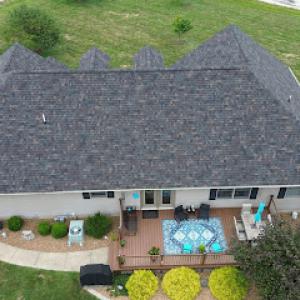
GERKIN CONSTRUCTION- Roofing Specialists
(812) 583-1318 www.facebook.com
2718 R St, Bedford, Indiana
4.9 from 48 reviews
We're an Owens Corning Preferred Contractor. Specializing in roof repairs and replacement. We also install siding and seamless gutters. We've been in business for 12 years and are a veteran owned company. We're also an insurance claim specialist.
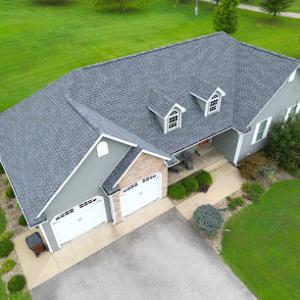
Pritchett Brothers Roofing & Exteriors
(812) 275-3185 www.pritchettbros.com
108 Briarwood Ln, Bedford, Indiana
4.5 from 66 reviews
Pritchett Brothers Roofing & Exteriors is a trusted, family-owned roofing contractor serving Bedford, IN, with over 60 years of experience. Specializing in roof replacements, repairs, siding installation, and gutter services, we are proud to be recognized as a roofing contractor Bedford homeowners can rely on. We offer free estimates and consultations to ensure you feel confident about your roofing or exterior project. Our experienced team is dedicated to completing every job on time and within budget while providing quality service. At Pritchett Brothers Roofing & Exteriors, we’re proud to support the Bedford community and look forward to helping you protect and enhance your home. Contact us today!
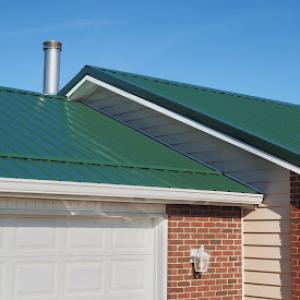
Amish Roofers
(812) 650-2475 www.amish-roofers.com
503 Elkins Rd, Bedford, Indiana
4.6 from 33 reviews
Amish-Roofers provides high-quality materials, professional installation, and we offer the best prices in town! We don't cut corners, we do what we say we're going to do, and we do the job right. Whether your job is residential or commercial, metal or shingle, our system and process allow us to guarantee the quality roofing we are known and respected for, giving you lasting protection and peace of mind.

Equity Builders Roofing
(812) 650-2424 equitybuildersroofing.com
Serving
4.8 from 147 reviews
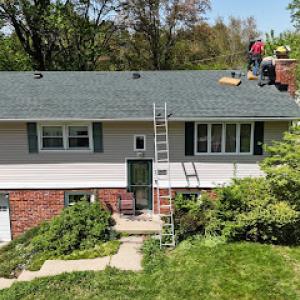
Equity Builders Roofing is your trusted Bloomington, Indiana roofing company for all your home protection needs. We provide comprehensive roofing solutions, from new roof installations to expert roof repairs, gutter installation, and siding replacement. Our experienced roofing contractors are dedicated to delivering exceptional service, using superior materials and offering price matching. Choose Equity Builders Roofing for reliable, on-time service and a satisfaction guarantee. Protect your Bloomington home today!
Indiana Roof Source
(812) 327-4620 www.indianaroofsource.com
Serving
5.0 from 36 reviews
At Indiana Roof Source, we are proud to provide quality craftsmanship, straight talk, great customer service, and the best workmanship and material warranties in the industry. Our professional and work reputations are important to us. Our goal is to establish long-term working relationships with our customers. We believe our past and current customers are our best referrals. When you work with us, you become family.

Kingdom Roofing Systems - Bloomington Roofer
(812) 468-9530 kingdomroofingsystems.com
Serving
4.9 from 257 reviews
The #1 contractor in Bloomington for any exterior remodeling projects. Your professional choice for roofing, siding, gutters, windows, and more. We are the premier choice for all of your roofing and exterior remodeling projects in Bloomington. Our crews are experienced in commercial and residential work so we are ready to tackle any project that you send our way. Customer satisfaction is our paramount concern. If you are happy, then we are happy and our focus on customer satisfaction is what drives our pursuit of perfection and top-notch work. We never cut corners and the job isn’t finished until the customer is happy!
4 Good Reasons Roofing
(812) 360-4469 4goodreasons.com
Serving
5.0 from 45 reviews
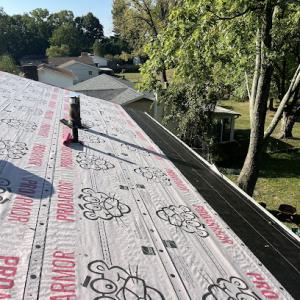
4 Good Reasons Roofing is a family-owned roofing contractor serving Bloomington and the surrounding areas. We handle roof repairs, replacements, and storm-damage claims with a commitment to honesty, clear communication, and dependable workmanship — backed by our 10-year labor warranty. As a locally run company, we keep overhead low and standards high to deliver strong value without compromising quality. Homeowners count on us for honest assessments, free inspections, and service built on integrity. With highly rated customer care and a reputation for reliability, we’re here to protect your home and give you peace of mind.
Koontz Roofing & Exterior Construction
(812) 876-2722 www.koontzconstruction.com
Serving
4.9 from 391 reviews
For over 20 years, Koontz Construction has provided Bloomington and surrounding areas with quality workmanship backed by a local contractor. Our staff is friendly and knowledgeable because we know what it’s like to be in your shoes. We strive to do our very best to ensure that customers always come first. We specialize in roofing, skylights, windows, siding, and gutter replacements. We will come to you to provide free estimates.
Cornerstone Roofing
Serving
4.8 from 169 reviews
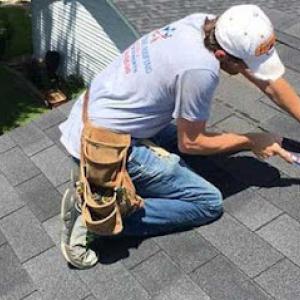
Welcome to Cornerstone Roofing, your trusted roofing specialists nestled in the heart of Gosport, IN. At the helm of our operations is Jose Reyes, a seasoned expert who has dedicated over 30 years to mastering the art and craft of roofing. Under his visionary leadership, Cornerstone Roofing has risen as a beacon of reliability and excellence in the roofing industry. Our commitment at Cornerstone Roofing is to provide unparalleled service and workmanship to the residents and businesses of Gosport and the surrounding areas. With Jose Reyes steering our course, we bring a wealth of knowledge, experience, and passion to every project we undertake.
RCV Roofing, Siding & Gutters
Serving
4.9 from 757 reviews
RCV Roofing, Siding & Gutters has been a trusted name for homeowners across the greater Bloomington area for more than 35 years. As a family-owned and locally operated company, we deliver expert roof repairs and replacements, each backed by our 25-Year Craftsmanship Warranty. Our commitment goes beyond installing quality roofs—we focus on providing a seamless, stress-free experience. From the initial consultation to project completion, every job is handled with clear communication, careful attention, and reliable follow-through. That’s what defines The RCV Roofing, Siding & Gutters Experience. Trusted by thousands throughout Bloomington, we take pride in protecting your home and your peace of mind. Contact us today.

Rojas Roofing
(812) 558-5972 rojasroofing.com
Serving
4.9 from 47 reviews
At Rojas Roofing, we pride ourselves on being the leading roofing contractor in the Bloomington area, committed to exceptional craftsmanship and customer satisfaction. Whether you're in need of a new roof, roof replacement, or roof installation, our expert team specializes in all roofing types, including asphalt and metal roofing. We also provide top-notch commercial roofing services and are renowned as a trusted local roofer for siding, gutters, and roofing solutions. Choose Rojas Roofing for reliable, high-quality roofing services that ensure lasting protection for your property. Contact us today to schedule your consultation!
For Bedford and Lawrence County, a full roof replacement typically requires a permit through the Bedford/Lawrence County Building Department. This isn't a box to check once and forget; the permit sits as a marker of compliance with local standards that are tuned to our climate and housing stock. If the permit isn't pulled before work starts, or if the project isn't properly documented, a close-out can stall, and the risk of rework grows as the inspection process catches gaps in paperwork or workmanship.
Local inspections are performed during and after the job, with attention to underlayment, flashing, nailing patterns, and ventilation rather than only the finished roof surface. In a neighborhood where hail and wind are common and winter can tighten joints, inspectors look carefully at the layers that protect the home, not just the visible shingles. If something doesn't meet the standard, a re-inspection is likely, and that can add time and stress to the project. Expect the inspector to note gaps between underlayment seams, flashing around chimneys and valleys, and the way nails penetrate into sheathing. A proactive approach-keeping a clean line from underlayment to venting-speeds this process.
A Bedford-area quirk is variable inspection scheduling, and failed items can trigger re-inspection before the project is fully closed out. This means that even if the visible portion looks complete, the clock doesn't stop until the county signs off on all the moving parts. If your crew finishes early or the weather shifts, be prepared for possible delays while the inspector returns to verify the critical details. Coordination between the contractor, the permit office, and your insurer's expectations matters, since misalignment here often shows up as a hold on final paperwork.
Begin with a pre-inspection checklist that matches the county's focus areas: confirm underlayment type and seams, inspect flashing detail around penetrations, review nailing pattern alignment, and verify attic ventilation is balanced with the roof's load. Keep the permit number accessible on site and ensure the contractor maintains a running log of inspections as they occur. If any item is flagged, address it promptly and schedule the follow-up as early as possible. In this market, where insurance-driven projects are common, having a clean, well-documented process reduces the chance of costly delays and helps protect the home through the long-term performance of the replacement.
After a hail or wind event, the goal is to tell a precise, ongoing story of what happened, not a guess about what might have happened. In this market, thorough photo sets save hours of back-and-forth. Take date-stamped notes that reflect the exact sequence of events: when shingles were visibly damaged, when granules appeared in gutters, and when any interior signs of water intrusion showed up. Promptly coordinating with the adjuster keeps the claim from drifting into confusion, especially when rain remains in the forecast or the roof is intermittently leaking.
Some carriers serving Bedford may apply depreciation or ask for added proof before approving full replacement, and that balance can hinge on whether damage sits alongside age-related wear. Your approach should be methodical: separate the evidence of storm impact from what could be wear-and-tear, document dated measurements of roof sections, and preserve the original condition photos from before the event when possible. If an adjustment feels delayed, ask for specific, concrete proof that supports a full replacement rather than a repair options path.
The strongest claim files usually connect storm dates, elevation-by-elevation damage photos, and any interior leak evidence before temporary repairs obscure conditions. Raise the bar on your file by photographing the roof from multiple angles at dawn or dusk for contrast, noting tree or debris impacts, and documenting attic or ceiling stains that correlate with the attic's ventilation patterns. If temporary fixes are needed, photograph them clearly and time-stamp the date, but avoid letting temporary measures mask underlying damage that a later inspection should verify. In this market, a well-documented, transparent history protects you when the insurer analyzes the claim and can make the difference between a quick settlement and a drawn-out process.
In Bedford winters, ice-dam pressure commonly exposes weaknesses at eaves, valleys, and gutter lines before the main field of the roof appears to fail. That pattern is not about a dramatic collapse but about slow, cumulative intrusion that hides behind snow and ice. When you inspect a roof after a cold snap, look closely at where the eave overhang meets the fascia and at any subtle movement where the gutters fasten. Small gaps or ridges at these edges can become channels for meltwater to back up under shingles or underlayment, especially if the overhang is shaded or poorly vented. A practical test is to run a bead of clear sealant along eave joints only after confirming it won't trap moisture against wood; if you notice recurring ice dams forming in the same spots year after year, it's a sign that the underlying edge detailing needs a closer look. In residential Bedford stock, the most common flaw shows up as moisture creeping along drip edges and at valley intersections where flashing should carry water away rather than allow it to back up.
After Bedford spring storms, flashing displacement and subtle wind damage around roof edges and penetrations can create leaks that show up later in humid weather. Windborne debris and fluctuating temperatures can shift metal flashing, loosen nails, or bend edge details just enough to create a slow drip. Your eye should track where roof-to-wall transitions occur, where chimneys or vent stacks meet the roof, and where the rakes and copings align with the field. Even a small crease in flashing can act like a sponge when humidity climbs, so plan a careful walk of the perimeter after storms to identify lifted tabs, loose sealant, or gaps that weren't there before. In practice, the best warning signs are damp patches on interior ceilings that don't align with a single rain event, which often point back to a previously displaced edge detail rather than a suddenly failed shingle row.
Inspection focus in the Bedford area on nailing, underlayment, and ventilation reflects the fact that many local failures start in installation details rather than in the roofing surface alone. Nails that are too shallow or misaligned can allow water to follow the nail line into the deck, while gaps in underlayment create hidden paths for moisture to travel inward. Ventilation matters because improper attic air flow can drive condensation toward eaves and valleys, aggravating ice dam and leak issues even on roofs that look sound from the street. When assessing a replacement or repair, ask to see an installation checklist that covers nail pattern, shingle-overlap, underlayment exposure, and attic vent effectiveness. A keen eye for these details often reveals the root cause of leaks before they become large, expensive problems.