
Last updated: Apr 19, 2026
Greenwood homeowners are in a market where hail and wind events regularly drive roof claim activity across central Indiana. When a storm hits, the risk isn't just a damaged surface; it's hidden decking concerns, compromised underlayment, and the potential for future leaks that stress a steep-slope roof. The fastest way to lose control of a reroof project is to wait on damage evaluation. Acts of nature don't wait for a convenient calendar, and the clock ticks on shingle sealing, nail corrosion, and vent connections after a hail event. The moment roof lines show dimples, granule loss, or lifted edges, you should be prepared to act rather than react.
Spring hail and heavy storms can create sudden surges in local reroof demand, which affects scheduling and material lead times in Greenwood. The peak window runs from late spring through early fall, when temperatures cooperate for tear-off and installation and when moisture exposure is manageable for decking inspection. Winter freeze-thaw cycles and seasonal moisture complicate tear-off, decking review, and shingle sealing, increasing the likelihood of workmanship defects and warranty disputes if work bleeds into colder months. If a claim is approved, locking in a start date during the favorable window minimizes rework risk and speeds long-term performance.
For homeowners facing storm damage, plan for a two-phase approach: inspection-to-approval and then installation. Expect potential delays caused by weather, material backlogs, and crew availability after a large hail event. Coordinate with a local roof contractor who can triage front-loaded items (shingle damage, flashing, and ventilation) while safeguarding decking integrity. If a claim is in play, secure a realistic start date early in the favorable window and build in a contingency for weather days. A steady sequence-from tarp or temporary weather protection through deck evaluation, underlayment replacement, and final shingle sealing-reduces the chance of moisture intrusion and ensures a longer-lasting result.
Steep-slope residential roofs common in fast-growing suburban neighborhoods can hide unseen damage beneath the surface. Hail can dent sheathing, puncture underlayment, or loosen adhesive seals on shingles. A thorough decking review is essential, as compromised boards can undermine the warranty and shorten roof life. During the warm-weather months, high sun exposure accelerates shingle sealing and wind uplift risk if fasteners aren't correctly installed. Expect crews to test attic ventilation and insulation integrity as part of a responsible reroof sequence, since poor ventilation compounds moisture and ice dam risk during seasonal transitions.
If hail or wind damage is suspected, contact a Greenwood-area roofing pro who can mobilize quickly for a thorough storm evaluation. Request a damage assessment that focuses on fascia, vents, valleys, and step flashing, then verify that decking is sound before tear-off. Insist on a clear, written sequence that includes debris removal, decking inspection, underlayment installation, roof vent and flashing checks, and a guaranteed sealing plan for the final layer. In urgent cases, insist on a temporary protective measure to deter water intrusion while the project advances.

Tip Top Roofing & Construction
(317) 224-7760 tiptoproofingconstruction.com
386 Meridian Parke Ln, Greenwood, Indiana
5.0 from 102 reviews
We are an owner operated roofing business serving metro Indianapolis with quality and care
317 Roofing & Restorations
(317) 868-7663 www.317roofs.com
3209 W Smith Valley Rd Ste 221, Greenwood, Indiana
5.0 from 96 reviews
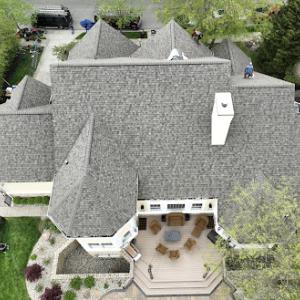
317 Roofing & Restorations proudly offers Roof Repairs and Replacements for Residential and Commercial Properties in the Greater Indianapolis area. Specializing in Storm Renovations, 317 Roofing & Restorations can help with all Residential Roofing, Commercial Roofing, Asphalt Shingle Repairs, Metal Roofing, Cement Board Siding, Vinyl Siding, Gutters, Windows & Doors, Ventilation, and Insulation projects. We can guide homeowners through the insurance Restoration process and be a single point of contact for homeowners through from start to finish. 317 Roofing & Restorations pride themselves on being completely Honest and Transparent and giving back to the Community.
Jordan Scott Contracting
(317) 800-8869 www.jordanscottcontracting.com
374 S Madison Ave, Greenwood, Indiana
4.9 from 139 reviews
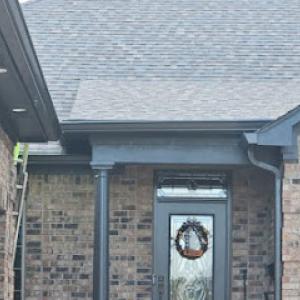
Since 2014, Jordan Scott Contracting has been the trusted contractor for Greenwood, IN, specializing in roofing, drywall, flooring, storm damage repair, and more. We proudly serve both residential and commercial clients with a commitment to outstanding service and superior craftsmanship. Our dedication to quality work distinguishes us from the rest. We are excited to continue collaborating with the Greenwood community and delivering unparalleled customer service. Contact us today to schedule your consultation!
Watergate Roofing
(317) 207-9712 www.watergateroofing.com
3209 W Smith Valley Rd Ste 217-2, Greenwood, Indiana
5.0 from 68 reviews
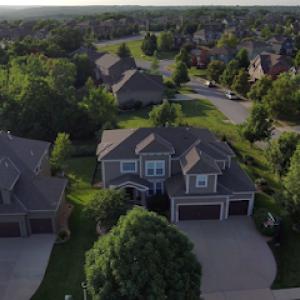
Watergate Roofing is a woman-owned and operated general contractor serving the Greenwood, IN area. We offer free estimates for home improvement projects, as well as free inspections if you have suffered storm damage. Watergate Roofing has long-standing relationships with every crew and values quality craftsmanship. Our signature services include roof replacement and repair, gutters, siding, and more! We are licensed, bonded and insured, and offer a 5 Year Workmanship Warranty on roof replacement. Contact us today to request a free roof inspection!
Love Roof
(317) 721-2777 www.loveroofco.com
Greenwood, Indiana
5.0 from 83 reviews
Love Roof, based in Indianapolis, IN, is the name in luxury roofing systems. As a faith-based, woman-owned business, we specialize in storm damage restoration and insurance claims, delivering the best roof for the best price. Our expert team provides comprehensive services, including roof repair, roof replacement, and metal roof installation. We also offer flat roof repair, commercial roofing solutions, gutter installation and repair, and siding installation. Dedicated to excellence and affordability, Love Roof is your trusted choice for restoration roofers and roofing contractors near you. Experience quality, integrity, and exceptional craftsmanship with every project.
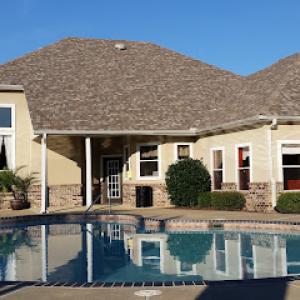
Duramax Roofing & Construction
1283 Mt Pleasant E St, Greenwood, Indiana
5.0 from 47 reviews
Duramax Roofing & Construction Established in 2000, Duramax Roofing & Construction is a general contractor that specializes in not only roof replacement, but others needs as well, this includes siding, gutters, downspouts... Our goal is to provide our customers with the best experience possible. Having work done shouldn't be a stressful time. We make sure before we finish our customers are satisfied. We are a licensed, bonded and insured company. Additional email - duramax.roof@gmail.com There's no job to big or small .
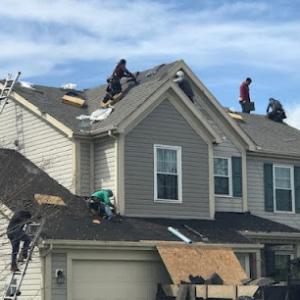
Green Line Roofing
(317) 258-8893 www.greenlineroofing.net
1149 Falkirk Ct, Greenwood, Indiana
4.9 from 39 reviews
Green Line Roofing, established in 2014, aims to provide the ultimate roofing solution. Operating from Greenwood, Indiana, they specialize in complete roof installations and repairs, taking pride in delivering exceptional service, competitive pricing, and superior quality. Their services extend beyond roofing, offering the installation of new 6-inch seamless gutters. Green Line Roofing is dedicated to fulfilling your residential and commercial roofing needs with unparalleled artistry and craftsmanship.
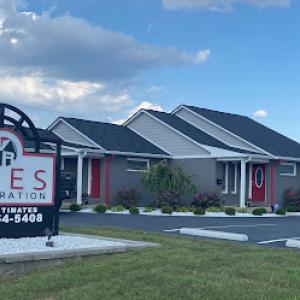
Rees Restoration
(463) 220-4080 www.reesrestorationindy.net
543 N State Rd 135, Greenwood, Indiana
4.7 from 575 reviews
Rees Restoration is a family-owned business specializing in residential and commercial services. We pride ourselves in making the process of home renovation and insurance claim projects worry and hassle free for our customers. Our goal for each and every job is perfection and customer satisfaction. With project managers on site at each and every job, we have earned top ratings with both, the Better Business Bureau, and Angie’s List. Rees Restoration is licensed, bonded, and insured. Call us today for a free estimate.
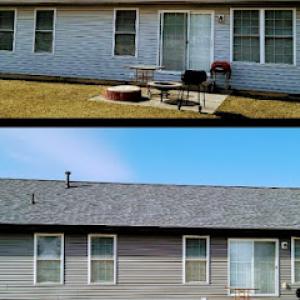
DC Roofing & Exteriors
(317) 739-6546 www.dcroofingexterior.com
2977 Sentiment Ln, Greenwood, Indiana
5.0 from 33 reviews
DC Roofing and Exteriors is your trusted roofing contractor in Greenwood, IN. We provide expert installation, repair, and maintenance for all your roofing needs. From asphalt shingles to metal roofing, we handle it all. We also offer exterior services like siding, gutter, window and door, deck, brick, stone, installation for a complete home makeover. Contact us today for a free inspection and experience to top-notch knowledge and craftmanship. We also specialize in ensuring that insurance companies do not take advantage of our customers in the time of need. We have a 100% success rate in ensuring a claim is approved properly. Our motto is the "The Difference Is In The Details". That means more to us than just a catchy phrase.
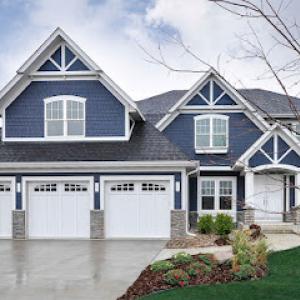
Gephart Construction
Greenwood, Indiana
5.0 from 29 reviews
Locally owned & operated exterior contractor specializing in roof, siding, gutter, & window replacement.

Simple Roofing
(317) 883-7537 www.simpleroofingllc.com
5680 Surry Ln, Greenwood, Indiana
5.0 from 27 reviews
We understand that your home is your most valuable asset and that when it comes to selecting a contractor there are too many options, with no single source of truth. Simple Roofing was founded in 2017 with the intent to help our community care for and maintain their homes. We stand firmly by our values and all of our work. As a trusted member of the community, we hope to narrow down the number of contractors you have to sort through. Our mission is to partner with every customer that chooses Simple Roofing to deliver them with the highest level of service and to standby our work when the job is done. If our customers aren’t happy, the job isn’t done.
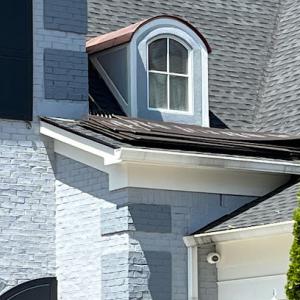
Premier Restoration
(317) 773-6437 www.premier911.com
77 N Madison Ave, Greenwood, Indiana
4.8 from 84 reviews
Premier Restoration is your source for all of your contracting needs. We specialize in roofing, gutters, and siding, along with all areas inside and outside your home. Whether you need a kitchen remodel, bath remodel, or a home addition, we have over 20 years experience and stand by our workmanship. Call today to schedule your quote today.
Asphalt shingles are the dominant practical choice for homes with typical Greenwood roofs. They handle the annual mix of hail events and rapid temperature swings, and they're a straightforward option for most standard steep-slope homes. However, repeated freeze-thaw cycling in our climate can accelerate granule loss, cracking, and edge wear, especially on the roof's edges and valleys. When you're evaluating a replacement or a major repair, pay attention to granule retention and the condition of the edge and rake shingles after a freeze-thaw cycle has passed. Choosing a higher-quality shingle with robust granule coating and a reflective strip can help mitigate heat buildup on hot summer days, while proper installation-nail alignment, sealant application, and adhesive tabs-reduces wind uplift risk. Regular inspections after severe hail or heavy ice events are wise, because early spotting of curling or missing granules can prevent further interior damage.
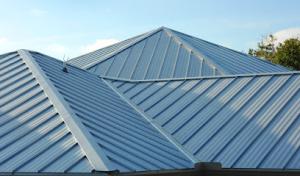
Metal roofing earns its keep in this market because Greenwood endures hot summers and winter weather stress alike. Thermal movement detailing matters: metal expands and contracts with temperature swings, so fastening patterns, panel overlaps, and appropriate sealants are critical to prevent panels from buckling or leaking. A metal roof that's installed with the right underlayment, proper attic ventilation, and quality fasteners will hold up under hail better than many other options, but cheaper metal systems can crack or lose fasteners if installed without attention to proper fastening patterns. If you're considering metal, prioritize a panel profile and coating that offer durable impact resistance and proven wind performance. In late spring and early fall, have a pro check flashing around chimneys, skylights, and vent pipes to avoid thermal movement gaps turning into leaks.
Tile, slate, and wood systems exist in this market, but their weight, repair complexity, and weather sensitivity make contractor specialization more important here than for standard shingle reroofs. Clay and concrete tiles bring long life and strong hail resistance, but their weight means framing assessments and structural support must be solid. Slate and wood shingles offer distinctive aesthetics, yet slate is very brittle and wood can weather unevenly under freeze-thaw cycles if installation quality isn't high. If you're pursuing these options, insist on a roofer with specific experience in your chosen material, proven repair strategies, and a plan for wind uplift and thermal movement. Expect longer lead times for material sourcing and more targeted maintenance to address cracked tiles, loose slate, or warped wood shakes after seasonal temperature shifts.
Storm-season planning matters more here than elsewhere. After a hail event or a severe windstorm, inspect gutters and ridge lines for abnormal wear, and keep an eye on edge details where different materials meet. For asphalt and metal, prioritize coatings, sealants, and fastener security in the areas most exposed to hail and wind. For tile, slate, and wood, insist on precision installation and a robust repair approach because small weaknesses can become big leaks with our freeze-thaw cycles. In every case, a careful assessment of how the roof materials age under our local mix of sun, heat, and cold will guide the best long-term choice for your home's roof.
Local pricing is heavily affected by storm-driven demand spikes, especially after spring hail events when Greenwood-area crews book out quickly. That seasonal surge can push project timelines and material costs higher than the off-season, even for standard asphalt systems. When a hail storm hits, you may see longer lead times for crews and a tighter window to schedule a full reroof before winter sets in. Plan for potential premium charges if your project starts in the wake of a major storm.
Full reroof costs here can rise when tear-off reveals moisture-damaged decking from winter freeze-thaw exposure and seasonal leaks. If insulation or roof decking shows signs of moisture damage, the labor and disposal portions of the job expand, and that pressure compounds with storm-driven demand. In practice, a straightforward replacement becomes more intricate and expensive when decking is compromised. The decision to replace decking on a steep-slope residential roof is not rare in this market, especially after a long winter followed by rapid warming and heavy rainfall.
Material choice matters sharply in Greenwood because the market supports everything from common asphalt systems to metal, tile, wood shake, and slate, each with very different labor needs. Asphalt shingles remain the most common option and generally deliver the most predictable pricing, but even here you will feel seasonal shifts in availability and crew mobilization. Metal roofing, while faster to install in some scenarios, typically commands higher per-square labor costs due to panel handling and flashing work. Tile options-clay or concrete-require specialized installers and careful roof deck preparation to avoid cracking and leaks on the steep, exposure-prone slopes common in newer suburban neighborhoods. Wood shingles and shakes carry distinct demand patterns, with higher labor intensity and material costs, and slate stands out for its durability and substantial installation complexity, which translates into the highest price brackets.
Concrete tile roofs tend to sit between asphalt and slate on the cost spectrum, reflecting robust durability but heavier installation requirements. Clay tile is similar but can show more sensitivity to roof structure and local wind uplift considerations, impacting both labor and potential retrofit needs if the existing roof is not prepped for tiles. Slate, while offering exceptional longevity, pushes the cost toward the upper end of the spectrum due to the weight, specialized fastening systems, and meticulous alignment work. In practical terms, shingle rooftops are often the first option considered for a quicker, lower-cost reroof, while tile and slate demand a longer planning horizon and a higher upfront investment, particularly when moisture damage or complex attic ventilation is present.
Across Greenwood, typical cost ranges per square (one flooring of 100 square feet) align with the following: Asphalt Shingles 350-700 USD per square, Metal Roofing 700-1100 USD per square, Clay Tile 1500-2600 USD per square, Concrete Tile 1100-1800 USD per square, Wood Shingles/Shakes 650-1200 USD per square, Slate 1800-3500 USD per square. Expect higher numbers if tear-off reveals damage or if storm demand tightens the schedule. Planning with a tolerance for seasonal price movement helps secure better contractors and minimizes the risk of weather-driven delays.
Get a clear picture of your project costs upfront - no commitment required.
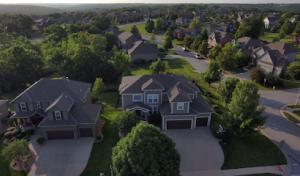
Watergate Roofing
(317) 207-9712 www.watergateroofing.com
3209 W Smith Valley Rd Ste 217-2, Greenwood, Indiana
5.0 from 68 reviews
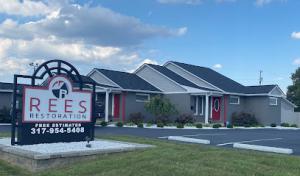
Rees Restoration
(463) 220-4080 www.reesrestorationindy.net
543 N State Rd 135, Greenwood, Indiana
4.7 from 575 reviews
Allegiant Exteriors
(463) 210-9030 allegiantexteriors.com
650 Commerce Pkwy E Dr, Greenwood, Indiana
5.0 from 2 reviews
In this area, a full reroof generally requires a permit rather than being treated as a no-paperwork maintenance item. That means before any roof work begins, you should confirm the path through the local Building Department to avoid delays or violations. The process is designed to keep storm-damaged roofs from slipping through the cracks, especially during Greenwood's active hail season when quick repairs can attract rushed decisions. The key is treating permit submission as part of the project timeline, not as an afterthought.
The local process typically runs through the Greenwood Building Department, which reviews project details before permit issuance. To start, you'll typically need a clear scope of work, including the roof size, the types of materials planned, and the anticipated start and end dates. If your insurer is involved, coordinate with them so their adjuster notes align with the permit plan. The department may request documentation such as photos of the existing roof, roof penetrations, and attic ventilation details. Submitting early helps prevent back-and-forth delays when the roofer is ready to begin.
Inspection sequencing here commonly includes a rough-in stage for underlayment or decking review and a final inspection after completion. The rough-in inspection focuses on safety-critical elements: deck exposure, underlayment installation, and proper alignment of drip edge and flashing. If the roof involves upgrade to more heavy-duty underlayment or ice and water shield in exposed eaves or valleys, be prepared for the inspector to verify continuous coverage and proper transitions around chimneys and vent pipes. The final inspection confirms that all work matches the approved plan, including material type, fastener patterns, and flashing details. If any changes occur during installation-such as switching to a different shingle line or altering venting-your permit may require an amended review before the final inspection.
Because Greenwood sees notable hail activity, scheduling reroof work around the warm season requires planning. Insured homeowners often begin with the claim documentation, then align the permit timeline with the roofer's production window and the inspection calendar. Keep in mind that permit issuance may add a short lead time before materials arrive and crews can start, so build in enough buffer for weather delays or slow permit processing during peak seasons. If a rough-in inspection passes, you'll gain confidence to lock in delivery dates and minimize rework. After the final pass, ensure all required paperwork-permit closure, inspection records, and any warranty documents-is filed with the Building Department for a clean end to the project.
Because central Indiana sees periodic hail and wind losses, you should expect insurers to scrutinize roof condition and storm-date evidence. A claim can hinge on showing when damage occurred relative to a storm event, and whether prior maintenance or a preexisting condition influenced the results. The more clearly you document the roof's state before and after a storm, the less you'll be left guessing what the adjuster will conclude.
Adjusters in this market may ask for photos, roof condition reports, and multiple bids before approving full replacement. They look for consistency between the reported date of a storm, the visible damage on the roof, and any interior signs of leakage. If the roof is already deteriorating from freeze-thaw cycles on a steep slope, the claim can become complicated, because a reader may question whether the damage is storm-related or due to aging. Documented timelines help prevent a dispute that drags on into the busy season.
Documentation is especially important in Greenwood when damage appears after spring storms but replacement is delayed into the busy summer scheduling period. Start with dated photos from multiple angles-gables, hips, valleys, and vent areas. Include close-ups of granule loss on shingles, curled edges, and signs of missing flashing. Obtain a simple, dated roof-condition report from a reputable roofing contractor, ideally one with local experience in Johnson County homes. Gather a handful of bid proposals that reflect comparable scope and materials, so the claim reviewer can compare apples to apples if a full replacement is pursued.
In a jurisdiction that experiences hail and wind surges, a delayed decision or late-start reroof can complicate coverage. If a storm hits and damage is suspected, begin assembling evidence promptly rather than waiting for a repair deadline to pass. Having a concise, organized file with storm dates, photos, a condition report, and bids reduces the risk of questions derailing the claim. This approach helps ensure the coverage you expect aligns with how the roof actually performed under the season's stresses.
Connect with contractors who help homeowners navigate the claims process from damage assessment to final approval.
Tip Top Roofing & Construction
(317) 224-7760 tiptoproofingconstruction.com
386 Meridian Parke Ln, Greenwood, Indiana
5.0 from 102 reviews
317 Roofing & Restorations
(317) 868-7663 www.317roofs.com
3209 W Smith Valley Rd Ste 221, Greenwood, Indiana
5.0 from 96 reviews
Jordan Scott Contracting
(317) 800-8869 www.jordanscottcontracting.com
374 S Madison Ave, Greenwood, Indiana
4.9 from 139 reviews
When hail-season storms roll through, roofs with exposed shingles, flashing, or roof penetrations in this neighborhood can worsen fast. A timely temporary dry-in guards against wind-driven rain and blown debris that can saturate attic spaces before a full reroof is scheduled. Keep tarps secure and flashing protected, and arrange urgent cover if any section of the roof shows loose material or exposed deck. The goal is to seal the roof's most vulnerable seams within hours, not days, to prevent rapid interior moisture migration.
Winter moisture turns minor flashing gaps into serious problems once temperatures swing. Freeze-thaw cycles can push water into deck joints and fascia, then leak into ceilings and walls even if a reroof date is pending. Regularly inspect attic insulation and venting for moisture buildup after a thaw or thaw-freeze pulse, and address any new damp spots promptly. A small leak that's left untreated now can become a costly interior fix later, so treat every drip as a red flag.
A meaningful share of installers advertise skylight repair capabilities here, making skylight leaks a practical, take-action concern. If a skylight shows condensation, staining, or active seepage after a storm, contact a contractor who specializes in skylight weatherproofing and flashing repair. Ensure flashing around the skylight is sealed and that the surrounding roof surface remains structurally sound; compromised flashing can channel water directly into the roof deck and interior spaces even when the rest of the roof is intact.
Prioritize a rapid dry-in assessment after any hail or high-wind event. Document suspected leaks with photos and notes, and coordinate with a trusted local contractor who can differentiate between temporary fixes and long-term roof system needs. In this market, addressing flashing, penetrations, and skylight details quickly can prevent cascading damage before a full reroof is scheduled.
When you can't wait, these contractors offer fast response times to stop leaks and prevent further damage.
Tip Top Roofing & Construction
(317) 224-7760 tiptoproofingconstruction.com
386 Meridian Parke Ln, Greenwood, Indiana
5.0 from 102 reviews
317 Roofing & Restorations
(317) 868-7663 www.317roofs.com
3209 W Smith Valley Rd Ste 221, Greenwood, Indiana
5.0 from 96 reviews
Green Line Roofing
(317) 258-8893 www.greenlineroofing.net
1149 Falkirk Ct, Greenwood, Indiana
4.9 from 39 reviews
Although this market is dominated by steep-slope residential reroofs, some homes, additions, porches, and garages still have low-slope sections that need different detailing. Those areas are more prone to moisture buildup and faster degradation if not treated with the correct materials and connections. In this climate, seasonal moisture and summer heat make underlayment and membrane performance more sensitive on low-slope areas than on standard shingle fields. Expect more frequent inspection of these zones after heavy rain or a heat spike.
Contractor specialization matters here because low-slope tie-ins often fail at transitions where the main house roof meets flatter sections. Look closely at valley intersections, deck-to-roof connections, and any area where a flat or gently pitched porch, sunroom, or garage roof meets a steeper main roof. Poor transitions can become leak paths during spring thaws or after hail damage. Pay attention to fastener patterns and edge detailing around the membrane layer, especially at wall penetrations and chimney flashings that butt into low-slope runs.
Start with an exterior walk-around after a storm to spot soft spots, staining, or small blisters near low-slope edges. If you have a flat porch or garage roof, test for standing water after rain events; standing water is a warning flag for membrane performance. When evaluating bids, insist on seeing how each contractor details the transition from steep to low slope, including edge metal, counterflashing, and membrane overlap. Confirm the plan for confirming seam integrity during the first major rainfall after work; a proactive leak test can catch issues before they become interior trouble. In all cases, prioritize crews with demonstrated experience handling low-slope transitions in similar housing stock.
Find specialists in TPO, EPDM, and built-up flat roofing systems for residential and commercial properties.

Residential Roofing Indianapolis
(463) 275-2194 www.residentialroofingindianapolis.com
Serving
4.9 from 44 reviews
In Greenwood, homeowners are hiring heavily for reroofing, storm response, and insurance help rather than niche luxury roof work. Quick response and cleanup are major local expectations, reflecting how often roofs here are replaced after weather events rather than only age-related wear. Look for crews with visible local presence, solid references from nearby neighborhoods, and a track record of finishing projects promptly with neat, reliable cleanup. A family-owned operation often signals durable relationships and easier post-project follow-up, which matters when claims need review or repairs come up later.
Ask for a straightforward timeline, a clear description of the work, and an open line of communication for post-inspection questions. Prioritize teams that provide guarantees on workmanship and offer dependable follow-up to address claim disputes or warranty questions. Check that the crew arrives with established crews rather than a one-man show that may shuffle crews mid-project. A visible local presence helps ensure someone is reachable for touch-ups or rechecks after the first rounds of inspections.
Expect a rapid mobilization after a major storm, with tarps or temporary protection if weather delays occur. The crew should document damage, provide a coherent plan, and keep driveways and landscaping protected during debris removal. Clear daily updates, accurate scheduling, and tidy, thorough cleanup at day's end are hallmarks of a responsible local team. If changes arise, a reputable crew discusses options openly and respects your timing and concerns.
Beware crews that pressure you into immediate signatures or offer dramatic "storm-only" guarantees without verifiable references. Question subcontractor use, ensure consistent on-site supervision, and avoid plans that skip a formal inspection phase. A trustworthy Greenwood crew will acknowledge potential issues and outline practical, staged steps with honest expectations, rather than overpromising rapid restoration.