
Last updated: Apr 19, 2026
Spring hail and strong thunderstorms are the primary roofing risk in this area, and damage often hides behind shingles, gutters, or vents. A quick from-the-ground inspection can miss cracked shingles, dented metal flashings, or bruising on the underlayment. If you've just endured a hail storm or a high-wind event, assume there could be trouble hiding up there-even if the roof looks fine from the curb. In neighborhoods with established homes and aging re-roofs, the impact can compound over days, weeks, or even after a few freezes, making timely review essential.
Indiana homeowners' insurance generally covers documented hail and wind roof damage, but insurers rely on thorough records to approve a claim. After a storm, you need a clear trail: date-stamped photos from multiple angles, close-ups of hail impact on shingles, gutters, and flashings, and a concise damage narrative. Collect invoices for any temporary repairs, and note dates of any sightings or concerns you had as weather moved through. An inspection report from a local roofer or a trusted contractor that pinpoints damaged areas and potential hidden damage can be the deciding factor when a claim lands on the adjuster's desk.
The claim process moves faster when you present organized evidence. Start with a claim filing that references the storm date and the suspected damage zones (ridge lines, valleys, and flashings). Share your photo record and the contractor's inspection findings promptly. If an adjuster disputes a claim or questions the severity, you'll want your documentation ready to support the case. In many Anderson projects, the emphasis on storm damage, emergency repair, and insurance-claims help means the initial contact with the insurer is a critical step-do not delay.
Storm-driven damage can lead to leaks and interior damage quickly, especially after a freeze cycle. If you notice exposed underlayment, missing shingles, or gaps around chimneys and vents, arrange temporary, header-supported cover or tarp placement to protect your home from further weather intrusion. Such measures are not financial luxury; they preserve your interior and strengthen your claim by showing proactive mitigation. Keep receipts and document the scope of any temporary work, including contractor notes on what remains unresolved.
Local contractors consistently signal a strong emphasis on storm damage, emergency repair, and insurance-claims help, indicating many Anderson roof projects begin after weather events rather than planned remodels. If a contractor recommends a rapid inspection after a storm or talks about the insurance liaison process, that is a cue to move quickly. Favor roofers who provide a comprehensive inspection, clearly mapped damage areas, documented timelines, and open communication about claim steps. The right partner helps you navigate the claim window and align repair timing with weather patterns and policy coverage.
Find local contractors experienced in assessing and restoring roofs after hail, wind, and severe weather events.
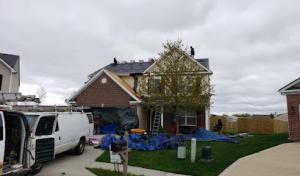
TDS Restoration
(765) 621-7403 tdsrestoration.com
3273 W 300 N, Anderson, Indiana
4.8 from 22 reviews
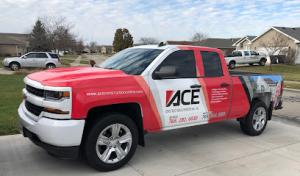
Ace Construction & Remodeling
(765) 644-6030 www.aceconstructiononline.com
1930 Indiana Ave, Anderson, Indiana
4.4 from 58 reviews
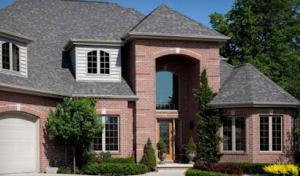
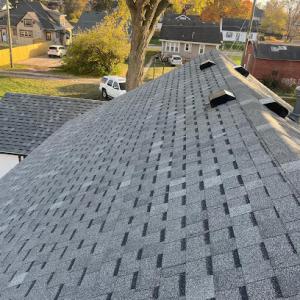
CNC Roofing Solutions
(765) 274-9897 cncroofingsolutionsin.com
Anderson, Indiana
5.0 from 24 reviews
Established in 2020 and proudly serving the Anderson, Huntsville, Pendleton, and neighboring areas, CNC Roofing Solutions is the go-to expert for Roofing Services and Gutter Cleaning. With a team of highly skilled professionals, CNC Roofing has earned a reputation for providing top-notch services, utilizing the latest technologies and premium materials to bring a level of expertise and craftsmanship that is unmatched. Visit their website or give them a call to discover how CNC Roofing Solutions can transform and protect your property.
TrueView Exteriors
(317) 207-9161 trueviewexteriors.com
Anderson, Indiana
5.0 from 15 reviews
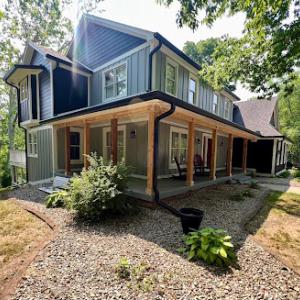
TrueView Exteriors provides roofing, gutters, siding replacement, window replacement, and exterior remodeling and design. We take an honest approach to pricing with unparalleled transparency and 3D rendering technology to providing customers with a TrueView of their investment.
TDS Restoration
(765) 621-7403 tdsrestoration.com
3273 W 300 N, Anderson, Indiana
4.8 from 22 reviews
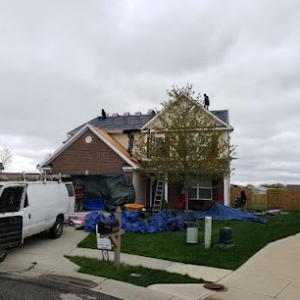
TDS Restoration offers a wide range of roofing, siding, and gutter services from minor repairs to full system replacements. Based in Central Indiana serving Noblesville, Fishers, Carmel Zionsville, Westfield and more, our qualified team members are experts dealing with storm damage including hail damage, wind damage, and the like. We will work for you with your insurance company to file claims, meet adjusters, and manage the entire claims process. We take pride in making sure our customers know that TDS Restoration is on their side.
Ace Construction & Remodeling
(765) 644-6030 www.aceconstructiononline.com
1930 Indiana Ave, Anderson, Indiana
4.4 from 58 reviews
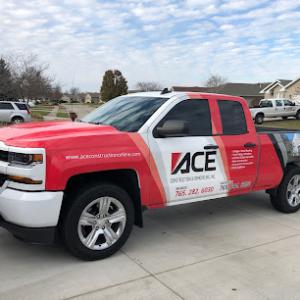
ACE Construction & Remodeling is a full service residential contractor located in Anderson, IN. Since 1996 ACE has been providing outstanding home renovation services, including roofing, siding and gutter installations, to residents of Madison, Delaware and Hamilton County in Indiana. Ace Construction & Remodeling is fully insured, bonded and licensed in Indiana. As a professional remodeling company we offer warranties on select services. Our work is not complete until our customers are fully satisfied and expectations have been exceeded.
Cardinal Exteriors
(765) 271-4341 cardinalexteriorsllc.com
Anderson, IN
3.6 from 14 reviews
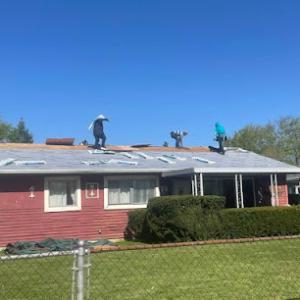
Cardinal Exteriors, a reputable roofing company, has become a go-to choice for homeowners in the Gaston, IN area seeking top-notch roofing solutions. With years of experience and a dedicated team of roofing experts, Cardinal Exteriors has built a solid reputation for delivering exceptional craftsmanship and outstanding customer service. Specializing in both residential and commercial roofing projects, they offer a comprehensive range of services, including roof installations, repairs, replacements, and inspections. Using high-quality materials and employing industry-leading techniques, Cardinal Exteriors ensures durable and aesthetically pleasing roofs that stand the test of time.
Kellers Roofing & Restoration
(317) 765-0185 www.kellersroofing.com
Anderson, Indiana
5.0 from 1 review
Kellers Roofing & Restoration - Anderson & Madison County Kellers Roofing & Restoration is your trusted local expert for roofing, gutter, siding, and painting services in Anderson and Madison County. We specialize in roof repairs, leaky roofs, roof replacements, gutter installation, gutter repair, fascia repair, siding upgrades, and exterior painting, ensuring your home is both beautiful and protected. With decades of experience, we’ve earned a strong reputation for delivering high-quality workmanship and exceptional customer service. Whether you need a new roof, repair for a leaky roof, improved curb appeal with fresh siding, or a professional paint job, we are committed to exceeding your expectations. Contact us today for a free estimate
RDM Contracting
(765) 278-7495 www.rdmroof.com
Serving
5.0 from 50 reviews
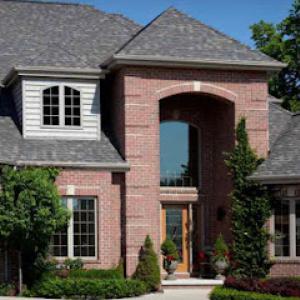
A family-owned and operated roofing business serving Anderson, Muncie, Pendleton, Fishers, Indianapolis and all surrounding areas. We provide roofing solutions with a detailed and personalized approach to each roofing project.
Wilstone Roofing Systems
(765) 779-7663 www.wilstoneroofing.com
Serving
5.0 from 76 reviews
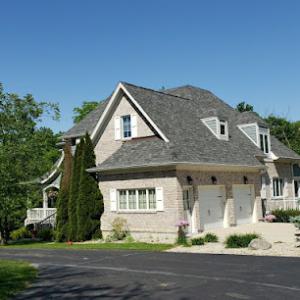
Wilstone Roofing Systems, llc provides comprehensive roofing services throughout Muncie, IN, and Madison County. Established in 2019, this family-owned business serves East Central Indiana, emphasizing quality materials and craftsmanship without cutting corners. Customers can expect clear communication, transparent estimates, and fair upfront pricing. Wilstone Roofing stands out for its environmentally friendly shingles by GAF and Malarkey and offers free roofing and attic inspections, financing options, and assistance with insurance claims. With over 20 years of experience, Wilstone Roofing prides itself on offering honest service reminiscent of an old-school business approach, connecting with customers as real people.
Frontline Services
(844) 766-3748 frontlinegc.com
Serving
5.0 from 20 reviews
At Frontline Services, we're dedicated to providing the greater Indianapolis area with top-notch roofing solutions at an affordable price. Our expert team of certified contractors is available 24/7 to tackle any roofing emergency and offer insurance claim assistance. With offices located in Pendleton, Indiana, our team is ready to serve your home or business with 5 star service.
WeatherTight Exteriors
(317) 993-3056 weathertightext.com
Serving
4.6 from 27 reviews
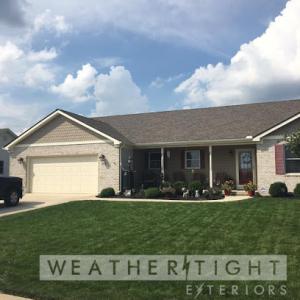
WeatherTight Exteriors is a full service exterior contractor performing residential and commercial repairs and full replacements. We repair and maintain the home's first line of defense - the roof, siding and gutters. We specialize in storm damage insurance restoration after a hail or wind event. We offer free inspections and estimates for projects of any size. Ask us about our flexible financing options available.
Clemens Home Solutions
(765) 999-4135 clemenshomesolutions.com
Serving
4.9 from 1456 reviews
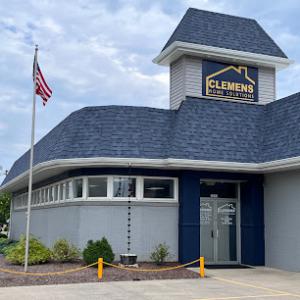
Since 1998, Clemens Home Solutions has helped Indiana homeowners protect and improve their homes with dependable, custom exterior solutions. As a family-owned company, we focus on solving your home’s challenges with honesty, expertise, and the highest-quality materials. Whether you need a new roofing system, seamless gutters, LeafX gutter guards, premium replacement windows, or energy-efficient exterior doors, our professionals deliver long-lasting performance and unmatched value. Discover how easy exterior remodeling can be with a trusted partner who puts people first & excellence always.
ML Construction
(317) 314-0857 www.mlconstruction.us
Serving
5.0 from 9 reviews
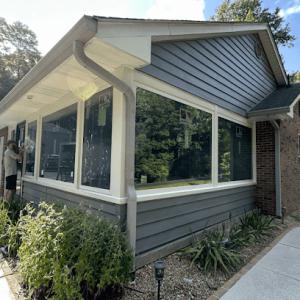
Dealing with roofing issues can be stressful and inconvenient. That’s where ML Construction, LLC steps in. Based in Pendleton, IN, we understand the challenges homeowners face. Our multigenerational, local, and reliable team offers a wide range of services including siding, roofing, gutters, windows, and doors, all with competitive pricing and no sales pressure. We’re committed to exceeding your expectations with comprehensive solutions.
Anderson's humid continental climate brings cold winters and warm summers, which directly affects installation timing and shingle performance. In practical terms, heat and cold cycles stress flashing and underlayment differently across the year. When a roof is replaced, workers rely on steady temperatures to seal joints and set fasteners without the risk of shingles shrinking or expanding too quickly. The shift from summer heat to early autumn also helps installation crews avoid the worst of winter conditions while ensuring a solid, long-lasting seal.
Late spring through early fall is the preferred local replacement window because winter freeze-thaw conditions can stress shingles, flashing, and underlayment. In the Anderson area, that means planning around three to four solid months with predictable weather. Aim for a stretch when morning dew dries quickly, rain interruptions are infrequent, and daytime highs stay comfortably above freezing. This helps crews lay down underlayment smoothly, set shingles cleanly, and complete sealant work before any sharp cold snaps arrive.
Fall winds and heavy rains in Anderson can accelerate failure on aging roofs and gutters, so homeowners often need inspections before winter sets in. A proactive check can catch loose shingles, deteriorated flashing, and clogged gutters that would complicate a replacement once temperatures drop. If an inspection spots issues, schedule repairs or a retrofit before the first sustained cold spell. Doing so minimizes the risk of wind-driven damage during the replacement itself and reduces the chance of new vulnerabilities forming as temperatures fall.
When planning, coordinate with the crew to secure a window of dry weather, ideally a series of days with moderate humidity and no heavy rain forecast. Since the goal is a tidy, wind-resistant finish, avoid high-wind forecast days during the critical step of nailing and sealing. If a late-summer storm rolls through, allow a buffer day or two to let temperatures stabilize and any moisture evaporate before resealing. In practice, this means weather-checking a week ahead and choosing a block with consecutive dry days to complete the project in a single visit, reducing the chance of lap-joins or reseal issues.
Older homes in established neighborhoods often show signs of wind-driven wear around eaves and penetrations. In the right season, a replacement can address these weak points comprehensively-upgrading flashing, confirming underlayment integrity, and aligning shingle overlap for effective water shedding. Because climate stressors shift with the calendar, aligning replacement work with the late spring through early fall window consistently yields better long-term performance and fewer call-backs during the next storm season.
Typical Anderson pricing runs about $350 to $750 per square for asphalt shingles, $600 to $1000 per square for metal, $900 to $1700 per square for clay tile, $800 to $1500 per square for concrete tile, $700 to $1100 per square for wood shingles or shakes, and $450 to $800 per square for synthetic or composite shingles. In practical terms, that means a standard 1,000-square-foot roof (roughly 10 squares) could run roughly $3,500 to $7,500 on asphalt, or closer to $6,000 to $10,000 for metal, depending on pitch and existing roof condition. For heavier, longer-lived materials like clay or concrete tiles, the bill can push well past $9,000 to $17,000 for the same 1,000-square-foot area, so budget decisions matter early. In this market, a lot hinges on how much life the roof has left and what your insurer will consider post-storm damage.
Storm-driven demand spikes can affect scheduling and pricing in Anderson because hail and wind events create bursts of re-roofing and repair work across the local market. If a severe hailstorm hits nearby neighborhoods, you'll likely see a tight window for inspections and start work, with some crews booking days or weeks out during peak aftermath. That can translate to higher mobilization costs or short-notice scheduling tweaks, especially for higher-demand materials like metal and concrete tile. If you're weighing replacement timing after storm damage, expect pricing to shift not just from material choice but from contractor availability and expedited inspection needs, which can compress or extend your project timeline.
Material choice matters locally because freeze-thaw stress, spring hail exposure, and fall wind-driven rain can change the long-term value of lower-cost versus impact-resistant or longer-life systems. Asphalt shingles sit at the lower end of upfront cost, but repeated freeze-thaw cycles and spring hail can shorten their life in this climate, nudging you toward mid-range options if you expect frequent winter events. Metal roofs hold up well under hail and wind, with a higher initial price but potential savings on long-term maintenance and replacement cycles. Tile systems (clay or concrete) deliver exceptional longevity and impact resistance but require a solid roof deck and careful installation to avoid weight-related issues, particularly on older homes. Synthetic or composite shingles offer a balance between cost and durability, often mitigating some risk of early adhesive or granule loss after storms. Consider not only sticker price but expected service life, insurance impact, and how a given system performs under a typical Anderson storm pattern.
Don't let upfront costs delay a critical repair - these contractors offer payment plans to fit your budget.
TDS Restoration
(765) 621-7403 tdsrestoration.com
3273 W 300 N, Anderson, Indiana
4.8 from 22 reviews
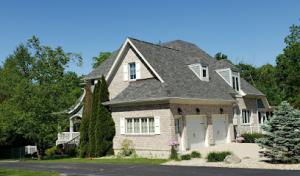
A full roof replacement in this area generally requires a building permit through the City of Anderson Building Department. The permit process is designed to verify that the project meets local code requirements and safety standards, from temporary protection during installation to final acceptance. Before any shingling begins, the permit applicant should have a clear project scope, including roof type, underlayment, ventilation plan, and any structural work. Submitting accurate drawings or site sketches helps the department assess potential concerns for the existing tying of eaves, soffits, and gutter connections. Because code interpretations can shift with updates, it is prudent to verify the latest requirements online and at the counter, particularly if the home sits on a corner lot or in a district with historic-repair guidelines.
Post-installation inspections are used locally to verify code compliance, and scheduling can vary depending on department workload. Typical inspections focus on venting adequacy, proper flashing at chimneys and valleys, attic access and hatch safety, and the overall installation quality of underlayment and shingles or metal panels. In established neighborhoods where homes often feature older roofing decks, inspectors may pay closer attention to roof deck condition, attic insulation, and ventilation balance to ensure long-term performance. Expect at least one interior check if attic access doors or hatches were altered or added as part of the project. Having a clean, accessible job site with clearly labeled ventilation pathways helps the inspector move efficiently through the process.
Some neighborhoods may trigger added attention to flashing, venting, and attic access during the permit and inspection process. Cooperating with the inspector by providing a simple diagram of the roof's venting plan and flashing details can prevent delays. If the home has had prior repairs or patchwork, be prepared for additional scrutiny of the deck and nailing pattern, since a durable attachment is critical in the region's storm-and-freeze cycles. Weather conditions during the inspection window also matter; if rain or cold snaps occur, coordinating a flexible inspection date can keep the project on track without compromising safety.
Scheduling commonly depends on department workload, so plan for potential wait times between permit approval and the first inspection. A practical approach is to secure the permit before work begins, arrange a pre-installation walkthrough with the contractor to confirm compliance with local requirements, and keep a written record of permit numbers, inspector names, and appointment times. On the day of inspection, ensure all access points to the attic and roof are clear, and that any temporary protection installed during the project is in place until final approval is issued. This readiness helps movements through the process with minimal disruption to household routines.
A Midwestern storm-and-freeze cycle tests roofs across hail, wind, and harsh winters. Asphalt shingles remain the dominant material in the local stock, thanks to quick repairs and broad availability. However, aging flashing or worn underlayment can amplify damage during freeze-thaw cycles, making early detection and targeted upgrades important. When a roof's age coincides with repeated freeze events, small leaks can become recurring issues in living spaces. A practical approach follows the rhythm of seasons: inspect after heavy storms, then again after the coldest stretch. Keeping flashing, drip edges, and venting well-maintained helps resist ice damming and water intrusion.
Asphalt shingles are familiar on most homes, and their versatility serves a wide range of house styles. In this market, hail exposure and wind-driven rain can curl edges or lift tabs, especially on roofs with aging decking. Upgrading to architectural or laminated options can improve durability and wind resistance while staying compatible with existing flashing. Proper attic ventilation reduces heat buildup that accelerates distress. If aging underlayment becomes soft, a full roof replacement may be smarter than patching. For retrofits, consider upgrading ridge and edge protection to better shed storm-driven rain and stray hail.
Metal roofing is present but less prevalent, making specialist installation more relevant for upgrades. For homes facing frequent freeze-thaw cycles, metal offers solid hail resistance and longer service life when installed with proper sealants and flashing details. Hire a contractor who understands deck-to-substructure compatibility, fastener choices, and appropriate underlayment. In neighborhoods with tall shade trees, snow slides can be a factor, so panel profiles and overhangs should be chosen to minimize roof-edge issues. Metal can be a compelling upgrade, but ensure the payoff comes with correct venting and careful detailing around chimneys, skylights, and vent pipes.
Clay and concrete tiles appear in the mix but add weight and exposure considerations. Heavier systems require structural checks and weather detailing to resist cracking in freeze cycles. Wood shakes offer distinct curb appeal but demand regular maintenance to prevent moisture intrusion in windy springs. Synthetic shingles provide lighter options with good hail resistance, though aging patterns vary with sun exposure. Across these choices, drainage paths and flashing at transitions demand close attention. The most durable option aligns roof slope and exposure with typical winter moisture stress, balancing performance and long-term maintenance.
In this market, the focus is on re-roofing existing homes with crews that understand the nuances of aging decking, hail impacts, and wind damage. Look for firms with a track record of working on homes like yours, not just flashy new-construction projects. A family-owned or long-established company often means steady crews, reliable follow-through, and a naming history that you can verify with neighbors and your insurance adjuster. You want a team that treats the job as a repair and restoration effort, not a one-off replacement.
Quick response after a storm is a top priority here. When leaks or hail damage appear, you need a contractor who will schedule an inspection promptly, communicate findings clearly, and outline the repair or replacement steps in plain terms. After the work is finished, a thorough cleanup and a detailed warranty explanation matter just as much as the installation itself. Seek references from recent storm repairs and contact those homeowners about timeliness, cleanliness, and whether the crew returned to address any snags.
Begin with a written, itemized proposal that lists scope, materials, and a realistic timeline. Ask about the crew's supervision on the jobsite, required safety measures, and how debris will be managed daily. Confirm that the contractor will coordinate with your insurer on claim-related specifics, and request evidence of proper licensing and insurance coverage. Observe how the company handles storm-repair volume: a firm accustomed to rapid scheduling without rushing quality tends to perform best when weather windows tighten.
Because established neighborhoods show more re-roofs, prefer contractors who can demonstrate ongoing relationships with suppliers and local subs. A locally trusted team is more likely to stand by their work after installation, provide follow-up inspections if needed, and offer guidance if another storm heads your way. In the end, you want a partner who treats your home with the same care you would-swift, straightforward, and dependable.
Indiana carriers generally expect Anderson homeowners to support hail and wind claims with date-stamped photos, contractor findings, invoices, and when needed engineering-based estimates. Collect photos taken before and after any emergency repairs, clearly showing the damaged roof, gutters, vents, and any skylights. Have a local contractor document the condition with a written note that ties specific damage to hail or wind events, including the date of the storm if known. Invoices should itemize materials and labor, and engineering-based estimates can help translate visible damage into repair or replacement scope. Keep a backup set of digital files organized by event and ensure metadata includes the date and location.
Some insurers in Indiana have tightened underwriting on older roofs or certain materials, which can affect replacement decisions for homeowners even though there is no universal statewide pullback. Be prepared to establish the roof's age, original material, and any prior repairs or retrofits. Document lines of damage that clearly resulted from a single storm versus wear from years of exposure. If your roof is nearing or past typical service life, secure independent assessments from a trusted local roofer to help distinguish storm-driven need from long-term wear. This groundwork can influence how the insurer views the claim's scope and the rationale for replacement versus repair.
Because Anderson has a storm-repair-oriented contractor market, homeowners should separate emergency mitigation records from full replacement proposals when organizing claim files. Create a clear divider between tarp-and-temporary-fix activity and long-term replacement plans. Emergency mitigation should include photos of temporary protections, receipts for materials, and notes on immediate safety concerns. Full replacement proposals should present independent scope and cost analyses, with a clear link back to the documented storm damage. Maintain a chronological file so adjusters can follow the sequence from incident to mitigation to proposed remedy.
As storms move through Indiana, set up a rolling folder on a computer or cloud drive labeled by date and storm event. After every hail or wind event, snap fresh photos from multiple angles, request a technician's short damage summary, and gather any invoices promptly. If an insurer requests engineering-based estimates, have a local engineer or qualified contractor provide a neutral assessment that aligns with the observed damage. Keeping these records organized and distinct supports a smoother claim review and clearer replacement justification.