
Last updated: Apr 19, 2026
Spring in this city brings the most roof-related urgency. After severe storms and hail events, the roof needs eyes-on attention fast. Winter's freeze-thaw cycles already left microcracks in many shingles, and those stress points can bloom into leaks or accelerated wear once spring storms roll in. In practical terms, that means you should plan for a rapid response window: a qualified roofer should be on your roof within days of a significant hail event, not weeks. The goal is to document the roof's condition while the impressions are still fresh and the damage is clearly tied to one event, not a slow drift of wear.
After any hail or high-wind storm, walk the ground around your home for dented gutters, torn shingles edges, or granule staining in the lawn. If you notice lifted shingles, cracked edges, or granules accumulating in gutters, treat it as a red flag worth professional evaluation within 48 to 72 hours if possible. Do not rely on a casual peek from the ground; a roof inspection from a licensed contractor is essential to determine whether you're facing minor damages or a full-area problem. Document the roof with photos from multiple angles, and request a written assessment that ties observable damage to the storm event.
The combination of cold winters and warm, storm-prone summers means roofs often enter hail season already stressed from freeze-thaw movement. Look for hairline cracks in shingles, bruising on asphalt tabs, or metal flashing that shows rounded dents rather than sharp hits. On tile roofs, check for broken or loose tiles that may have shifted during a hail event, creating hidden leaks. In homes with wood shingles or shakes, split fibers or cupping can appear after spring moisture followed by hot sun, but hail can accelerate this kind of splitting and rot if the surface is compromised. Acting quickly to identify these patterns helps prevent interior surprises during the wet season.
Insurers generally cover wind and hail losses, but the value of a claim hinges on solid documentation and timely action. Have clear records of when the damage occurred, who inspected it, and what the findings were. A detailed inspection report, dated photos, and a written scope of damage make it easier to resolve deductible questions and scope disputes when the claim is filed. If you're facing multiple contractors or estimates, maintain a single, coherent file that shows the progression from initial discovery to repair or replacement decisions.
Because the climate shifts quickly-from lingering winter freeze-thaw stress to spring storms and a hot, storm-prone summer-weight decisions on repairs and replacements toward the near term after a significant event. Waiting through several storms can complicate the damage narrative and extend the risk of leaks or structural exposure. If replacement becomes necessary, choose a roofing system that can tolerate both seasonal freeze cycles and hail impact, and coordinate timing to minimize exposure windows between removal and installation, especially during the shoulder seasons when weather can swing rapidly.
Keep gutters clear to prevent backflow and water pooling at rafter tails, which compounds damage after a hail event. Schedule periodic inspections every spring and fall, focusing on sealant integrity around chimneys, vent stacks, and skylights. Address minor damage promptly to prevent escalation into more costly issues after the next round of storms. By staying proactive, you reduce the chance that a future hail event compounds an earlier, unresolved issue.
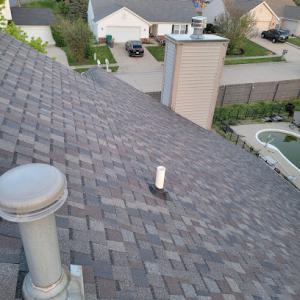
Haney Marlin Construction
Frankfort, IN
5.0 from 22 reviews
Haney Marlin Construction, LLC is a roofing company that services the Lafayette,IN, West Lafayette, IN, Tippecanoe County and all of the surrounding cities and counties between Rensselaer, IN and Jasper County, down to Indianapolis, IN and Marion County. Our full-service approach to roofing installation, roof repair, and much more, will ensure that you don't need to rely on any other contractors to your roofing and gutter requirements. Choose from flat roofs, metal roofs, shingle roofs and so much more when deciding to replace, repair, or upgrade your roof. We work with multiple materials when repairing or replacing roofs to homes and businesses. Give us a call today and we'll come out to inspect your roof to give you the best estimate!

Tornado Roofing Siding & Gutters
(765) 670-6440 tornadoroof.com
309 N Columbia St, Frankfort, Indiana
4.8 from 84 reviews
Based in Frankfort, IN, Tornado Roofing Siding & Gutters is your premier choice for roofing solutions. Serving Lafayette, Lebanon, Westfield, Sheridan, Carmel, and beyond, we specialize in both residential and commercial roofing and repair services. Trust our expert team to handle all your roofing needs with precision and care. Get in touch with Tornado Roofing for top-quality roofing services today!

Hinshaw Roofing & Sheet Metal
(765) 659-3311 www.hinshawroofing.com
2452 IN-39, Frankfort, Indiana
4.5 from 19 reviews
If you had a bird’s eye view of Indiana, you’d see that Hinshaw Roofing has installed some of our state’s most technologically advanced commercial roofing systems. Hinshaw Roofing’s highly skilled union crews are experienced with all types of systems that cover almost every type of roofing material and design on the market. Built-ups, modifieds, single ply, metal, shingles, slate, and tile.

Summit Roofing
(765) 766-2319 summitroofingoflafayette.com
Serving
5.0 from 27 reviews
Summit Roofing provides premium roofing and siding services to local area residences and businesses. Our installers have years of experience in working with and installing shingle, metal, EPDM, TPO and rolled roofing. As well, we offer quality vinyl, metal, and composite siding options to fit your needs. Give Summit Roofing, LLC a call at 765-766-2319.
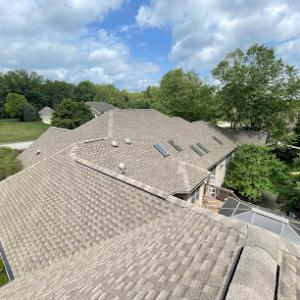
PR Company
(765) 427-9334 prcompanyllc.com
Serving
5.0 from 56 reviews
PR Company specializes in residential exteriors. Contact our team for all roofing, siding, gutter, window, and door needs.
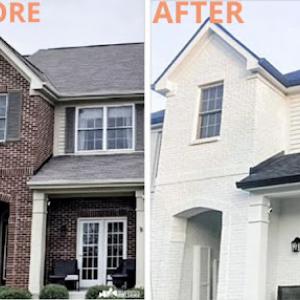
BK Home Improvement
(317) 318-8049 www.bkhomeimprovement.com
Serving
4.9 from 99 reviews
Roofing, siding, gutters, windows, painting, flooring, room additions, bathroom, kitchen and home remodels. We do it all! Attention to quality, dependable service with integrity. Ready to take care of those home improvements this season, we can help. Come experience the BK Way. If your in Crawfordsville, Lebanon, Lafayette, Brownsburg, Westfield, or anywhere else in Central Indiana then give us a call today!!
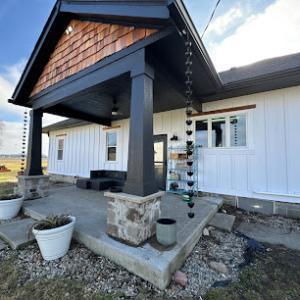
Grace 4 U
(317) 331-1781 www.grace4uinc.com
Serving
4.8 from 54 reviews
We are a contracting company that has been working in the state of Indiana for over 20 years. We work with residential house's and commercial buildings. We specialize in painting and roofing. We are a family and veteran owned and run business.
Caldwell Investment Group
(317) 508-4758 caldwellinvestmentgroupin.com
Serving
5.0 from 12 reviews
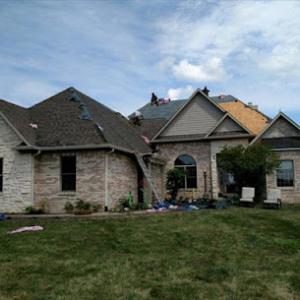
Caldwell Investment Group, Inc. is a trusted home improvement company with over 15 years of experience, proudly serving Boone, Hamilton, and Marion counties in Indiana. As a one-stop shop for roofing, siding, windows, and more, we are committed to delivering high-quality craftsmanship and exceptional service. Our team of professional roofing specialists takes pride in providing durable, reliable solutions tailored to your home’s needs. Whether you're looking to enhance curb appeal, improve energy efficiency, or protect your home from the elements, Caldwell Investment Group, Inc. is here to help.
Bone Dry Roofing
(765) 523-8685 www.bonedry.com
Serving
4.9 from 909 reviews
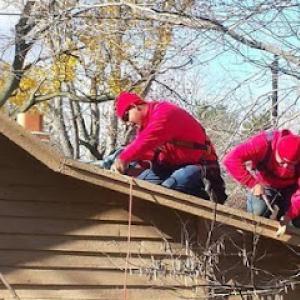
For over 35 years, Bone Dry Roofing has been a trusted choice for homeowners across the greater Lafayette area. Family owned and locally operated, we’re proud to provide expert roof repairs and replacements backed by our 25-Year Craftsmanship Warranty. But our reputation is built on more than great roofs—it’s built on great service. From start to finish, we focus on clear communication, attention to detail, and dependable follow-through. That’s The Bone Dry Roofing Experience. Trusted by thousands in Lafayette, we’re here to protect your home and your peace of mind. Contact us today for your free estimate.
Wilkinson Roofing
(765) 771-9455 www.wilkinsonroofs.com
Serving
4.9 from 352 reviews
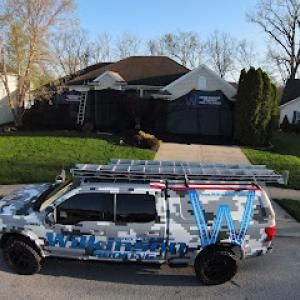
Since 1996, Wilkinson Roofing has been providing the highest quality roofing jobs to the entire Lafayette, IN region. Whether your home has been damaged after a storm, or age has begun to take its toll on your roof, our professional contractors are here to help. Throughout our years of service to the Lafayette, IN community we’ve built a trustworthy and reliable reputation we’re proud of.
Loy-Quinn Roofing
(765) 474-4543 loyquinnroofs.com
Serving
4.9 from 52 reviews
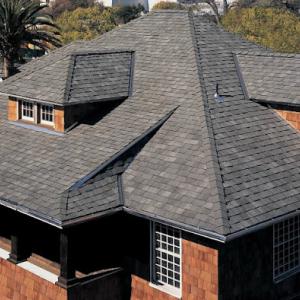
Loy-Quinn Roofing has provided the Lafayette, IN region with quality roofing and exteriors since 1910. The professionals at Loy-Quinn Roofing will provide you with comprehensive solutions to keep your home and business safe and dry! Whether you need a roof replacement, siding, windows, gutters & downspouts or custom masonry, Loy-Quinn Roofing is where you know your investments will be protected. *CertainTeed Select ShingleMaster *GAF Certified Contractor

Eagle Roofing Lebanon
(765) 790-5458 myeaglerestoration.com
Serving
5.0 from 9 reviews
Eagle Roofing in Lebanon is a locally owned Storm Restoration General Contractor specializing in Roofing, Siding, Seamless Gutters, and Painting. Licensed, Bonded, and Insured, we are your go to contractor when storms ravage your home. Specializing in Hail and/or Wind Damage, we know how to navigate the insurance claims process and take that headache away from our customers. We don't just handle insurance claims, though, we can handle retail projects as well. Check out our Services Section to see what we specialize in. Our main concern is to give you the best possible customer service experience while delivering quality work as quickly as possible and making sure you are treated well. Eagle Restoration - We'll restore your nest. Call today
Frankfort sits in inland central Indiana, so roofing decisions are driven by continental temperature swings rather than salt air, hurricanes, or desert heat. That pattern pushes each material type to age in its own way: asphalt shingles may show granule loss and alignment shifts as freeze-thaw cycles hammer the surface; metal roofs can develop small fastener or panel seam concerns after year-to-year expansion and contraction; tile and wood shingles respond to sun exposure and moisture differently, with tile resisting impact better in some winters and wood potentially showing checking or warping if proper ventilation isn't maintained. The local mix is broad-apartment complexes and single-family homes alike feature asphalt shingles, metal, tile, wood, and synthetic/composite shingles-so neighbors often weigh impact resistance alongside winter performance rather than coastal corrosion issues.
Winter temperatures in this region create a decisive pattern for roof aging. Freeze-thaw cycles drive micro-cracking in asphalt, creep under edges, and can loosen fasteners on lighter metal or synthetic systems. Snow loads, followed by rapid melt, stress sealants and flashings, especially around chimneys, skylights, and vents. Spring storms add additional moisture infiltration risks if shingles have aged enough to reveal nicks or small granule losses. In older homes with mixed roofing materials, those seasonal transitions can reveal compatibility problems where one roof section meets another-such as a metal seam above a wood-shingle valley-creating spots that age differently under the same winter-spring cycle. The key is recognizing that aging is not uniform; it accelerates where water sits or where temperature swings are most abrupt.
Replacement scheduling in Frankfort is strongly seasonal because snow, spring storms, summer heat, and autumn wind-driven rain each create different installation and repair constraints. Winters can compress work windows and complicate roof deck inspection, while summer heat emphasizes safety planning for material handling and varnish or sealant curing. Spring and fall occupy the narrow comfortable windows where crews can work with consistent temperatures and reliable daylight, reducing the risk of weather-induced delays. For aging roofs, that means prioritizing minor repairs after harsh winters or spring storms to avoid bigger issues when the next season arrives. A careful assessment after winter closures is common practice, with attention to flashing integrity, ice dam potential, and any age-related degradation visible at the eaves and valleys.
Look for signs that aging is uneven across materials, such as granule loss in asphalt near gutters, curling edges on shingles, or corrosion at fasteners on metal sections. Inspect after the coldest stretch of winter and after the first major spring storm. If you notice loose flashing or moisture staining along ridges or eaves, address it promptly before the next seasonal wave. For homes with mixed roofs, plan proactive maintenance that treats each material on its own schedule, ensuring valleys and transitions between materials receive targeted attention. In areas with heavy spring moisture, keep an eye on attic ventilation as poor airflow accelerates aging by allowing heat and humidity to linger above the deck. A thoughtful approach, aligned with the season and material type, helps a roof finish stronger through Indiana's distinctive climate.
Most Frankfort and Clinton County properties require a building permit for a full roof replacement. This is not merely a formality; it is the framework that ensures the project meets local codes, especially after harsh winter cycles, spring hail, and summer storms. The Clinton County Building Department is the relevant permitting authority for these projects, with rules and checklists you will follow rather than a flat, nationwide template. Expect that a reroof isn't approved on impulse and that paperwork trails behind the start date by design.
Before any shingle starts flying, you need to identify the correct contact for the permit. The Building Department welcomes you to begin with a clear description of the work: full roof replacement, existing roof type, and any known underlying concerns such as deck or sheathing issues. In practice, plan review may occur, especially for homeowners proposing replacement with unusual materials or significant structural changes. The review process tends to be thorough, reflecting Clinton County's interest in long-term performance through freeze-thaw cycles and variable storm conditions.
An application package typically includes a permit form, property information, and project details. You will likely need to provide a sketch or notes on roof dimensions, venting, and attic access. If there are existing structural concerns, a professional assessment may be requested. The county's process is designed to verify that required fire separation, ventilation, and decking integrity will be maintained after the new roof is installed. Expect a short lag between submission and acknowledgement, and use that window to gather any missing documents.
Plan review, when required, serves as a checkpoint rather than a homework assignment. It ensures the proposed roofing system aligns with local wind, snow, and seismic considerations, and that drainage and flashing meet county standards. If plan review is triggered, respond promptly to any notes or requested revisions. Delays often come from missing calculations, incorrect vent layouts, or incomplete decking details-address these quickly to keep the project moving.
Homeowners should expect inspections at key milestones and a final inspection upon completion. Inspections typically verify installation workmanship, roof sheathing condition, flashing, venting, and the adherence to permit plans. Do not assume reroofing can proceed without county oversight; the inspector may require changes or corrections on the spot. Scheduling windows are common, so coordinate with the contractor to align material delivery and access needs.
The final inspection confirms the project meets code requirements and that the completed roof functions as intended under local climate conditions. Once the county signs off, you receive the approved status, and the project is officially closed. Keeping documentation organized-permitting receipts, inspection reports, and any change orders-will smooth future property transactions and potential warranty questions.
Keep communication open with the Building Department and your contractor. If any weather-related delays occur, inform the inspector's office to reschedule promptly. Have a clearly labeled packet of project documents ready for inspections. Understand that county oversight exists to protect the home's resilience against freeze-thaw cycles and severe spring hail, not as a hurdle.
Frankfort winters bring occasional snow and repeated freeze-thaw cycling, a combination that can stress shingle seals, flashing transitions, and roof penetrations. When temperatures swing above and below freezing, water that wicks into small gaps refreezes, pushing against seams and fasteners. That pressure can loosen shingles at the edges, loosen vent boot seals, or lift the flashing where roofing meets a wall or chimney. The result is not always a dramatic failure, but it creates hidden targets for leaks once spring storms arrive.
Ice damming is a named local seasonal risk, making attic heat loss and eave-area performance especially important for homes with conventional sloped roofs. When heat from the attic escapes to the roof, snow near the eaves melts and refreezes at the colder edge, forming an ice barrier that backs up water behind it. That backed-up melt can overflow under shingles, running down rafters and into soffits or ceilings. Signs include bulging or stained ceiling spots near exterior walls, or a stiff, icelike edge along the gutter line after a melt.
Roofs that survive winter without obvious leaks may still show spring damage where frozen moisture widened small defects before storm season begins. Tiny cracks around dormers, shingles with micro-lifted tabs, or loose step-flashing at chimney transitions can wait for a mid-April rain to remind you they exist. If spring rain coincides with lingering snowmelt, even minor defects become active leaks. A proactive inspection after the last hard freeze and before the bulk of storm season helps catch these issues early.
Focus on insulation and attic ventilation to limit heat loss that drives ice dam risk. Check that attic insulation extends to the eaves and that soffit vents remain clear. Seal penetrations where pipes or wires pass through to reduce warm air leaking into the attic space. For a roof that shows no leaks but has ice along the eave edge, consider a targeted inspection of the drip edge, vent flashings, and along any skylight or chimney transitions to preempt spring damage.
Asphalt remains the baseline option for most homes, especially on typical Frankfort neighborhoods with steep-slope roofs. In this climate, summer UV and heat can accelerate aging on lower-grade products, while hail and winter movement can shorten service life on those same lower tiers. If you're pairing asphalt with upgrades, choose architectural or laminated shingles for better impact resistance and longer run life. Proper underlayment and a solid attic ventilation plan help counteract heat buildup and ice dam risks during freeze-thaw cycles. When you inspect a roof with asphalt, keep an eye on capped granules and any cupping or curling along edges after a harsh winter or heavy spring hail event.
Metal stands out for snow shedding and storm exposure, which matters when a January wind carries more weight than a typical year. In this area, metal can reduce the amount of wind-driven moisture that sits on the roof surface, but installation quality around fasteners and flashings is critical in a freeze-thaw climate. If you're considering metal, confirm a continuous and well-sealed snap or seam system, and ensure fasteners are corrosion-resistant and properly sealed. Pay attention to roof-over details near eaves and along dormers; improper flashing there can create ice dam issues even with a metal panel. A well-executed metal roof can perform reliably through central Indiana storms when matched to the house structure and local wind loads.
Clay tile and concrete tile bring distinctive aesthetics and long lifespans, but their weight requires structural verification before installation in this region. In Frankfort's climate, impact exposure from hail and the freeze-thaw cycle tests both the tile and the fastener system, so ensure your roof deck and trusses are rated for tile loads and that fasteners are appropriate for the substrate. Wood shakes offer natural insulation and curb appeal, yet they demand vigilant maintenance to prevent degradation from moisture and insects, especially where hail impact can nick or crack surface fibers. Synthetic/composite shingles provide variety and often good impact resistance, but performance depends on the specific blend and warranty coverage; assess how well they tolerate central-Indiana storm cycles and UV exposure over time. For any of these options, plan for an inspection after severe hail events to catch minor damage before it propagates.
Typical local pricing by material is about $350-$650 per square for asphalt shingles, $700-$1100 for metal, $1000-$1800 for clay tile, $800-$1200 for concrete tile, $600-$1000 for wood shingles or shakes, and $500-$800 for synthetic/composite shingles. In this market, the type you choose drives most of the sticker shock, with asphalt remaining the most common entry point for mid-century homes and metal offering better long-term durability in our freeze-thaw cycles.
In Frankfort, costs can rise after regional storm events when contractor demand spikes across central Indiana and scheduling tightens for both inspections and crews. When sheets of hail come through and wind damages pile up, crews can be booked out weeks at a time, and supply constraints push material prices higher. If you're weighing a replacement after a hail season, expect not just the material price but the crew availability to influence the bottom line.
Project totals also move with roof complexity common to older Midwestern housing stock, tear-off layers, decking repairs discovered after winter moisture exposure, and general wear. If you uncover damaged decking or multiple tear-offs, your cost can climb beyond the base per-square rate, even for the same material. This is especially true for homes with steeper pitches or irregular layouts that demand more labor per square.
For budgeting, set aside the typical ranges and build a contingency for winter moisture and early spring scheduling bottlenecks. If you're targeting a specific material, track price movement during late winter through early spring when contractors begin lining up projects after winter. A proactive plan helps offset the seasonal spikes seen after major local weather events.
A standard 2,000-square roof by asphalt shingles typically lands around $7,000-$13,000, while metal might run $14,000-$22,000, and tile options can push well above $20,000 depending on complexity. Scheduling often tightens into late spring and early summer, aligning with better crews and longer daylight hours.
Frankfort homeowners are most likely to use roof insurance for wind and hail rather than hurricane, wildfire, or coastal flood losses. The freeze-thaw cycle in this area means shingles and underlayment can suffer after rapid temperature swings, hail impacts, or strong spring storms. In practice, this shifts the timing and documentation you'll need when a claim starts, and it helps to心see a pattern: damage may appear minor at first glance but has hidden layers that only show after inspection.
Indiana's insurance environment can include higher deductibles or appraisal disputes after severe weather, so photo documentation, dated maintenance records, and prompt inspections are especially important locally. Take current photos of rooftop conditions after a storm, and keep dated notes on any repairs or maintenance that preceded the event. If an adjuster schedules an inspection, be ready to provide utility bills for any temporary repairs you made to prevent further damage.
Because coverage terms vary by insurer and policy, Frankfort homeowners should verify whether cosmetic versus functional damage language affects metal, shingle, or specialty-roof claims. Cosmetic issues might not trigger a full replacement, while functional damage-like weakened underlayment or compromised fasteners-often does. If hail hits the ridge or wind lifts edge tabs, document both visible surface changes and structural concerns to avoid misunderstandings about what is covered.
Coordinate prompt inspections and request a detailed estimate that separates replacement from repair work. If a dispute arises, ask for a written explanation anchored in your photos and maintenance logs. A measured, transparent approach reduces surprises and keeps the claim on track, especially after winter thaw and spring storm seasons.
Spring in this area brings severe storms and hail, so damage often shows up soon after the sky clears. If you notice new dents, granule loss, or obvious buckling after a hail event, start documenting with photos and note dates. A quick walk around the roof after every major storm helps catch loose shingles before water intrusion worsens. Backlogs can form as peak claim season hits, so consider initiating a check earlier rather than later.
Summer offers longer blocks of dry, workable days, which helps when replacing a roof after hail or wind damage. Heat and UV exposure can render aging asphalt shingles more brittle, so if a roof is already showing fragility, plan replacements sooner rather than waiting for the cluster of storms to hit again. After a storm cluster, expect a few extra days to accommodate material drying, inspection, and scheduling, but aim to pair the project with a string of calm weather.
Autumn is often the last practical window before cold weather, so use this time to wrap up lingering repairs while days stay warm enough for sealants and underlayment to cure. Wind-driven rain late in the season can loosen partially damaged components and expose weakened sections that were stressed earlier in the year. If you notice shingles lifting or flashing gaps, address them promptly to reduce winter damage risk.
If multiple signs accumulate across the year-new hail dents, curling edges, and recurrent leaks-treat that cycle as a trigger to plan a full replacement rather than multiple spot repairs. Use a daylight test on a dry afternoon to identify interior stains, then map attack points across the roof. Once a replacement is in sight, align timing to minimize the chance of storm-driven delays and maximize the chance of a solid, long-lasting install.