
Last updated: Apr 19, 2026
Winter in this market starts with ice dams and heavy snow load that push against eaves and gutters, then shifts to spring storm risk with hail and gusty winds. The two-part cycle means a roof that survives December can still fail in March if ice dams aren't controlled and venting isn't adequate. Roofs over older neighborhoods often bear years of wear, so the first hint of a slow leak after a thaw should trigger a targeted response. Do not wait for a flood to start the inspection; anticipate that freeze-thaw pattern and plan a proactive assessment after every severe cold snap and after every big thaw.
The practical consequence is clear: you need a plan that protects interior spaces now and preserves the roof's remaining life later. Ice dam risk is highest on roofs with impaired attic ventilation or insufficient insulation, which are common in older homes near campus corridors where vents may have blocked intakes or exhausts. Immediate action when you detect a visible dam or moisture intrusion is to seal the interior and call a weather-smart roofer for a temporary leak patch. Then schedule a full roof health check to confirm whether flashing, underlayment, or decking has sustained winter damage.
Indiana hail and wind events create recurring roof claim activity, so post-storm photo documentation and records of pre-loss roof condition matter locally. Start a simple log the moment a storm ends: timestamp photos from multiple angles, note any new granular hail marks on shingles, and capture attic signs of moisture or wind-driven debris. Keep backup copies of those photos in the cloud and on a USB drive. If you rent, coordinate with the landlord and request independent photos of the roof from the same viewpoints so you have a clear before-and-after comparison. These records are not just for insurance; they guide contractors in prioritizing repairs on aging roofing systems that are close to the end of their expected life.
When a storm hits, you want a contractor who understands rapid triage. A quick-response roofer in this market will arrive with tarps, temporary patches, and a plan to mitigate ongoing leaks while a more permanent repair is scheduled. The goal is to minimize interior damage and stop the cycle of repeated ingress after each event. Keep a written log of every contact: dates, names, and the scope of work discussed or performed. This creates a trusted trail for claim adjusters and helps avoid disputes about pre-existing conditions versus storm-related damage.
First, protect the interior. Use tarps over compromised sections if you can reach them safely, and place buckets only where leaks are unavoidable to avoid water damage to walls and floors. Do not climb onto a saturated roof during a thaw or when ice is present; wait for daylight and safer conditions or hire a pro to perform temporary mitigation. Second, document before you start any repairs yourself. Photograph any interior staining, ceiling bulges, or visible daylight near the attic. Third, secure a reputable, local, quick-response roofer with experience handling aging residential roofs in this climate. Ask for references in nearby blocks with similar homes, and request a written storm response plan that includes tarping, temporary sealing, and a timeline for a thorough assessment.
As winter recedes, assess attic ventilation with an eye toward both intake and exhaust balance. Blocked soffit vents, clogged turbine vents, or sealed attic spaces contribute to ice dam formation and increased heat buildup, which accelerates shingle aging. In aging roofs, flashing around chimneys, skylights, and vent pipes can deteriorate faster than the shingles themselves. Look for lifted shingles, brittle edges, or granule loss that indicates a compromised surface. If you see moisture on the ceiling after sunny days, that often signals a hidden leak working its way through decking. Schedule a full roof evaluation after major storms to determine whether ventilation improvements, sealing, or flashing replacement are needed to prevent a repeat cycle next winter.
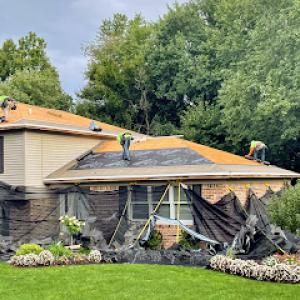
Hammer Down Exteriors
1048 Sagamore Pkwy W #60, West Lafayette, Indiana
5.0 from 68 reviews
Discover why Hammer Down Exteriors stands out as Lafayette & West Lafayette's premier roofing company. Our success is built on a simple principle: treating our clients as we'd like to be treated—the Golden Rule in action. As a reliable roofing contractor, we're available 24/7 for urgent post-storm needs, offering swift same-day service. Expect no surprises with our free estimates for roof, siding, and gutter repairs. Our team ensures seamless and stress-free projects like roof replacements and siding installations. Count on our integrity for honest services and fair estimates. Contact us today!
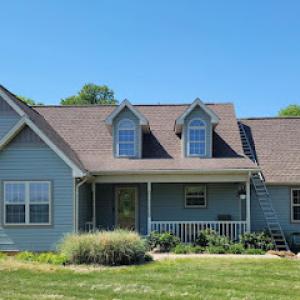
Wabash Valley Exteriors
(765) 838-0882 www.wvexteriors.com
Serving
4.9 from 100 reviews
Wabash Valley Exteriors provides residential and commercial roofing, siding, and gutter services to Lafayette, IN; West Lafayette, IN; and the surrounding areas.
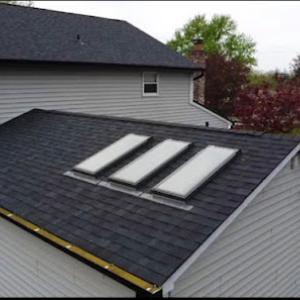
Ready Restoration & Roofing
(765) 246-9292 readyrestoration.org
Serving
5.0 from 17 reviews
Ready Restoration & Roofing is a locally owned and operated family business serving the Lafayette area. Specializing in residential roofing, gutter, siding, painting, and interior remodeling. Offering both replacement and repair services to cater to our customer's needs. No project is too big or too small. With a strong focus on quality workmanship and customer satisfaction, Ready Restoration & Roofing is dedicated to helping clients improve and maintain their homes. Every free initial consultation will come with a on site inspection, photo report, and detailed proposal. #ALWAYSREADY

Thayer's
Serving
4.9 from 239 reviews
Thayers is a leading construction company specializing in a wide range of home improvement services, including roofing, siding, gutters, and painting. Our expert team excels in enhancing kitchens and bathrooms, offering custom construction projects tailored to your vision. With a rich history and family-driven ethos, Thayers is committed to delivering outstanding craftsmanship and customer satisfaction. Whether you're planning a major remodel or a small upgrade, trust us to bring your ideas to life with precision and care. Explore your home's potential with Thayers, where quality meets innovation.
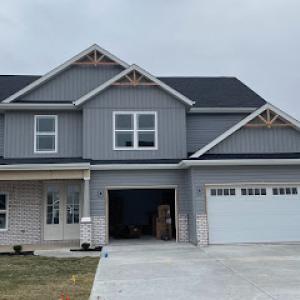
Rhino City Construction
(765) 586-1608 rhinocityco.com
Serving
5.0 from 14 reviews
At Rhino City Construction, we're more than just a roofing company; we're your partners in protecting your home investment. With a dedication to excellence, we bring over 20 years of combined experience to every project. Our services include roof inspections, roof installations, roof replacements, siding installations, and gutter services. When you choose Rhino City Construction, you choose quality craftsmanship, reliability, and peace of mind. Our Rhino Tuff warranty ensures that your roof remains weatherproof and leak-free for a decade, covering installation errors and water intrusion. Protect your largest investment with Rhino City Construction. Schedule a consultation today and experience the Rhino Tough difference firsthand!
Knox Services
Serving
4.9 from 417 reviews
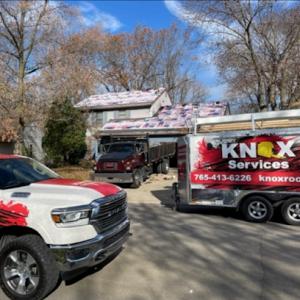
Knox Services is a full services contractor in Lafayette Indiana specializing in roofs since 1966. Their main services include roofing, siding, gutters, and masonry. We service the Tippecanoe and surrounding areas.
Freeman Exteriors
(765) 205-1004 www.freemangeneralcontracting.com
Serving
5.0 from 10 reviews
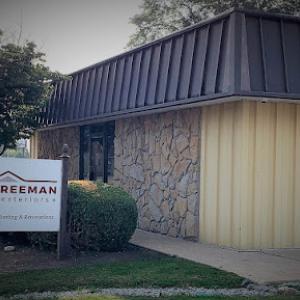
Freeman Exteriors is the leading Roof contractor in West Lafayette, IN, & the surrounding areas. We proudly offer Siding, Window, and Gutter Contractors in West Lafayette, IN! Get in touch with us if you need Roof Estimates. Freeman Exteriors specializes in roofing and commercial renovations. We are the best roofing services around. We have been providing new roofing and re-roofing services for many years. We serve West Lafayette, IN, and surrounding areas. Our goal is to be the general contractor of choice through our pledge to maintain the highest quality of standards and artistry. We educate our customers along the way. Reach out to Freeman Exteriors to learn more about our Roof Services in West Lafayette, IN, Today.
Discount Roof
(765) 945-3143 mydiscountroof.com
Serving
5.0 from 7 reviews
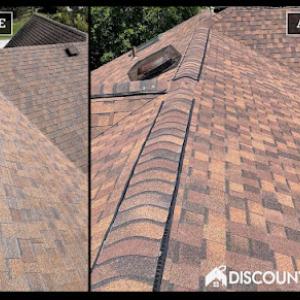
Discount Roof is a licensed and insured team of experts that combine the finest materials with cutting-edge installation techniques, to transform your property into a haven of beauty and reliability. With Discount Roof, you can rest easy knowing that your home's exterior is in the hands of true professionals, ensuring long-lasting beauty and unwavering protection against the elements.
Boni Roofing
(765) 607-8628 boniroofingservices.com
Serving
5.0 from 21 reviews
Boni Roofing is a locally owned and operated roofing contractor with over 18 years of experience. We are dedicated to providing our customers with the highest quality roofing services at a fair price. We offer a wide range of roofing services, including new roof installation, roof repair, roof maintenance, as well as siding and windows. We are also fully insured and bonded, so you can be confident that your project will be completed to your satisfaction. Contact us today for a free consultation!
Wilkinson Roofing
(765) 771-9455 www.wilkinsonroofs.com
Serving
4.9 from 352 reviews
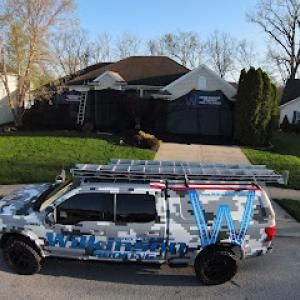
Since 1996, Wilkinson Roofing has been providing the highest quality roofing jobs to the entire Lafayette, IN region. Whether your home has been damaged after a storm, or age has begun to take its toll on your roof, our professional contractors are here to help. Throughout our years of service to the Lafayette, IN community we’ve built a trustworthy and reliable reputation we’re proud of.
Loy-Quinn Roofing
(765) 474-4543 loyquinnroofs.com
Serving
4.9 from 52 reviews
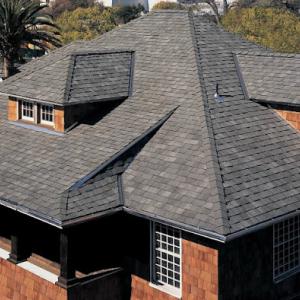
Loy-Quinn Roofing has provided the Lafayette, IN region with quality roofing and exteriors since 1910. The professionals at Loy-Quinn Roofing will provide you with comprehensive solutions to keep your home and business safe and dry! Whether you need a roof replacement, siding, windows, gutters & downspouts or custom masonry, Loy-Quinn Roofing is where you know your investments will be protected. *CertainTeed Select ShingleMaster *GAF Certified Contractor
Sullivan & Fortner Roofing
(765) 447-3155 sullivanfortner-roofs.com
Serving
4.8 from 60 reviews
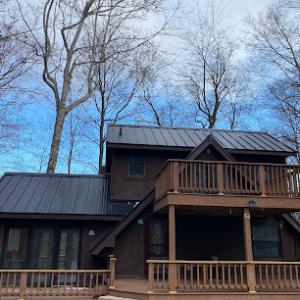
Sullivan & Fortner Roofing has been Lafayette’s trusted roofing partner since 1910. Backed by more than a century of industry expertise, we provide reliable, high‑quality services including roofing, siding, and window installation for homes and businesses across Lafayette, IN, and surrounding communities. We’re committed to using top‑tier products, delivering exceptional craftsmanship, and ensuring every project combines long‑lasting durability with curb appeal. As we continue to grow, our focus remains on offering dependable service, competitive pricing, and results you can count on. When you choose Sullivan & Fortner Roofing, you’re choosing a team of experienced professionals who get the job done right the first time.
Late spring through early fall is the preferred replacement window because winters are cold and snowy, and summers are warm and humid. In this stretch, you'll find fewer weather surprises that threaten ongoing work, and interior spaces stay more comfortable for crews and for attic access. Scheduling within this window gives you a better chance of complete shingle sealing and proper venting setup before the first hard freeze. For neighborhoods with mature trees, aim for a stretch when tree debris is minimal, so crews can protect new materials and you don't get a late-season cleanup burden.
Summer heat and humidity can affect shingle adhesion and sealant performance, which makes installation timing and crew practices important here. If you're targeting midsummer, plan for morning sessions with heat breaks and a strategy to keep adhesives within their optimal temperature range. A responsible crew will monitor humidity and dew points, especially during late afternoon shifts when surface temperatures stay high. In this region, installers should use roles and sequencing that protect underlayment from heat-driven expansion and ensure proper nail gun timing so shingles seat correctly as temperatures swing.
Fall considerations are real. Temperature swings and wind can stress flashing and expose weak attic ventilation before winter snow arrives. If you book in autumn, anticipate shorter days and cooler nights that can slow drying times for sealants. Ask the crew to prioritize flashing waterproofing detail near valleys and penetrations, and to conduct a thorough attic ventilation check before the first cold front. A solid plan keeps vent channels clear, eliminating the risk of hidden moisture issues that can escalate once snow begins to pile up.
Coordinate weather buffers to avoid back-to-back rain events, which can trap moisture under roof edges and compromise new installations. Ensure the crew staggers work so that you have consistent oversight on flashing, venting, and edge detail without long gaps that invite wind-driven debris to disturb loose materials. If a hail event occurs, a rapid response is useful: document damage with photos and notes, and have a plan to inspect roof lines after the storm, then align permit-ready crews quickly if repairs become necessary. A well-timed sequence minimizes disruption to gutters, siding, and attic access, while maximizing the chance of a long-lasting seal across the whole roof.
After work completes, request a walk-through focused on attic ventilation balance, shingle alignment, and flashing integrity. In a region where winter weather can expose weak spots, a brief follow-up inspection in late fall helps confirm everything remains sealed before snow returns. This practical check is especially valuable in neighborhoods with aging homes where ventilation practices historically slipped as roofs aged. A thoughtful crew will leave you with clear guidance on maintenance intervals and promptly address any minor gaps detected during the final review.
Asphalt shingles are the backbone of most residential roofs in this area. They align with the region's re-roofing-heavy housing stock and broad contractor availability, making replacements practical and timely. For the typical late fall and early spring cycles, asphalt shingles provide reliable performance, straightforward installation, and a service life well-suited to neighborhoods with steady re-roof demand. In addition, their relatively forgiving installation tolerances help accommodate the variations in local crews and labor availability that West Lafayette homeowners often experience. When selecting asphalt, look for products with good algae resistance and strong granule adhesion, as roof surfaces in this climate endure seasonal swings and occasional wind-driven debris.
Metal roofing serves a meaningful niche in this market, valued for snow shedding and resilience through repeated freeze-thaw cycles. In areas prone to heavy winter loading, metal panels and standing-seam systems can offer excellent long-term performance with minimal maintenance, provided the structure is properly prepared and fastened. The material choice makes sense for homes with roof lines that favor a sleek, contemporary look or for those prioritizing peak snow release and durability. However, metal typically involves a more specialized installation process, and flashing details must be executed with care to prevent cold-weather leaks. For aging homes or those with complex roof geometry, a seasoned metal installer can help ensure that the system integrates with existing soffits, ventilation paths, and attic insulation without creating new cold spots.
Clay tile, concrete tile, and slate are visually striking options that can boost curb appeal, but they demand closer attention in this climate. Snow loads and repeated winter moisture exposure place higher demands on structural support and underlayment, and improper installation can lead to cracked tiles, leaks, or accelerated wear. For clay and concrete tiles, the roof deck must be evaluated to confirm it can bear the weight, and fastener patterns should be matched to the roof pitch and climate. Slate, while offering exceptional longevity, carries the highest weight and requires seasoned workmanship to ensure joints and fasteners hold up under freeze-thaw cycles. In all cases, a thorough assessment of attic ventilation and attic-to-roof drainage is essential to prevent moisture buildup that can undermine tile performance over time.
Regardless of the chosen material, proper ventilation plays a central role in mitigating ice dams and moisture-related damage during fluctuating winter temps. An adequately vented attic helps maintain a consistent roof temperature and reduces condensation that can travel to the roof deck. In older homes common to the area, ductwork, soffit intake, and ridge venting should be reviewed for blockages or inadequacies. A well-ventilated roof system supports longer-lasting shingles and reduces the risk of accelerated wear on metal, tile, or slate installations. When evaluating options, consider how each material interacts with the existing ventilation strategy, and plan for potential upgrades if the attic space shows signs of moisture buildup.
In this climate, keeping a record of roof assemblies, installation details, and maintenance actions is especially valuable. For aging roofs, a clear history of material type, replacement phases, and observed performance helps anticipate future needs and makes storm-season inspections more efficient. If a storm passes through and neighboring homes show shared evidence of hail or wind impact, having a documented material profile and installation method simplifies insurance communications and repair planning.
In this market, local pricing can rise after hail and wind events when demand spikes for re-roofing and emergency repairs across West Lafayette and the surrounding area. Storm-season demand tightens availability of materials and skilled labor, pushing the bottom-line up for both materials and installation. The timing of storms matters: after a hail event, both material costs and crew availability can spike for several weeks, affecting scheduling and overall price certainty.
Costs also vary by material, with provided local ranges running from asphalt shingles at 350 to 700 USD per square up to slate at 1200 to 3000 USD per square. For practical budgeting, asphalt shingles remain the baseline for this market, offering a predictable price band and a straightforward install. Metal roofing sits higher, typically in the 700 to 1300 USD per square range, and provides durability in freeze-thaw cycles. Tile options-clay or concrete-tend to land in the higher end, with clay often closer to 900-1800 USD per square and concrete around 800-1600 USD per square. Synthetic or composite shingles sit mid-range, roughly 450-900 USD per square, delivering a balance between cost and performance. Slate persists as the premium choice, commonly 1200-3000 USD per square, valued for longevity but requiring specialized installation.
When planning a replacement, the weather window matters. In a university-adjacent neighborhood with aging roofs, late spring and early fall often present the most workable periods for crews, provided storms aren't rolling through. Weather delays, material lead times, and the precision needed to manage ventilation and attic condensation in these homes can add days to a project and a modest uptick in costs. If a roof is already near its end, the additional cost of upgrading underlayment or improving ventilation can be prudent to reduce ice-dam risk in hibernal months.
Keep a detailed record of color selections, shingle warranties, and any specialized underlayment or ventilation upgrades requested or recommended by the contractor. In aging neighborhoods, homeowners frequently find that small, targeted upgrades-such as improved attic ventilation or improved attic access for future maintenance-help minimize long-term upkeep and improve performance against freeze-thaw damage. House style and roof complexity also influence on-site waste management and disposal costs, contributing to total project cost beyond material choice alone.
Don't let upfront costs delay a critical repair - these contractors offer payment plans to fit your budget.
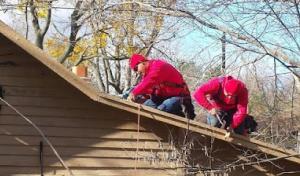
When a full roof replacement is on the table, a building permit from the City of West Lafayette is not optional-it's the start of the process. The permit is handled through the local building department, not left entirely to the contractor's assurances. That means you should expect a queue, some paperwork, and a few concrete checkpoints you'll need to meet before the crew even calls for the inspector. The city's expectations are shaped by a university neighborhood dynamic: aging roofs, steady re-roof demand, and a strong emphasis on venting, fire safety separation, and moisture control. Treat the permit as a necessary step, not a nuisance, because skipping it or rushing the paperwork often leads to delays, stale permits, or a stop-work order that drags the project out beyond the season.
The permit submission typically requires basic project details, structural notes, venting plans, and verification of underlayment and attic ventilation. The building department will review for code compliance and compatibility with existing framing, drainage, and neighbors' setbacks. Expect questions about insulation, attic baffles, and whether the roof deck is able to support the chosen material. The key takeaway is that the department's review is a real check on whether the roof system will perform through freeze-thaw cycles, spring hail surges, and rapid temperature swings. Since inspections are tied to the permit, anticipate at least a brief delay if plans don't clearly demonstrate adequate ventilation and moisture management.
Inspections occur during and after installation to verify venting, underlayment, and code compliance, followed by a final inspection to close the permit. The on-site checks aren't cosmetic; they confirm first that attic ventilation paths are clear and correctly oriented, then that the chosen underlayment is installed according to manufacturer and code requirements, and finally that the overall assembly meets structural and fire-safety standards. If an inspector notes gaps in attic baffles, improper nail spacing, or inadequate flashing details around vents and chimneys, the contractor may be required to pause work and rectify issues before continuing. The final inspection seals the deal, allowing the city to mark the project complete and your permit closed.
Keep open lines of communication with both the contractor and the building department. Have a clear plan for venting layout, underlayment type, and flashing details before any materials are ordered. Schedule inspections in advance and be prepared for access needs or minor rework. In neighborhoods with older roofs, a timely, documented permit and disciplined inspection sequence reduces the risk of storm-related hold-ups and helps ensure the replacement holds up through West Lafayette's signature freeze-thaw cycles.
Insurers in Indiana commonly request documentation of prior roof condition and may send adjusters or independent roof inspectors on larger claims. In a university-adjacent city with aging neighborhoods, having clear photos, dated inspection notes, and a concise roof history can prevent delays. You'll want to document hail-damaged shingles, shingle granule loss, and any signs of moisture intrusion from last winter's freeze-thaw cycles. Strong record-keeping helps you tell a coherent story when an adjuster arrives.
Older roofs may face depreciation or age-based payout reductions, which directly affects replacement budgeting for residents. West Lafayette homes often rely on a mix of trusted but aged components, so a careful ledger of roof age, previous repairs, and material type can influence how an insurance settlement is calculated. Don't assume a straightforward replacement-exposure to repeated cold snaps and spring storms changes what a fair claim should cover.
Some carriers may require mitigation work or upgrades when replacing older roofs, making local documentation crucial. If a claim leads to any upgrade-such as higher wind resistance or improved underlayment-having pre- and post-claim inspection sign-offs can streamline the process. In practice, that means keeping contractor notes aligned with what the insurer expects to see, and coordinating to obtain consistent, dated confirmations of work performed.
Before storm season, arrange a mid-winter photo audit of your roof and attic, noting signs of ice dam risk and ventilation gaps. After a claim event, request a detailed, itemized report from any inspector or adjuster, and compare it to your own records. In this market, solid documentation helps protect your claim's legitimacy and your home's long-term resilience.
Connect with contractors who help homeowners navigate the claims process from damage assessment to final approval.
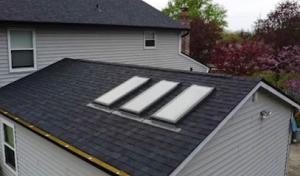
In this market, the cold snaps and freeze-thaw cycles around late fall through early spring drive edge damage that shows up year after year. Ice damming tends to lift shingles at the eaves and along vulnerable rakes, then push water under shingles where flashing or underlayment joints lean on aging seals. You'll notice curling, lifted tabs, and dark, wet staining near the lower edge of the roof deck after a thaw. The recurring lesson is to treat the edges as a first line of defense: proper underlayment, continuous eave flashing, and a roof system that allows runoff to shed quickly, not linger and refreeze. If you see granular loss concentrated at the lower sections after a storm, that's a signal to inspect the edge details and recheck ice-dam prevention strategies before the next winter.
Inspection attention in this market specifically includes venting and underlayment, signaling that moisture management details are a local enforcement priority. In older neighborhoods, attic crawlspaces often have insufficient venting, which traps heat and accelerates shingle deterioration and ice-bridge formation. When moisture can't escape, you get higher dew-point stress on the underside of the roof deck, increasing the risk of rot and delamination. Look for a balanced venting plan: enough soffit and ridge vents, and ensure breathable underlayment beneath shingles. If underlayment shows signs of tearing, drying shrinkage, or moisture staining, that indicates a higher chance of hidden leaks after a storm and in the spring thaw.
Chimney-related roof intersections matter in this market because chimney work appears frequently in local contractor service profiles. The transition from brick or masonry to roof surfaces creates persistent flashing challenges, especially where mortar joints flex with temperature swings. Ice and wind-driven rain can pry flashing up at these joints, leading to slow water intrusion that first appears as ceiling staining, then as shingle edge deterioration near the chimney. A thorough inspection should verify that step flashing, counter-flashing, and sealants are intact, with attention paid to any hairline leaks that follow the mortar line rather than the shingle plane.
Storm-exposed shingle loss is a recurring local failure pattern when hail or high-wind events strike untreated sections. Look for missing pieces, bruising, or granule loss on windward slopes, especially along ridges and near vent pipes. In West Lafayette, storm cycles can expose roofs with marginal fasteners or aging sealants. A targeted assessment after a big wind or hail event should document all damaged shingles, loosened tabs, and damaged edge details so that repairs address both the visible injury and the underlying moisture pathways.
Find contractors experienced in skylight installation, flashing, and leak repairs to bring natural light into your home.
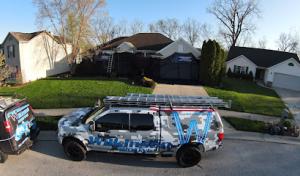
The local market is notably re-roofing-focused, so you should evaluate contractors on replacement experience rather than only new-construction claims. Look for verifiable projects in recent years on aging homes with similar roof types to yours. Ask for a list of comparable homes in your neighborhood and call a few to confirm workmanship and reliability. A contractor who treats a re-roof as a core offering will manage attic ventilation, ice-dam strategy, and storm documentation with practiced ease.
Cleanup and quick response are common homeowner expectations in this area, where storm events and rough winters can leave debris and temporary repairs. During interviews, ask how they handle daily cleanup, tarping, and site protection. Clarify response times for after-storm calls and what constitutes a priority repair. A dependable crew should arrive with a clean worksite, contain debris, and return promptly to address any issues flagged by you or the property manager.
Long-established and locally owned firms are well represented, which means tenure and neighborhood reputation are meaningful hiring filters. Look for contractors with a solid presence in your exact neighborhood, not just broad references. Verify they have a local service area, a stable crew roster, and a track record of timely warranty follow-through. Local references who can speak to street-by-street projects help you gauge how they handle the demands of typical West Lafayette homes.
A thorough estimator will provide detailed product information, roof tear-off guidance, and a written plan for ice-dam prevention and ventilation improvements. Ensure the contract includes a clear warranty description, a storm-damage documentation package, and a defined process for post-installation checks after the first thaw. In this market, transparency about what will be delivered and when you'll hear back matters as much as the install itself.