
Last updated: Apr 19, 2026
In this river-adjacent community, storm damage hits fast and frequently enough to feel like a revolving door. Local contractor signals are dominated by storm damage, emergency repair, and insurance-claims work, indicating that post-storm roof service is a primary homeowner need in Newburgh. When a hailstorm blasts through the Ohio River weather pattern or a line of strong winds rips along the banks, roofs go from quiet to compromised in minutes. Shingles curl, flashing pulls, and granules wash into gutters, creating a short fuse for leaks and hidden damage. The clock starts ticking the moment the skies clear: delay invites interior leaks, higher repair costs, and renter or buyer disputes when a roof suddenly fails during a claim.
Newburgh's seasonal risk pattern compounds the urgency. Spring heavy rain can saturate an already compromised roof, masking trouble behind swollen underlayment and softened decking. Summer hail and strong winds deliver the most dramatic, visible damage, often visible as pockmarked shingles or dented metal. Fall brings wind-driven storms that test flashing and ridge vents after a season of heat and repeated pressure changes. Winter freeze-thaw cycles stress joints and sealants, pushing pre-existing flaws past their breaking point. Problems commonly arrive in waves rather than as a single, neatly staged event, so proactive checks after every major storm become essential. That pattern makes timely triage crucial: catching a small issue now saves a larger, costlier repair later.
Because late spring through early fall is the most practical replacement window in this market, major storms during that same period can create scheduling bottlenecks for full re-roofs. The window narrows quickly when multiple homes are hit in the same neighborhood, and local crews shift to triage mode-emergency tarping, temporary patches, and insurance-fast-track work-before a full re-roof can be scheduled. If a storm line travels through a weekend or holiday, the rush multiplies, and contractors may book weeks out. The practical effect is this: the best chance to secure a timely, proper replacement is to align with the end of the storm season when crews have capacity, while still acting promptly during the first 24 to 48 hours after damage is detected.
What you should do, right away, after a storm lands a hit on the roof: document every sign of damage with clear dates and notes, from dented shingles to lifted flashing and granule loss in gutters. Take fresh photos from ground level and from attic access if safe, so you can show insurers the extent of exposure and whether decking or underlayment shows signs of moisture. If leaks appear, place a temporary shield-a tarp or heavy-duty plastic-in a way that channels water away from the interior and toward a safe drainage point. Do not wait for a complete re-roof to begin the insurance conversation; insurers often require timely inspections, and early documentation helps prevent disputes about the scope of work.
As a neighborly rule of thumb, don't rely on a single contractor's word in the first 24 hours. Storm-response teams multiply quickly after a big event, and some crews respond primarily to insurance-driven work. Seek one or two reputable local contractors who understand the timing realities here and can provide a rapid, coordinated plan: immediate temporary protection, an on-site inspection within 48 hours, and a staged, transparent path to repair or replacement that aligns with the season's rhythm. The aim is to secure the best possible outcome while avoiding common post-storm traps: unfinished repairs, inflated claim estimates, and gaps in coverage due to weather-driven scheduling pressures.
Embry's Roofing
(812) 853-8197 embrysroofing.com
2255 County Rd 600 W, Newburgh, Indiana
4.4 from 14 reviews
Embry's Roofing is a family owned business serving the tri-state area since 1976. They offer a wide variety of roofing services, including commercial and residential roofing, storm damage, and new construction. We specialize in all types of flat roofing (rubber, TPO, PVC, and Built Up) as well as steep slope roofing (shingles, tile, slate, and metal). Inspections are always free and are usually completed within 24 hours. We also offer emergency repair services.
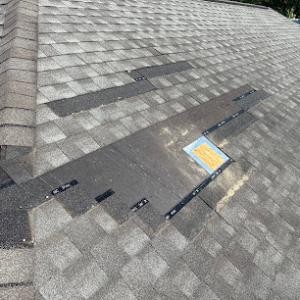
Rooted Repairs
(812) 798-7794 rootedrepairs.com
Serving
5.0 from 44 reviews
As a roofing repair/replacement company, specializing in diagnosing leaks and accessing roof lifespan, we solve several key problems for homeowners. At Rooted Repairs, we empower homeowners to: 1. Pinpoint all current potential leak locations to target repair areas. 2. Quantify lifespan, remaining to plan replacement appropriately. 3. Prevent catastrophic failures with early intervention repairs. 4. Optimize roof value by aligning repairs, and replacement with usable. In solving these problems for homeowners through our specialty services, we alleviate frustration, mitigate, unexpected cost, reduce disruption, and provide peace of mind around one of the biggest investments in the home.
Talbert Roofing
(812) 305-2070 www.talbertroofingllc.com
Serving
5.0 from 7 reviews
Talbert Roofing - "Start At The Top"
Bone Dry Roofing
(812) 993-4626 www.bonedry.com
Serving
4.9 from 101 reviews
Proudly family owned and locally operated, Bone Dry Roofing has been serving the Evansville community for more than 35 years. Our experienced team provides expert roof repairs and replacements, with every new roof backed by our 25-Year Craftsmanship Warranty. Beyond our quality materials and skilled workmanship, what truly defines us is our dedication to every homeowner we serve. From the first call to final cleanup, we deliver consistent communication, careful attention, and dependable service—that’s The Bone Dry Roofing Experience. Trusted by thousands across Evansville, we’re honored to help protect your greatest investment—your home and your peace of mind. Reach out today to schedule your free estimate.
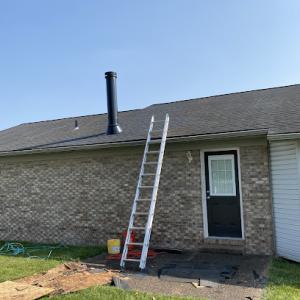
Honest Abe Roofing Evansville
(812) 777-8800 info.honestaberoofing.com
Serving
4.7 from 337 reviews
Honest Abe Roofing offers superior residential roofing services including maintenance, installation, and repairs. Our team of licensed roofing contractors take pride in representing our local, reliable roofing company. We have developed our roofing services and products specifically with the residential roofing customer in mind. We know your roof is a big investment and that roofing emergencies happen. That is why we offer only the best roofing products and installation services that ensure each of our roofs will last a lifetime.
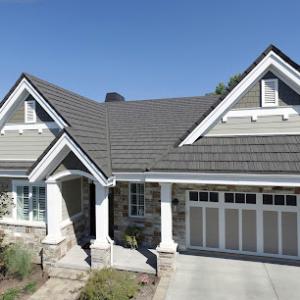
Erie Home
Serving
4.6 from 78 reviews
Since 1976, Erie Home has manufactured, supplied, and installed the best-performing roofing on the market. By providing ironclad warranties and convenient financing, we ensure that every homeowner we work with receives top quality service and value for their homes and properties. Erie Home professionals are the roofing company of choice in the greater Evansville, IN area. Whether you need roof inspections or roof damage repair services, Erie Home has been the go-to roofing contractor for nearly 50 years because of our attention to detail and dedication to making sure our customers are satisfied with their results. Contact us today for a quote and see why we're the trusted roofing company Evansville counts on.
Newburgh Roofing
(812) 455-2199 www.newburghroofing.com
Serving
5.0 from 64 reviews
We are Veteran Owned and Operated. We are your neighbors right here in our beautiful town of Newburgh! We service all the other amazing towns around Newburgh as well! We specialize in Quality roofing, Customer service, and Great prices that meet or beat the competition!

Best Choice Roofing
(812) 567-1198 bestchoiceroofing.com
Serving
4.6 from 278 reviews
Best Choice Roofing is your trusted roofing expert and the Best Choice when it comes to choosing a roofing company with a commitment to impeccable customer service. In business since 2009, Best Choice Roofing’s industry-leading contributions to the roofing industry include a customer-first mentality, a dedication to top-quality products and a leadership team focused on the growth of its people. Because of this framework, we have created a loyal base of customers all over the United States.
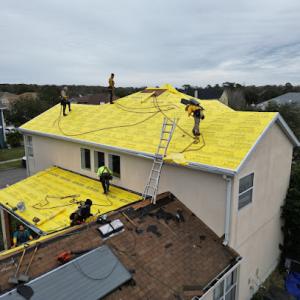
RoofClaim
Serving
4.4 from 67 reviews
RoofClaim offers top residential roofing services, including free inspections, full roof replacements, and repairs. Our team of licensed roofing contractors takes pride in representing our local, reliable roofing company in Evansville, IN. We know your roof is a big investment and that roofing emergencies happen. With 20 years of experience, we’re here to deliver quality service, efficient solutions, and peace of mind when you need it most. Contact RoofClaim for trusted roofing expertise and dedicated support throughout every step of your project.

The Way Construction
(812) 455-0231 thewayconstruction.com
Serving
5.0 from 267 reviews
The Way Construction proudly serves Evansville, Newburgh, Boonville, and surrounding areas with expert roofing, siding, and gutter services. Our experienced team specializes in roof repairs, roof replacements, siding repair and replacement, gutter replacement, and soffit and fascia services, providing comprehensive solutions for your home’s exterior. Committed to quality craftsmanship and customer satisfaction, we work to enhance and protect homes across the community. Whether you need minor repairs or a full exterior replacement, The Way Construction is your trusted choice for reliable, professional service.
Storm Guard Roofing & Construction
(812) 625-2783 www.stormguardrc.com
Serving
4.8 from 223 reviews
Storm Guard is a trusted name in the insurance restoration industry. For over a decade, Storm Guard has specialized in exterior insurance restoration for roofing, siding, windows, gutters, and emergency tarping services. The Storm Guard “Way” is the spirit running through the core of our entire organization. Simply stated, our clients’ peace of mind, and restoration of their property in the aftermath of a damaging storm, is paramount. As a trusted contractor, we will always strive to help ease our clients’ burden with the utmost in quality insurance and construction expertise.

Plunkett's Construction
(812) 228-8555 www.plunkettsconstruction.com
Serving
4.4 from 52 reviews
Plunkett's Construction is a family-owned construction company located in Evansville, Indiana. Ricky, the owner, has over 25+ years of experience in roofing, fencing, decks, and pergolas. Ricky and his crew also have over 30+ years of experience in interior remodeling, specializing in kitchens and bathrooms, as well as offering room additions. Plunkett's Construction was created to break away from the stereotypes of contractors to offer quality solutions at affordable prices. From the first swing of the hammer to the last screw driving the completion of a project, Ricky and the team at Plunkett's Construction will dedicate the time and expertise to complete your project; satisfaction guaranteed.
In this Ohio River basin, hail and wind storms drive frequent roof claims, and insurers commonly request pre-existing damage photos, material specifications, and a detailed estimate. That combination matters when a storm hits: the faster you can assemble accurate records, the smoother the claims process tends to go. Adjusters in this area routinely review damage against the history of the roof, so having a clear, organized file before any temporary repairs or debris clearing helps prevent disputes later.
Before any work begins, gather a concise set of documents you can share with your insurer and your chosen contractor. Start with recent photos of the entire roof and close-ups of damaged shingles, flashing, gutters, and vents. If you have older photos showing the roof before last year's events, keep them accessible. Note the roof's material specifications, including shingle type, underlayment, and any upgrades. Produce a detailed scope of work from the contractor that lists guaranteed products and installation methods. Your insurer will want a clearly itemized estimate with line-by-line costs and replacements for any worn components such as underlayment, vents, or flashing. Keeping this file tight helps avoid back-and-forth and speeds up review.
Storms around the river leave debris and a temporary-coverage mindset in play. Adjusters will review what is visible, what is concealed, and what was pre-existing. Document everything before temporary repairs begin and before debris is fully cleared. Take new photos after any tarp installation or debris removal, so the claim reflects the exact condition of the roof at each stage. If possible, arrange a pre-inspection with your insurer or agent to align on what constitutes hail damage versus wear and tear. Knowing the expected review process helps you time your repairs and helps your contractor coordinate with the adjuster.
Older roofs can face depreciation, coverage limits, or caps that affect what is paid for repair versus replacement. Material choice matters: certain products may qualify for full replacement while others trigger proportional depreciation. When deciding whether to repair or replace, compare the roof's remaining useful life, local weather exposure, and the likelihood of future hail events. For documentation, include evidence of roof age, prior repairs, and any known pre-existing issues. This context helps the adjuster understand whether replacement is structurally justified or if a repair is a practical interim solution.
Begin temporary repairs only after you've documented the initial condition and obtained approval from the insurer when required. Use tarps or board up openings to prevent further water intrusion, and photograph the setup. Keep receipts for any temporary materials, as insurers may request proof of interim measures. Debris removal should be coordinated with the claim timeline to avoid misinterpretation as an undisclosed late-discovery of damage. Clear communication with both the insurer and the contractor during this phase reduces the risk of claim delays.
Keep a single, organized folder-digitally or physically-that holds all photos, material specs, estimates, and correspondence with the insurer and contractor. If a bid diverges from the insurer's estimates, document the reason clearly and request a rider or supplement in writing. Insurers in this market appreciate a well-documented narrative that ties each damaged component to the replacement plan, especially when storm-driven claims hinge on precise documentation and timely response.
Connect with contractors who help homeowners navigate the claims process from damage assessment to final approval.
Embry's Roofing
(812) 853-8197 embrysroofing.com
2255 County Rd 600 W, Newburgh, Indiana
4.4 from 14 reviews
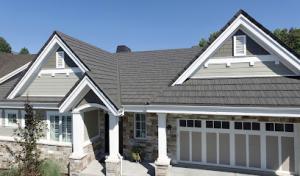
The dominant materials found on homes around the riverfront include asphalt shingles, metal roofing, clay tile, concrete tile, wood shingles or shakes, and synthetic or composite shingles. Each of these systems has a distinct profile for Newburgh's weather: hot summers that push thermal cycling, cold winters that drive freeze-thaw wear, and seasonal storms that bring hail and strong winds. Asphalt shingles remain a practical, widely available option with proven performance under typical Ohio River storms; metal roofs offer excellent wind resistance and rapid drainage during heavy rainfall; tile systems-both clay and concrete-deliver long life and a distinctive look but demand careful structural support. Wood shingles or shakes bring classic curb appeal but require diligence against moisture and impact; synthetic or composite shingles balance versatility with enhanced impact resistance in a storm-prone market.
In this area, heat accelerates aging of all major roof types, and freeze-thaw cycles can magnify micro-cracking, loose granules, and edge wear. Wind events can lift edges or expose fasteners, making regular inspections after storms essential for every system. Asphalt shingles typically perform well with proper attic ventilation and underlayment, while metal roofs excel in shedding rain and resisting impact when installed with appropriate seam detailing. Clay and concrete tiles handle sun and heat with high durability, but their weight demands solid structural support and accurate nailing patterns to survive harsh wind gusts. Wood shingles or shakes offer elegance but demand vigilant maintenance to prevent rot and insect damage in damp winters. Synthetic or composite shingles can provide improved impact resistance and uniform warranties, which helps during rapid post-storm decisions.
Heavier systems like clay and concrete tile require careful structural suitability. When these systems are installed or replaced, the load must be compatible with existing framing, and in some cases, the local permit process may trigger a structural review. If a roof is planned to be upgraded to a heavier material, or if a retrofit involves altering roof geometry to accommodate tile, anticipate potential adjustments to framing, deck, or support members. For lighter systems, ensure deck integrity and proper underlayment for moisture control, especially where storms and wind are frequent. A correct installation with high-quality fasteners and properly sealed penetrations is critical for performance in the Ohio River climate.
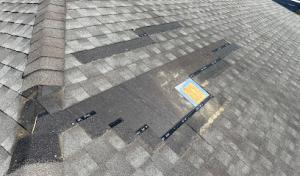
After a hail or wind event, conduct a cautious walk-around to note lifted edges, displaced flashing, or dented panels. For asphalt, look for granule loss and damaged shingles; for metal, check for seam separation or scratches that could corrode; for tile, inspect for cracked or displaced pieces and confirm anchoring is intact. Addressing minor issues promptly helps prevent more extensive damage during the next storm cycle. Regardless of material, ensure attic ventilation remains balanced to reduce condensation and heat buildup that can undermine roof longevity. A well-maintained roof in this market wears gracefully through seasons and often outlasts less-attended counterparts.
When you price a roof in this market, the numbers you'll most often run into line up with this local spectrum: asphalt shingles run about 350 to 600 USD per square, metal roofing 650 to 1200 USD per square, clay tile 900 to 1800 USD per square, concrete tile 900 to 1700 USD per square, wood shingles or shakes 500 to 900 USD per square, and synthetic or composite shingles 450 to 850 USD per square. Those ranges reflect both material choices and the labor mix typical for a residential re-roof in this Ohio River corridor. If a contractor pressures you toward a premium option or a quick, single-day install, expect the quote to land toward the upper end of the range, especially in storm-prone periods.
Storm activity drives the scheduling calendar here in late spring through early fall. The same window that's best for planned replacement work can flip to a bottleneck when hail or high winds hit neighborhoods hard. In practice, that means two things: first, crews can be booked up faster than you'd expect, and second, prices can rise as demand spikes. If your roof is damaged in a storm, securing a contract and a start date may require quicker decision-making and a willingness to accommodate a tighter timeline. Conversely, if you're not rushing, you might see more flexible scheduling and a bit more room to negotiate.
Begin with a realistic price check across a few reputable local roofers, comparing material types within the ranges above and confirming whether any upgrade or downshift changes the math. If you're navigating post-storm repairs, document all damage promptly for insurance adjusters and keep photos organized to support quick approval of an expedited scope. Build a contingency for surge pricing by setting aside a modest cushion-roughly 10 to 20 percent above the anticipated material-and-labor total for the peak window, recognizing that some seasons can swing higher. Finally, plan for a staged approach if you're weather-limited or the house presents complex geometry; this can help you keep the project moving without losing the advantage of a sound, storm-resilient roof.
Don't let upfront costs delay a critical repair - these contractors offer payment plans to fit your budget.
A full re-roof in Newburgh typically requires a building permit issued through the City of Newburgh Building Department rather than being handled informally at the contractor level. This means you will need to navigate a formal application, timing, and documentation that tie your project to city codes and safety standards. Treat the permit as part of the project timeline, not an afterthought, because applying late can stall weather-sensitive work and complicate inspections.
The local process includes an on-site inspection after roof removal and another after installation. These inspections are where real-world conditions are checked against the plan: decking must be sound, underlayment properly installed, ventilation adequately arranged, and flashing correctly integrated around penetrations and transitions. If insulation or attic venting is involved, expect questions about continued airflow and moisture control. Having a prepared, clean work site speeds the review and reduces the chance of rework.
If structural changes are part of the project, plan review may be required, and processing commonly takes about 1 to 2 weeks before work can proceed. This is not a mere formality-plans are scrutinized for load paths, rafter or truss modification, and potential impacts to the building envelope. The review period can be longer if tied to other city reviews or if changes trigger additional documentation. Building your schedule around this window helps prevent miscommunications with your contractor and the inspector.
In a market where fast post-storm response is common, the permit process serves as a necessary checkpoint to ensure a rapid yet compliant recovery. Storm damage work that begins before permits are secured can expose homeowners to penalties, denied certifications, or insurance complications. Keep your contractor aligned with the permit timeline, and avoid rushing critical inspections or underestimating the preparation needed for a clean, inspection-ready job site.
Before applying, assemble typical materials such as project scope, roofing material specifications, and any subcontractor information. The City of Newburgh Building Department will require accurate details about the scope, proposed methods, and any structural alterations. Ensure measurements, product data, and installation sequences are available, so inspectors can verify that what is installed matches what was approved. Clear, organized documentation reduces delays and helps protect you from later disputes.
Winter ice and freeze-thaw cycles in this area pressurize underlayment and shingle edges differently than milder seasons. In homes with older decking or marginal underlayment, repeated freezing and thawing can create micro-damages that compound over multiple storms. The effect is not merely cosmetic: compromised underlayment can translate to hidden leaks that only become evident after a thaw. Shingle lap and sealing performance can degrade when temperatures swing, so the inspection focus shifts from appearance to the integrity of moisture barriers and fastener seating.
Because local inspectors specifically review ventilation during re-roof inspections, attic airflow is not a secondary detail. In practice, your attic needs continuous, balanced ventilation to limit condensation buildup and to prevent ice dam formation on the eaves. In a typical Newburgh attic, look for a clear path for air to move from soffit to ridge vents or other outlets, and verify that insulation does not block those pathways. If ventilation is weak, you may see increased frost on sheathing or damp spots along the attic floor, signaling a moisture control issue that warrants attention during a winter-focused review.
Cold-season roof work is less practical, so temporary stabilization becomes a common interim measure before full replacement. If leaks appear in the depths of winter, focus on quick, conservative fixes that keep water away from living spaces while you schedule a longer-term plan. Prioritize protecting vulnerable ceilings and ensuring attic access for future repairs. When spring arrives, expect inspectors and crews to reassess ventilation as part of the broader re-roof project, with attention to how winter conditions may have shifted moisture dynamics in the attic and along eaves.
After a hail or high-wind event, inspect the attic first for signs of active leaks-drips, staining, or wind-driven moisture on the ceiling. In this market, storm response is fast, but rain in spring can slow exterior work, so focus on containment and a dry-in plan while coordinating with a local crew. Place tarps over exposed areas and use buckets or bins under active drips. Document each leak with photos and note the time and weather conditions; this helps when insurance documentation is needed for the repair sequence.
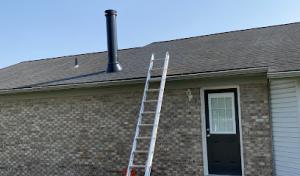
The local permit inspection checklist explicitly includes flashing, which aligns with storm patterns where wind-driven rain turns flashing defects into active leaks. Check step-by-step around chimney flashing, roof-to-wall transitions, valley flashings, and around skylight rough openings. If a leak appears near flashing, do not rely on cosmetic fixes-loose or misaligned flashing can fail quickly in a gusty spring. Clean debris from gutters and from the top edge of flashings, then reseal with a compatible metal or high-quality sealant, paying attention to end caps and joints.
Skylight-related service is present but niche in the local contractor market, suggesting it shows up more often as a targeted repair than as a primary roof type. Inspect around skylight seals, curb flashing, and glass or pane integrity after storms. If glazing shows condensation between panes or there is slow seepage at the frame, plan for resealing or replacement with an option that matches surrounding roofing material. Coordination with interior water intrusion mitigation may be needed if interior trim or drywall has been affected.
Because spring rain can slow exterior work, prioritize a temporary dry-in as part of the sequence after a storm. Install temporary tarps or a simple ridge cover to channel water away from the most vulnerable spots. Use lightweight planks to create a temporary walking surface if access is needed for quick flashing adjustments. Keeping a dry zone helps prevent secondary leaks while awaiting permanent repairs and helps the crew stay on track when weather clears.
Keep a simple log of weather minutes, leak locations, and items needing evaluation. Share the photos and notes with the contractor and insurer promptly, and align the repair plan with the sequence that minimizes exposure to additional weather. When scheduling, emphasize priority for high-risk areas such as valleys, near chimneys, and around skylight openings.
Find contractors experienced in skylight installation, flashing, and leak repairs to bring natural light into your home.
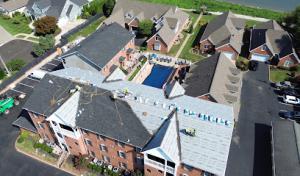
In this market, homeowners consistently value quick response, thorough cleanup, and proven re-roofing experience over niche specialty offerings. The strongest local demand centers on storm response and replacement rather than new construction. Look for a crew that can mobilize promptly after a hail or wind event, tools up fast, and leave the job site cleaner than it was found.
Long-established, locally owned firms are common here, and tenure matters. A crew with years of Newburgh volumes will understand typical roof lines, substrate ages, and common problem areas after storms. Check how long a contractor has served residential clients in this area and ask for recent comparable replacements in your neighborhood. Local familiarity translates into fewer miscommunications and smoother inspections.
Ask for a documented sequence: initial tarp and temporary protection, structural assessment, material ordering lead time, and staged cleanups during the project. A reputable crew will outline how they protect landscaping, avoid overloading gutters, and coordinate with an insurer when documenting hail or wind damage. If the firm emphasizes speed at the expense of careful detailing, re-ask for a balanced plan that preserves roofing integrity.
Request a material and workmanship warranty and a production schedule that reflects your roof's complexity. When possible, tour a completed project from the same crew to verify neatness, flashing work, and drainage solutions. Favor crews that demonstrate clear communication, documented inspections, and a track record of reliable post-storm performance from a familiar local pool.