
Last updated: Apr 19, 2026
Henderson's highest roofing stress comes from spring storm season, when hail and strong winds are the main local damage drivers. Those bursts can leave shingles peeled, granules scattered, and roof valleys exposed in minutes. If you hear hail rattling the gutters or see dimples pockmarking the shingles, you should plan a focused roof inspection within 24 to 48 hours. A quick climb with a sturdy ladder, or a professional inspection, can catch compromised areas that look fine from the ground but fail under the next wind gust. Prioritize fast securing of any exposed underlayment or decking to prevent water tracking inside during subsequent rain, and make a temporary tarp plan for any missing shingles. Waiting too long invites hidden rot and interior moisture that compounds the repair bill later.
Summer afternoon thunderstorms can interrupt temporary dry-in work and delay full replacements after a storm loss. Humidity pushes felt and underlayment toward lower strength, and frequent gusts can peel back tarps or expose openings just when afternoon showers arrive. If a crew is stalled by heat or sudden downpours, you risk a prolonged window where weather moves from a temporary fix to a long-term vulnerability. Build a contingency timeline with your contractor that assumes at least one weather hold per storm cycle. Clear, high-velocity winds can also snap loose metal fasteners or shift loose shingles mid-repair, so continuous, secure staging is essential. Have a plan for protecting interior spaces while the roof is apart, and choose a dry period for the core replacement when possible.
Because winter ice events are a recurring hazard, storm-damaged roofs that are not stabilized before December-February can worsen under freeze-thaw conditions. Ice dams can force water under shingles and into eaves, fascia, and attic spaces, creating a slow-burning damage cycle that costs more to repair. If a damage site remains exposed into late fall, make stabilization a top priority. Remove standing water promptly and ensure drainage routes remain open. In colder spells, even small gaps become paths for water that freezes and expands, lifting edges and loosening fasteners. Coordinate with a pro to seal vent boots, flashing, and chimney areas before the coldest months arrive.
In the wake of a spring storm, rapid damage documentation is your best ally. Use a camera from multiple angles, date stamps, and notes on wind direction and hail size as you observe the roof and surrounding gutters. Insurance-ready pictures, clearly labeled with dates and visible landmarks, streamline the claim review and help prevent back-and-forth delays. If you can, arrange a temporary stabilizing repair within 24 to 72 hours of the storm to minimize further exposure. When storms cluster, you'll want a trusted local crew who understands how record-high humidity and heat affect material handling, ladder safety, and access to rooflines in older neighborhoods with tall, mature trees.
Storm season cycles through with a rhythm that rewards preparation. Keep a simple maintenance checklist ready: attic ventilation checks, gutter clear-out, and shingle edge inspection after every major storm. Have a dedicated call time with your insurer and a preferred local roofing partner who has demonstrated responsiveness during peak demand. The more you treat spring as your primary disaster window, the better you can limit secondary damage from delayed repairs, and the less time the home spends exposed to the risk of a lingering leak. In high-risk weeks, maintain an alert plan with neighbors so you can share note-worthy damage reports quickly and coordinate assessments before insurers schedule their inspections.
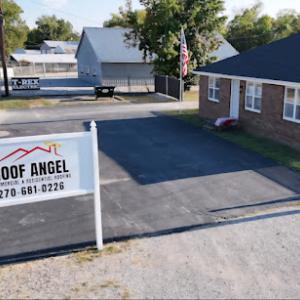
Roof Angel
(270) 681-0226 www.roofangel.com
660 US-41 ALT, Henderson, Kentucky
5.0 from 147 reviews
Experts in Commercial and Residential roofing.
Maldonado's Construction
(270) 577-9668 www.maldonadosroofs.com
120 Clark St, Henderson, Kentucky
5.0 from 154 reviews
Family-run company specializing in residential and commercial roofing as well as siding, windows, and gutters.
Fraley's Home Improvement
(270) 826-0627 fraleyshomeimprovement.com
402 Smith Ave, Henderson, Kentucky
4.8 from 69 reviews
Family and locally owned since 1971. Price Match Guarantee. Free Estimates.

J&J Roofing
(270) 212-7051 jjroofinghendersonky.com
131 N Main St, Henderson, Kentucky
5.0 from 19 reviews
J&J lawncare and construction is a women owned business that takes pride in being honest and giving the best quality services. J&J specializes in roofing and lawncare we work.

Everything Exterior & Roofing
(270) 869-7163 everythingexteriorroofing.com
149 HWY 2084 S, Henderson, KY
4.6 from 41 reviews
Everything Exterior and Roofing located in Henderson, Kentucky is the leading professional contractor in Western Kentucky and Southern Indiana. Whether you are located outside of Lexington, Bowling Green or west of Paducah we can take care of the largest commercial and residential roof installations or roofing repairs. Do you have an emergency? We can take care of that too. We are available around the clock, including weekends for our customers. We take the time to walk you through the process; from educating you about your roof options, providing you a Free estimate to helping with your insurance company claim and related needs, to final payment.
God & Country Roofing & Construction
(270) 844-2278 www.godandcountryroofingconstruction.com
1649 S Main St, Henderson, Kentucky
4.9 from 10 reviews
God & Country Roofing and Construction is your trusted, faith-driven partner for roofing and home improvement needs in Kentucky. Led by Owner/Operator Randy Sutherland with over 30 years of experience, we deliver top-quality craftsmanship, personalized service, and GAF EverGuard certification. From residential roofs to commercial projects, we prioritize your vision, budget, and satisfaction. Experience the difference of working with a contractor committed to integrity, expertise, and lasting relationships. Contact us today for superior results that stand the test of time.

Two Brothers Roofing & Construction
(270) 454-1365 www.twobrothersroofingconstruction.com
1234 Powell St, Henderson, Kentucky
4.3 from 11 reviews
We have over 10 years experience offering Roofing, Siding, Gutters and More. We are a family owned business.
Leon littrell & sons roofing
7 N McKinley St, Henderson, Kentucky
4.0 from 4 reviews
Local family owned business, serving the tri state for 30 yrs, we specialize in Roofing,siding,gutters, and other home remodeling needs

A Citizens Home Improvement
Serving
4.9 from 14 reviews
Residential and Commercial Roofing 5 & 6" Seamless Gutter Install - Repair - Replace - Gutter Guard Ice & Water Shield Siding, Soffit/Fascia FREE ESTIMATES - FREE INSPECTIONS FINANCING AVAILABLE CREDIT CARDS ACCEPTED
Storm Guard Roofing & Construction
(812) 625-2783 www.stormguardrc.com
Serving
4.8 from 223 reviews
Storm Guard is a trusted name in the insurance restoration industry. For over a decade, Storm Guard has specialized in exterior insurance restoration for roofing, siding, windows, gutters, and emergency tarping services. The Storm Guard “Way” is the spirit running through the core of our entire organization. Simply stated, our clients’ peace of mind, and restoration of their property in the aftermath of a damaging storm, is paramount. As a trusted contractor, we will always strive to help ease our clients’ burden with the utmost in quality insurance and construction expertise.
Upright Construction
(812) 551-2086 uprightconstruction.pro
Serving
4.7 from 381 reviews
Upright Construction is a tip-rated roofing contractor serving Evansville, In and surrounding areas . We specialize in roof replacement , roof repair, and storm damage for residential and light commercial properties. Our team installs high-quality systems using premium materials, including GAF shingles, and has extensive experience assisting homeowners with insurance claims. Homeowners throughout Evansville and Newburgh trust Upright Construction for reliable roof inspections, fast response after storms, and professional workmanship. From full roof replacements to leak repairs, we focus exclusively on durable roofing solutions completed on time and on budget.

The Way Construction
(812) 455-0231 thewayconstruction.com
Serving
5.0 from 267 reviews
The Way Construction proudly serves Evansville, Newburgh, Boonville, and surrounding areas with expert roofing, siding, and gutter services. Our experienced team specializes in roof repairs, roof replacements, siding repair and replacement, gutter replacement, and soffit and fascia services, providing comprehensive solutions for your home’s exterior. Committed to quality craftsmanship and customer satisfaction, we work to enhance and protect homes across the community. Whether you need minor repairs or a full exterior replacement, The Way Construction is your trusted choice for reliable, professional service.
In this market, you'll see price bands that reflect installation ease, weight, and longevity, blended with the seasonality of Henderson's climate. Spring and fall are the standout windows for replacement because the heat and humidity of summer, plus the freeze-thaw cycles in winter, make shoulder seasons easier to schedule and finish. When a spring hail event hits, you'll notice demand surge and tighter scheduling, which can shift availability and pricing for a short while. Keeping an eye on local weather patterns and booking ahead, when possible, helps you lock in crews and materials before a rush.
Asphalt shingles sit in the middle of the local cost spectrum for re-roofing. Typical project pricing runs from about 350 to 650 USD per square, depending on underlayment, fasteners, and warranty choices. In Henderson, asphalt is a practical blend of cost, availability, and installers' familiarity with storm damage scenarios. If you're timing around shoulder seasons, you may see steadier material flow and more predictable scheduling. Hail and wind events can temporarily bend demand, but asphalt crews are widely available in the pike of spring and autumn, which helps overall timing.
Metal roofs command a higher upfront price, reflecting longer service life and wind resistance. Expect roughly 700 to 1,200 USD per square. In storm-prone springs, metal can be attractive for its durability, but the installation window can tighten when demand spikes after hail or strong winds. Scheduling may be more variable than asphalt during those peaks, so planning ahead in the spring or fall is particularly advantageous for metal projects to avoid delays.
Clay tile brings high curb appeal and strong durability, with typical costs in the 900 to 1,800 USD per square range. Special shapes or reinforcing substrates can push the cost toward the upper end. In Henderson, clay tile projects often require a longer lead time for material matching and specialized crews, and during storm seasons you may encounter extended scheduling windows. If you're pursuing clay tile after a hail event, expect both a longer installation timeline and some fluctuation in availability, even as the payoff is notably robust in heat and humidity.
Concrete tile sits between asphalt and higher-end options: roughly 800 to 1,500 USD per square. It handles heavy rain and heat well, which makes it a solid choice for the river-adjacent climate. Because concrete tile systems can be heavier and more complex to install, you'll notice that shoulder seasons still offer a more reliable window for coordination, while spring storms can tighten the calendar and influence material lead times.
Wood options run from about 600 to 1,200 USD per square. They deliver a distinct appearance and good insulation, but weather exposure and maintenance needs can steer decisions toward more frequent inspections after storms. In spring and fall, installation tends to be smoother because crews face fewer extreme temperatures, reducing the risk of warping or drying cracks during curing.
Synthetic or composite shingles land in the mid-range, roughly 500 to 1,000 USD per square. They offer good resilience to weather and often come with practical warranties. In wind and hail seasons, you may find price variability tied to demand, but composites typically maintain solid availability in the shoulder seasons, helping you align timing with milder weather windows.
Overall, if storm-driven demand spikes after hail and wind events, you should expect tighter scheduling and potential price shifts across all materials. Specialized roof types tend to require longer lead times and more coordination, which translates into soft costs or timeline considerations even when the material itself is competitively priced. Planning ahead for a spring or fall project helps you balance cost, timing, and long-term performance in this river-adjacent climate.
Asphalt shingles remain a dominant local choice, especially for homes with traditional lines and straightforward installation. They handle the humid summer heat and the winter freeze-thaw cycle in this river town, provided the attic is properly ventilated and the underlayment is rated for your climate. In practice, you'll want a sealed drip edge, a stout starter row, and quality asphalt laminates that resist curling after heavy rainfall. The local pattern of spring hail and wind means you should prioritize shingles with good impact resistance and extended wind warranty ratings. Routine inspection after storms helps detect lifted tabs or water intrusion before they become bigger problems in the spring thaw.
Metal has carved out a solid niche in the contractor landscape, reflecting demand for a system that stands up to repeated rain events and brisk wind cycles. In this market, metal roofs offer quick shedding of rain and proven longevity, which matters during volatile spring weather and the humid summers that push attic temperatures higher. A local installation crew with experience in metal details-such as panel overlaps, fastener sealing, and flashing transitions around chimneys and skylights-will help minimize noise concerns and thermal bridging. When metal is paired with proper underlayment and a robust ventilation plan, the roof tends to maintain more consistent interior comfort during hot spells and winter cold snaps.
Clay and concrete tiles bring a distinctive look and excellent durability, but they are less forgiving if your roof is irregular or heavily shaded by nearby trees. In Henderson's climate, they excel at resisting heat gain and can offer strong hail resistance when the tiles are properly secured and configured. However, tile systems benefit from a structure that can bear the weight and from correct slope and framing considerations. Specialty tiles and ballast systems may be encountered in homes with older framing or unique roof geometries, which can influence installation time and the need for precise flashing details. The visually appealing tiles can be a smart choice for homes seeking a long-term, low-maintenance exterior finish, provided the system is sized to the house and soil conditions.
Wood shakes bring a Northern-branch charm that many Henderson homes appreciate, especially on older or craftsman-style structures. The challenging part here is keeping wood properly treated and ventilated to resist moisture and mold in humid summers. Synthetic shingles, including composite options, mirror many benefits of wood in appearance but improve on moisture resistance and available warranties. When selecting these materials, pay attention to the roof's exposure and wind load, as a few harsh spring wind events can test their fasteners and sealants. Specialty installations may require careful detailing around penetrations and roof-to-wall transitions to prevent leaks in the face of heavy rain.
The local mix reflects a broad spectrum of home styles, from mid-century bungalows to newer townhomes and craftsman-inspired builds. Your decision should consider not only climate resilience but also how the roof shape, fascia, and attic space will interact with your chosen material. In practice, a well-vented attic, a robust drainage plan, and properly sealed penetrations will maximize the effectiveness of any material. When spring storms approach, the combination of material choice, installation quality, and timely maintenance determines how quickly a roof can recover from hail and wind without compromising interior comfort.
Explore specialists in steel, aluminum, and standing seam metal roofs built to last 50 years or more.
Maldonado's Construction
(270) 577-9668 www.maldonadosroofs.com
120 Clark St, Henderson, Kentucky
5.0 from 154 reviews

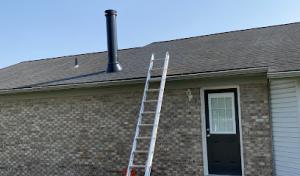
A full re-roof in this area commonly requires a permit filed with the local building department, and contractors usually handle that filing. The process is designed to keep the structure safe through humid summers, spring storms, and winter freezes. When a contractor requests the permit, you should receive a clear outline of what documents are needed-site plan, roof size, and the anticipated start date. Keep an eye on scheduling windows, especially if your home features a nonstandard roof or specialty material, which can extend review times. If you anticipate delays, ask the contractor to provide a tentative timeline and a backup plan for weather-related holds.
Henderson commonly schedules inspections before and after installation, with a final certificate of completion issued after the work passes. The pre-install inspection focuses on existing conditions and any safety concerns, such as unstable sheathing or poor ventilation that could complicate the new roof. The post-install inspection verifies the new system meets code requirements and the manufacturer's installation criteria. A smooth pass hinges on proper underlayment, flashing, and ventilation installation, especially given regular rainfall and wind events. Ask for a written checklist from the inspector so you know which items are under review.
Homeowners in Henderson can run into longer review times for specialized roof types and seasonal delays during peak roofing periods. If your project uses metal, clay, or concrete tiles, or if the roof has unusual geometry, the review can stretch. Plan for potential weather-driven postponements as well, since spring hail and wind can compicate scheduling and on-site safety assessments. When timing matters, coordinate closely with your contractor to align the permit submission, inspection windows, and your work order so that delays do not cascade into backlogs.
Maintain a single, organized folder with permit numbers, inspection stamps, and any correspondence with the building department. Share this with your contractor and, if applicable, your insurer, since storm response often hinges on timely documentation. If a review stalls, request an explicit status update and a revised ETA. Clear lines of communication reduce the chance of misalignment between the permit timeline, the inspection schedule, and the actual roofing work on the roof deck.
After the final certificate of completion is issued, verify that all lien waivers and warranty paperwork are in place and that your home's records reflect the completed re-roof. Store the permit closure documents with your home file and keep the inspector's contact information for any future inquiries. This local sequence helps ensure your storm-ready roof complies with code and is backed by proper oversight.
After a severe storm rolls through the riverfront area, claim activity tends to rise quickly in Henderson. The pattern isn't a weather anomaly so much as a predictable rhythm: a few days of hail, heavy winds, and shingle lift can spike calls to insurers and local roofing pros. That surge means adjusters may be juggling multiple claims, and the window to secure a timely inspection can feel tight. If a storm hits, expect the process to move faster on the front end but slower on the back end as backlog grows. Being prepared with solid documentation helps keep your project on track and reduces the risk of miscommunication between you, your contractor, and the insurer.
The local insurance environment tends toward standard homeowners coverage rather than a pullback market, which means insurers anticipate typical damage from hail or wind events. In practice, this translates to a heavy emphasis on evidence: clear photos, on-site measurements, and professional estimates. When a storm has just torn through the area, insurers will want detailed documentation to justify damages and the scope of work. Without it, the path to a smooth settlement can get tangled in questions, delays, and back-and-forth.
Take photos from multiple angles and distances to show both the broad roof condition and close-up damage. Start with a wide shot of the entire roof, then focus on damaged shingles, granule loss, and any structural concerns visible from the ground or attic access. Include interior images if there's evidence of leaks or water intrusion around ceilings and walls. Time-stamped images captured soon after the storm are particularly valuable, since they establish a before-and-after narrative that supports the claim.
Insurers expect an estimate from a licensed contractor, and this is where Henderson's storm activity can test promptness. A comprehensive, itemized estimate that matches the photos and the observed condition helps the adjuster understand the scope quickly. If the scope includes deck or fascia work, or moisture remediation, make sure those line items are clearly broken out. Delays in submitting estimates can stall the claim's progress, especially when adjusters are managing multiple files.
Promptly scheduling an adjuster visit after a hail or wind event helps maintain momentum in the claim process. If possible, request a date and time early, and keep communication channels open with both the insurer and the contractor. Having a clear plan for temporary protection, such as tarping or boarding during the waiting window, can demonstrate seriousness and reduce the risk of further damage while the claim proceeds.
Avoid relying on memory alone for damage extent; photos and notes should back up every claim entry. Don't wait for a storm to settle completely before documenting; later findings can complicate the claim. Be cautious about selecting a contractor solely based on the quickest start date-verify licensing, warranties, and documentation readiness to support the insurer's review. If disagreements arise, request a second opinion from a qualified local roofer who understands the typical damage patterns observed after river-related storms.
Connect with contractors who help homeowners navigate the claims process from damage assessment to final approval.
Maldonado's Construction
(270) 577-9668 www.maldonadosroofs.com
120 Clark St, Henderson, Kentucky
5.0 from 154 reviews
Fraley's Home Improvement
(270) 826-0627 fraleyshomeimprovement.com
402 Smith Ave, Henderson, Kentucky
4.8 from 69 reviews
Spring and fall are the most common replacement windows in Henderson because temperatures are milder than in peak summer or winter. If you're planning a replacement, align tear-off and installation with those shoulder seasons to minimize heat stress on crews and materials. A calm stretch between heavy spring rain events and the first hard freeze tends to yield the most predictable progress.
Summer heat and frequent afternoon thunderstorms in Henderson can slow tear-off and installation schedules even when crews are available. Plan ahead for heat-aware work hours and potential weather pauses. If a project must begin in summer, expect occasional delays and shorter daily progress blocks, especially on the hottest afternoons. Clear communication with the roofer about anticipated heat days helps keep the project on track.
Fall leaf buildup followed by freeze-thaw weather creates a narrow local window for finishing repairs before winter conditions set in. Start tasks early to complete undercured shingles and flashing before late October's chill becomes a factor. Have gutters and debris cleaned beforehand so material can lay flat without leaves trapping moisture. A completed roof needs a brief period of dry weather to settle; otherwise, plan for a potential pause if early winter moisture arrives.
Henderson experiences regular rainfall that can interrupt even well-timed projects. Coordinate with your crew to stage materials during drier days and keep tarping ready for sudden showers. If a spring storm looks likely, confirm a clear backup date and maintain visibility of temporary protections over the exposed roof deck.
Have a clear point of contact, your preferred accessory options, and a realistic countdown for budgetary decisions within your chosen replacement window. Doing so helps minimize back-and-forth and keeps the project moving when mid-season weather shifts occur.
Skylights sit at the front line where rain meets roof planes, and in this market they show up often enough to merit separate attention during leak diagnosis. In the humid stretches and frequent downpours typical of the area, the seal around a skylight can fail quietly, letting water migrate into attic edges and ceiling corners. When a drip appears, don't assume it's just a local stain-trace it to the flashing and the seal around the skylight, the curb, and any nearby shingles that may have deteriorated. Small issues here can become costly repairs if left unaddressed.
After spring wind events, homeowners should inspect not just field shingles but also flashing around skylights and other roof openings. Wind-driven rain can force water under metal flashings, plastic vents, and chimney bases even when the surrounding shingles look intact. A quick visual check may reveal lifted flashing, loose sealant, or gaps where the flashing meets the roofing. If those signs exist, address them promptly before warmth and humidity push moisture deeper into the attic.
In the regular rain pattern, roof penetrations and transitions are the first places deferred maintenance shows up as interior leaks. Skylights, vents, and vent stacks every year accumulate hairline cracks in caulking and aging sealants. Treat these areas with the same vigilance as the main roof surface. If a leak is detected, prioritize cleaning and resealing the perimeter and checking the surrounding shingles for shingle granule loss or lifted edges, which can amplify water intrusion during the next heavy rain.
Find contractors experienced in skylight installation, flashing, and leak repairs to bring natural light into your home.
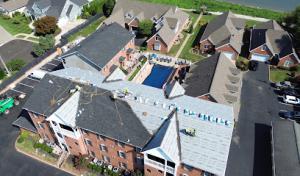
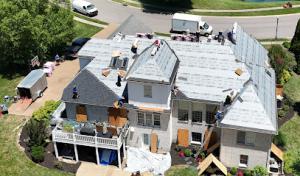
After a damaging storm, you'll notice a surge of contractors on the street. Prioritize firms that clearly show they are manufacturer-certified, licensed, and insured. In this market, credentials aren't universal, so verify directly-call the insurer's preferred list if possible, and ask for current certificate numbers.
Henderson homeowners prioritize quick response and cleanup, a pattern that matches spring hail and wind surges. Ask for a written timeline: roof assessment within 24-48 hours, debris removal within 72 hours, and a plan for covering exposed areas if temporary protection is needed. A rapid, tidy startup reduces secondary damage.
Speed matters, but so does proven workmanship. Request local references and photos from recent storms, and call those clients. Look for projects that match your roof type-asphalt, metal, or tile-and ask about how well the finish held up after last year's hail events. A long-standing firm with steady repeat clients often outperforms a cheaper newcomer.
Ask for a copy of the current insurance certificate and verify that it lists workers' compensation and general liability. In Henderson's storm cycles, a contractor can bend on paperwork, but a solid policy protects your property and neighbors. Confirm that the contractor will handle or coordinate any necessary repairs with your insurer.
The local mix includes long-established firms alongside affordable operators. Weigh speed against track record, because a quick crew that can document progress and keep cleanup disciplined often ends up with fewer call-backs. Insist on a written repair plan that covers storm-related damage, drainage considerations, and how weather windows will be managed.