
Last updated: Apr 19, 2026
Mason City homeowners face a combined risk profile of spring hail, summer thunderstorms, autumn wind, and winter freeze-thaw stress rather than a single-season roofing threat. That means a roof isn't simply tested by one weather event, but by a full annual cycle that repeatedly pushes shingles, flashing, and vent booting to their limits. Hail can strike with little warning, leaving pockmarked shingles and dented metal details; summer storms bring sudden high winds that peel back edges and loosen fasteners; autumn winds scuff and strip protective granules, and winter freeze-thaw cycles force water into microcracks, then push it deeper as temperatures swing. In practical terms, this means your roof is likely to show a mosaic of damage patterns rather than a single, obvious failure. Look for uneven appearances along drip edges, lifted shingles at corners, loose or corroded flashing around chimneys and vents, and areas where granules have migrated to gutters in thick piles. The combination of these stressors makes proactive diagnosis essential, because small defects seeded by one season often turn into larger problems after the next.
In Mason City, storm damage decisions are often tied to insurance because Iowa is a frequent roof-claim market for hail and wind losses. When a claim is opened after a storm, adjusters will parse recent damage from age-related wear, and that distinction is critical for an older roof. If the surface shows a mix of fresh impact marks, lifted tabs, or damaged vent collars alongside decades of wear, the adjuster may flag the portion attributable to age, which can influence coverage decisions. This scrutiny isn't about shaming a roof or denying a reasonable repair; it's about ensuring the claim reflects the actual incremental damage caused by the latest storm events rather than preexisting deterioration. To navigate this, document every visible irregularity after a storm-with dates, photos, and notes on how the roof performed during the season. When an adjuster visits, present your documentation clearly and be ready to discuss recent impacts separate from long-term wear patterns. A well-timed, transparent conversation often smooths the path to a fair settlement and prevents a mismatch between perceived and actual damages.
Older roofs in Mason City are more likely to face insurer scrutiny after storms, especially when adjusters are separating recent hail or wind damage from age-related wear. The reality is that time-rich roofs can show a patchwork of damage: new impact marks next to curled edges, or flashing that looks marginally corroded but is blamed as preexisting. This reality places a premium on proactive maintenance before the next storm cycle, including targeted flashing checks around chimneys and dormers, ensuring ventilation components aren't blocked, and replacing compromised shingles before they become loose or brittle. If your roof is a heritage-style or architecturally distinctive build, the flashing and material matching become even more consequential, because insurers and contractors will look for a consistent, integrated repair that preserves the roof's historical character. In practice, keeping a close eye on small, early warning signs-soft spots, unusual attic humidity after rain, and visible daylight through the attic-can reduce the risk of a denial or partial denial when a storm rolls in again. Acting promptly on resealing flashing, re-fastening loose components, and planning a careful, stylistically appropriate repair will help maintain the roof's integrity through the seasonal cycle.
Young Construction
(641) 430-0655 youngconstructionnorthiowa.com
1539 N Federal Ave, Mason City, Iowa
4.7 from 178 reviews
Established in 2001, Young Construction is a family-owned business that provides roofing, siding, gutters, and insulation services in Iowa and Southern Minnesota. Their team offers expert replacement and repairs for your home's exterior, ensuring longevity and value.
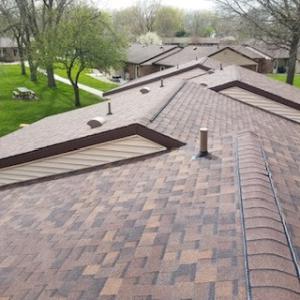
Tell Construction
(641) 494-7079 www.tellconstructionmc.com
514 N Monroe Ave, Mason City, Iowa
4.6 from 25 reviews
Tell Construction is a full-service residential construction company with over 20 years of experience. Our expertise extends beyond just roofs, encompassing everything from garage building and window installation to siding, concrete, drywall, and everything in between. Tell Construction is your one-stop shop for a complete home improvement experience.
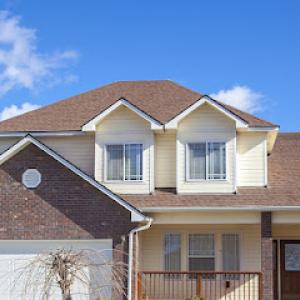
Northern Cedar Service
(641) 423-0341 www.northerncedarservice.com
125 N Jackson Ave, Mason City, Iowa
4.3 from 3 reviews
Northern Cedar Service Inc provides commercial roof repair and re-roofing and LiveRoof green roof system services to the Mason City, IA area.
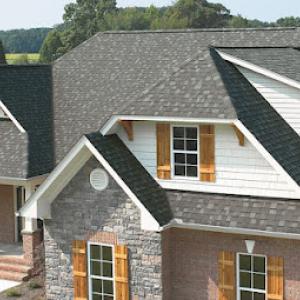
Just Roof IT
(641) 494-7373 www.justroofitrandy.com
805 17th St NE, Mason City, Iowa
5.0 from 1 review
Just Roof IT is a Mason City, Iowa based roofing contractor specializing in residential and commercial roof repair and replacement. Their team of experienced professionals utilizes top-quality materials to ensure lasting results.
BET Roofing
(641) 832-7131 www.bet-roofing.com
Serving
5.0 from 4 reviews
At BET Roofing, we offer high-quality residential roofing at an affordable price across the North Iowa area. Our priority is keeping customers at ease when it comes to keeping their homes safe from elements such as wind, rain, ice, snow, or hail.
Pro Edge Construction
(641) 425-1181 pro-edge.webflow.io
1517 Limestone Court, Mason City, Iowa
Locally owned and operated roofing consultation company. We offer free consultations, deliver fast work and quality results.
Mason City's cold, snowy winters followed by warm, sun-drenched summers create a repeated expansion-and-contraction cycle that tests shingle seals, flashing joints, and penetrations day after day. This stress is not uniform across the roof; areas around chimneys, vents, and skylights, as well as the eaves and valleys, bear the brunt of temperature swings. Over time, sealant bonds degrade, granules shed unevenly, and small leaks can develop at flashing seams. Homes with older rooflines or distinctive architectural features often exhibit these issues more quickly because the original detailing relied on flashings and sealants that may have aged together with the structure.
Mason City showcases a mix of standard Midwestern homes and a notable collection of architecturally significant, older houses. This blend means that roof systems are not one-size-fits-all. Matching materials to preserve curb appeal while maintaining weatherproofing is a practical challenge. For instance, a classic exterior might pair better with a specific shingle profile or a compatible metal trim to preserve the visual rhythm of eave lines, dormers, and decorative cornices. When shingles, flashing, or soffit vents are replaced, attention to color and texture continuity matters as much as weather resistance. In the high-snow months, mismatched materials can become weak points where ice and wind drive moisture inward.
On steeper, older structures, wind uplift can pry up edge shingles sooner than expected, revealing underlayment that may have endured decades of freeze-thaw cycles. On flatter, modern-retrofitted roofs, fastener corrosion from temperature humidity shifts and the exposure of valley flashings during rapid snowmelt can create small but persistent leaks. Roofing decisions in this climate must balance performance with aesthetics, especially when the roofline defines the home's architectural identity. In practice, that means prioritizing durable sealants, corrosion-resistant flashings, and carefully matched shingle blends that respect the home's original look while delivering reliable coverage.
Replacement timing in Mason City is often driven by the narrow window between winter weather risk and spring or summer storm interruptions. The goal is to complete work when temperatures are moderate enough for proper sealant performance and asphalt or metal systems can cure without undue thermal stress. Weather-driven scheduling means contractors frequently coordinate waiting periods for safer roof access, then align installation with longer daylight hours and less frequent freeze events. Homes with detailed fascia work or specialty trim may require more meticulous planning to avoid exposing delicate features to late-winter sleet or early-spring wind-driven rain.
For homes with older architectural details, anticipate the need for closer material matching during repairs or replacement. Verify flashing compatibility around penetrations and transitions, as these are common failure points after years of stress. If attic ventilation has become insufficient, consider improvements that reduce indoor moisture and minimize condensation that can accelerate deck and underlayment deterioration. In all cases, choosing a roofing contractor who understands the balance between preserving historic appearance and ensuring robust weatherproofing will yield the best long-term performance in this climate.
For Mason City, asphalt shingles are the dominant practical choice because they balance cost with acceptable performance in North Iowa's snow, hail, and summer heat cycle. They resist impact reasonably well for a residential mix of shingles and older detailing, and they're forgiving if you need to match existing roof lines on a period-appropriate home. When selecting asphalt, focus on heavy-grain architectural or laminated profiles, which hold up better to hail and freeze-thaw cycles than basic 3-tab styles. Pay attention to granule density and warranty terms that cover wind uplift and hail resistance, since the local mix can shorten lifespans if the system isn't well matched to the house geometry. In this climate, attic ventilation and a solid underlayment underneath the shingles are as important as the shingle choice itself, because a well-ventilated attic helps minimize ice dam risk and keeps the roof deck from drying and cracking after freeze-thaw swings.
Metal roofing is especially relevant for homeowners prioritizing snow shedding and long service life, but detailing at eaves, valleys, and penetrations matters in freeze-thaw conditions. Look for a standing-seam profile or through-fastened panels with robust coatings that resist chalking and corrosion. In older homes with complex silhouettes or multiple roof planes, metal can be a strong match when the flashing transitions and valley washes are planned with care. Pay particular attention to how metal panels meet metal flashings around chimneys, vents, and skylights; poorly integrated terminations can trap moisture and promote corrosion or ice dam formation in the lowest eave areas. Sealant joints and fastener patterns should be reviewed for compatibility with roof sheathing and insulation to maintain a continuous barrier year-round. A metal roof's thermal expansion needs allowance in clips and seams, so ask for a installation plan that reflects Mason City's freeze-thaw rhythm.
Wood shakes, slate, synthetic products, and copper are more likely to appear on older or higher-character homes, where appearance compatibility can matter as much as raw lifespan. Wood shakes deliver texture and warmth but require careful maintenance to resist rot and insect pressure in humid seasons; in snow and hail-prone cycles, ensure a high-quality sealant and proper underlayment to avoid water tracking behind shakes. Slate offers exceptional longevity and a traditional look, but weight and specialty fastening demand a reinforced structure and professional assessment to avoid deck sag or fastener failure in freeze-thaw weather. Synthetic or composite shingles can mimic the look of wood or slate while offering easier maintenance and improved hail resistance, though color-fastness and fade resistance should be evaluated against sun exposure and temperature swings. Copper roofing, prized for patina and longevity, is typically confined to high-character homes; expect a pronounced aesthetic statement paired with meticulous flashing and flashing-mate integration.
When choosing among these options, prioritize the historical character of the home, the roof's slope and valley complexity, and the performance needed to withstand hail, wind, and freeze-thaw cycles. For older houses with distinctive detailing, careful flashing continuity, matching profiles, and a cohesive ventilation strategy matter as much as the material choice. In practice, the best approach is to pair a durable top layer with a robust underlayment and a plan for regular inspection after major weather events, focusing on eave lines, penetrations, and any transitions to old ventilation stacks.
Typical Mason City pricing ranges from 350 to 650 USD per square for asphalt shingles, 600 to 1000 for metal, 650 to 1100 for wood shingles or shakes, 500 to 900 for synthetic or composite shingles, 1000 to 1800 for slate, and 1200 to 2000 for copper roofing. Those figures are your starting point for a straight-forward replacement on a conventional, modern deck. If a roof is near the end of its life and the decking is sound, you'll often see the lower ends of these ranges. If the roof is high-pitched or has complex valleys or dormers, expect the higher end, even when the project is otherwise typical for the type. In Mason City, the mix of aging homes and newer shells means you'll frequently compare a few materials on a single bid to balance curb appeal with long-term durability.
In Mason City, costs can rise after hail or wind events when regional demand surges and contractor schedules tighten across North Iowa. When a storm hits, you'll often see a spike in both material and labor costs as crews get booked up and suppliers manage higher volumes. If you're in the path of a hailstorm, it helps to gather multiple bids quickly, but also to differentiate between extras that are truly necessary and options that are nice-to-have. A common lift is for flashing, underlayment, and ventilation upgrades to be bundled into the scope, especially on older homes where those elements are more likely to show wear.
Older Mason City homes can increase project cost because decking repairs, ventilation upgrades, flashing replacement, and material matching are more likely than on newer straightforward roofs. You may encounter damaged sheathing, mismatched shingle lines, or distinctive architectural features that require specialized flashing or trimming. When you see a bid that includes deck repairs or extra ventilation work, treat it as a sign of a thorough job rather than a red flag. If the roof line features turrets, skylights, or intricate ridges, expect both higher upfront material costs and longer labor times.
Ask for a materials breakdown with unit counts for flashing, underlayment, and ventilation components so you can compare apples to apples across bids. Request that the contractor identify any decking or structural concerns up front, and how they would address them. For older homes, insist on a color-matched flashing detail and a written plan for material matching to preserve architectural character. Finally, verify lead times and scheduling windows, since storms can clog calendars quickly in this market.
A full roof replacement in Mason City typically requires a permit through the City Building Department serving the Mason City and Cerro Gordo County area. The process starts with a permit application that an experienced roofer can help you complete, ensuring you include the scope of work, roof square footage, and any vent or flashing work that accompanies the replacement. The Building Department expects a clearly defined plan or scope so inspectors can evaluate whether the proposed work meets local codes and material standards.
The local process generally includes permit application, plan or scope review, a modest fee, and inspections during and after the roofing work. In practice, the plan review checks that the chosen underlayment, ventilation strategy, and flashing details align with current code expectations and the existing roof line. For older homes with distinctive architectural elements, the reviewer may request specifics on flashing transitions around chimneys, skylights, and dormers to preserve the character while meeting weatherproofing needs. A common pitfall is a mismatch between historic detailing and modern flashing components, which can trigger clarification questions or require minor design adjustments.
Inspectors in Mason City commonly verify underlayment, venting, and flashing compliance, and final approval may require site access after the contractor finishes. Expect at least one inspection when the roof sheathing and underlayment are installed, another at the completion of installation to confirm nailing patterns and shingle alignment, and a final walk-through to ensure penetrations, vents, and flashing meet the code and sealant standards. If your roof includes a steep pitch or complex features like exposed fasteners or copper accents, coordinate with the inspector on access points and any temporary protection needed during the review process.
Coordinate timing with the Building Department so inspections align with key milestones, particularly if weather windows in North Iowa threaten delays. Have your contractor provide the inspector with a laminated or clearly marked plan set that shows vent locations, chimney flashing details, and any retrofits for attic ventilation. Ensure access is available for the final inspection, including areas around eaves and ridge lines where inspection concerns often arise after the contractor completes the work. Remember that compliance helps safeguard your investment against hail, wind, and freeze-thaw cycles common to the area.
Mason City sits in an Iowa insurance environment where hail and wind claims are common enough that roof replacement planning often starts with claim documentation rather than retail pricing. The outcome of a claim can hinge on how clearly the storm's effects are shown and how well the paperwork tells the story of damage vs. aging. This is not a step to rush; it is a step to protect the roof over a home's life cycle in a climate that tests shingles, flashing, and ventilation.
Homeowners should expect insurers to request damage photos, contractor estimates, and adjuster review before approving full replacement. Early, organized documentation helps avoid delays or partial approvals that leave a homeowner facing uncovered gaps. In practice, this means taking current, high-resolution photos of every side of the roof, attic, and exterior walls where damage is visible or suspected. Collect professional estimates for both repair and replacement, and keep a dated record of any hail events or wind-driven impacts. An adjuster will compare these items to the policy's coverage language, so clarity matters.
Because older roofs in Mason City may receive more scrutiny, documentation should distinguish storm-created bruising, lifted tabs, or flashing damage from long-term aging and maintenance issues. Focus on fresh, weather-related indicators such as granular loss around vents, metal flashing separations, and moisture signs in soffits. If the roof has known preexisting issues, note them with photos and a brief, dated description from a trusted contractor. This careful separation helps ensure the claim reflects recent storm effects rather than assumed wear.
Older Mason City homes carry a skyline of steep pitches, brick chimneys, and dormers that demand careful detailing when reroofing. The city's stock of older homes makes reroofing more detail-sensitive because transitions, chimneys, dormers, and legacy ventilation layouts are more common than on simple modern rooflines. That means the project hinges on precise flashing, tailored eave protection, and matching ridge lines to preserve character.
On older houses, replacement projects more often uncover decking deterioration or outdated venting that must be corrected before final inspection. Before any shingle install, a careful inspection of the roof deck, fasteners, and coarse or warped sections saves surprises later. You may find that sheathing is thinner or uneven around dormers, which changes how you lay underlayment and set ventilation paths to avoid moisture buildup in winter.
This is where the climate's hail-and-freeze cycle meets historic detailing. Transitions around chimneys, skylights, and dormers require custom flashing plans rather than one-size-fits-all solutions. Step flashing, valley work, and drip edge must be designed to honor original geometry while providing robust protection against ice damming. Expect longer lead times and careful sequencing so that high-character features retain their visual integrity.
Premium materials such as slate, copper, wood, and synthetic look-alikes have outsized relevance in Mason City because some homes need a roof that fits historic or high-character architecture. Consider how later repairs or replacements will blend with existing trim, fascia, and gutter lines. A thoughtful material plan helps maintain curb appeal while delivering durable performance under north Iowa conditions.
Engage a contractor who specializes in older homes and will document decking conditions, plan for proper underlayment and ventilation, and design flashing that protects transitions without compromising the roof's heritage look. Clear communication about how chimneys and dormers will be treated can prevent missteps when the project reaches those details.
Hail, wind, and freeze-thaw cycles shape how these roofs age, especially on older homes with distinctive flashing, ventilation, and material transitions. After a severe storm, you should look for curling shingles, granule loss, lifted flashing, and wet spots around penetrations. In this market, brittle materials can fail during winter tear-offs, making timing crucial. When planning, prioritize dry periods with solid access so crews can work safely and finish under cover.
Winter in Mason City can slow tear-offs and make brittle materials more vulnerable, while snow and ice complicate dry-in and inspection timing. If a winter replacement is unavoidable, arrange for an extended schedule, ample warming storage for materials, and careful ice-dam mitigation. Ensure that ice barriers are installed where needed and that gutter and downspout work won't trap meltwater under new roofing. Clear access paths ahead of the project so crews can move efficiently.
Spring brings a higher hail risk in Mason City, so homeowners replacing roofs then should document roof condition before and after installation for possible claims. Prepare a detailed photo log of shingles, flashing, and decking, and keep contractor notes on any pre-existing leaks or deck count. Expect frequent weather shifts; confirm that the crew has a contingency plan for rain delays and that windows for dry-in align with calmer days.
Summer thunderstorms and heat in Mason City can interrupt crews and affect adhesive performance, while autumn winds create a narrow pre-winter scheduling rush. Discuss heat-sensitive adhesives and timing with your contractor, and confirm that tarps and temporary coverings protect interior spaces during late-day touch-ups. In autumn, lock in a clear start-date and a staggered sequence to avoid rushing the final sections before residue weather turns.
If the roof shows widespread curling, significant granule loss, or sagging decking, replacement is usually the prudent path rather than patching. For mid-cycle repairs on older homes, ensure flashing and roof-to-wall penetrations are compatible with updated materials to prevent leaks. Rely on contractors who understand the town's architectural styles and the way they impact flashing, ventilation, and shingle detail.