
Last updated: Apr 19, 2026
Spring hail season and autumn wind events are the heartbeat of roof risk in this area. When a storm rolls through, fast-moving hail and gusts crank up the claim activity, and the roof lines often take the first hit. That means you're not just dealing with a single bad shingle-you're watching edge wear, flashing failure, and decking exposure that can cascade if left untreated. The risk isn't theoretical: a quick inspection after every significant storm can save you from a cascade of leaks, warped decking, and costly interior damage down the line. Keep a weather eye on the calendar, not just the calendar year.
The local insurance environment is shaped by frequent Iowa hail and wind claims, so carriers commonly ask for roof age, prior claim history, photos, contractor information, and permit records. Expect questions that dig into whether previous repairs were managed right and whether the roof space has sustained hidden moisture. When a storm hits, the adjuster will look for a coherent story: clear photos showing storm impact, documented labor from a licensed contractor, and a traceable history of work and permits. If you don't have these details ready, you can stall the process or face stricter claim scrutiny. It's not about argument-it's about presenting a well-documented, professional case that shows the roof's condition and the scope of needed work. Do not underestimate the value of a concise preemptive photos-and-notes package you can hand to your adjuster.
Storm-driven demand spikes in Ames can compress scheduling and push many homeowners into repair-versus-replacement decisions within the same season. When a hail or wind event clusters, contractor slots move quickly, and the clock starts ticking on temporary protections, debris removal, and weatherproofing while you navigate approvals. This isn't a situation where "wait until next spring" pays off; the risk of further damage rises with every storm-driven delay. If a big storm is forecast, you'll want a plan to stage inspections, prioritize obvious leaks, and secure a reliable contractor who can document work swiftly and accurately. Establish a point of contact now, so you aren't juggling multiple crews when the next storm rolls through.
Start with a rapid, honest roof health check after any hail event or strong wind. Look for missing or cracked shingles, dented metal, lifted edges, and compromised flashing. Photograph all concerns from multiple angles, including interior photos of any signs of leakage. If you've had prior claims, gather claim numbers, adjuster notes, and any contractor reports to present a coherent history to the next reviewer. Gather contractor information ahead of time: license numbers, bond status, and references who can attest to timely, quality work. A documented file helps you move faster through the claim process and reduces back-and-forth while the weather remains unpredictable. In this cycle, readiness is protection-and protection buys you control over the quality and timing of your roof replacement or repair.
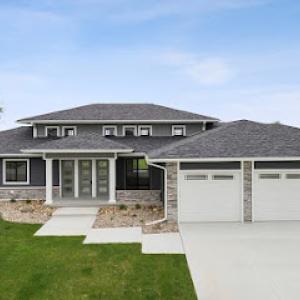
Super Eagle Roofing
(515) 708-4027 supereagleroofing.com
1820 S Dayton Pl, Ames, Iowa
5.0 from 97 reviews
At Super Eagle Roofing, we are a family-owned, #1 roofing company in Ames, IA, proudly serving both residential and commercial customers for over 15 years. Our team specializes in roof repairs, roof replacements, new roof installations, storm damage restoration, and exterior services like siding and rain gutter installations. As certified installers of top brands like GAF, James Hardie, and Mastic, we guarantee high-quality craftsmanship and durable materials for every project. Whether you need exterior maintenance or emergency storm damage repairs, Super Eagle Roofing is your trusted partner. Contact us today for expert roofing services you can rely on!
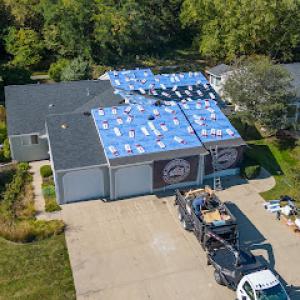
TMJ Construction Services
(515) 232-1493 www.tmjconstructionservices.com
2230 229th Pl, Ames, Iowa
4.7 from 210 reviews
TMJ Construction Services is a licensed and insured exterior contractor serving the Des Moines metro and Central Iowa. We specialize in residential roofing, siding, windows, gutters, decks, and storm damage restoration. With over 25 years of experience, TMJ is known for quality craftsmanship, transparent estimates, and long-term customer relationships.
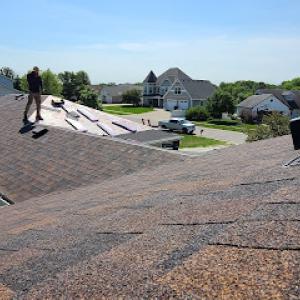
Roofing Innovations
(515) 451-1878 roofinginnovations.info
328 Main St Suite 215, Ames, Iowa
5.0 from 28 reviews
Roofing Innovations is a trusted exterior remodeling contractor proudly serving Central Iowa. We specialize in professional roofing services, including roof replacements, roof repairs, storm damage restoration, and new roof installations for residential and commercial properties. Our team also provides expert siding, gutter installation, and exterior repair services to keep your home protected and looking its best. Whether you need asphalt shingles, metal roofing, or wood shake repairs, Roofing Innovations delivers quality craftsmanship and dependable service. Contact us today for a free inspection in Des Moines, Ames, Ankeny, and surrounding communities.
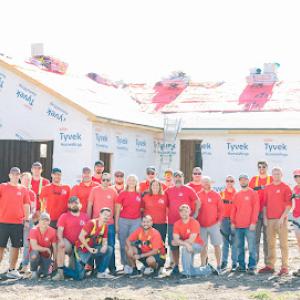
Heartland Roofing, Siding, & Solar
(515) 231-4130 heartlandroofingandsiding.com
137 Lynn Ave, Ames, Iowa
5.0 from 9 reviews
Heartland Roofing, Siding, and Solar proudly serves Ames, Iowa and Central Iowa with expert roofing, siding, gutters, windows, and solar services. As a top-rated local contractor, we specialize in roof replacements, siding installations, window replacements, and solar services. Our team delivers honest work, fast response, and industry-best warranties. As Owens Corning Platinum Preferred Contractors, we’re trusted for both residential and commercial projects. Call today for a free property inspection and consultation.
316 Construction Group
420 S 17th St, Ames, Iowa
5.0 from 2 reviews
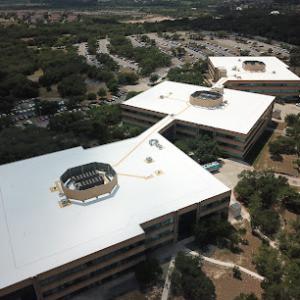
You don’t have time to guess which roofing solution is right for your facility. You need data to make an informed choice and a construction partner who is an expert in your organization’s complex project processes. Don’t risk wasting time and money on a guesswork roofing solution.
All American Roofing & Construction
Serving
5.0 from 15 reviews
All American Roofing & Construction provides roofing, siding, and gutter services in Ankeny, Ames, Norwalk, Des Moines, Clive, Johnston, Grimes, Boone, Madrid and surrounding communities in Central Iowa
Central States Roofing
Serving
4.4 from 9 reviews
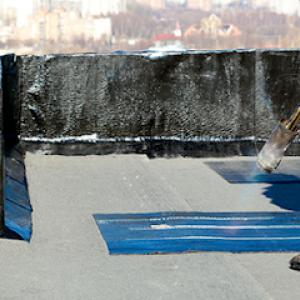
Central States Roofing provides commercial roofing, low slope roofing, and architectural roofing to the Ames, IA area
Waddle Exteriors & Roofing
(515) 575-2378 www.waddleexteriors.com
Serving
4.8 from 253 reviews
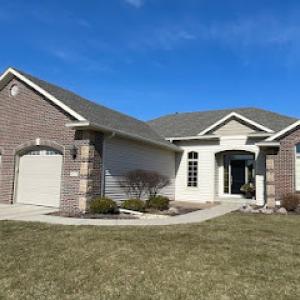
Waddle Exteriors Roofing, located in Story City, IA, is a premier roofing contractor known for superior solutions. Our expert team offers a full range of services, including roof repairs, replacements, maintenance, and inspections. We use the finest materials and cutting-edge techniques to ensure your roof is durable, weather-resistant, and visually appealing. Whether recovering from storm damage or upgrading your home’s exterior, Waddle Exteriors Roofing delivers personalized service and unmatched craftsmanship. Trust us to protect your home and enhance its value with reliable, efficient, and affordable roofing services.

Hedrick Construction
(515) 597-7663 www.hedrickconstructioninc.com
Serving
4.7 from 69 reviews
A full-service roofing and exterior contractor, we install and repair roofing, gutters, windows, and insulation for residential and commercial properties in Des Moines, Ankeny, Ames, and surrounding areas.
Wirtzy Construction
(515) 203-0993 roofmyhouse.com
Serving
4.7 from 37 reviews
Wirtzy Construction is a trusted roofing company in central Iowa. Call or text us to set up a time to get your roofing estimate!
Elite Construction
(515) 230-3872 www.eliteconstruction515.com
Serving
4.8 from 41 reviews
Elite Construction is a premier exterior specialist that has been serving Central Iowa since 2007. We are a CertainTeed Credentialed roofing contractor which allows us to offer the best material and warranties in the Industry. We specialize in full-service roofing, siding, and seamless gutters. Elite Construction offers free estimates to our potential customers. Call us today to schedule yours!
Jb Roofing
(402) 708-6404 www.jbproroofing.com
Serving
5.0 from 11 reviews
With years of experience in the roofing industry, J B Roofing is the go-to company for all your roofing needs in Omaha, NE. Our team of experts is dedicated to delivering quality roofs that you can trust to protect your home or business. From installation to repairs, we use our expertise to ensure that every project is completed with the utmost care and attention to detail. Trust us to provide you with professional and reliable roofing services in Omaha. Contact us today for a roof you can count on.
Cold central Iowa winters create repeated freeze-thaw cycles that take a toll on roofs. In this area, water can creep into small gaps at eaves, around flashing transitions, and along vulnerable edges of shingles where thermal stress doubles the wear. The cycle of freezing at night and thawing during the day makes it easy to miss early signs of trouble until a storm brings noticeable leaks. The best defense is regular attention to problem spots where ice tends to back up and meltwater sits longer than it should.
Winter ice damming and snow load are specifically noted local seasonal risks, limiting exterior work windows and increasing the importance of attic-side diagnosis when leaks appear. When temperatures swing, ice can form a barrier at the eaves that forces melting water to back up under shingles and underlayment. This means that a small roof drip inside the living space may be the tip of a larger problem above the attic and under the decking. Snow on the roof acts as a weight and a barrier to rapid heat flow, so even moderate accumulations can stress older shingles, flashing, and edge details. In practice, that translates to paying closer attention to soffit vents, ridge vent balance, and any misfit where ice and meltwater have a chance to reuse the same creases.
Winter weather often shortens exterior repair windows. When damage is detected, the priority becomes preventing further interior damage while weather moderates. Temporary stabilization is a real consideration in these months, since snow cover and ice can delay full exterior correction until safer weather. If leaks appear during a thaw, it's common for a temporary fix to keep water from seeping deeper while a longer-term repair plan is prepared for the first stretch of dry, non-freezing weather. That means planning for a two-step approach: weathering the current freeze-thaw cycle and then addressing the root cause once the surface can be safely accessed.
The attic becomes a critical diagnostic space in Ames, especially when leaks are suspected. Ice damming can mask the true boundary of damage, hiding saturated decking or compromised underlayment behind a ceiling stain. A careful attic inspection during or just after a thaw helps distinguish between a temporary interior symptom and an exterior failure. Look for signs of moisture intrusion along rafter tails, around vents, and at the corners where roof planes meet. Pay particular attention to daylight near flashing lines and to any mushy or darkened wood at the eave edge, which can indicate sustained exposure to moisture.
Start by ensuring eaves and roof edges are clean of debris that can hold meltwater. Check that attic insulation is sufficient and evenly distributed to reduce heat leakage that fuels ice dam formation. If you notice interior signs of leakage after a melt, document the points of entry and the corresponding exterior features above them, then plan for a targeted exterior inspection when weather allows. In the meantime, reduce additional water intrusion by keeping penetrations sealed around chimneys, vents, and skylines, and consider temporary measures that minimize the path of water into the attic. When big storms roll through, expect that initial calls may be about stabilization rather than a full fix, and prepare for a collaborative plan that addresses both the immediate leak and the underlying edge or flashing vulnerabilities that freeze-thaw cycles relentlessly exploit.
When you can't wait, these contractors offer fast response times to stop leaks and prevent further damage.
Super Eagle Roofing
(515) 708-4027 supereagleroofing.com
1820 S Dayton Pl, Ames, Iowa
5.0 from 97 reviews
Des Moines Area Roofing Siding + Solar
(515) 360-7480 desmoinesarearoofing.com
Serving
4.8 from 138 reviews
In this part of the year, timing your replacement around the central Iowa climate matters. For Ames, replacement is often best scheduled from late spring through early fall because central Iowa winters restrict tear-off and installation conditions. That window gives crews enough daylight and stable temps to lay underlayment, set shingles, and seal penetrations properly before winter moisture returns. Planning ahead during this span reduces the risk of rushed jobs caused by cold snaps.
Spring brings two big realities to consider. Spring hail can interrupt planned projects in Ames by shifting crews from scheduled replacements to storm response work. If a storm hits during your planned replacement, the timeline can stretch as crews prioritize damage assessments and emergency repairs. Expect possible pauses, and build buffer days into the schedule so a delay won't push work into unfavorable weather.
As late spring fades into summer, the practical rhythm shifts toward consistent drying days and manageable temperatures. The longer days in late spring and early summer help crews complete layers and inspections without compressed schedules. Your project can stay on a steady cadence if storms cooperate, but keep in mind that unexpected precipitation still shows up in central Iowa's forecast and can pause progress on already started tasks.
Summer heat adds its own constraints. Summer heat and thunderstorms in central Iowa can delay installation days and affect how materials are handled on the roof. Hot shingles can be harder to work with, and adhesive or sealant performance may vary under extreme sun. Thunderstorms also bring wind and moisture that complicate edge work and fastening. If a crew is juggling multiple jobs in a season, you may notice shorter windows for roofing each day and more careful staging on the roof deck.
To navigate the season effectively, align the project with predictable weather blocks whenever possible. Coordinate with the contractor to set a target sequence of days that favor dry mornings, then plan for potential midseason adjustments if a late spring storm reshapes the schedule. Consider the typical storm pattern and how it could impact access to the roof, material deliveries, and the timing of inspections, since those factors often determine how smoothly a replacement progresses.
In this market, asphalt shingles remain the go-to for homeowners watching the bottom line. Expect about 350 to 550 USD per square for a typical asphalt roof, installed in a standard Ames neighborhood with conventional attic space and decking. Metal roofing usually lands in the 700 to 1100 USD per square range, a step up that reflects faster installation and longer service life in the Central Iowa climate. Tile systems sit noticeably higher, with clay around 900 to 1600 USD per square and concrete typically 800 to 1300 USD per square. For those seeking a middle ground that mimics the look of more expensive options without the same upfront cost, synthetic or composite shingles run roughly 500 to 800 USD per square. These figures reflect local material choices and contractor practices you'll encounter after a severe spring or summer storm.
Hail and wind events concentrate demand into a tight late-spring to early-fall window, which can push pricing higher in Ames. When storm activity is heavy, availability of crews and supply of decking and underlayment accelerate pricing pressure. If your roof is flagged for a full re-roof rather than a simple patch or repair, expect a tighter timeline and potentially higher material costs as suppliers respond to demand. This effect is more pronounced for higher-end materials, where lead times can extend and scheduling becomes weather-driven. In practical terms, if you're facing a post-storm replacement, budget a bit more for labor windows and expedited orders to avoid delays that compound price changes.
Costs in Ames are also influenced by whether storm damage reveals decking issues at rough-in. If the decking is sound, the project tends to stay closer to the baseline for your chosen material. If framing or plywood decking needs replacement, that adds labor and material costs that reverberate through the overall price. In a typical re-roof, contractors will order full tear-off, inspect decking, and plan the installation around the weather window. If hail damage is widespread, there's a higher likelihood of encountering hidden rot or moisture intrusion, which can shift the project from a straightforward replacement to a more involved rebuild of the roof base. Being prepared for decking-related adjustments can help you align expectations with your contractor and avoid surprise charges during the rough-in phase.
In this community, a permit is generally required for a full re-roof rather than being treated as a purely informal contractor task. That means the work plan, materials, and method must align with local code and weather considerations, especially given the central Iowa hail and wind environment. The permit process helps ensure the decking, underlayment, and flashing are evaluated for proper drainage and wind uplift standards, which are essential after tough freeze-thaw cycles that can reveal edge and substrate issues.
Local practice is for the contractor to pull the permit and coordinate inspections with the City. That responsibility includes scheduling the rough-in inspection after decking and underlayment are installed, followed by a final inspection when the project is complete. If a storm damages the roof mid-project, the permit holder should communicate any substrate concerns revealed during rough-in, since exposed decking or damaged underlayment can prompt additional repair steps before finishing. Expect the contractor to provide the inspection window and keep the project documentation organized for the city's review.
The rough-in inspection typically occurs after the roof deck and underlayment are in place but before shingles or other final coverings are applied. This step confirms that the structural components are sound, that underlayment orientation is correct, and that drip edge and starter strips meet code requirements. The final inspection happens once the new roof is fully installed and all penetrations, vents, and flashing have been installed and sealed. If storm-driven surprises surface-such as moisture trapped under decking or damaged decking beyond the scope of a quick fix-the rough-in stage is where those problems are likely to be flagged, and repairs may be required before proceeding.
Storm seasons in central Iowa stress roof edges and decking. If hail or wind exposes substrate problems mid-project, the rough-in inspection can serve as an early checkpoint to document and address those issues. Keep a clear line of communication with the contractor so any decking replacement, underlayment repair, or flashing adjustments demanded by the inspector can be handled promptly. Having a documented sequence of inspections helps prevent delays caused by revisiting code compliance after weather-related damage.
Expect the contractor to coordinate the permit timeline with the City's inspection schedule. The process typically involves permit issuance, a rough-in inspection during decking and underlayment work, and a final inspection after completion. You can help by reviewing the contractor's inspection calendar and ensuring access for inspectors at the required stages. If a storm alters the project scope, request a quick status update on any needed permit amendments or additional inspections to keep the project on track.
Because central Iowa experiences frequent hail and wind, owners should establish a clear baseline before storm season. Document the roof's age, any prior repairs, and the current condition of edges and decking. Take dated photos from multiple angles, including eaves and any visible granule loss. Create a simple, chronological notebook or digital folder that ties each photo to a date and a short note about what's visible. This helps when the first claim review arrives.
Adjusters serving claims in this market often ask for contractor contact information, photo sets, and records that show pre-loss conditions. Have a trusted local roofer's details ready, along with a concise list of every major roof component and its approximate age. Include a few representative photos of damaged areas, plus interior photos if there's any attic or ceiling evidence of water intrusion. Keep a spare copy of the contractor's license or company credentials in the file in case the claim team requests verification.
In this area, permit and inspection paperwork can become part of the claim file when a storm-related replacement moves forward. Store copies of any permit applications, inspection logs, and final inspection certificates in an organized folder. If a storm-driven project begins, align the claim timeline with the inspection milestones so the file flows smoothly for both the insurer and the jurisdiction. Having these records ready can prevent delays and support a faster, clearer review.
Connect with contractors who help homeowners navigate the claims process from damage assessment to final approval.
Super Eagle Roofing
(515) 708-4027 supereagleroofing.com
1820 S Dayton Pl, Ames, Iowa
5.0 from 97 reviews
TMJ Construction Services
(515) 232-1493 www.tmjconstructionservices.com
2230 229th Pl, Ames, Iowa
4.7 from 210 reviews
Roofing Innovations
(515) 451-1878 roofinginnovations.info
328 Main St Suite 215, Ames, Iowa
5.0 from 28 reviews
The dominant material mix you'll see for homes around the Des Moines metro edge includes asphalt shingles, metal roofing, clay tile, concrete tile, wood shingles or shakes, and synthetic or composite shingles. Each option has its own strengths when facing Ames' mix of storm-driven hits and long winters. Asphalt shingles are common because they balance durability with repairability after hail events, while metal offers high impact resistance and quicker, lighter replacements. Clay and concrete tiles provide strong wind performance and a distinct look, though their weight and edge support needs demand extra attention during replacement. Wood shingles or shakes bring a classic curb appeal but require careful maintenance against freeze-thaw cycles and moisture. Synthetic or composite shingles aim to blend resilience with installation flexibility, which can help when decking conditions are uneven after a storm.
Central Iowa freeze-thaw winters can punish roof edges and decking, so edge security and attic ventilation become practical talk points during material selection. In Ames, a roof needs to manage not just hail but also wind-driven impacts that can chip or dent, especially on lower slopes or taller structures. When evaluating materials, look for products with proven impact resistance and good wind uplift ratings for the neighborhood's typical storm profiles. Consider coatings and underlayment systems that bolster water shedding at the eaves and valleys, where meltwater can linger and cause edge deterioration over several seasons.
Heavier tile systems, such as certain concrete or clay options, should be evaluated carefully when storm damage leads to a roof replacement. The local process may expose decking conditions during rough-in, revealing hidden rot, fastener corrosion, or framing concerns. If decking shows signs of wear, plan for repairs or reinforcement before the new system is fully installed. This is especially relevant if the home's roof deck has seen repeated hail impacts or sustained moisture intrusion from failed underlayment in previous winters. The goal is a solid substrate that supports the chosen material without compromising longevity or performance in Ames' volatile weather.
Explore specialists in steel, aluminum, and standing seam metal roofs built to last 50 years or more.
Roofing Innovations
(515) 451-1878 roofinginnovations.info
328 Main St Suite 215, Ames, Iowa
5.0 from 28 reviews
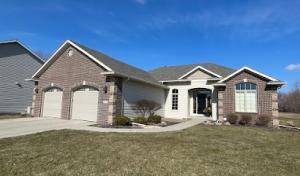
Although not the dominant market segment, Ames does have contractor activity around flat or low-slope roofing, which becomes more sensitive during snow load and ponding-prone periods. Flat and near-flat surfaces tend to conceal or exaggerate leaks depending on how consistent your drainage is through the freeze-thaw cycle. In practical terms, you will notice that small ponding pockets widen tiny hairline leaks into noticeable drips after a late-winter thaw or a wind-driven rain event. The most common culprits sit at the transitions between roof planes, along edge terminations, and where the roofing material meets parapet walls or dormers. If a low-slope section sits under a newer skylight well, it's easy to mistake the source of a leak for several days, because water can travel laterally before entering the interior. Expect to see staining near flashing joints or edge metal where ice dams can form a couple of inches into the seam before the rest of the roof experiences water intrusion.
Skylight-related leak work appears in the Ames market and can become more visible during freeze-thaw cycles and wind-driven rain events. The combination of heat gain from the interior and the cold exterior can push seams apart, especially around curb-mounted units that rely on precise flashing geometry. In practice, look for lifted shingles near skylight edges, darkened decking around the curb, and frost crusting along flashing legs. Poor integration with surrounding roofing material is a frequent trigger for leaks, as are deck penetrations that weren't properly sealed or backed by a solid waterproof membrane. During storm inspections, pay attention to the skylight curb itself, any condensate buildup, and the condition of sealants where curb and roofing meet. Even when the main replacement scope is a standard pitched roof, these details often surface and deserve a careful eye.
In Ames, these details often surface during storm inspections even when the main replacement scope is a standard pitched residential roof. Edges and eaves bear the brunt of wind-driven rain and ice movement, so flashing at rake lines, vent pipe collars, and chimney penetrations should be reviewed with a fine-tooth comb. Remember that proper drainage and timely resealing after a storm can prevent cascading leaks from a seemingly minor defect. A cautious approach to detailing at skylights and low-slope transitions will save trouble as winters tighten their grip.
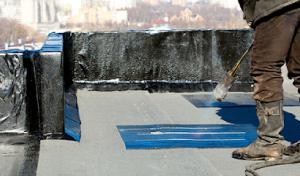
Find specialists in TPO, EPDM, and built-up flat roofing systems for residential and commercial properties.
Roofing Innovations
(515) 451-1878 roofinginnovations.info
328 Main St Suite 215, Ames, Iowa
5.0 from 28 reviews
Des Moines Area Roofing Siding + Solar
(515) 360-7480 desmoinesarearoofing.com
Serving
4.8 from 138 reviews