
Last updated: Apr 19, 2026
Spring in central Iowa brings hail and strong winds that routinely punch through aging roofs and spot demand spikes among nearby crews. In Marshalltown, those impulses aren't just weather patterns; they trigger a surge in contractor availability and, often, a mismatch between urgent needs and orderly project planning. When a hail event hits, the clock starts ticking not only on roof integrity but on the pace of your insurance response and the ability to secure a reliable crew. Snow and ice dam risk linger into late winter, so the best path forward combines immediate damage assessment with a clear plan for a solid replacement when the weather cooperates. Waiting too long risks more interior damage and further deterioration of roof deck and flashing, especially if the wind-driven forces have already compromised underlayment or ventilation.
Because the local insurance environment is shaped by hail and wind-related claims, homeowners need to photograph damage before any tear-off starts and again after completion. Your photos should show blown granules, lifted shingles, damaged flashing, and any interior signs of water intrusion. If a claim is filed, insurers often require a documented trigger for replacement rather than a seasonal window. In this area, timely filing and precise documentation can influence the scope of work approved, the ability to coordinate a multi-day tear-off without rushed decisions, and the sequence of steps your contractor must follow. The emphasis is on credible, date-stamped evidence that aligns with the insurer's assessment and the contractor's written replacement plan.
Before any tear-off, take wide exterior shots showing the roof's overall condition from multiple angles, then close-ups of damaged shingles, granule loss, and exposed underlayment. Capture gutters, vents, chimneys, and eaves where water migration could begin. After completion, photograph the finished roof from the same angles to prove the tear-off and replacement occurred as described. Keep a simple, organized folder or binder with the date, weather conditions, and names of the contractor and insurer representatives involved. If you're working with a storm-damage team, insist on a written, itemized scope that aligns with the photos and the insurer's claim notes. This documentation reduces back-and-forth, speeds up inspections, and helps keep the project on the right track during those high-demand spring weeks.
Central Iowa's spring burst of activity means crews can book up quickly, and you'll want to align the project with favorable weather to avoid ice dam risk and interior leaks during the process. In practice, that means aiming for a window after the most damaging hail events have passed but before winter sets in again. If a replacement is triggered by storm damage, you may be balancing an urgent need to protect structure and interior spaces with a practical installation period when ice and snow aren't a constant threat. Work with a contractor who provides a realistic, climate-aware schedule, a plan for staged tear-off and re-roof, and contingency steps if an early spring storm alters the timeline. The right partner will also coordinate with your insurer to ensure inspections and approvals happen in sync with the installation, minimizing the chance of delays and weather-related setbacks.
ProCrafters Roofing
(641) 751-2223 procrafters.com
901 N 3rd Ave, Marshalltown, Iowa
4.6 from 32 reviews
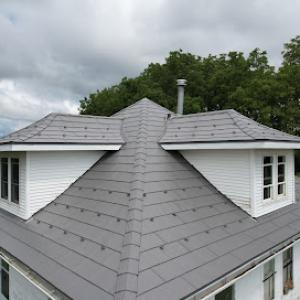
Your roof is your home's first line of defense against the elements. When your roof needs repair or replacement, you need a roofing contractor you can count on for reliable quality. We specialize in both residential and commercial roofs, EDCO steel shingles and storm damage. Never settle for roofing that doesn't offer complete protection. Rely on the experts at ProCrafters Roofing for services in the Allison, Marshalltown and Cedar Falls, IA areas.
Top Shield Roofing
(641) 485-7855 roofingtopshield.com
1302 Emerald Dr, Marshalltown, Iowa
5.0 from 1 review
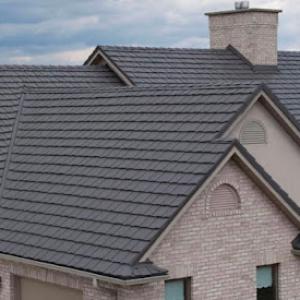
Top Shield Roofing is providing exceptional services all throughout the Des Moines, Ankeny, Ames, Marshalltown, and surrounding areas in Iowa. We are committed to guarding your home for years to come with top quality workmanship matched with extraordinary customer service.
Cowan Roofing
(641) 752-7520 www.cowanroofingcompany.com
410 Washington St, Marshalltown, Iowa
5.0 from 1 review
Cowan Roofing has decades of experience in the roofing industry. We are a family-owned and operated roofing company that provides our customers with the highest level of service. We offer a wide range of roofing services, and we are committed to providing you with the best roof possible. Our Marshalltown roofers are ready to help you with all of your roofing needs.
Adkins Construction
(641) 844-8726 adkinsroofingconst.com
Serving
5.0 from 20 reviews
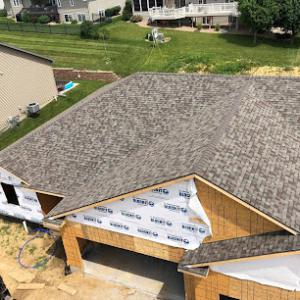
We are a leading roofing company for Marshall and surrounding countys in Iowa. Specializing in residential asphalt roofing, roof repairs, total roof replacement, new construction, storm damage, and insurance claims. We are an Owens Corning preferred contractor. This means we are part of a network of professional roofers committed to service, and craftmanship. We are licensed and insured, estimates are free. Owner is always on site.
Seamless Gutterworks
(515) 291-3788 seamlessgutterworksco.com
Serving
5.0 from 34 reviews
Seamless Gutterworks has been servicing our local community of Ames, IA, since 1994. Locally owned and family-operated, we provide a personalized customer service experience to ensure all of our customers' needs are met. With over 30 years of experience, we have the know-how to get the job done right the first time. Our knowledgeable staff will walk you through each step of the process to ensure our customers have a complete understanding. Our services include gutter installation, gutter repairs, and gutter maintenance. Complete service offered with lifetime warranties and high-grade sealant, ready to respond to anything Mother Nature has to offer. Call today for a free consultation!
In this area, a roofing permit is required through the City's Building Department for full roof replacements. The permit process is not a mere formality at project end; it governs the work from tear-off through final completion. A typical Marshalltown permit will be tied to a scheduled sequence of inspections, so the contractor must have clear coordinates on when each major step happens. When a homeowner signs with a local contractor, confirm that the permit pulls in a timely fashion and that the contractor is prepared to align with the city's inspection timeline rather than treating inspections as optional checkpoints.
Marshalltown's inspection flow is staged, not a single "finish line" check. Inspectors commonly review after roof removal to verify proper deck condition and waste handling, then again after underlayment and venting installation to ensure the roof system is dry-in-ready and venting is up to code. The final inspection occurs once all components are in place and the work meets code compliance. Because inspections occur before final completion, the timing is crucial: each stage must be completed and accessible for the inspector, not hidden behind finished surfaces. Plan the sequence so your contractor can demonstrate the work at each checkpoint, rather than guessing when a permit inspector will show up.
Given the staged inspection model, coordination is essential. Your contractor needs to manage tear-off, dry-in, venting, and the scheduling of inspections in a tight, efficient flow. Leaving the roof exposed between significant steps is not ideal in Marshalltown's climate, where wind, hail, and cold snaps can quickly affect exposed decking. Seek a contractor who can sequence the work so the roof is covered and protected as much as possible between stages, while still enabling timely inspections. Before signing, map the plan: when the old roof comes off, when underlayment goes on, when vents and flashing are installed, and when the final surface is completed. A clear, written schedule helps avoid delays that can arise if a later inspection blocks progress or requires a rework.
Ask the contractor to provide a specific inspection-ready package for each stage: verified tear-off photos, deck condition notes, underlayment type and placement confirmation, vent and exhaust routing diagrams, and a pre-inspection checklist. Verify the Building Department's hours and any access requirements, such as temporary ladders or safety barricades. On the day of an inspection, ensure access to the roof and attic spaces without removing more than necessary exterior elements. If a weather window opens between stages, coordinate with the inspector and contractor to minimize exposure while preserving code compliance. A well-channed sequence helps avoid delays and keeps the project moving smoothly through Marshalltown's permit and inspection process.
Cold winters bring steady snow buildup on roofs, and that weight plus freeze-thaw cycles makes ice dam prevention and attic ventilation crucial. In this climate, attic cross-ventilation helps keep roof decks from lingering warm pockets that melt snow at the eaves and refreeze higher up. If insulation sits underperforming, warm attic air sneaks into the roof assembly, feeding ice dam formation and creating layered stress on shingles and underlayment. A thoughtful approach to attic ventilation-balanced intake and exhaust, with vents sized to the attic space and seasonal checks for blockages-can be the difference between a longer, steady service life and recurring damagefest from thaw-refreeze cycles.
Autumn and winter in central Iowa introduce pronounced freeze-thaw cycles that sneak up on roofs before you see any field-shingle failure. Those cycles stress flashing around chimneys, vents, skylights, and perimeters long before you notice curling shingles or lifted edges. In this area, every year reveals small creases, micro-cracks, or loosened sealants in flashing that can cascade into leaks when storms or rapid temperature swings hit. A proactive inspection focusing on flashing integrity, sealants, and step flashing transitions-especially where roof planes meet walls or dormers-can catch trouble before it shows up as damp spots on ceilings.
Replacement timing in this region is shaped by the need to avoid both winter ice conditions and peak spring storm backlogs. If a roof shows multiple years of weather-induced wear but holds up structurally, planning around thaw windows and dry spells in late winter or early spring reduces the risk of work stalls when mud, ice, or heavy spring storms arrive. Conversely, delaying too long into late winter can expose exposed sheathing to moisture-bearing freezes that complicate installation and extend project timelines. When siding, gutters, and interior spaces stay dry during mid-season inspections, you gain a clearer view of true roof condition and can schedule replacements to minimize exposure to severe weather while aligning with crews' availability after winter. In short, anticipate both the ice season and spring backlog, and time the project to a dry, steady window rather than waiting for the first good warm spell that might still be interrupted by another cold snap.
Asphalt shingles are a dominant choice in this market because they fit the area's typical replacement cycle and are widely used across central Iowa. They offer straightforward installation, solid hail resistance when rated properly, and a favorable balance of performance and service life for average suburban and small-town homes. In practical terms, you'll find a broad range of profiles and warranties that align with Marshalltown's seasonal weather swings, from freeze-thaw cycles to spring hail events. When choosing asphalt, pay attention to the dimensional or architectural options that provide better wind uplift resistance, as high wind days are common and can stress aging roofs. A locally familiar installer can ensure proper nailing patterns and underlayment choices that help maintain performance through Iowa winters.
Metal roofing is relevant for homeowners prioritizing snow shedding and impact resistance after repeated hail seasons. In this climate, metal roofs can shed snow more reliably and resist denting from hail if a reputable, properly installed system is chosen. The material's rigidity and seam design contribute to long-term durability, but the weight and fastening details matter for performance under temperature swings and wind-driven events. If considering metal, discuss panel profiles, coating systems, and fastening methods with a contractor who understands how local storms and freeze-thaw cycles influence repair needs. A metal roof can be a wise, low-maintenance option for homes facing frequent hail exposure and heavy snowfall, provided the installation accounts for drainage and flashing around chimneys and vents.
Clay tile, slate, cedar shakes, and synthetic or composite shingles are available in the area, but their weight, detailing, and repair complexity matter more here where storm claims and seasonal scheduling are common. Clay tile and slate bring exceptional longevity and a distinct look, yet they require structural capacity and careful installation to handle Iowa's freeze-thaw cycles. Cedar shakes offer natural aesthetic appeal and decent wind performance when properly fastened, but they can be more vulnerable to moisture and decay if maintenance lags. Synthetic or composite shingles can mimic real materials with often better impact resistance and lighter handling, but test the product's behavior in cold weather and under heavy hail. In practice, these options are best suited for homes with suitable roof structure, compliant underlayment, and a contingency plan for potential repairs after severe storm seasons.
In this market, the best choice balances local weather exposure, roof structure, and repair expectations. For most homes facing hail and wind, asphalt remains a practical default, while metal offers strong performance in snow-heavy periods and high-impact scenarios. Heavier materials demand careful assessment of structural support and potential retrofit needs, especially if the home has limited attic access or older framing. Always consult a local roofer who understands how Marshalltown's storm patterns translate into real-world repair scheduling and maintenance planning, ensuring the final choice performs reliably when the next hail season hits.
In Marshalltown, the cost landscape for roof work mirrors the varied material choices available to homeowners. Asphalt shingles typically run about $350 to $550 per square. If you're weighing something longer lasting, metal roofs run between $700 and $1100 per square. For more premium options, clay tile tends to be $900 to $1800 per square, while synthetic or composite shingles sit around $400 to $800 per square. Slate sits higher, roughly $1000 to $1800 per square, and cedar shakes fall in the $600 to $900 per square range. These numbers reflect typical bids from local crews after hail or wind events, when scheduling and material demand are most noticeable.
Storms don't just damage roofs; they shift the whole local roofing timeline. After a hail or high-wind event, labor crews and supply chains tighten, and your project can slide from a nearby schedule into a longer wait. That push translates into higher labor pressure, faster decking and underlayment turnover needs, and more intense coordination with crews who are juggling multiple storm-damaged homes. If your roof is at the edge of replacement in a windy or hail-heavy period, expect a few extra days or a week of lead time as crews prioritize safety, scoping, and staging of materials.
When an event hits, it pays to have a clear, two-step planning approach. First, gather three solid bids from reputable local contractors who understand the midwest wind and hail patterns and can speak to the specific conditions of your roof type. Second, set a realistic window for tear-off and dry-in that accounts for possible weather pauses; in Marshalltown, schedules often compress and expand with storm activity, so having a built-in contingency helps keep the project on track. For premium materials like slate or clay, expect longer procurement and fabrication times, which can extend the overall timeline beyond a basic asphalt job. By aligning material choice with expected surge patterns, you can manage both cost and timing more predictably.
This area has hail and wind losses that insurers watch closely, and those patterns influence how quickly a roof claim moves through adjusters and underwriters. Insurers serving the community often treat older roofs differently than newer ones, and material type can tilt decisions. When a claim is opened, expect questions about roof age, color, granule loss, and visible wear, not just obvious storm damage. Thorough documentation helps the process move more smoothly.
Storm aftermath in this climate is part of the annual cycle, so claims handlers look for a complete record. Before-and-after photos are standard, and clear evidence of storm-related damage helps establish the link between the event and the replacement. Be prepared to provide invoices, contractor estimates, and a repair history if the roof has had prior attention. A well-organized package reduces back-and-forth and can shorten timelines, which matters when wind-driven delays or hail seasons align with insurer review windows.
Because coverage decisions may change based on roof age and materials, a replacement choice can affect future premiums or claim handling. Some insurers apply different depreciation or settlement expectations depending on the chosen roofing type and the remaining life of the deck. Understanding how your material choice-whether it's aging asphalt or a higher-durability option-could influence future interactions with the insurer helps you plan more predictably after a claim. Consider how the long-term resilience of the selected roof aligns with typical Iowa weather swings and your own risk tolerance.
In Marshalltown, repeated hail and wind exposure makes impact bruising, shingle loss, and flashing damage more important than purely age-based wear. A close look at the surface often reveals bruised spots that may not sound alarming yet weaken the shingle's granular protection. Wind-driven divots can lift edges and create micro-tears that propagate under cycles of sun and cold. Flashing along chimneys, skylights, and vent stacks is especially vulnerable, since those joints endure the brunt of wind gusts and hail strikes. When you're assessing a roof after a storm, prioritize areas where hail impact is likely to be concentrated-over valleys, rake edges, and near penetrations. Small defects in those zones can escalate quickly if left unattended.
The city's inspection-focused oversight places extra emphasis on underlayment and venting, making poor dry-in practices a practical local risk during replacement. Look beyond the visible shingle surface to the layers beneath: torn or shifting underlayment, improper nailing patterns, and insufficient tape at wind-ward seams can undermine the roof long before age becomes a factor. Venting systems-soffit, ridge, and static vents-need unobstructed flow to prevent moisture buildup that accelerates deck rot. Pay attention to nail and fastener corrosion where salt or moisture intrusion has occurred, and examine flashing transitions where roof planes meet walls or intersect chimneys, as those joints are common failure sources after freeze-thaw cycles.
Freeze-thaw stress in central Iowa means leak sources in Marshalltown often show up first around flashing transitions and roof penetrations rather than across the entire roof plane. Recurrent freeze-thaw cycles loosen sealants and widen tiny gaps at step and base flashing. Seasonal ice dam formation can also drive water laterally beneath shingles toward those same vulnerable junctions. During inspections, trace any dampness or staining back to transitions and penetrations, and test seals around vent boots and flashing welts for elasticity and adhesion. Prompt attention to these patterns can prevent broader interior damage after the next winter.