
Last updated: Apr 19, 2026
Hail and wind events here are more common than in many markets, and the pattern is clear: a fast-moving storm can slam a roof that mirrors a bluff-and-river-valley setting near the Minnesota confluence. Your shingles and flashing take the first hit, and vivid granule loss or dented metal edges often signal consequences that go beyond the surface. When a hail event hits, every clue matters: damaged shingles, compromised underlayment, dented gutters, and bent vent flashings. Do not assume only visible impact areas matter; moisture can hide in the attic through a small breach that allowed a quick spray of water during the next thaw or wind-driven rain. After a storm, inspect with a critical eye, but prioritize a professional inspection if you notice granule loss, exposed substrate, or elevated attic humidity. In this market, proactive replacement or targeted repairs can prevent a cascade of damage when the next blow arrives.
The climate pattern - cold winters followed by thaw periods - creates a recurring risk. Ice buildup along eaves, refreezing at the edges, and moisture intrusion can quietly injure a roof over time. Look for ice dams, but also for hairline gaps where attic air leaks through joints and around penetrations. Proper attic ventilation matters more here than in many markets: inadequate intake and exhaust can trap moisture that accelerates plywood degradation and insulation saturation. If your home has a history of ice buildup near soffits or a cold roof deck, plan for ventilation upgrades and a cautious approach to any chimney or vent flashing near the eave line. When temperatures swing, a small oversight in flashing or gutter protection becomes a bigger problem, amplifying the risk of mold, rot, and energy loss. Addressing these concerns now reduces the likelihood of expensive surprises after the next freeze-thaw sequence.
Spring storms in this region often expose issues that were not evident after a basic impact inspection. Underlayment, flashing, or decking problems uncovered by impact can expand a simple replacement into a broader project funded through an insurance claim. The moment impact damage is found, the scope can shift as more roofing components are raised to match new-found vulnerabilities. This is especially true if hail has penetrated beyond the surface, compromising the underlayment or deck boards. Plan for a thorough evaluation by a contractor who understands the likelihood of hidden damage and can coordinate with an insurer to align scope with actual replacement needs. A careful approach now prevents a patchwork fix that fails under the next storm, and it helps ensure the roof remains resilient through the area's notorious spring sequence.
Find local contractors experienced in assessing and restoring roofs after hail, wind, and severe weather events.
Schmidt Brothers Roofing
(507) 966-7806 www.schmidtbrothersroofing.com
287 St Andrews Dr Suite 200, Mankato, Minnesota
5.0 from 91 reviews
Stronghouse
(507) 588-9288 stronghousebrands.com
1410 3rd Ave, Mankato, Minnesota
5.0 from 40 reviews
Heyn Brothers Roofing
(507) 419-3093 www.heynbrothers.com
20783 Foley Rd, Mankato, Minnesota
4.8 from 241 reviews
Schmidt Brothers Roofing
(507) 966-7806 www.schmidtbrothersroofing.com
287 St Andrews Dr Suite 200, Mankato, Minnesota
5.0 from 91 reviews
A local asphalt shingle roofing and gutter company that prides itself on high quality work. We are committed to delivering the best possible experience for our customers. Achieving this through communication, honesty, quality work and accountability. We look forward to communicating with you about your project!
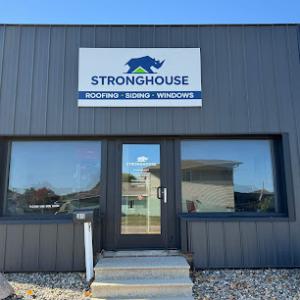
Stronghouse
(507) 588-9288 stronghousebrands.com
1410 3rd Ave, Mankato, Minnesota
5.0 from 40 reviews
Stronghouse is a national leader in exterior home and commercial remodeling, providing expert roofing, siding, windows, and gutters. We support teams across the country delivering trusted roof replacement, storm restoration, siding installation, energy-efficient windows, and seamless gutter systems. At Stronghouse, we do things the right way - your home deserves it. With honest service, durable materials, and professional installation, we stand behind every project. We build peace of mind, strong homes, and communities that know we have their back.
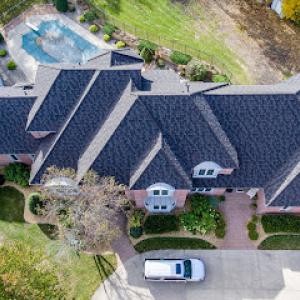
Heyn Brothers Roofing
(507) 419-3093 www.heynbrothers.com
20783 Foley Rd, Mankato, Minnesota
4.8 from 241 reviews
We pride ourselves in being the most professional roofing business in Southern Minnesota. For more than 20 years we have been helping homeowners and businesses with all of their roofing needs. With over 15 years experience installing steel roofing! Fast and dependable service is our highest priority on every project. Our professionalism has made us one of the elite roofing companies in Minnesota. After working with us, you will see that our staff is easy to work with and very knowledgeable on all of our products and services offered. Give Heyn Brothers a call and protect your biggest investment!
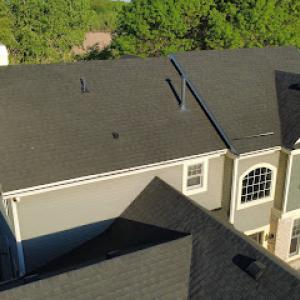
Bold North Roofing & Contracting - Mankato
(507) 431-1139 boldnorthroofing.com
931 Madison Ave Suite 204, Mankato, Minnesota
5.0 from 11 reviews
Fortune Favors the Bold. Let us help protect your home so that you can go boldly into any storm or night. Whether you are looking to upgrade or working through an insurance claim, you trust our local Minnesota team of professionals to provide high quality work that we stand by with a lifetime guarantee on our work and materials.
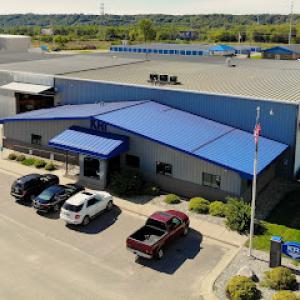
Kato Roofing
(507) 388-4112 www.katoroofing.com
321 Lundin Blvd, Mankato, Minnesota
4.5 from 31 reviews
Kato Roofing, Inc. is an award-winning commercial roofing contractor serving Minnesota and the upper Midwest since 1977. Our comprehensive range of products and services can meet the highest levels of performance and durability while satisfying both economic and aesthetic requirements. We offer a full range of services including new and replacement roof systems, emergency 24/7 leak service, roof repair, preventive maintenance, snow removal, and crane rental. We work hard to earn — and keep — our reputation of reliability, integrity, and quality workmanship with our customers.
All Around Labor Solutions
(507) 740-2114 www.allaroundlaborsolutions.com
2033 Aster Ln, Mankato, Minnesota
4.3 from 6 reviews
Affordable, reliable & efficient labor solutions for all your residential, commercial, and farm needs.
Mike Hansen Roofing
(507) 388-9259 www.mikehansenroofing.com
Serving
3.9 from 36 reviews
Roofing, Siding and gutters. Wind, hail storm damage restoration.
Boelter Window, Siding & Roofing Mankato
(507) 315-4208 boelterisbetter.com
Mankato, Minnesota
3.4 from 11 reviews
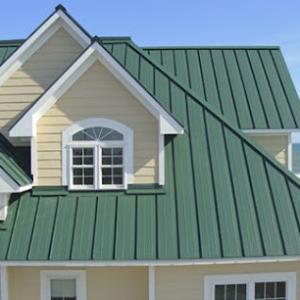
Ron Boelter Window, Siding & Roofing is your local roofing contractor in Mankato. As a leading roofing expert, we pride ourselves on over 20 years of combined construction and project management experience that is characterized by quality workmanship and excellent customer relations. We aim to build high-quality homes, deliver expert craftsmanship and are committed to provide superior and affordable roof repair, roof replacement and roof installation services. At Ron Boelter Window, Siding & Roofing Mankato, we believe in being a progressive and dynamic Mankato roofing company that strives to be the industry leader in product innovation and customer service. It only takes one call to join our family.
Bauer Roofing & Construction
(507) 382-4860 www.bauerroofingmankato.com
Serving
4.9 from 55 reviews
Bauer Roofing & Construction is a Mankato roofing contractor that has served all of Blue Earth County going back to 2001. They work with residential and commercial customers alike. Their experienced professionals are there from start to finish. Customers can rely on them for good preconstruction planning, followed by reliable installation. They do dependable repair work and offer a good routine inspection program aimed at eliminating or mitigating expensive future repairs. Call their office today to schedule a free estimate.
McCabe Roofing & Siding
(507) 519-2929 www.mccaberoofing.com
Serving
5.0 from 22 reviews
We offer residential and commercial roofing, siding, window, and gutter services in south central Minnesota. We're a family run business with deep roots in rural Minnesota.
Kelly Roofing
Serving
5.0 from 2 reviews
Kelly Roofing offers roofing services in St Peter, MN and surrounding areas. Call Kelly Roofing for all your roofing needs. We give free estimates and can help with insurance claims as well.
Tecta America Customer Solutions Center
(877) 485-1136 www.tectaamerica.com
600 S Riverfront Dr Suite 200, Mankato, Minnesota
Tecta’s 24-hour Customer Solutions Center provides one immediate point of contact. One call can address any roofing problem and quickly get your business back to normal. One Call, 24-7 Emergency Response – Tecta’s state of the art service center gives you one immediate point of contact, with an average dispatch time of fewer than 9 minutes. Leaks Stopped Fast Nationwide Coverage Quality Assured Roof Warranties Preserved For any roofing need, anytime, Tecta America's Customer Solutions Center professionals are available 24/7/365 Phone: 877-485-1136 Fax: 877-485-1137 Email: service@tectaamerica.com
In Mankato, the best window for a roof replacement tends to be late spring through early fall, but the season is not a straight path. Snow cover and icy access constrict winter schedules, making safe crew movement and reliable sealing challenging. If rare cold snaps align with a planned replacement, crews will push to a warmer day but may lose daylight and frictionless access as temperatures drop. Spring brings rain and hail interruptions that can stall progress even after winter ends, so you should expect a few weather-related delays and build those into your plan. Fall can be productive, yet temperature swings and storm fronts can shorten the work window before winter returns. The practical takeaway is to target a window with at least two consecutive dry days, moderate temperatures, and limited forecasted hail risk.
Because Mankato experiences frequent hail and wind, choose roof systems and fasteners that stand up to those conditions. If asphalt shingles are in play, insist on a cold-weather compatible adhesive and a sealing method that remains reliable as frost fades. For metal or synthetic options, verify that the product warranty explicitly covers impact resistance and wind uplift for the local climate. Installations should include a comprehensive ice and water shield in the eaves and around penetrations, since freeze-thaw cycles and snow load can drive leaks even in otherwise solid days. Ventilation preparedness matters in this climate: a well-vented attic reduces condensation risk that can amplify winter damage and extend post-install adjustments into the cooler shoulder seasons.
Before the crew arrives, clear the perimeter around the house and ensure safe pathing for equipment across driveways and yards. If possible, trim back overhanging branches that could complicate gains and drop debris during a storm or heavy wind. Ask the contractor to stage materials and set up weekly targets to minimize idle days caused by rain or snow. Discuss a clear plan for weather contingencies, including how they will protect newly installed underlayment and shingles from late-season cold snaps or sudden spring showers. Confirm that the crew will install a temporary barrier at the eaves if ongoing meltwater could pool near freshly installed seams.
During the replacement window, expect shorter work days in cool or damp conditions and ensure the crew checks sealant behavior as temperatures shift. A practical routine is to inspect the ridge line and valleys at the end of each day when the sun has warmed the surface, verifying that shingle seams seek full adhesion as the surface dries. In Mankato's climate, you want a crew that communicates daily progress and possible weather-driven pauses, with a plan to resume promptly when conditions allow. Ensure a post-install inspection focuses on ventilation intake areas, attic baffles, and any penetrations through the roof deck to prevent cold-season moisture buildup.
When you can't wait, these contractors offer fast response times to stop leaks and prevent further damage.
Kato Roofing
(507) 388-4112 www.katoroofing.com
321 Lundin Blvd, Mankato, Minnesota
4.5 from 31 reviews
Asphalt shingles are a dominant choice because they fit the local housing stock and cost expectations. In a bluff-and-river-valley setting, you'll want to pay close attention to hail bruising and wind-lift risk. When selecting asphalt, look for impact resistance ratings and reinforced mats to reduce bruising from hail stones. A conservative approach in areas with frequent wind gusts is to choose granule-retention options and wind-resistant nail patterns recommended by the shingle manufacturer. Regular inspections after hail events are essential to catch bruising or loose granules before leaks develop. Proper attic ventilation remains important, but with asphalt, the focus is on installation detail-ensuring adequate nailing in the right locations and avoiding overdriven nails that can compromise wind resistance. In this market, a well-sealed underlayment and drip edge contribute significantly to long-term performance in freeze-thaw cycles.
Metal roofing offers advantages for snow shedding and overall durability in cold winters. In Mankato, you'll find metal roofs help reduce snow buildup and related roof load, but the winter environment introduces condensation challenges inside a cold-climate attic system. When considering metal, ensure the attic space is equipped with a ventilation strategy that minimizes warm, moist air reaching the underside of the metal panels. A controlled vapor barrier and an air-impermeable seal at penetrations help prevent condensation-driven corrosion or ice damming. Choose a profile designed to shed snow in a controlled manner, with secure fastening to resist winter wind uplift. Routine inspection after storms should verify that flashing and ridge vents remain intact, as loose components can quickly compromise performance in freezing conditions. Proper attic insulation and continuous underside sealing are part of a comprehensive plan for metal in this region.
Wood shakes, synthetic products, slate, and clay tile appear in the market, but freeze-thaw exposure and snow-related loading make installation quality and structural suitability especially important here. Wood shakes require careful kiln-drying, proper nailing, and maintenance to resist warping and splitting from freeze-thaw cycles. Synthetic products can offer resilience against hail and wind, but ensure the synthetic's clasping system and underlayment are rated for cold climates and high-load snow events. Slate and clay tile bring distinctive durability but demand a solid substrate and precise attachment to handle freeze-thaw movements and heavy snow loads. In all these options, installation quality matters far beyond the material itself: misaligned fasteners, inadequate span support, or improper flashing can lead to costly damage once winter returns. When evaluating these materials, prioritize roofs with verified structural readiness, compatible underlayment, and a ventilation plan that keeps attic temperatures balanced to minimize condensation and thermal stress.
Across all materials, the interplay of hail exposure, wind, and freeze-thaw cycles drives a common theme: reliable installation and a thoughtful attic system. The best-performing choice for this region balances the local housing stock with snow behavior and storm history, while ensuring the roof system breathes properly and resists uplift. Continuous maintenance and timely repairs after severe weather protect the roof's long-term integrity, especially in this bluff-and-river valley landscape.
The most popular roofing material in the US. Find pros who install, repair, and replace asphalt shingles.
Schmidt Brothers Roofing
(507) 966-7806 www.schmidtbrothersroofing.com
287 St Andrews Dr Suite 200, Mankato, Minnesota
5.0 from 91 reviews
Stronghouse
(507) 588-9288 stronghousebrands.com
1410 3rd Ave, Mankato, Minnesota
5.0 from 40 reviews
Heyn Brothers Roofing
(507) 419-3093 www.heynbrothers.com
20783 Foley Rd, Mankato, Minnesota
4.8 from 241 reviews
Provided local pricing ranges run about $350 to $700 per square for asphalt shingles, $600 to $1200 for metal, $900 to $2100 for clay tile, $500 to $1000 for wood shingles or shakes, $550 to $1000 for synthetic or composite shingles, and $1000 to $2500 for slate. These numbers reflect the mix of residential and small commercial projects common around the bluff-and-river-valley region, where snows, freeze-thaw cycles, hail, and wind drive the cost and complexity of replacement. When you're budgeting, assume the higher end if your roof has multiple layers to tear off, or if the attic needs upgraded ventilation and ice-and-water shield throughout.
Storm-driven demand spikes after hail and wind events tighten contractor availability and push replacement timelines upward. In practice, that can mean longer wait times for an installation crew and tighter scheduling windows after a severe hail storm. If a roof has sustained hail damage that affects structural decking or underlayment, the project can shift from a straightforward shingle swap to a more involved repair or tear-off. In Mankato's winter months, cold-start work and frozen-neoprene underlayment considerations can add to both labor and material costs.
Costs in Mankato can also move based on cold-climate ventilation upgrades, ice-and-water protection needs, tear-off complexity after multiple reroof cycles, and whether steep residential roofs or mixed residential-commercial crews are involved. A steeper pitch or a roof that spans two structures can raise labor time and safety requirements, nudging the price upward. If a project requires upgrading attic ventilation for frost-free operation or additional soffit intake, plan for incremental material and labor charges beyond the basic shingle replacement.
Asphalt remains the most common, with a predictable per-square range near $350 to $700. If hail history and wind exposure point toward higher durability, metal and synthetic options move into the mid-range, roughly $600 to $1200 for metal and $550 to $1000 for synthetic. For homes with a traditional aesthetic or high-end finishes, clay tile or slate can push project costs well above typical asphalt, factoring in long-term durability but significant upfront investment. Keep in mind that a mixed crew, combining residential and small commercial work, can add to per-square pricing due to setup and logistics.
For a full roof replacement, a building permit is typically required rather than treated as a no-permit cosmetic project. This distinction matters because the permit ensures that the installation meets local wind-resistance and ventilation standards, which are particularly important in winter-heavy Mankato conditions with freeze-thaw cycles. When planning, you should anticipate the permit being part of the project timeline and milestones, rather than an afterthought.
The City of Mankato Building Department handles permit approvals and inspection coordination. In practice, many roofing contractors take on the paperwork on behalf of the homeowner, which can streamline the start of work. If you prefer to handle it yourself, you can reach out to the Building Department to confirm the exact form requirements and any neighborhood-specific considerations. Keeping a copy of the permit receipt and inspection schedule accessible at the job site helps avoid any miscommunication if questions arise during installation.
Inspections generally occur after roofing components are installed and again near project completion. Early checks verify that underlayment, ventilation paths, and flashing are correctly placed, ensuring good attic air exchange and reduced risk of condensation during cold snaps. The final inspection concentrates on overall wind resistance and the integrity of vents, ridge lines, and eaves. Since Mankato's bluff-and-river setting can amplify wind-driven debris, expect inspectors to look closely at fastener patterns and the approach to edge details on the roof deck.
Ventilation details carry extra weight in this climate. A properly balanced attic venting plan helps manage indoor moisture and reduces ice dam risk during freeze-thaw cycles. Inspections will pay attention to the number and placement of static vents, soffit intake, and ridge exhaust to ensure there is clear, unobstructed airflow. Wind-resistance requirements are not cosmetic; the Building Department will verify that the roof system, including hip and valley areas where wind exposure can be greatest, is secured with the approved fastener schedule and appropriate sealants. If your home has a detached garage or an older attic with limited ventilation, discuss upgrading or retrofitting with the contractor to align with inspection expectations.
Coordinate closely with the contractor to submit permit paperwork in a timely fashion, and ask for a written inspection timeline so you know when reviewers will be on site. Have visible, accessible access to attic spaces during inspections to facilitate quick reviews of insulation and ventilation pathways. Keeping the job site organized and all required documentation on hand helps inspections proceed smoothly and minimizes delays.
In this bluff-and-river-valley setting, winter snow loads mix with freeze-thaw cycles and frequent hail and wind events. That combination wrecks shingles, flashing, and attic ventilation faster than ordinary wear, so claims tend to come with a longer trail of evidence. Documentation becomes the essential bridge between damage as seen by a homeowner and approval by an insurance adjuster. The neighborhood roof stock-lath, sheathing, and underlayment types common to Minnesota homes-can complicate the picture if photos don't clearly show flaws or if key areas are left uninspected. A well-dated record helps prevent a claim from being delayed or reduced due to missing context.
Insurers serving this region commonly ask for detailed photos, prior claim history, and contractor estimates before approving roof-related work. After a hail or wind event, take wide and close-up shots of all angles, vents, and flashings, plus any interior signs of leakage. Preserve any previous claim files to show patterns or preexisting conditions. Obtain a written estimate from a trusted local contractor that itemizes materials and labor, and note if replacement components match what the home currently uses. If a prior claim exists, be prepared to explain improvements or code-related upgrades completed since then. Clear records reduce the back-and-forth that can stall a check and speed recovery after a storm.
Mankato's hail- and wind-prone environment means homeowners often need more thorough roof documentation than in lower-claim markets. While broad insurer pullbacks are not described as systemic, some carriers have tightened underwriting during higher-risk periods or in higher-loss areas. After a storm, act quickly to photograph damage, catalog roof sections by exposure (windward vs. sheltered), and secure independent estimates. Maintaining organized files-photos, timelines, contractor notes-supports smoother, more timely claim handling when the next storm season rolls in.
Connect with contractors who help homeowners navigate the claims process from damage assessment to final approval.
Schmidt Brothers Roofing
(507) 966-7806 www.schmidtbrothersroofing.com
287 St Andrews Dr Suite 200, Mankato, Minnesota
5.0 from 91 reviews
Stronghouse
(507) 588-9288 stronghousebrands.com
1410 3rd Ave, Mankato, Minnesota
5.0 from 40 reviews
Heyn Brothers Roofing
(507) 419-3093 www.heynbrothers.com
20783 Foley Rd, Mankato, Minnesota
4.8 from 241 reviews
In a bluff-and-river-valley setting, skylights are among the first places for ice and water to back up under surrounding materials when flashing ages or seals fail. In a freeze-thaw climate like this one, you'll notice more ice dams forming around skylight perimeters, and deteriorated step flashing can push water into the roof deck. Inspect skylight flashing annually, especially after winter storms. If you see wicking along the edges or dark staining on the interior drywall near the skylight, treat it as a moisture signal. Consider upgrading to a reinforced flashing system or a skylight with a more robust curb and proper sealant compatibility for cold seasons. Ensure the flashing interlocks cleanly with adjacent shingles or metal edging, and keep drip edges clear of debris to prevent backed-up meltwater from seeping down.
Low-slope areas on additions, porches, or mixed-use buildings in town require careful drainage and membrane detailing. Standing water on these surfaces can freeze and thaw repeatedly, accelerating membrane wear and seam failure. Pay attention to transitions where a low-slope roof meets vertical surfaces or parapets; improper termination invites ice build-up and backwater. Use continuous, properly bonded membranes with reinforced seams, and confirm that slope is adequate to shed meltwater toward the drainage outlets. In winter, inspect for ponding after storms and be prepared to re-slope or add supplemental drainage so water doesn't linger long enough to freeze into a stubborn ice layer.
Leak diagnosis in town often requires distinguishing storm-created openings from moisture problems tied to ventilation, condensation, or ice-dam behavior. Start by mapping the water entry path: trace from exterior to interior, noting if the leak appears after a heavy snowfall, a rapid thaw, or during high indoor humidity. If staining follows vents, or appears in soffits and attic spaces with inadequate venting, address attic ventilation first. For storm-driven leaks, check flashing joints around penetrations and the integrity of seals on non-traditional roof areas. Prioritize repairs that restore continuous drainage and maintain proper ventilation balance to prevent recurring condensation issues.
Find contractors experienced in skylight installation, flashing, and leak repairs to bring natural light into your home.
Schmidt Brothers Roofing
(507) 966-7806 www.schmidtbrothersroofing.com
287 St Andrews Dr Suite 200, Mankato, Minnesota
5.0 from 91 reviews
Heyn Brothers Roofing
(507) 419-3093 www.heynbrothers.com
20783 Foley Rd, Mankato, Minnesota
4.8 from 241 reviews
The local contractor market shows strong demand for quick response, which matters in Mankato when hail or wind events create urgent tarping and scheduling backlogs. After a storm, the first crew that answers a call may not be the best long-term partner. A rapid response is valuable, but it should come with clear communication about what can be done now and what needs to wait for a thorough assessment.
Mankato homeowners frequently encounter contractors advertising re-roofing, storm restoration, and cleanup, reflecting what buyers in this market actually prioritize. Those messages can tempt a fast fix, but rapid promises may mask gaps in planning, materials, or storm-specific experience. Scrutinize contracts, timelines, and what is included beyond the initial tarping or debris removal.
Because the market includes both residential and commercial operators, homeowners in Mankato should confirm that the crew's day-to-day experience matches the home's roof type and replacement scope. A commercial crew accustomed to large flat roofs may struggle with steep residential slopes or attic ventilation needs, while a residential-focused crew might lack the scale or resources during spring surge periods.
Before committing, request a site visit that outlines a staged plan: damage assessment, material selection, and a realistic timetable for tear-off, installation, and leak checks. Ask for references tied to similar roof styles and weather conditions, and verify that the team has an established process for securing permits, dry-in procedures, and post-storm cleanup. In this market, choosing a roofer is as much about reliability and communication as it is about technical skill.