Roofing in Austin, MN
Last updated: Feb 28, 2026
In Austin, MN, there's no mistaking the roof's job: it has to handle brisk winter mornings, spring thaws, and the occasional summer storm all with steady reliability. Our winters bring cold snaps, snow loads, and occasional ice dams, while spring and summer deliver hail and heavy rain that test attic ventilation and drainage. That mix shapes what works best for shingles, gutters, and flashing, and it means your roof needs a plan that fits our climate, not a one-size-fits-all approach from somewhere else. It's a town that knows the value of practical, durable choices—from weather-ready underlayment to reliable overhangs—and that mindset guides every roof we recommend.
This page aims to be your practical, neighborly guide—clear, honest, and grounded in Austin conditions. You'll find a straightforward overview of local climate considerations, recommended roofing materials for our winters and storms, popular styles you'll see around town, typical costs you can plan for, what permits and local regulations look like, common roofing problems and solid solutions, maintenance and repair tips tailored to Austin, guidance on when to repair versus replace, and a heads-up on when to bring in a professional. The goal is to give homeowners trustworthy, no-nonsense advice you can act on without chasing myths or quick fixes.
All of our guidance is tailored to Austin's conditions and backed by local resources—from area suppliers and contractors to permits and inspection insights. We draw on real-world Austin projects, lessons learned from local weather patterns, and the rhythms of our community. That means the advice you read here reflects the realities of Minnesota winters, our seasonal temperature swings, and the materials and crews you're most likely to encounter in town.
Let's start by looking at Local Climate and what it means for your roof in Austin.
Local Climate & Its Impact on Roofs
Local climate snapshot
- Austin, MN sits in a cold-winter, midwestern climate with significant snowfall, freezing temps, and rapid spring thaw. Summers can be warm and humid with frequent thunderstorms.
- The region experiences pronounced freeze-thaw cycles that stress roof materials and fasteners, especially during shoulder seasons.
- Precipitation is fairly evenly distributed, but snow and ice are defining factors for roof performance and longevity.
Snow load, ice dams, and roof structure
- Heavy snow accumulation adds vertical load to the roof structure. Local design snow loads are set by code and may exceed what homeowner renovations expect.
- Ice dams form when heat from the attic melts snow at the eaves, refreezing along the roofline and backing up under shingles. This can leak into ceilings and walls if not addressed.
- A well-ventilated, well-insulated attic reduces heat transfer to the roof deck, limiting ice dam risk and shingle damage.
- Warning: failing to meet snow-load and drainage requirements can void warranties and jeopardize structural safety. Always verify with the Minnesota State Building Code requirements and your local inspector.
Temperature swings and material stress
- Freeze-thaw cycles cause expansion and contraction of shingles, flashing, and underlayment. Over years, this can lead to cracks, exposed fasteners, and granule loss.
- Asphalt shingles with good granule adhesion and proper underlayment hold up better to Minnesota cycles; metal roofs shed snow well but can dent from hail and endure wind-driven debris.
- Sloped roofs shorter than 4:12 pitch tend to accumulate more ice and water backup risk in our winters; steeper slopes shed snow more reliably but require appropriate edge protection.
- Adequate attic ventilation slows heat buildup in winter and reduces moisture that can rot decking or encourage mildew.
- Proper vapor barriers on the warm side of the attic help prevent condensation on cool roof decks.
- Wet decking or persistent moisture invites mold growth and can compromise plywood or OSB substrates over time.
Hail, wind, and seasonal storms
- Hail events can damage shingles, gutters, and metal roofing; consider impact-resistant shingles if hail history is frequent in your neighborhood.
- Strong Minnesota winds can lift or shift roofing components; reinforced fasteners and quality flashing are essential.
- Stay alert after large storms for loose shingles, dented metal, damaged seals around flashing, or compromised gutters.
Roofing materials and system choices for Austin, MN
- Asphalt shingles (architectural) with good wind resistance and ice-damming features are a common, cost-effective choice when installed with proper underlayment and ventilation.
- Metal roofing offers excellent snow-shedding properties and long life but may require more upfront investment and attention to flashing and fasteners.
- Underlayment and ice-and-water shield along eaves and valleys: standard practice in our climate to mitigate leaks.
- Consider a roof that allows for future insulation enhancements in the attic to maintain a stable temperature beneath the roof deck.
Maintenance checklist (seasonal)
1. Inspect attic insulation and ventilation before winter; aim for a continuous air barrier and adequate soffit/roof venting.
2. Clear gutters and downspouts in late fall and after heavy snow or ice events to prevent backups and ice dam formation.
3. After major snowfalls, visually inspect for ice dams along roof edges and check for interior signs of leaks.
4. In spring, inspect decking, flashing, and shingles for winter damage; address any cracking, curling, or loose fasteners promptly.
Warnings and official resources
- Warning: Expect potential ice dam formation and wind-driven damage; address attic insulation and eave protection to minimize risk.
- For local code requirements and snow-load details:
- Minnesota Department of Labor and Industry – Building Code:
- National Weather Service (climate and severe weather alerts):
- Minnesota Climate Data and forecasts (University of Minnesota):
- If you're unsure about structural adequacy or code compliance after storms, consult a licensed local roofer or building official familiar with Austin, MN conditions.
Recommended Roofing Materials for Austin
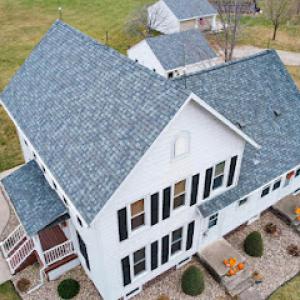
- The workhorse for most Austin homes. Architectural (dimensional) shingles are common, affordable, and come in a wide range of colors to match neighborhood aesthetics.
- For Minnesota-style weather, choose shingles with good impact resistance (Class 4) and a credible wind rating to deal with hail and high wind events.
- Pair with a quality underlayment and a 2–3 ft ice and water shield at eaves and valleys to help prevent ice dams during harsh winters.
- Pros: cost-effective, easy to repair, wide color selection. Cons: shorter lifespan than metal or synthetic options.
- Steel or aluminum panels offer outstanding durability in our climate. Standing-seam and R-panel styles are common choices.
- Benefits in Austin: excellent hail resistance, long lifespan (often 40–70 years), high wind resistance, and strong snow-shedding characteristics.
- Considerations: ensure proper attic ventilation and a solid deck, use corrosion-resistant coatings (Galvalume or polymer-coated finishes), and plan for potential color fading in intense sun.
- Pros: low maintenance over time, energy efficiency, lightweight against most other options. Cons: higher upfront cost and need for professional installation.
- Fiber cement or other composite shingles mimic the look of traditional slate or wood with greater resistance to rot and insects.
- Good option when you want a distinctive look (timber, Spanish, or architectural profiles) without the maintenance of real wood.
- Pros: durable, fire-resistant, stable in freeze-thaw cycles. Cons: heavier than asphalt; installation and replacement require skilled crews; cost sits between asphalt and metal.
- Classic, natural appearance that works on certain architectural styles.
- Minnesota winters plus humidity can accelerate maintenance needs: treatment for rot, regular staining, and potential insect concerns.
- Best when used on homes with proper ventilation and a plan for ongoing upkeep.
- Pros: beauty and curb appeal. Cons: higher maintenance, variable lifespan, susceptibility to moisture-related issues.
Slate or Tile (Concrete/Clay)
- Real slate or concrete/clay tiles are premium options with long lifespans and a distinctive look.
- Not common in every Austin home due to weight, structural requirements, and higher installation costs.
- Pros: exceptional durability if the structure is prepared. Cons: heavy, expensive, specialized labor required.
Synthetic Slate / Rubber Shingles
- A modern alternative that imitates slate or wood with improved hail resistance and lower weight.
- Good for homeowners wanting a premium look without the premium maintenance.
- Pros: hail resistance, flexible designs, often less expensive than natural slate. Cons: variable long-term performance depends on manufacturer.
Flat Roof Options (EPDM / TPO)
- If you have flat sections (garages, porches, or low-slope roofs), EPDM (rubber) and TPO (thermoplastic) are common, durable choices.
- EPDM is durable and cost-effective; TPO offers higher reflectivity and energy savings in sun-exposed areas.
- Consider proper flashing, insulation, and a professional installation to prevent leaks.
What to prioritize when choosing in Austin
- Climate-fit: hail resistance, wind uplift, and good ice-dam protection.
- Long-term value: consider lifespan, maintenance needs, and warranty coverage.
- Structural compatibility: ensure the deck and attic setup can support the chosen material, especially for heavier options like slate or concrete tile.
- Local availability: work with a locally experienced roofer who knows Minnesota weather patterns and code requirements.
Choosing tips (step-by-step)
1) Assess your roof's structure, slope, and existing decking to match material weight and installation requirements.
2) Compare material lifespans, maintenance needs, and initial cost versus long-term value.
3) Check for Class 4 impact resistance or hail-rated options and wind-rated shingles where applicable.
4) Review manufacturer warranties and confirm they're honored by a licensed local contractor.
5) Have a contractor provide a detailed installation plan, including underlayment, ice/ water shield coverage, and ventilation improvements if needed.
Popular Roof Styles & Architectural Trends in Austin
Common roof styles you'll see in Austin, MN
- Gable roofs: The classic choice that sheds snow efficiently and keeps costs reasonable. Many Austin homes use a straightforward front- or side-gable layout that works well with a variety of exterior styles.
- Hip roofs: More wind- and snow-resistant than a typical gable, with a tighter silhouette. They're common on larger homes and add a bit more complexity to the roofline.
- Cross-gabled and Dutch gable: Adds visual interest while maintaining solid performance in Minnesota weather. Works nicely with Craftsman and Prairie-style homes found around town.
- Shed roofs: A single, sloped plane that pairs well with additions, porches, or modern updates. Great for creating a contemporary contrast on traditional houses.
Roofing materials popular in Austin, MN homes
- Asphalt shingles: By far the most common choice. Architectural shingles offer texture and longevity (often 30–50 years) at a reasonable price, with a wide range of colors to match Austin's neighborhood aesthetics.
- Metal roofing: Standing-seam or exposed-fastener metal roofs are durable, lightweight, and excellent for shedding snow. They typically last 40–70 years and can improve energy efficiency with reflective finishes.
- Wood shakes/shingles: Adds warmth and texture, especially on Craftsman- or lodge-style homes. They require regular maintenance and treatment in Minnesota's climate.
- Slate: Very durable and long-lasting, but expensive and heavier. Typically reserved for historic homes or high-end remodels.
- Clay/Concrete tile: Heavy and costly, usually used on Mediterranean-inspired designs. In Austin, MN, weight and snow considerations limit widespread use.
- Low-slope options (EPDM, TPO): Practical for flat or add-on roof areas, commercial-influenced renovations, or modern accessory structures.
Architectural trends shaping roof design in Austin, MN
- Modern farmhouse influence: Combines simple gable or low-slope lines with metal accents, board-and-batten siding, and neutral color palettes. This trend remains popular for new builds in Austin.
- Craftsman and Prairie styles: Emphasize wide eaves, exposed rafter tails, tapered columns, and integrated porches. Rooflines often feature a mix of gables and low slopes to create texture and depth.
- Energy-forward design: Cool or reflective shingles, lighter color choices, and roof plans that make room for future solar installations. Attics with proper insulation and ventilation are a common consideration.
- Historic and neighborhood sensitivity: Older parts of Austin, MN may favor traditional proportions and colors that respect existing homes and local character, influencing roof color and material choices.
Practical considerations for Austin homeowners
1. Climate and snow load: Minnesota winters demand proper underlayment, ice dam protection, and adequate attic ventilation to control moisture and energy efficiency.
2. Roof slope and drainage: Choose pitches that balance snow shedding with structural costs. Ensure overhangs, gutters, and downspouts handle typical winter precipitation.
3. Local codes and HOA guidelines: Verify any material, color, or historic-district restrictions before selecting a roof system.
4. Maintenance plan: Schedule post-winter inspections, manage moss or algae growth in shaded areas, and clean gutters to prevent ice buildup.
5. Hiring a local pro: Work with contractors experienced in Minnesota weather, with solid references and clear warranties on underlayment, drainage, and ice-dam prevention.
Color trends and finish options
- Color palettes: Earthy browns, cool grays, and muted greens are common, with lighter shades chosen to reflect heat and brighten the home's appearance in winter light.
- Shingle texture: Dimensional architectural shingles add depth and shadow, which helps a roof feel substantial without a full material change.
- Metal finishes: Matte or low-gloss colors (charcoal, bronze, weathered steel) reduce glare and blend with a wide range of siding styles.
Average Roofing Costs in Austin
Material cost ranges (installed)
- Asphalt shingles (3-tab): $3.50–$5.50 per sq ft
- Architectural/shingle-on-shingle: $5.00–$7.50 per sq ft
- Tear-off/removal added: $1.00–$2.00 per sq ft
- Typical project footprint: most Austin-area homes use asphalt, so consider a 1,500–2,000 sq ft roof as a baseline
- Metal roofing (steel or aluminum): $9.00–$12.00 per sq ft
- Standing-seam or premium panel systems: $12.00–$18.00 per sq ft
- Tear-off/removal added: $1.00–$2.00 per sq ft
- wood shingles/shakes: $6.00–$9.00 per sq ft
- Higher end for select species, thicker sawn shakes, or specialty finishes
- clay or concrete tile: $12.00–$25.00 per sq ft
- Heavy, requires structural support checks; installation labor varies with roof complexity
- Tear-off/removal: $1.50–$3.00 per sq ft
- flat roofing (EPDM, TPO, or PVC): $3.00–$8.00 per sq ft
- Underlayment, flashing, and edge details can shift costs
- Reroof with replacement underlayment only (no tear-off): typically 10–25% less than full tear-off scenarios
Typical total project costs for common Austin-area home sizes
- 1,200–1,500 sq ft roofs (12–15 squares): roughly $7,000–$12,000 for asphalt (including basic tear-off), more for architectural shingles or upgrades
- 1,500–2,000 sq ft roofs (15–20 squares): roughly $9,000–$16,000 for asphalt with tear-off; higher for architectural shingles or added insulation
- 2,000–2,500 sq ft roofs (20–25 squares): roughly $12,000–$22,000 for asphalt, $15,000–$28,000+ for metal or tile
- Note: these ranges assume typical residential slope, standard daylighting/penetrations, and no major repairs to decking
Local considerations affecting cost in Austin, MN
- Climate and weather patterns
- Minnesota winters drive needs for extra underlayment, better ice-dam protection, and enhanced attic ventilation
- Snow load considerations can influence required decking and potentially pricing
- Roof pitch and complexity
- Steeper or multi-surface roofs increase labor time and safety measures
- Complex features (dormers, shafts, skylights, chimneys) add flashing and trim costs
- Building style and era
- Older homes may need deck repairs, insulation upgrades, or thicker sheathing
- Local architectural styles (rambler, craftsman, gable/hip variations) influence trim, ridge caps, and finishing details
- Permits and inspections
- Local permitting fees and inspection requirements add a modest, predictable cost
- Ice dam and ventilation considerations
- Common in Minnesota; contractors may specify upgraded attic insulation, soffit/ventilation work, and heat tape where applicable
- Waste disposal and tear-off logistics
- Waste containment and recycling options can affect price; some contractors bundle disposal into per-square-foot rates
How to estimate for your home (simple steps)
1. Measure your roof area in squares (1 square = 100 sq ft). If unsure, have a pro estimate from roof plan or use rough measurements and slope estimates.
2. Decide if you need a full tear-off or an overlay (note: overlays are less common/less ideal in MN climates).
3. Pick your material type and degree of complexity (basic asphalt vs architectural, or metal/tile).
4. Add ~$1.00–$2.00 per sq ft for tear-off/disposal if required.
5. Include potential extras: new underlayment, upgraded ventilation, ridge vent, ice/water shield, flashing around penetrations.
6. Get multiple local quotes from Austin, MN roofing contractors to compare materials, workmanship warranties, and project timelines.
Quick tips to balance cost and quality in Austin
- Favor standard architectural asphalt shingles for strong value and durability in MN winters
- Invest in proper underlayment and ventilation to minimize ice dam risk and insulation losses
- Consider metal for long-term durability if the roof area is large or if you plan to stay in the home long-term
- Avoid frequent shingle-over repairs on aging decking; new decking can save money on leaks and warranties in the long run
Permits & Local Regulations
Do I need a permit?
- In Austin, MN, a roofing permit is typically required for most roof replacements, including shingle swaps, underlayment, decking, or changes to roof structure. Some minor cosmetic repairs may not require a permit, but verification with the City of Austin Building Department is the safest approach.
- If your home is in a designated historic district or near historic properties, additional approvals may be needed. When in doubt, ask early to avoid delays.
What regulations apply?
- Minnesota State Building Code governs most roofing work, with local amendments adopted by the City of Austin. Expect requirements related to:
- Snow load and wind resistance
- Proper underlayment, flashing, and installation methods
- Ventilation and attic insulation considerations
- Drainage and roof edge details (drip edge, gutter integration)
- Local rules can also touch on jobsite safety, debris containment, and working hours.
- HOA covenants may impose color, material, or process restrictions; check yours before choosing shingles.
Steps to get a permit
1. Confirm permit necessity with the City of Austin Building Department (online or by calling).
2. Gather essential documents: property address, project scope, materials to be used, contractor information, and any structural details if decking will be altered.
3. If you hire a contractor, ensure they pull the permit. If you're doing the work yourself, verify whether a homeowner permit is allowed in your situation.
4. Submit the permit application with the required information and pay the applicable fee.
5. Submit any drawings or specifications the city requests and respond quickly to any review notes.
6. Receive permit approval and schedule inspections as required.
Inspections you'll need
- Roof installation inspection: checks underlayment, flashing, nailing patterns, and overall roof assembly as it's installed.
- Final inspection: ensures all work complies with code and matches approved plans.
- Note: inspections can be required at multiple stages if your project involves decking work or structural changes.
Licensing and contractor tips
- Most roofing projects in Austin should be performed by a licensed contractor who pulls the permit. Verify your roofer's license with Minnesota's licensing authority and confirm they carry proper insurance.
- If you're a homeowner performing the work, confirm you're allowed to do the project without a contractor and obtain the necessary permit. Some rules require a licensed professional for structural work.
- Ask for a clear work scope and a written plan that matches your permit application. This reduces the chance of inspection failures or rework.
HOA and neighborhood rules
- Check your Homeowners Association rules before starting. Some HOAs ban certain shingles, colors, or installation methods, and they may have separate permit or inspection processes.
Practical timing and readiness
- Permit processing times vary with season and city workload. Start early to avoid project delays, especially in peak roofing seasons.
- Keep the physical permit on-site during work and have all inspection records accessible afterward. Schedule inspections promptly once key milestones are reached to keep the project moving.
Common Roofing Problems in Austin & Solutions
Ice Dams & Attic Ventilation
Ice dams happen when warm attic air heats the roof edge, melting snow that refreezes at the eaves. In Austin, MN winters, they're a common nuisance and can lead to interior leaks. Look for: icicles along the gutter line, dark streaks on ceilings or walls, and ceiling stains after a thaw. Causes include insufficient attic insulation, poor ventilation, and air leaks from living spaces.
What you can do now
- Gently remove loose, packed snow from the roof edge with a roof rake from the ground.
- Protect interiors with tarps or containment if you notice active dripping.
Long-term fixes (step-by-step)
1) Increase attic insulation to meet or exceed code (aim for R-49+ where feasible).
2) Create a balanced ventilation path: continuous soffit intake vents plus ridge or high-side vents; install baffles to keep insulation from blocking airflow.
3) Seal gaps where warm indoor air leaks into the attic (lights, outlets, top of soffits).
4) If ice dams persist, consult a pro about proper heat management options (such as controlled ventilation or, in extreme cases, heat cables installed by a licensed contractor).
Hail Damage Inspection & Repair
Minnesota's spring storms can leave hidden damage even when shingles look intact from the ground. Signs of hail include dented metal gutters, bruised or cracked shingles, granule loss in gutters or downspouts, and sometimes soft spots on the roof deck. After a hail event, a professional inspection is worth it to catch issues that aren't immediately visible.
What you can do now
Long-term fixes (step-by-step)
1) If damage is found, replace severely damaged shingles and inspect flashing and gutters for impact damage.
2) Check attic ventilation and interior signs of moisture; address any leakage paths.
3) Consider impact-rated shingles (Class 3 or 4) for improved resistance in future storms.
4) Maintain ongoing roof maintenance to prevent accelerated granule loss and deck exposure.
Wind Damage & Shingle Lifts
Strong spring and summer winds can lift edges, peel tabs, or rip flashing. Signs include curled or missing shingles, exposed nails, or visible gaps at transitions around chimneys and vents.
What you can do now
- Inspect accessible sections after storms; look for uneven edges or loose fasteners.
- Keep gutters clear to reduce added wind load on the roof edge.
Long-term fixes (step-by-step)
1) Replace damaged shingles promptly to prevent leaks.
2) Re-secure or replace damaged flashing with corrosion-resistant materials.
3) Use wind-rated fasteners and sealants in vulnerable areas; consider upgrading to higher-wind-rated shingles if your roof is older.
4) Schedule a full roof assessment if you notice recurring wind-driven damage.
Flashing Leaks at Chimneys & Vents
Flashing around chimneys, vent stacks, and skylights is a common entry point for water as it ages or if installed poorly. Signs include dark spots on ceilings near walls, damp attic insulation, or visible water streaks along the chimney base.
What you can do now
- Look for loose or cracked flashing and sealant separation; avoid stepping on roof edges if you're unsure.
Long-term fixes (step-by-step)
1) Have a pro reseal or replace flashing with proper step and counter-flashing.
2) Use high-quality exterior sealants rated for Minnesota winters.
3) Ensure the chase and vent boots are intact and properly integrated with the shingles.
4) Reflash large transitions with durable metal flashing to reduce future leaks.
Gutter & Roof-Edge Problems
Clogged or undersized gutters and damaged fascia cause water to back up onto the roof edge, accelerating material wear and potential leaks. Signs include overflowing gutters, stained fascia, or softened wood along the eaves.
What you can do now
- Clean gutters and downspouts; remove debris and check for sagging sections.
Long-term fixes (step-by-step)
1) Ensure proper gutter slope to direct water away from the roof edge.
2) Repair or replace soft fascia boards; treat or paint to prevent rot.
3) Add guards or wider downspouts for heavy rainfall and snowmelt periods.
4) Inspect after heavy storms and during seasonal transitions to catch emerging issues early.
Moss, Algae & Roof Biogrowth
Shade, moisture, and northern exposure can lead to moss or algae buildup, especially on older shingles. Signs include green or black patches, a spongy feel underfoot, or slippery roof surfaces.
What you can do now
- Gently sweep moss with a plastic tool; avoid metal blades that damage shingles.
- Consider a moss-algae treatment designed for asphalt shingles or zinc/copper strip installations at the peak.
Long-term fixes (step-by-step)
1) Trim trees to reduce shade and moisture retention on the roof surface.
2) Install zinc or copper strips near the roof peak to inhibit regrowth.
3) Have a professional clean and reassess the roof to plan resealing or replacement if damage is extensive.
Roof Aging & Granule Loss
As shingles age, granules shed, edges curl, and leaks can develop. If your asphalt roof is approaching or past its expected life, performance declines even if no single issue is obvious.
What you can do now
- Have a professional evaluate remaining service life and verify warranty coverage.
Long-term fixes (step-by-step)
1) Plan for a roof replacement when the condition warrants it.
2) Ensure proper attic ventilation and insulation to maximize new shingle lifespan.
3) Choose shingles with good wind and impact ratings and solid manufacturer warranties.
Maintenance & Repair Tips for Austin
Regular Inspections and What to Look For
- Do a semi-annual roof check: once in spring and again in fall, plus after major storms.
- Look for shingle issues: curling edges, missing tabs, or granules washed into gutters.
- Inspect flashing around chimneys, vent pipes, and skylights for gaps or rust.
- Check attic space for signs of moisture, staining, or daylight coming through roof boards.
- Watch for moss or algae growth in shaded areas; it can trap moisture and damage shingles.
- Check fascia and wooden components for rot or insect damage, especially where gutters mount.
Seasonal Maintenance Calendar for Austin
Spring
- Clean gutters and downspouts; remove debris and ensure water flows away from the foundation.
- After winter, inspect for ice dam-related damage and repair any small leaks promptly.
- Trim overhanging branches that drape over the roof to reduce bark/leaf buildup.
Summer
- Verify attic ventilation is adequate: balanced intake (soffit) and exhaust (ridge or gable vents) to prevent heat buildup.
- Check for pests or animal entry points along soffits and vents; seal any gaps.
- Keep roof clear of excessive debris like branches or stored items nearby that could stress the structure in storms.
Fall
- Do a thorough gutter cleaning and ensure all downspouts direct water at least 3–4 feet away from the foundation.
- Inspect for loose or damaged shingles and flashing ahead of the winter season.
- Clear nearby trees of dead limbs that could break under snow or ice.
Winter
- If you anticipate snow, use a roof rake from the ground to remove heavy snow buildup without walking on the roof.
- Monitor for ice dams; ensure adequate attic insulation and venting to minimize formation.
- Avoid stepping on a frozen roof; contact a pro for any needed repairs beyond light maintenance.
Common Austin-Specific Issues
- Ice dams from freeze-thaw cycles can cause leaks; address insulation and ventilation first, then repair leaks.
- Hail can bruise shingles and dent flashing; inspect after storms and replace damaged materials promptly.
- Shaded, damp areas may develop moss or algae; treat gently and remove to prevent moisture retention.
- Wind-driven damage is common after severe storms; missing granules or lifted shingles are red flags.
Roof Repair: DIY vs Pro
1) Prioritize safety: use proper fall protection and never work alone on a steep or slick surface.
2) Do a quick assessment: identify material type, damage extent, and whether it's cosmetic or structural.
3) Temporary fixes for minor issues: secure loose shingles with roofing cement or a small patch, and cover exposed areas with a tarp if needed.
4) Decide if it's DIY-friendly: small flashing tweaks or nailed-down shingles can be doable; anything involving decking, structural framing, or significant flashing should be a pro job.
5) When to call a pro: extensive shingle loss, widespread flashing failure, active leaks into the living space, or damage near vents and chimneys.
6) Document and insurance: take clear photos, note dates of storms, and contact your insurer before starting major repairs if you're filing a claim.
Gutter & Drainage Care
- Clean gutters at least twice a year; remove leaves, pine needles, and debris.
- Check for gaps, leaks, and loose hangers; re-secure as needed.
- Ensure downspouts direct water away from the foundation; add extensions if necessary.
- Consider gutter guards in areas with heavy leaf fall to reduce maintenance.
Ventilation & Attic Health
- Confirm attic insulation meets current climate needs to reduce heat transfer and ice dam risk.
- Ensure soffit and ridge vents aren't blocked by insulation or debris.
- Look for signs of condensation or mold; address moisture sources and improve airflow.
- If you notice persistent cold spots or condensation, a professional audit can optimize venting and insulation.
Storm Damage Response
1) Photograph damage from multiple angles and note the dates of storms.
2) Contact your insurer promptly; ask for an adjuster visit and keep a record of all communications.
3) Get a written estimate from a licensed roofer for any recommended repairs.
4) Beware of storm-chasing contractors; verify credentials and request local references.
When to Repair vs. Replace
When to Repair
- Localized damage: a few missing or curling shingles, isolated flashing leaks, or small surface cracks. If the problem is contained to a small area, repair is often the quickest, most economical fix.
- Roof age and remaining life: asphalt shingles with roughly 5–15 years of useful life left or a metal roof in good condition with minor issues. If the roof isn't at the end of its life, you can often address symptoms without a full reroof.
- No active leaks or only minor attic intrusion: if you can stop the leak with a targeted repair and the attic remains dry, repairs are sensible.
- Sound deck and structure: the roof deck (sheathing) and supporting structure should be solid. If there's no rot, buckling, or sagging, a repair can restore performance without compromising integrity.
- Cost and warranty considerations: when a fix is straightforward (flashing seal, a handful of shingles, or patching) and the repair work preserves your existing warranty, repairing usually makes sense. If a repair is a fraction of reroofing cost and you don't mind repeating fixes later, repair is reasonable—provided factors above hold.
- Ice dam and weathering fixes: many Minnesota winters create ice dams. If your attic is well-ventilated and insulated, and the problem is limited, repair plus vent/insulation improvements can resolve the issue without replacing the roof.
When to Replace
- Widespread damage or multiple leaks: if a large portion of the roof is affected, or you're seeing repeated leaks after repairs, replacement is often more reliable and cost-effective in the long run.
- Roof age near or past its lifespan: asphalt shingles that are 15–20+ years old (especially with prior storm damage) or any roof type approaching its expected life should be considered for replacement rather than ongoing patchwork.
- Structural concerns: sagging decking, widespread rot, or compromised supporting members require replacement to restore safety and function.
- Frequent, costly repairs: if you're paying for multiple repairs over a short period, reroofing can end up cheaper and less disruptive.
- Persistent ice dam issues: if insulation and ventilation upgrades don't eliminate recurring ice dams, a roof with improved ventilation, underlayment, and a modern design can prevent future damage and energy losses.
- Warranties, energy efficiency, and value: a new roof can restore manufacturer warranties, improve insulation performance, and boost home value. If you're planning to stay long-term or want better energy efficiency, replacement becomes a strategic choice.
Step-by-step evaluation (owner-friendly)
1) Inspect the attic and exterior: look for water stains, daylight through decking, and insulation gaps. Note where leakage occurs.
2) Check roof age and prior repairs: write down the age of the roof, last major repair, and any hail or wind events.
3) Assess the deck: identify any rot, soft spots, or cupping of sheathing. A compromised deck points toward replacement.
4) Weigh the math: compare the estimated repair cost to a full reroof. If repairs approach or exceed 50% of reroofing, replacement often wins.
5) Get professional assessments: a licensed roofer can confirm deck health, ventilation adequacy, and whether flashing, underlayment, or shingles alone can fix the issue. Obtain at least two quotes for both options and consider warranties.
Minnesota-specific considerations
- Ice dams and ventilation: ensure proper attic insulation and ridge/soffit ventilation; consider upgrading or adding a high-quality ice and water shield at eaves in this climate.
- Snow load realities: heavier snow can reveal or exacerbate hidden damage. A replacement roof with appropriate snow loading and venting is prudent when history shows recurrent winter issues.
- Weather windows: MN seasons limit roofing work. Plan replacements in late spring or early summer to avoid winter delays and to ensure proper curing and decking conditions.
- Local codes and warranties: verify that the installation meets Minnesota codes and manufacturer requirements to preserve warranties.
When to Hire a Professional
Visible damage, leaks, or sagging
- Any curling, buckling, missing, or cracked shingles should prompt a professional assessment.
- Roof leaks that show up in ceilings or walls mean there's likely structural or deck damage beyond your attic—call a roofer promptly.
- Water stains, mold, or musty attic odors indicate ongoing intrusion that a DIY fix won't safely resolve.
Old roof or approaching its useful life
- Asphalt shingles commonly last 15–25 years. If yours are near or past that range, a professional evaluation helps you weigh repair vs. replacement.
- Excessive granule loss (dark, sandy buildup in gutters) signals aging and reduced protection, increasing the risk of leaks.
After severe weather (Austin, MN weather patterns)
- Hail and high winds common in Minnesota can loosen or puncture shingles without obvious signs on the ground.
- Ice dam formation along eaves during winter is a strong reason to have a pro inspect for improper insulation, ventilation, or compromised underlayment.
Ice dams, condensation, or attic issues
- Repeated ice daming or persistent attic condensation are a red flag for ventilation, insulation, or flashing problems that require expertise to diagnose and fix correctly.
Structural concerns or repeated patches
- If you notice uneven roof lines, soft spots, or doors/windows rattling unusually in wind, there may be underlying structural impacts that demand a pro's evaluation.
When to repair versus replace
- Minor leaks or localized shingle damage can often be repaired.
- Widespread shingle failure, widespread flashing failure, or sagging decks typically point to replacement.
Permits, codes, and local requirements in Austin, MN
- In Austin, MN, many re-roof projects require a building permit. A local roofer should pull the permit and coordinate inspections.
- Winnipeg-style winter conditions mean crews may plan around snow and ice; if work is scheduled in winter, ensure the contractor has safety plans and cold-weather construction practices.
- Ask the contractor to confirm compliance with Minnesota wind, ignition, and underlayment standards, plus proper edge metal and drip edge installation to help prevent ice dams.
Insurance, warranties, and contracts
- Always require a current certificate of insurance (general liability and workers' compensation) and verify it with the insurer.
- Look for both manufacturer warranties on the materials and a workmanship warranty from the contractor.
- Get a written, detailed contract that covers scope of work, materials, exact start and end dates, cleanup, permits, and payment schedule.
How to evaluate a roofing contractor for your Austin home
- Local experience: preference for contractors with Minnesota climate experience and local references in Austin, MN.
- Credentials: verify licensing where required by state or city, and confirm active insurance.
- References: contact at least 3 recent Austin-area clients and ask about project quality, timeliness, and clean-up.
- Communication: prompt responses, clear explanations of options, and a transparent estimate.
- Estimates: compare apples to apples—same scope, same materials, same warranty terms.
- Materials and installation: confirm underlayment, ice/water shield, flashing, ventilation, and nail/screw quality; ensure all are rated for cold climates.
- Cleanup and safety: specify tarps, debris removal schedules, ladder safety, and waste disposal.
- Local considerations: ask about snow load considerations, attic ventilation improvements, and ice-dam mitigation specific to your home.
Step-by-step approach to hiring (Austin, MN focus)
1. Gather 3–4 written estimates from contractors with local references.
2. Check licenses and insurance; request certificates and verify active status.
3. Confirm who handles permits and inspections; ensure timeline alignment with your schedule.
4. Review each contract for scope, materials, warranties, and payment terms.
5. Schedule a pre-work walk-through to confirm the exact scope and ventilation/underlayment details.
6. Do a final walkthrough after completion and obtain lien waivers and warranty documents.
Red flags to watch for
- Extremely low bids or pressure to sign quickly.
- No physical business address or lack of local references.
- No written contract or unclear scope of work.
- Refusal to provide proof of insurance or to honor manufacturer warranties.
- Demanding payment upfront before materials arrive or work is inspected.
Putting A Lid On It: Roof Maintenance, Repair, and Replacement in Austin
Austin, MN handles a real four-season test for roofs. Heavy snow and ice push on edges and flashing; spring thaws test sealants and gutter performance; summer sun can bake and dry out shingles; and hail storms occasionally leave dents. Regular maintenance keeps small concerns from growing into big, costly problems and helps your roof stand up to the years ahead.
A practical plan is the most effective plan. Start with simple, seasonal checks, keep gutters clear, and look for missing or curling shingles, moss or algae, and flashing wear. Pair those quick checks with periodic professional inspections—every 3–5 years is a sensible baseline, or sooner after severe weather. Pair maintenance with good attic conditions: adequate ventilation and insulation reduce condensation, temperature swings, and ice dam risk, all of which protect the roof system as a whole.
Seasonal Quick Checks
- Winter: clear gutters and downspouts when it's safe, watch for ice buildup, and avoid walking on a slippery roof during storms.
- Spring: after the snow melts, inspect for damage from ice dams or winds, clean debris from vents and valleys, and reseal any flashing if you notice gaps.
- Summer: look for fading or cracking sealants, verify attic ventilation, and keep trees trimmed back to reduce debris and shade-causing moisture buildup.
- Fall: give the roof a pre-winter check, repair minor issues, and ensure gutters and downspouts carry water away properly.
Repair vs. Replace: How to Decide
- Small issues (missing granules, minor flashing leaks, isolated shingle damage): often repairable and cost-effective.
- Widespread wear (curling shingles, significant granule loss, widespread leaks, damaged decking): may indicate replacement is the wiser long-term choice.
- Local climate cues: in our area, a sturdy roof with good ventilation and appropriate materials tends to outperform quick fixes over time.
Material and Style Considerations
- Asphalt shingles: affordable and versatile, with recent hail-resistant options.
- Metal roofs: excellent longevity and hail resistance, good for energy efficiency.
- Other options: depending on your home's style and roof pitch, other durable materials can be worth considering.
Finding a Trusted Local Pro
- Look for experienced, properly insured roofers with local references.
- Ask about warranties, inspection practices after severe weather, and clear, written estimates.
- Prioritize good communication and realistic timelines.
Final note: a well cared-for Austin roof is more than protection; it's a quiet, daily expression of home and community. With steady attention, your roof can stay beautiful, weather-ready, and reliable for years to come. You're part of a neighborhood that keeps its roofs strong, and that shared care makes every home feel a little warmer and safer.