
Last updated: Apr 19, 2026
Winona sits in the Mississippi River valley within southeastern Minnesota bluff country, creating more varied exposure conditions than flatter prairie communities. That means roof exposure isn't the same on every block: river-bottom homes drag in more wet, slushy melt from one side; older neighborhoods tucked below the bluffs catch drifting cold air and drifting icicles from above; and higher, exposed homes take harsher wind-driven snow and faster freeze-thaw cycles. The result is a threefold threat: ice damming at eaves, flashing fatigue around edges and penetrations, and moisture intrusion that travels unseen through the attic and walls. The weather won't be kind to a poorly detail-oriented roof system here, especially during the long cold snaps and rapid thaw periods that follow heavy snows.
Different roof drying and snowmelt patterns emerge depending on siting. River-bottom homes often see more rapid melt during sunny days, but cold air can refreeze meltwater into stubborn ice dams if gutters and downspouts aren't sized for the load. Below-bluff neighborhoods tend to trap drifting snow against overhangs, pushing meltwater inward toward vent stacks, chimneys, and flashing joints. High-exposure homes face wind-driven snow loading that tests early roof edge detailing and ridge vent integrity. In all cases, the key failure mode isn't just "bad snow melt"-it's repeated freeze-thaw cycles that pry apart seams, loosen nails, and stress metal flashing until leaks appear.
Look for granular shingle loss near eaves after thaw cycles, and for ice dams along gutters that extend beyond the fascia. Inside, monitor for damp spots in the attic insulation or along interior ceiling corners near exterior walls-these hint at moisture intrusion from compromised flashing or improperly sealed roof penetrations. Cracked or separated shingles at valleys, dormers, and chimney aprons are a signal that stress from wind, ice, and traffic of meltwater is taking its toll. In winter, frozen gutters that repeatedly refreeze and thaw should trigger an inspection, because ice damming here can back up under shingles and into the roof deck if the underlayment isn't delivering a continuous moisture barrier.
Prioritize a high-performance ice and water shield at the eaves and along any roof-to-wall transitions, especially around dormers and chimneys. Ensure gutters are clean, properly attached, and sized to handle seasonal melt volumes; consider heated cables only where ice damming has consistently formed, not as a universal fix. Inspect flashing around vent pipes, skylights, and the chimney for corrosion, loose nails, or gaps; reseal with high-quality exterior-grade sealant and re-nail where needed. Keep critical areas accessible for maintenance from fall through spring. If a snowpack lingers on exposed sections, you may need to remove it from problem zones before it spontaneously shifts and causes edge stress. On steeper slopes, schedule professional inspections after major freeze-thaw events to verify deck integrity and flashing performance.
The Mississippi bluff country surrounding Winona makes roofs work overtime. Steep slopes, shifting soils, and frequent freeze-thaw cycles crank up water intrusion risks even when a storm looks minor. After spring's hail and gusty wind events, the weathered edge of a roofline can hide leaks that only show up once the days shorten and temperatures swing. Hail can pepper shingles, flashing, and vents in ways that aren't obvious from ground level, and wind can lift edges or expose fasteners. This climate demands a proactive, evidence-driven response so you don't end up chasing water through the fall.
In this market, photo documentation is not optional-it's your fastest lane to a fair outcome. Before you ever call a contractor, walk the roof with a camera in hand. Capture close-ups of shingle hits, granule loss, and any bruising or cracking. Photograph metal impacts on vents, flashing, and metal roofs, focusing on dimples, bending, or corrosion. Take wide shots that show the extent of any damage across elevations from multiple roof slopes, and include the surrounding hillside for scale. If you have attic signs of water intrusion or staining, snap those as well. When you mail or upload photos for an adjuster, organize them by location and slope, and label the date and storm event clearly. Your adjuster will review on a first-come, first-served basis, but Winona's spring storms can fill schedules fast, so be ready with a complete picture from day one.
Replacement timing matters here because late spring through early fall offers the best window to complete a roof without weather interruptions. In Winona, storm-season claims can collide with contractor availability and looming fall weather, creating a squeeze. If you're facing a claim, act quickly to secure a preliminary assessment, then align with licensed contractors who understand the bluff-country schedule and how to stage work to minimize disruption. Don't wait for the adjuster to request every detail; anticipate what they'll want to see and have it ready. A timely, well-documented claim paired with a responsive crew reduces exposure to late-season rain and temperature swings that complicate workmanship and warranty performance.
Expect that some sections of the roof will need more attention than others, especially along the ridge lines and overhangs where wind exposure is greatest. In Winona, flashing details-around chimneys, vents, and valley crossovers-are common failure points after hail and freeze-thaw cycles. If shingles show consistent edge lifting or tab damage, coordinate with a contractor who can assess whether flashing upgrades or secondary ridge vents are warranted to restore water shedding. When a roof has multiple slopes, ensure your contractor plans a staged approach that protects interior spaces during repairs and respects the swing of late-summer rain. Clear communication about progression, expected timelines, and contingency plans helps you stay ahead as weather turns.

Denny's Roofing & Repair
Winona, Minnesota
5.0 from 27 reviews
Denny's Roofing & Repair provides asphalt, flat steel, and EPDM roofing, siding, soffit, and fascia to Southern Minnesota and Western Wisconsin.
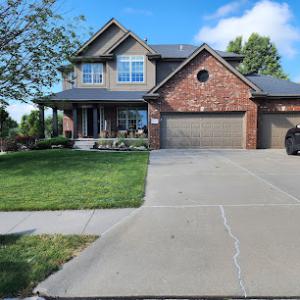
Blue Ox Exteriors
274 E 3rd St, Winona, Minnesota
5.0 from 16 reviews
Blue Ox Exteriors is a general contractor specializing in storm damage restoration from hail and wind. We offer premium roofing, gutter and siding for residential, commercial, multi Family and HOA. We are a national company established in 2010 with a local branch, and local employees to serve all communities around Winona, MN. Whether you need roofing, siding, or gutters, we provide the best quality and craftsmanship with each project. We offer free no cost or obligation inspections for wind and hail. We will also work with you and your insurance company to help you navigate the claim process. Our job is to provide a stress free experience for you. We are Licensed in Wisconsin and Minnesota and fully bonded and insured.
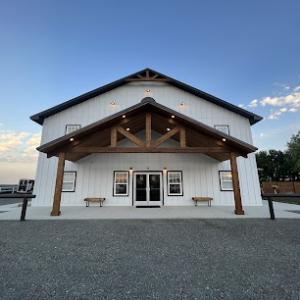
Schmidt Roofing
(507) 713-3827 schmidtroofing.com
920 W 5th St, Winona, Minnesota
4.6 from 55 reviews
With more than 50 years in combined experience, we’re bringing our family to your Winona home or office to provide you with the services you’re in need of, at a price that won’t break the bank. Our team has completed more than 10,000 residential and commercial roofing, siding, window, and gutter installations, making us the leading exterior and roofing contractors in the area. No matter the job, big or small, our team has you covered, so you can get back to enjoying your home or office building’s exterior without worry. We can’t wait to make you a part of the Schmidt Roofing family. Contact us today to book roofing services in Winona, MN!
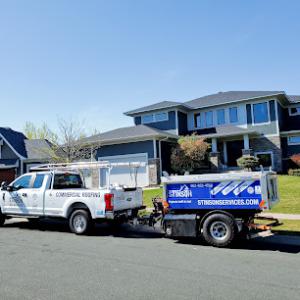
Stinson Services Inc - Winona
(507) 516-7166 stinsonservices.com
902 E 2nd St Suite #128, Winona, Minnesota
5.0 from 3 reviews
Established in 2003 Stinson Services has been providing roofing services for commercial roofing and residential roofing throughout Minnesota. We specialize in repairing + replacing the exterior elements on buildings on all shapes and sizes including steep slope roofing, low slope roofing, siding, sheet metal and seamless gutters.
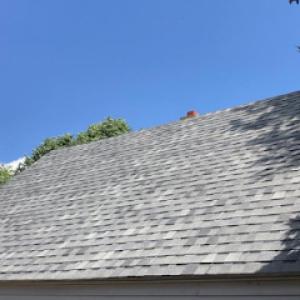
Onsite Contractors
(608) 632-9986 onsitecontractorswi.com
Serving
4.9 from 58 reviews
Your satisfaction and trust matter to our ONSITE contractors team. That’s why our owner-operated roofing company bridges the gap between customers and contractors to make the roof replacement process as easy as possible.
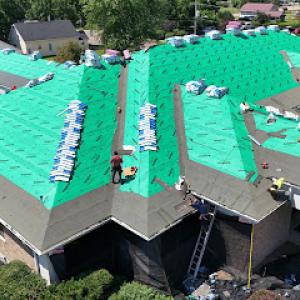
Apex Xteriors
(608) 397-8382 www.apexxteriors.com
Serving
5.0 from 39 reviews
Apex Xteriors is a locally trusted roofing and siding contractor serving Holmen, Onalaska, La Crosse, and communities within 100 miles across Western Wisconsin. We specialize in storm restoration and exterior remodeling for homes and businesses. Our roofing team installs premium Malarkey Vista Class 4 impact-resistant shingles backed by the Emerald Pro 50-Year Warranty. For siding, we offer expert installation in vinyl, LP SmartSide, and steel, using only top-rated products. From hail damage repairs to full exterior upgrades, Apex Xteriors delivers craftsmanship, reliability, and long-lasting results. Call today for your free roof or siding inspection.
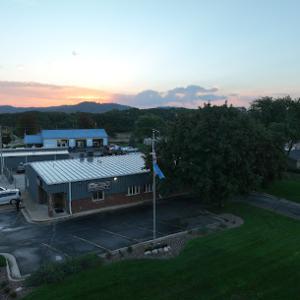
First American Roofing & Siding
(608) 783-3101 www.firstamericanroofing.com
Serving
4.7 from 229 reviews
First American Roofing and Siding is a trusted name in exterior home improvement, proudly serving Onalaska, WI, and surrounding communities. Known for our commitment to craftsmanship and 5-star customer service, we offer a full range of solutions including roof repair, roof replacement, gutter replacement, siding installation, and insulation installation. As a reliable commercial roofer, we also deliver durable, efficient roofing systems tailored to local businesses. Every project is handled with care, precision, and a focus on long-term value. Our team is locally rooted, professionally trained, and dedicated to protecting and enhancing your home or property.
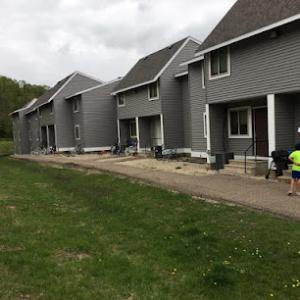
Riverview Builders
(608) 780-2254 riverviewbuilders.net
Serving
5.0 from 20 reviews
Riverview Builders, a trusted La Crosse roofing contractor, is the leading choice for superior residential construction services. Established in 2016, with a team of skilled professionals specializing in roofing services, they strive to deliver exceptional craftsmanship, using high-quality materials and offering personalized solutions for every project, no matter how big or small. With an unwavering commitment to unparalleled customer satisfaction, they endeavor to not only beautify your home but also provide exceptional protection, making Riverview Builders the go-to choice for all your roofing needs.
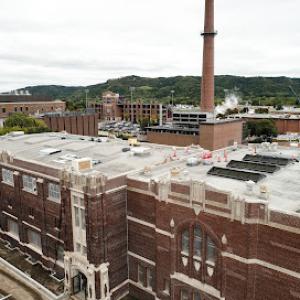
Interstate Roofing & Waterproofing
(608) 783-2106 www.interstate-roofing.com
Serving
4.2 from 31 reviews
For residents and business owners in Wisconsin, Minnesota, and Iowa, Interstate Roofing & Waterproofing located in Onalaska, WI, is available for commercial or industrial roofing services, including historical restorations. These roofers specialize in commercial properties and provide a range of options for customers including standing seam roofing, single-ply, built-up roofing, and steep slope. They have completed projects for elementary schools, retail stores, churches, office buildings, and much more.
RoofKO JAM Consulting & Restorations
(608) 399-6180 www.roofko-lax.com
Serving
4.7 from 12 reviews
Roofing, Siding, Gutter, Gutter Guard, Insurance Specialist
Borchert Exteriors
Serving
5.0 from 6 reviews
When it comes to your home’s exterior, you need to have trusted professional roofing contractors working on it. Borchert Exteriors in Onalaska, WI, will work their magic by effortlessly transforming your home’s appearance and curb appeal with a full range of services. This family-owned and -operated company is fully licensed and insured, allowing you to rest easy while their roofing contractor team tends to your home. Work with Borchert Exteriors to update the look and functionality of your home’s exterior without breaking the bank. They’ll provide you with a free estimate before getting to work to ensure they meet your needs and so you know exactly what to expect. Call this roofing contractor company at (608) 386-6247
La Crosse Quality Roof Repair
(608) 394-3940 roofrepairlacrosse.com
Serving
5.0 from 2 reviews
La Crosse Quality Roof Repair aims to be the first call for anyone in the La Crosse area and Coulee Region that needs fast, affordable, and quality roof repair services.
Asphalt shingles are common because they fit the steep-slope housing stock found in the older neighborhoods and are easier to repair after localized storm damage. In Winona, you'll want 30-yr or higher granule quality and a favorable warranty that covers freeze-thaw cycles. Choose a shingle with good granule adhesion and a laminated profile to help shed moisture quickly on those steep pitches. Make sure the roof deck is solid and the underlayment is continuous to minimize wicking during rapid freeze-thaw transitions along the bluff edges. If you're replacing an existing asphalt roof, prioritize matching the existing slope and ensuring proper drip edge and gutter integration to handle seasonal rain and snow melt.
Metal roofing is attractive for snow shedding and long-term durability, which matters when winter storms push snow down the bluff country. In practice, wintry shifts can push snow fast toward eaves and valleys, so details at eaves, valleys, and snow retention matter because rapid slide-off can create safety concerns and gutter issues. If selecting metal, consider standing-seam or through-fastened profiles with corrosion-resistant coatings. Pay attention to panel seams, fastener sealants, and proper sealing at penetrations. Regional wind exposure on hillside lots means you'll want a robust ridge vent and secure flashing, plus an overhang design that protects siding and vents from ice dam formation.
Clay tile and concrete tile appear in the local material mix, but Winona's freeze-thaw conditions make underlayment quality, fastening, and structural suitability especially important for heavier or moisture-sensitive systems. These tiles demand a solid deck, solid framing, and an underlayment system designed for cold cycles. Expect closer attention to ventilation under the roof, to prevent vapor buildup that can worsen ice-related issues. If you're drawn to these options, ensure ridge and hip zones are properly flashed and that all penetrations are sealed with compatible sealants that resist cracking in freeze-thaw spells.
Wood shakes bring a distinctive look that suits older neighborhoods, but they require meticulous maintenance in this climate. Detailed edge flashing and continuous underlayment help keep moisture from soaking into the substrate during spring thaws. Wood requires careful fastener selection to prevent corrosion and warping during rapid temperature swings. If a shake roof is retained or installed, invest in a high-quality fungal and UV protection treatment and a proactive cleaning schedule to manage moss or lichen that can trap moisture in shady bluff-side nooks.
Slate offers exceptional longevity and a classic appearance that complements bluff-country elevations. Its weight calls for structural verification, especially on older homes. Freeze-thaw stress can crack or delaminate poor installations, so ensure a qualified slate contractor uses compatible nails, proper spacing, and accurate roofing deck preparation. Local properties with slate benefit from precise valley and flashing work to resist ice dam formation and moisture intrusion at joints.
Late spring through early fall is typically the best reroofing window in this area because material handling, sealing, and scheduling are less likely to be disrupted by snow or freezing temperatures. In Winona's steep terrain along the bluff country, waiting for a dry spell matters more than anywhere else. If you're weighing a replacement, plan for a stretch when you can keep decking and underlayment dry while shingles or panels are installed and fasteners are set with proper sealing. Short windows can still work, but the safer, more predictable stretch is late spring through early fall.
Spring hail and wind events in the Winona area can create sudden demand spikes that delay inspections, estimates, and installation starts. If a hailstorm hits, expect contractors to book out for weeks, and material runs to tighten quickly. Have a flexible plan and a clear decision timeline with your chosen contractor so you're not left scrambling after a weather event. If you notice new hail bruising or wind-driven damage, booking assessments promptly helps keep the project on track.
Fall in Winona can bring strong winds and early snowfall, while winter projects risk exposing decking and underlayment to freeze-thaw damage if the job stretches out. If you're aiming for a fall start, aim for the earlier portion to beat the first big cold snaps. Delays caused by late-season weather can push you into winter, increasing risk for exposed decking and frozen work days.
Aging shingles, curling or missing edges, loose flashing, and recurring leaks that don't respond to quick fixes are practical triggers. If the roof is approaching or past the end of its expected life, or if multiple repair cycles are needed in a single season, replacement becomes a prudent choice. On bluff-country roofs, ensure the plan accounts for safe access on steep slopes and the quick shedding of water during the job. In at least one dry period, confirm the roof can be resealed and flashed for the long term before the first freeze threat sets in.
In this bluff-country setting with steep slopes and river-induced weather shifts, a building permit is typically required for a full reroof rather than a simple no-permit maintenance job. The permitting process helps ensure that the roof structure, underlayment, and flashing choices meet local code and climate realities. When planning, confirm that your contractor understands Winona's expectations for a complete re-cover and any site-specific constraints posed by the steep terrain and bluff-edge access.
The local Building Department generally handles permit intake from either the contractor or the homeowner, so you'll encounter the same central point of contact either way. As part of the application, you'll submit project scope and roofing material information, including a description of the planned roof system and any penetrations, vents, or skylights. Having accurate details-such as roof slope, existing ventilation, and the chosen underlayment-helps the department move the approval along smoothly and reduces delays caused by missing paperwork in a weather-sensitive season.
Inspections in this city are scheduled during and after the reroof to verify crucial elements. Expect checks for underlayment installation to ensure a continuous, properly lapped layer that holds up against freeze-thaw cycles. Flashing around chimneys, skylines, vents, and valley intersections is another focal point, given the tendency for water to follow every crease on a steep, bluff-sided roof. A final inspection confirms that the entire system-tiles or shingles, underlayment, flashing, and proper nail patterns-meets code requirements before closeout. Plan for access to the roof and interior attic areas if inspectors need to verify ventilation and drainage details.
Coordinate with the Building Department and your contractor to align the permit timing with expected winter or shoulder-season weather. In higher-slope areas, temporary safety and debris management become critical, so clarify who is responsible for securing the site during inspections and ensuring clean, row-by-row shingle or tile installation. If the project involves upgrades to ventilation or attic insulation along with the reroof, consider scheduling inspections in a way that minimizes back-to-back sessions, reducing the risk of weather-induced delays in the final closeout.
Typical local ranges are about $350 to $600 per square for asphalt shingles. On bluff-side slopes, the cost can push toward the higher end due to access challenges, staging, and safety setups. In spring, after hail or wind storms tighten schedules, so it's wise to plan ahead and book experienced crew time to avoid costly delays. If you're upgrading from older shingles, you'll often see the value in better underlayment and improved flashing to handle freeze-thaw cycles on steep roofs.
Metal roofing typically runs from $700 to $1100 per square. For steeper lots and tighter sites, the labor and equipment needs rise, which often nudges costs upward. A metal roof pays back in durability against ice damming and seasonal shifts, but consider the weight and the potential for cold-weather expansion during the bluff-country winters. Delivery logistics and crane or lift access can add to the job, especially on constrained lots above the river bluffs.
Clay tile ranges from $1200 to $2300 per square. On bluff slopes, weight and breakage risk during transport are higher, and fragile tile handling adds to labor time. The aesthetic suits older housing stock, but you'll want a roof deck that's solid enough to support the load and flashing designed for freeze-thaw stress. Expect steeper-site coordination with scaffold setup and careful staging.
Concrete tile costs run from $900 to $1700 per square. Similar to clay, bluff-side access and material weight drive more careful logistics. In areas with rapid weather shifts, confirm roof framing is prepared for the extra dead load, and plan for extended installation windows to accommodate weather-driven delays.
Wood shingles or shakes are typically $650 to $1100 per square. Steep, windy bluff neighborhoods demand precise nailing patterns and robust drip edges to resist moisture intrusion in freeze-thaw cycles. Scheduling can tighten after wind events, so have a contingency for longer tear-off and careful handling on narrow lots.
Slate ranges from $1500 to $3200 per square. On older, bluff-side homes, slate work benefits from meticulous flashing and stone-cut precision. Transporting and maneuvering slate on tight lots increases both time and cost, but the long lifespan is a strong match for the region's weather stress.
In Winona, repeated winter freeze-thaw cycling makes leaks at flashing transitions, chimneys, valleys, and eaves more consequential than purely cosmetic shingle aging. Freeze-thaw years push water into tiny gaps, and every cycle can widen those gaps just enough to drip into the attic. Pay attention to any staining near joints or along the eave line after a warming spell followed by a melt, and don't assume a patch is enough-this is where the next storm will exploit the weakest seal.
Snow buildup plus thaw-refreeze events can back water up at the roof edge, pressuring attic ventilation and ice-barrier detailing. If the attic lacks balanced intake and exhaust or the ice barrier ends short of critical transitions, ice dams can form and back-siphon moisture toward the decking. In practice, this means gutters and downspouts should be clear, insulation should extend to the eaves, and the roof deck should have a continuous, properly installed ice barrier along the entire perimeter and at any known low spots.
Valleys act like water funnels, and a thin or aging metal flashing there is easy to misjudge after a severe winter. A chimney transitions from masonry to roofing are another common failure site when freeze-thaw widens cracks or dislodges sealants. On a windy bluff, ridge vents and caps take direct hits from gusts, and displaced flashing there invites moisture entry along the peak before a storm is even fully underway.
Warm-season storms in this area often deliver more than one issue at once: wind-lifted tabs, hail bruising, and flashing displacement can appear on the same roof after a single event. The fallout isn't always obvious from the ground, so a careful post-storm inspection is essential. Look for lifted edges, cracked shingles, and any signs that flashing or edge metal shifted with the wind.
You can reduce future failures by inspecting after each major thaw or storm, focusing on flashing corners, chimney step flashing, valley liners, and eave edge sealant. If you notice recurring damp spots in the attic, invest in a professional evaluation of ice barriers and ventilation balance before another winter回. Regular maintenance now prevents costly, localized failures when sudden weather shifts occur.