
Last updated: Apr 19, 2026
Opelousas sits in St. Landry Parish in inland Acadiana, where roofs are exposed to Gulf storm remnants and hurricane-season wind-driven rain even without direct coastal landfall. The neighborhood mix of midcentury attics, flat underlayment in some older homes, and newer overlays across raised-shell or hip-and-gable designs means every roof edge, valley, and flashing detail faces relentless exposure. High humidity and heat drive rapid cycles of wetting and drying, which slowly erode adhesives, sealants, and the integrity of tiny but essential components. When a storm arrives, it isn't just the wind that tests a roof; it's the rain driven by gusts that blasts under eaves and around flashing, finding weaknesses where you least expect them.
The climate here is unforgiving for vulnerable details. The warm, very humid conditions and frequent summer thunderstorms create repeated wetting cycles that can exploit small flashing and underlayment failures. A single storm can push rain under a marginal seal, then repeat the process with the next front. In roofs with older step-flashing, rakes, or valley systems, that slow-leak can become a full breach in a matter of hours when a wind-driven rain event hits with enough intensity. Even roofs that look sound from the ground may reveal leaks after a heavy downpour if the flashing joints or underlayment have seen decades of sun and humidity cycling. The result is a slow, creeping moisture that rots sheathing, invites mold, and weakens fasteners. In this climate, micro-leaks matter as much as obvious failures, because small vulnerabilities compound quickly under Gulf-driven moisture.
Seasonally, June through September is the key storm-risk window locally, so replacement timing is more favorable in spring or fall before peak tropical activity and extreme crew heat stress. Summer heat compounds safety concerns for crews and can delay progress, but the real driver is wind-driven rain, which tends to arrive with the strongest storms of late summer. Scheduling work in the shoulder seasons helps ensure materials cure properly, crews can work safely, and inspections can be completed without chasing an active storm front. In practice, that means prioritizing a planned roof replacement before the mid-year storm surge begins, avoiding the most volatile weeks when sudden squalls are most likely. This isn't about avoiding storms entirely; it's about reducing exposure during peak vulnerability and ensuring a robust, ongoing seal once the new roof is in place.
A resilient replacement in this area hinges on attention to flashing and underlayment details. Prioritize a continuous water-tight barrier around penetrations, vents, and chimneys, with properly lapped underlayment and corrosion-resistant fasteners. Valley reinforcement is critical where water concentration is highest; pay close attention to the condition of ridge caps and hip joints, where wind can peel back material if flashing isn't properly secured. Shawing and sealing around dormers, skylights, and transition zones must be executed with meticulous precision, because even small gaps become pressure points during a storm. In homes with flat roof sections or low-slope areas, add upgraded underlayment or self-sealing membranes where feasible, recognizing that southern Louisiana humidity can compromise standard materials over time.
If a replacement is in your near-term plan, coordinate with a contractor who understands inland Acadiana conditions and the unique wind-driven rain pattern here. Ask for a staged plan that prioritizes secure sealing at eaves, hips, and valleys, plus a system that sheds water efficiently off the eave edges. After installation, insist on a thorough inspection-preferably after a sizable storm-to confirm the flashing remains sound and the sealants hold under real-world wind pressure and rain exposure. By anticipating the risk window and emphasizing flashing integrity, you can create a roof that stands up to Gulf remnants and the strongest late-summer gusts rather than succumbing to them.
Opelousas homes sit in a climate where inland humidity and frequent Gulf-driven rain test roof systems every year. The mix of older housing stock and newer replacements means decisions can swing between preserving vintage attic moisture balance and leaning into modern, more durable assemblies. In practice, that means you should prioritize roofing components that resist both moisture intrusion and wind-driven rain. The right underlayment, correctly sealed valleys, and careful flashing details around chimneys and vent pipes are not optional extras here-they're frontline defenses against repeated downpours and summer humidity that can slowly degrade faster-than-expected. If your home has a history of attic moisture or condensation, your roofing choice should emphasize moisture management and breathability alongside weather resistance.
Even though this inland area isn't on the immediate coast, hurricane-season wind and rain still find your roof with force. A typical old-structure roof may have seen decades of weather events, and that experience can inform a safer, more resilient upgrade. Look for systems with integrated wind uplift considerations, well-sealed seams, and a speaking-to-climate warranty from reputable manufacturers. The climate in this locale can push shingles, panels, or tiles into unusual stress scenarios-sudden gusts lifting edges, paired with driving rain that seeks every gap. Your choice should emphasize secure attachment, robust edge detailing, and a roof deck that can drain quickly after heavy downpours. When you're comparing options, ask about wind ratings and installers who routinely test roofs for wind-driven rain performance in this exact inland setting.
Opelousas homeowners commonly center on asphalt shingles and metal, with tile and wood appearing more selectively. Asphalt shingles offer straightforward, familiar installation and reliable performance when paired with a thorough underlayment and proper venting. They respond well to the humidity cycle when installed with moisture-aware ventilation and a durable flashing scheme. Metal roofing provides a long-lived, wind-tolerant alternative that can shed rain quickly and resist impacts from hail or debris. If choosing metal, focus on panel seams, coating longevity, and proper attic condensation control. Tile and wood appear less frequently, but when used, they demand extra attention to moisture behavior, roof deck support, and the ability to shed humidity without warping or cupping. In these scenarios, close coordination between fascia, rafter spans, and roof vents becomes crucial to avoid moisture pockets and structural stress.
When you're evaluating options, bring up real-world scenarios: a stormy season with prolonged rain, humid attic conditions after a heavy exercise of weather, and the need for a system that remains effective even after a few years of exposure. Favor products and installations that emphasize edge-to-edge weatherproofing, continuous leak barriers, and careful shingling around penetrations. Ask installers to demonstrate how their chosen system handles both wind uplift and lateral water intrusion, and request references from homeowners who faced similar inland storms. Because this climate pairs humidity considerations with storm resilience, you'll want an approach that treats moisture control as an integral part of the roof, not an afterthought added later during maintenance.
Replacement work tends to go smoother when you target spring or fall, avoiding the brutal summer heat and the heart of hurricane season. In Opelousas, that means planning for a window when afternoon storms are less frequent and moisture levels are lower enough to support proper underlayment drying and sealant cure. By aligning your tear-off and dry-in with these shoulder seasons, you reduce the odds of weather-driven delays that stretch timelines and complicate your schedule.
Spring and early summer afternoons can bring heavy rainfall and quick downpours. Those bursts matter in a city with frequent heavy rainfall events because they interrupt tear-off progress and dry-in windows. A practical approach is to coordinate with the contractor for a longer, weather-aware plan: start on a dry morning, expect possible mid-afternoon storms, and have contingency gaps built into the sequence so fresh underlayment and shingles aren't exposed to unplanned rain. If a storm track bumps into your week, you'll benefit from a contractor who can pivot to interior work or temporary coverings without compromising the installation.
Even during milder winters, high humidity and occasional cold fronts can drive dew formation and lingering moisture. That moisture can affect underlayment exposure and the timing of installation steps, particularly the sealant application and flashing integration. In Opelousas, discussing moisture management with the crew helps ensure the underlayment remains dry enough for a proper set, and that interior acclimation ahead of insulation work is factored into the schedule. A practical detail is to request a dry-in plan that specifies daytime temperatures and dew-point expectations for each step of the process.
Opelousas homes often feature tight eaves and mixed roofing configurations that demand careful staging. Before work begins, identify easy access routes for materials and waste containment, and mark drop zones that won't interfere with driveways or landscaping. For residences with multiple roof lines, confirm that the crew has a clear sequence for transitioning between elevations so gutters and ladders aren't left exposed to sudden showers. A well-communicated plan reduces delays and keeps the job moving even when sporadic spring showers pop up.
In inland Acadiana, wind-driven rain can blow off sheets of moisture-laden paper or lightweight underlayment if not properly secured. Ensure the crew uses edge barriers and confirms ventilation during tear-off to prevent heat buildup and rapid moisture accumulation under remaining shingles. A disciplined shutdown procedure for unexpected downpours protects the interior and helps maintain the integrity of the roof deck until the final dry-in.
Asphalt shingles remain a dominant choice for many homes here because they fit a wide range of rooflines and are straightforward to install. You'll notice their upfront appeal when a quick, solid layer goes on after a storm. Keep in mind that prolonged heat and humidity can accelerate aging and reveal sealing weaknesses after storms, especially on roofs that already show wear. When evaluating shingles, look for heat-reflective granules and a stout underlayment that can handle quick temp swings during Louisiana summers. If a roof is already close to its life expectancy, a cautious approach is to seal gutters well and plan a mid-life refresh that strengthens the flashing around chimneys, hips, and vents.
Metal is especially relevant for homeowners who want wind resistance and long-term performance against heavy rain shedding. In this region, metal roofs shed water quickly and resist the impact of driving rain during storm events, which reduces the chance of roof leaks during peak season. When considering metal, pay attention to the panel configuration and fastener layout because proper seal around edges and penetrations matters most in hurricane-season conditions. For standing-seam systems, ensure the fasteners are corrosion-resistant and that the roof deck is solid enough to support the load without flex. A careful assessment of ridges and valleys helps prevent wind-driven water intrusion during tropical downpours.
Clay tile and concrete tile can provide a distinctive look, but moisture exposure and the heavier weight demand a precise structural check. In storms, broken tiles and rapid water intrusion can complicate repair access and slow down drying in the attic. Wood shakes bring natural aesthetics but can suffer from humidity-related decay and require diligent maintenance to prevent rot and insect damage. Synthetic products offer versatility and easier handling in tight spaces, yet they still need attention to ventilation and underlayment compatibility to perform reliably under repeated wind-driven rain. Across these options, balance aesthetic goals with structure, climate, and repair logistics to avoid surprises after the next storm season.
In this part of Louisiana, wind-driven rain often reveals weak points at valleys, wall intersections, pipe penetrations, and edge details, sometimes long before a dramatic roof loss occurs. Shingle laps in these areas can lift, flashing can begin to creep, and the overall seal around joints can fail when pressure from gusts hits seams at odd angles. The result is not always a dramatic missing shingle, but a stubborn drip that tracks along the decking until it finds a seam or a seam's edge.
High humidity and repeated storm exposure turn minor ventilation or flashing defects into decking moisture problems and premature roof-system deterioration. In this climate, a small weep of moisture behind a permeable vent or a misfit flashing corner can gradually saturate the plywood, promoting soft spots and possible hidden rot. Even when visible signs are scarce, moisture can undermine the long-term integrity of underlayment and insulation, quietly eroding the roof's resilience to the next storm.
Post-storm issues in this area often include lifted shingles, loosened ridge components, and leaks that appear after repeated rain events rather than immediately after a single storm. A single downpour might leave little trace, but consecutive systems can push water into marginal zones and slow-fastener assemblies. After a series of wet spells, shingles may appear intact yet reveal moisture intrusion along ridges or along vent collars as days go by. Regular checks after storms-especially along edges, hips, and near penetrations-are essential to catching slow leaks before they escalate.
Inspect roof edges and eaves for curled or lifted shingles, and test around pipes and vent flashing for any movement or gaps. Pay attention to the intersections where walls meet the roofline, as those corners are prone to moisture creep. If you notice discoloration on attic decking or a persistent damp smell after rain, investigate further rather than waiting for a visible leak. In Opelousas, small warning signs after a string of storms are a reliable signal to pause and assess before the next round of wet weather.
2C Roofing & Construction
210 E Jefferson St, Opelousas, Louisiana
5.0 from 43 reviews
Expert residential and commercial roofing in Louisiana with 50+ years of experience. We specialize in roof replacements, storm damage repair, metal roofing, asphalt shingles, and leak repairs for homes and businesses across Lafayette Parish. As a locally owned, family-run company, we exceed Louisiana building codes. Our team provides FORTIFIED™ systems to withstand hurricanes and severe weather. Services include TPO roofing, architectural shingles, roof maintenance, and insurance claims. Free estimates. Flexible financing for qualified customers, including interest-free plans. Licensed, insured, committed to quality craftsmanship. Serving Lafayette, Broussard, Youngsville, Carencro, and Opelousas.
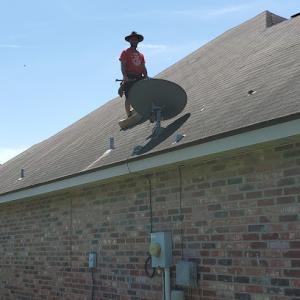
Noyo's roofing home improvements
161 Par Rd 1-320, Opelousas, Louisiana
4.6 from 11 reviews
Shingle and metal roofs home improvements
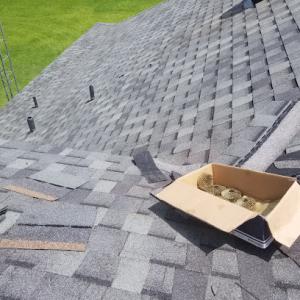
Acosta Roofing Specialist
907 Emma St, Opelousas, Louisiana
5.0 from 4 reviews
Roof Replacement Roof leaks fascia and soffit call us free estimate
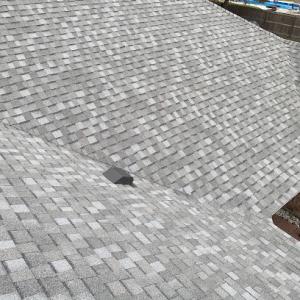
Roof Kings Of Lafayette
(337) 347-2074 www.roofkingsoflafayette.com
Serving
4.9 from 117 reviews
Roof Kings provides comprehensive roofing services in Broussard, LA and the surrounding areas. Whether you want to install a shingle roof or repair your metal roof, we have you covered. We also provide metal roofs and roof repairs for mobile homes. We do soffit, fascia and gutters as well.
Elite Roofing & Construction
(337) 303-0738 www.eliteroofingla.com
Serving
4.9 from 76 reviews
Elite Roofing & Construction provides residential roofing, commercial roofing, and leak detection/installation to the Lafayette, LA area.

Premier South Roofing & Sheet Metal
(337) 296-7083 premiersouthla.com
Serving
4.7 from 55 reviews
Premier South Roofing & Sheet Metal is Lafayette's trusted roofing expert, offering exceptional quality and service. We provide top-rated residential and commercial roofing services, including repairs, replacements, and metal roofing solutions. Our expertise extends to gutter cleaning and awning installations. But what truly sets us apart is our dedicated in-house installation crews, hand-nailing specialists for superior roof shingle installation, flexible financing options available, and dedicated project coordinators to support field estimators. From meticulous craftsmanship to comprehensive support, Premier South is committed to protecting and enhancing your property. Contact us to experience the Premier South difference.
Lawrence Roofing
(337) 371-6488 www.lawrenceroofingla.com
Serving
5.0 from 23 reviews
Lawrence Roofing is a locally owned and operated roofing contractor proudly serving Lafayette, Youngsville, and Broussard. We specialize in roof repairs, replacements, storm damage restoration, and gutter installation for residential properties. With reliable service, hands-on expertise, and a commitment to quality, we treat every roof like it’s our own. Whether you’re dealing with a leak, missing shingles, or storm damage, we provide honest assessments and fast, professional solutions. Call today for a free estimate and experience roofing done right — by a local you can trust.

Hargrove Roofing
(337) 476-3070 www.hargroveroofing.com
Serving
5.0 from 178 reviews
The certified roofers at Hargrove Roofing have years of experience providing high-quality roofing services in Louisiana and Texas. As a BBB-accredited company, their team is proud to be your trusted partner for reliable roofing solutions. From roof inspections to roof installation to roof repair, their skilled contractors are fully trained and equipped to keep the roof over your home or business. When you choose Hargrove Roofing, you’re choosing peace of mind with 24-hour emergency services, flexible financing options, and their satisfaction guarantee! With a reputation for exceptional craftsmanship and top-notch products from industry-leading brands like GAF® and Owens Corning®, you can rest assured that your roof is built to last.
Acadiana Roof Restoration
(337) 999-7663 www.aroofrestore.com
Serving
5.0 from 23 reviews
Acadiana Roof Restoration is a Roof Maxx 5-star certified dealer and a Certified Fortified Roofing contractor for the IBHS and Louisiana Fortify Homes Program. We are a Louisiana and US Veteran owned construction company that is licensed in commercial and residential roofing.
Hibbard Roofing & Construction
(337) 264-2950 www.hibbardroofing.com
Serving
5.0 from 116 reviews
Lafayette Louisiana’s Premier metal and shingle roof installer
Blue Monkey Roofing
(337) 284-3575 bluemonkeyroofing.com
Serving
5.0 from 133 reviews
Blue Monkey Roofing is a licensed and insured Roof Company based in Lafayette, LA. We offer Roofing, Roofing Repair, Roofing Installation, Roofing Services, Roof Inspection, Shingle Roofing, Metal Roofing, Roof Claims, Gutter Installation, and other Roofing Services. At Blue Monkey Roofing, we pride ourselves on living up to our key philosophies of integrity, safety, professionalism, and family values. From our knowledgeable salesman to our experienced office staff, our experts will work with you to find the best solution for your needs! From inspections to insurance, our team is has the knowledge and skill to get the job done. Our work is of superior quality, and everything is handled within the scope and schedule of your budget.
Cloteaux Roofing & Construction
(337) 267-8121 www.cloteauxroofing.com
Serving
5.0 from 218 reviews
Cloteaux Roofing and Construction – Full-service roofing contractor specializing in residential and commercial roofing. From repairs to full replacements, we handle all roofing applications, including shingles, metal, and flat roofs. State-licensed, fully insured, and backed by industry-leading warranties. Storm damage claim assistant with a focus on quality, reliability, and customer satisfaction. Call today for a free, no-obligation inspection. Our construction division focuses on painting, drywall, and flooring if you are in need!
In this market, typical local material ranges are about $350-$700 per square for asphalt shingles, $700-$1200 for metal, $1200-$1900 for clay tile, $900-$1500 for concrete tile, $550-$1000 for wood shingles or shakes, and $600-$1100 for synthetic or composite shingles. Those ranges reflect the inland south-Louisiana humidity, Gulf-driven rain, and wind-prone seasons that drive material choices and labor needs. When you're budgeting, start with the most common shingle options for your home style and climate, then add a contingency for potential moisture-related decking checks after tear-off.
Costs in Opelousas can rise after major Gulf storm activity when south Louisiana demand surges for labor, dry-in materials, and disposal capacity across multiple parishes at once. If a storm hits, you may see longer project timelines and premium labor rates, especially if crews are coordinating multiple re-roofs in the same week. Planning for a delayed or extended schedule is prudent, and it often translates into higher overall project costs even if the material choice remains the same.
Project pricing can also shift based on the home styles common in the area, roof complexity, moisture-damaged decking discovered after tear-off, and the added labor needed to meet local wind and venting expectations during inspection. A hip-and-gable roof with multiple penetrations or a roof with extensive valleys will push the square-foot price upward, particularly if decking requires partial replacement. If moisture-damaged decking is found after tear-off, expect additional costs to stabilize the structure before new material goes on. Material selections should balance resilience against wind-driven rain with budget constraints, especially in a market that can swing with storm season demand.
In this parish-driven process, a full re-roof in Opelousas normally requires a building permit through the local parish or city building process serving St. Landry Parish jurisdiction. Before any shovel hits the first nail, you should contact the parish's building department to confirm whether you're dealing with a tear-off, a re-roof over existing material, or a full replacement. The application will ask for basic project details, the proposed scope of work, and the roof's dimensions. Having a contractor who understands the parish rules can prevent delays that push your project into hurricane season windows.
The permit review typically includes plan or scope review before issuance. Expect the plans to show roof decking, underlayment type, fastener patterns, venting strategy, and, if applicable, wind-rated components. In Acadiana's inland climate, inspectors look closely at how the project addresses wind-driven rain considerations and proper roof-venting to support moisture management. If your contractor is adjusting the design for wind uplift and vent placement, be prepared for questions or a brief revision cycle during this early stage. Keeping drawings or a schematic of the venting plan and ventilation calculations handy can smooth the review process.
Inspections are scheduled during the job and serve as checkpoints to ensure the work aligns with the agreed scope and code expectations. Expect at least one tear-off inspection if a full tear-off is required, and subsequent inspections to verify that the deck, underlayment, fasteners, and flashing meet the parish's standards. Wind-related provisions specific to this region may trigger additional scrutiny of nailing patterns, vent closures, and edge fasteners. Coordinate with your contractor to flag any deviations from the approved plan so corrective actions can be documented and approved without stalling progress.
A final inspection after installation verifies compliance with wind-related and roof-venting requirements, as well as general quality and workmanship. This last step confirms that the roof system is properly sealed against rain intrusion and that all penetrations are flashed and vented to prevent moisture buildup. If the inspector notes adjustments needed for wind resistance or intake and exhaust ventilation, schedule timely follow-up. With the final seal of approval, your roof aligns with St. Landry Parish standards and helps ensure durable performance through the region's typical Gulf-driven rain and seasonal winds.
Opelousas homeowners are operating in a Louisiana insurance environment with high storm and wind claim activity and tighter underwriting than in many other states. The wind-driven rain that travels from the Gulf during hurricane season can expose you quickly, and carriers respond by narrowing coverage options and rushing decisions. You need to act decisively when damage is suspected and expect longer response times than you're used to.
Some insurers in Louisiana have limited availability or tightened policy terms, which can affect whether homeowners choose repair versus full replacement and how quickly they act after damage. When a roof issue appears, don't assume a quick, small fix will suffice. The insurer may push for a full tear-off or replacement to keep a policy in force, especially after back-to-back storms. Be prepared for a slower approval process and heightened scrutiny of the roof's condition.
Claims tied to roof damage in this market often require unusually thorough documentation, including date-stamped photos, interior leak evidence, and independent adjuster or contractor notes. Start collecting evidence the moment you notice water intrusion or missing shingles: photo the roof edge, attic rafters, and any staining below. Have a licensed local contractor accompany adjusters when possible to ensure your notes align with on-the-ground findings. In Opelousas, timely, precise documentation can determine claim success and settlement pace.
After regional storm outbreaks, this area can see contractor demand spikes tied not just to direct city damage but to broader recovery activity across south Louisiana. That uptick often means tighter schedules, hurried work, and a crowded market for trusted crews. You need to move with care, verifying a roofer's steady footing before signing any agreement, because haste can leave you with unfinished projects or fragile workmanship once the next front moves through.
Because permit and inspection compliance matters locally, homeowners should confirm that any roofer is prepared to work through the St. Landry process rather than bypass it. A contractor who skirts the steps not only risks delays but can jeopardize your final code status and your insurance claim. Ask for a transparent plan that outlines how they will document the work, address potential hidden damage, and coordinate with necessary inspectors. A reputable crew will include clear timelines and a point of contact who can explain changes if the weather forces delays.
In a high-claim Louisiana market, documentation quality and scope accuracy are especially important, so contractor selection often affects both claim outcomes and final code compliance. Demand a written scope of work that details material types, overlay obligations, and any required tear-off. Require itemized progress notes and photo records at key milestones. If a crew resists written specifics or slows down on record-keeping, treat it as a warning sign and consider alternatives.
The inland humidity, frequent rain, and wind-driven events shape quick turnarounds and wear patterns on common stock. Choose a roofer who understands these realities, demonstrates familiarity with coastal-to-inland drainage concerns, and can tailor a plan to your home's specific roofline, attic ventilation, and shingle aging. Your best protection is a contractor who communicates honestly, documents carefully, and commits to a steady, methodical process even as the market moves.