
Last updated: Apr 19, 2026
Muskegon's position on Lake Michigan means roofs face lake-effect snow patterns that can pile up along eaves and stress edge details more aggressively than inland homes. When winter winds push heavy, wet snow against the soffit and drip edges, fatigue can develop in shingles, underlayment, and flashing. Edge metal and sealant joints are the first weaknesses you'll notice after thawing, so plan for extra attention to fascia, rake edges, and exposed fasteners. If your roof has a history of wind-driven blowing snow or ice dam development along the eaves, strong emphasis on robust edge protection is nonnegotiable. This isn't a general winter worry; it's a Muskegon-specific reality that translates into practical steps you should take when evaluating condition and needed upgrades.
The typical replacement window stretches from late spring through early fall, because cold-season freeze-thaw cycles and wet spring weather complicate tear-off, sealing, and dry-in timing. In this climate, attempting a full roof tear-off during the heart of winter or the wet early spring can trap moisture, slow the dry-in process, and invite lingering condensation into the roof assembly. Planning a replacement to avoid the shoulder seasons minimizes the risk of moisture entrapment while temperatures cooperate for shingle set and adhesive cures. If you're weighing a replacement, align schedules to hit the late spring or mid-summer slots when crews can manage ventilation, attic access, and flashing installation without the complications of ongoing snow melt and spring rain events. Delays can cascade: if the ice still hangs around or spring storms arrive early, you're again back to navigating flooding risk in attic spaces and compromised roof decks.
Heavy winter snow followed by spring precipitation makes underlayment integrity and attic ventilation especially important for homes finishing winter in this market. Snow loading can compress the roof deck, and when spring moisture arrives, any preexisting gaps or degraded underlayment become Pandora's boxes for leaks. Before any tear-off, verify the underlayment has no punctures or bubbling and that the deck is dry, clean, and structurally solid. In Muskegon, attic ventilation isn't just about comfort; it's about preventing ice dam risk and maintaining a dry, stable attic temperature during the transition from cold to warm. A well-ventilated attic reduces soffit condensation and helps keep deck temperatures more uniform, which improves shingle life and seals. If the attic currently lacks adequate intake and exhaust, prioritize resolving that condition before or during a roof replacement. A properly vented system also mitigates mid-season heat buildup that can prematurely age any new roofing layer.
Lake-effect patterns can shift quickly with wind direction and storm tracks. A dry, mild stretch in late spring is your best window for a dry-in and flashing installation, but that window can close fast if a late-season lake-effect snow shower rolls through. If you're targeting a replacement, build in a flexible schedule that can extend into early summer or slide forward when conditions cooperate. Always account for the likelihood of late-season cold snaps even as days warm; this means ensuring the chosen roof system and sealants tolerate occasional freeze-thaw cycles during the early cure period. Ask your contractor to outline a staging plan that prioritizes edge protection, proper eave flashing, and verified attic ventilation, so even if a surprise storm interrupts work, the structure remains protected and dry.
Walk the perimeter and note any signs of edge degradation, curling shingles, or loose flashing. Look for staining on interior ceilings that correlates with eaves or valleys, indicating potential past leaks. Check attic access for adequate ventilation with the ceiling fan off and natural airflow unobstructed; listen for whistling vents or trapped moisture during mild days. If you suspect underlayment issues, schedule a professional inspection during the off-season window so you can address problems before the next lake-effect season ramps up. This targeted approach helps keep you ahead of spring moisture timing and minimizes the risk of costly repairs after winter.
Muskegon's shoreline exposure means hail and wind events are a regular face in the claims file. When a storm rolls through, insurers expect timely documentation and a clear storm narrative. You'll often need dated photos, roof age records, and contractor estimates before a claim advances. Without that paperwork, a file can stall or be downgraded, leaving you with gaps between wind-driven damage and what the adjuster recognizes as a valid cause for repair.
Because the Lake Michigan shore amplifies wind, edge damage and flashing movement show up sooner than you might expect. Shingle lift, granule loss, and lifted seam trays can appear after a brisk gust or a sudden freeze-thaw cycle. In practice, that means an early, professional assessment after a storm is often the practical route. If a contractor notes wind-related movement or storm-induced damage rather than generic wear, the claim has a stronger footing. The pattern is recognizable to adjusters who have handled cross-shore weather events and the frequent spring melt that follows a hard winter.
Carrier adjuster processes vary, and local claim timelines hinge on whether the file includes venting, underlayment, and storm-related damage instead of ordinary wear. Your best bet is to assemble a concise dossier: dated photos showing wind-driven edge issues, flashing corners, and any attic signs of moisture; a roof age record; and a written summary from your roofer describing what the storm affected and what must be replaced. Without a coherent, storm-focused packet, the path to approval can become a slog, stretching into multiple conversations and requests for additional evidence.
Expect the reviewer to weigh lakeside exposure, accelerated aging from winter cycles, and the extent of edge and flashing damage. If the loss is primarily due to long-term wear, the file may be handled as maintenance rather than a storm claim. Conversely, a clearly dated hail strike accompanied by scattered impact marks, lifted shingles at the edges, and compromised flashing tends to move more promptly. Knowing that process variances exist, you should prepare to advocate for your documentation rather than wait for a default approval.
If a storm hits, start with a temporary measure to protect interior spaces-tarps or boards over compromised roofs can prevent further moisture intrusion. Then reach out to a trusted local contractor who understands the coastal wind profile and the typical shingle performance in this market. A proactive, clearly documented view from a familiar installer can smooth the path toward a fair adjustment, reducing the risk that a claim gets tangled in the nuance of "wear" versus "storm damage."
Find local contractors experienced in assessing and restoring roofs after hail, wind, and severe weather events.
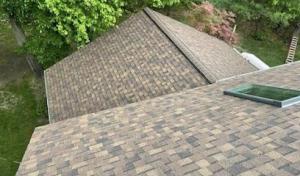
Shoreline Roofing & Gutters
(231) 331-2311 shorelinerestorationllc.com
Muskegon, Michigan
4.9 from 65 reviews
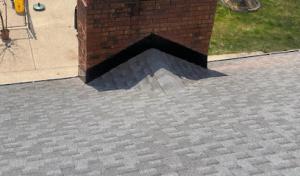
High Point Roofing & Construction
(231) 343-7369 highpointroofingmi.com
1504 Palmer Ave, Muskegon, Michigan
4.7 from 55 reviews
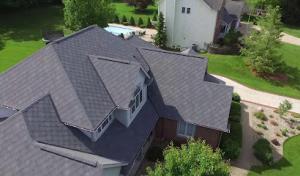
Sherriff Goslin Roofing Muskegon
(231) 798-7772 www.sherriffgoslin.com
3375 Merriam St #104, Muskegon, Michigan
4.7 from 70 reviews
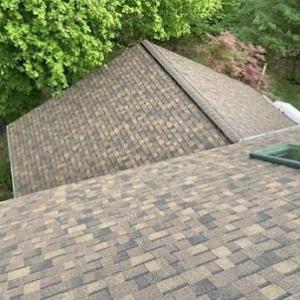
Shoreline Roofing & Gutters
(231) 331-2311 shorelinerestorationllc.com
Muskegon, Michigan
4.9 from 65 reviews
Shoreline Roofing and Gutters in Muskegon, MI provides expert roof replacement services designed to protect homes from the area’s tough lake-effect snow, high winds, and heavy rainfall. Our team specializes in replacing aging or storm-damaged roofs with durable solutions that improve safety, efficiency, and curb appeal. We understand the unique challenges Muskegon homeowners face with constant exposure to moisture and fluctuating weather, and we tailor our work to meet those needs. Known for skilled craftsmanship and dependable service, Shoreline Roofing and Gutters is a team of experienced roofers trusted by local homeowners for quality results.
High Point Roofing & Construction
(231) 343-7369 highpointroofingmi.com
1504 Palmer Ave, Muskegon, Michigan
4.7 from 55 reviews
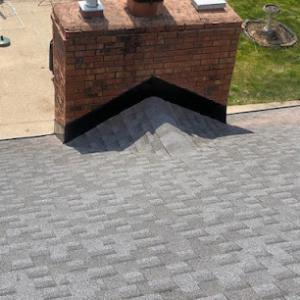
A High Point Roofing and Construction, We bring 25 years of hands-on experience to every project. Proudly serving Muskegon and surrounding areas, we specialize in roofing, siding, window installation and general construction. with a focus on quality,speed, and customer satisfaction, our team delivers reliable results that last. We're GAF-certified, ensuring top-tier materials and craftsmanship you can trust. Whether it's full remodel or a single repair, we're here to get the job done right-on time and on budget.
Pro-Owl Construction
2369 Vine Ave, Muskegon, Michigan
5.0 from 20 reviews
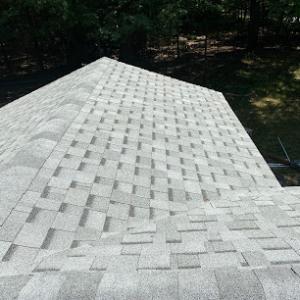
Pro-Owl Construction-Roofing, Remodeling and restoration service in Muskegon, West Michigan Pro-Owl is the trusted choice for roofing, siding, windows, and more. Contact us today to learn more and to schedule a free consultation.
Sherriff Goslin Roofing Muskegon
(231) 798-7772 www.sherriffgoslin.com
3375 Merriam St #104, Muskegon, Michigan
4.7 from 70 reviews
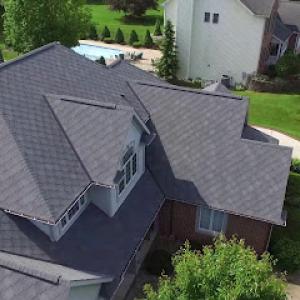
Established in 1906, Sherriff Goslin Roofing Muskegon, a reputable roofing contractor serving the Muskegon, Norton Shores, and Grand Haven areas, boasts over a century of experience in providing high-quality roofing solutions for residential properties, farm structures, and religious institutions. They maintain an Atlas Pro® Diamond Level Contractor status, ensuring adherence to the highest industry standards. Renowned for their exceptional customer service, Sherriff Goslin Roofing offers comprehensive expertise, from free roof inspections to professional roof repairs and top-notch replacements, delivering unparalleled value and peace of mind to homeowners.
Haight N' Sons
(616) 828-0799 haightnsonsllc.com
Muskegon, Michigan
4.6 from 10 reviews
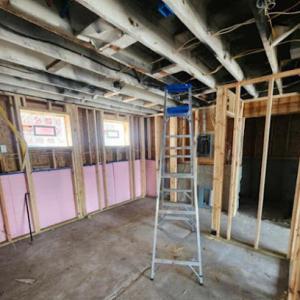
At Haight N' Sons, our journey began in 2016, rooted in the heart of Muskegon, MI, where our small family-owned business pledged to deliver nothing short of excellence. As a licensed and insured roofing contractor, we’ve dedicated ourselves to building a legacy that reflects quality, professionalism, and the genuine care we pour into every project. “A Legacy Of Excellence” isn’t just our slogan -- it's the promise we make to every homeowner we serve. Our services span a wide array, specializing in everything from asphalt shingle roofing installation and repair to comprehensive siding solutions.
East Muskegon Roofing & Sheet Metal
(231) 744-2461 www.certified-companies.com
1665 Holton Rd, Muskegon, Michigan
4.3 from 11 reviews
East Muskegon Roofing and Sheet Metal is now Certified Building Solutions and Certified Sheet Metal, continuing our tradition of quality in roofing and sheet metal fabrication
Maki Roofing Specialists
920 Irwin Ave, Muskegon, Michigan
4.3 from 7 reviews
Been roofing in the Muskegon area for 30yrs.
Free Spirit Construction
(231) 739-2124 www.freespiritconstruction.com
2200 Roberts St, Muskegon, Michigan
3.0 from 16 reviews
We’re dedicated to personalized, comprehensive customer service. We work with you every step of the way to make sure we understand your roofing vision, and that you understand what we’re doing. We’ll get the job done right the first time.
Alverson Roofing
Serving
5.0 from 5 reviews
Here at Alverson Roofing we specialize in pitched, low slope, and flat roofs. We believe in quality hand nailing all of our shingles and thats also why we back all of our work with a 10 year labor warranty. Our mission is to provide top notch quality work that holds up through any situation. All estimates are free
Legacy Roofing & Restorations
(616) 414-5124 legacyroofinggr.com
Serving
5.0 from 43 reviews
At Legacy Roofing & Restorations, we know trust matters. We are a family based company with over 4 generations of contracting experience and always make sure to put your needs first while keeping your budget in mind. We use the latest technology and methods to make sure every part of the process is painless and efficient. We service all of West Michigan. From roof repair to roof replacement, siding, window replacement and installation, to deck building, and home remodeling, we have you covered.
Tri Cities Roofing & Siding
(616) 846-3141 www.tricitiesrs.co
Serving
5.0 from 4 reviews
A family-owned roofing and siding company that has been serving the Tri Cities and surrounding areas since 2002.
Northshore Roofing
(231) 736-5550 northshoreroofing.llc
Serving
4.9 from 46 reviews
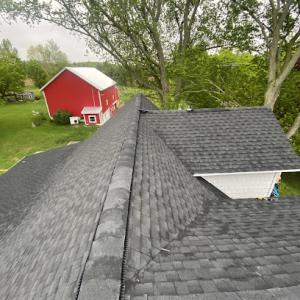
Founded on a Legacy of Quality, and Professionalism, we’re Northshore Roofing, LLC, West Michigan’s innovative and professional neighborhood roofing company. Reach out today to experience our premier roofing as we work with you step by step giving you the best quality as we strive to beat the competitors' price for those we work with from metal roofs, new siding, asphalt shingles, New construction builds.
Asphalt shingles dominate the local roofscape, but winter edge stress and lake winds demand careful installation. In Muskegon, the edge detail-where roof meets fascia, drip edge, and the bordering overhang-needs extra attention to resist wind uplift. Ensure the attic is properly ventilated to minimize ice dam risk and reduce rapid temperature swings that weaken sealants and shingle tabs. When choosing underlayment, a closed, moisture-resistant layer behind the shingles helps manage spring moisture and rapid meltwater. In practice, verify that the starter course is secure against wind and that the shingle alignment maintains a clean, wind-resistant drip line. For older homes, inspect surrounding eaves and fascia for prior water staining; poor edge protection here mirrors snow and melt challenges down the line.
Metal roofing is actively marketed in this market and can appeal to homeowners dealing with repeated snow-shedding and wind concerns near the lakeshore. A correctly installed metal panel system, with appropriate ridge and eave ventilation, reduces the chance of ice buildup along roof edges. Look for panels with concealed fasteners and a watertight V-channel or similar snow-shedding design to minimize wind-driven leaks. Pay attention to panel seams at chimneys, skylights, and dormers; these are common weak points when lake winds collide with moisture-laden air. If replacing an older roof, consider how the metal's thermal expansion will interact with existing roof decking and insulation, especially after a long winter where freeze-thaw cycles stress fasteners. Proper sealing at eave and rake edges matters more here than with other materials.
EPDM rubber roofing is relevant for low-slope sections and additions in this market, where spring wetness can expose drainage and seam weaknesses quickly. For flat or near-flat areas, ensure the membrane is fully adhered or correctly mechanically fastened with seam tapes rated for seasonal humidity shifts. Edge details around parapets, gutters, and penetrations must be robust to handle spring rains and evolving shoreline moisture. In practice, plan maintenance checks for ponding, scuppers, and header drains that can become clogged as meltwater flows increase. Regular inspection after heavy snowmelt helps spot seam uplift or microleaks before they migrate. If an existing EPDM is aged, consider a professional evaluation of lap seams and flashing that confronts a spring wet season head-on.
In this area, you'll see a familiar spread by material that lines up with local expectations. Asphalt shingles run about $350 to $700 per square. Metal roofing typically lands between $700 and $1100 per square. Clay tile is a higher-end option here, commonly $900 to $1800 per square. Synthetic or composite shingles sit around $450 to $800 per square. Slate is a premium choice at roughly $1000 to $2000 per square, and EPDM rubber roofing comes in at about $4 to $8 per square foot. These ranges reflect Muskegon's climate realities-lake exposure and the kind of roof assemblies you'll see on many early-mid Century homes and newer builds alike.
Lake-effect winter stress isn't just about snow load; it's about how the season tightens up around edge gutters, roof edges, and vent penetrations. When you're planning a tear-off or re-cover after a harsh cycle, expect costs to climb if winter damage shows up at the deck or along the eaves. Snow and moisture exposure can affect decking integrity, edge flashing, and ventilation components before the replacement season truly gets underway. If the structure needs extra attention to those areas, you'll see a higher per-square price and a tighter window to complete work before spring thaw brings more moisture risk.
A practical approach is to target the dry, post-winter lull for a replacement whenever possible, but be prepared for timing shifts if lake winds have battered edges or loosened flashing. Schedule with a contractor who prioritizes proper edge protection and ventilation setup, since those details matter more here than in milder climates. If you face a spring schedule due to winter discovery, expect the project to require careful sequencing-especially around attic venting and soffit intake-so moisture won't find a path into the attic during the melt.
Get a clear picture of your project costs upfront - no commitment required.
High Point Roofing & Construction
(231) 343-7369 highpointroofingmi.com
1504 Palmer Ave, Muskegon, Michigan
4.7 from 55 reviews
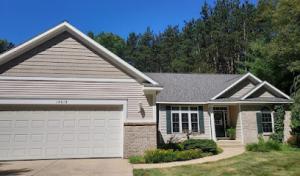
In Muskegon, a full re-roof typically requires a permit through the City of Muskegon Building Department. The application can be submitted by the contractor or by you as the homeowner, depending on who handles the project administration. Before any tear-off begins, confirm who will be responsible for pulling the permit and ensure the scope of work is clearly documented in the submission. This helps avoid delays if inspectors request clarifications during the process. Have the plan details ready, including the proposed roofing material, underlayment, and any ventilation upgrades you expect to install. The permit acts as a formal record that the work is being performed to current codes and standards, which is especially important given Lake Michigan's winter stress and the need for proper edge protection and ventilation.
Inspections in this area are commonly scheduled at multiple milestones rather than only at project completion. Expect inspections at the deck or underlayment stage, at ventilation installation, and at final completion. The deck and underlayment check ensures the roof deck is sound and that the weather barrier is properly installed to resist spring moisture. Ventilation inspections verify that soffit intake and ridge or continuous soffit vents are correctly positioned to promote air flow, a critical factor for dealing with freeze-thaw cycles and humid springs. The final inspection confirms that the entire system-roof covering, vents, flashing, and gutters-meets code and the city's standards. Planning for these checks can prevent rework and keep the project on track, especially after heavy winter conditions.
Some neighborhoods may require extra documentation related to roofing materials and ventilation. Local boards or homeowners associations sometimes specify preferred or approved products, as well as ventilation configurations that suit stormy lake-effect patterns. Before tear-off, talk with the permit clerk or your building inspector about any neighborhood-specific requirements, such as minimum ventilation rates, shingle wind resistance, or roof edge protection standards. If additional documentation is needed, have it ready to avoid delays during the permit review or the inspection process. This careful preparation pays off when spring thaw and wet conditions can complicate scheduling.
Coordinate with a licensed local contractor who is familiar with Muskegon's climate and the common housing stock. Ask for a pre-project inspection or walk-through to identify any structural concerns that could affect permit scope. Keep nearby access clear for inspectors and ensure that temporary protection is in place to minimize spring moisture intrusion during installation. By aligning permit timing with inspection milestones and confirming neighborhood requirements in advance, you minimize the chance of hiccups and help ensure that edge protection, ventilation, and moisture control are addressed from the outset.
Flat-roof and low-slope service is meaningfully active in Muskegon, reflecting the number of homes and additions where EPDM or similar systems matter alongside standard pitched roofing. The interplay between these roof types creates more potential leakage paths, especially where a low-slope section ties into a steeper main roof. That transition is a common trouble spot during and after long winters.
Spring rain after winter freeze cycles can reveal leak paths around skylights and transitions between steep-slope roofs and low-slope sections on Muskegon homes. Freeze-thaw cycles can loosen fasteners, widen small gaps, and push moisture under flashing details that seemed solid in dry seasons. Pay attention to seams around skylights as the first sustained warm rains arrive; that is when weaknesses show themselves.
Because Muskegon's wet spring period often follows months of snow stress, flashing details around skylights and low-slope tie-ins deserve closer inspection than homeowners may expect. Focus on skylight curb flashing, booted joints, and dressing around the base of any raised curb. Check wind-driven rain behavior along eaves and along transitions from metal or shingle edges into the flat surface. A small misalignment can become a persistent drip.
In preparation for a spring check, walk the roof with dry shoes and a clear memory of where snow hung longest. Note any damp spots on ceilings below skylights, and look for soft spots or curling at the edge of the low-slope deck. If a leak is suspected, test flashing joints with a controlled water flow from a hose in springtime, focusing on skylight perimeters and the ridge-to-flat interface. Addressing these details promptly can prevent larger, costlier damage during the year.
Find contractors experienced in skylight installation, flashing, and leak repairs to bring natural light into your home.
Sherriff Goslin Roofing Muskegon
(231) 798-7772 www.sherriffgoslin.com
3375 Merriam St #104, Muskegon, Michigan
4.7 from 70 reviews
In this area, re-roofing is the dominant service signal, so you'll mostly be comparing replacement-focused contractors rather than purely new-construction specialists. Look for a firm that treats the tear-off as a core part of the service, not an afterthought. Cleanup should be included and thorough, with daily debris containment during a storm-prone spring and a quick turnaround when weather finally cooperates. A reliable, long-standing, family-owned shop often delivers the consistency you want when lake-effect winds hammer the exposed edges.
Edge protection and proper ventilation are not optional here; they protect the roof's life under freeze-thaw swings and fierce spring moisture. Prioritize bids from contractors who specify upgraded edge drip, sealant at all eave joints, and a balanced attic vent plan to minimize heat buildup in late winter. Scheduling is a real constraint, so emphasize clear start and finish windows, with contingencies for wind-driven snow and rain. A responsive office that answers calls quickly is a strong market signal.
Family-owned and long-established firms populate Muskegon, and reputation matters more than a flashy pitch. Ask for local references and photos of recently completed jobs in similar weather and housing stock. Check how they handled past spring moisture timing, including how they staged tear-off to avoid leaks when lingering snowmelt arrived. You'll find that firms with transparent communication, documented warranties, and a steady crew roster tend to stand up well to lake-wide exposure.
Choose a roofer that treats your home as a project with coordinated steps: protective tarps and cleanup, careful removal to prevent splintered debris, and a paper trail showing material order timing aligned with lake-effect seasonal windows. A practical plan, grounded in Muskegon's climate realities, will keep your re-roof on track and your home protected through spring's moisture swings.