
Last updated: Apr 19, 2026
Storm season in this area can hit hard and fast, with hail, gusty winds, and active leaks popping up right after the clouds depart. Local contractor signals show storm damage and emergency repair are among the most prevalent specialties in West Bend, indicating homeowners commonly seek help after hail, wind, and active leaks. When a storm passes, the risk isn't over until every decking board, underlayment seam, and flashing joint is checked. A quick response matters: missing or compromised components can allow water intrusion to travel quickly, especially once temperatures warm and the days stay humid. If you notice new stains, damp attic spaces, or dampness around chimneys and vent pipes after a storm, treat it as urgent. Delayed action can turn a manageable repair into a full roof replacement.
In this area, winter freeze-thaw cycling can widen small shingle, flashing, and sealant defects before spring hail and wind events expose them as visible leaks or missing roofing components. The cycle leaves tiny cracks that would otherwise be easy to seal or replace during a dry period. Come spring, those micro-damages become obvious when rain returns and gutters overflow or attic temperatures swing. The best strategy is to perform a thorough inspection after the snow and ice retreat, focusing on what the freeze-thaw stress did to edge details, vent boot seals, and the transition between roofing systems and attic ventilation. West Bend homes tend to reveal vulnerabilities early in the season, so catching them before spring storms reduces the chance of widespread interior damage.
Replacement timing in this part of Wisconsin typically concentrates from late spring through early fall because drier conditions improve tear-off, deck drying, and installation consistency. The time window matters: temperatures that are too cold slow curing of roof materials, adhesives, and sealants, while wet periods interrupt active work and raise the risk of moisture-related delays. Homes that have sustained storm damage or accelerated wear due to freeze-thaw activity benefit from aligning the repair schedule with this window, so crews can complete underlayment, venting, and full installation with fewer weather-related interruptions. If an insurance settlement is involved, a clear plan to begin during late spring can help keep the overall project on track, ensuring the deck dries thoroughly before new layers go down and that wind-driven debris won't compromise fresh installations.
Begin with a rapid, guided inspection of exterior features most exposed to wind and hail: shingles at edges, ridge lines, vent boots, chimney flashing, skylights, and transitions to gutters. Document any changes with photos, especially after storms, and track any interior signs of moisture under attic access points. If you suspect sustained damage, contact a local contractor who specializes in storm repairs and who understands how West Bend's winter cycles interact with spring wind exposure. Ask for a staged plan that prioritizes urgent leaks first, with a clear timeline for temporary fix options and a durable, long-term replacement strategy that fits the usual late-spring to early-fall window. Acting quickly aligned with the seasonal rhythm can prevent small issues from becoming costly, extensive failures.
Ridgeline Construction
(262) 224-9260 www.westbendroofing.com
3215 Mile View Rd, West Bend, Wisconsin
5.0 from 47 reviews
Roofing company specializing in replacement shingle roofs, complex or simple roofing repairs, seamless gutters and custom projects.
Your Home Complete Exteriors
(262) 229-5535 www.rooferscomplete.com
2360 E Newark Dr, West Bend, Wisconsin
5.0 from 42 reviews
Trustworthy and reliable contractors in SE Wisconsin that specialize in roof replacement, roof repairs, storm damage, hail damage and other exterior services such as gutters, siding and soffit/fascia.
West Bend Construction
(262) 744-9424 westbendconstruction.com
2605 Upper Forest Ln, West Bend, Wisconsin
4.9 from 74 reviews
West Bend Construction, established in 2019, is a leading construction company providing exceptional services to Washington County and its neighboring areas. Specializing in roofing and siding replacements, their dedication to quality craftsmanship shines through every project they undertake. With additional services such as new construction, snow removal, and gutter installation, their expertise encompasses all aspects of residential construction.
CAB Construction
(262) 458-9887 www.getcabconstruction.com
919 N River Rd, West Bend, Wisconsin
4.7 from 162 reviews
Since 2007, CAB Construction LLC has been working to provide West Bend, WI, and its surrounding areas' homes with professional and quality craftsmanship in siding, gutters, roofing services and more. We are the Roofing Contractor for all of Wisconsin, with offices in IL, MO and TN. 16 years in the business with 27 years of experience! CAB Construction is the roofing company that you should call. Our motto is to go above and beyond your expectations, and that’s what we do with every roof installation for all of our customers. Call us today to see why CAB Construction would go "Above and Beyond your Expectations!"
K&J Exterior Solutions
(262) 339-1441 kjextsolutions.com
3895 Victoria Dr, West Bend, Wisconsin
5.0 from 17 reviews
Welcome to K&J Exterior Solutions, your trusted roofing specialists with over 6 years of dedicated experience. Based in West Bend, Wisconsin, we are fully insured and accredited, serving Washington County and beyond. At K&J Exterior Solutions, we believe in the power of detailed craftsmanship and the drive to turn every project into a success story. Whether it's roofing, siding, or any other home improvement need, we offer free estimates and bring a passion for perfection to every job. Our commitment to excellence means you can trust us to deliver top-notch results, backed by our years of expertise and attention to detail. Contact us today for a free estimate and let's make your home improvement dreams a reality!
Total Restoration Services
(262) 334-9110 www.trsroofs.com
253 Stockhausen Ln, West Bend, Wisconsin
4.6 from 90 reviews
Total Restoration Services, established in 2017, is a West Bend, Wisconsin-based roofing contractor serving residential clients throughout the area. Their team of experts tackles all roofing projects, from repairs to replacements, ensuring a smooth and efficient experience for homeowners.
Lapota Contracting
(262) 247-6311 lapotacontracting.com
217 Maplewynde Rd, West Bend, Wisconsin
4.4 from 26 reviews
Roofing, Siding, Gutters, Garage Doors, and more!
J T Feyrer Exteriors
(262) 677-4114 www.jtfeyrerexteriorsllc.com
150 Maplewynde Rd, West Bend, Wisconsin
5.0 from 6 reviews
J T Feyrer Exteriors Provides Exterior Contractors, Siding, Window Services and Roofing Services to the West Bend, WI Area.

C&K Services, Inc. of Newburg
(262) 675-6557 ckservicesinc.com
Serving
4.8 from 219 reviews
C&K Services offers a full range of services including roofing for both residential and commercial, siding, windows, doors, gutters and repairs. Our respected company has been helping the community for over 45 years to improve their homes and businesses and we can help you recover from natural disasters as well. So remember, DON'T DELAY, CALL C&K!
Revival Roofing
(414) 659-0058 revivalroofingwi.com
Serving
5.0 from 35 reviews
Revival Roofing WI specializes in both residential and asphalt commercial roofing services (apartments, condos, churches.) Certainteed and GAF certified installers, offering a 50 year manufacture warranty! We offer new installations, as well as expert roof revivals and restorations. Our dedicated team of industry experts is committed to serving our local community with quality workmanship and reliable products. Whether you need a new roof or repair services, we’re here to ensure your roofing needs are met with professionalism and care. We also offer gutters, filter, soffit, and fascia installs. Choose Revival Roofing WI for your next roofing project!
Kettle Moraine Exteriors
Serving
4.9 from 32 reviews
Kettle Moraine Exteriors provides roof installations and repairs, specialized roofing services, exterior services, and siding installation to SE Wisconsin.
Schweitzer Spray Coating
(262) 305-4249 sspraycoatings.com
Serving
5.0 from 4 reviews
If you live in West Bend, WI and are looking for a well versed roof coating company, you are in the right place. We have been in business for 6 years and know what it takes to offer the best services. We source all of our products from industry leading manufacturers and our experts install them with a high level of expertise. We are a family owned and operated business that treats customers like family. Schweitzer Spray Coating, LLC in West Bend, WI is licensed and insured for your protection. Our services include roof coating, rubber roof coating, metal roof coating, spray roof coating, pressure washing, power washing, and roofing installation.
Wisconsin insurers commonly cover hail and wind damage, making post-storm documentation especially important for West Bend homeowners deciding whether repair or full replacement is realistic under policy terms. After a hail or wind event, carriers may request detailed photos, date-of-loss information, and prompt claim submission before adjusters evaluate roof condition and replacement eligibility. In this market, storm-related roofing demand is active, so having a clear, organized file helps the process move more smoothly and can impact whether a full replacement is deemed necessary.
As soon as the storm passes, start a careful, methodical survey of the roof and associated areas. Do not rely on memory if the weather turns severe again before a claim is filed. Document exterior elevations, detached structures, gutters, and interior leak staining before any temporary repairs alter evidence. Take wide-angle photos of the entire roof, close-ups of dented or torn shingles, and shots of any hail marks on siding, vents, or skylights. Note the date of the event, and if there were nearby storms, record those dates too. If there is interior staining from leaks, photograph those areas as well, along with the ceiling and attic spaces where applicable. Keep these images organized by location, and maintain a dated record of what you observed.
After the event, expect the carrier to request a specific set of information quickly. Prompt claim submission often speeds up the process and helps scheduling adjuster visits before conditions change or repairs begin. Be prepared to provide: your policy number, the date of loss, a concise description of what happened, and the preliminary photos you gathered. Some carriers prefer a simple online form, while others require a phone call to initiate the claim. If you can, create a backup copy of every document and photo, stored in the cloud or on a USB drive, in case files are misfiled or misnamed during transmission.
When the adjuster arrives, present the documented evidence first. Do not offer repairs on the spot without written authorization, especially if permanent replacement is under consideration. The adjuster will assess the roof, gutters, and exterior components to determine if damage meets the policy's repair or replacement criteria. In practice, many hail events cause intermittent damage that appears minor at first glance but affects long-term performance-so be prepared for a thorough evaluation. If more damage is discovered during the inspection than anticipated, understand that the claim may be adjusted to reflect replacement rather than a patch, depending on policy terms.
Because storm-related roofing demand is active in this market, homeowners benefit from documenting exterior elevations, detached structures, gutters, and interior leak staining before temporary repairs alter evidence. Keep all communication in writing when possible, and request a written scope of what the adjuster will inspect. If any part of the assessment seems inconsistent with what you observed, ask for clarification or a re-inspection. Request a copy of the final adjuster report for your records and ensure the scope aligns with your pre-storm documentation.
Avoid making irreversible temporary fixes that cover up damage before the adjuster's visit, as these can complicate the replacement determination or settlement. Do not hesitate to seek a second opinion if the first adjuster's assessment seems insufficient or contradictory to your documentation. And beware of pressure to settle quickly without a clear, written agreement on scope; take the time to review the final determination before authorizing any removal or replacement work.
Ultimately, whether a repair or full replacement is the right path depends on the carrier's assessment, the policy language, and the extent of damage revealed by the evidence and the adjuster's findings. With the right documentation and timely communication, you can navigate the claim process more predictably and preserve the option for a replacement when warranted by storm damage. West Bend homeowners should keep in mind the interplay between observed damage, policy terms, and the adjuster's professional evaluation as the decision unfolds.
Connect with contractors who help homeowners navigate the claims process from damage assessment to final approval.
West Bend Construction
(262) 744-9424 westbendconstruction.com
2605 Upper Forest Ln, West Bend, Wisconsin
4.9 from 74 reviews
CAB Construction
(262) 458-9887 www.getcabconstruction.com
919 N River Rd, West Bend, Wisconsin
4.7 from 162 reviews
Total Restoration Services
(262) 334-9110 www.trsroofs.com
253 Stockhausen Ln, West Bend, Wisconsin
4.6 from 90 reviews
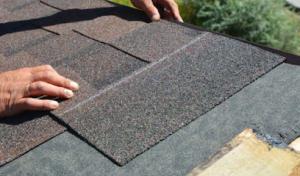
Asphalt shingles remain the practical workhorse for local roofs, especially on the typical mid-century homes found around town. The winter pattern here-freeze-thaw cycles, occasional ice dams, and wind-driven moisture-makes edge wear, granule loss, and flashing failures more consequential than in milder climates. You'll notice a faster buildup of granules on gutters after storms, and flashing joints around chimneys and vent stacks take more winters to show wear. For most homeowners, a well-sealed edge detail, a quality ice & water shield at eaves and rakes, and proper attic ventilation are essential defenses against this environment. It is not unusual to see asphalt shingles that have held up for 20 to 25 winters start showing curled edges or granule loss near the eaves, underscoring the value of a robust installation and maintenance plan.
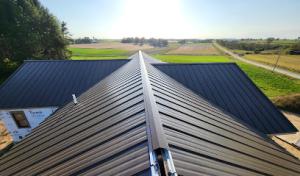
Metal roofing is a locally familiar option that can shed snow more efficiently, reducing weight load and ice buildup on the roof surface. In practice, its performance hinges on careful detailing around eaves, penetrations, and fasteners. Winter movement and summer temperature swings stress connections, so attention to a continuous snow-shedding profile, sealed side laps, and corrosion-resistant fasteners is worth prioritizing. Expect to spend time on flashing strategies at rake lines and around skylights and vents to maintain a consistent seal through repeated freezes and thaws. If a metal roof is chosen, a deliberate emphasis on proper attic ventilation and breathable underlayment beneath the metal helps mitigate condensation risks when the sun returns and temps swing.
Clay tile, concrete tile, slate, and copper are available options in this market, but their higher weight or premium detailing needs can raise structural and installation complexity on older southeastern Wisconsin homes. Clay and concrete tiles bring long-term durability, but their weight demands a verified structure and possibly reinforced rafters or additions to support load paths. Slate offers exceptional longevity yet requires a roofer with specialized fastener choices and precise nailing schedules to cope with local temperature shifts. Copper provides a distinctive appearance and excellent wear characteristics, but its cost and expansion behavior under freeze-thaw cycles warrant careful detailing at joints and terminations. For older homes with limited attic space or shallow roof framing, these premium materials may require substantial structural assessment and, in some cases, framing upgrades to ensure a sound, code-conscious installation.
In this market, attention to ventilation, underlayment, and venting is not optional-it's a baseline for any full replacement that aims to withstand the seasonal rigors. Ice dam risk correlates with warm attic air and insufficient insulation, so addressing ceiling insulation and attic seal is as important as the roof material choice. Flashing around vent pipes, chimneys, and skylights should be integrated with a continuous weather barrier and high-quality sealant transitions to resist freeze-thaw cycling. When choosing materials, think through how each option interacts with the house's existing structure: the heavier tile or slate paths demand compatible support, while asphalt and metal can adapt more readily to a wider range of framing conditions. In this climate, a roof is not just a weather shield but a long-term maintenance partner that needs thoughtful detailing from edge to ridge.
In this market, typical local pricing runs about $350 to $600 per square for asphalt shingles, $700 to $1100 for metal, $900 to $1800 for clay tile, $1000 to $1700 for concrete tile, $1500 to $2600 for slate, and $1800 to $3200 for copper. For a homeowner with a standard 20-square (handful of bundles) roof, that range translates into meaningful decisions when budgeting for a full replacement. In practice, most West Bend projects land in the asphalt-shingle middle, but storm-driven demand can shift the mix toward quicker-available options, driving up short-term prices.
Storms bring hail and high winds that quickly expose exposed underlayment and venting gaps. After a hail event, re-roofing spikes as neighbors compete for the same crews and materials. Quick-response scheduling becomes valuable to homeowners dealing with active leaks, and that urgency can push up labor availability costs modestly. In the weeks following a damaging wind or hail episode, you may see higher bid variance as contractors adjust to tight weather windows and limited crews. Plan for a tighter window if you're coordinating a full tear-off and new underlayment in a storm-active season.
Final costs hinge on tear-off complexity and how well the new system integrates with venting and underlayment details. Wisconsin winters demand robust underlayment and proper ventilation to handle freeze-thaw cycles, so bids that include a complete tear-off, upgraded underlayment, and validated venting will run higher than a simple overlay. If existing decking shows signs of water intrusion or damage, estimate additional costs for deck restoration and more meticulous detailing around roof penetrations.
When evaluating bids, compare not only the per-square price but what each contractor includes: full tear-off versus overlay, new underlayment, upgraded venting, and any additional flashing or ice-damming provisions. Storm timing matters: if a hail surge is anticipated, expect faster scheduling but prepare for possible price variability. For a steady, defensible project, target bids that explicitly document the underlayment type, venting plan, and how debris and disposal are handled, all aligned with the local climate realities.
Get a clear picture of your project costs upfront - no commitment required.
K&J Exterior Solutions
(262) 339-1441 kjextsolutions.com
3895 Victoria Dr, West Bend, Wisconsin
5.0 from 17 reviews
In West Bend, a building permit is required for most full roof replacements. This isn't just a bureaucratic hurdle-it's a safeguard against issues that can quietly undermine a roof's performance for years. If a contractor treats a replacement as a simple exterior project, you risk gaps in venting, improper underlayment, or missing fasteners that only become apparent after a harsh winter. You should expect to confirm with your contractor that a permit will be pulled before any shingles come off and that the permit aligns with the scope of work.
The City of West Bend Building Inspection Department handles permit issuance and inspection scheduling for roofing work. This department coordinates the timeline so inspections stay on track with the installation. A responsible contractor will work with the city on your behalf, submitting the permit application and arranging the required inspections. You still retain oversight: ask for the permit number, the scheduled inspection dates, and a copy of the city's inspection checklist to review venting and underlayment requirements before any material is delivered to your roof.
Inspections in West Bend are conducted during and after installation to verify venting, underlayment, and proper installation. The harsh winter cycle, hail, and wind can expose weaknesses quickly if venting or underlayment is skimped or misaligned. Expect the inspector to confirm proper attic ventilation, continuous underlayment coverage, precise shingle alignment, and correct flashing around chimneys, vents, and skylights. If something isn't up to standard, the contractor will need to address it before the inspection passes. A failed inspection means delays and potential rework, so ask for a pre-inspection walk-through with the contractor to catch issues early.
Keep copies of all permits and inspection records in a central file for your roofer. Schedule a pre-project meeting that includes the City inspector's checklist so everyone is aligned on venting, underlayment, and installation details. If a contractor suggests skipping a permit or routine inspection to save time, push back-shortcuts are a common source of costly rework after a storm or freeze-thaw cycle. On the day of inspection, ensure access to the attic and roof, and verify that any required venting upgrades or underlayment transitions are visible from the ground and documented in the inspection notice.
Skylights show up often enough in local contractor signals to matter, especially in a climate where freeze-thaw movement and wind-driven rain can expose weak curb, flashing, and seal details. When a roof is replaced, skylight curb condition should be reviewed as part of the overall replacement plan. Look for worn flashing, loose sealant, and any signs of water staining around the skylight flange. If a skylight is original, plan for its integration into the new underlayment and flashing details rather than leaving it as a retrofit after the fact.
Flat and low-slope roofing is a smaller but active specialty in West Bend, especially relevant for additions, porches, and mixed residential-commercial properties in the local market. Pay attention to how low-slope transitions join steeper roof sections, because missteps here create a pocket for water intrusion during spring thaws and windy storms. Pay particular attention to the transition from the steep roof to any low-slope patch around a skylight, dormer, or vent stack. A proper roof-to-flashing connection there should be tested for movement and resealed if there is any lift or wrinkling in the membrane.
Because inspections check underlayment and installation quality, transitions between steep-slope roofing and low-slope or skylight areas deserve extra scrutiny during replacement. Inspectors will look for continuous underlayment under the low-slope plane that ties cleanly into the steep-slope system, with intact fasteners and properly sealed penetrations. Ensure the skylight flashing is integrated with the surrounding underlayment so ice and wind-driven rain cannot exploit an edge seam. If a curb shows any movement or cracking in the sealant, address it while the roof is open rather than patching later.
Find contractors experienced in skylight installation, flashing, and leak repairs to bring natural light into your home.
Ridgeline Construction
(262) 224-9260 www.westbendroofing.com
3215 Mile View Rd, West Bend, Wisconsin
5.0 from 47 reviews
Your Home Complete Exteriors
(262) 229-5535 www.rooferscomplete.com
2360 E Newark Dr, West Bend, Wisconsin
5.0 from 42 reviews
West Bend Construction
(262) 744-9424 westbendconstruction.com
2605 Upper Forest Ln, West Bend, Wisconsin
4.9 from 74 reviews
In this market, many projects are re-roofs rather than new-construction jobs. Homeowners typically hire for replacement, storm response, and leak resolution, so a roofer you can rely on for quick mobilization, thorough debris cleanup, and solid warranty support matters. The practical reality is that your project will likely involve full replacement to ensure venting, underlayment, and ignition-free installations pass the city's expectations.
Storm debris and interior leaks are common concerns when a roof is breached during or after a hail event. When you call a contractor, ask about response times, on-site containment, and daily cleanup plans. Look for crews that arrive with a tarp setup, ferocity on tear-off efficiency, and a process to protect interior spaces during removal. A contractor who treats the job as a well-coordinated sequence reduces the risk of secondary damage while you're still living in the home.
The local market includes many established operators and a mix of residential and commercial firms, so confirm who will handle permit coordination and inspection follow-through with the city. A reliable roofer should provide a clear point of contact for scheduling inspections and documenting required venting or underlayment specifics. Expect a written plan showing how the crew will meet the city's review criteria for venting, underlayment, and installation quality on a full replacement.
During the bidding process, request a detailed scope that explains tear-off methods, debris containment, and weather-resilient staging. Inquire about how the crew protects attic spaces, ensures proper ventilation, and sequences insulation and finish work to minimize indoor disruption. Check references from recent storm-response projects and ask how they handled any challenges with debris, HOA or neighbor coordination, and scheduling around adverse winter conditions.
Freeze-thaw cycles and windy springs are part of the local climate. A strong candidate will describe how they sequence material delivery, secure temporary weather protection, and manage interior protection when roofs are exposed during colder periods. This readiness translates into fewer postponements and steadier progress even when Mother Nature tests the schedule.