
Last updated: Apr 19, 2026
Lake-effect snowfall from the lakefront in this state's cooling winds can leave roofs under repeated snow loads all winter, and Holland's shoreline position makes that pattern felt year after year. When the storms roll in off Lake Michigan, roofs carry heavy, uneven snow banks that melt and refreeze in waves as temperatures swing. That ongoing cycle wears on shingles and flashing and increases the likelihood of ice dam formation at the eaves. The risk isn't a single storm event; it's a winter-long pattern you'll notice again and again if the attic isn't properly balanced for heat loss and moisture control.
In neighborhoods where roofs slope toward the street, meltwater can pool at the eaves during sun breaks or daytime warmth and then refreeze when night air drops. Ice dams trap meltwater behind them, forcing water to seek paths under shingles and fascia. The result can be stained ceilings, damp attic insulation, and in worse cases, wood rot along rafter tails. The frequent cycle of melt and freeze matters more than the magnitude of any one storm. If attic spaces shed heat too aggressively or if insulation is thin, that heat finds its way to the roof deck and accelerates those dam-building processes. The practical takeaway is simple: stopping heat loss at the roof line is not a luxury here; it's a frontline defense against recurring moisture damage.
Rapid freeze-thaw swings in late winter and early spring amplify the danger. When days are warmer, you see roof surfaces releasing meltwater; overnight temps plunge and the water refreezes into sharp ice ridges at the eaves. This repeated back-and-forth can push water under shingles where there isn't a solid layer of attic insulation or where ventilation stalls. The fix is twofold: reduce heat rising to the roof deck and ensure air moves through the attic space. Tight attic gaps, properly spaced baffles, and balanced insulation prevent localized hot spots that drive dam formation. In practical terms, seal air leaks around penetrations, upgrade insulation toward a consistent depth, and verify that soffit vents and ridge vents communicate effectively to maintain a cool, ventilated attic during the thaw cycle.
Older Holland homes often carry a legacy of tight facades paired with attic rafter cavities that aren't perfectly sealed. The common thread is heat loss that spills onto the roof in winter, driving ice dam risk even when a single surface storm isn't extreme. The immediate action plan is concrete: inspect for obvious air leaks around chimneys, attic hatches, and light fixtures; install or upgrade insulation to the current standard with attention to continued coverage across protrusions; and ensure ventilation paths remain clear from soffits to ridge. In tight, historical layouts, even modest improvements can shift the balance away from dam-prone heat loss. If signs of water intrusion appear near ceilings or along the upper walls, treat those leaks as a signal to revisit attic sealing and insulation alignment before the next thaw cycle begins.
Spring brings wind-driven storms and occasional hail that shape the most claim-relevant roof damage pattern around town. In this area, a single dominant peril rarely tells the full story; it's the sequence of quick gusts, sudden downpours, and thaw that tests roofs unevenly across neighborhoods. Damaged sections often sit next to intact sections, making it easy to misread risk from a quick glance at a nearby house. The first heavy rain after winter, followed by a thaw, is when vulnerabilities become visible, especially on older roofs or those with pre-winter wear.
Damage in this area is often uneven and neighborhood-specific. Missing shingles, lifted tabs, flashing issues, or bruising can appear even when nearby homes look pristine. The wind from spring storms pries at edges, while hail bruises and dents the softer spots. When this pattern repeats house-to-house, it's usually because some roofs carried heavier winter wear or had marginal ventilation, attic moisture control, or compromised underlayment to begin with. If you notice any sheen on darker shingles after a storm, or granules collecting in gutters, inspect sooner rather than later. The pattern is not dramatic in every case, but it compounds quickly.
Winter wear can already weaken roofing components, and spring storms in Holland often expose those weak points during the first heavy rain and thaw periods. Ice and snow dampen attic spaces, stressing sealants and joints that seem fine in dry months. When a spring wind hits, those subtle weak spots become active leaks or wind-driven openings. Bruised areas under hail may not leak immediately, but moisture sits inside the decking and underlayment, waiting for the next warm rain to reveal the problem. The neighborhood mosaic of damage is telling: one roof looks solid while the next door shows lifted tabs or loose flashing, underscoring the need for proactive checks after every significant storm.
Check the roof from the ground with a cautious eye toward missing shingles, lifted tabs, and exposed flashing along eaves and chimneys. If an attic hatch reveals moisture or a musty odor after thaw, there is a higher chance of hidden damage. Do not delay addressing suspected issues; even small irregularities can escalate with the next rain. For a safer home, schedule a roof inspection promptly after a heavy spring event, prioritizing areas with visible signs or nearby hail impact. If climbing onto the roof yourself, use sturdy footwear and avoid unstable sections, but prioritize professional assessment for anything beyond a casual look.
Maintain regular checks for algae or moss in shaded sections, where moisture can linger and worsen insulation performance. Ensure attic vents are clear and that insulation is dry and properly sealed around penetrations. In neighborhoods with mixed housing stock, a quick annual walk-through to identify loose flashing, damaged seals, or worn booties around vents can prevent larger problems when the next storm arrives. A ready eye during the thaw cycle can stop small issues from becoming costly repairs. In Holland, the rhythm of wind, snow, and thaw remains the key driver of what needs attention each year.
Find local contractors experienced in assessing and restoring roofs after hail, wind, and severe weather events.
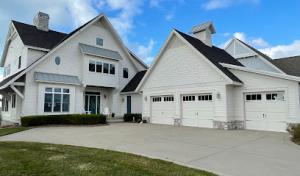
Sharp Roofing
(616) 208-5884 www.sharppros.com
11539 E Lakewood Blvd STE 70, Holland, Michigan
5.0 from 568 reviews
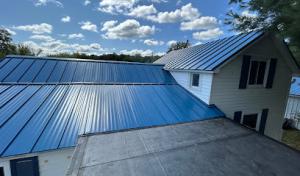
Johnson’s Roofing
(616) 335-1684 www.johnsonsroofingllc.net
11024 Mason St, Holland, Michigan
5.0 from 103 reviews
Lake Michigan Construction & Roofing
(616) 208-2310 lakemichconstruction.com
610 Butternut Dr, Holland, Michigan
4.9 from 109 reviews

Sharp Roofing
(616) 208-5884 www.sharppros.com
11539 E Lakewood Blvd STE 70, Holland, Michigan
5.0 from 568 reviews
Sharp Roofing is licensed and insured to help with all your roofing and exterior renovation needs. Using building material brands such as GAF, ProVia, Deckorators, and Quality Edge; our award-winning service team performs high-quality installations. With over 405 5-Star Google reviews, the 2019 Torch Award for Ethics, three GAF Triple Excellence Awards, and an A+ rating with the BBB, you can have confidence in our team. When it comes to roofing, Sharp offers roof repair, installation, and inspection services. We look forward to serving you!

Above Roofing
(616) 371-2192 aboveroofing.com
675 E 16th St, Holland, Michigan
5.0 from 102 reviews
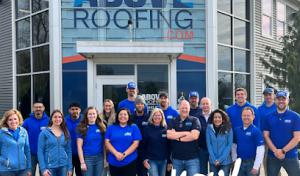
Above Roofing is a top-rated residential roofing company specializing in roof replacement & roof repair. Our roofing services includes a free roofing estimate & a lifetime workmanship warranty for all roofing work we do. At Above Roofing, we go beyond delivering a basic roof; we aim to install a quality roof that will protect your home and your family for many years to come. Our goal is to truly stand out as a different breed of roofer, providing top quality roofing services and an exceptional experience for each and every customer.
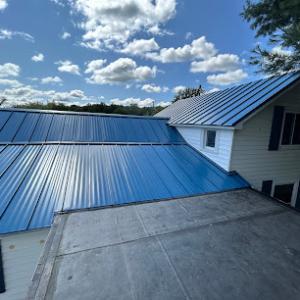
Johnson’s Roofing
(616) 335-1684 www.johnsonsroofingllc.net
11024 Mason St, Holland, Michigan
5.0 from 103 reviews
Johnson's Roofing, based in Holland, Michigan, brings over 28 years of experience to every project. Specializing in roofing installations, roof repair, hailstorm roof insurance claims, and commercial roofing installation, they serve the surrounding area with pride. As an owner-operated business, you can trust their expertise and commitment to quality. Whether it's a new roof or repairing storm damage, Johnson's Roofing is your reliable partner for all your roofing needs.
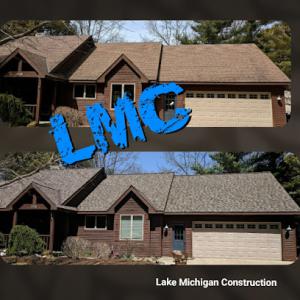
Lake Michigan Construction & Roofing
(616) 208-2310 lakemichconstruction.com
610 Butternut Dr, Holland, Michigan
4.9 from 109 reviews
Lake Michigan Construction & Roofing provides roof repairs, roofing installations, window installations, Siding installation, and gutter installation services to the Holland, MI area.

Horizon Roofing
(616) 422-5322 mihorizonroofing.com
603 E 16th St STE 210, Holland, Michigan
4.9 from 79 reviews
Horizon Roofing of Holland, Michigan can complete any roof installation, replacement or repair project your home needs. Our customers prefer to work with our experienced roofers because we are fully licensed and insured; are family-owned & operated; provide free storm inspections & estimates; have more than 20 years of experience; and can guide you through the insurance claim process. We also provide gutter repair and siding installation services. Our work speaks for itself. We care about our clients and our reputation as honest, hard-working, and talented roofers who take the health of your home seriously. We treat your home as we would treat our own. Give us a call today for a free roofing estimate.

RoCo Roofing
(616) 228-7551 rocoroofing.com
665 136th Ave, Holland, Michigan
5.0 from 39 reviews
RoCo Roofing, a trusted name in the roofing industry, serves homeowners and business owners in Holland, MI, and surrounding areas. With a commitment to delivering excellence in craftsmanship and customer service, this experienced team provides a full range of roofing solutions including installations, repairs, and replacements for residential and commercial properties. Their team of skilled professionals use only premium-quality materials to ensure that your roof will stand up to the toughest weather conditions. RoCo Roofing is committed to customer satisfaction and will guide you through the entire process, from initial consultation to project completion.

TNT Roofing
(616) 848-7878 www.857roof.com
1895 Russell Ct, Holland, Michigan
4.8 from 57 reviews
TNT Roofing provides residential roofing services to the Holland, MI area.
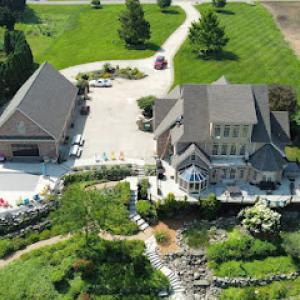
Bald Eagle Roofing & Exteriors
(616) 886-4851 www.baldeagleroof.com
11340 E Lakewood Blvd, Holland, Michigan
4.9 from 31 reviews
Bald Eagle Roofing specializes in helping people deal with storm restoration and insurance claims.
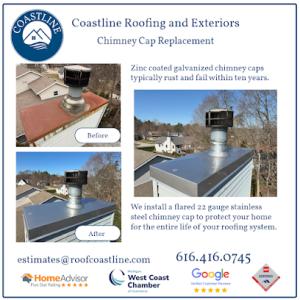
Coastline Roofing & Exteriors
(616) 416-0745 www.roofcoastline.com
16561 Greenly St, Holland, Michigan
5.0 from 14 reviews
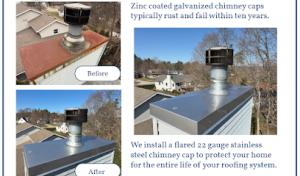
Coastline Roofing and Exteriors is a trusted, locally owned roofing contractor serving Greater Holland, Grand Rapids, Muskegon, and surrounding West Michigan communities. With over 15 years of experience, we specialize in new roof installation, roof replacement, and professional roof repair for residential and commercial. Whether you need shingle replacement, leak repairs, or a full roofing system upgrade, we provide accurate roof inspections and free estimates. We are GAF and Owens Corning certified, using high-quality materials built to withstand Michigan weather. Our services also include gutter replacement, chimney chase cap repair, siding replacement, and storm damage restoration. We are committed to protecting West Michigan properties
Holland Ready Roofing
(616) 886-0526 www.hollandreadyroofing.com
12935 Quincy St, Holland, Michigan
5.0 from 2 reviews
As a fully licensed and insured roofing contractor, Holland Ready Roofing has served greater Grand Rapids, Holland, Grand Haven, and clients across West Michigan since 1924. We have continued to grow and meet the challenges of high-profile clients in the public and private sectors while maintaining our founding values of quality workmanship and reliability. Rely on us for all your flat roofing installation and maintenance.

SMS Exteriors
6188 142nd Ave, Holland, Michigan
5.0 from 2 reviews
Exterior construction at fair prices and a smile.
Tucker's Family Roofing
(269) 275-8428 tuckersfamilyroofing.com
395 Roost Ave, Holland, Michigan
5.0 from 2 reviews
Tucker’s Family Roofing & Exteriors is a local and family-run company. Our family has been meeting the roofing needs of our community since 1974. With over 60 years of family experience, we have the dedication and knowledge it takes to serve you, whether the project is small or large. We offer superior service and personalized attention, providing our customer’s peace of mind and assurance knowing their home is in the hands of someone they can trust. From start to finish, we put time and attention to detail into all we do. Roofing is more than just a job for us, this is our family business which we take very seriously.
Asphalt shingles are the dominant practical choice for the region's pitched residential roofs. They fit the large stock of traditional, sloped homes and come with the broadest range of re-roofing options, from budget-friendly to more durable premium blends. In this climate, where lake-effect snow and spring thaw cycles drive repeated moisture exposure, asphalt shingles offer predictable performance and a straightforward installation path. When selecting, look for a higher wind uplift rating and a guaranteed underlayment that handles moisture well. A well-sealed, sturdy starter course helps minimize gaps at eaves and rakes, which reduces the risk of ice dams forming along the soffits during rapid freeze-thaw events. Regular attic ventilation and a continuous ridge vent pair well with asphalt to keep deck temperatures lower in winter, reducing condensation's ability to contribute to moisture-related issues.
Metal roofing is especially relevant if snow shedding and durability are your top priorities. Exposed weather conditions near the lakeshore can drive significant wind-driven snow loads, and metal panels shed snow more quickly than shingles, which can lower the risk of ice dam buildup along the eaves. In addition, metal's durability and potential for longer service life can translate to lower maintenance over time in a harsh winter climate. That said, correct installation matters: proper flashing at penetrations, sound insulation considerations for attic spaces, and thoughtful panel orientation to minimize ice dam pathways are key. For homes with large overhangs or vaulted ceilings, a metal roof can provide easier maintenance in spring thaw conditions, since damaged or blown-off fasteners are less of a concern than with some other materials. If you choose metal, pair it with a good moisture-control strategy in the attic and ensure close attention to soffit and eave venting so meltwater doesn't back up under panels.
Clay tile, concrete tile, wood shakes, and synthetic products appear in select higher-end or style-driven homes. Their weight and detailing demand careful structural assessment in this climate, where snow retention and repeated thaw cycles can stress connections and moisture barriers. Clay and concrete tiles bring distinctive aesthetics but require robust underlayment and proper nailing patterns to resist wind uplift and freeze-thaw movement. Wood shakes deliver a classic look but demand meticulous maintenance to prevent moisture penetration and decay in the shoulder seasons. Synthetic shingles can mimic many textures while offering lighter weight and better moisture resistance, yet they still benefit from a roof deck and underlayment designed for seasonal swings. In homes where these options are chosen, coordinate with a roofer who can tailor flashing details, ventilation, and insulation to reduce snow retention and ice dam risk while preserving the home's architectural character.
In Holland, replacement timing is strongly influenced by the need to avoid winter installation complications and to complete work before snow and ice return. The goal is to finish before the lake-effect season ramps up again, so crews aren't fighting bitter cold, wind-driven waves, or slippery access. Planning for a dry, moderate window helps ensure the new roof seals properly and the interior stays dry as temperatures swing.
Warm, moderately wet summers generally provide the most predictable replacement window, but spring can be busy because winter leaks and storm damage create a surge in demand. A practical approach is to target a mid-summer or late-summer stretch when days are long and humidity is manageable, and where possible, avoid the peak heat of midsummer if a roof needs significant ventilation or insulation upgrades. In years with late spring storms, you may see a temporary shift: prioritize jobs that can be staged to begin after the worst of the weather and before the first autumn storms.
Homeowners in Holland often need to act before minor winter seepage becomes visible interior damage during spring thaw and rain. Look for persistent damp spots along eaves, flashing gaps around chimneys or vents, and granule loss in gutters after a wind event. Ice dam risk in late winter can quietly accelerate roof edge damage; if you notice roof deck staining or soft spots after a thaw, plan a replacement discussion promptly. If a roof is nearing the end of its life, small leaks often become larger issues quickly once spring rains begin.
Start with a quick, honest roof assessment from a licensed contractor who understands local conditions. Schedule a window that avoids the busiest shoulder months when storm damage outpaces capacity. Ensure the chosen crew has clear protection for heat, moisture control, and ladder access on waterfront-adjacent homes. Finally, align the project with a dry spell forecast, so installation proceeds without wind-driven complications or unexpected spring interruptions.
Get a clear picture of your project costs upfront - no commitment required.

Horizon Roofing
(616) 422-5322 mihorizonroofing.com
603 E 16th St STE 210, Holland, Michigan
4.9 from 79 reviews
Coastline Roofing & Exteriors
(616) 416-0745 www.roofcoastline.com
16561 Greenly St, Holland, Michigan
5.0 from 14 reviews
Provided local cost ranges per square are: asphalt shingles 350 to 650, metal 700 to 1200, clay tile 1000 to 1900, concrete tile 800 to 1400, wood shingles or shakes 450 to 900, and synthetic or composite shingles 420 to 700. Those figures reflect Holland's mix of historic neighborhoods and newer lakeside homes, where moisture control and ice management influence both material choices and installation complexity. When you're budgeting, match the roof type to the acceptable snow load for your home and consider the long-term performance in our lake-effect climate.
In Holland, costs can rise after winter and spring damage periods when re-roofing demand spikes and quick-response scheduling becomes more competitive. If a heavy late-winter freeze or spring thaw has exposed leaks or compromised underlayment, you'll often see preferred contractors with tighter calendars and higher short-term bids. Planning ahead and getting on a contractor's schedule before the peak spring rush can keep costs more predictable and minimize emergency fixes that add labor surcharges.
Material choice matters more here when snow load, ice management, roof pitch, and moisture detailing increase labor complexity on steep residential roofs common in the local housing stock. Clay and concrete tiles bring significant weight and may require structural review plus specialized fasteners for icy conditions. Metal roofs shed snow more predictably but need careful detailing at eaves and penetrations to guard moisture pathways. Asphalt remains a practical middle ground, but you'll want upgraded underlayment and ice/water shield in zones prone to damming. Wood shingles or shakes offer a traditional look but require diligent maintenance in humid springs to prevent moisture-related issues.
With lake-effect weather cycling through winters and springs, timing your project around dry, milder spells helps protect installed systems from early thaw moisture and wind-driven spring storms. Schedule inspections in late winter or early fall to establish material and color choices, confirm attic ventilation, and lay out a clear sequence for steep sections. Having contingency for potential weather delays is sensible in Holland, where fast-moving storms can compress timelines and tighten contractor availability.
A building permit is typically required for a full roof replacement. The City of Holland Building Department handles roofing permits, and applicants are generally expected to submit project scope information and contractor license details. This means your planning should begin with a clear description of materials, underlayment, ventilation, and any structural work tied to the replacement. The permit is not a mere formality; it ensures moisture control, ice-dam prevention measures, and proper attic ventilation are considered in the overall project.
When applying, provide a concise project scope that outlines the extent of work, including roof deck inspection, fascia and soffit updates, and any flashing or chimney work. Include proof of current contractor licensing and any manufacturer-required installer certifications for the chosen roofing system. If the roof is on a historic or lakefront property, special considerations may apply, so be prepared to reference the exact shingles or panels to be installed and any applicable building codes related to wind uplift and ice dam mitigation.
Inspections are typically scheduled at rough-in and final. Rough-in verifies ventilation, underlayment, and deck integrity prior to overlay or shingle installation. Final confirms complete completion, proper flashing, and overall water-tightness. In practice, this means project planning should account for municipal inspection timing rather than treating roofing as a no-contact replacement. Coordinate with the contractor to align delivery, weather windows, and permit review so that the rough-in and final inspections occur smoothly, reducing downtime and rework.
Maintain open communication with the Building Department and the contractor about any change orders that might affect scope or timelines. If a winter or early spring installation is planned, discuss the timing of rough-in to ensure ice-dam prevention features are properly addressed before thaw cycles stress the roof. Keep a clear record of all permit-related documents and inspection notices, and have ready access to them during the project. This approach helps protect moisture control, energy efficiency, and long-term performance of the new roofing system.
Holland's insurance activity tends to ride the usual wind and hail cycles rather than a statewide crisis. That means a storm or two can prompt a claim, but the backdrop of Lake Michigan weather keeps damage patterns predictable: ice, wind uplift, and spring thaw moisture stress are the real culprits. If a winter event compounds existing wear, a spring storm can reveal weaknesses that were barely visible in late winter. Expect adjusters to evaluate not just a single incident, but how the season's wear has prepared the roof to fail later.
Adjusters commonly want clear photos, roof age information, and contractor estimates. In Holland, damage often shows up as a sequence: what survived winter must endure spring melt, rain, and wind. Take fresh photos after every notable weather event, including the thaw period, to show progressive condition changes. Maintain a simple log of roof age and notable wear from year to year. When you file, present a concise timeline that connects the storm event to subsequent condition changes rather than treating each storm as an isolated incident.
Because coverage varies by policy and insurer and there is no broad statewide pullback currently noted, you should not assume every storm-related issue will be covered. Some issues emerge from cumulative moisture and ice dam risk rather than a single event. In Holland, the strongest approach is to document both the initial damage and how it evolves through spring. Provide multiple, dated sets of photos showing ice dams, shingle lifting, or gutter overflows, so the adjuster can see the progression rather than a snapshot.
Before calling a claim, compare the roof's actual condition against last year's documentation. If a contractor estimate exists, attach it to the claim with a short note linking the estimated repairs to observed condition changes. In this market, careful, well-documented submissions often shorten processing time and reduce back-and-forth clarifications, especially when winter wear is a factor in spring storm damage.
In snow-and-thaw cycles, skylights and adjacent flashing deserve extra scrutiny because they are common leak points during ice backup and spring melt. A small concern around a skylight can turn into a bigger issue once ice forms at the base or along the curb, especially where the roof plane meets vertical walls. Look for signs of layered ice buildup along the curb, and check that the skylight sealant has remained flexible after multiple freezes. If a skylight sits on a low-slope patch or a corner where wind-driven snow tends to accumulate, prioritize drainage details-underlayment quality, proper slope, and proper thermal spacing-to reduce thawing moisture that can migrate inward.
Roof penetrations such as chimneys and skylights often become more vulnerable after repeated winter expansion and contraction cycles common in West Michigan. The best defense is to verify that step flashing, counter-flashing, and sealant joints are continuous and free of hairline cracks. In Holland's climate, ice can wedge into joints and push flashing out of alignment. Inspect the area around the chimney crown for micro-cracks or spalling concrete, and ensure cricket or saddle details channel water away from the flashing rather than toward it. When a chimney penetrates a pair of roof planes, differential movement between materials increases the risk of seam separation-address these gaps promptly before spring melt accelerates any seepage.
Leak tracing in this area should account for water traveling under snow or ice before appearing indoors, which can make the visible stain appear far from the actual roof entry point. During a thaw, check attic spaces for damp rafters and pinch points where warm air meets cold roof decks. Stains on ceilings often trace back to hidden entry paths along skylight framing, vents, or a poorly sealed joint at a dormer. A careful routine: trace the moisture path upward to a potential source, then verify flashing continuity and drainage routes in that zone. In practice, address the most moisture-prone penetrations first, and re-check after the next heavy snow event to prevent repeated damage.
Find contractors experienced in skylight installation, flashing, and leak repairs to bring natural light into your home.
Sharp Roofing
(616) 208-5884 www.sharppros.com
11539 E Lakewood Blvd STE 70, Holland, Michigan
5.0 from 568 reviews
Johnson’s Roofing
(616) 335-1684 www.johnsonsroofingllc.net
11024 Mason St, Holland, Michigan
5.0 from 103 reviews