
Last updated: Apr 19, 2026
After a wind or hail event, insurance claims for roofs are common in this area, and photo documentation plus contractor estimates matter a lot locally. When a storm hits, you'll want to capture the damage with timestamped photos from multiple angles: gutters, flashing, shingles edges, and any interior signs like water spots on ceilings. Insurance adjusters in this market tend to respond faster if you show urgency and organization. A reputable local contractor can provide a detailed, itemized scope that aligns with typical Battle Creek homes, which helps claims move quicker.
Keep a written log of every storm date, any leaks or drips, and all conversations with the insurer. Take pictures after every notable event and before any tarp, patch, or temporary repair. If shingles are torn or granules are washing into gutters, note it. Request a preliminary estimate from a trusted local contractor and attach it to the claim packet. A well-documented file cuts back-and-forth delays and reduces the risk of being told "not covered" due to missing evidence.
Battle Creek's cold winters with snow and warm summers push most planned roof replacement timing toward late spring through early fall. If you're facing a wind-driven event in late summer or early fall, plan for a rapid assessment and a narrow window to install before winter weather returns. Realize that tear-off and replacement weather hinges on moisture, temperature, and worksite safety. When the forecast shows a dry spell, lock in a start date and prepare access routes to the roof. Delays from weather are common, so have a contingency plan for temporary tarps or limited repairs if a full replacement must wait.
Winter snow and ice loading can delay access and complicate tear-off work, sometimes forcing postponements. Early fall storms can create last-minute repair demand before winter settles in, meaning crews may be booked and materials scarce. If a claim is approved late in the season, you may need to stage work to get under a clear-weather window without risking snow load on a new roof. Coordinate with the insurer and contractor to prioritize safety and maintain workflow even when days shorten and temperatures dip.
Respond to a storm with speed: call a roofer for an inspection within 48 hours, photograph all roof surfaces from the ground or with a drone if available, and start a claim packet with the insurer, including the contractor estimate. Keep all receipts and notes organized in a folder. This urgency helps protect against damage and strengthens the claim.
In this market, residential roofs commonly feature asphalt shingles, metal roofing, clay tile, concrete tile, synthetic/composite shingles, and slate. When you compare pricing, frame costs per square so you can gauge scale against the options you're considering. Asphalt shingles sit at the lower end of the local spectrum, while slate sits at the high end. This makes a practical ladder for budgeting, especially if you're weighing mid-range options like synthetic shingles or metal against heavier tile options.
Asphalt shingles are the most common in our area because they balance price with performance for the Inland climate. You'll typically see pricing in the range of about 350 to 700 dollars per square. That affordability is appealing for storms and seasonal swings, but remember that installation hours can stretch if weather windows tighten.
Metal roofing climbs in price, generally from 600 up to 1,600 dollars per square. The quick install, lightweight profile, and strong wind resistance can pay off over time, particularly in wind-prone seasons. In Battle Creek, you may notice the cost bump during peak storm activity, when crews are in higher demand and scheduling tightens.
Clay tile runs roughly 1,200 to 2,200 dollars per square, while concrete tile sits about 900 to 1,700 dollars per square. These materials bring a durable, long-lasting profile and distinctive aesthetics, but they also demand a sturdier roof deck and more labor during installation. In a climate with freeze-thaw cycles, tile can be a favorable long-term investment, yet the labor intensity and structural considerations push prices higher, especially when storm demand drives crews to capacity.
Synthetic or composite shingles commonly fall in the 450 to 900 dollars per square range. They aim to blend some of asphalt's affordability with added durability and sometimes better impact resistance. In busy years or late-winter/early-spring windows when production slows, these products can see pricing pressures similar to other higher-demand materials.
Slate roofs sit at the top end, typically 1,400 to 3,000 dollars per square. The appeal is longevity and a distinctive look, but installation requires skilled labor and careful handling. Heavier materials like slate also mean more structural and labor considerations, which can push both material and labor costs higher-especially during periods of high storm activity or tight scheduling.
In practice, costs can rise when storm demand spikes, when winter or wet spring scheduling slows production, and when heavier materials like tile or slate require more structural and installation labor. A storm-affected week in our market can stretch crews thin, nudging price quotes upward and compressing available installation windows. If you're balancing a winter project against a spring window, expect pacing to influence not just the total per-square price but the overall project timeline as well.
When planning, use these ranges as guardrails and reconcile them with the anticipated production tempo and the roof's structural demands. A careful comparison that accounts for local seasonal dynamics will help you choose a durable, cost-conscious path suited to a Battle Creek winter-and-spring climate.
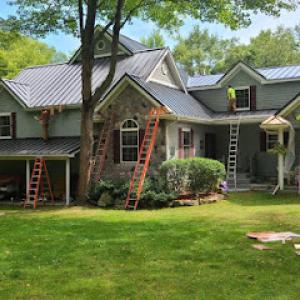
CS Roofing Company / FixRoof
(269) 963-8018 csroofingcompany.com
2775 W Dickman Rd c4, Battle Creek, Michigan
4.9 from 218 reviews
Battle Creek: CS Roofing Company also known as Fixroof is the trusted roofing contractor in Battle Creek, MI, dedicated to keeping your property safe and dry. From quick roof repairs to complete roof replacement in Battle Creek, our friendly team handles it all with quality workmanship. We’re experts in metal roofing and also care for your home’s siding and gutters, ensuring your whole exterior is protected. Based in Battle Creek near Kellogg Community College, we proudly serve our community and nearby areas. Michigan weather is no match for our durable roofing solutions. When you need a dependable partner for your roof, count on us. Call now for a free estimate and let us tackle your roofing needs!

Roach Home Improvement
(269) 420-6623 roachhomeimprovement.com
901 Capital Ave NE, Battle Creek, Michigan
4.8 from 329 reviews
Hire a Reliable Roofing Contractor in Battle Creek, MI and Surrounding Areas OUR ROOFING AND SIDING CONTRACTORS HAVE YEARS OF EXPERIENCE! Need your roof repaired or replaced at your home or workplace? Need your windows and doors replaced? Call on Roach Home Improvement, LLC today. Our contractors have more than 16 years of experience and can handle your residential and commercial building projects. We will guide you through the roof process, from estimate to the final clean up after the last nail is driven. From residential roofing to window installation, you can count on our craftsmen to get the job done right. Our local contractors work with kitchens, bathrooms, roofs, and more. Get a free estimate today for roofing or home improvement!
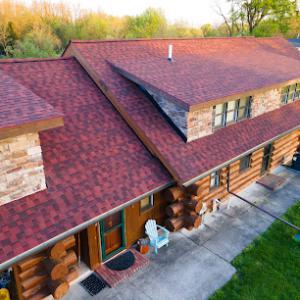
Rapid Response Roofing
(269) 753-1121 rapidresponseroofs.com
1400 E Columbia Ave, Battle Creek, Michigan
4.8 from 238 reviews
Located in Battle Creek, MI, Rapid Response Roofing is your trusted choice for roofing contractors, specializing in insurance claims. We ensure homeowners receive full coverage for storm damage, advocating effectively for maximum compensation. With rapid response times and reliable service, our licensed professionals assess, advise, and execute repairs with precision. We prioritize transparency, integrity, and professionalism, guiding clients through the insurance claim process hassle-free. Contact us at (269) 753-1121 for a damage inspection or FREE QUOTE.

X Tream Roofing
(269) 719-2528 x-treamroofingllc.com
371 Upton Ave, Battle Creek, Michigan
4.9 from 18 reviews
We know that your home is one of the most important investments you have and nothing protects your investment like the roof over your home. Our experienced and professional Michigan Residential Roofing Contractors offer an array of high quality shingle brands in order to install superior quality roof systems with optimal curb appeal. Long lasting shingles will keep you comfortable and your home protected for years to come. Experience is essential for quality work. X-tream Roofing is one of West Michigan's most experienced names in roofing. We have hundreds of happy customers in our beautiful state of Michigan. Contact us today for a free estimate and we can get your home in it's best shape.

Roof Maxx of Battle Creek, MI
Battle Creek, Michigan
4.7 from 15 reviews
Roof Maxx of Battle Creek is your local certified Roof Maxx dealer serving Battle Creek, Kalamazoo, and surrounding areas. We offer roof inspections, maintenance, repairs, and rejuvenation treatments that extend the life of your asphalt shingles by up to 15 years and for up to 80% less than a new roof. Our safe, all-natural treatment restores lost oils so shingles stay flexible and waterproof, and every service includes a full tune-up and any necessary repairs. All work is backed by a 5-year transferable warranty. Join over 100,000 homeowners who've extended their roof's life and avoided costly replacement. Contact us for a free inspection and estimate.

Platinum Exteriors Roofing Company
17275 10 Mile Rd, Battle Creek, Michigan
4.6 from 16 reviews
Platinum Exteriors is a trusted and certified roof repair company serving a 50-mile radius of Battle Creek, Michigan. We handle all types of roofing solutions, from replacement to maintenance. We understand how important roofing is for any property. That's why we use only the best materials and provide honest assessments of any work done on your home. With our extensive catalog of roofing material options, you have the freedom to choose the materials that best fit your budget. We'll help you weigh the pros and cons of each option, getting you the best possible outcome. Call today to schedule your no-obligation quote.
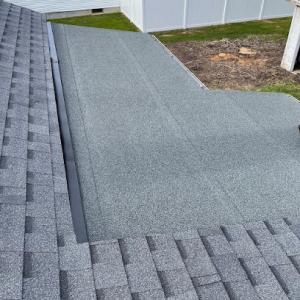
Kirk's 5 Star Roofing Battle Creek
20863 Waubascon Rd, Battle Creek, Michigan
5.0 from 5 reviews
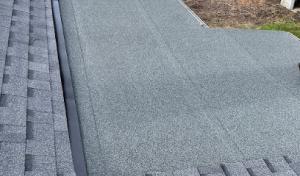
Kirk's 5 Star Roofing Battle Creek, an expert roofing company renowned for exceptional quality and extraordinary service, has established a strong presence in the industry. Their skilled installers, adhering to the stringent standards of the National Roofing Contractors Association, specialize in residential and light commercial roofing projects. Kirk's 5 Star Roofing Battle Creek's services encompass full roof replacements, storm damage repairs, and protective coatings, while their experienced crews expertly install various roofing materials. From asphalt shingles to rubberized options, steel roofing to flat roof systems like EPDM rubber and TPO, their comprehensive product range accommodates diverse roofing needs.

Sherriff Goslin Roofing Battle Creek
(269) 962-4036 www.sherriffgoslin.com
Serving
4.8 from 95 reviews
Sherriff Goslin Roofing Battle Creek, established in 1906 and renowned throughout the Battle Creek and Marshall areas, leads the roofing industry as an Atlas Pro® Diamond Level Contractor. Their skilled team of experienced professionals exclusively specializes in residential roof replacements. Dedicated to providing only the highest-quality offerings and professional services, Sherriff Goslin Roofing caters to a diverse range of structures, including homes, farm buildings, barns, and even churches. They proudly offer complimentary roof inspections and estimates, alongside first-rate repairs and replacements, cementing themselves as the ultimate choice for exceptional roofing needs.
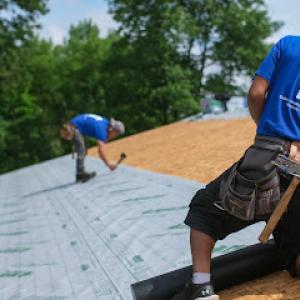
Tichenor
(269) 965-5358 www.tichenorinc.com
637 W Michigan Ave, Battle Creek, Michigan
3.6 from 43 reviews
Since 1928, Tichenor has been the trusted roofing contractor for homeowners in Battle Creek, Kalamazoo, and the surrounding areas. Our licensed team handles everything from minor repairs and maintenance to complete tear-offs and replacements, delivering superior craftsmanship with top-quality materials. We also specialize in storm damage restoration to protect your property from Michigan’s harshest weather. Count on our decades of expertise, integrity, and commitment to customer satisfaction to keep your roof performing at its best. Contact Tichenor today for a free inspection or estimate and discover why we’ve remained a local roofing leader for nearly a century.
JM Roofing Solutions
(269) 361-8305 www.jmroofsolutions.com
14485 Hutchinson Rd, Battle Creek, Michigan
5.0 from 2 reviews
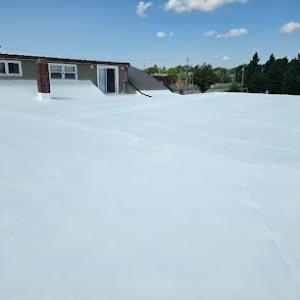
JM Roofing Solutions specializes in providing high-quality roofing solutions to homeowners and business owners. With a dedicated team of experienced roofing contractors, we offer comprehensive roofing services tailored to your needs. Whether you require a new roof installation, roof repairs, or gutter services, we prioritize quality and customer satisfaction. Our residential and commercial roofing expertise ensures that every project is handled with precision and care. We use only the best materials and provide thorough assessments to guarantee your roof's longevity. Trust JM Roofing Solutions for reliable, affordable roofing solutions that protect your investment and enhance the beauty of your property. Your roof deserves the best!
Hill's Gutter Service
(269) 969-9304 hillsgutterservice.com
1185 B, N Raymond Rd, Battle Creek, Michigan
3.4 from 13 reviews
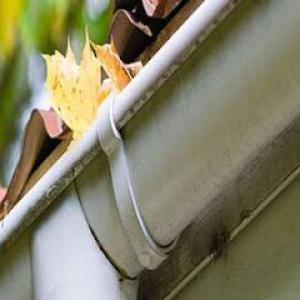
"Storms and rainwater can damage your home. Water and moisture can leak through your roof and seep into your basement or the foundation of your beloved home. This kind of damage can easily be prevented by having an effective gutter system. Gone are the days where you need to stand on a ladder and hope that you are doing the job right. Leave it to the gutter professionals to ensure your home's longevity. The owners of Hill's Gutter Service have over 70 years of combined gutter expertise aiding Battle Creek, Kalamazoo, Springfield, MI and surrounding areas.

Esow Roofing
Battle Creek, Michigan
2.0 from 19 reviews
Esow Roofing is a licensed roofing company located in Battle Creek, MI that provides expert services for both residential and commercial properties. We have 16 years of experience in this industry and are ready to make sure that you have a solid roof over your head, no matter what kind.
A full re-roof in this city typically requires a permit issued by the City of Battle Creek Building Services. The permit process exists not to slow things down, but to ensure underlayment, ventilation, and installation meet code and local standards for a region with freeze-thaw winters and windy, hail-prone conditions. The roofing contractor usually pulls the permit and coordinates inspections, so homeowners should confirm that responsibility before work starts. If the contractor does not raise the permit, demand a clear plan in writing before any material is removed. Early confirmation helps prevent last-minute hold-ups when crews are ready to roof and you're wrestling snow or a narrow weather window.
Ask for a written statement that the contractor will handle the entire permit lifecycle: application, plan review if required, any required amendments, and all required inspections. In Battle Creek, inspectors verify installation details rather than treating reroofing as a no-review project. Confirm the contractor's license, proof of insurance, and a project timeline that includes permit fees and anticipated inspection dates. Get a copy of the permit number and the inspector's contact method so you can track progress. Also verify that the permit address list matches the actual job site and that the scope aligns with the roof replacement plan you've approved.
Inspections here focus on underlayment, ventilation, and installation compliance. Expect the inspector to check that the underlayment is correctly installed over the roof deck, that adequate ventilation is in place to prevent moisture buildup, and that the chosen fasteners, flashing, and flashing details meet local requirements for the climate. Hail-resistant details, proper nailing patterns, and secure ridge and hip components are typical inspection touchpoints. Inspections may occur at multiple stages: after deck preparation, after underlayment and initial components, and after final installation of shingles or other roofing material. If a problem is found, the contractor will need to correct it and request a re-inspection, which can impact timing amid winter weather or busy spring schedules.
Work with the contractor to set inspection dates that align with the project plan and the local weather outlook. The city typically requires inspections to be scheduled in advance, with the permit holder or the contractor coordinating access to the roof space. Have a clear point of contact for the inspection office, and be prepared to provide access instructions, a copy of the permit, and any documentation the inspector requests, such as ventilation calculations or deck repair notes if applicable. If a modification to the plan is needed, obtain written approval before proceeding so the inspection sequence remains uninterrupted.
Winter snow risk in this region can complicate both access and material handling. A practical approach is to schedule the bulk of the work during a anticipated warm window, while still respecting the permit timeline and inspection cadence. If winter work is unavoidable, coordinate with the inspector and contractor about surface conditions, snow removal, and the sequence of tasks to minimize delays. Remember that inspections can require rooftop access, so plan for clear, safe access paths and stable footing. Keeping lines of communication open among you, the contractor, and the Building Services team reduces surprises when cold snaps or storm events press for rapid decisions.
Snow builds up on roofs here as temperatures swing, and aging shingles react differently to that weight. The mix of heavy winter accumulations and repeated freeze-thaw cycles can push thinning fascia and compromised decking toward failure. Roofs that have softened edges or granule loss are more vulnerable to ice dams, which store meltwater near eaves and stress the underlayment and flashing long after a storm passes. In such conditions, every seasonTest households toward renewed attention rather than assuming a quick fix will hold.
In southwest Michigan, the daily rise and fall of temperatures during late winter and early spring accelerates cracking in flashing and around vent pipes. If the transitions between roof planes are not fully integrated with durable underlayment, small leaks become larger problems as ice expands and contracts. Vulnerable edges-where shingles meet metal details or where old sealant has aged-are common failure points. The consequence is a creeping problem that can quietly undermine overall roof integrity long after the storm passed.
Homeowners often face a tough choice when storms hit during colder months: patch now or wait for safer late-spring conditions. Patching can buy time, but lingering subzero days can slow material performance and leave crews working in unsafe or marginally effective cold-weather conditions. Waiting isn't a guarantee of better weather-spring showers or late-season freezes can still complicate a rushed project. The practical path balances immediate protection with the reliability of a properly staged replacement window when temperatures are consistently warmer.
Assess visible wear before snowfall, focusing on flashing around chimneys, vent pipes, and skylights. Clear as much loose snow from the roof edge as you safely can to minimize ice dam formation, and ensure pathways for meltwater are not blocked by debris. If winter weather disrupts a planned project, document damage with photos and keep a simple record of dates and conditions to help with any insurance questions later. In the end, mindful scheduling and careful attention to edge details can make a notable difference when the next round of storms arrives.
Asphalt shingles remain the dominant choice for most homes in Battle Creek because they fit a broad range of residential re-roof budgets and installation crews are widely available. The climate here features freeze-thaw cycles and winter storms, so you'll want a shingle with good granule adhesion and solid wind uplift ratings. Modern asphalt shingles can handle light hail and typical wind events if installed with proper underlayment and starter courses. For many homeowners, an asphalt option provides a practical balance of performance, ease of repair, and predictable maintenance, which matters when storm debris and insurance-related documentation come into play after a hail or wind event. When you're comparing options, ask about granule adhesion, wind resistance, and the manufacturer's hail impact performance ratings, and verify that the roof is prepared to shed snow efficiently to minimize ice dam risk.
Metal roofing is also a meaningful local option, reflecting homeowner interest in durability through snow, wind, and seasonal temperature swings. In this climate, metal panels or metal shingle profiles can shed heavy snow more readily than some other materials, helping reduce ice dam concerns and ladder-time during winter. Metal often rides well in hail-prone neighborhoods, because the surface can resist denting and maintain waterproofing with fewer penetrations if installed correctly. The key is proper seam details, snow guards where appropriate, and a qualified seaming technique to prevent wind-driven leaks. If a winter storm is followed by a warm spell, metal's thermal response can minimize thermal expansion stresses on the roof system. Together with robust underlayment and correct attic ventilation, metal roofing can deliver long-term performance with reasonable maintenance in this market.
Premium materials such as clay tile, concrete tile, synthetic/composite shingles, and slate are present in the market but carry much higher installed cost ranges than asphalt. Clay and concrete tiles perform well in hot seasons and can resist UV degradation, but they are heavier and require a sturdy roof deck and precise installation to handle snow loads. Synthetic/composite shingles offer a more durable and lighter-weight alternative to natural slate while preserving a refined appearance, yet still demand careful fastening and flashing details to weather wind-driven storms. Slate delivers a classic, long-lasting look but demands a very strong structure and professional installation to manage weight and freeze-thaw movement. In areas with storm activity, these premium options can be attractive for their longevity and aesthetic, yet they require proactive maintenance and timely inspections after hail events to verify fasteners and flashing remain intact. Each option benefits from a reputable local installer who understands how winters, moisture, and wind interact with Battle Creek homes.
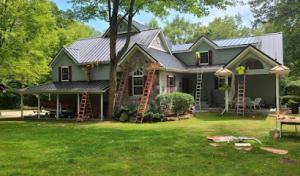
Explore specialists in steel, aluminum, and standing seam metal roofs built to last 50 years or more.
CS Roofing Company / FixRoof
(269) 963-8018 csroofingcompany.com
2775 W Dickman Rd c4, Battle Creek, Michigan
4.9 from 218 reviews

Roach Home Improvement
(269) 420-6623 roachhomeimprovement.com
901 Capital Ave NE, Battle Creek, Michigan
4.8 from 329 reviews
Kirk's 5 Star Roofing Battle Creek
20863 Waubascon Rd, Battle Creek, Michigan
5.0 from 5 reviews
Battle Creek experiences a wind-and-hail claim environment where adjusters weigh whether damage is storm-related or linked to prior wear. The inland Great Lakes climate with freeze-thaw cycles means shingles can fail in ways that mimic aging, especially after a severe storm. Insurers may request careful separation of new storm impact from preexisting conditions, so documenting the moment of damage matters.
Immediately after a storm, make a dated record of what happened and what you observed on the roof and surrounding areas. Note torn shingles, granule loss, lifted tabs, dents on flashing, and any fallen debris. Photographs should include wide exterior views and close-ups of suspect areas, taken from ground level and from the attic if possible. Create a simple log with dates, weather notes, and who inspected the roof. This creates a clear sequence that helps prevent later disputes over timing.
Adjusters in this region commonly ask for contractor estimates and photo sets, making pre-repair documentation especially important. Photograph the roof from multiple angles before any temporary tarps or quick fixes are applied. If a contractor or roofer has already been on-site, request a contemporaneous photo set showing the condition before repairs began. Avoid relying on memory alone; dated photos and notes are what insurers rely on to determine coverage eligibility.
If possible, obtain a written assessment from a reputable local contractor that focuses on storm-related damage versus wear. The document should identify the observed issues, their location, and a professional opinion on whether the damage aligns with recent wind or hail events. Ensure the assessment notes any preexisting vulnerabilities common to Battle Creek roofs, such as low-slope sections or aging fasteners, without conflating them with the current storm impact.
Keep all original photos, notes, and contractor reports organized in a single folder, and store backups in a separate location. When communicating with the adjuster, reference the dated storm event, attach the pre-repair photos, and present the contractor assessment as supporting documentation. This approach reduces back-and-forth and helps align coverage decisions with the actual timing and cause of the damage.
Connect with contractors who help homeowners navigate the claims process from damage assessment to final approval.
Roach Home Improvement
(269) 420-6623 roachhomeimprovement.com
901 Capital Ave NE, Battle Creek, Michigan
4.8 from 329 reviews
Rapid Response Roofing
(269) 753-1121 rapidresponseroofs.com
1400 E Columbia Ave, Battle Creek, Michigan
4.8 from 238 reviews

Sherriff Goslin Roofing Battle Creek
(269) 962-4036 www.sherriffgoslin.com
Serving
4.8 from 95 reviews
In Battle Creek, homeowners expect cleanup to be part of the roofing project, not an afterthought. Local crews who leave a clean job site-tarps secured, nails picked up, and debris hauled away-are viewed as trustworthy and respectful of the surrounding yards and driveways. This matters especially after a windy or storm-driven repair, when scattered debris could end up in a landscaping bed or driveway ruts. A contractor's written plan for post-project cleanup helps you compare bids and reduces the likelihood of lingering mess or missed nails.
Quick response is a major hiring factor here, reflecting the frequency of wind-driven leaks and hail impacts. When a storm hits, you want a contractor who can assess and seal or tarp breaches promptly, then schedule a proper roof repair or replacement without unnecessary delays. Local crews that demonstrate flexibility in scheduling, prioritize urgent leak calls, and provide temporary protection while a permanent fix is arranged tend to win trust. In practical terms, this means keeping lines open for same-day or next-day visits and offering a phased plan if weather windows narrow.
The market leans toward residential re-roofing, with affordability shaping choices from shingle selections to installation timelines. Homeowners often balance storm resilience with quick turnarounds, particularly after a harsh winter or windy spring. Contractors who present clear options for commonly used residential materials, along with straightforward maintenance guidance, help homeowners feel confident in choosing a solution that fits both the home's size and the Michigan climate. Expect emphasis on proven, weather-ready designs that withstand freeze-thaw cycles and mid-season temperature swings, without venturing into specialized commercial-only work.
When interviewing contractors, ask about the cleanup protocol, including how debris will be contained during the process and how nails will be removed from the ground or landscape beds. Inquire about the crew's typical response time after reports of leaks or hail damage, and request a written schedule from the initial assessment through final installation. Finally, seek references from nearby neighborhoods with similar homes to gauge how the contractor manages typical Battle Creek weather patterns and equipment access in residential yards.
Get a clear picture of your project costs upfront - no commitment required.
CS Roofing Company / FixRoof
(269) 963-8018 csroofingcompany.com
2775 W Dickman Rd c4, Battle Creek, Michigan
4.9 from 218 reviews
Roach Home Improvement
(269) 420-6623 roachhomeimprovement.com
901 Capital Ave NE, Battle Creek, Michigan
4.8 from 329 reviews
Rapid Response Roofing
(269) 753-1121 rapidresponseroofs.com
1400 E Columbia Ave, Battle Creek, Michigan
4.8 from 238 reviews