
Last updated: Apr 19, 2026
You're balancing two high-risk windows each year: the stubborn winter moisture stress from snow and freeze-thaw cycles, followed by the spring hail and thunderstorm onslaught. In Lansing, that means roof problems don't come all at once and then disappear. They emerge as a repeat pattern: moisture seeping in during thaw cycles that weaken shingles and underlayment, then hail and wind packs that punch through vulnerable spots. Your roof needs to stand up to both ends of this cycle, not just a single peak event. Treat any winter moisture issues as a warning shot, and plan for immediate inspection and targeted repairs before spring storms compound the damage.
Michigan claim activity around storm, hail, and wind events is a real driver in Lansing projects. When a shingle or flashing shows signs of trouble after a hail event, expect insurers to scrutinize photo documentation closely. They'll compare shingle compatibility and underlayment details to the age and condition of the roof. Your best move is to capture clear, dated photos after any significant weather, focusing on granule loss, dented or cracked shingles, lifted flashing, and any signs of moisture intrusion around penetrations. If a claim feels warranted, you'll want a professional assessment that ties those photos to specific faults-like compromised underlayment or nail heads that have begun to corrode-so the insurer can verify the need for replacement or repair without delay.
Replacement scheduling in Lansing is commonly pushed toward drier months because wet conditions can delay tear-off, expose decking to moisture, and complicate storm-related repairs. If a hail or wind event reveals widespread damage, you can't always rush to replace right away-inclement weather slows work and increases the risk of moisture intrusion while the roof is exposed. The practical approach is to set aside a window in late spring or early summer when soils are dry, but be prepared to pivot if a late-season storm creates new damage. Your project plan should include a thorough moisture check of decking, proper ventilation restoration, and a revised shingle layout that considers the season's freeze-thaw tolerance. In Lansing, those details matter more than a straightforward cosmetic fix; a compromised deck or inadequate attic ventilation now can escalate into costly repairs down the line.
Starting this season with a documented baseline of your roof's condition helps you respond quickly when a storm hits. Make a quick walk-around after any heavy snow melt or hail event, looking for lifted edges, missing granules, or dark spots indicating moisture infiltration. If you notice issues, arrange a professional inspection promptly to confirm whether you need targeted repairs or a full replacement. When you file a claim, pair your photos with notes on surrounding weather conditions and any attic condensation or ice damming observed during thaw periods. Finally, coordinate with your contractor on a winter-to-spring upgrade plan that ensures flashing, nails, and ventilation are reinforced to handle Lansing's unique blend of freeze-thaw moisture stress and spring storm exposure.
The local climate pushes roof work toward two clear windows: dry spring and late summer/early fall. The cold, snowy winters make full replacement less desirable because moisture sits in the structure longer and crews wrestle with freezing conditions. When a storm season spikes, crews can get backed up, and the moisture already present in attic spaces complicates insulation and ventilation work. Planning around reliably dry weather reduces the risk of weather-related delays and minimizes the chance of trapping moisture inside the roof system.
Spring brings frequent thunderstorms and hail that can interrupt work and stretch lead times. If a replacement is scheduled during this season, expect possible pauses for weather and for staging materials as demand climbs after reported storm damage. The most reliable stretch for a finish is a multi-week window without heavy precipitation, where crews can complete membrane details, install underlayment, and address flashing while the structure is dry. Use this window to finalize vented airflow paths and ensure edge detailing is fully protected before summer heat starts to stress materials. In this period, it helps to have a clear sequence with the crew to minimize time the bare roof remains exposed to shifting humidity and spring moisture.
Late summer offers the most predictable dry days, but still carries the risk of heat and sporadic afternoon storms. Early fall can be ideal, provided the schedule accommodates occasional gusty winds and leaf debris. The key is to align tear-off, disposal, and re-roofing work during stretches when dew points are favorable and nights remain cool enough to prevent rapid moisture absorption in batt and deck materials. In Lansing, autumn wind events can expose the roof edge and drainage paths before winter, so plan for an inspection that confirms fascia adherence, drip edge placement, and proper flashing at transitions. If a wind-driven debris event occurs, the crew should be prepared to reseal edges and resequence steps to preserve ventilation and moisture control.
Before any work starts, verify a dry forecast of several consecutive days with no heavy rain. Confirm that the attic and crawlspaces are adequately vented and that existing ventilation paths won't be blocked during removal. Check for ice dam risk at the eaves in shoulder seasons and ensure underlayment and starter materials can be installed without delay if a sudden cold snap approaches. Ensure gutters and downspouts are ready for reattachment and that debris is cleared from valleys and drains to avoid water-backed issues during replacement. This pre-installation alignment helps maintain a steady progress pace and prevents moisture exposure that can undermine a timely finish.
In a dry window, begin with a controlled tear-off followed by immediate underlayment installation in sections. Address flashing at chimneys, skylights, and vent pipes in the early stage to lock in moisture protection. Nailing patterns, ventilation balance, and drip edge checks should be confirmed mid-process to avoid backtracking. Finally, seal the system with a thorough inspection of ridge and soffit ventilation, ensuring the final layer is properly sealed and vented before any autumn wind gusts arrive.
Ultimately, the best time to replace hinges on dry-weather availability combined with a clear plan for moisture control from removal through completion. By leveraging longer stretches of dry days, coordinating materials, and prioritizing edge and flashing details before winter, a Lansing roof replacement can progress smoothly and resist the season's worst moisture challenges.
Get a clear picture of your project costs upfront - no commitment required.
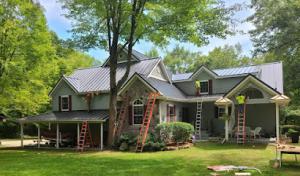
CS Roofing Company / FixRoof
(517) 484-8418 csroofingcompany.com
120 N Washington Square #340, Lansing, Michigan
4.9 from 247 reviews
Sherriff Goslin Roofing Lansing
(517) 482-8850 www.sherriffgoslin.com
3008 S Canal Rd, Lansing, Michigan
4.8 from 143 reviews
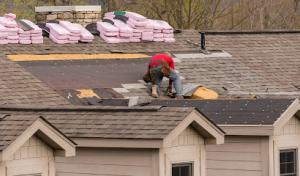
SwiftRoof.co
(313) 288-2335 www.swiftroof.co
931 N Clippert St, Lansing, Michigan
4.8 from 93 reviews
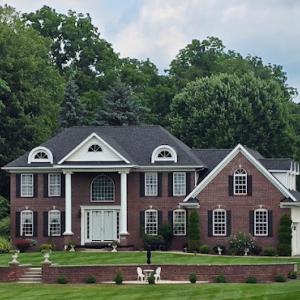
Capital Roofing
(517) 896-5872 capitalroofingpro.com
Lansing, Michigan
5.0 from 146 reviews
Serving all of Greater Lansing, we pride ourselves on our local expertise and commitment to customer satisfaction. Whether you need a minor repair, a full roof replacement, or routine maintenance, we’ve got you covered. Our family-owned business brings decades of experience to every project, ensuring your home is protected with the highest quality roofing solutions. Whether it’s storm damage, leaks, or structural issues, our experienced team is ready to provide immediate assistance. We prioritize your safety and peace of mind, ensuring your roof is repaired swiftly and effectively. Contact us anytime, day or night, for prompt and professional emergency roofing services.
CS Roofing Company / FixRoof
(517) 484-8418 csroofingcompany.com
120 N Washington Square #340, Lansing, Michigan
4.9 from 247 reviews
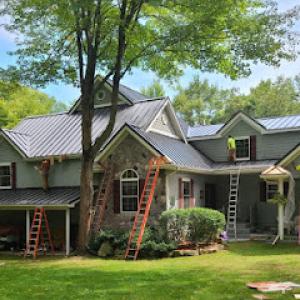
Lansing: Need a reliable roofing contractor in Lansing, MI? CS Roofing Company also known as Fixroof has you covered. We’re a local roofing expert offering roof repair, roof replacement, metal roofing installation, siding, and gutter services across Greater Lansing. Whether you’re in downtown Lansing, East Lansing near MSU, or out in Okemos, our experienced team is ready to protect your home or business. Worried about a leaky roof or storm damage? We’ll fix it quickly and professionally. We even provide honest advice on materials and financing for your peace of mind. For quality service and a roof that lasts, call now for a free estimate!

Acme Home Exteriors
(517) 321-5890 acmehomeexteriors.com
5123 Aurelius Rd, Lansing, Michigan
4.9 from 204 reviews
ACME Home Exteriors, located at 5123 Aurelius Rd, is your top choice for a "Roofing Contractor Near Me" in the greater Lansing area, providing expert "Roof Repair," "Roof Replacement," and "Roof Leak Repair" services. As a locally owned business with over 60 years of experience, we are a trusted "Roofing Contractor," offering not only high-quality roofing solutions with GAF Master Elite® certification but also comprehensive "Gutter Installation," "Siding Replacement," and "Window Replacement" services. With a commitment to quality and community, we offer transparent pricing, flexible financing, and free consultations. Contact us to enhance and protect your home today.
Superior Services RSH
(517) 940-8692 www.superiorservicesrsh.com
5411 W Grand River Ave, Lansing, Michigan
4.9 from 64 reviews
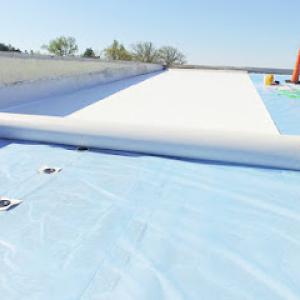
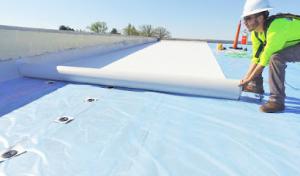
Superior Services RSH is Lansing, Michigan's leading commercial roofing contractor and commercial roof repair contractor. We've won numerous awards for excellence in service, sales, and quality roof installations, inspections, and repairs from leading industrial roof system manufacturers including Duro-Last, GAF Master Elite, Plastatech, and Tritoflex. Along with commercial roofing services, we offer roof replacement, metal roofing installation, PVC and TPO membrane roof installation, and flat roof repair, installation and maintenance. Our repair services are available 24x7 for emergencies. We serve the needs of factories, manufacturing facilities, industrial buildings, schools, hospitals, and much more.
Precision Roofing Services
(517) 675-8509 www.precisionroofingmi.com
319 Clinton St, Lansing, Michigan
4.8 from 449 reviews
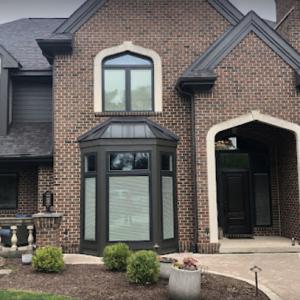
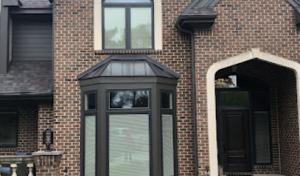
Precision Roofing Services, located at 319 Clinton St, is your premier local roofing company specializing in top-tier roof replacement and repair services. Our expert team excels in residential roofing, ensuring your home is protected with the highest quality materials and craftsmanship. We are also leading metal roofing contractors, providing exceptional commercial metal roofing and metal roof replacement solutions. Whether it's residential metal roofing or urgent emergency roof repair, we've got you covered. Our reliable metal roofing services effectively address roof storm damage, ensuring durability and peace of mind. Choose Precision Roofing Services for unparalleled expertise and superior roofing solutions.
Sherriff Goslin Roofing Lansing
(517) 482-8850 www.sherriffgoslin.com
3008 S Canal Rd, Lansing, Michigan
4.8 from 143 reviews
Since its establishment in 1906, Sherriff Goslin Roofing Lansing, leading roofing contractor, proudly serves Lansing, East Lansing, Dewitt, Grand Ledge, and Mason areas. As a renowned Atlas Pro® Diamond Level Contractor, they offer a wide range of superior roofing services, including high-quality residential, farm structures, barns, and churches. Their unparalleled customer service shines through in the form of complimentary roof inspections and estimates, coupled with exceptional roof repairs and replacements. With Sherriff Goslin Roofing, you can trust in a dependable, professional, and reliable partner for all your roofing needs.
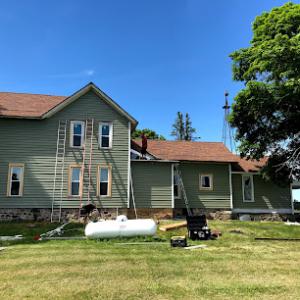
Weather Vane Roofing
(517) 318-0420 www.weathervaneroofing.com
3238 W St Joseph St, Lansing, Michigan
4.7 from 266 reviews
About Us Weather Vane Roofing is here to help you protect your largest personal investment... your home. At Weather Vane Roofing, we’ve built a reputation for quality, integrity, and customer care that sets us apart from any other local roofing company. Our roofing consistently earns the highest ratings and exceeds all industry standards in installation.
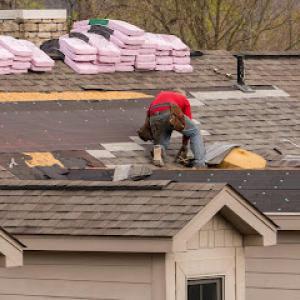
SwiftRoof.co
(313) 288-2335 www.swiftroof.co
931 N Clippert St, Lansing, Michigan
4.8 from 93 reviews
Swift Roofing Contractors located in the Detroit, Michigan Region of Lansing is a full service roofing contractor company. We specialize in Roof Repair, Roof Replacement, and Roof Construction. Our Insurance Claim Team will help you navigate through the roof insurance claim process to assist you in obtaining a roof repairor replacement for your home or commercial business. We are your trusted insurance claim specialists in Detroit and all of Southeastern Michigan assiting you through the entire process. From filing the insurance claim to talking to adjusters and even dealing with all the hassles of making sure you get reimbursed for all covered damages. We make sure your interests are guarded. Contact us today for a free roof inspection!
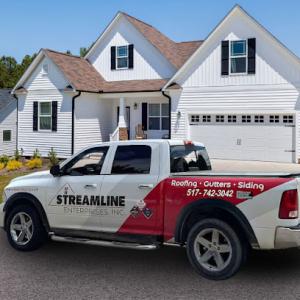
Streamline Enterprises
(517) 742-3042 streamlinecompany.com
3121 S Pennsylvania Ave Suite #10, Lansing, Michigan
4.6 from 397 reviews
Streamline Enterprises is a roofing company in Lansing, MI. We are a complete home improvement company that does roofing, gutters, insulation, siding, skylights, windows and doors. We have been serving Mid-Michigan since 1998.
Roofing Repair Guy Lansing
(517) 272-8011 www.roofingrepairguy.com
5310 S Pennsylvania Ave, Lansing, Michigan
5.0 from 26 reviews
Roofing Repair Guy Lansing offers high-quality roofing design and services in Lansing. We are seasoned roofers who deliver top quality and budget-friendly roofing services. Get in touch with us on +15172728011.
Sayagos Home Improvement
(517) 505-9649 www.sayagoshi.com
2514 Greenbelt Dr, Lansing, Michigan
4.9 from 34 reviews
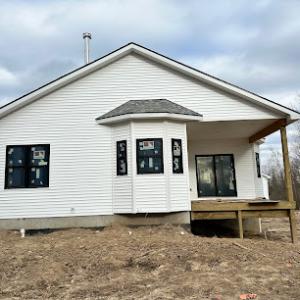
Welcome to Sayagos Home Improvement, where quality meets dedication in roofing, siding, and snow plowing services. Operated by the husband-and-wife team, Cristina and Pedro, our business combines over 10 years of experience with a commitment to excellence. At Sayagos Home Improvement, we take pride in providing top-notch roofing solutions, ensuring the protection and integrity of your home. From expert siding services that enhance curb appeal to efficient snow plowing during winter, we deliver reliable and comprehensive home improvement services. As a family-owned business, Cristina and Pedro bring a personal touch to every project, prioritizing customer satisfaction and attention to detail.
Lansing Edge Roofing
(517) 742-3551 lansingedgeroofing.com
101 E Gier St, Lansing, Michigan
5.0 from 20 reviews
At Lansing Edge Roofing, we provide trusted roof repair, reroofing, storm damage restoration, and gutter installation throughout Lansing, Dewitt, East Lansing, Okemos, Grand Ledge, Charlotte, Fowlerville, Williamston, Howell, St Johns, Portland, and Dimondale, MI. Whether you need emergency storm repair, leak detection, shingle replacement, or seamless gutters, our certified team delivers fast service and guaranteed results. Homeowners across Mid-Michigan choose us for our quality craftsmanship, quick response, and honest inspections. Call today for a free roof or gutter estimate and protect your home from Michigan’s toughest weather.
In Lansing, asphalt shingles remain the most budget-accessible mainstream option at 350 to 600 USD per square. This material suits the region's freeze-thaw cycles and mid-Michigan storm pattern because it's easier to seal around vents and flashing, and it handles attic moisture well when paired with proper ventilation. The installation window is typically straightforward, and the system can accommodate typical roof pitches found on many local homes. If cost control is a priority, this option provides solid value with reasonable longevity when maintained.
Metal roofing typically runs 700 to 1100 USD per square. Metal is a practical choice for homeowners facing a mix of heavy snow load, wind exposure, and rapid temperature swings, since panels shed snow well and resist hail damage better than many composites. Installation demands precise nailing, underlayment, and flashing details to prevent ice damming and wind-driven uplift. The longer service life can offset higher upfront costs, but keep in mind that retrofit complexity and fasteners must be matched to the existing roof deck and framing.
Clay Tile, Concrete Tile, and Wood Shingles/Shakes push into higher pricing because of weight, structural considerations, and installation intricacies. Clay Tile typically ranges from 900 to 1700 USD per square, while Concrete Tile spans about 800 to 1300 USD per square. Wood Shingles/Shakes sit around 550 to 900 USD per square. These materials can demand structural suitability checks and may require reinforcement or enhanced ventilation to perform well in this climate. Heavier systems often mean more labor, longer installation timelines, and careful integration with existing flashing and roof-to-wall transitions.
Local pricing can move upward after regional storm events when demand spikes for re-roofing crews. Storm-driven demand can tighten scheduling and push labor costs higher for a few weeks. Additionally, permit-driven inspection requirements can add coordination time to full replacements, especially when a system needs to be flushed out for thorough flashing, nailing, and moisture-control work. Homeowners should plan for potential price shifts and extended timelines following notable weather events.
A full re-roof project in Lansing generally requires a building permit through the City of Lansing Building Department. That permit isn't just a checkbox to tick at the start; it sets the stage for how the work must be executed, from framing if needed to shingle installation and flashing details. The timing of the permit-when it's pulled, when inspections are scheduled, and what paperwork the contractor must submit-can influence project delays during the winter thaw and unpredictable spring weather. It pays to align your contractor's schedule with the city's clock, not your own impulse to rush replacements after a storm. The permit process also serves as a formal record when it comes to post-storm claim reviews, so accuracy matters from day one.
The local process includes scheduling inspections through the city, with after-work inspections used to verify proper nailing, ventilation, and flashing. Those after-work checks are where many projects stumble if the installation isn't executed in the exact sequence the city requires. Inspections look beyond a clean-looking roofline; they drill into the installation's core details. A fast, neat appearance can't compensate for missing nailing patterns, insufficient roof ventilation, or flashing that doesn't meet code. In practical terms, that means the crew must follow a precise order: deck nailing, underlayment, then shingles or panels, with flashing installed wherever valleys, chimneys, and vent pipes intersect. Expect a follow-up visit if the inspector finds a gap in preparation or a step that was rushed.
Because Lansing inspections focus on installation details rather than just finished appearance, contractor documentation and sequencing matter during full replacement projects. Keep a clear paper trail: product data sheets for underlayment and flashing, packed ounces of fastener specifications, and a log of every access point where ventilation or intake is addressed. The city's inspectors may request validation of vent locations, attic air sealing, and the continuity of drip edge and hip/ridge components. A project that arrives with a well-documented sequence and a dedicated on-site supervisor who can verify each stage tends to move through inspection without repeated holds. If any deviation occurs, expect a pause while the contractor supplies the missing piece or reworks a detail to meet the standard.
Weather windows in spring can complicate timing; plan to stage materials and crew so that long-lead components aren't left exposed during a forecasted freeze-thaw cycle. Communicate clearly with the contractor about how and when inspections will be scheduled, and confirm receipt of the city's permit approval before any tear-off begins. A well-coordinated permit, documented sequence, and proactive inspection readiness reduce the risk of rework, miscommunication, or ticketed holds-outcomes that can extend disruption to your home and neighborhood.
Lansing's typical residential roofscape features a mix of asphalt shingles, metal roofing, clay and concrete tiles, wood shingles or shakes, and synthetic or composite shingles. Each type brings its own balance of aesthetics, weight, and resilience to Mid-Michigan weather. When evaluating materials, consider how they age under freeze-thaw cycles, hail exposure, and dramatic summer heat swings. The right choice isn't just about initial appearance; it's about how the roof handles moisture movement, wind-driven rain, and seasonal temperature shifts year after year.
Cold-weather movement and the weight of snow can stress roof systems differently than summer heat. Moisture management becomes a central design criterion: ventilation, underlayment, and flashing must work together to vent humid air and shed bulk moisture without creating ice dams or slow leaks. Asphalt shingles respond well to standard ventilation, but in this climate, mineral wool or synthetic underlayments paired with well-sealed flashing improve long-term performance. Metal roofs shed snow more readily but require precise ridge venting and snow guards in areas of heavy drift. Clay and concrete tiles offer excellent durability but are heavier and need careful framing, ventilation, and correct substrate to prevent cracking from freeze-thaw cycles. Wood shingles and shakes bring natural charm, yet their organic fibers demand a more robust moisture barrier and vigilant maintenance to avoid warping during damp springs. Synthetic or composite shingles provide uniform performance and often better resistance to hail and temperature swings, with the added benefit of lighter weight in some profiles.
Material choice should be evaluated through the lens of long-term performance rather than price alone. In this climate, the best options combine strong moisture management with proven resistance to hail, wind, and temperature variations. Ventilation strategy matters across all materials: ensure adequate intake and exhaust openings, unobstructed attic spaces, and properly sealed eave-to-ridge details. Flashing at ridges, chimneys, vent penetrations, and wall interfaces must be compatible with the selected roof system to prevent slow leaks during thaw cycles. Consider how each option handles thermal expansion and contraction; joints, fasteners, and sealants should be rated for fluctuating temperatures to minimize micro-cracking and moisture intrusion over time. For homes with larger roof footprints or complex shapes, a layered moisture-control approach-quality underlayment, vented soffits, and strategic roof-to-wall flashing-offers a practical buffer against Mid-Michigan moisture surprises.
Explore specialists in steel, aluminum, and standing seam metal roofs built to last 50 years or more.
CS Roofing Company / FixRoof
(517) 484-8418 csroofingcompany.com
120 N Washington Square #340, Lansing, Michigan
4.9 from 247 reviews
Superior Services RSH
(517) 940-8692 www.superiorservicesrsh.com
5411 W Grand River Ave, Lansing, Michigan
4.9 from 64 reviews
Precision Roofing Services
(517) 675-8509 www.precisionroofingmi.com
319 Clinton St, Lansing, Michigan
4.8 from 449 reviews
Storm, hail, and wind losses drive a large share of roofing claims around here, and that means adjusters come with sharper eyes and tighter documentation expectations. The way a claim is handled can hinge on how well the roof's condition is documented before and after the event. When a claim is filed, the insurer will compare your home's roof to what they saw prior, and the differences can influence whether a full replacement or a repair is approved. You're watching for weather-driven spikes in activity, so knowing this can help you pace and prepare your response.
In Lansing's climate, insurers may ask for both pre- and post-roof photographs plus a written statement describing materials and workmanship. Gather clear images from at least three angles and dates, including eave lines, flashing, and attic ventilation components. A concise description of the installed materials, the underlayment approach, and the installation method helps the adjuster match the claim to your actual roof system. Keep records of any contractor communications, warranties, and maintenance notes to support what was done or proposed.
Adjusters reviewing Lansing roof claims may look specifically at shingle compatibility and underlayment requirements when deciding scope and payment. If a storm damaged shingles, ensure the replacement plan mirrors the current roof system in material type, granule age, and the underlayment's performance. Any mismatch or missing compatibility detail can trigger deeper scrutiny or a narrowed settlement. Clear, consistent documentation and a dependable repair plan reduce the risk of surprises in the claim outcome.
Connect with contractors who help homeowners navigate the claims process from damage assessment to final approval.
Acme Home Exteriors
(517) 321-5890 acmehomeexteriors.com
5123 Aurelius Rd, Lansing, Michigan
4.9 from 204 reviews
Sherriff Goslin Roofing Lansing
(517) 482-8850 www.sherriffgoslin.com
3008 S Canal Rd, Lansing, Michigan
4.8 from 143 reviews
SwiftRoof.co
(313) 288-2335 www.swiftroof.co
931 N Clippert St, Lansing, Michigan
4.8 from 93 reviews
In Lansing, inspection attention to flashing means leak-prone transitions and penetrations are a recurring concern during both repairs and full replacements. Where roof planes meet walls, around chimneys, and at vent stacks, improperly sealed flashing can misdirect meltwater into the deck. During a repair, verify that step and counter-flashing are continuous, with sealant-free gaps tucked under metal, not butted against shingles. In winter, ice dam formation can lift flashing edges; re-sealing with quality metal or membrane flashing helps prevent slow leaks that only appear after thaw cycles.
Winter moisture stress followed by spring storms makes small flashing or ventilation defects more likely to show up as interior leaks after seasonal change. A roof deck that dries slowly invites condensation on attic surfaces and temperature-driven condensation on the underside of the roof. Check soffit vents, ridge vents, and gable-end details for blockages, gaps, or nail pop-throughs. Addressing even minor gaps now reduces the risk of attic moisture migrating to ceilings, especially where insulation sits against the sheathing.
Local contractor signals show meaningful demand for skylight-related roof work, indicating penetrations and surrounding details are a real service category in this market. Skylight seals, curb flashing, and surrounding shingles should be inspected for stepwise leaks, especially after heavy rain or rapid thaw. Look for staining around the skylight frame, dried mastic, or loose flashing, and verify that flashings hold tightly against the curb with proper sealant at transitions to shingles. In any repair or replacement, ensure the surrounding roof plane is fully flashed and ventilated to prevent recurring leaks.
Find contractors experienced in skylight installation, flashing, and leak repairs to bring natural light into your home.
CS Roofing Company / FixRoof
(517) 484-8418 csroofingcompany.com
120 N Washington Square #340, Lansing, Michigan
4.9 from 247 reviews
Acme Home Exteriors
(517) 321-5890 acmehomeexteriors.com
5123 Aurelius Rd, Lansing, Michigan
4.9 from 204 reviews
SwiftRoof.co
(313) 288-2335 www.swiftroof.co
931 N Clippert St, Lansing, Michigan
4.8 from 93 reviews
Flat and low-slope roofing is an active specialty in this market even though the city remains strongly residential and re-roof focused overall. You'll notice professionals who understand the unique drainage dynamics of flat sections, including how closely these roofs interact with gutters, parapets, and interior ceilings. In practice, expect detailed attention to seam integrity, proper termination at edges, and deliberate insulation placement to limit heat-driven moisture migration. A Lansing-focused crew will anticipate seasonal shifts and prioritize robust moisture barriers that stand up to freeze-thaw cycles.
Snow retention and slow drainage on low-slope sections increase the importance of moisture control compared with steeper roof areas. In winter, standing moisture can creep into edges, penetrations, and flashing if not addressed with careful slope planning and continuous ventilated assemblies. A practical approach is to verify that drainage paths remain clear during fall inspections and to specify properly configured scuppers or internal drainage where applicable. Consider mid-winter checks for ice dam development, and coordinate with attic ventilation to keep roof decks as dry as possible through the cold season.
Detached garages, additions, and mixed-slope rooflines are common in older Mid-Michigan housing stock and can create separate replacement scopes and detailing needs. When a garage or addition shares a roof with the main house, plan for independent but harmonized vapor barriers, insulation levels, and flashing details. Each low-slope segment should be evaluated for its own drainage plan, pitch adequacy, and compatibility with any adjacent roofing materials. This specificity helps prevent mismatches and future leak pathways where different roof planes meet.
Find specialists in TPO, EPDM, and built-up flat roofing systems for residential and commercial properties.
Superior Services RSH
(517) 940-8692 www.superiorservicesrsh.com
5411 W Grand River Ave, Lansing, Michigan
4.9 from 64 reviews
Precision Roofing Services
(517) 675-8509 www.precisionroofingmi.com
319 Clinton St, Lansing, Michigan
4.8 from 449 reviews
Barber Exteriors
(517) 894-3028 www.barberexteriors.com
16390 Old U.S. 27, Lansing, Michigan
4.6 from 33 reviews