Last updated: Apr 19, 2026
Snow accumulation and freeze-thaw cycling hammer roofs here in a way that pushes water back at the eaves and into vulnerable valleys. When temperatures bounce above and below freezing, meltwater refreezes at the overhangs, creating ice dams that back up beneath shingles and into soffits, fascia, and even ceilings inside. In practical terms: a few inches of packed snow can become a conduit for costly damage if the roof isn't prepared to shed it properly. This is not theoretical-the rhythm of Grand Rapids winters means every season carries the threat of sudden leaks after a warm spell followed by another cold snap. If you hear cracking or popping from the attic in a freeze-thaw cycle, or notice streaks and damp patches along interior walls, you're facing the kind of quick escalation that demands immediate action.
The roofing season in this market is tight. Late spring through early fall is the preferred replacement window because winter conditions return with a vengeance too quickly for extended outdoor work. That compression translates to a real risk when a leak is detected in late fall or early winter: the clock has already started ticking on weather windows, and delay can mean ice dam formation worsens or a small problem becomes a larger, roof-wide failure. Plan ahead for any significant work, and respect the fact that the first major snow could be the day the damage becomes obvious. When a leak appears, tarping and fast intervention are commonly the first line of defense to prevent interior damage while a longer-term fix is arranged. Quick action can limit structural exposure and stop water from penetrating toward insulation and decking.
Eaves, valleys, and skylight penetrations are the high-risk zones because water tends to back up where gravity and thaw cycles converge. Valleys that aren't properly flashed or decks that show signs of prior ice dam damage are especially vulnerable. Look for consistent ice buildup along the lower edge of the roof, damaged or missing shingles near the eaves, and stains or damp spots on the ceiling below exterior walls. If gutters are blocked with ice or debris, meltwater has nowhere to go but under the roofing system. In homes with flat or low-slope sections, the risk concentrates where water can't shed quickly. If a leak is detected after a freeze, treat it as urgent: temporary containment to stop further interior damage, followed by a plan for addressing the root cause-ventilation, insulation at the attic floor, and proper roof deck ventilation become critical components of a lasting fix.
Begin with proactive snow management. If you can safely remove loose snow from accessible sections of the roof, do so before it becomes a wet, heavier mass that will refreeze into an ice dam. Do not attempt to remove ice dams that are attached to the roof without professional help; attempting to break them loose can tear shingles and expose underlayment. Improve attic ventilation and ensure the deck is dry and well-supported. A dry, well-ventilated attic reduces the warm-up that drives meltwater into the cold edge of the roof. Insulation around attic hatches and access points should be airtight to minimize warm air rising into the attic space that can generate condensation and ice dam risk. If a leak occurs, cover the affected area with a tarp to prevent further water intrusion while you arrange emergency repair or a temporary patch.
Choose a contractor who understands the unique Grand Rapids cycle and can prioritize urgent leaks while coordinating a longer-term fix. It's critical that any full replacement, when feasible, starts with a thorough deck assessment and ventilation check as part of a complete plan. A responsible crew will identify where water has traveled beyond the initial dam and address the path of ingress, not just the surface symptoms. Expect a detailed inspection of gutters, flashing, valleys, and chimney or vent penetrations, plus a plan to address insulation and venting in the attic to reduce future risk. In emergency scenarios, insist on tarping and a documented temporary fix that clearly outlines the next steps and a realistic timeline for permanent repair.
West Michigan roofs endure a unique rhythm: spring hail, brittle shingles, brutal freeze-thaw cycles, and then the approach of winter wind. For Grand Rapids homeowners, the sequence matters because damage from one season compounds vulnerability going into the next cold stretch. Hail can bruise shingles and dent surfaces while wind can lift aging edges and disrupt flashing, setting the stage for ice dam risk once snow starts piling up. Understanding this pattern means acting fast when the first signs appear, not waiting for a full-blown leak to show itself.
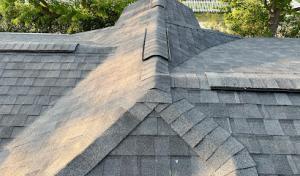
Spring often brings hail storms that leave microscopic bruises across a roof surface. Those bruises weaken the shingle surface and make edges more susceptible to cracking during the next freeze-thaw cycle. In practice, this means you should inspect after a storm even if you don't see obvious damage from the ground. Look for granule loss on shingles, soft spots in the roof deck, and any dipping or lifting around edges. If you notice granule bald spots or curled shingles, mark the area and arrange a professional inspection promptly. A timely assessment helps identify hidden damage before water intrusion becomes a winter problem.
Fall wind events are a local concern because they can lift aging shingles and expose weak flashing just before snow season. In Michigan's climate, gusty days mixed with drying heat can loosen fasteners and allow wind-driven edge lift. Exposed flashing around chimneys, vents, and valley intersections is particularly vulnerable to strength-tested gusts. If flashing is exposed or the shingles around it are curling, wind can pry the envelope open, inviting moisture infiltration once the snow starts to accumulate. Proactive resealing and replacement of worn flashing before the snow arrives reduces the chance of an ice daming cascade once temps drop.
Michigan insurers in this market often request photos, roof-condition documentation, and detailed project scope because hail and wind claims generate active adjuster involvement. Prepare a concise photo portfolio: wide shots of the roof, close-ups of damaged or lifting shingles, flashing condition, and any obvious deck concerns. Include notes on observed sagging, suspected leaks, and areas with granule loss. A clear, documented claim path speeds decisions and helps ensure the adjuster sees the full scope of the roof's condition before weather complicates repairs.
Begin a rapid-response inspection routine after each notable spring hail event and again after any strong fall wind. Photograph the roof from multiple angles, including the most vulnerable flashing areas, valleys, and chimneys. If inspection confirms damaged or lifting shingles, schedule a professional assessment without delay, focusing on both immediate sealing needs and longer-term deck and ventilation checks as winter approaches. Maintain a simple, organized record of all observations and repairs to share with your insurer when the time comes. Acting decisively now minimizes the risk of costly, widespread damage when the cold sets in.
Connect with contractors who help homeowners navigate the claims process from damage assessment to final approval.
Priority Roofing
(616) 758-1972 priorityroofs.com
11282 Tallmadge Woods Dr, Grand Rapids, Michigan
5.0 from 55 reviews
Veteran Roofing & Exteriors
(616) 816-1645 www.veteranroofs.com
1801 Breton Rd SE Suite E, Grand Rapids, Michigan
4.9 from 140 reviews
Mango Roofing & Exteriors
(616) 856-2864 www.mangoroofingllc.com
6151 28th St SE Suite 7, Grand Rapids, Michigan
4.9 from 53 reviews
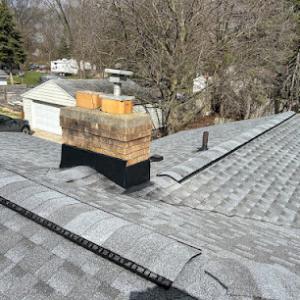
Skyline Exteriors
(616) 822-7719 skylineexteriorsgr.com
Mailing Address:, 6757 Cascade Rd SE #267, Grand Rapids, Michigan
5.0 from 204 reviews
Local, family-owned & operated business in Grand Rapids/West Michigan, looking to serve customers in the home improvement industry. We specialize in exterior work, including roofing, siding, gutters, windows/doors, decks, and more! We look forward to discussing your next exterior project with you!

Performance Roofing & Siding Grand Rapids
(616) 300-1904 performanceroofsystems.net
280 Ann St NW Ste. 218, Grand Rapids, Michigan
5.0 from 61 reviews
Performance Roofing & Siding in Grand Rapids, MI, is your trusted local roofing and siding contractor, serving Grand Rapids and the surrounding communities. We specialize in high-quality roofing and siding installations backed by a lifetime labor and material warranty and a 50-year workmanship warranty. Our experienced team ensures hassle-free exterior solutions with superior customer service and durable materials designed to protect your home for years to come. Locally owned and operated, we pride ourselves on reliability, transparency, and convenience, offering easy online scheduling through our website. Choose Performance Roofing & Siding for expert craftsmanship and peace of mind for your home’s exterior.
Priority Roofing
(616) 758-1972 priorityroofs.com
11282 Tallmadge Woods Dr, Grand Rapids, Michigan
5.0 from 55 reviews
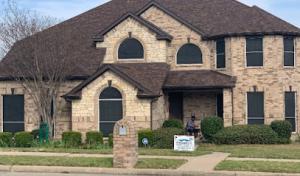
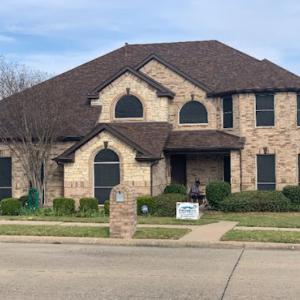
Priority Roofing Company is family owned, locally operated in Grand Rapids, MI. Replace or repair your roof with Priority Roofing Contractors where customer service is our #1 priority! We’re local, professional Grand Rapids roofers, our bids are competitive, and we’ll find a great solution for your residential roof. Unlike some other roofing companies in Grand Rapids, we specialize in home roof installation and roof repair, as well as emergency roofing service for leaks and damage. From dozens of shingle systems, to metal, tile and slate roofing options, we have roofs to fit nearly every budget. Our company inspects your roof and provides an honest assessment of what needs to be done, all at no cost to you.

Veteran Roofing & Exteriors
(616) 816-1645 www.veteranroofs.com
1801 Breton Rd SE Suite E, Grand Rapids, Michigan
4.9 from 140 reviews
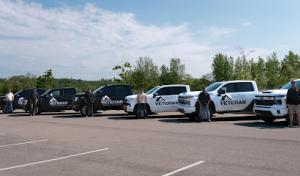
Veteran-owned and operated, Veteran Roofing & Exteriors is West Michigan's trusted choice for exterior home solutions. We bring unwavering integrity to every roof replacement, siding installation, and window replacement in Grand Rapids, Muskegon, and the Kalamazoo area. Our mission is to protect your home with superior craftsmanship and durable, high-quality materials built to withstand Michigan weather. We specialize in everything from storm damage repair to energy-efficient window and exterior door installation. Our disciplined, fully licensed and insured team ensures every job is done right and on time, backed by strong warranties for your peace of mind. Trust the team that puts service first.
Above Roofing
(616) 328-5375 www.aboveroofing.com
2432 Oak Industrial Dr NE, Grand Rapids, Michigan
4.8 from 168 reviews
Above Roofing is a top rated residential roofing company specializing in roof replacement & roof repair. Our roofing service includes a free roofing estimate & a lifetime workmanship warranty.
Mango Roofing & Exteriors
(616) 856-2864 www.mangoroofingllc.com
6151 28th St SE Suite 7, Grand Rapids, Michigan
4.9 from 53 reviews
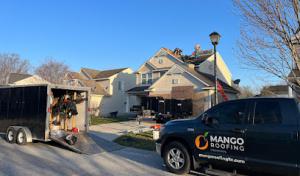
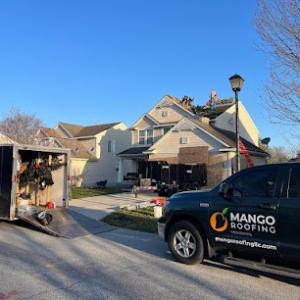
Mango Roofing & Exteriors is a local roofing contractor serving Grand Rapids, Kentwood, Wyoming, Grandville, Ada, Lowell, Byron Center, East Grand Rapids, Cascade, Forest Hills, Walker, Rockford, and Comstock Park. We provide expert roof replacement, roof repair, and storm damage repair. We also offer insurance claim assistance, gutter installation, and emergency roof repair for residential and commercial roofing. Known for fast response times and skilled craftsmanship, we make roof insurance claims simple. Contact us today for a free roof inspection near you.
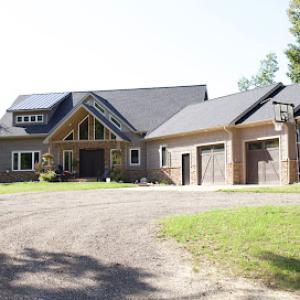
Melvin Belk Roofing
(616) 866-7655 melvinbelkroofing.com
4350 Plainfield Ave NE suite h, Grand Rapids, Michigan
4.8 from 120 reviews
Melvin Belk Roofing is a family owned roofing company since 1983 offering roofing installation, roofing repair, siding installation, and seamless gutter installation to the greater Grand Rapids area. As a professional roofing contractor, we are fully insured, licensed, and bonded. We offer Financing for your project and guarantee all of our work. We have built this company on Honesty, Integrity, Experience and our Exceptional Work. Call today for a FREE Quote.
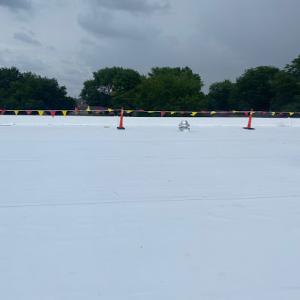
Trident Roof Solutions
(616) 617-3586 www.tridentroofsolutions.com
1958 Turner Ave NW, Grand Rapids, Michigan
4.9 from 62 reviews
Trident Roof Solutions is a trusted commercial roofing contractor in Grand Rapids, MI, serving building owners and facility managers across West Michigan. We specialize in commercial roof repair, roof maintenance, leak detection, emergency roof service, and full roof replacement. We are setting the gold standard and changing the way commercial roofing has been done for years—by replacing guesswork with clear inspections, documented findings, and manufacturer-approved solutions. Our team works on TPO, EPDM, PVC, metal, and flat roof systems, delivering long-term value through our proven Repair • Maintain • Replace process.
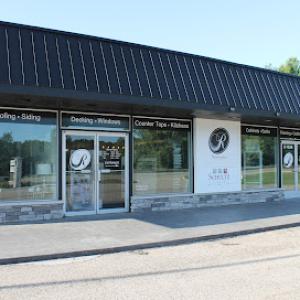
Renaissance Roofing & Exteriors
(616) 250-5900 www.renaissanceroof.com
1636 Lake Michigan Dr NW Ste 1, Grand Rapids, Michigan
4.7 from 136 reviews
Here at Renaissance Roofing & Exteriors, we have a reputation for customer service and quality spanning over 25 years in Grand Rapids and throughout West Michigan. We specialize in all home improvement projects - roof replacement, window replacement, siding, doors, gutters, decking, outdoor living, and interior remodeling. We understand that your home's remodeling project is unique and because of this, you need a home improvement specialist in Grand Rapids that you can trust to get the job done right.
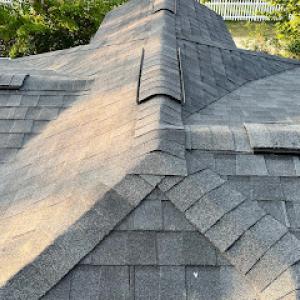
River City Roofing
Grand Rapids, Michigan
5.0 from 20 reviews
At River City Roofing we're raising the industry standard in roofing services with our Best-In-Class 15-Year installation warranty and competitive prices. Proudly serving Grand Rapids and all of West Michigan, we are your trusted local experts for roofing, gutter, and exterior solutions. Our skilled team is dedicated to delivering exceptional craftsmanship, reliable repairs, and professional inspections to ensure your home or business is protected and looking its best. From storm damage repairs to high quality installations, we go above and beyond to exceed your expectations. Choose River City Roofing for unparalleled service and peace of mind. Call or send us a message to schedule an inspection & estimate today!
Polish Roofing
(616) 719-1414 www.polishroofing.com
1045 Pine Ave NW, Grand Rapids, Michigan
5.0 from 18 reviews
Established in April 2022, Polish Roofing is a Grand Rapids, Michigan-based roofing contractor dedicated to providing exceptional service to the community. Their team of experts tackles all your roofing needs, ensuring a secure and weatherproof home.
Srt Roofs
4595 Broadmoor Ave SE, Grand Rapids, Michigan
4.8 from 25 reviews
SRT ROOFS, LLC is your trusted, local Roofing company that brings over 50 yrs of combined experience to your roofing project. Our collaboration with our clients from start to finish is what sets us apart from the rest. We work with all styles of roofing systems from Residential all the way to very large commercial projects. Call today for your FREE no obligation Roofing Estimate or FREE Roof Inspection!!!
In this climate, asphalt remains the daily workhorse for many homes. Local pricing runs from about 350 to 650 USD per square for asphalt shingles. You'll see closer to the lower end on newer roofs with straightforward ventilation and deck conditions, and toward the high end if the job includes significant ashlar detail, complicated edging, or extra ice-damming protection at eaves. Winter storms and freeze-thaw cycles can drive demand up quickly, so if a late-winter or spring hail event hits, contractors may schedule tighter windows and raise pricing to reflect emergency demand. For a Grand Rapids project, plan around potential bumps of a few hundred dollars per square if the crew is in high demand, especially after a rough winter.
Metal systems bring long-term durability against snow and ice, which is appealing in this market. Local ranges sit roughly from 500 to 950 USD per square. The higher end covers premium metals, concealed fasteners, or standing-seam configurations that shed snow more predictably. In practice, metal can save on long-term maintenance and ice-damming concerns, but installation complexity matters: large roof pitches, multiple penetrations, or retrofit work on older decks can push costs upward. Winter weather can compress scheduling and raise material and labor costs during busy periods, so expect potential delays and price shifts if you're replacing during a period of heavy demand after a storm.
Clay tile brings distinctive curb appeal and robust wind performance when installed correctly, but it's a mass-lift job that demands a solid deck and precise ventilation planning. Expect pricing from about 900 to 1800 USD per square. The wide spread reflects tile variety, mounting systems, and the need for careful integration with flashing and drainage. In Grand Rapids, freeze-thaw stress can complicate tile work, particularly on older rooftops, and crews may require extra time to prevent future ice dams. If winter damage has touched your roof, prepared estimates can climb as suppliers and crews coordinate schedules to handle the surge in demand.
Concrete tile sits in a similar band to clay, ranging roughly from 900 to 1500 USD per square. It shares the same winter considerations, with added emphasis on structural support and attic ventilation to maximize performance in freezing cycles. In this market, concrete tile can be a good compromise between price and longevity, but installation is still a logistics-heavy job. Expect weather-driven scheduling pressures to push prices up during peak contractor demand following a damaging winter.
Synthetic or composite shingles offer a modern alternative with improved impact resistance and easier replacement paths after snow-related damage. Local pricing runs about 450 to 900 USD per square. The product choice can influence long-term performance in freeze-thaw cycles, so consider how the system handles ice dams and wind-driven snow. Short-term pricing can rise after major winter events as crews reallocate resources to urgent repairs or replacements, and suppliers adjust to a tighter market.
Slate is the premium option, with pricing in Grand Rapids typically from 1200 to 2600 USD per square. It's prized for longevity and a refined look, but installation is labor-intensive and highly dependent on roof structure and deck condition. Freeze-thaw cycles matter here too; improper installation or decking can lead to cracking or failure under repeated cold snaps. After notable hail or winter storms, slate projects can see sharper cost escalations due to crew availability and material handling demands.
Overall, winter snow, ice dams, and freeze-thaw cycles shape both the performance you get and the price you'll see. In the Grand Rapids market, expect price shifts after hail, wind, or severe winter damage when contractor schedules tighten and emergency demand competes with planned replacements.
Don't let upfront costs delay a critical repair - these contractors offer payment plans to fit your budget.
Priority Roofing
(616) 758-1972 priorityroofs.com
11282 Tallmadge Woods Dr, Grand Rapids, Michigan
5.0 from 55 reviews
Veteran Roofing & Exteriors
(616) 816-1645 www.veteranroofs.com
1801 Breton Rd SE Suite E, Grand Rapids, Michigan
4.9 from 140 reviews
Melvin Belk Roofing
(616) 866-7655 melvinbelkroofing.com
4350 Plainfield Ave NE suite h, Grand Rapids, Michigan
4.8 from 120 reviews
In this market, a full roof replacement isn't treated as simple maintenance. The city requires a permit, and the permit process is geared toward ensuring proper ventilation and a sound roof deck. Because Grand Rapids experiences harsh winter conditions with lake-effect snow and frequent freeze-thaw cycles, the permit review often focuses on whether the roof venting is adequate and whether the deck has the structural integrity to handle repeated cycles of snow load and ice dam stress. Plan ahead to align your project timeline with the building department's review windows, and avoid starting work without a permit in hand.
The local review looks closely at how a new roof will vent attic spaces and how the deck is prepared to receive the new roofing system. Ventilation concerns include the adequacy of intake and exhaust vents, ridge vent configuration, and potential for ice dam formation given snowfall patterns. The deck check covers structural gaps, rot, and any delamination that could compromise the installation. A clean, dry, fully planked deck with solid fasteners is a prerequisite for a successful permit closeout. Your contractor should provide a clear plan for venting upgrades and deck repairs keyed to the Grand Rapids climate realities.
Inspections occur both during construction and after completion. During the project, inspectors verify installation quality, vent termination, and flashing details in low-slope areas. After completion, an intake of documentation ensures all work meets code and that venting and deck conditions align with the permit. This staged scrutiny helps guard against winter-related failures once the snow starts to fly again. Expect the inspector to walk the attic space, inspect ridge and soffit venting, and confirm that the roof system is tied to the structure with proper alignment to the deck.
The building department may require documentation covering ventilation, roof deck integrity, and permit closeout before the job is considered complete. Gather vent configurations, attic airflow calculations if available, and a deck inspection report from a qualified professional. Ensure warranty language reflects compliant venting and deck restoration. Keep records organized; a smooth closeout reduces the risk of back-and-forth requests and delays when snowpack and freeze-thaw cycles return. This local-focused process helps protect the roof's performance through Grand Rapids winters.
Asphalt shingles dominate the local market for a reason: they handle the daily grind of winter snow and spring melt while keeping installation practical for many older homes. In summer, the heat can stress shingle sealants, so choosing a composition with proven heat resistance matters. In a climate with freeze-thaw cycles, a good starter course and solid attic ventilation help minimize edge-lift and wind damage during blizzards. Look for shingles that carry strong warranties for surface granules, since hail and thermal cycling can erode them over time. When evaluating a roof, consider how the deck has handled prior freeze-thaw events and whether underlayment and drip edge details were upgraded during recent work.
Metal roofing stands out as a meaningful local specialty, favored by homeowners aiming for better snow shedding and reduced ice dam risk. A metal roof with standing seams can move a lot of snow off the surface, which helps mitigate ice build-up along eaves and in valleys. In addition, metal's durability under West Michigan winters is a practical advantage if a stiff wind storm or heavy sleet comes through. When selecting metal panels, ensure the chosen profile, coating, and fastener type are matched to roof slope and flashing details. Proper seam sealing and attic vent integration prevent temperature swings from driving condensation into the decking during the shoulder seasons.
Tile and slate are present but require careful evaluation because heavy materials and brittle profiles can be more vulnerable to hail impact or structural constraints on older homes. Concrete and clay tiles can offer excellent longevity in dry, sunny spells, but heavy tiles demand a solid deck and, in some cases, upgraded framing. Slate delivers a premium aesthetic and superb durability, yet it can be brittle on impact and heavy to replace. For homes with older structural members, verify the attic clearance and the ability of the deck to support concentrated loads from large tiles or slate. If a retrofit is on the table, plan for a detailed assessment of deck condition and ventilation to avoid future freeze-thaw damage around penetrations and gutters.
Explore specialists in steel, aluminum, and standing seam metal roofs built to last 50 years or more.
Skyline Exteriors
(616) 822-7719 skylineexteriorsgr.com
Mailing Address:, 6757 Cascade Rd SE #267, Grand Rapids, Michigan
5.0 from 204 reviews
Priority Roofing
(616) 758-1972 priorityroofs.com
11282 Tallmadge Woods Dr, Grand Rapids, Michigan
5.0 from 55 reviews
Trident Roof Solutions
(616) 617-3586 www.tridentroofsolutions.com
1958 Turner Ave NW, Grand Rapids, Michigan
4.9 from 62 reviews
When a claim comes in after a hail event or a brisk wind, the focus tends to shift from age-based wear to verifiable damage. In this area, carriers often prioritize documentation that shows current condition and actual damage rather than assumptions about deterioration. That means your claim packet should center on clear, recent photos of the roof, attic, and exterior where evidence of impact or wind damage is visible, not just a broad statement about life expectancy. If a claim is challenged, expect adjusters to request a detailed scope of work and closer looks at ventilation and deck condition, especially on a full replacement.
Expect some carriers to ask for current-condition photos and a precise scope before approving work or settling a claim. Photos should capture attic signs of moisture intrusion, damaged flashing, granule loss on shingles, and any ice dam indicators along eaves. A comprehensive scope helps prevent back-and-forth that can delay settlement or materialize into disputes over which components are covered. You'll benefit from having a clear narrative that ties observed damage to specific weather events and to the roof's decking and ventilation status.
Seasonality matters locally because claim volume can spike after spring storms and fall wind events, affecting adjuster timelines and contractor availability. That reality can translate to longer wait times for inspections and for coordination of materials, particularly after a harsh winter. Plan for possible delays in communication and scheduling, and align expectations about the pace of work. Keeping a well-documented file-photos by season, notes on any interior moisture, and a ladder-access plan-helps you move more smoothly through the claim process when conditions at the decking, ventilation, and roof deck are part of the conversation.
Connect with contractors who help homeowners navigate the claims process from damage assessment to final approval.
Priority Roofing
(616) 758-1972 priorityroofs.com
11282 Tallmadge Woods Dr, Grand Rapids, Michigan
5.0 from 55 reviews
Veteran Roofing & Exteriors
(616) 816-1645 www.veteranroofs.com
1801 Breton Rd SE Suite E, Grand Rapids, Michigan
4.9 from 140 reviews
Mango Roofing & Exteriors
(616) 856-2864 www.mangoroofingllc.com
6151 28th St SE Suite 7, Grand Rapids, Michigan
4.9 from 53 reviews
Skylights are a visible focal point for leaks in this market, where local contractors note active skylight service work year round. The pattern here shows that leaks often trace back to mounting details and surrounding flashing rather than the glass itself. When planning a replacement or a repair, pay close attention to how the curb, flashing, and ice backup interact with existing venting in the roof deck. In winter, repeated freeze-thaw cycles push against sealants and shingle returns, so a properly integrated skylight flashing kit that matches the roof slope and material is essential.
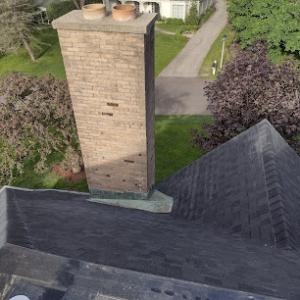
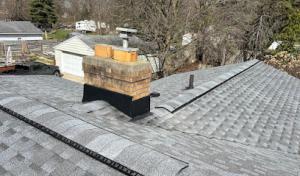
Chimneys are a common focal point for roofing work in older homes, where flashing details frequently fail before the main roof field does. Expect to examine step flashing, counter-flashing, and the transition around the chimney sides and base. With aging mortar joints and shifting brick, sealant lines can crack and gutters can siphon away protective runoff. When a chimney repair is needed, ensure the flashing is tied into a solid base and that the sealant used is compatible with the roof material and the climate's winter moisture.
These penetrations become more vulnerable in winter when ice backup and repeated expansion-contraction cycles stress flashing and sealant lines. Plan inspections after heavy snows or thaws to catch gradual deterioration before leaks appear on living space ceilings. During service visits, verify that kick-out flashing directs water away from the wall, that valley flashings are intact, and that skylight or chimney seals have adequate adhesive thickness. If flashing shows any lifting, cracking, or corrosion, address it promptly with targeted replacements rather than broad overhauls on surrounding roof areas.
Adopt a proactive maintenance rhythm: schedule seasonal checks focusing on penetrations, and coordinate minor repairs before thick ice formation begins. When hiring, prioritize contractors who demonstrate familiarity with older housing stock and the specific wrinkle points around skylights and chimneys in this climate. A careful, targeted approach keeps these critical roof penetrations reliable through Grand Rapids' tough winters.
Find contractors experienced in skylight installation, flashing, and leak repairs to bring natural light into your home.
Skyline Exteriors
(616) 822-7719 skylineexteriorsgr.com
Mailing Address:, 6757 Cascade Rd SE #267, Grand Rapids, Michigan
5.0 from 204 reviews
Veteran Roofing & Exteriors
(616) 816-1645 www.veteranroofs.com
1801 Breton Rd SE Suite E, Grand Rapids, Michigan
4.9 from 140 reviews
Trident Roof Solutions
(616) 617-3586 www.tridentroofsolutions.com
1958 Turner Ave NW, Grand Rapids, Michigan
4.9 from 62 reviews
Flat and low-slope roofing is an active specialty in this market, reflecting the mix of attached garages, porches, additions, and mixed residential-commercial structures that often require different drainage details. In many neighborhoods, these roof sections sit at angles that don't shed snow as quickly as steeply pitched roofs, so surface water and moisture play a larger role longer into the winter. When snow sits on a low-slope surface, ice formation and slow melt cycles can drive wear on flashing, edges, and penetrations. Understanding how these pieces interact with the overall roof is essential to avoid hidden problems that show up as the season turns.
Grand Rapids experiences lake-effect snow that's inconsistent and sometimes heavy, followed by frequent freeze-thaw cycles. Snow retention on low-slope planes tends to be higher, which means water can remain on the surface after storms and during warm spells. This extended exposure elevates the risk of membrane degradation, seam failures, and edge deterioration. Materials chosen for low-slope sections should prioritize reliable water shedding at transitions and robust flashing where the roof meets walls, parapets, or dormers. Regular attention to deck integrity is important because moisture can travel along the substrate and compromise structural components if drainage paths become clogged or damaged.
Because winter exposure is a local stressor, low-slope sections often need separate inspection from the main shingle roof during replacement planning. A focused assessment should check for ponding, step and kick-out flashing integrity, and evidence of ice dam formation at eaves and penetrations. Drainage details deserve careful review, including scupper or gutter connections, crickets, and any transitional flashing to higher-slope roofs. The goal is to ensure that the low-slope portion communicates effectively with the rest of the roof, channels water away cleanly, and remains durable through repeated freeze-thaw cycles. Maintenance considerations should include proactive snow removal strategies that protect the membrane edges without compromising flashing or curb installations.
Find specialists in TPO, EPDM, and built-up flat roofing systems for residential and commercial properties.
Melvin Belk Roofing
(616) 866-7655 melvinbelkroofing.com
4350 Plainfield Ave NE suite h, Grand Rapids, Michigan
4.8 from 120 reviews
Trident Roof Solutions
(616) 617-3586 www.tridentroofsolutions.com
1958 Turner Ave NW, Grand Rapids, Michigan
4.9 from 62 reviews