
Last updated: Apr 19, 2026
Racine sits on Lake Michigan, where lake-driven moisture and wind exposure can keep roof assemblies wetter for longer than inland areas of southeastern Wisconsin. That persistent dampness feeds a slower-to-dry cycle for shingles, underlayment, and flashing, especially on roofs that face prevailing lake winds. In practical terms, this means you should treat your roof as a moisture control system first-not just a surface for shingles. Look for signs of sustained dampness in the attic after wet spells, and note any areas where ice dams form or meltwater lingers along eaves. The longer moisture sits, the higher the risk of hidden rot, accelerated wear, and compromised flashing details.
The local risk pattern combines spring hail activity with wind-driven rain and winter snow, so homeowners often need both storm damage assessment and moisture-intrusion evaluation rather than looking for a single failure cause. A hail hit may leave tiny dings you can't see from the ground, but those dings can create micro-leaks that worsen across a storm season when wind and rain push through compromised edges. Likewise, wind-driven rain can find forced-entry points at vents, edge curves, and where shingles meet flashing. After a heavy storm, don't settle for a quick roof scan; perform a targeted assessment of both surface damage and potential moisture pathways that could propagate under the roofing system.
Because the area experiences cold winters followed by thaw periods, small storm-created openings around flashing and shingle edges can turn into recurring leak points during freeze-thaw cycles. Ice buildup can pry apart sealant lines and push under flashing, while thawing water can seep into micro-gaps you didn't notice until the next cold snap. In practice, that means a temporary fix isn't enough. You need a plan that addresses both the visible damage and the hidden moisture routes that are likely to reopen after each freeze. Regular inspection after the thaw period and during the shoulder seasons helps catch those openings before they set into a repeat leak cycle.
When inspecting, prioritize flashing details around chimneys, vent pipes, skylights, and transitions where two different roof planes meet. Check shingle edges at eaves and rake lines for lifting, cracks, or cupping, which can worsen with wind-driven rain and snowmelt. Pull back any loose insulation in the attic and look for staining, mold signs, or granular debris that indicates accelerated wear. Don't forget to inspect the soffits and attic vent pathways-blocked or mis-sealed exhausts are a common moisture entry route under lake exposure. If insulation feels damp or contains mineral fluff that smells musty, treat that as a high-priority moisture issue to address promptly.
Establish a routine to blow or remove accumulated debris from gutters and downspouts, especially near corners and intersections where water can pool and back up under edge flashings. Seal unsealed gaps around vents and intersection points with high-quality, lake-rated sealants and ensure flashing screws are tight and corrosion-resistant. Consider upgrading to flashing that resists wind-driven rain and adding a secondary barrier at vulnerable edge zones. If you're planning repairs or replacement, favor materials and layouts that promote rapid shedding of water and robust sealant lines at all transitions. In Racine, you want a system designed to tolerate extended moisture exposure and rapid thaw cycles, not a quick fix that'll fail during the next storm. Stay vigilant after each significant storm-storm damage plus lingering lake moisture demands a proactive, not reactive, approach.
Asphalt shingles are the dominant practical choice in Racine, packing good value with solid performance against Lake Michigan moisture and freeze-thaw cycles. Yet the storm pattern around the lake means metal, slate, clay tile, concrete tile, and synthetic/composite systems show up frequently enough that you'll see meaningful differences driven by structural load, flashing complexity, and the need for specialty labor. In practice, the lowest upfront price often hides potential extra costs if the roof needs significant flashing work, ventilation, or decking repair after years of exposure to hail and wind. The following snapshots reflect typical ranges you'll encounter locally, with notes on when prices can spike.
Asphalt Shingles
Costs generally sit in the mid-to-lower part of the spectrum, with typical ranges around 350 to 750 USD per square (100 square feet). In Racine, asphalt remains the practical baseline because it accommodates varied roof shapes on older homes and is comparatively straightforward to replace during tear-off cycles. However, after hail events or strong wind storms that are not uncommon here, replacement demand spikes across southeastern Wisconsin and scheduling pressure can push labor rates and availability higher, nudging total project costs upward. If your roof deck shows signs of moisture intrusion or soft spots after a storm, expect additional decking or ventilation corrections to be factored in.
Metal Roofing
Metal systems run higher, roughly 600 to 1,100 USD per square, but the payoff is in wind resistance, long service life, and better performance during rapid spring thaws when moisture-driven leaks can surface around flashing. In Racine, metal can be a smart choice on steeper pitches or when the homeowner wants a roof that stands up to repeated hail exposure. Expect additional costs if the structure carries heavy snow loads or if there are complex flashing details at those transitions from roof to walls, chimneys, or dormers. If the house is older, ensure the decking is sound, because metal roofs often reveal substructure issues during tear-off that increase overall price.
Clay Tile
Clay tile tends to be in the 1,000 to 1,700 USD per square range. These systems are less common but appear on higher-end remodels or homes with certain architectural styles. In Racine, the storm history around the lake influences tile choices when the structure can support the weight and the flashing details are carefully engineered for wind-driven rain. Tile reroofing requires meticulous flashing and underlayment work, and if the existing roof deck has moisture damage or uneven spots, expect some additional stabilizing work that can raise costs.
Concrete Tile
Concrete tile sits around 800 to 1,300 USD per square. It shares similar loading and flashing considerations with clay tile, but concrete can offer more impact resistance in some hail regimes. In practice, concrete tile projects may show more variation due to deck readiness and the need for appropriate fasteners and underlayment in exposed Racine conditions. If older homes need tear-off and substantial flashing corrections, prices move up accordingly.
Synthetic/Composite Shingles
Costs run about 450 to 900 USD per square, delivering a balance between cost and performance. In the local context, synthetic options can closely mimic slate or tile aesthetics while offering lighter weight and often simpler installation. As with asphalt, storm activity can shift labor demand, and any existing moisture or ventilation deficiencies in older structures will influence the final bill.
Slate
Slate projects typically range from 1,200 to 1,900 USD per square. Slate is prized for longevity and distinct look, but it demands a careful substructure and highly skilled installation. In Racine, premium prices reflect the combination of specialty labor and the need for precise flashing around chimneys, vents, and transitions, especially on older homes with existing corrosion-prone materials.
Across all materials, plan for potential increases after hail and wind events, and budget for tear-off, decking repair, chimney flashing, and ventilation corrections if the aged roof shows signs of moisture intrusion or warping.
In this city, a full roof replacement generally requires a building permit rather than being treated as informal maintenance. That means you can't assume the job is fine to proceed on a quick contractor handshake. The permit process is the reliable checkpoint that ensures safety and moisture control given the lakefront exposure, freeze-thaw cycles, and spring hail you see locally. If your contractor suggests skipping the permit, pause and verify with the building department before any materials arrive on your roof.
The permit submission typically includes project details for underlayment, venting, and flashing, showing that the city review is focused on how the roof system manages moisture and ventilation, not just the finish material. Be mindful that the city's eye is on how вас roof assemblies handle water intrusion and airflow from soffits to ridge, as well as how flashing around chimneys, vents, dormers, and skylights is integrated with the wall and gutter systems. Ask your contractor for a clear drawing or spec sheet that lists underlayment type and thickness, intake and exhaust vent sizing, and the flashing approach around critical transitions. If the neighborhood has historic or storm-damaged features, ensure any patchwork or retrofits align with the permit's moisture-management intent.
Inspections are scheduled as work progresses and a final inspection is required to close the permit, so homeowners should confirm that their contractor is coordinating city sign-offs instead of leaving permit closure unresolved. Typical progress points include an initial inspection after roof deck installation but before underlayment, a mid-project check after underlayment and the first layer of underlayment are placed, and a final inspection once roof and flashing, vents, and penetrations are in place and all moisture-control components are completed. A responsible contractor will log these inspection appointments and ensure access to the attic or roof lines for the inspector, not simply hope for a cursory look from above.
Keep a folder with the permit number, the project scope, and all model numbers for underlayment, venting, and flashings the contractor intends to install. If a storm or moisture event has recently affected your home, have a photo history ready showing prior conditions and any existing leaks. The city reviewer will expect to see details that demonstrate proper moisture management, including attic ventilation balance and ridge ventilation, to mitigate ice damming and condensation risk during cold winters. Confirm with the contractor that the final walk-through and sign-off are scheduled, and that any required amendments or additional inspections are addressed promptly rather than delayed.
Before any material is staged, contact the building department to confirm the permit status and any special local requirements for lakefront properties or homes with uneven roof lines. If your house has complex flashing around chimneys or skylights, request a written sequence for flashing installation and sealing, ensuring it aligns with the permit's moisture-management focus. Finally, keep a calendar of inspection dates and set reminders with the contractor so that the permit doesn't linger and the project remains aligned with city expectations for a proper, moisture-ready roof replacement.
In the local market, hail and wind events drive a meaningful share of roofing claims and often influence whether homeowners repair isolated slopes or replace full systems. The combination of Lake Michigan moisture, cold freeze-thaw cycles, and spring hail exposure means roofs here face more abrupt failures at flashing points, seams, and transitions than inland markets. That reality makes careful documentation essential, because small, hidden vulnerabilities can become large problems after a big storm.
Insurers in this region commonly expect prompt reporting, date-stamped photos, and detailed damage documentation, so Racine homeowners should document exterior impacts, interior leaks, and any emergency tarping immediately. Start with a clear timeline: when hail or wind was observed, when damages were first noticed, and any events that worsened the condition (heavy rains, rapid temperature swings, or subsequent storms). Photograph from multiple angles, focusing on shingles edges, valleys, flashing around skylights, chimneys, and vents. Indoors, capture any signs of moisture behind walls or above ceilings, and keep a log of any water intrusion you observe after storms. If tarping is needed, document the tarp's placement, weather conditions, and duration so you aren't left explaining a delayed cover later.
Adjusters may request material samples or wind-related assessments, which matters in Racine because mixed storm and moisture damage can make causation disputes more likely if documentation is thin. If a contractor suggests specific surface samples for comparison, preserve representative pieces of shingles, flashing, and underlayment where safe to do so, and note where those materials were located on the roof. For interior leaks, track whether moisture appears only after storms or persists during dry periods as this distinction can influence how damage is attributed. Honest, precise records reduce the chance of back-and-forth on causation and can help prevent a small issue from turning into a full-system replacement that might not be necessary.
Keep a storm diary with dates, times, and brief observations tied to each image. Store digital copies in a cloud folder labeled with the storm event and your property address. Share the documentation with the insurer as soon as possible, but avoid making premature conclusions about the cause. When in doubt, request an independent wind or roof assessment and keep the appraisal process transparent with clear photo evidence and a written summary of findings.
Connect with contractors who help homeowners navigate the claims process from damage assessment to final approval.
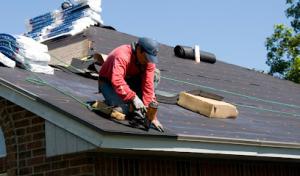
Racine Roofing & Remodeling
(262) 930-6677 www.racineroofingandremodeling.com
24 Hammes Dr, Racine, Wisconsin
4.7 from 50 reviews

Racine Roofing Contractors
1220 Mound Ave UNIT 200, Racine, Wisconsin
4.7 from 36 reviews
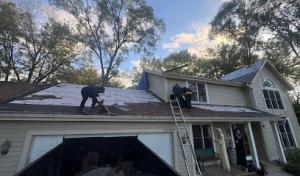

Racine Roofing Contractors
1220 Mound Ave UNIT 200, Racine, Wisconsin
4.7 from 36 reviews
Looking for a roofer near me ? Racine Roofing Contractors is a roof repairs service company based in Racine, Wisconsin. We are a family run business that had served Racine & nearby WI cities for over 20 years! We are fully licensed. We will work with your insurance or can provide finance for major roofing jobs. We offer the following services: * 24/7 Emergency Roof Repair - flat roof, roofing shingles, roof tiles, royal cedar shingle, asphalt replacement, metal roof installation, hail damage, wind damage, residential roofs, commercial roofs, wood shingle. * Siding - aluminium, board & batten, cedar, cement board, fiber cement, lp, metal, steel, vinyl. * Ice Dam & Snow Removal. * Window Replacement. * Storm Damage Repair

Standard Roofing & Restoration
(262) 212-5853 standardroofingandrestoration.com
422 Main St Suite 204, Racine, Wisconsin
4.8 from 21 reviews
Standard Roofing and Restoration specializes in residential and commercial roofing services in Southeastern Wisconsin. Unlike other roofing companies, we’re roofers – not salesmen – first. So, when you partner with us, you won’t just get a new roof for your home or business – you’ll also get an expert in the field or roofing, who has extensive knowledge of and experience working on roofs.
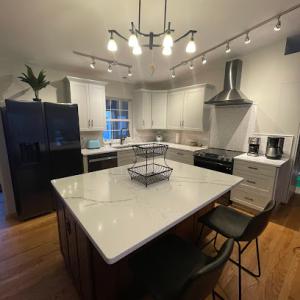
VDB Contractors
(262) 995-0585 www.vdbcontractors.com
427 Main St, Racine, Wisconsin
4.6 from 9 reviews
VDB Contractors is made of two divisions. an interior and exterior. The interior Division consists of bathroom remodeling, kitchen remodeling, basement remodeling/finishing along with home renovations. our exterior division consists of roofing, siding, soffit, fascia gutters, window and door replacement as well as decks. VDB Contracting strives for strong quality of work while still staying with competitive pricing
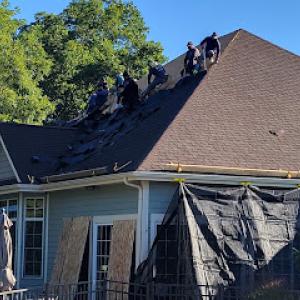
Stauffer Enterprises
(262) 672-8836 www.staufferenterprises.com
Serving
5.0 from 49 reviews
Roofing & Siding
Rexx Roofing
(262) 326-0620 rexxroofing.com
Serving
5.0 from 27 reviews
REXX ROOFING is a company that people trust to fix their roofs. They are located in Mt Pleasant, WI. They also work in the areas around it. They do all sorts of things like check roofs to see if they need to be fixed. They fix roofs. They even put in brand roofs. The people who work for REXX ROOFING are based at 5605 Washington Ave, Mt Pleasant, WI. They go to places near Mt Pleasant to help people who need a good roofing company. If you are looking for a roofing company near Mt Pleasant, WI or a reliable roofing company, in Mt Pleasant they can help you with your roof. If you need a roofing contractor near you now, REXX ROOFING is committed to quality work and long-term roof protection.
M&L Siding & Services
(262) 425-5919 mlsidingandservices.com
Serving
4.7 from 24 reviews
M&L Siding & Services, Inc. is a family-owned and operated roofing and exterior home improvement company based in beautiful Mt. Pleasant, Wisconsin. We specialize in expert residential roofing installation, roofing in Mt. Pleasant, roof insurance claims, professional gutter installation, window installation, and expert siding installation. Enhance your home's appearance and performance with our high-quality services, and take advantage of our roofing financing options. Our company was born out of a deep-rooted passion for delivering top-notch craftsmanship and exceptional service to our community. With decades of combined experience in the industry, we are committed to enhancing the beauty, durability, and value of your home.
S&S Home Enterprise
Serving
4.3 from 6 reviews
Top pick for Kenosha roofing, Racine roofing, and other areas of southern Wisconsin and northern Illinois.

Leap Frog Roofing
(414) 574-0044 www.leapfrogroofing.com
Serving
5.0 from 39 reviews
Leap Frog Roofing is your trusted roofing contractor in southeastern Wisconsin. We specialize in residential roofing services, including repair, replacement, and maintenance. Our experienced professionals are dedicated to providing reliable and high-quality workmanship on every project. Whether you need a new roof, siding, gutters, or repairs, we've got you covered. Contact us today for a free quote and let us leap ahead with your roofing needs.
Vesel Services
(262) 977-6631 www.veselservicestoday.com
1120 Douglas Ave, Racine, Wisconsin
3.0 from 2 reviews
25+ Years of Local Racine, WI Roofer Experience At Vesel Services, we know you love your home and you want to make it into a haven where you and your family can feel safe and secure. Our goal is to help you do just that, all while making your house look amazing, too! Whether you need help with your roofing, windows, or siding, or you’re doing remodeling work or tackling a heating and cooling or a plumbing problem, we’ll be there for you. Our team of experts has extensive experience working on homes just like yours. When you have a tricky problem or one that needs resolving in a timely manner, we’ll use that expertise to help you find innovative solutions. We know you have unique needs and so we never apply a cookie-cutter fix.
Stein Home Solutions
(262) 691-5999 steinhomesolution.com
Serving
5.0 from 27 reviews
Since 1995, we've been Wisconsin's go-to for top-quality roofing and siding. Our experienced team ensures durable, beautiful home exteriors, tailored to withstand local weather. Trust us for expert installations and hail damage roof repairs. Contact us for a free estimate and elevate your home with our proven excellence.

BNW Installations
(262) 859-3566 www.bnwinstallations.com
Serving
4.8 from 41 reviews
BNW Installations is the only name you need to know for all your residential roofing and exterior home remodeling needs in Sturtevant, WI.
4 Seasons Roofing Service
Serving
5.0 from 26 reviews
License , Insured , manufacture installation certified . FREE ESTIMATE.
Racine's freeze-thaw cycle makes water shedding and flashing reliability especially important for asphalt shingles, which remain the most common local replacement material. When the snow melts and refreezes, shingle edges and ridges become vulnerable to micro-leaks if the roof deck isn't properly dried in and the underlayment isn't continuous and intact. Pay attention to the edge detailing where the roof meets walls, chimneys, and vent stacks, as those transitions are common failure points after rapid thaws. In practice, that means ensuring the attic has effective ventilation, the underlayment is compatible with cold conditions, and the flashing around any penetrations remains continuous and well-sealed through seasonal shifts. Regular inspection after winter and after hail-season storms helps catch loose granules or lifted shingles before water can follow the path to the sheathing.
Metal roofing can perform well in snowy conditions, but in Racine its detailing must account for condensation control, fastener integrity, and transitions where lake moisture and winter temperature swings stress the assembly. Condensation can form on underside surfaces if intake and exhaust ventilation are imbalanced, so consider a breathable, closed-cell underlayment and a venting plan that avoids trapped humidity inside the attic. Fasteners must be chosen with corrosion resistance and suitable sealing to withstand freeze-thaw cycles, and any seams or skylight transitions need dedicated flashing and sealant that remains flexible in subzero temps. Pay special attention to the ridge and hip vent details, as moisture-laden air can accumulate there during longer snow events, potentially compromising long-term seal integrity.
Heavy materials such as slate, clay tile, and concrete tile require closer attention to structure, underlayment life, and specialized repair labor, which is relevant in Racine because these premium materials are present but not the default option. Ensure the roof deck is adequately rated for the load, especially on older homes or those with marginal framing. Underlayment should be high-performance and compatible with substantial temperature swings and moisture exposure from Lake Michigan-adjacent winds. If opting for any of these heavy materials, plan for skilled installation and periodic inspection of fasteners, sealants, and flashing at all penetrations, with an eye toward how freeze-thaw cycles can stress the fasteners and joints over time. Regular professional evaluations help prevent hidden deterioration from evolving weather patterns.
The most popular roofing material in the US. Find pros who install, repair, and replace asphalt shingles.
Racine Roofing & Remodeling
(262) 930-6677 www.racineroofingandremodeling.com
24 Hammes Dr, Racine, Wisconsin
4.7 from 50 reviews
Racine Roofing Contractors
1220 Mound Ave UNIT 200, Racine, Wisconsin
4.7 from 36 reviews
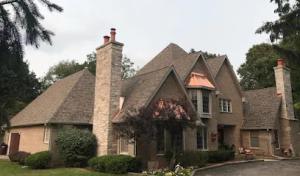
In a wet, cold climate with lake exposure, ice can back up under metal flashing and creep along the roof deck. Check metal flashings for gaps, rust, or kicked-up ends. For older homes with brick chimneys, deteriorated tuckpointing can push leaks inward; ensure the counter-flashing seals are installed over the brick and that the base flashing is properly sealed to the chimney crown. Pay attention to where chimney flashing meets shingles, as a slight misalignment becomes a leak path after a few freeze-thaw cycles.
Vents require solid sealing and proper flashing integration with ridge or hip lines. Rubber boots around vent pipes crack with cold temperatures and sun exposure; consider replacing with reinforced boot options if the vent location is exposed to prevailing winds off the lake. Sealants should be exterior-grade and compatible with the roofing material, applied in clean, dry conditions and rechecked after major storms. A hesitant seal can hold for a season but fail quickly when a mid-winter wind-driven rain arrives.
Skylight decks and curb flashings are common failure points on older homes and during re-roofs. Ensure curb flashing is integrated with shingles and the roof deck, with a continuous layer of sealant beneath the shingles. For flat-to-slope transitions, verify a proper drip edge and that the flashing covers the curb fully. A watertight skylight matters most when a storm combines with a cold snap, as moisture can migrate along the valley and into attic spaces if the seal fails.
Keep debris away from vents and skylights and perform a seasonal roof check to catch leaks before winter. Storm events tend to reveal leaks around penetrations more than other areas, so address suspected issues promptly rather than letting moisture linger.
Find contractors experienced in skylight installation, flashing, and leak repairs to bring natural light into your home.
Racine Roofing & Remodeling
(262) 930-6677 www.racineroofingandremodeling.com
24 Hammes Dr, Racine, Wisconsin
4.7 from 50 reviews
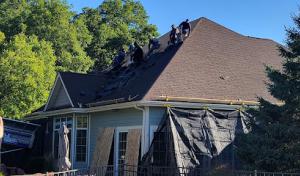
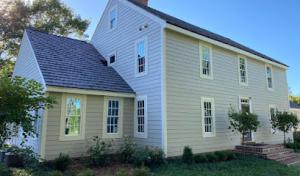
Racine's cold, snowy winters can delay full replacements and limit installation windows, making temporary dry-in work and leak containment essential. Ice builds up and temperatures swing from bitter cold to thaw, increasing the chance of hidden damage that worsens with every freeze-thaw cycle. When a storm hits, prioritize securing a rapid dry-in to minimize interior leaks and further moisture intrusion during the worst of winter.
Snow cover and freezing temperatures can make it harder to distinguish active storm damage from longer-term moisture problems on roofs until conditions improve. If you notice shingles torn by hail, curling edges, or flashing gaps, mark the area and document with photos, then remove the snow from critical spots as safely as possible to expose the roof line. In winter, daylight windows are brief; plan follow-up inspections for the earliest thaw when a clearer assessment is possible.
Homeowners in Racine often need to plan around seasonal swings: winter delays, spring hail interruptions, and summer heat and humidity that affect sealants and material handling. If a leak is active, pursue temporary containment immediately and schedule a professional evaluation as soon as a warm stretch arrives. Expect longer lead times for full repairs due to weather, contractor availability, and material curing in humidity-heavy summer months. Build a safety buffer for storms that strike during shoulder seasons, when crews may be stretched thin and access to rooftops is more restricted.
In freezing weather, focus on preventing water intrusion with tarps, weighted barriers, and secure ladder access. Ensure temporary seals hold against wind-driven moisture and ice dam formation. When warmer days arrive, coordinate a comprehensive inspection to identify whether moisture infiltration has caused deck or underlayment damage, and address all compromised areas before the next season's freeze.
When you can't wait, these contractors offer fast response times to stop leaks and prevent further damage.
Racine Roofing & Remodeling
(262) 930-6677 www.racineroofingandremodeling.com
24 Hammes Dr, Racine, Wisconsin
4.7 from 50 reviews
Racine Roofing Contractors
1220 Mound Ave UNIT 200, Racine, Wisconsin
4.7 from 36 reviews
Roberts Restorations, Inc.- Kenosha, WI
(262) 612-0763 robertsrestorations.com
Serving
5.0 from 47 reviews
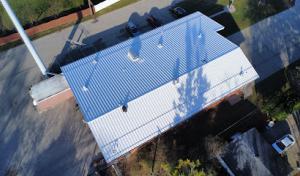
Flat and low-slope roofing is a meaningful specialty in the Racine market, indicating that many homeowners and small property owners need solutions beyond standard steep-slope shingle work. The emphasis here is on leak prevention, flashing, and documenting storm-related moisture, driven by Lake Michigan's humid summers and prolonged wet periods. When you look at a low-slope section, treat it as a moisture entry point that can affect adjacent steeper roofs if transitions aren't done carefully.
Attached garages, porches, and additions in older neighborhoods often create roof transitions where low-slope membranes meet steeper roof systems, increasing flashing complexity. Start by surveying every transition from the garage or porch roof onto the main house roof. Look for missing sealant, torn membrane edges, or fasteners that have backed out from seasonal movement. Pay special attention to perimeter edges along large overhangs and where parapets abut vertical detailing. If you see any fastener pops or lifting material, flag it for repair before a rain event.
In Racine, standing moisture risk is amplified by the humid summers and prolonged wet periods near Lake Michigan. Establish a seasonal inspection cadence that targets low-slope areas after heavy rainfall and during spring thaws. Check for pooled water, staining, or soft spots in the membrane, and confirm that drain locations remain unobstructed. Keep a maintenance log with photos, noting any changes in decked or flat sections that border living spaces or crawlspaces.
For quick wins, reseal seam tapes and re-bed counterflashes at transitions. Replace damaged edging and damaged ballast or ballast-free membranes with a compatible system rated for low-slope use. If you're unsure about a complex detail, such as a multi-plane transition or a curbed skylight, call a local roofing pro who understands Racine's moisture cycles and can tailor flashing details to resist prolonged exposure.
Find specialists in TPO, EPDM, and built-up flat roofing systems for residential and commercial properties.
Racine Roofing & Remodeling
(262) 930-6677 www.racineroofingandremodeling.com
24 Hammes Dr, Racine, Wisconsin
4.7 from 50 reviews
Racine Roofing Contractors
1220 Mound Ave UNIT 200, Racine, Wisconsin
4.7 from 36 reviews
Roberts Restorations, Inc.- Kenosha, WI
(262) 612-0763 robertsrestorations.com
Serving
5.0 from 47 reviews