
Last updated: Apr 19, 2026
Cold winter snow followed by rapid freeze-thaw cycles can reopen small flashing seams and shingle seal failures that went unnoticed in milder years. In this shoreline climate, ice dams aren't just a nuisance-they can force water under shingles, saturate sheathing, and creep into soffits and interior walls. When meltwater refreezes at eaves, it creates a dam that pushes water back under roofing joints and into attic cavities. The risk multiplies when old or improperly installed flashings meet wind-driven snow shields, allowing moisture to migrate toward interior framing. If you notice icicles lining eave edges, ice buildup on the roof deck, or a damp ceiling upstairs after heavy melts, act quickly. Replacing marginal flashing, resealing shingle seams, and ensuring continuous drip edges are not optional upgrades in this market; they are essential defenses against progressive water intrusion.
Lake-moderated humidity raises the stakes for attic air sealing and vent balance. In cold weather, warm, moist attic air can condense on cold roof decking, plywood, or oriented strand board, creating a hidden moisture load that undermines insulation performance and accelerates deck decay. In practice, this means you must treat the attic as a critical component of the roof system. Check for signs of condensation on rafters or condensation drops on insulation surfaces, especially after cold snaps ends with heavy snowfall. A well-sealed attic, with balanced intake and exhaust ventilation, reduces the likelihood of frost on the underside of the roof deck and minimizes the risk that ice dams form from layered moisture. If attic ventilation feels insufficient or uneven, address it before reroofing, because improper balance forces warm, moist air into colder zones, amplifying freeze-thaw stress on every layer.
Winter conditions intensify the need for robust eave protection and continuous underlayment solutions. A roof on this coast must resist wind-driven moisture and rapid temperature swings that drive edge leaks. Durable eave protections, integrated with a continuous underlayment system, reduce water penetration at the most vulnerable points during early spring thaws and late-season freezes. Drainage details deserve extra scrutiny: consider gutter slopes, downspout placement, and the adequacy of downspouts to move meltwater away from foundations. When reroofing, prioritize a membrane or treated underlayment that remains effective at low temperatures and resists puncture from fallen branches or hail. Ensure flashing transitions are continuous and securely fastened, with sealants compatible with freeze-thaw cycles. In this climate, a marginally installed roof feels like a missed shield against the next stiff wind and blustery snow event.
Partner with a local roofer who understands Lake Michigan's microclimate; their experience translating the seasonality into detailing matters. Have them inspect the roof deck for moisture staining, soft spots, or delamination around eaves and valleys, and review attic insulation levels and ventilation pathways. If signs of moisture or ice dam formation appear after snow events, schedule a proactive repair before the next freeze-thaw cycle repeats the damage. A targeted approach to flashing, underlayment, eave protection, and ventilation balance is not a luxury here-it is the line between a durable roof and ongoing, costly water intrusion.
Grand Haven's exposed lakeshore setting can produce strong wind events that lift shingle edges, stress ridge caps, and drive rain into vulnerable roof transitions. After a storm, the first hours matter: wind-driven debris can pry loose fasteners, while saturated underlayment can start to soak through attic spaces. If you notice lifted edges, curling shingles, or exposed roof deck, treat it as a red flag. Do not assume a quick patch will hold; wind-driven pressure can reopen even small gaps, letting moisture travel where you can't see it from the ground.
After a wind event, walk the perimeter and look for loose or missing edges, torn flashing around vents, and any cracking at ridge caps. In your attic, check for damp insulation, musty smells, or dark streaks that indicate hidden leaks. In autumn, fallen debris from nearby trees can rapidly mix with wind and rain to create new entry points that weren't there a week before. If you must go on the roof, prioritize safety and consider a quick professional assessment if you see anything questionable. A routine check becomes essential after every significant wind in this climate, where a small issue can become a major leak before you know it.
Michigan's hail, wind, and freeze-thaw claim environment makes prompt photo documentation especially important after storms in this market. Take high-resolution photos of all visible damage from multiple angles, including ridge lines, flashing, and transitions where the roof meets walls or chimneys. Include nearby debris, downed branches, and any visible sagging or water staining inside the attic or ceiling corners. Date-stamped images provide a clear timeline if multiple events occur, and they support accurate assessments when a repair window narrows due to autumn weather or winter approaches. Keep these photos organized by event and timestamp them before crews begin any temporary fixes.
Edges of shingles, vent flashings, and chimney crickets are common failure points in gusty conditions. In a lakeshore climate, weak seals at roof-to-wall transitions invite rain intrusion during warm spells that follow a cold snap. Pay special attention to the valley intersections and shore-facing slopes where wind-driven rain can hammer against the underside of the roof deck. If you identify compromised sealants, loose fasteners, or lifted shingles with exposed nails, treat them as needing immediate attention. Temporary measures can help buy time, but a professional assessment should confirm the extent of weathering and guide a durable repair plan.
Autumn wind events are a stated seasonal disruption locally, which matters in a city where falling debris and delayed work windows can complicate repairs. Schedule checks ahead of peak storm periods, and keep access clear so crews can respond quickly when weather allows. If repairs are unavoidable during long windows of good weather, aim to address the most vulnerable areas first-shingle edges, ridge caps, and flashing around penetrations-so you don't amplify risk with incremental fixes. In this climate, timely action protects interior spaces, maintains insulation performance, and minimizes the chance of moisture becoming a long-term neighbor.
Find local contractors experienced in assessing and restoring roofs after hail, wind, and severe weather events.
Legacy Roofing & Restorations
(616) 414-5124 legacyroofinggr.com
400 Jackson St, Grand Haven, Michigan
5.0 from 43 reviews
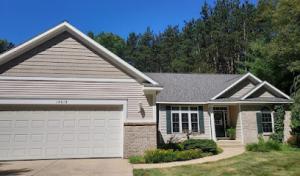
Lakeside Roofing Company
(800) 305-9097 www.lakesideroofingco.com
13015 152nd Ave, Grand Haven, Michigan
4.9 from 74 reviews
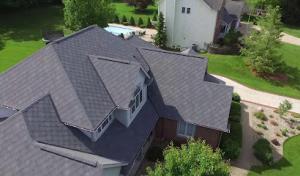
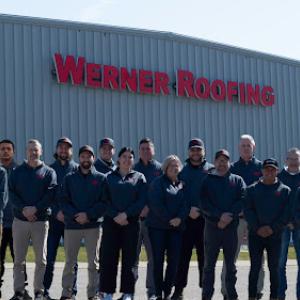
Werner Roofing
(616) 310-4263 wernerroofing.com
13844 172nd Ave, Grand Haven, Michigan
4.9 from 678 reviews
Werner Roofing was founded in 2007 to provide quality roofing, roof repair, and roof replacement to communities along West Michigan’s lakeshore, including Grand Haven, Spring Lake, Ferrysburg, Norton Shores, Muskegon, and Holland. With more than 34 years of experience as a roofing contractor, owner Kris Werner takes pride in the company’s “no-pressure” approach when working with homeowners, whether it be fixing leaks, repairing gutters, or installing new Roofing and Siding. Werner Roofing has grown over the years and now services the entire Lake Michigan Lakeshore, Greater Grand Rapids, and the Mid-Michigan Lansing area.

Legacy Roofing & Restorations
(616) 414-5124 legacyroofinggr.com
400 Jackson St, Grand Haven, Michigan
5.0 from 43 reviews
At Legacy Roofing & Restorations, we know trust matters. We are a family based company with over 4 generations of contracting experience and always make sure to put your needs first while keeping your budget in mind. We use the latest technology and methods to make sure every part of the process is painless and efficient. We service all of West Michigan. From roof repair to roof replacement, siding, window replacement and installation, to deck building, and home remodeling, we have you covered.
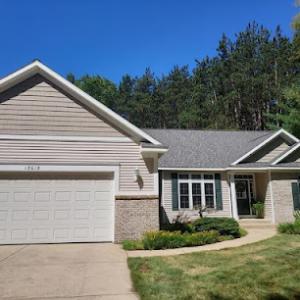
Lakeside Roofing Company
(800) 305-9097 www.lakesideroofingco.com
13015 152nd Ave, Grand Haven, Michigan
4.9 from 74 reviews
Lakeside Roofing Company is your trusted local roofing contractor in Grand Haven, MI, specializing in new or replacement residential/commercial shingled or metal roofs. Our team is dedicated to treating your roof and home as our own, ensuring professional and satisfying results. With various roofing packages tailored to your needs and budget, we are committed to delivering top-quality service. Contact our professionals for a FREE quote today, and let Lakeside Roofing Company take care of your next roofing project.
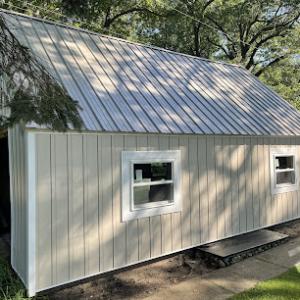
Blue Star Exterior Renovations
(616) 843-3060 bluestarextren.com
601 S Beacon Blvd #103, Grand Haven, Michigan
4.2 from 26 reviews
We are a family owned, fully licensed and insured contractor in the State of Michigan. Specializing in asphalt roofing, metal roofing, siding installation, window installation, and deck builds.
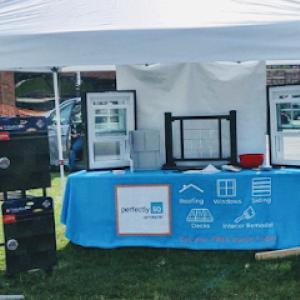
Perfectly SQ Exteriors
(616) 414-5199 www.perfectlysq.net
16722 Robbins Rd, Grand Haven, Michigan
3.7 from 93 reviews
At Perfectly SQ Exteriors we have the ability to complete a wide variety of home repair and renovation projects for your West Michigan home. No need for multiple contractors when you hire us! We can handle all of your exterior projects such as roofing, siding, gutters & windows. All with a satisfaction guarantee. We offer free estimates, so let’s set someone up to come and take a look at that project you need done!
Action Roofing & Sheet Metal
740 Taylor Ave, Grand Haven, Michigan
4.2 from 5 reviews
Professional Commercial Roofing in West Michigan - We specialize in high-quality commercial flat roofing systems throughout West Michigan. From new installations to repairs and maintenance, our experienced team delivers durable, energy-efficient solutions designed to protect your property and investment. With a commitment to reliability, safety, and superior workmanship, we’re the roofing partner businesses trust.
AAA Roofing
(616) 935-5722 www.facebook.com
Serving
5.0 from 5 reviews
Welcome to AAA Roofing, your premier choice for quality roofing services. With unmatched expertise and a commitment to excellence, we provide top-notch roofing solutions for residential and commercial properties. Our skilled team is dedicated to delivering durable, reliable, and aesthetically pleasing roofing systems tailored to meet your specific needs. Whether you require roof installation, repair, or maintenance, trust AAA Roofing for superior craftsmanship and exceptional customer service. Contact us today for all your roofing needs!
Fisher Exterior Solutions
(616) 291-4216 fisherexterior.com
Serving
5.0 from 37 reviews
Experienced, Licensed Residential Builder, Insured and Certainteed Shingle Master Certified. Local, Family Owned and Professionally Managed. We focus on your home's exterior, replacing roofs, siding, windows and decks in the greater Grand Rapids area. Keeping you warm and dry and delivering a superior product. When it comes to roofing in Grand Rapids, Holland and Muskegon we offer one of the best warranties in the industry, a non-prorated, no dollar limit 50 year warranty backed by Certainteed, the largest home improvement manufacturer in North America. Whether we are replacing your roof, siding, windows, deck or all of the above, we will work with you to meet deadlines and coordinate with other related projects.
Sherriff Goslin Roofing Muskegon
(231) 798-7772 www.sherriffgoslin.com
Serving
4.7 from 70 reviews
Established in 1906, Sherriff Goslin Roofing Muskegon, a reputable roofing contractor serving the Muskegon, Norton Shores, and Grand Haven areas, boasts over a century of experience in providing high-quality roofing solutions for residential properties, farm structures, and religious institutions. They maintain an Atlas Pro® Diamond Level Contractor status, ensuring adherence to the highest industry standards. Renowned for their exceptional customer service, Sherriff Goslin Roofing offers comprehensive expertise, from free roof inspections to professional roof repairs and top-notch replacements, delivering unparalleled value and peace of mind to homeowners.
Tri Cities Roofing & Siding
(616) 846-3141 www.tricitiesrs.co
Serving
5.0 from 4 reviews
A family-owned roofing and siding company that has been serving the Tri Cities and surrounding areas since 2002.
High Point Roofing & Construction
(231) 343-7369 highpointroofingmi.com
Serving
4.7 from 55 reviews
A High Point Roofing and Construction, We bring 25 years of hands-on experience to every project. Proudly serving Muskegon and surrounding areas, we specialize in roofing, siding, window installation and general construction. with a focus on quality,speed, and customer satisfaction, our team delivers reliable results that last. We're GAF-certified, ensuring top-tier materials and craftsmanship you can trust. Whether it's full remodel or a single repair, we're here to get the job done right-on time and on budget.
Shoreline Roofing & Gutters
(231) 331-2311 shorelinerestorationllc.com
Serving
4.9 from 65 reviews
Shoreline Roofing and Gutters in Muskegon, MI provides expert roof replacement services designed to protect homes from the area’s tough lake-effect snow, high winds, and heavy rainfall. Our team specializes in replacing aging or storm-damaged roofs with durable solutions that improve safety, efficiency, and curb appeal. We understand the unique challenges Muskegon homeowners face with constant exposure to moisture and fluctuating weather, and we tailor our work to meet those needs. Known for skilled craftsmanship and dependable service, Shoreline Roofing and Gutters is a team of experienced roofers trusted by local homeowners for quality results.
Late spring through early fall is typically the preferred reroof window in Grand Haven because winter snow, spring moisture, and autumn wind can all disrupt tear-off and dry-in. That means planning for a slate of calm days where tarps can hold, roofing crews can work steadily, and crews can move through spaces without battling lake-front gusts. When the calendar clears after May storms and before the first hard fall fronts, that window usually stays open long enough to complete a full tear-off, dry-in, and inspection without the weather-influenced back-and-forth that follows a Lake Michigan winter.
Hitting the site during this window requires a practical sequencing approach. Start with a thorough deck inspection once snow is fully gone and the ground is dry. Look for cupping, soft spots, or mushrooming edges that signal moisture intrusion from late-season freezes or spring melt. If decking shows moisture issues, arrange for treatment or replacement before the new underlayment goes down. The goal is to minimize downtime caused by unexpected rot or warped sheathing once the metal or shingles start their back-to-back installation cycle.
Spring rains and fluctuating temperatures locally increase the risk of exposing decking to moisture during replacement. Schedule the tear-off to begin after a stretch of dry weather has settled in, and have a realistic plan for rapid rain-catch mitigation if a sudden shower appears. Use breathable underlayment and ensure proper ventilation during dry-in so that any residual moisture can escape without accelerating mold or wood decay. In practice, this means coordinating with crews to avoid days that swing from damp to hot, which can trap moisture inside the attic and under the new roof system.
Summer humidity and storms in this Lake Michigan climate can affect installation pace and material handling even during the busiest roofing season. Sun exposure can soften certain synthetic underlayments, while strong afternoon storms require quick deck protection and secure staging for sensitive materials. Plan for additional daytime buffer in the schedule to accommodate wind-driven debris checks, tarp adjustments, and temporary storm crews if a sudden squall moves through. Communication with the roofer about daily weather expectations helps prevent delays and keeps the project on track without compromising safety.
If a late-spring or early-fall storm rolls through, consider postponing nonessential phases of the project, like finishing touches or noncritical tear-back work, until conditions stabilize. The goal is to complete a thorough dry-in during the favorable portion of the window, then finish any surrounding tasks during the shoulder periods when weather becomes more unpredictable but temperatures remain manageable. Planning with local microclimate awareness-especially the lake-modulated humidity and fall winds-reduces risk of moisture-related setbacks and keeps the reroof on a solid, schedule-friendly path.
Get a clear picture of your project costs upfront - no commitment required.
Lakeside Roofing Company
(800) 305-9097 www.lakesideroofingco.com
13015 152nd Ave, Grand Haven, Michigan
4.9 from 74 reviews
In Grand Haven, asphalt shingles and metal roofing are the most practical dominant materials for everyday homes. Asphalt shingle systems handle the lake-modulated humidity and freeze-thaw cycles reasonably well when paired with a solid underlayment and proper attic ventilation. Metal roofs provide excellent snow shedding and wind resistance, which helps during strong fall gusts and winter storms. When choosing between these two, consider the ease of repair, the available local trades, and your existing roof geometry, since simple, straight runs tend to keep labor and material management straightforward in this shoreline climate.
Clay and concrete tiles can be found on a few houses, but they are harder to justify in a cold, snow-load climate. These materials are heavier, and their performance hinges on a robust structure and precise fastening to resist freeze-thaw-induced stress. In the snow belt along the lakeshore, tile roofs demand careful load calculations, strong decks, and meticulous waterproofing at penetrations. If a home already has the structure to support tile, choose high-quality underlayment and ensure close attention to attic ventilation and insulation to limit moisture buildup and ice dam risks.
Wood shingles and shakes bring a distinct look that suits many older or craftsman-style homes, yet the humid lakeshore environment demands closer attention to moisture exposure and long-term weathering. Regular inspection for cupping, splitting, and surface mold is essential, and more frequent maintenance cycles are common in Grand Haven's climate. If you opt for wood, prioritize treated or naturally durable species, a quality sealant or stain, and a preventive maintenance plan to slow moisture-driven degradation and keep the roof sealing tight through freeze-thaw cycles.
Synthetic and composite shingles can appeal when looking for the look of specialty materials with less moisture sensitivity than natural wood. They tend to perform more consistently in fluctuating temperatures and damp conditions, offering stability against ice-dam formation with appropriate underlayment. If you want the visual variety of higher-end options while leaning into the lakeshore moisture realities, these materials can be a balanced compromise, especially for homes with complex rooflines or varying pitches.
In this lakeshore climate, the typical per-square costs line up with asphalt shingles from about $350 to $600, metal from $700 to $1100, clay tile $900 to $1500, concrete tile $800 to $1300, wood shingles or shakes $500 to $900, and synthetic or composite shingles $450 to $900. Those figures reflect actual bids folks see when they're replacing after harsh winters and the lake winds that whip off the water. If a tear-off reveals compromised decking, expect the cost to creep up-especially after freeze-thaw cycles that damage boards once the old roof is ripped away. That extra deck work can push a project into the next price tier, so budgeting a contingency for decking is prudent.
The lake effect changes the game for moisture management. Freeze-thaw cycles make ice dams more likely, and that can hide moisture issues until the roof is torn back to the decking. When that happens, structural wood and fascia may show rot or warping, which means more labor and material costs than a straightforward overlay. You'll want a contractor who notes decking integrity during the tear-off and who forecasts any plywood or sheathing replacements before shingles go back on. In practice, this means a higher per-square cost if more decking replacement is needed, but it also saves headaches down the line by preventing a premature failure.
Weather patterns near the lakeshore shape project timing. After wind events or storms, scheduling tightens as crews fill slots in late spring to early fall-the window homeowners prefer for reroofing. If you're aiming to avoid delays, line up a bid before the peak season and be ready to secure a firm start date. Short notice after a blowout can push timelines and, occasionally, labor costs, so plan ahead and coordinate with neighboring homes that are likely to be reroofing in the same stretch.
Start with the local price ranges, then add a cushion for potential decking work and the likelihood of a spring-to-fall start. If you're replacing asphalt shingles, expect a straightforward timeline and predictable material costs, while metal, tile, or synthetic options can differ more dramatically with the chosen profile and underlayment needs. By accounting for ice-dam protection, moisture barriers, and venting upgrades, you'll reduce the risk of repeat issues-an especially valuable approach on a Lake Michigan shoreline.
Don't let upfront costs delay a critical repair - these contractors offer payment plans to fit your budget.
Werner Roofing
(616) 310-4263 wernerroofing.com
13844 172nd Ave, Grand Haven, Michigan
4.9 from 678 reviews
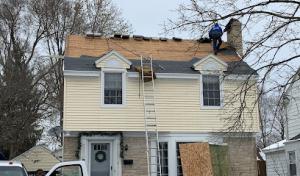
Reroof projects in Grand Haven typically require a building permit through the City of Grand Haven. Before any shingle, tile, or metal work starts, you should verify project scope with the building department to avoid delays or penalties. The permit process emphasizes safety and local climate considerations, so expect questions about wind exposure and ice-dam protection. Applying early helps align your timeline with the city's review and reduces the risk of rework once the roof is partly done.
The local process generally includes submitting project details such as the type of roofing material, roof area, and any structural changes. For larger or more complex roof projects, the city can perform a short plan review to ensure compliance with local code expectations tied to wind exposure and moisture control. Be prepared to provide diagrams or simple sketches showing rafter spacing, underlayment type, and attic ventilation details. A licensed contractor can help translate these requirements into a clear submission, which minimizes back-and-forth during the review.
Inspections are scheduled during and after the work to confirm proper installation and adherence to safety standards. Expect an initial inspection after framing or underlayment is in place, followed by a final inspection once shingles or other roofing material are installed. The city may require documentation that ice-dam protection measures meet code, especially given the lake-influenced freeze-thaw cycles. If the project deviates from approved plans, see it corrected before proceeding, as noncompliance can trigger rework, extra permits, or halted work.
Hail, wind, and the freeze-thaw cycles driven by Lake Michigan's shoreline shape the insurance reality for homeowners in this area. The drama of a typical Grand Haven winter can mean ice dams one year, rapid moisture intrusion the next, and insurers watching the roof more closely than ever. Carriers commonly require clear documentation of damage before approving a payout, including well-lit photos from multiple angles and a professional assessment that identifies the source and extent of failure. In practical terms, that means you should expect a thorough, methodical process rather than a quick check.
When an issue appears, the window for timely documentation is narrow, especially after storms. You will likely be asked for dated photos showing how the damage began and progressed, plus notes from a licensed contractor or a roofing professional who can distinguish wear from storm-driven harm. Keep a dated record of any temporary fixes you implement to mitigate leaks, as insurers may want to see what was done to stabilize the roof before the claim was filed. The more precise and professional the submission, the better the chance of a smooth payout.
The established housing stock near the lakeshore faces unique risk factors, and some insurers have tightened underwriting for older roofs or certain materials. In a city with frequent freeze-thaw cycles, that means attention to long-term moisture management becomes part of the policy conversation. If a claim arises, expect insurers to scrutinize the roof's age, maintenance history, and how ice dams were addressed. Preparedness with documentation and professional input can influence outcomes more than in many inland markets.
Start with a candid inspection after severe weather, focusing on gutters, flashing, and the attic space for signs of moisture intrusion. Photograph winter damage patterns and any sagging or curling edges. Have a trusted local roofer evaluate diagnostic indicators like ice dam formation potential and ventilation adequacy. Building a concise, professional file now helps avoid delays later when a claim arrives.
Grand Haven's moisture-heavy seasonal swings make low-slope drainage details more consequential than on simple steep-slope roofs. If your roof has a low-slope wing or added dormers, inspect for surface ponding after storms and during spring thaws. Focus on the transition where low-slope runs meet higher-slope joints. Look for debris that clogs scuppers or interior gutters, and ensure underflashing beneath the membrane remains continuous along the edge. In practice, keep cap flashing tight against the roof deck and seal any lift with a compatible, weather-ready sealant. During heavy lake winds, wind-driven rain can back up at the eave joints; test with a hose to simulate runoff and catch leaks early.
Freeze-thaw cycling in this area can widen small failures around skylight flashing and curb details over time. Start with the perimeter seal around the skylight flange; if you see hairline cracks or dried caulk, replace with a high-performance sealant rated for exterior use and freeze-thaw cycles. Inspect curb corners for hairline gaps where water can seep in behind the curb. Re-flash or re-seat skylight units if flashing is loose or deteriorated, paying close attention to any metal edge that could corrode and lift water away from the curb. Remember that even a minor misalignment here becomes a big leak path after a few thaw-freeze cycles.
Homes and additions with mixed rooflines are more vulnerable during spring rains when local replacement projects already face elevated moisture risk. Check step-flashing where differing roof angles meet, as well as the transition at the intersection of the low-slope wing with steeper surfaces. Ensure continuous sealant lines and proper drips to keep water from migrating into the interior at these junctions. If repairs are needed, address them promptly, prioritizing any area where membranes or metal edging show punctures or lifting. Consistent maintenance now keeps longer-term damage from taking hold during the wet spring window.
Find specialists in TPO, EPDM, and built-up flat roofing systems for residential and commercial properties.
Action Roofing & Sheet Metal
740 Taylor Ave, Grand Haven, Michigan
4.2 from 5 reviews
In this lakeside market, homeowners typically replace roofs rather than install specialty new-build systems. When you scan the landscape, you'll notice reroofing projects far outpace fresh installations, and that pattern shapes how you evaluate bids. Look for contractors who demonstrate steady, repeat work with existing homes that share your style-gable and asphalt-dominated roofs, modest dormers, and mid-century to newer Cape Cod silhouettes. If a company emphasizes maintenance-only services or tricky, one-off installations, tread carefully: the local demand has trained crews to handle full replacements efficiently, with emphasis on proper underlayment, ventilation, and wind-rated materials that thrive in lake-mueled cycles.
Weather exposure and erratic autumn winds mean job-site management matters more here than in inland markets. Prioritize firms that commit to end-of-day cleanup plans, tarps over exposed areas, and a documented procedure for protecting landscaping and driveways during a project. Ask for a detailed response window for storm-related call-backs and for after-hours communication during a replacement project. A reliable contractor will outline staging areas that minimize debris tracking into yards and will specify containment strategies for dust and shingle fragments, especially if you have a shoreline breeze bringing particles toward living spaces.
Local firms often read like a neighborhood résumé: long-established, family-owned businesses sit alongside manufacturer-certified crews. In practice, this means you should seek verifiable tenure, third-party manufacturer certifications, and clear warranties with terms you can reference after a harsh season. Request worker credentials, a published safety plan, and a point person for each phase of the project. Conversations should touch on ice-dam resistance strategies, moisture management, and how the team plans to protect soffits, fascia, and vents in winter-ready conditions. A neighborhood-oriented estimator who can walk your roof and point to local climate performance will feel especially reassuring.