
Last updated: Apr 19, 2026
Southwest Michigan sees periodic hail and wind events that drive roof-related insurance claims in Kalamazoo. A single hailstorm can leave dimpling on shingles, loosennning of edges, or granule loss that silently accelerates wear. Wind gusts rip at flashing, ridge cap seals, and vent boot connections, creating small, sneaky entry points that leak after every thaw. If your attic breathes in the winter and your ceiling shows a new drip after a storm, that is a red flag you cannot ignore. When truth meets storm season, fast action matters: file the claim promptly, document bouncing granules and lifted edges, and arrange a professional roof inspection while you still have daylight and safe access. Delays compound damage and can shift a simple repair into a full replacement decision.
Kalamazoo winters bring snow accumulation followed by freeze-thaw cycling that can worsen shingle edge lift, flashing movement, and leak development. Water that seeps into micro-gaps freezes, expands, and pries apart fasteners and sealants. The result is progressive edge lift that becomes a wind catch, curling, cracking, and accelerated granule loss. Flashing around chimneys, stacks, and skylights is particularly vulnerable as moisture wicks into fastener patterns and underlayment. After a bitter stretch, a seemingly minor tremor or heavy rainfall can reveal a larger leak, especially along eaves and rake edges where snowmelt concentrates. Regular, careful inspection after storms and seasonal checks for lift or loose flashing help you catch problems before they cascade.
Replacement and major repair work is typically concentrated from late spring through fall because winter conditions complicate tear-off, sealing, and scheduling. In practice, that means if you suspect widespread damage-from granule loss, severe edge lift, or multiple leaks-arranging assessments and potential replacements in the warmer months is your best strategy. Snow-free access, reliable temperatures for adhesive and sealant curing, and shorter daylight windows speed up workmanship and reduce the risk of weather-driven delays. If an insurer signs off on a claim for substantial damage, coordinate with the roofing contractor to optimize timing so you aren't forced into a rushed, mid-winter tear-off when ice and cold hinder safe removal and proper resealing.
Act quickly if you notice new leaks or significant edge lift after a storm. Start with a no-pressure exterior inspection to identify obvious problem areas: loose asphalt granules, lifted edges, or bubbling around flashing. Document with photos, especially where wind-blown debris has impacted the roof and near penetrations. Schedule a qualified roofer for a thorough inspection, focusing on underlayment integrity and flashing movement. If you have an active insurance claim, keep detailed records and align the timeline with your contractor's availability to avoid overlap with winter scheduling pressure. Prioritize addressing issues that threaten interior water intrusion, but be mindful that some repairs may be staged to fit the late-spring-to-fall window while preserving the roof's long-term performance.

Three Brothers Roofing Kalamazoo
(269) 341-3077 threebrothersroofingkalamazoo.com
2017 N Burdick St, Kalamazoo, Michigan
5.0 from 86 reviews
Established in 1998, Three Brothers Roofing is a family-owned and operated Kalamazoo roofing company specializing in residential roofing projects. We provide a variety of services including new roof installation, and storm damage repair. Our team is committed to providing friendly customer service and high-quality workmanship, ensuring your roof is reliable and secure. We are a long-standing roofing contractor in Kalamazoo that is a family owned business. We strive for friendly customer service when offering new roof installations, storm damage estimates, roofing insurance claims, and shingle replacements. We offer free estimates on all types of roofs, and stand behind our work With an unbeatable lifetime warranty.
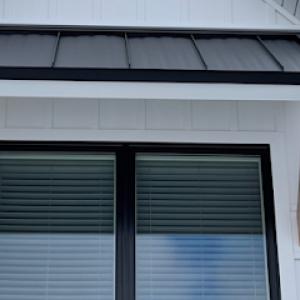
Character Exteriors
(269) 569-6105 www.characterexteriors.com
3414 Lovers Ln, Kalamazoo, Michigan
5.0 from 143 reviews
Character Exteriors is a local roofing & residential exteriors contractor in Kalamazoo, Michigan. We provide roofing, siding, windows & Valor gutter guard installation services in West Michigan. Our company is focused on providing quality and a positive customer experience for your next project or service. We believe in working with quality focused manufacturers who provide extended warranties to provide long term value and protection for your home project. Contact our company today or visit our website for more information or to schedule a project review. Our team of experienced installers and project consultants will review options and materials to provide the best result for your project. Do everything with Character.

Advantage Roofing & Exteriors
(269) 372-1691 www.advantageroofingandexteriors.com
4266 Ravine Rd, Kalamazoo, Michigan
4.9 from 713 reviews
Advantage Roofing & Exteriors is a fully licensed and insured home improvement contractor serving the West and Southwest Michigan areas. In addition to roofing, Advantage also installs siding, windows, doors, gutters, insulation and decks. Jellyfish Lighting for exterior holiday lighting as well as accent and securtiy lighting. Since the company was started by Tim Brown in 1999, Advantage Roofing & Exteriors has completed thousands of projects that make homes safer and more beautiful.

Premier Roofing & Exteriors
(269) 266-8365 www.exteriorsbypremier.com
1901 Parkview Ave suite 4a, Kalamazoo, Michigan
4.9 from 88 reviews
Established in 2006, Premier Roofing & Exteriors is a trusted Kalamazoo and Western Michigan area company specializing in comprehensive home exterior renovations. As a locally owned and trusted contractor, their licensed technicians provide residential and commercial customers with roof repair and replacement services, siding and window installation, and gutter systems. Premier prioritizes honest communication and offers no-pressure inspections and estimates on all roofing, window, siding, and gutter projects. They’ve completed thousands of projects and have an A+ rating with the Better Business Bureau. Read their hundreds of 5-star reviews to see why they are Kalamazoo's #1 home exterior contractor.
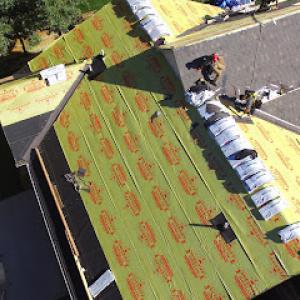
Sherriff Goslin Roofing Kalamazoo
(269) 342-0153 www.sherriffgoslin.com
3905 Vanrick Dr, Kalamazoo, Michigan
4.9 from 117 reviews
With over a century of experience, Sherriff Goslin Roofing Kalamazoo has earned its reputation as one of the region's most esteemed roofing contractors. Specialized in both residential and commercial roofing projects, they offer a comprehensive range of services including roof inspections, repairs, and high-quality roofing systems, all backed by an industry-leading 10-year free service guarantee. As an Atlas Pro® Diamond Level Contractor, their unwavering commitment to integrity, safety, and quality shines through in every project they undertake, ensuring that their customers enjoy a seamless and satisfying roofing experience from start to finish.
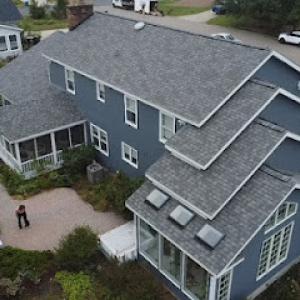
United Roofing & General Contractors
(888) 863-8858 www.unitedroofers.co
141 E Michigan Ave Suite 201, Kalamazoo, Michigan
4.9 from 105 reviews
We are a trusted Roofing and General Contracting company serving currently Michigan, Indiana, Illinois, and Texas. We specialize in residential, commercial, and multifamily roofing, along with a full range of general contracting services. Whether you're dealing with storm damage or planning an upgrade, our experienced team is here to help every step of the way. Let us take care of your next project with quality and professionalism you can count on.
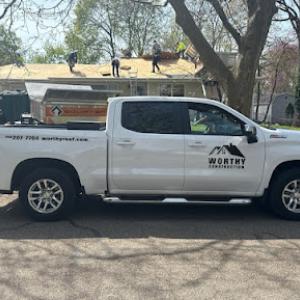
Worthy Construction
606 Bryant St, Kalamazoo, Michigan
4.9 from 62 reviews
Worthy Construction is a trusted roofing and exterior services company based in Kalamazoo, MI, serving all of Southwest Michigan. We specialize in residential roofing repair, replacement, and inspections, including steel, metal, and flat roofs. Our exterior services include window installation, siding, gutter installation and repair, and attic insulation to improve your home’s comfort and efficiency. Available 24/7 for storm damage and emergency roofing such as roof tarping and ice dam removal, our licensed experts bring over 10 years of experience and a commitment to quality workmanship. Proudly one of the best-rated contractors in the area, we provide affordable, reliable solutions for all your roofing and exterior needs. Call now!
Vanbecks Roofing & Siding
(269) 381-5870 www.vanbecks.com
1121 King Hwy, Kalamazoo, Michigan
4.9 from 95 reviews
We specialize in enhancing the curb appeal and functionality of homes and businesses through comprehensive exterior improvement services. Services include commercial and residential flat and shingle roofing, siding, windows, doors, gutters. Emergency repairs and insurance work specialists. For 45 years VANBECKS have been providing Kalamazoo, Portage, Richland, Battle Creek and surrounding areas the highest quality in customer service. Our family tradition has been working for your family for three generations. We strive to deliver the highest quality materials and workmanship for you, at the lowest reasonable price, on time. Customer satisfaction is our commitment we stand by. Find us as a Roofing and siding company near me. Thank you!
Dynasty Home Exteriors - Kalamazoo
(269) 285-0522 dynastyhomeexteriors.com
Kalamazoo, Michigan
4.8 from 18 reviews
"Expert Roofing Services in Southwest Michigan: Specializing in top-quality roofing, deck installations, and gutter solutions. Based in Kalamazoo and serving the surrounding areas, our skilled team is dedicated to delivering exceptional craftsmanship and reliable service. We combine years of industry experience with the latest techniques to ensure your home is not just beautiful but also weather-resistant and durable. Trust us for all your roofing needs - from minor repairs to complete installations. Contact us for a free estimate and experience unmatched professionalism in transforming your home. Your local choice for dependable roofing, decks, and gutters."

Diversified Services
(269) 999-7663 www.roofingmichigan.com
3738 E Main St, Kalamazoo, Michigan
5.0 from 9 reviews
At Diversified Services, we firmly believe that a strong roofing business is built on the foundation of hard work, integrity, and a philosophy of continuous improvement. Employee safety and respect are of the utmost importance at Diversified Services. We stand behind our commitment to provide top-quality roofing installations, repairs, and customer service. Since 1988, we have installed hundreds of FLAT commercial, industrial, and residential shingled roofs. We specialize in re-roofing and roof repairs on all types of commercial structures. When you're looking for a commercial roof maintenance company, call Diversified Services.
Mills Siding & Roofing
(269) 520-7401 millssidingandroofing.com
251 N Rose St, Kalamazoo, Michigan
4.7 from 14 reviews
Mills Siding and Roofing is Michigan’s premiere wind damage and hail damage recovery company. Severe storms put homeowners and building owners into the unfamiliar and potentially adversarial situation of dealing with insurance companies. We successfully advocate on behalf of homeowners every day with insurance companies. Getting insurance coverage approval is only the first step however. We take great pride in the quality of work and on-going service we provide in restoring your property.
Precision Roofing
(269) 217-8773 www.precisionroofingkalamazoo.com
2836 W Main St Suite A, Kalamazoo, Michigan
4.7 from 13 reviews
Here at Precision Roofing, we offer services in Roofing, Siding, Gutters, Windows, and Doors. We install CertainTeed and GAF shingles, Napco and CertainTeed Siding, Pella, Therma Tru, and Larson Windows and doors. We also offer home maintenance services; free up your days off by having us take care of your honey do list; for example we offer gutter cleaning services. We have been offering our services to the Greater Kalamazoo area for almost two decades. Whether you are in need of a complete roof replacement or just in need of a roof repair give us a call to schedule your estimate today. We understand that every home is different; we look at every project individually to assure that everything comes together with Precision.
Asphalt shingles remain the dominant local material because they align with the common pitched roof styles found on many Kalamazoo homes and they're well suited to the weather cycle, including late-walling snowpack followed by rapid thaw and spring hail. Their straightforward installation and wide availability make re-roofing after storm wear a practical choice for neighborhoods with a lot of conventional residential stock. When evaluating asphalt, consider thicker "3-tab" versus architectural profiles for better wind resistance and hail performance. In this climate, a good edge seal and proper attic ventilation help prolong life between storms, and recurring maintenance after the worst winter seasons can save material fatigue later on.
Metal has a meaningful local presence and is often considered by homeowners aiming for improved snow shedding and durability through repeated winter weather cycles. The faster shedding of snow reduces ice dam risks and can translate into fewer freeze-thaw cycles impacting the roof deck. Metal panels or long-lasting standing-seam options can pair well with many existing roof shapes in Kalamazoo, but note that the wind-driven gusts and hail can stress fasteners. A metal roof may require careful flashing details around chimneys, vents, and rooftop edges to maintain a weather-tight seal during severe spring storms.
Clay tile and slate are available in the market, but these options bring substantial weight and require structural checks before installation. In Kalamazoo's climate, their longevity is attractive, especially if the home's framing and attic structure can handle the load. However, the added mass can influence roof slope, truss spacing, and plywood deck condition. If a home already has a lighter roof structure, upgrading to tile or slate can trigger more extensive structural work during the planning phase. Expect longer installation timelines and specialized workmanship to ensure proper expansion joints, underlayment compatibility, and secure anchoring against wind uplift.
Synthetic or composite shingles blend the familiar look of asphalt with enhanced impact resistance and flexibility. They perform well in freeze-thaw cycles and can tolerate hail with less immediate cracking compared to some all-organic products. These options often ride a middle line between cost-conscious asphalt and premium materials, offering good wind resistance and a broader selection of profiles that suit Kalamazoo rooflines without significant structural changes.
Fiber cement shingles provide a durable, denser feel with decent hail resistance and a longer service life than basic asphalt in many installations. They resemble wood in appearance but carry less maintenance burden and improved fire resistance. When used on homes with traditional layouts, fiber cement shingles can deliver steady performance through Kalamazoo's seasonal shifts, though curb appeal and color selection should be considered to complement the surrounding neighborhood styles.
When planning a re-roof, realistic budgeting starts with the locally typical installed costs. In this market, asphalt shingles run about $350 to $550 per square, which is a common choice for many older homes with standard rafters. Metal roofs sit in a broader mid-to-upper range, roughly $600 to $1000 per square, reflecting quicker installation and longer service life. If clay tile is on the table, expect $900 to $1600 per square, with notable weight and structural considerations. Synthetic or composite shingles typically run $450 to $800 per square, offering a middle ground between durability and cost. Slate, the premium option, ranges from $1000 to $1800 per square, while fiber cement shingles land around $500 to $750 per square. These ranges reflect typical local material choices across Kalamazoo's housing stock and weather pattern.
Southwest Michigan experiences storm-driven demand spikes after hail events or high-wind episodes. When those events hit, scheduling can tighten quickly and prices may rise as insurers trigger more replacements. The timing matters: a rapid surge in demand can compress lead times and pull longer into the shoulder seasons, so practical planning should include a buffer for project start dates and potential material backorders. In years with a harsh winter followed by a volatile spring, it is not unusual to see temporary price nudges independent of material choice, tied to the urgency of re-roofing after a weather event.
Costs can rise in Kalamazoo when homeowners choose clay tile or slate because the city may require additional structural review for heavier roof systems. Heavier materials demand upgraded framing, possibly new sheathing, and sometimes secondary support, which can add to both material and labor spend. If a storm-damaged roof has existing structural weaknesses, those issues will compound the replacement cost. On the flip side, lighter options like asphalt or synthetic shingles typically avoid major structural changes, but wind and hail resistance should still be weighed against local weather patterns.
Begin with a ballpark from the material you favor, then add a contingency for storm-season scheduling pressures. If insurance involvement is part of the equation, coordinate with the adjuster to align expectations on start dates and scope. For heavier options, obtain a preliminary structural assessment to determine if framing upgrades are needed, so that the final estimate reflects both material and support work.
Get a clear picture of your project costs upfront - no commitment required.

Three Brothers Roofing Kalamazoo
(269) 341-3077 threebrothersroofingkalamazoo.com
2017 N Burdick St, Kalamazoo, Michigan
5.0 from 86 reviews
Character Exteriors
(269) 569-6105 www.characterexteriors.com
3414 Lovers Ln, Kalamazoo, Michigan
5.0 from 143 reviews
Dynasty Home Exteriors - Kalamazoo
(269) 285-0522 dynastyhomeexteriors.com
Kalamazoo, Michigan
4.8 from 18 reviews
In Kalamazoo, a permit is typically required for a full re-roof project. This helps ensure the work meets city code, especially given the region's freeze-thaw cycles and storm-driven wear. The permit process also provides a clear record for insurance claims and future sales. Before any shingles fly, verify that your plan includes a permit from the City of Kalamazoo Building Department. The permit helps align material choices, ventilation, and attachment methods with local expectations and climate realities.
Applications are handled by the City of Kalamazoo Building Department, and the department usually requests details about the roof size, proposed materials, and project timelines. Having a licensed contractor complete the submission can smooth the review, particularly when choosing heavier systems that may alter structural calculations. It is wise to coordinate the timing of your permit with the spring thaw window, so wind, hail, and freeze-thaw stress during the season don't catch you mid-project. Once approved, keep the permit number accessible on-site; city inspectors will reference it during visits.
Inspections occur after the work is performed, with a final inspection required to close the permit. In Kalamazoo, inspections focus on proper underlayment installation, nailing patterns, flashing at valleys and penetrations, and proper venting to manage attic moisture during warmer months. If any deviations are found, the contractor will need to address them before the final clearance is issued. Scheduling the final inspection promptly helps avoid delays in closing the permit and ensures coverage aligns with insurance expectations after a storm-driven replacement.
For heavier systems such as clay tile or slate, expect additional structural review. The Building Department may require engineering confirmation that the existing structure can handle the increased weight, especially on older homes or homes with limited attic support. If a structural assessment is recommended, coordinate with your roofer and a licensed engineer early in the process to prevent surprises during inspections and to keep the project on track through Kalamazoo's seasonal demands.
Kalamazoo homeowners face a periodic hail and wind claim environment, where insurers often request date-stamped photos, scope documentation, and proof of material equivalency. When a storm hits, you want clear records of what existed before and what you believe was damaged after. Take comprehensive photos from multiple angles, note roof age and material, and keep a dated log of all communications and temporary fixes. The more you can show that a storm caused specific damage rather than wear from years of exposure, the smoother the conversation with your insurer can be.
Adjusters may closely review older roofs and the sequence of temporary repairs, inspections, and replacement work after a storm loss. If temporary patches were performed, be ready to explain why they were necessary and how long they stayed in place. In Southwest Michigan, freeze-thaw cycles can complicate assessments, so documentation should include any prior repairs, contractor notes, and independent assessments if available. A well-documented timeline helps prevent questions about preexisting conditions being conflated with storm damage, a common sticking point in busy claim seasons.
State-level policy variation in Michigan can affect claim timing and coverage decisions, making documentation especially important in Kalamazoo storm seasons. Insurance practices shift with regulatory updates and adjuster guidance, so claims can hinge on the precise wording of your policy and the order in which events occurred. Expect questions about the sequence of loss, temporary fixes, inspections, and when full replacement was pursued. Staying organized and timely with documentation reduces exposure to disputes that can delay recovery.
Keep digital and printed copies of every document, including photos and emails, and store them in a dedicated claim folder. If a storm claim is opened, request a written scope and a replacement timeline in lay terms, so you know what is being evaluated and what to expect next. When in doubt, contact your agent for a policy-by-policy clarification and to confirm that your documentation aligns with the insurer's preferred format. The goal is to minimize surprises when a claim advances through the winter-to-spring transition, a period when inspections and decisions tend to spike.
Connect with contractors who help homeowners navigate the claims process from damage assessment to final approval.
Three Brothers Roofing Kalamazoo
(269) 341-3077 threebrothersroofingkalamazoo.com
2017 N Burdick St, Kalamazoo, Michigan
5.0 from 86 reviews
Character Exteriors
(269) 569-6105 www.characterexteriors.com
3414 Lovers Ln, Kalamazoo, Michigan
5.0 from 143 reviews

Advantage Roofing & Exteriors
(269) 372-1691 www.advantageroofingandexteriors.com
4266 Ravine Rd, Kalamazoo, Michigan
4.9 from 713 reviews
Kalamazoo's warm, humid summers can accelerate roof aging and make attic ventilation performance more important after replacement. High humidity drives moisture into attic spaces and can inflate attic temperatures, stressing underlayment and decking. A properly sized ridge or soffit vent system helps cycle air, reduce heat buildup, and curb moisture-related sheathing issues. After a replacement, verify that soffit vents remain clear from summer debris and that attic insulation is not compressed around soffit openings. Consider a simple blower or infrared inspection a year after installation to confirm that radiant heat isn't warping decking or drying out shingle edges prematurely.
Autumn leaf drop can clog drainage paths and trap moisture at roof edges and valleys, especially on homes with mature tree cover common in established neighborhoods. After the leaves begin falling, focus on a monthly sweep of gutters and downspouts, paying close attention to valleys where debris tends to accumulate. Gutter guards can help, but they require periodic maintenance to prevent pinched or sagging sections that reroute water under shingles. At the roof edge, ensure drip edge flashing remains intact and that fascia boards aren't absorbing excess moisture from backed-up gutters. A clean drainage path reduces ice dam risk when temperatures switch.
Seasonal debris and moisture retention can compound winter ice and freeze-thaw problems if gutters and roof drainage are not cleared before cold weather. In late fall, perform a final debris removal pass, inspect sealants around vents, and re-tighten any loose flashings. A proactive approach in Kalamazoo helps guard against moisture-related deterioration during the freeze-thaw cycle that follows the autumn winds.
Kalamazoo's contractor market shows active demand for both flat-roof and skylight work, indicating these are recurring problem areas rather than edge cases. In homes with low-slope sections, the constant exposure to wind-driven rain and lingering moisture can push small leaks into bigger headaches if flashing, seams, or membrane laps are not adequately protected. The signaling signs-soft spots, damp ceiling lines, or musty attic spaces-often emerge after a season of long, cold snaps followed by rapid thaw and storm activity. Recognize that a flat roof isn't simply a single layer of protection; it's a network of details that must cooperate to shed water efficiently.
Freeze-thaw cycling and spring storm exposure can make low-slope transitions and skylight flashing details more failure-prone in this market. Snow sits on the roof and then shifts as temperatures swing, while alternating wind and rain in spring pressurize weak points around penetrations and transitions. Skylight flashing, curb seals, and valley details are common failure points because they are constantly stressed by shifting ice and water movement. A failure here often shows up as a slow drip near the skylight or a damp path along a ceiling seam long before a full-on roof replacement is considered.
These details often need closer inspection after winter and after spring wind-driven rain events in Southwest Michigan. A thorough inspection should look beyond the obvious rust or blistering and focus on how the flashing integrates with the nearby parapets, vents, and edge metal. If flashing shows cracking, lifting, or losing its sealant grip after a harsh season, plan for targeted repairs rather than a full rebuild. Small fixes now can prevent costly surprises when the next freeze-thaw cycle arrives.
Find specialists in TPO, EPDM, and built-up flat roofing systems for residential and commercial properties.
Worthy Construction
606 Bryant St, Kalamazoo, Michigan
4.9 from 62 reviews
Vanbecks Roofing & Siding
(269) 381-5870 www.vanbecks.com
1121 King Hwy, Kalamazoo, Michigan
4.9 from 95 reviews
Diversified Services
(269) 999-7663 www.roofingmichigan.com
3738 E Main St, Kalamazoo, Michigan
5.0 from 9 reviews
Because Kalamazoo has a storm-response roofing market, homeowners should pay attention to how workmanship and manufacturer coverage are documented after insurance-funded replacement. The colder winters, combined with spring hail and wind, can stress roof systems quickly, and a warranty that clearly links workmanship to a specific storm event protects you when wear appears sooner rather than later. Look for language that ties the labor guarantee to the exact roof section replaced and to the original installation date.
Fast-turn re-roofing after regional storm events can make final inspection closeout and paperwork retention especially important for future claims. Demand a detailed, itemized contract that lists roof components, inspection notes, and a stamped workmanship certificate. In practice, that means written confirmations of underlayment, flashing, and sealing work, plus a contractor-signed record of the weather conditions on the installation day. Keep digital scans and print copies of every inspection report, photo set, and warranty document in a single, accessible location.
Local contractor signals show that warranty-backed work is a meaningful differentiator in this market. A reputable company will stand by both the materials and the labor with transferable coverage when possible, and will provide a clear process for filing claims if questions arise after a storm. Be wary of crews that promise speed at the expense of documented guarantees. Ask how long the coverage lasts, what is covered, and how to activate the warranty if a future issue emerges. In this climate, a solid warranty is more than paperwork-it's a practical safeguard for the frequent storm cycles that shape Kalamazoo roofs.