Roofing in Michigan
Last updated: Feb 28, 2026
Here in Michigan, your roof wears the seasons like a badge of honor. Winters bring lake-effect snow that can pile up fast, springs bring thawing cycles that test seals, and summers can push shingles and metal to the limit with heat, humidity, and on-and-off storms. It's not just about weather—it's about how our trees, soil, and urban layout interact with wind, ice dams, and hail. Whether you're in a classic Detroit bungalow, a saltbox in Grand Rapids, or a modern home in Ann Arbor, the best roof for you depends on how these local conditions play with style, budget, and long-term durability. As a neighbor who also happens to install and inspect roofs, I understand the practical realities: you want something reliable, not a constant maintenance headache.
On this Michigan page, you'll find practical, Michigan-focused guidance you can trust. We'll touch on local climate considerations, recommended roofing materials that hold up here, and how popular Michigan styles fit with modern performance. You'll get a sense of typical costs in our markets, what permits or codes may apply, and the common problems we see—from ice dams and wind damage to moss and wear—from Saginaw Bay to the Upper Peninsula. We'll share simple maintenance routines, repair tips, and clear guidance on when it's smarter to repair versus replace. And yes, all advice leans on Michigan conditions and local resources—from suppliers to contractors, and official guidelines.
Beyond the bite-sized tips, this page points you to practical, Michigan-specific resources—local suppliers with names you'll recognize, contractor references, and handy permitting basics that keep projects on track. You'll also find real-world checklists for seasonal upkeep, signals that it's time to call a pro, and cost ranges that reflect Michigan markets rather than national averages.
Think of this as advice from a knowledgeable neighbor who speaks from hands-on experience and professional training, written to help you make confident decisions without guesswork.
With that context in mind, let's start by looking at how Michigan's climate shapes your roof and your maintenance plan.
Local Climate & Its Impact on Roofs
Michigan Climate Snapshot
Michigan swings between deep freezes, heavy snow, and warm/humid summers. Coastal areas endure lake-effect snow and windy conditions, while inland parts may see more temperature swings and mid-winter thaws. The combination of cold weather, freeze-thaw cycles, and intense sun in summer shapes how roofs age here. Because our winters are long and our snow can be heavy, pay close attention to drainage, insulation, and ice management.
- Snow loads and ice dams are common risk factors. Poor drainage or inadequate insulation can push meltwater under shingles.
- Freeze-thaw cycles aggressively test roofing materials and flashing. Repeated freezing and thawing can loosen fasteners and push flashing out of place.
- Wind along lake shores can uplift shingles and expose edges to moisture intrusion.
- Humidity and algae/moss growth are more common in warm, wet summers, potentially reducing shingle life.
- Severe storms, including hail in some seasons, can cause localized damage.
Seasonal Impacts on Roofs
Each season brings its own set of roof challenges. Planning ahead helps you prevent leaks and costly repairs.
- Winter: Snow accumulation on the roof and at eaves, ice dam formation, and wind-driven snow. Ensure adequate attic insulation and venting to reduce meltwater backing up along the soffit line.
- Spring: Freeze-thaw thaw cycles plus spring rains can push water inward if flashing is compromised. Inspect for shingle curling, damaged flashing, and gutter clogs.
- Summer: UV exposure, heat, and humidity accelerate wear on sealants and shingles. Algae or moss may grow on shaded or moist roofs, especially in the southern parts of the state.
- Fall: Leaf debris blocks gutters and downspouts, increasing meltwater retention at the roof edge. Gutter cleaning now prevents ice dam risk later.
Design & Material Considerations for Michigan
Choosing the right materials and details helps your roof resist Michigan's climate.
- Shingles: Look for cold-weather-rated asphalt shingles with good detachment resistance and a solid warranty. Consider architectural shingles for better wind uplift resistance in exposed areas.
- Underlayment and flashing: Install an ice & water shield at eaves and around penetrations (vents, chimneys) to slow water intrusion during freeze-thaw events.
- Ventilation: Ensure proper attic ventilation (soffit intake and ridge or low-profile vents) to maintain a cold roof during winter and reduce condensation in summer.
- Insulation: Aim for attic insulation that meets or exceeds local code; a well-insulated attic reduces heat transfer to the roof deck and minimizes ice dam risk.
- Snow management: In areas with heavy snowfall, snow guards or breaks can help control sliding snow and protect low-slope areas and gutters.
- Drainage and edge details: Proper eaves flashing, drip edging, and gutter systems prevent water from backing up and seeping under shingles.
Maintenance & Inspections
Proactive upkeep saves you from big, costly surprises. Use a simple seasonal routine.
- After heavy snows or storms: check for damaged shingles, lifted edges, and damaged flashing around chimneys and vents.
- Monthly during winter: inspect gutters and downspouts for ice buildup; clear minor debris when safe.
- Spring check: look for signs of ice dam leaks inside the attic or ceilings; inspect attic insulation and ventilation effectiveness.
- Annually or after severe weather: have a roofing pro perform a thorough inspection, focusing on flashing, fasteners, and deck condition.
1) Make a quick visual every few months from ground level.
2) Note any water stains in ceilings or attic spaces.
3) Schedule a professional assessment if you see curling shingles, missing granules, or damaged flashing.
4) Keep gutters free of leaves and debris to ensure proper drainage.
Hazards & Warnings
- Ice dams can cause interior leaks even when snow is light. If you see damp spots on ceilings after a thaw, investigate flashing and insulation first.
- Do not climb on a wet or icy roof; use a professional for roof work in winter conditions.
- Wind uplift can expose edges; check ridge caps and edge fasteners after storms.
- Falling branches during storms pose a risk to shingles and skylights—trim trees away from the house when safe.
Official Resources
- National Weather Service – Detroit:
- NWS Safety – Winter Weather:
Recommended Roofing Materials for Michigan
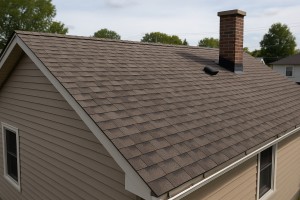
- Asphalt shingles are the most common choice for Michigan homes. Modern architectural shingles offer better curb appeal and longer life than 3-tab options.
- Pros:
- Cost-effective upfront
- Easy to repair and replace individual shingles
- Wide availability and installer familiarity
- Cons:
- Lifespan typically 15–30 years, or longer with premium materials
- Can be vulnerable to hail in certain areas; ensure hail-resistant options
- Performance depends on proper underlayment and ventilation
- Best practice for MI:
- Choose architectural/laminate shingles with 30–50 year warranty
- Look for UL 2218 Class 3–4 impact resistance
- Pair with high-quality underlayment and an ice-and-water shield along eaves and valleys
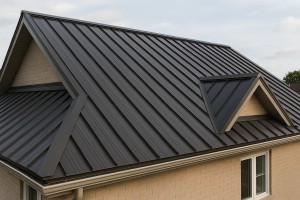
- Metal roofing has grown in popularity in Michigan for its durability and snow-shedding capability.
- Pros:
- Long life (40–70 years) and excellent wind/impact resistance
- Lightweight and energy efficient; can reduce cooling loads in summer
- Low maintenance and fast, clean installs
- Cons:
- Higher upfront cost; requires skilled installation
- Can be noisier in rain without proper attic insulation
- Color fading is possible; some homeowners see chalking on darker finishes over time
- Best practice for MI:
- Use standing-seam panels or ribbed panels with proper flashings
- Install proper ice-and-water shield and good attic ventilation
- Consider snow guards in heavy-snow zones and ensure roof structure supports the weight
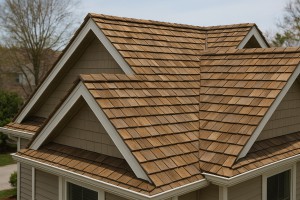
- Wood offers a natural look that works well with certain architectural styles, but MI's moisture and freezing cycles demand maintenance.
- Pros:
- Distinctive curb appeal and good insulation when well maintained
- Can last several decades with proper care
- Cons:
- Higher maintenance: regular cleaning, treatment, and potential refinishing
- Fire risk unless using treated or code-compliant products
- More susceptible to rot, insects, and ice dam issues in damp winters
- Best practice for MI:
- Choose pressure-treated or fire-rated options, or synthetic cedar alternatives
- Ensure proper ventilation, moisture control, and regular inspections
Slate or Synthetic Slate
- Slate is prestigious and extremely durable; synthetic slate provides a lighter, more affordable option.
- Pros:
- Very long life (real slate 60–150+ years; synthetic slate often 50+)
- Excellent fire resistance and wind/impact performance
- Cons:
- Real slate is very heavy and expensive; requires structural assessment
- Synthetic slate can still be pricier than asphalt and metal
- Best practice for MI:
- If going real slate, confirm roof can handle weight and provide solid underlayment
- For synthetic, ensure manufacturer's warranty and proper integration with flashing and underlayment
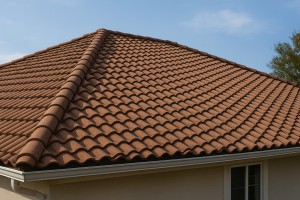
- Tile can be striking and durable, but Michigan winters pose weight and installation considerations.
- Pros:
- Long lifespan and strong fire resistance
- Good insulation properties and weather resistance
- Cons:
- Very heavy; may require structural reinforcement
- Higher cost and more complex installation
- More prone to cracking in freeze-thaw cycles if not installed properly
- Best practice for MI:
- Conduct structural assessment before installation
- Use high-quality underlayment and ensure proper drainage to prevent ice dams
Underlayment, Ventilation, and Ice Dams (MI-specific)
- Underlayment matters as much as the roof material in Michigan's climate.
- Options:
- Synthetic underlayment for durability
- Ice-and-water shield along eaves, valleys, and penetrations
- Ventilation:
- Adequate attic ventilation minimizes warmth-driven melt and ice dam formation
- Combine soffit, ridge, or other venting methods to maintain balanced airflow
- Roof design note:
- Steeper pitches shed snow more effectively; consider this in material choice and installation details
- Avoid overly shallow pitches for heavy snow areas unless using snow-rated materials
Choosing the Right Material: Quick Steps
1. Assess local climate: snow load, ice dam potential, wind exposure.
2. Check structural capacity: can the roof support heavier materials?
3. Compare life expectancy and total cost over time (not just upfront price).
4. Confirm local codes, HOA rules, and warranty requirements.
5. Plan for underlayment and ventilation to maximize performance in Michigan winters.
Popular Roof Styles & Architectural Trends in Michigan
Popular Roof Styles for Michigan Homes
- Gable roofs: Classic, cost-effective, and good for shedding snow. Ensure adequate attic ventilation and sturdy framing to minimize wind uplift in Michigan storms.
- Hip roofs: Durable in high winds and heavy snowfall. More complex to build, but they offer excellent stability and a balanced silhouette for varied MI neighborhoods.
- Dutch gable: Adds architectural interest and extra attic space. Works well with craftsman and colonial-inspired designs when paired with appropriate trim and fascia.
- Shed (lean-to) roofs: Modern, single-slope aesthetics that can optimize solar exposure and rain/runoff. Ideal on contemporary homes or extensions.
- Gambrel roofs: Barn-inspired charm seen on some historic or coastal-adjacent homes. Provides extra attic headroom but is less common in newer Michigan builds.
- Flat or low-slope roofs: Used on modern homes or additions. Require careful membrane selection (EPDM, TPO, BUR) and precise flashing to handle Michigan winters.
Materials Commonly Used Across Michigan Homes
- Asphalt shingles (architectural/dimensional): The workhorse of Michigan roofing—affordable, versatile, and available in performance grades designed for wide temperature swings. Look for 30–50 year warranties and wind resistance suitable for your county.
- Metal roofs (standing seam or modular panels): Longevity, excellent snow shedding, and energy efficiency. Great for steep and low-slope sections alike; more resistant to wind uplift but higher upfront cost. Consider snow guards in regions with heavy lake-effect snow.
- Cedar shakes/shingles: Warm, natural texture that pairs well with traditional and rustic styles. Michigan-ready when properly treated and maintained; require regular inspections for moisture intrusion and pest resistance.
- Slate and engineered stone: Ultra-durable with a timeless look, but heavy and costly. Best on homes with solid structural support and historical styles that call for a premium material.
- Synthetic/composite shakes: Wood-look aesthetics with lower maintenance and better moisture resistance. A solid middle-ground for historical appearance without the upkeep of real wood.
- Low-slope membranes (EPDM, TPO, built-up roofing): Common on modern additions, sunrooms, or flat sections. Choose products rated for local freeze-thaw cycles and ensure proper insulation and drainage.
Architectural Trends Shaping Michigan Roofs
- Energy efficiency and breathability: Higher R-values, radiant barriers, and well-ventilated attics reduce peak cooling and heating loads. In MI, good insulation and attic ventilation are critical year-round.
- Cool roof colors and reflective granules: Lighter shingles or reflective coatings help reduce heat absorption on sunny winters and summers alike, improving comfort and energy bills.
- Solar-ready and mixed-material designs: Many MI homes deploy solar-ready roofs or plan future PV installations. Roof layouts that accommodate racking, unobstructed sun paths, and appropriate wiring pathways are increasingly popular.
- Snow management and drainage: Steeper pitches, overhangs, and metal detailing help with snow shedding. In snowy zones, consider snow guards, ridge vents, and properly pitched gutters to minimize ice dam risk.
- Historic preservation with modern performance: Older Michigan homes often blend period-appropriate materials (like cedar shakes or slate) with modern underlayment, ventilation, and warranty-backed shingles to balance charm with reliability.
- Modern farmhouse and craftsman influences: Exposed rafter tails, dark shingle tones contrasted with light trim, and mixed-material exteriors are common in new builds and remodels.
Practical Tips for Michigan Homeowners
1. Step back and note exposure: Is your home near the lake, a forested area, or urban streets? Wind direction and snow load influence style choice.
2. Compare long-term costs: A cheaper shingle may save upfront but cost more in replacements if you choose lower wind or ice-prone variants.
3. Plan for insulation and ventilation: Ensure the attic has proper ventilation and a continuous underlayment with an ice/water shield at eaves and valleys.
4. Prepare for ice dam prevention: Consider heated cables as an option in areas with consistent ice dam issues, paired with proper insulation and ventilation.
5. Hire a local, licensed roofer: Michigan weather demands installers who understand local codes, wind uplift requirements, and snow-load standards. Confirm references and warranties.
Average Roofing Costs in Michigan
What drives the price in Michigan
Roofing costs in Michigan hinge on several local and project-specific factors. Roof size (in squares), pitch and accessibility, existing roof removal, disposal fees, and permit requirements all push price up or down. Local labor rates vary by city and contractor, and Michigan's climate pushes some upgrades (better underlayment, ventilation, ice-dam prevention) that add value but also cost. Weather windows and seasonal scheduling can influence both timing and price.
Common roof types in Michigan and typical installed costs
- Asphalt shingles (3-tab): installed $3.50–$6.50 per sq ft ($350–$650 per 1,000 sq ft or per “square” of 100 sq ft). Budget-friendly and widely used on Michigan ranches and colonials.
- Architectural asphalt shingles: installed $4.50–$7.50 per sq ft ($450–$750 per square). Slightly more durable and dimensional look; common for mid- to high-end homes.
- Metal roofing: installed $8–$14 per sq ft ($800–$1,400 per square). Long-lasting, good for snow shed and energy efficiency; popular on modern or drought-resistant designs.
- Wood shingles/shakes: installed $6–$9 per sq ft ($600–$900 per square). Distinctive curb appeal; needs maintenance and proper ventilation.
- Slate: installed $12–$25 per sq ft ($1,200–$2,500 per square). Premium option with exceptional longevity; weight and structural checks are essential.
- Clay/Concrete tile: installed $10–$18 per sq ft ($1,000–$1,800 per square). Durable and distinctive, but heavier and less common in some Michigan neighborhoods.
- Flat roofs (EPDM, TPO, modified bitumen): installed $5–$9 per sq ft ($500–$900 per square). Common on additions, commercial-adjacent homes, or modern designs; expect edge detailing and flashing costs.
Size, pitch, and complexity
- Low-slope vs steep pitch: Steeper roofs require more safety measures and labor, driving up the price 10–30% above a similar flat roof.
- Roof geometry: Hip roofs, multiple valleys, dormers, and skylights add seams, flashing, and labor time.
- Existing roof removal: Full tear-offs add material disposal fees and waste handling costs (often $300–$1,000+ depending on the roof size and tear-off complexity).
- Access and obstacles: Limited driveway space, trees, or tight yards increase setup time and safety measures.
Local climate considerations that affect cost
- Ice dam prevention and insulation: Michigan winters push some projects to include better attic ventilation, upgraded underlayment, and ice-and-water shield along eaves and valleys.
- Snow load design: In areas with heavy snowfall, contractors may specify higher-rated shingles or additional ventilation and roof venting, adding to material and labor costs.
- Seasonal scheduling: Spring and fall windows are common; off-season work can be pricier due to limited crews or supply chain variability.
Permits, disposal, and warranties
- Permits: City or township permits can range from $50 to several hundred dollars, depending on locality and project scope.
- Disposal: Shingle tear-off and debris disposal fees vary by municipality and landfill/wrecker charges; some crews include disposal in the per-square price, others itemize it.
- Warranties: Material warranties vary by product line (color, granule loss, corrosion resistance). Labor warranties often range from 5–10 years, depending on contractor policy.
Quick estimation guide (typical projects)
1) Determine roof size in squares (1 square = 100 sq ft).
2) Pick material type (asphalt, metal, etc.).
3) Assess pitch and complexity (stairs, scaffolding needs, multiple dormers).
4) Add in tear-off, disposal, and permit costs.
- Small to mid-range home (roughly 1,000–1,500 sq ft of roofing) with asphalt shingles: expect about $3,500–$9,000 for basic upgrades, more for architectural shingles.
- Medium home (2,000–2,500 sq ft): asphalt installed roughly $7,000–$15,000; metal could run higher, $12,000–$25,000 depending on profile.
- Large or complex roof with premium materials: asphalt $12,000–$30,000+, metal $18,000–$40,000+, slate well over $30,000 and up, depending on thickness and support.
Local price modifiers to watch
- Neighborhood trends: suburban Michigan neighborhoods with newer homes often see competitive asphalt pricing; urban or higher-end neighborhoods may push toward premium materials.
- Contractor selection: choosing a reputable, insured, local roofer who understands Michigan weather can save money long-term through fewer callbacks and better performance.
Scheduling considerations in Michigan
- Plan for good weather windows in late spring or early fall.
- If a project must occur in winter, expect higher labor rates or added safety measures for cold-weather install.
Permits & Local Regulations
Do I need a permit for a roof in Michigan?
In Michigan, most roofing projects require a permit from your local building department. Even a straightforward roof replacement can trigger permit review if it involves changing structural components, flashing, underlayment, or ventilation details. Some towns are stricter and require a permit for any roof work, while others may have looser rules for cosmetic upgrades. Always check with your city or township before you start.
Who enforces the rules?
- Local building department enforces permits and inspections.
- Michigan adopts the Michigan Building Code (part of the Michigan Construction Code), with local amendments.
- Inspections verify proper installation, including nailing patterns, underlayment, flashing, ventilation, and wind-rated materials.
- The state-licensed contractor or, in some cases, the homeowner performing work may pull the permit—check local requirements.
Where to apply
- Your city or township building department is the place to start.
- Some jurisdictions use online permit portals; others require in-person submittals.
- If you're in a larger county, the county zoning or building office can direct you to the right department.
- For historic districts or HOAs, check additional approvals beyond the permit.
What you'll typically submit
- Completed permit application and any required forms.
- Roof plan or site plan showing the roof footprint, vents, and skylights.
- Product data for shingles, underlayment, ventilation, and flashing (manufacturer specs including wind rating).
- Structural notes if you're changing trusses, decking, or load paths.
- Contractor license number and proof of general liability insurance.
- HOA approval letter if your community requires it.
- Energy or code-compliance documentation as required by your jurisdiction.
Steps to get the permit (numbered)
1) Check permit requirements with your local jurisdiction.
2) Gather documents: plans, specs, licenses, and proof of insurance.
3) Submit the application and pay the fees.
4) Respond to any plan review comments from the building department.
5) Schedule required inspections (installation, ventilation, flashing, and final).
6) Pass all inspections to receive final authorization for the work.
Common pitfalls
- Starting before obtaining a permit can lead to fines, stop-work orders, or having to undo work.
- Missing or incomplete submittals delays the review and can push back your project timeline.
- Not coordinating with HOAs or historic districts can trigger additional approvals or revisions.
- Failing to schedule inspections or not following the approved plan can jeopardize the permit.
Special cases
- Historic districts: Additional design review or approvals may be required; consult the local historic commission or planning office.
- HOAs: Some associations impose rules about shingle types, colors, and installation timelines; obtain approval before ordering materials.
- Emergency or storm repairs: Some jurisdictions allow temporary repairs to secure the property, but a permit is usually required for the final installation and may have expedited review.
- Wind-rated requirements: Michigan wind zones influence the selection of underlayment, flashing, and nailing schedules; ensure your products meet local wind-load requirements.
Tips for a smooth process
- Hire a licensed contractor who will often handle permit pulling and inspections for you.
- Keep digital and paper copies of all permits, approvals, and inspection reports.
- Confirm access windows with inspectors and prepare the roof area for quick, clean inspections.
- Verify product specs meet the local code, including wind resistance and flashing details.
- If you're unsure about a rule, call the local department—questions about drainage, venting, or roof penetrations are common, and they'll point you to the right guidance.
Common Roofing Problems in Michigan & Solutions
Ice Dams & Melted Snow at Eaves
- What it is: Warm attic air melts snow near the eave; water refreezes at the edge, seeping under shingles.
- Quick signs: icicles along the roof edge, damp ceiling spots in the attic, damp walls.
- Solutions:
1) Improve attic insulation to reach recommended R-values for Michigan and seal leaks around lights, wiring, and penetrations.
2) Enhance ventilation with a balanced system: soffit intake vents, adequate baffles, and a ridge vent.
3) Install or repair an ice and water shield along the eaves (and up the rake) to direct water inward and protect underlayment.
4) Safely remove snow from the ground with a roof rake before it refreezes; avoid climbing on the roof.
5) For severe cases, consult a roofer about heat cables and ongoing attic upgrades.
Wind & Storm Damage: Lifting Shingles & Exposed Underlayment
- What it is: Michigan's spring and summer storms can lift shingles and blow off flashing.
- Quick signs: missing or curled shingles, exposed nail heads, torn flashing around vents or valleys.
- Solutions:
1) Inspect the entire roof after major storms; replace damaged shingles with matching type and color.
2) Re-nail loose shingles with the correct fasteners, ensuring proper spacing and seal.
3) Replace or repair flashing around valleys, chimneys, vents, and dormers with high-quality metal flashing.
4) Consider upgrading to wind-rated shingles in high-wind zones.
5) Keep gutters clear so wind doesn't lift debris against the roof edge.
Hail Damage
- What it is: Hail creates bruising, granule loss, and shallow dents in shingles.
- Quick signs: dark bruises, shiny spots, granule loss in gutters or downspouts.
- Solutions:
1) Have a professional inspection to assess shingle and underlayment damage.
2) Document damage for insurance claims; take clear photos from ground level and from the roof if safe.
3) Patch small issues promptly; widespread granule loss may require replacement of affected sections or full roof replacement.
Moss, Algae & Debris Build-Up
- What it is: Damp Michigan summers promote moss, algae streaks, and debris that retain moisture.
- Quick signs: dark streaks, slippery roof surface, slower water drainage.
- Solutions:
1) Gently remove moss with a plastic, non-abrasive tool; avoid high-pressure washing that can lift shingles.
2) Trim tree branches to reduce shade and debris accumulation.
3) Install zinc or copper strips near the ridge to deter growth.
4) Clean gutters and ensure downspouts terminate away from the home foundation.
Poor Attic Ventilation & Insulation
- Why it matters: Inadequate ventilation fuels ice damming and moisture problems.
- Solutions:
1) Check and upgrade attic insulation to meet Michigan's climate needs; seal leaks around attic access, pipes, and fixtures.
2) Add soffit vents, attic baffles, and a ridge or turbine vent to improve airflow.
3) Use vapor barriers where needed and ensure HVAC or combustion appliances vent properly.
Gutter, Fascia & Roof Edge Issues
- What it is: Clogged, sagging, or misaligned gutters drag water onto fascia and behind roof edges.
- Solutions:
1) Clean gutters at least twice a year and after heavy storms.
2) Realign or reattach gutters, ensuring proper slope for drainage.
3) Install a drip edge to direct water away from the fascia and prevent rot.
4) Repair or replace damaged fascia boards and seal all seams.
Roof Deck Rot & Structural Concerns
- What it is: Prolonged leaks or poor ventilation can rot the roof deck.
- Quick signs: a spongy feel, dark stains, or soft wood when you press on suspect areas.
- Solutions:
1) Have a professional assess for rot, mold, or insect damage on the sheathing.
2) Replace damaged sections with matching plywood or OSB; treat underlying moisture sources.
3) Improve ventilation to prevent recurrence; ensure proper flashing and drainage.
Vent & Chimney Flashing Leaks
- What it is: Deteriorated boot seals or cracked chimney flashing let water in around vents and chimneys.
- Solutions:
1) Inspect and reseal vent boots; replace cracked rubber seals.
2) Re-flash chimneys with metal flashing and seal joints with exterior-grade sealant.
3) Ensure proper integration with the roof plane and flashing terminations.
Aging Roofs & Replacement Timing
- Typical lifespans: asphalt shingles often 20–30 years; Michigan's freeze-thaw cycles can shorten life.
- Solutions:
1) Schedule periodic professional inspections starting around year 15–20.
2) Plan a replacement if widespread curling, curling tabs, persistent leaks, or extensive granule loss occur.
Maintenance & Repair Tips for Michigan
Seasonal inspections
- Do a quick visual check twice a year: after winter holds its grip and after the fall leaf drop.
- Look for curling, buckling, or missing shingles; exposed nails; loose or rusted flashing around chimneys, vents, and skylights.
- Check for sagging gutters, pooling water at low spots, and signs of water intrusion in attics or ceiling spots below the roof line.
- Note any storm damage from hail, wind, or heavy snow and plan repairs before next season.
Ice dams and snow management
- Ice dams form when attic heat escapes, melting snow near the ridge and refreezing at the eaves. This can force water under shingles.
- Do this to prevent them:
1) Improve attic insulation and air sealing to keep heat in the living space, not the roof.
2) Ensure proper ventilation (soffit vents with a clear path to a ridge vent or gable vents) and use baffles where needed.
3) Regularly remove heavy snow from the roof with a long roof rake from the ground.
4) If ice dams form, use calcium chloride ice melt in a protective sock along the dam—never pour straight on shingles. Avoid chiseling or banging ice; it can damage roofing material.
- If you notice active leaks or extensive damming, call a professional to safely remove ice and address flashing or insulation gaps.
Gutter and downspout maintenance
- Clear gutters and downspouts of leaves, needles, and debris at least twice a year; in Michigan, fall cleanup is essential.
- Check for sagging sections and leaks; reattach with proper hangers and seal seams with a compatible gutter sealant.
- Ensure downspouts direct water at least 5–6 feet away from the foundation; install extensions if needed to prevent basement moisture.
- Remove ice buildup near eaves and downspouts during winter to maintain drainage.
Attic ventilation and insulation
- Adequate insulation and ventilation reduce heat transfer to the roof, helping prevent ice dams and energy waste.
- Inspect insulation depth and distribution; fill gaps around attic penetrations (pipes, wiring) with sealant or foam.
- Ensure 1-inch clearance around any chimney, vent pipes, or flues to avoid heat damage.
- If you can see daylight through attic boards or feel warm air escaping, upgrade insulation and seal air leaks before next winter.
Shingle and flashing care
- After storms, inspect for damaged or missing shingles; look for lifted edges or granule loss.
- Check flashing around chimneys, skylights, and vents; look for cracks, rust, or gaps.
- For minor gaps, apply roofing cement and re-seal with matching flashing tape or compound.
- For compromised flashing or widespread shingle damage, plan professional repair or replacement—especially on steep slopes.
Moss, algae, and vegetation control
- Michigan's humidity encourages moss and algae in shaded areas.
- Gently scrub with a soft brush and a solution of water and mild soap or a 50/50 mix of water and white vinegar for stubborn growth. Rinse thoroughly; avoid high-pressure washing which can lift granules.
- Trim trees and branches to reduce shade and debris accumulation; keep a clear space around the roof for drying and inspection.
Tree trimming and debris
- Regularly remove overhanging branches that rub on shingles or shed leaves and needles onto the roof.
- In storms, inspect for broken limbs and remove safely; never climb a wet, icy roof to prune. Hire a pro for risky work.
Chimney and vent maintenance
- Inspect chimney crown for cracks and flashing for gaps; seal small cracks with appropriate chimney sealants.
- Clean the flue or have it professionally serviced to prevent creosote buildup and chimney fire risk.
- Ensure vent caps and chimney caps are intact and free of debris to prevent animal intrusion and moisture entry.
DIY vs professional repairs
- Small tasks you can handle: gutter cleaning, minor resealing of flashing, replacing loose shingles in accessible areas, and basic insulation tidying.
- Reserve roof patching, major shingle replacement, structural damage, or steep-pitched work for a licensed roofer—especially after storms or in winter conditions.
- In Michigan's winter weather, prioritize safety: use proper fall protection and avoid working on icy surfaces.
Emergency leak response
- If a leak starts, place a tarp or bucket under the affected area and locate the source from the attic if possible.
- Apply a temporary patch with roofing cement or a metal flashing patch until a repair can be completed.
- Contact a 24/7 emergency roofer if the leak is spreading or if interior damage is evident.
When to Repair vs. Replace
Age and overall condition
- In Michigan, the cold, wet winters and seasonal freeze–thaw cycles wear roofs quickly. Asphalt shingles typically last 15–25 years, with higher-quality products lasting longer; metal roofs can push 40–70 years with proper care. If your roof is in the later part of its life and you're seeing widespread curling, heavy granule loss, and frequent leaks, replacement often makes more sense than repeated repairs.
- Look for signs across the entire surface, not just a single spot. If several areas show aging shingles, damaged flashing, and sagging along the ridge, plan for replacement rather than a patchwork fix.
Damage type and extent
- Repairs make sense for localized issues: a few damaged shingles, a small leak around a vent boot, or flashing that's pulled away slightly. These can often be sealed or resealed without tearing the whole roof off.
- Replacement is usually wiser when you notice:
- Leaks coming from multiple areas or persistent leaks after two or more repair attempts
- Extensive curling, blistering, or missing granules on a large portion of the surface
- Widespread rot or damage to the roof deck (often visible as soft or stained plywood in the attic or from attic condensation)
- Structural concerns like sagging or noticeable unevenness in the roof line
- More than one layer of shingles on the roof (and the cost to repair would approach or exceed the cost of replacing)
Costs, value, and long-term payoff
- Short-term repair cost is usually lower than a full roof replacement, but frequent repairs add up and may not address underlying moisture issues.
- Replacement can improve energy efficiency (depending on insulation and vented attic work), reduce the chance of future leaks, and may increase curb appeal and home value. If your shingles are near end of life, one well-timed replacement often reduces ongoing maintenance costs.
Michigan-specific considerations
- Ice dams and poor attic ventilation are common in Michigan. If ice dams are frequent, you'll want to fix attic insulation, ventilation, and flashing as part of a replacement or major repair to prevent recurring problems.
- Snow load and wind exposure vary by region. In areas with heavy snowfall or high wind zones, damage is more likely to propagate quickly across the roof, tilting the decision toward replacement when life expectancy is near the end.
- Local moisture and mildew risks matter. If the deck shows moisture intrusion or mold, replacement gives you a fresh start and a chance to install improved ventilation and moisture barriers.
Step-by-step decision guide
1) Assess the scope:
- Is damage isolated to a small area, or is it widespread?
2) Estimate life expectancy:
- How old is the roof, and what is the expected remaining life of your chosen material?
3) Compare costs:
- Gather 2–3 estimates for repair and 2–3 for replacement. Factor in decking replacement if rot is found.
4) Consider warranties and upgrades:
- Check material warranties and labor guarantees. Consider upgrades (ventilation, insulation, reflective underlayment) that improve performance and curb appeal.
5) Decide and plan:
- If repairs stay under a few thousand dollars and won't invite ongoing leaks, repair may be fine. If replacement offers a more reliable long-term solution and aligns with the roof's expected life, choose replacement.
Quick decision aid
- If more than 30–40% of the roof surface shows aging signs or recurring leaks after 1–2 repairs, replacement is typically the smarter move.
- If the roof is under 15–20 years old and the issue is localized, repair is often the best first step.
Maintenance to extend life (Michigan-focused)
- Ensure proper attic insulation and ventilation to minimize ice dams and moisture buildup.
- Clean gutters and downspouts before winter and after heavy snowfall.
- Schedule professional inspections after severe storms or ice dam events to catch hidden damage early.
When to Hire a Professional
- Active leaks, ceiling staining, or visible mold growth in living spaces.
- Sagging roof deck or fascia, water dripping into the attic.
- Missing shingles after a storm, exposed underlayment, or dented gutters.
- Loose flashing or torn shingles in hard-to-reach areas, especially after high winds.
Repair vs. replacement: Michigan considerations
- Minor leaks or small, isolated patches may be repairable. If damage covers a sizable area or multiple spots appear, replacement is often more cost-effective in the long run.
- Roof age matters: with Michigan's freeze-thaw cycles, roofs nearing 20–25 years often justify replacement rather than frequent patching.
- Local climate factors: repeated freeze-thaw cycles can worsen shingle failure, underlayment deterioration, and flashing issues. A pro can assess whether a repair will hold or a full replacement is warranted.
Michigan-specific risks that justify calling a pro
- Ice dams and ventilation: improper attic insulation and ventilation amplify ice dam problems. A professional can install proper ice/water shield, improve attic ventilation, and seal leaks to prevent future damage.
- Snow load and structure: MI winters demand correct underlayment, nailing patterns, and ventilation. If there's any suspicion of decking weakness or framing stress, bring in an expert for an assessment.
- Hail and wind: Michigan is prone to severe hail and wind events that can cause hidden damage. After a storm, a pro can do a thorough inspection for dented flashing, damaged shingles, or compromised decking.
- Permits and codes: most roofing projects require permits from your city or county. A reputable contractor should pull permits and ensure installation complies with local codes and Michigan's adopted building standards.
When to reach out: timing and situations
- After severe weather: hail, wind, or heavy snow can cause hidden roof damage that isn't obvious from ground level.
- Pre-winter prep: have a pro inspect and address ice dam risk, insulation, and ventilation before harsh weather hits.
- Moisture or attic signs: if you notice frost on rafters, persistent dampness, or unusual attic smells, it's time for an expert opinion.
How to evaluate a Michigan roofing contractor
- Verify licensure and registration: check with the state of Michigan and your local jurisdiction. Use the Michigan LARA license lookup or your city's contractor registry to confirm the contractor is licensed and in good standing.
- Insurance: require proof of general liability and workers' compensation; verify policy limits and that the coverage remains current.
- Local references: ask for recent Michigan projects and contact neighbors or neighbors' associations if possible.
- Written proposal: obtain a detailed, written scope of work, material specs, underlayment, flashing, ventilation plans, warranty terms, and a clear payment schedule.
- Warranties: confirm manufacturer warranties on shingles and a workmanship warranty from the contractor; note duration and what's covered.
- Cleanup: ensure the contract specifies debris removal, dumpster arrangements, and final cleanup.
- Avoid storm-chaser red flags: after a major storm, be wary of door-to-door bidders offering “free inspections.” Get multiple bids, demand on-site evaluations, and never sign a contract on the spot.
Quick steps to hire with confidence
1. Document damage with clear photos from different angles.
2. Request 3 written estimates from licensed Michigan roofers.
3. Check licensure, insurance, and references for each.
4. Confirm permit requirements and that the contractor will pull them.
5. Compare bids based on scope, materials, warranties, and timeline.
6. Review the contract thoroughly before signing.
Putting A Lid On It: Roof Maintenance, Repair, and Replacement in Michigan
Michigan's climate tests roofs in big ways: heavy snow, ice dams, freeze-thaw cycles, summer hail, and strong winds from the lakes. A well-maintained roof isn't just about keeping rain out; it's about protecting your home's structure, boosting energy efficiency, and preventing small issues from turning into costly problems. Consistent care is the best long-term investment you can make for comfort and peace of mind through Michigan's dramatic seasons.
Taking a proactive approach means regular inspections, timely minor repairs, and choosing materials that handle our weather the right way. When you stay on top of small issues, you avoid major leaks, energy loss, and premature aging of shingles, flashing, and underlayment. This guide offers practical steps you can take and honest guidance on when it's wise to call a local roofer who understands Michigan's quirks.
Seasonal Focus
- Spring: After the snow melts, inspect for loose flashing, wind damage, and debris in gutters. Check vents and chimneys, and make sure attic vents are clear so moisture escapes efficiently.
- Summer: Watch for moss or algae growth, especially in shaded areas. Clean gutters and downspouts, and inspect shingles for curling or granule loss after summer storms.
- Fall: Rake back branches that rub the roof, reseal vulnerable flashing, and ensure proper attic insulation and ventilation to minimize winter moisture. Schedule a professional inspection before heavy snowfall begins.
- Winter: Be mindful of ice dams and avoid walking on a slick roof if treacherous. Keep gutters flowing if possible, and monitor for interior condensation or new leaks.
Common warning signs to watch for
- Missing, curling, or cracked shingles
- Visible granule loss in gutters or on the ground
- Sagging roof deck or sinking areas
- Water stains on ceilings or attic walls
- Ice dams or water backup along eaves
- Moss, mold, or algae growth in shaded spots
- Loose or peeling flashing around chimneys and vents
When to call a professional
- You notice persistent leaks, widespread shingle damage, or structural concerns
- You're unsure about safe inspection practices or cannot access the roof safely
- You find extensive flashing damage or interior moisture issues that don't respond to simple remedies
Maintenance dos and don'ts
- Do keep gutters clean and ensure downspouts direct water away from the foundation
- Do trim trees so limbs don't rub or overhang the roof
- Do maintain proper attic insulation and ventilation
- Don't pressure-wash shingles or aggressively scrub the roof
- Don't ignore suspicious leaks or rising energy bills
- Don't attempt major repairs beyond your comfort level; seek a trusted local pro
You're part of a welcoming Michigan roofing community, where steady care, informed choices, and a little seasonal attention add up to lasting protection. With thoughtful maintenance and timely help when needed, you can enjoy a beautiful, durable roof that carries you through many seasons—and decades—of weather, family moments, and memories. Here's to a sturdy, enduring lid you can be proud of.
