
Last updated: Apr 19, 2026
Belgrade's cold winters with frequent freeze-thaw cycles make roof edges, eaves, flashing transitions, and penetrations especially vulnerable to repeated expansion and contraction. If you notice cracked sealants, loose or curling shingles at the edges, or flashing that shows exposed fasteners, treat it as a red flag. The cycle of warming afternoons and freezing nights accelerates wear right where water starts and stops. A small, unaddressed gap can quickly become a leak that travels along inside walls, into insulation, and around soffits. Pay attention to any unusual moisture on interior ceilings near exterior walls after light storms or heavy rain in late winter or early spring.
Snow accumulation and ice damming are a recurring local risk in winter, particularly at roof edges where melt-refreeze cycles can back water up under roofing materials. If you see ice buildup along eaves, or water stains that appear after a warm day followed by a hard freeze, that pattern signals meltwater re-freezing at the edge. Ice dams not only force water under shingles; they push against underlayment and flashing, accelerating rust, corrosion, and potential rot in wooden components. The most vulnerable spots are valley intersections, chimney transitions, and vents where heat loss concentrates. Address these early with targeted insulation improvements and edge detailing to keep meltwater moving away from the roof deck.
Flashing transitions around chimneys, vents, and knuckles are under constant stress from the freeze-thaw cycle. In Belgrade's climate, repeated expansion and contraction can loosen sealant and create micro-tears that invite moisture behind coatings. If flashing looks lifted, cracked, or discolored, or if caulking around penetrations looks soft or missing in places, moisture has an easy path behind the surface. Meltwater that infiltrates here will travel along the roof deck or down interior walls, with a higher chance of staining, discoloration, or mildew in living spaces. Regular inspection of these transitions during dry spells in late winter or early spring can catch problems before they worsen.
Replacement timing in Belgrade tends to favor milder shoulder seasons because winter conditions complicate tear-off, sealing, and inspection scheduling. If a roof shows consistent edge damage, compromised flashing, or repeated ice dam issues, consider planning work for a window when roof deck exposure is manageable and daylight hours are longer. Delaying essential repairs into peak winter can raise the risk of moisture intrusion during thaw cycles, while rushing repairs in early spring may miss favorable weather for proper sealing. Coordinate with trusted local contractors who understand the valley's humidity shifts, wind patterns, and hail exposure to ensure materials and applications perform under freeze-thaw stress.
Begin with a targeted edge inspection: check the fascia, gutters, and downspouts for backer boards, rot, or loose hangers. Clear debris from eaves that can trap heat and meltwater, which feeds ice dam formation. Inspect insulation and ventilation around the attic access and soffit vents; improved ventilation reduces attic heat loss that fuels edge warming. If you notice recurring frost on interior walls above exterior sheathing or dampness near eaves, treat it as a sign to bring a pro in for a focused edge-to-deck assessment. Addressing these vulnerabilities promptly minimizes the risk of freeze-thaw damage driving larger, more invasive repairs later.
Spring hail and wind events are a known seasonal risk in this valley, and that episodic damage often hides on sloped roofs until the thaw reveals it. In Belgrade, the combination of high wind gusts and hail pummeling the Gallatin Valley means shingles can fail along edges, fasteners can loosen, and vent flashings can corrode. Look for granular loss, lifted shingles, and dark bruises that don't wash away with rain. If you've had a recent hailstorm, plan a careful inspection as soon as conditions allow-the sooner you identify damage, the less risk of leaks and interior damage as freeze-thaw cycles resume.
Montana carriers generally keep broad wind and hail coverage, but large hail seasons can trigger premium adjustments and closer scrutiny of roof age and condition. Your insurer may flag the roof's age or prior repairs when reviewing renewal applications after a severe spring event. Expect closer documentation requirements if the roof shows signs of wear that could affect performance under new hail loads or wind pressures. Be prepared with a current, professional assessment that corroborates the roof's ability to shed snow and hold up under wind-driven impacts.
Adjusters in this market may ask for contractor estimates and photo documentation, and some policies use higher deductibles or restrictions for older roofs. When an adjuster arrives, respond with clear, dated photos showing every angle of the roof: shingles edges, valleys, flashing around chimneys, vents, and skylights. Have a professional evaluate the roof's condition and provide measurements, replacement squares, and a straightforward description of any observed hail impact or wind damage. If a full replacement isn't immediately necessary, request a scope for visible repairs that restore protective coverage and can be documented for the claim file.
Snow edge damage compounds risk during freeze-thaw cycles. In late winter and early spring, snow along eaves and edges can crust, then crack as temperatures swing. This is when soft underlayment or decking damage becomes a hidden threat-leading to moisture intrusion once the snow melts. Conduct a careful edge-and-valley inspection after storms, especially on roofs with shallower slope or older granulated shingles. Damage along the edges often signals the need for targeted repairs before the next thaw.
A practical preparation path: after a hail or wind event, contact a local roofer who understands Belgrade's exposure to spring storms and the valley's freeze-thaw pattern. Ask for a thorough inspection, including attic ventilation checks and interior signs of moisture. Keep a record: dated photos, weather notes, and a written analysis of conditions during the storm. This documentation strengthens any claim and helps determine whether a repair or replacement best preserves your home's integrity through the next spring season. If repairs are pursued, prioritize edge protection, flashing integrity, and wind-resistant sealing to reduce future claims risk and enhance resilience against the valley's unpredictable spring mix.
Connect with contractors who help homeowners navigate the claims process from damage assessment to final approval.
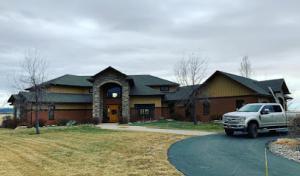
Dennis General Contractor
(406) 813-8543 dennisgeneralcontractor.com
42 Pipkin Wy, Belgrade, Montana
5.0 from 67 reviews
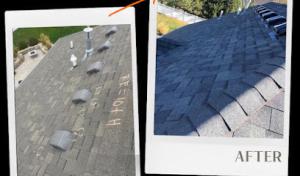
Wegner Roofing & Solar
(406) 558-4468 wegnerroofing.com
26 Pipkin Wy, Belgrade, Montana
4.9 from 95 reviews
The Roofing Center
(406) 318-5006 www.roofingcenter.com
190 Skyway Blvd Unit 1A, Belgrade, Montana
4.9 from 62 reviews
Dennis General Contractor
(406) 813-8543 dennisgeneralcontractor.com
42 Pipkin Wy, Belgrade, Montana
5.0 from 67 reviews
DGC is a high end contracting company that specializes in roofing. Our mission is to change the roofing industries reputation and set the standard for how roofing companies operate. By using the best products, helping, and focusing on the customer. We give them the best value and experience possible. Our full services include: Residential roofing Commercial roofing Roof replacements Storm damage Insurance claims New construction roofing Multi family Seamless gutters Shingle roofs Metal roofs Repairs Call 406-599-3684 now to get your FREE roof consultation! DGC Core Value’s Educate & Inspire. Consistent Discipline. Do The Right Thing. Have Fun Never Give Up Take Initiative Be Humble
Wegner Roofing & Solar
(406) 558-4468 wegnerroofing.com
26 Pipkin Wy, Belgrade, Montana
4.9 from 95 reviews
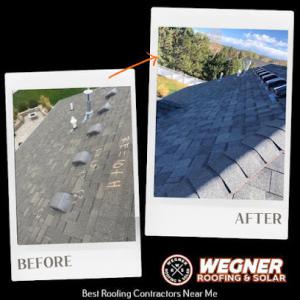
Wegner Roofing & Solar proudly serves Bozeman, Montana, with expert roofing, solar, siding, and window solutions Bozeman, Montana for residential and commercial properties. Our certified team specializes in energy-efficient solar panel installations in Bozeman, Montana, helping reduce carbon footprints while lowering energy costs. With years of experience, we deliver high-quality craftsmanship, the latest technology, and exceptional customer service. Whether you need roof repairs in Bozeman, Montana, durable siding, or energy-efficient windows, we make upgrades simple and affordable. Contact Wegner Roofing & Solar in Bozeman today to learn more or schedule a consultation!

The Roofing Center
(406) 318-5006 www.roofingcenter.com
190 Skyway Blvd Unit 1A, Belgrade, Montana
4.9 from 62 reviews
Roofing contractor specializing in lifetime metal roofing, Malarkey asphalt systems, and metal shingle roofs!
Ever-Green Roofing & Construction
(406) 813-8354 www.evergreenmt.com
40 Buckskin Rd, Belgrade, Montana
4.6 from 9 reviews
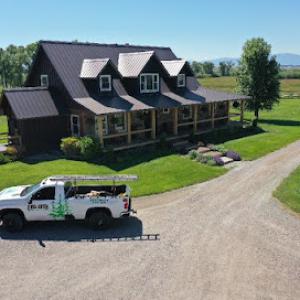
Local roofer since 2010. Started the company in 1998, with experience in many kinds of roofing. Insurance claims specialist that can help you through the entire process
Valley Roofing & Welding
705 Dakota St A, Belgrade, Montana
4.3 from 6 reviews
Let us help you with your home project! We do New Construction Installs, Re-Roofs, Roof repairs. Give us a call for a quote today!
Roof Construction
10 Marjorie Ln, Belgrade, Montana
3.7 from 3 reviews
Full service roof construction including removal, installation and repair.

PowCo Roofing
(406) 224-6031 www.powcoroofing.com
Serving
5.0 from 50 reviews
PowCo Roofing is a local, family-owned, and operated roofing company serving the greater Bozeman area. At PowCo Roofing, we are experts in all types of roofing installation including but not limited to: asphalt shingles, metal roofing, and cedar/synthetic shake roofing for both new construction projects and re-roofing. We specialize in Insurance Claim Representation and are experts in storm damage. The owners at PowCo roofing have years of experience working in this industry in the Bozeman area. They have worked with all of the most common insurance companies and adjusters, and provide homeowners with unmatched service and knowledge as it relates to insurance contracting. Please call today for a free estimate or to set up an inspection.

SureRoof
(406) 551-9397 www.sureroof.net
Serving
4.9 from 71 reviews
SureRoof is a reliable and trustworthy roofing company specializing in insurance roof storm restoration with over 20 years of experience—SureRoof focuses on providing high-quality services to its customers and building solid relationships with them.
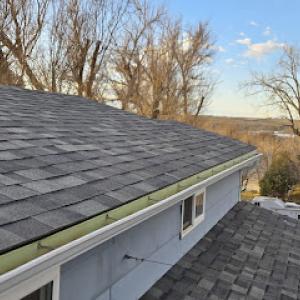
Top Edge Roofing
(406) 570-0832 www.topedgeroofing.com
Serving
5.0 from 111 reviews
Top Edge Roofing is a local roofing company built upon amazing customer service and quality craftsmanship.
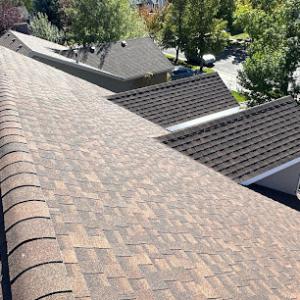
Swagg Roofing & Siding
(406) 616-0098 swaggroofing.com
Serving
5.0 from 20 reviews
Swagg Construction is the premier destination for top-tier roofing services in Bozeman, MT. We take pride in our unparalleled expertise and commitment to excellence. Specializing in roofing, gutters, siding, and more, we stand as the undisputed leader in the industry. With a team of highly skilled professionals and a dedication to superior craftsmanship, we ensure that every project is executed with precision and care. Whether you need roofing repairs, gutter installations, or siding replacements, Swagg Construction is your trusted partner for all your construction needs.
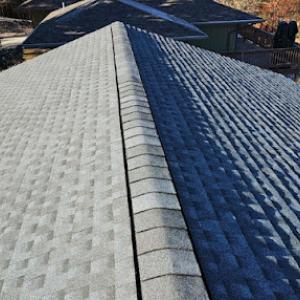
Lost River Roofing
(406) 223-8926 www.lostriverroofing.com
Serving
5.0 from 24 reviews
Lost River Roofing has been providing roofing services to the Gallatin County since 2017. As a woman-owned and family-operated business, Lost River Roofing is dedicated to best roofing practices and ensuring our customer’s families are safe and sound under their roofs. We care for the people working with and for us and treat them like family. We can handle any roofing project you present us with and complete it right the first time. At Lost River Roofing, we pride ourselves on quality work that will hold up for years. We will use top-quality materials, install those materials with the most up to date industry standards, and maintain the best safety practices.
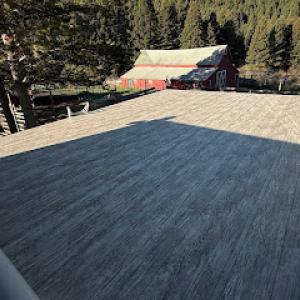
Advanced Roofing Plus Of Montana
Serving
5.0 from 11 reviews
We service all of the Gallatin Valley area, and South West Montana. We have over 30 years of experience including flat roofing, metal roofing, synthetic, and asphalt roofing. We operate year around.
In Belgrade, metal roofing shines for snow shedding and resilience against freeze-thaw cycles. If the roof sees heavy winter snow and quick thaw followed by new accumulation, a standing-seam or corrugated metal system can minimize ice damming and edge stress. Look for panels with concealed fasteners and a proper snow guard plan to keep ice and snow from sliding off onto walkways or landscaping. Local metal specialists understand Gallatin Valley quirks, from sustained cold snaps to spring hail windows, and can tailor fastener spacing and sealant choices to the typical wind and snow patterns. When considering metal, verify that the underlayment and attic venting are set up to manage condensation during the shoulder seasons; metal benefits from a well-sealed, breathable insulation approach to prevent sweating inside the attic.
Asphalt shingles remain the dominant local choice, balancing cost and ease of repair. In this climate, the summer UV exposure and winter thermal cycling can accelerate granule loss, brittleness, and sealant aging. The practical takeaway is to choose a premium, UV-resistant shingle with a reinforced fiberglass or modified asphalt base and a warranty that accounts for long-term durability under temperature swings. Plan for robust attic ventilation and a good layer of continuous underlayment to compensate for the harsher months. A professionally installed shingle roof with proper nail patterns and sealant attention around eaves and penetrations tends to perform well through Belgrade's freeze-thaw rhythms when paired with timely maintenance.
Clay tile, concrete tile, synthetic/composite, and slate are available options, but heavier systems demand a careful look at the structure before installation. In southwest Montana, snow load and freeze-thaw stress can challenge joints and fasteners if the roof framing isn't designed for the weight. Ensure the deck can support not just the material's weight but the added stress of snow accumulation near overhangs and at eaves. For slate and concrete or clay, discuss snow removal paths and potential impact zones with the installer to reduce risk of damage during spring hail episodes or heavy seasonal storms. Synthetic or composite options can offer a lighter feel with decent durability, but still require attention to underlayment and edge details to withstand Belgrade's temperature shifts.
Regardless of material, prioritize a roof system that emphasizes edge protection, proper sealing of penetrations, and a layered approach to moisture management. Freeze-thaw cycles demand a tight, well-ventilated attic and a continuous weather barrier. Proactive inspection after heavy snows, spring hail weeks, or rapid warms will catch edge damage, loose fasteners, and potential sealant failures early, reducing the chance of punctures or leaks during the next freeze.
Typical Belgrade pricing runs about $350 to $650 per square for asphalt shingles. In the Gallatin Valley, this option commonly balances snow-shedding performance with a reasonable reroof timeline when spring weather is rough on shingles. If your roof has a shallow pitch or many eaves where snow tends to linger, expect a bit more for edge detailing and underlayment. In spring, after hail, you may see price shifts as crews and suppliers reel from higher demand; planning a few weeks earlier can help lock in a stable rate.
Metal roofs run about $700 to $1200 per square. In this climate, metal shines for long dry spells and rapid snow shedding, which helps reduce freeze-thaw stress at the eave line and valleys. The higher upfront cost pays off with durability and better wind resistance, but scheduling pressure after a hail event can push crews to the limit. If your home has complex roof sections or multiple valleys, expect a modest bump for flashing, panel layout, and roof-edge detailing.
Clay or concrete tile typically ranges from $900 to $1600 per square. These materials handle Belgrade's sun and wind well, but snow and ice management at edges and penetrations is more demanding. Hail impacts can crack tile surfaces, increasing tear-off and replacement scope after storm seasons. For tile projects, the complexity of roof geometry and the need for precise underlayment coordination often adds to the overall cost, particularly when a full tear-off is required.
Synthetic or composite shingles are usually $450 to $900 per square. In winter and spring thaws, these systems can offer good freeze-thaw performance with lighter weight and consistent asphalt-like aesthetics. After spring hail, availability and crew scheduling affect pricing more than the material itself, so anticipate potential short-notice scheduling spikes and plan ahead when possible.
Slate roofs run from $1200 to $2300 per square. Slate stands up well to freeze-thaw cycles but is sensitive to impact from hail, which can complicate repairs and lead to higher tear-off scope. If a project includes valley flashing and complex hip-and-valley configurations, costs will reflect additional labor and precision cutting. In busy spring months, slate work can be especially affected by peak storm-season demand and insurance-driven projects.
Across all materials, roof complexity, snow-management details at eaves and valleys, tear-off scope, and the cadence of inspections influence final pricing. In spring, hail and wind events drive temporary price swings as contractors balance labor availability with demand. Planning ahead and aligning material choice with long-term maintenance needs helps keep Belgrade projects on track and within expected ranges.
Get a clear picture of your project costs upfront - no commitment required.
Dennis General Contractor
(406) 813-8543 dennisgeneralcontractor.com
42 Pipkin Wy, Belgrade, Montana
5.0 from 67 reviews

A full reroof in this area typically requires a building permit, managed through the City of Belgrade Building Department or Gallatin County, depending on where the property sits. If the home is inside city limits, the Belgrade department handles the permit; outside those limits, the county's office takes the lead. Before any shingles start tearing off, verify which authority governs your address to avoid delays or compliance issues when the project is finished. This is particularly important for homes near the edge of the city, where oversight can hinge on precise property lines and zoning designations.
Inspection is a core part of the reroof process and should be planned in as you schedule work. Typically, you'll have an initial inspection during the roof tear-off or at shingle installation readiness, followed by a mid-project check to confirm underlayment, ventilation, and edge detailing meet code and the local climate demands. A final inspection occurs after installation, at which point the inspector verifies proper installation, weatherproofing, and any required venting or attic insulation adjustments. Expect the process to align with the spring freeze-thaw cycle and peak hail season, so align permit timing with forecasted weather and your roofer's sequencing.
Before locking in dates, speak with your roofing contractor about which agency will issue and monitor the permit for your address. Confirm that all subcontractors used on the project are properly licensed and insured with a current certificate on file with the issuing authority. Have your contractor coordinate pre-inspection notes and any required documentation, such as roofing plans or venting calculations, to streamline the review. Remember that a successful final approval hinges on passing the final inspection, so address any deficiencies identified during earlier visits promptly to avoid re-inspection delays.
Properties near the city boundary require particular care to confirm jurisdiction, as misclassifying oversight can impact permit validity and inspection scheduling. If you're unsure, contact the City of Belgrade Building Department or the Gallatin County planning office ahead of time. Clear verification up front reduces the risk of project holds and ensures that the reroof aligns with local codes, snow-shedding expectations, and hail-season readiness.
During the Gallatin Valley's bright summers, UV exposure hits roofs hard. Shingles age faster when sealants dry and crack from sun, especially if the roof is older or already stressed by winter movement. You'll notice hairline cracks, a slight bitumen loss, and edge curling where sun hits most. In this climate, sun exposure amplifies wear on roof edges and valleys, where water starts travailing sooner after a heat spike. If a recoat or reseal is due, prioritize a shingle type with strong UV resistance and consider additional edge protection for sun-exposed surfaces. Ignoring the sun's drag on life expectancy invites accelerated leaks after the first warm afternoon thunderstorm.
Because winters are cold and snow-prone, many local replacements are best planned for spring or fall when crews can complete tear-off and weatherproofing more reliably. Shoulder-season windows reduce the chance of a mid-project freeze, which can trap moisture and complicate underlayment work. This timing also lines up better with the region's spring storm patterns, helping you catch hail damage before it compounds. If you push into late fall, you risk a sudden snow dump derailing the project; a clear, dry stretch in either spring or fall keeps tear-off clean and allows proper ice and water shield installation before the next cold spell.
Waiting through a damaged spring hail season into winter can leave homeowners exposed to leak growth once snow and ice return. Hail damage often creates micro-fractures that aren't obvious until storms resume, and those crevices can open into active leaks beneath worn flashing or aged sealants. If you detect loosened granules, bruising, or granule loss after a hail event, treat it as a warning sign rather than a cosmetic issue. Tackling repairs promptly during the milder shoulder season reduces the odds of progressive water intrusion once heaped snow sits on the roof.
In this valley, failures tend to show up first at roof edges, flashing, and penetrations where snow, ice, and repeated thaw cycles concentrate stress. Snow keeps a frozen edge against the fascia, then the sun and warmer days pull it away, or wind-driven snow wedges up behind the drip edge. Flashing around chimneys and skylights bears the brunt of thaw cycles, and old terminations often start leaking where they meet the deck. If you notice a squeak or a dew point trail along the eave, check the overhangs and caulking first. Remove light frost from the flashing with a hair dryer on low, and reseal with a sealant designed for cold climates if you find gaps. Small patches here prevent big leaks later when a south wind hits.
Wind and hail can create localized shingle bruising, lifted tabs, and flashing damage that may not leak immediately but can worsen by the next winter. Look for quarter-sized bruises or tabs that look pressed up under the nail line. Lifted tabs along the eave line signal more exposed underlayment than expected. Hail can dent metal edges or bruise the sealant at step flashing where two planes meet. In tight microclimates with well-vented attics, air movement can exaggerate these issues, so a careful exterior check after a hail event is worthwhile. If you see edges curling or tabs raised, plan a targeted repair before wind and freeze set in.
Temporary openings can become much more serious once overnight freezing returns. A rapid patch over a small gap reduces the risk of ice damming and interior damage when temperatures swing below freezing. Prioritize sealing any obvious gaps around vents and stacks and reinforcing loose flashing with appropriate sealant or tape rated for winter use. Keep a close eye on sheltered corners where drifting snow accumulates; those spots are where problems tend to grow before a full-blown leak appears. Regular, proactive checks after freeze-thaw cycles pay off compared to waiting for a visible stain to show up.
When you can't wait, these contractors offer fast response times to stop leaks and prevent further damage.
The Roofing Center
(406) 318-5006 www.roofingcenter.com
190 Skyway Blvd Unit 1A, Belgrade, Montana
4.9 from 62 reviews