
Last updated: Apr 19, 2026
Snow in this high-elevation basin sits heavy and stubborn, piling up along the ridge and eaves where the sun barely touches it. Roof-edge stress is not a distant risk here-it's a daily concern through the long winter. When a storm dumps snow, the weight concentrates at the edges, especially on older or flatter sections of asphalt or metal roofs. If shingles are already brittle from cold nights, that edge loading can crack tabs, loosen edge fasteners, and push flashing joints past their tolerance. The result is a cascade of micro-damage that weakens the roof system and invites leaks as soon as a thaw hits. You should plan for proactive edge protection: clear gutters and ensure fascia boards are solid, then verify that edge fasteners and underlayment transitions hold tight before the next storm.
Ice damming is not a nuisance here-it's a recurring failure mechanism. As snow loads push the roof into tension, water that melts at the warmer attic or upper slope can refreeze at the lower edge, backing up under shingles and flashing. The impact is accelerated by repeated freeze-thaw cycles, which push ice into shingle tabs, bend flashing, and tighten the gaps where water can seep. In Butte, the combination of heavy snowfall and sharp day-night temperature swings makes this a primary cause of roofing wear. The fix is not cosmetic: it demands proper insulation, ventilation, and a continuous, well-sealed barrier at the eaves. Left unchecked, ice damming converts a seasonal nuisance into sustained interior damage and warrant problems for months.
The short replacement season in this climate means winter damage often has to be stabilized first and fully repaired later in late spring through early fall. Immediate stabilization minimizes further interior intrusion and prevents small leaks from becoming widespread rot or mold. If a winter storm leaves an exposed edge or loose flashing, secure the vulnerable area with temporary measures that preserve the roof's sloping drainage and prevent ice from creeping under the deck. Do not delay permanent repairs once the weather allows; the longer a weak seam or damaged valley sits, the greater the risk of collapse or costly water intrusion. Document damage with photos, then coordinate with a trusted contractor to map a staged repair plan that fits the late-spring window.
Day-to-night temperature swings in Butte accelerate brittleness in shingles, cause flashing movement, and stress underlayment after snow events. Older roofs are especially susceptible to these dynamics, as cold nights drop the membrane and flexible adhesion, while midday sun or thawing surfaces push the materials toward differential movement. The risk compounds where roof penetrations exist-chimneys, vents, and skylights-where movement heat can shift flashing and gap sealants. If you notice curling shingles, lifted edges, or loose flashing after a warm spell, treat it as a warning sign of unseen stress beneath the surface.
Prioritize a targeted ice dam assessment after the first heavy snow and before the deepest freezes set in. Focus on eaves, gutters, and the lowest courses of shingles; check that attic insulation is substantial and that soffit vents are clear. Engage a local roofer who understands upper-elevation snow behavior and the long-term freeze-thaw pattern here, so that edge details, ventilation paths, and flashing terms are addressed in a way that withstands repeated winter cycles. If damage is found, stabilize it now with temporary measures and schedule full repairs for the warmer months, ensuring a thorough, durable fix that reduces the risk of recurring winter failures.
Butte's older hillside housing stock commonly includes steep-slope roofs where snow shedding, chimney flashing, and edge protection are especially important. When planning any reroof or maintenance in these areas, focus first on each slope's risk profile: the most exposed faces, the windward sides, and those sections where snow tends to accumulate along the eaves. Keep ladder access, staging, and material storage tight to the slope to minimize the margin for slips. Treat the edge line with robust ice and wind protection beyond the standard underlayment, since long winter seasons in this climate create persistent microfreeze cycles that stress seam detail and fascia.
Historic-era homes in this market often have roof penetrations, masonry interfaces, and layered reroof histories that complicate tear-off and flashing replacement. Where multiple roofs meet a chimney, vent stacks, or dormer heads, you will commonly find mismatched flashing footprints or degraded step and counter-flashing. Before any tear-off, map every penetration and suspect flashing transition. If old masonry interfaces show cracking or mortar residue against the roof plane, plan for careful cleaning and resealing to prevent water intrusion. When a roof has several previous layers, plan for a careful removal sequence that preserves structural integrity while exposing all flashing planes in a single pass to avoid chasing leaks later.
Access and staging can be harder on sloped streets and tighter lots in older neighborhoods, affecting labor time and replacement logistics. When space is constrained, coordinate material drop zones and waste containment to stay off the neighbor's property line and avoid blocking the street in a way that creates hazards during snow events. Use roped-off work zones and clearly marked egress routes for workers and debris. On steeper sections, consider temporary decking or stabilized platforms with anti-slip battens to provide safe traction for crews during cold, icy conditions. Keep a clear path along the eave line for snow removal tools and avoid blocking chimney or vent pathways with temporary barriers.
Given the long snow season, prioritize durable flashing detail at transitions: roof-to-wall, chimney-to-roof, and where metal edge trims meet the slate-like durability of older materials. At every transition, verify that counter-flashing has full contact against masonry or backer material and that sealant joints are compatible with freeze-thaw cycles. In Butte, a practical approach is to install an extra lap of flashing in vulnerable corners and to extend drip edges beyond the fascia so melting snow has a predictable path away from the wall. If original drip edges are compromised, replace them with sturdy equivalents that resist ice build-up and wind-driven collapse.
Develop a year-to-year maintenance rhythm that targets high-risk areas first: chimney lines, dormers, and valley intersections. After heavy snows, perform a cautious visual sweep from ground level and supplement with a roof ladder inspection only when conditions are safe. Keep a small kit of bite-sized flashing repair components for quick, temporary fixes between major service cycles, but pursue professional remediation for any penetration that shows signs of moisture intrusion or masonry contact damage.
Asphalt shingles are a common sight on the hillside homes that line Butte's streets, and they work well when chosen with the long winter in mind. Freeze-thaw cycles, hail exposure, and prolonged cold snaps mean you should prioritize shingles with good impact resistance and flexibility to handle temperature swings. Look for asphalt products labeled for impact resistance and with a thicker asphalt blend to resist cracking during deep freezes. In Butte's windy, high-elevation environment, a roof that maintains a tight seal around fasteners and flashings will help prevent channels for meltwater to seep under the edges during thaws. Consider a shingle underlayment with moisture protection, and ensure edges and valleys are sealed to minimize ice dam risk. For steep pitches common on hillside homes, the installation detail around roof-to-wall intersections matters as much as the shingle selection.
Metal roofs suit Butte's snow profile because metal sheds snow more predictably and reduces the length of lingering snow piles on the roof. This helps with ice dam risk at overhangs and porches, where meltwater can refreeze on walkways and entryways. When choosing metal, prioritize panels with a low-to-medium pitch tolerance and stiff panel profiles that resist denting from hail in lighter winters and heavier spring storms. Snow retention planning becomes important around entries, stairs, and walkways, so incorporate snow guards, clips, and a carefully designed eave edge to manage snow slides away from foot traffic and landscaping. A metal roof also benefits from a careful, continuous ridge and valley seal to minimize water intrusions during freeze-thaw cycles.
Clay tile and slate are present in the market data, but their heavier weight and installation complexity can become a larger hurdle on older Butte homes. If considering clay tile, verify the structural capacity of the existing roof deck and consider reinforcement if the attic or ceiling joists are not up to the added load. Slate presents a similar challenge: it offers excellent longevity and a refined aesthetic, yet it demands a robust structure and precise detailing to handle freeze-thaw movement without cracking. For homes with traditional framing or aging support systems, a lighter option may reduce risk of deck failure and long-term maintenance. If local availability includes these materials, pair them with a professional assessment of roof structure before committing to full replacement.
Butte neighborhoods often feature a mix of old and newer constructions, so a one-size-fits-all approach does not apply. For retrofit projects, a hybrid strategy-combining a lighter, flexible underlayment with a durable exterior finish-can help accommodate freeze-thaw cycles without overburdening aging rafters. When upgrading, align the new roof system's weather-resistance with existing penetrations, skylights, and vent stacks to prevent weak points where ice can accumulate. Pay attention to eaves, overhangs, and dormers, as these areas typically experience the most snow-related stress and ice dam formation.
In Butte's climate, proper attic ventilation remains crucial to prevent attic snow melt from weakening roof decking and interior ceilings. Ensure flashing around chimneys, vents, and valleys is robust and adaptable to seasonal expansion and contraction. A well-sealed perimeter-especially at roof-to-wall junctions and corner penetrations-reduces the chance of water infiltration during repeated freeze-thaw cycles. Consider a roof plan that directs meltwater away from entrances and walkways, with clear drainage paths and minimal obstruction to snow sliding along the roof edge. For any material choice, work with a roofer who understands the valley configuration, snow guards, and the local propensity for ice dam formation, so that the installation delivers a durable barrier against Butte's long winters.
Spring hailstorms and summer wind events in this basin city can leave damage that hides on the roof's hidden edges or under overhangs. A shingle that looks intact from the ground may have bruised cores, lifted granules, or hairline fractures that only a close-up reveal. In Butte, roofs with mixed materials or densely packed neighborhoods on hillside blocks are especially susceptible to localized impacts from convective storms that drift through the valley. When a storm hits, you may not notice the full extent until glazing morning sun highlights lifted tabs or dark streaking from shingle scuffing along the lower slopes. That delay is costly because insurers often require timely documentation to substantiate a claim.
Montana insurers commonly scrutinize hail and wind claims, so take date-stamped photos, close-ups of slopes, and a clear record immediately after storms. A photograph set should include an overall view to show the roof's relation to surrounding trees and vents, plus tight, high-resolution shots of any spacing, lifted edges, or granule loss. Seasonal moisture makes ice and wind damage more complex, so a sequence showing how damage appears over days can help distinguish new impacts from preexisting conditions. In Butte, an attic hatch or soffit vent often reveals wind-driven moisture patterns that corroborate storm timing. Keep notes on any intermittent leaks or icicle-related water entry, and consider video walk-throughs that narrate what you see from multiple angles.
Because Butte also has winter-related wear, separating sudden storm damage from older freeze-thaw deterioration can affect claim outcomes. Freeze-thaw cycles tend to create uniform cracking and edge wear that look different from the sharp impact marks of hail. If a roof shows a mix of sudden impact damage alongside long-standing frost damage, document each area carefully and note when the suspected injury first appeared. A trusted local roofer can help interpret whether a ding, loss of granules, or a lifted shingle edge is a fresh claim trigger or a stubborn preexisting condition. This clarity often guides how damages are categorized in a claim and what evidence is needed to support it.
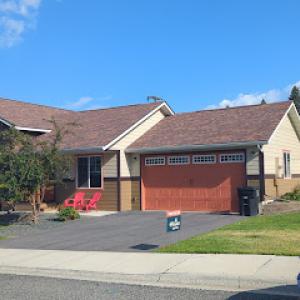
Mountain Roofing
(406) 565-7557 mountain-roofing.com
1369 Harrison Ave Suite D, Butte, Montana
5.0 from 170 reviews
Securing your home from the top. “Growing up on the ranch, we worked with our neighbors by handshake.” Today we might need more than a handshake, but it’s still about doing the right thing. It’s about taking care of those we meet as if they have been, and will be, our neighbors for generations. Mountain Roofing exists to help improve the lives of our homeowners, our team, and the communities we serve. For homeowners we start with securing your home from the top. We work with integrity, following roofing best practices, and provide quality craftsmanship. Whatever your roof needs to secure your home, to protect your family, we’re here to help.
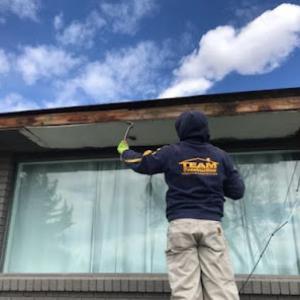
Team Construction
(406) 782-8327 www.teamconstructionmt.com
Area, Butte, Montana
4.4 from 34 reviews
Team Construction is a fully licensed and insured residential and small business roofing and general contractor. Operating in Western Montana since 2009, we service homes and businesses throughout Helena, Butte, Anaconda, Whitehall, Townsend, Deer Lodge, Clancy, and more. Through years of quality service, Team Construction has earned the motto “Honesty In Construction.” We strive to show our clients that there are still honest and trustworthy contractors and roofers in the Treasure State. With our team of experienced project managers and expert installation crews, we make the process as simple and carefree as possible for our clients. Let us help you turn your home or business into your dream.
Lincoln Roofs & Construction
117 E 2nd St, Butte, Montana
5.0 from 1 review
Looking for a reliable roofing company in Butte MT? Look no further! Lincoln Roofs Construction is here to provide top-notch installation repair and maintenance services for residential and commercial properties. Our experienced team uses high-quality mat
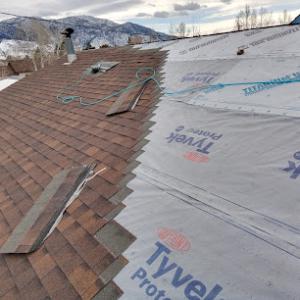
Lenhardt exterior designs
1259 E 2nd St, Butte, Montana
Lenhardt Exterior Designs is a premier roofing business that specializes in delivering exceptional craftsmanship and innovative solutions for all your roofing needs. We are dedicated to providing top-notch services that ensure the protection, durability, and aesthetic appeal of your property. Our team of skilled professionals uses the latest techniques and premium materials to deliver outstanding results. We prioritize communication and collaboration with our clients to provide tailored solutions that exceed expectations. Choose Lenhardt Exterior Designs for the best in the industry.
Provided local ranges are $350-$550 per square for asphalt shingles, $700-$1100 for metal, $700-$1500 for clay tile, $400-$900 for wood shingles or shakes, $500-$900 for synthetic or composite shingles, and $1000-$2400 for slate. In this basin climate with long snow seasons, those numbers reflect not just material, but the extra labor required to work through winter-like conditions, ice dam considerations, and careful handling on older, hillside homes. Asphalt remains the most economical option for a straightforward replacement, while slate or clay tile can push the budget significantly higher due to weight, fragility, and specialty labor. Synthetic shingles sit in the middle, offering durability with a more favorable installed cost than natural options.
Costs in Butte can rise on steep older roofs, homes with multiple chimneys or penetrations, and properties where hillside access slows tear-off and material handling. A steep pitch or tight lot complicates scaffolding and staging, increasing time on-site and the chance of weather interrupts. Chimneys, skylights, and exhaust vents create more cutting, flashing, and flashing material, all of which adds to the labor portion of the bill. If a roof deck shows signs of prior freeze-thaw damage or dry-rot, expect closer attention to structure plus a higher price tag for replacement sheathing or additional reinforcement.
The short late-spring to early-fall construction window can tighten contractor availability in Butte and push pricing higher during peak scheduling periods. If crews are booked weeks ahead, or if an unexpected cold snap compresses the schedule, labor costs can climb. Plan for a realistic window that allows for snow melt and safer access, because rushing a tear-off often leads to hidden damage missed and future problems.
Set aside a contingency for icy conditions and access challenges on hillside lots. Compare bids with a clear scope that includes tear-off, disposal, underlayment, flashing, and proper ice dam protection. For a typical job on an older home, expect the range above, but with steep pitch or complex penetrations the final price can lean toward the higher end of the local ranges. Slate and clay tile projects often require specialty crews and may need longer lead times, so factor that into the schedule and cash flow.
Before lifting shingles in a hillside frame or replacing long-standing asphalt in freezing conditions, you must get a permit through the Butte-Silver Bow County building department. The process helps ensure the roof is sized and vented to withstand the long snow season, freeze-thaw cycles, and heavy ice loads typical here. A full roof replacement triggers the permit, and the department will want clear project details from the contractor, including materials, scope, and sequence of work. Ensure the chosen contractor holds a valid Montana contractor license and can provide the required documentation up front so the review moves smoothly.
The local process includes an inspection after roofing removal and another at completion to verify ventilation, underlayment, and flashing. The first inspection checks that the roof deck is sound, the spacing and condition of the sheathing are acceptable, and that roof vents and soffits are in place or planned correctly to handle the long winter. The second inspection confirms that the installation matches the approved plan and that critical details-ice barrier at eaves, step and apron flashing, and proper flashing at chimneys and valleys-are correctly executed. These checks are essential to prevent early failure from ice damming and repeated freeze-thaw cycles that are common in this basin climate.
Typical permit turnaround is about 1-2 weeks depending on department workload. Plan your project window around the busy late-spring and late-summer periods, when frost and snows linger and the crew's schedule tightens. Have your contractor provide a complete, written project description with timelines, material specs, and venting details to support a smoother review. Keep a dedicated contact through the building department for quick responses if questions arise. On completion, ensure you have the inspection sign-off documented, so the replacement aligns with local requirements and the long-term performance needed in this cold, snow-rich environment.
Late spring through early fall is the preferred replacement window for shingles, metal, or shakes here, because winter snow and the cold limit tear-off, sealing, and inspection timing. That stretch gives you a solid block to re-cover before the next long winter's freeze-thaw cycle starts chewing at edge joints and fasteners. Plans should align with a realistic stretch of dry days and daylight, since a single cold snap or late spring storm can push work backward by days.
Warm, drier summers improve installation conditions, but summer wind events can still interrupt scheduling and expose open roofs if projects are not tightly planned. Local crews will chase several small weather windows rather than one long delay-free day, so expect intermittent days where progress stalls. If a leak risk exists, temporary protection becomes as critical as the finish, especially on hillside homes where wind gusts can push moisture under edges and around penetrations.
Homeowners in this area often need to book earlier than expected because weather compresses the annual production season. A tightly coordinated crew, material delivery, and scaffold setup matter as much as the actual roof work. Start coordinating well before the calendar flips to your preferred window, and build in a buffer for late snowmelt or an unexpected dry spell that speeds up or slows down the plan. Keeping a flexible contingency plan helps avoid a winter-facing delay while still capitalizing on that narrow warm period.
Montana's homeowners policies generally cover common risks, but snow-heavy winters and long freeze-thaw cycles in this high-elevation basin contribute to more severe weather events like hail and wind. When a lingering winter pushes into spring, carriers see a bump in claims, and that awareness can translate into tighter review standards. In practice, that means your roof replacement project may face closer scrutiny on the merits of damage, the chronology of the loss, and the scope of repairs. Stay prepared for questions about the evidence of damage, timelines, and the exact materials used to restore the roof.
Some carriers lean toward specific materials or warranty terms when hail risk is high. In a hillside neighborhood with older structures, that can influence material choice in Butte. If coverage hinges on hail resistance, a manufacturer's warranty, impact-rated shingles, or metal systems with proven hail performance can carry more weight in the claim process. Weigh the long-term reliability of a product against the likelihood of additional hail events, and be ready to explain how the selected system mitigates future risk under the policy terms.
Deductibles and coverage terms vary widely, and cosmetic damage, matching of new to old materials, and upgrades required by code or insurer can affect how much the homeowner actually recovers. Before a roof replacement, confirm whether cosmetic surface issues, partial matches on older layers, and any necessary upgrades (e.g., underlayment, venting, or structural fixes) are included in the claim scope. In practical terms, document prior damage clearly, understand what constitutes replacement versus repair, and verify that the policy will cover the necessary materials and installation details to ensure a durable, legally defensible patch against another harsh Butte winter.