
Last updated: Apr 19, 2026
Bozeman's winter pattern-deep cold snaps followed by rapid spring thaw-drives repeated freeze-thaw cycles that can open shingle seals, stress flashing, and worsen small leak paths. Snow accumulation sits at the top of roof concerns, not just for how long the snow sits but for how meltwater moves off the roof and away from eaves, valleys, and attic spaces. When a roof fails to shed snow efficiently or when meltwater refreezes near eaves, ice damming becomes a persistent hazard that can escalate minor leaks into real water damage in a single storm.
In these cycles, water trapped in small gaps under shingles and around flashing freezes, expands, and pries seals apart. The result is microscopic openings that can grow over the season, especially where shingles are aging or where previous repairs left imperfect seals. Asphalt shingles, common in this region, can lose their grip as winter pressure compounds with sun exposure in the spring. Metal roofs aren't immune; exposed seams and flashing that aren't perfectly integrated can misbehave when temperatures swing 30 degrees or more in a single day. The cumulative effect is a roof that looks solid after a freeze but leaks soon after the thaw.
Snow load is not just a coding concern; it translates into real performance questions at the eaves and in valleys. Bozeman homes often rely on roof slopes and venting strategies that were designed for a shorter winter season. A roof that sheds snow slowly or that funnels meltwater into a congested drip line will stress drainage paths, leading to perched water and ice dam formation. Ice builds up at the eave line where heat loss from the attic meets cold outdoor air, creating a dam that traps water behind it and forces it to search for leaks through compromised seals.
The local installation calendar is shaped by winter conditions and spring thaw, so roofs with active leaks or storm openings may need temporary protection before full replacement can be scheduled. This means you should plan for sheltering exposed repairs during melt windows and ensure temporary coverings are secured against wind and new snowfall. If a leak appears during a thaw, don't assume it will vanish with warmer days; heavy rains can push meltwater into already stressed joints and valleys.
If you notice recurring damp spots in ceilings, active dripping after a thaw, or ice forming along eaves in mid-winter, treat it as an urgent warning. A qualified roofer can assess shingle integrity, flashing deterioration, and drainage performance, and recommend safe, targeted repairs rather than a full replacement until the weather allows.
In Bozeman, hail and wind events drive roof claim activity, making storm documentation a routine part of roof ownership rather than an occasional issue. Weather here can flip from bright sunshine to sudden bursts of hail in a single afternoon, especially during spring thaw. When you experience a hail or wind event, start by noting the date, time, and wind direction, and take wide-angle shots that include the house and roof, then close-ups of damaged shingles, flashing, and gutters. This isn't about drama; it's about having a clear, consistent record when the clouds clear and the next step is evaluated.
Insurers serving Montana often want clear records of roof age, material type, photos, and contractor findings before approving or pricing claims on damaged roofs. It helps if you can accompany photos with a simple summary of the roof's history: any known repairs, visible wear, and what you suspect caused the damage. If you've had a professional inspection already, include that report or a concise notes sheet from the contractor. The more you can show what the roof looked like before the storm, the more that information travels with the claim, reducing back-and-forth and delays.
Because some carriers have tightened coverage on older roofs or certain materials, Bozeman homeowners need to understand how a roof's current condition affects both insurability and replacement timing. A roof that has shown frequent freeze-thaw cycles, pronounced granule loss, or early signs of wear might prompt an adjuster to question long-term durability or the need for full replacement versus repair. Having a current, professional assessment that documents material type, age, and remaining life can help set realistic expectations with the carrier about what is recoverable and when a full replacement might be more appropriate.
Once the storm passes, limit further damage by arranging temporary protective measures, such as tarping or boarding vulnerable areas, and keep receipts for any temporary fixes. Maintain a direct line of communication with your adjuster and your contractor, coordinating timelines so assessment, mitigation, and replacement (if needed) align with daylight, snow melt, and spring weather patterns. In a valley where rapid temperature swings stress roofing systems, documenting the roof's condition promptly after a storm helps ensure your claim reflects the true state of the roof, rather than the faded impression left by weeks of thaw and freeze cycles.
Connect with contractors who help homeowners navigate the claims process from damage assessment to final approval.
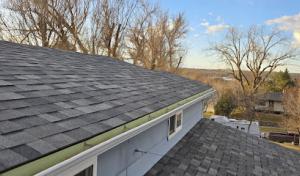
Top Edge Roofing
(406) 570-0832 www.topedgeroofing.com
189 Graves Trail A, Bozeman, Montana
5.0 from 111 reviews
SureRoof
(406) 551-9397 www.sureroof.net
204 Durston Rd Unit A, Bozeman, Montana
4.9 from 71 reviews
PowCo Roofing
(406) 224-6031 www.powcoroofing.com
270 Hidden Valley Rd, Bozeman, Montana
5.0 from 50 reviews
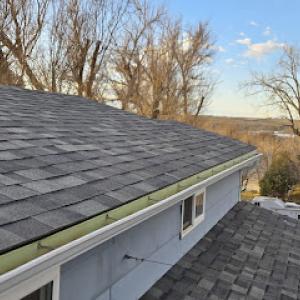
Top Edge Roofing
(406) 570-0832 www.topedgeroofing.com
189 Graves Trail A, Bozeman, Montana
5.0 from 111 reviews
Top Edge Roofing is a local roofing company built upon amazing customer service and quality craftsmanship.
SureRoof
(406) 551-9397 www.sureroof.net
204 Durston Rd Unit A, Bozeman, Montana
4.9 from 71 reviews
SureRoof is a reliable and trustworthy roofing company specializing in insurance roof storm restoration with over 20 years of experience—SureRoof focuses on providing high-quality services to its customers and building solid relationships with them.
PowCo Roofing
(406) 224-6031 www.powcoroofing.com
270 Hidden Valley Rd, Bozeman, Montana
5.0 from 50 reviews
PowCo Roofing is a local, family-owned, and operated roofing company serving the greater Bozeman area. At PowCo Roofing, we are experts in all types of roofing installation including but not limited to: asphalt shingles, metal roofing, and cedar/synthetic shake roofing for both new construction projects and re-roofing. We specialize in Insurance Claim Representation and are experts in storm damage. The owners at PowCo roofing have years of experience working in this industry in the Bozeman area. They have worked with all of the most common insurance companies and adjusters, and provide homeowners with unmatched service and knowledge as it relates to insurance contracting. Please call today for a free estimate or to set up an inspection.
Swagg Roofing & Siding
(406) 616-0098 swaggroofing.com
102 Sunlight Ave, Bozeman, Montana
5.0 from 20 reviews
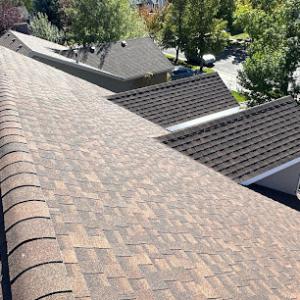
Swagg Construction is the premier destination for top-tier roofing services in Bozeman, MT. We take pride in our unparalleled expertise and commitment to excellence. Specializing in roofing, gutters, siding, and more, we stand as the undisputed leader in the industry. With a team of highly skilled professionals and a dedication to superior craftsmanship, we ensure that every project is executed with precision and care. Whether you need roofing repairs, gutter installations, or siding replacements, Swagg Construction is your trusted partner for all your construction needs.
Advanced Roofing Plus Of Montana
280 W Kagy Blvd STE-D249, Bozeman, Montana
5.0 from 11 reviews
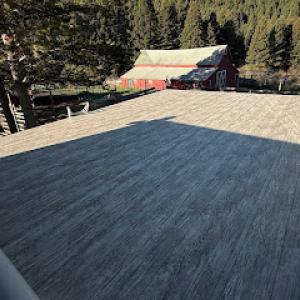
We service all of the Gallatin Valley area, and South West Montana. We have over 30 years of experience including flat roofing, metal roofing, synthetic, and asphalt roofing. We operate year around.
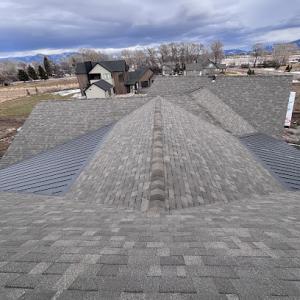
A.P. Roofing
Treasure Ave, Bozeman, Montana
5.0 from 6 reviews
A.P. Roofing, a Bozeman-based roofing contractor, offers over a decade of experience in roof replacement, repair, and installation for residential and commercial properties in the Gallatin Valley and surrounding areas. Their focus lies on delivering quality craftsmanship and ensuring customer satisfaction.
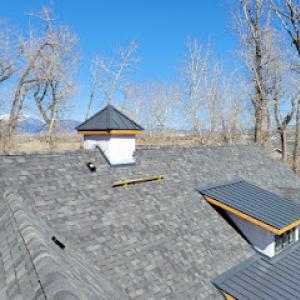
Watershed Roofing & Construction
213 Mineral Ave, Bozeman, Montana
5.0 from 1 review
Re roof or new construction. Aiming to please all clients with quality work and clean job sites.
The Roofing Center
(406) 318-5006 www.roofingcenter.com
Serving
4.9 from 62 reviews
Roofing contractor specializing in lifetime metal roofing, Malarkey asphalt systems, and metal shingle roofs!
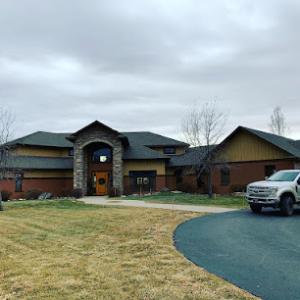
Dennis General Contractor
(406) 813-8543 dennisgeneralcontractor.com
Serving
5.0 from 67 reviews
DGC is a high end contracting company that specializes in roofing. Our mission is to change the roofing industries reputation and set the standard for how roofing companies operate. By using the best products, helping, and focusing on the customer. We give them the best value and experience possible. Our full services include: Residential roofing Commercial roofing Roof replacements Storm damage Insurance claims New construction roofing Multi family Seamless gutters Shingle roofs Metal roofs Repairs Call 406-599-3684 now to get your FREE roof consultation! DGC Core Value’s Educate & Inspire. Consistent Discipline. Do The Right Thing. Have Fun Never Give Up Take Initiative Be Humble
Wegner Roofing & Solar
(406) 558-4468 wegnerroofing.com
Serving
4.9 from 95 reviews
Wegner Roofing & Solar proudly serves Bozeman, Montana, with expert roofing, solar, siding, and window solutions Bozeman, Montana for residential and commercial properties. Our certified team specializes in energy-efficient solar panel installations in Bozeman, Montana, helping reduce carbon footprints while lowering energy costs. With years of experience, we deliver high-quality craftsmanship, the latest technology, and exceptional customer service. Whether you need roof repairs in Bozeman, Montana, durable siding, or energy-efficient windows, we make upgrades simple and affordable. Contact Wegner Roofing & Solar in Bozeman today to learn more or schedule a consultation!
Lost River Roofing
(406) 223-8926 www.lostriverroofing.com
Serving
5.0 from 24 reviews
Lost River Roofing has been providing roofing services to the Gallatin County since 2017. As a woman-owned and family-operated business, Lost River Roofing is dedicated to best roofing practices and ensuring our customer’s families are safe and sound under their roofs. We care for the people working with and for us and treat them like family. We can handle any roofing project you present us with and complete it right the first time. At Lost River Roofing, we pride ourselves on quality work that will hold up for years. We will use top-quality materials, install those materials with the most up to date industry standards, and maintain the best safety practices.
Valley Roofing & Welding
Serving
4.3 from 6 reviews
Let us help you with your home project! We do New Construction Installs, Re-Roofs, Roof repairs. Give us a call for a quote today!
Asphalt shingles remain common in Bozeman, but summer UV exposure and winter freeze-thaw can shorten service life compared with milder climates. When you choose asphalt, look for a product with good granule retention and a warranty that reflects hearty performance in snowy winters. In practice, pair asphalt with a high-quality underlayment, and install an ice and water shield along eaves and at penetrations to guard against ice damming. Ventilation in the attic matters here too; a well-ventilated attic reduces condensation and reduces the freeze-thaw stress that can lift shingles. In a zone with heavy snow, consider a steeper roof pitch within a practical range to assist snow shedding, but balance it with structural capacity and surrounding rooflines. Regular inspections after heavy snows help catch granule loss or loose shingles before leaks appear.
Metal roofing has strong local relevance in Bozeman because snow shedding, durability, and storm resilience are major homeowner priorities in this market. Standing-seam panels are a dependable choice when snow loads are a concern, and the smooth, rigid surface helps minimize ice damming along the eaves. If you opt for metal, plan for proper attic insulation and a solid ventilation strategy to avoid condensation issues that can pair poorly with rapid temperature swings. Snow guards or snow retention systems are often a prudent addition in areas with heavy accumulation, reducing the risk of dangerous down-slope shedding onto walkways or vehicles. A properly installed metal roof over a solid deck and sheathing yields long service life, but ensure joist and rafter sizing is adequate for those winter loads. In Bozeman's freeze-thaw cycle, fastening patterns and sealants should be chosen for longevity and wind resilience, since winter storms can bring both weight and gusts.
Cedar shakes, tile, and slate appear in the market but require careful evaluation in Bozeman because snow load, thaw cycles, and structural capacity matter more here than in lower-stress climates. Cedar can handle cold snaps if the roof is properly vented and treated to resist moisture, but it can be susceptible to warping or rot if drainage is poor or ice dams form. Clay and concrete tiles add an attractive, durable profile, yet their weight and brittle nature under freeze-thaw stress demand precise structural engineering and adequate underlayment. Slate offers excellent longevity in many climates, but in this mountain valley environment the weight and sensitivity to freeze-thaw cycles require careful design and a robust roof deck. If considering any of these heavier options, rely on a structural assessment that accounts for the typical snow loads and thaw cycles, and plan for meticulous flashing, venting, and drainage details to avoid cold-weather failures. For all three, ensure fasteners and sealants are rated for freezing temperatures and that transitions around chimneys, skylights, and vents are reinforced to resist ice dam-related leaks.
If a homeowner is prioritizing resilience to winter storms and rapid snow shedding, metal is a practical first consideration, with asphalt remaining a common, more economical choice while still mindful of climate-driven wear. For cedar, tile, or slate, treat them as premium options that require careful load calculations and climate-conscious detailing to perform well in the Bozeman winter cycle.
In this market, you'll see costs move with winter damage and spring storms, creating demand spikes that coincide with Bozeman's dry, moderate installation window. The cost planning sheet should reflect that typical windows for asphalt shingles keep pricing closer to the lower end, while heavier or more complex materials tend to push costs upward when scheduling conflicts arise. The local mix leans toward asphalt shingles as the baseline, with premium materials taking proportionally larger bites when weather windows tighten.
Asphalt shingles run roughly 400 to 700 USD per square in this area. For many homes in Bozeman, this is the practical starting point when addressing snow load and ice dam resistance needs without adding substantial structural work. If you're balancing cost with winter resilience, asphalt can be a sensible choice, especially for roofs with standard framing and typical pitches. Expect some variation if the roof line is unusually complex or if micro-systems for ice dam prevention are added.
Metal roofing sits in the 700 to 1200 USD per square range, reflecting its durability against freeze-thaw cycles and hail events common in spring. Heavier materials like clay tile (1000 to 1800) and concrete tile (800 to 1500) bring substantial gains in long-term snow shedding and ice dam resistance, but they require structural consideration that can raise total costs. Slate (1500 to 3000) and cedar shakes (600 to 1100) occupy the premium tier, with slate offering standout longevity and cedar providing a lighter, warmer presentation but variable performance under freeze-thaw.
Projects involving heavier materials or structural changes can cost more in Bozeman because framing capacity may be scrutinized as part of the process. If a roof needs reinforcement to handle added weight or altered load paths, expect the price to rise accordingly. In practice, this means a higher square-foot price for clay, concrete, or slate than the base material-only figures, plus potential engineering or inspection steps.
Because winter damage and spring storms drive demand, it's wise to budget with some flexibility. If you anticipate delayed scheduling or material shortages, you may see price movements beyond the listed ranges. A pragmatic approach is to lock in a target material and plan for a modest contingency to cover the tight install window and possible mid-season shifts in availability.
Get a clear picture of your project costs upfront - no commitment required.
PowCo Roofing
(406) 224-6031 www.powcoroofing.com
270 Hidden Valley Rd, Bozeman, Montana
5.0 from 50 reviews
When planning a roof replacement, expect city reviews to consider the project more like a structural update than a quick cosmetic refresh. The city building department generally requires a permit for most re-roof projects, so treating roof replacement as a no-permit maintenance item can lead to delays or compliance issues. Your contractor or a local building official can confirm the exact permit trigger for your property type and roof scope. Understanding this up front helps keep the project on track and avoids post-start permit holds that can complicate the winter work window.
Bozeman requires submittals that clearly capture what you are replacing and how you are protecting the attic and roof system. Expect to submit a project scope that describes each roof surface, the chosen roofing material, and any structural or decking changes. Details about venting, underlayment, and ice-protection strategies are scrutinized since attic ventilation and ice-damming details are part of the local review conversation. Have your ventilation plan mapped, including intake and exhaust vent locations, and specify underlayment type and alignment with the chosen material. If you're swapping to a metal, slate, or tile system, note weight impacts and fastener types where applicable. The more precise the submittal, the smoother the plan review phase.
Given heavy winter snow, freeze-thaw cycles, and spring hail, the review panel focuses on how the replacement handles ice damming and ventilation at peak load. Be prepared to justify continuous soffit or ridge venting, the role of a closed eave detail, and any additional ice-and-water shield coverage at eaves and valleys. Attic details should align with the new roof assembly to prevent wind-driven moisture entry and to maintain a balanced attic temperature during rapid swings in temperature. Your contractor should coordinate with the plan reviewer to ensure the chosen underlayment and venting meet both the climate risk and the new roof's design requirements.
Inspections occur during installation and again at final to verify the work meets code, manufacturer instructions, and local expectations for wind uplift and snow loads. Expect a rough-in check to confirm anchorage, underlayment continuity, and penetrations are properly flashed before shingles or panels go on. A final inspection confirms the roof's overall weather resistance and that all venting and drip-edge details are properly installed. If the re-roof involves structural changes-like removing or adding decking-Bozeman may add a plan review step to ensure structural integrity and snow load considerations are addressed before approval.
In this market, the most workable roofing season runs through the dry, moderate part of the year. Winter snow and the spring thaw complicate tear-off, dry-in, and inspection timing, so scheduling during the late spring or early fall often yields the smoothest process. If you want to minimize weather delays, aim for a stretch when temperatures stay above freezing at night but before the hot, dusty days of late summer.
Spring can bring thaw-related leaks and rain or hail delays, so you'll face a practical fork: address damage promptly if a leak is active, or wait for a stable replacement window when crews can dry-in properly and inspections can be completed without weather interruptions. If you've endured wind or hail damage, a rapid assessment and temporary protection help, but plan for a follow-up replacement in a drier window to avoid repeated interruptions.
Warm summers in this valley speed up production, but intense sun accelerates wear on exposed materials and increases UV-driven acceleration of certain roofing components. Contractor demand also climbs as the season progresses, so booking earlier in the season can secure better coordination with preferred crews and material availability. If a full replacement is on the table, a late-spring or early-fall slot often balances workable conditions with calendar certainty.
Snow load, ice damming, and freeze-thaw cycles create a logical temptation to rush repairs after a heavy winter. However, attempting major work during a thaw window can invite recurring leaks and inadequate drying. A targeted repair if a leak is present can be prudent, but plan a longer-term replacement during a coming dry interval to ensure proper venting and insulation adjustments are integrated.
If the current roof shows active leaks, consider a temporary, protective fix to bridge to a dry window. Otherwise, map a replacement or major re-roofing project for a dry season block. Confirm that the chosen window allows for a full dry-in, roof vent review, and a thorough inspection once the roof is secure.
Bozeman homeowners should keep dated roof photos, installation records, and repair history because Montana claim handling often turns on proof of age, prior condition, and storm-related damage. In a market shaped by heavy winter snow and spring hail, a clear trail of documentation helps the adjuster see what existed before the latest event and what changed afterward. Store these materials in a weatherproof folder or digital vault with easy access after a storm. Photos taken from multiple angles, especially of hips, valleys, and vent details, can prevent disputes about hidden preexisting issues.
Adjusters in this market may ask for roof reports, contractor statements, and close-up damage photos, so documentation quality can affect whether hail or wind damage is treated as covered loss or wear. Have a current, independent roof assessment ready if you're juggling recent repairs with a fresh claim. Write brief notes tying each photo to a date and condition, and attach any receipts from previous fixes. This practice saves back-and-forth and limits surprises when a storm is followed by a busy claims period.
Insurance decisions in Bozeman are tied closely to material type and roof age, which means replacement planning should consider future coverage as well as immediate repair cost. If a roof is nearing the end of its expected life, document the age, vendor, and any aging signs to help future claims decisions. In winter, true freeze-thaw cycles and spring hail can accelerate deterioration, so having a robust, up-to-date file reduces the risk that a prudent replacement is misclassified as wear.