Last updated: Apr 19, 2026
The spring and summer weather pattern brings frequent thunderstorms that routinely ignite sudden leak calls and shingle damage, making this a leading roofing concern locally. Heavy rain, hail, and gusty winds can whip through neighborhoods in a matter of minutes, leaving undetected problems that worsen quickly. In a town with fast-growing homes and aging roof lines alike, that urgency is real: a small issue today can become a costly repair tomorrow if moisture sits beneath shingles or around vent flashing. The urgency is compounded by hot, humid days that push moisture deeper into attic spaces, accelerating rot, mold, and insulation degradation. This is not theoretical-neighbors know the rapid escalation that follows a spring thunderstorm, a tropical downpour, or a quick late-summer squall.
Fall comes with tropical storm remnants sweeping into Johnston County, so roofs in Clayton may take wind-driven rain damage even outside the peak summer storm season. That means even a distant storm can yield hail bruising, lift shingles, or loosen edge flashing, and those issues can linger unseen until a heavy rain reveals the drip. The pattern is a harsh reminder to treat every storm as a potential roof threat: a quick inspection after any significant storm is not optional, it's prudent. Leaving damage unaddressed increases the chance of interior leaks during the next thunderstorm, which compounds repair complexity and cost.
If a storm hits, the first move is safely assessing the exterior for obvious damage-missing or lifted shingles, granule loss, and damaged flashing at chimneys or vents. If water is detected indoors, place a temporary bucket and minimize further water intrusion by tarping or covering exposed areas only if it can be done without risking personal safety. Do not attempt to climb onto a wet, unstable roof on your own when you're unsure about the structural integrity of the deck or gutters. Storm damage often takes only a few hours to become a major problem, so act quickly but safely.
After a storm, comprehensive documentation is essential. Take dated photos from ground level and from a ladder-safe vantage, capturing both the overall roof and close-ups of damaged shingles, flashing, and any interior signs of leaks. Keep a written log of dates and brief notes describing what was observed after each storm event. If a professional confirms damage, request a written assessment outlining affected areas, the suspected cause, and recommended repair steps. This information becomes the backbone of an insurance conversation, reducing back-and-forth and expediting claims.
Look for soft or buckled shingles, exposed nail heads, curled edges, granule accumulation in gutters, and damp insulation in the attic. Dark spots on ceilings or walls, mounting attic heat, or mold growth are red flags that warrant swift, professional evaluation. If any of these signs appear after a thunderstorm, schedule a same-week roof inspection to prevent further deterioration and to document the condition for claim purposes.
A storm-focused contractor network thrives on rapid response for post-storm inspections, tarping, and repair estimates. If you notice active leaks, significant shingle loss, or compromised flashing, reach out promptly to a local roofer who can provide a temporary tarping solution and a detailed damage assessment. A quick, professional check can save you time, stress, and future headaches during the next round of storms.
North Carolina's homeowners insurance market has seen rate increases and more storm-related claim activity, which directly affects roof replacement decisions in Clayton. Thunderstorms and tropical rain events are a fact of life here, and carriers are looking closely at how roofs have held up after each season's hits. That means even a small leak or a loose shingle can trigger stronger scrutiny than in calmer years. The reality is that your insurance decision after a storm is not just about patching a leak; it's about presenting a credible, well-documented case that your roof actually needed attention and that the damage wasn't simply cosmetic. In Clayton, where homes cluster in fast-growing neighborhoods with varied roofing ages, the difference between a fast approval and a drawn-out process often comes down to documentation you prepare in the first 24 to 72 hours.
Carriers serving this area may ask for proof of roof age, installation quality, and wind-mitigation details before approving or pricing coverage changes. That means information about how long the roof has been in service, the type of fasteners used, and the presence of wind-resistant features can swing a claim's outcome. If the storm left evidence of wind-driven damage, tarping, overhang stress, or flashing failures, those details matter as much as the visible impact. In practice, adjusters are trained to verify that what looks like a single event isn't masking preexisting conditions. The more you can show that the damage aligns with the storm's timing and intensity, the better your position when the claim is reviewed.
Adjusters commonly request roofer photos and written estimates for damaged slopes, flashing, and penetrations, so Clayton homeowners need thorough documentation immediately after storms. Take high-resolution photos from ground level and from the attic to capture sagging decking, punctures, hail dents, and any signs of moisture intrusion behind the flashing. Note the date and weather conditions, and keep a simple, readable log of any corrective actions you've taken or plan to take. When possible, obtain a written, itemized estimate from a reputable roofing contractor that identifies damaged components, the scope of repair, and the anticipated timeline. This isn't a time to guess or rely on memory; precise dates, measurements, and descriptions will guide the adjuster through the claim quickly and reduce back-and-forth.
In a market saturated with storm-damage work, the choice of contractor matters beyond the repair itself. A Clayton neighbor understands that some storms produce rapid-response leak service, but the best documentation also reflects quality installation and adherence to best practices. Work with a roofer who can provide clear before-and-after photos, a detailed scope, and a written estimate that aligns with what the insurance company expects to see. The contractor should be able to explain how the roof's age and construction contributed to the damage and why certain components-like flashing around chimneys, vents, and skylines-failed or held up under the storm's force.
Delays in documentation or slow follow-through can complicate a claim's progression, especially as carriers reassess how they price coverage in a tightening market. If an adjuster asks for additional information, respond promptly and organize everything by damage type: slopes, flashings, penetrations, and moisture intrusion. Keeping a steady, transparent line of communication reduces the risk of a partial settlement or a dispute that drags on through the busy storm season. In the end, the goal is to secure a fair assessment that supports a safe, long-lasting repair, rather than a quick fix that leaves hidden vulnerabilities.
Connect with contractors who help homeowners navigate the claims process from damage assessment to final approval.
Raptor Roofing
(984) 318-6065 www.raptorroofers.com
106 S Lombard St Suite 101, Clayton, North Carolina
5.0 from 89 reviews
AKC Roofing
(919) 763-6767 roofingclayton.com
36 Yellow Ribbons Ct, Clayton, North Carolina
5.0 from 52 reviews
Finishin Touch Roofing
96 Paraggi Ct #9216, Clayton, North Carolina
5.0 from 40 reviews
Raptor Roofing
(984) 318-6065 www.raptorroofers.com
106 S Lombard St Suite 101, Clayton, North Carolina
5.0 from 89 reviews
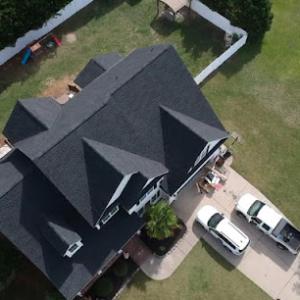
Experienced Excellence At Raptor Roofing, we’re dedicated to safeguarding homes and businesses with our exceptional roofing solutions. Our commitment to quality, craftsmanship, and customer satisfaction sets us apart as a reliable choice for all your roofing needs. With years of industry experience, our seasoned team brings a wealth of knowledge and expertise to each project. Whether it’s a residential roof or a commercial installation, we ensure precision and care in every step. Crafting Quality Craftsmanship is at the core of what we do. Our skilled professionals take pride in their work, employing top-tier materials and techniques to create roofs that stand the test of time and the elements.
AKC Roofing
(919) 763-6767 roofingclayton.com
36 Yellow Ribbons Ct, Clayton, North Carolina
5.0 from 52 reviews
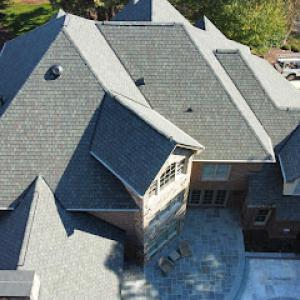
AKC Roofing are Clayton, NC based roofers specializing in both emergency and general maintenance roof repairs, as well as partial to full roof replacement and restoration for residential homes and commercial businesses. Siding services include replacing siding panels to complete siding installations in a variety of materials. AKC Roofing also installs seamless gutter drainage systems which can reduce erosion by controlling water flow to preserve landscaping around the home. Free estimates, along with free roof inspections for homeowners, and storm damage repairs that require insurance claims are fully handled by AKC.
Finishin Touch Roofing
96 Paraggi Ct #9216, Clayton, North Carolina
5.0 from 40 reviews
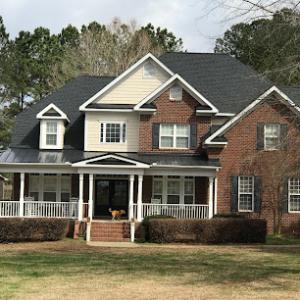
Finishin Touch Roofing is a full service roofing and exteriors company serving customers throughout central and eastern North Carolina. We are known for our superior workmanship, and our integrity and honesty in dealing with customers and our partners.
Gowan Roofing
305 E Main St, Clayton, North Carolina
4.9 from 49 reviews
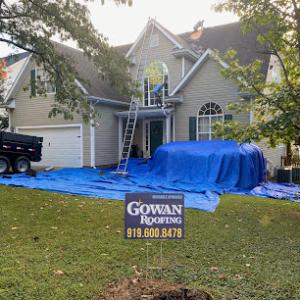
Gowan Roofing of Raleigh was recently formed out of two prevailing passions. First, a services to others, and secondly, out of our unwavering desire to be perfect on every project! Although newly formed, we have a number of years of experience in the roofing industry. If you have a question, concern, or issue with your roof, please call me (919)600-8478, or one of my Project Mangers and we will solve your issue. If you need a second opinion, we can serve you there as well. We are insurance experts and enjoy an impeccable reputation with insurance companies, so we can partner with you and lead you through the claim process. Please call us today! Thank you. John B. Gowan
Ready Roofing
(919) 807-1361 www.readyroofing.com
228 Airport Industrial Dr, Clayton, North Carolina
4.7 from 181 reviews
Ready Roofing is Clayton, North Carolina's premier professional roofing contractor, specializing in both commercial roofing and residential roofing services. Our team of highly trained and certified roofers have a combined four decades of industry experience. Whether you need a simple repair or a complete roof replacement, our licensed, insured contractors have the skills to take care of it! Call Ready Roofing today at (919) 807-1361 to learn more about our residential and commercial roofing services, quality workmanship, premium products, and unparalleled customer service!
Carolina Roofing & Vinyl Siding
(919) 553-7663 carolinaroofing.co
104 State Ave #100, Clayton, North Carolina
4.7 from 131 reviews
At Carolina Roofing & Vinyl Siding, LLC, we believe you should have a great roof over your head, no matter the time of year, the weather outside, or the age of your building. That is why you’ll find us equipped to provide complete roofing solutions for homes and businesses in Clayton, North Carolina and the rest of the Triangle. Whether you’ve suffered storm damage or simply need a roof replacement due to aging roof materials, we can help. Our relationships with top material manufacturers, 54 years of combined experience in the industry, and dedication to a job well-done make us your top contractor for residential and commercial roofing, windows, siding, and gutters.

Home Towne Roofing Systems
(919) 624-3557 hometowneroofingsystems.com
Clayton, North Carolina
5.0 from 24 reviews
Welcome to HomeTowne Roofing Systems, a trusted and experienced roofing contractor in Clayton, NC. In everything we do, we lead with Value and Goodwill. We are constantly in the pursuit of excellence in our industry and believe in treating your roof like it is our personal roof. We know you could choose hundreds of other roofing contractors. We are thankful that your are giving us your consideration. If your roof needs attention, hire Home Towne Roofing Systems to get the job done right. Our local roofing contractor in Clayton, NC, will not only inspect and install your new roof, but we will also provide roof insurance claim assistance . We offer a complete roof installation service, repairs, gutter installations, and more! Get in touch!
William Ryan Roofing
(704) 603-7797 williamryanroofing.com
113 Nugget Creek Dr, Clayton, North Carolina
5.0 from 19 reviews
William Ryan Roofing - Trusted Roofing Services in North Carolina At William Ryan Roofing, we deliver top-quality roofing services with a focus on integrity, value, and craftsmanship. Whether you need a new roof installation, repairs, or replacement, our experienced team is here to handle all your roofing needs. Our services include: Roof Installation Roof Repair Roof Replacement Storm Damage Repair Roof Inspections Shingle Roofs Metal Roofs Commercial Roofing We proudly serve all of North Carolina, offering free estimates and 24/7 emergency services. Trust us to provide durable, reliable, and aesthetically pleasing roofing solutions for your home or business. Contact us today to schedule your free estimate!

Barnes Restoration
(919) 359-9159 barnesrestorationinc.com
65 Plantation Dr, Clayton, North Carolina
4.9 from 27 reviews
Barnes Restoration, INC is a small town roofing company that handles every job with care. We provide roof replacements as well as repairs. We handle removal and replacement of gutters, downspouts and siding. If you are in need of our services do not hesitate to contact us! We are here to help.
GoodHands Construction
(828) 231-1840 goodhandsconstruction.com
423 E Second St, Clayton, North Carolina
5.0 from 13 reviews
Discover the craftsmanship and dedication at GoodHands Construction, Inc.! Nestled in the heart of Clayton, NC at 423 E Second St, our locally owned company specializes in top-notch roofing, exteriors, and siding. Whether you're envisioning a stunning new roof, a robust exterior, or sleek siding, we bring your dreams to life with meticulous attention to detail and quality. Visit us online @goodhandsconstruction to learn more and start your journey to a more beautiful and secure home today!
XYZ Roofs
101 Kentucky Derby Dr, Clayton, North Carolina
4.6 from 33 reviews
XYZ Roofs of North Carolina proudly offers professional, thorough and reliable roofing services to both homeowners and businesses in the local community. Our commitment to customer satisfaction has made us the top roofing company in the area. We are dedicated to providing our customers the very best roofing services by using only high-quality materials and superior craftsmanship that will last for years to come. We specialize in all roofing types and offer a 100% satisfaction guarantee on all the work we do. If you're looking for a roofer you can count on to get the job done the right way, the first time, give us a call today.
Local Roofing
(919) 614-1297 www.localroofingnc.com
486-100 NC 42, Clayton, North Carolina
5.0 from 8 reviews
Welcome to Local Roofing. We are proud to be your trusted residential roofing company in the heart of North Carolina. Our team has years of experience in the roofing industry and is prepared to handle all your home roofing and gutter needs. From roof repair and full roof replacement to gutter installation, our contractors have the knowledge and equipment necessary to get your project done right. Call us today.
Clayton's dominant residential roof market centers on asphalt shingles, and that choice makes sense for the typical suburban roof. In hot, humid summers, you'll notice shingle expansion and contraction cycles more than in cooler markets. When you're weighing replacements after a storm, prioritize shingles with good heat tolerance and a solid nailing pattern. Look for warranties that explicitly address heat aging and Granule retention, and confirm you have full attic ventilation to temper attic temperatures that would otherwise accelerate wear. If a storm comes through, asphalt shingles stay the quickest path back to weather protection while the rest of the house is dried in and secured.
Metal Roofing is present enough to matter in local planning, offering strong performance during hot afternoons and heavy rain. Metal tends to expand less than black asphalt under sun and can shed heat more efficiently if installed with a reflective finish. For Clayton homes, metal can be a favorable long-term choice when the roof line is compatible with the structure and when the attic is well vented to prevent heat buildup under the panels. If your home is on the steeper side or has existing venting that isn't ideal, you'll want a contractor who commits to a precise, heat-aware installation that preserves attic airflow and reduces the risk of dew and condensation problems behind the panels.
Clay tile and concrete tile bring a distinctive profile and can perform very well in heat, but they demand careful installation. Both types are heavier than asphalt or metal, so a structural assessment is key before replacement. Clay tile especially benefits from attention to venting around chimneys, dormers, and attic penetrations, since improper vent placement can trap heat and moisture. Synthetic or composite shingles and tiles can offer a middle ground-lighter weight with decent heat resistance and easier installation-yet they still require solid attic ventilation and compatible underlayment to handle Clayton's humidity.
Slate carries a high-end aesthetic and excellent longevity, but its installation is sensitive to roof deck support and accurate venting detailing. In this market, specialty materials can trigger added local attention to installation details and venting during the review process, so confirm the contractor commits to precise nailing patterns, appropriate underlayment, and adequate attic ventilation for the specific material you choose. Slate and clay tile replacements are most successful when the roof is properly evaluated for weight and ventilation first, ensuring the system can manage heat and storm-driven moisture without compromising framing.
Typical local material pricing runs about $350-$700 per square for asphalt shingles, $900-$1400 for metal, $1200-$2300 for clay tile, $1100-$2100 for concrete tile, $700-$1100 for synthetic/composite, and $1500-$3000 for slate. When you're lining up bids, those ranges are a reliable frame of reference for comparison. Storm-damaged homes and after-storm projects tighten the schedule in this market, so expect some fluctuation around these numbers after a big thunderstorm or tropical rain event.
Storm surges in demand after summer thunderstorms and fall tropical rain events can tighten scheduling in Clayton and push labor and repair pricing upward. Contractors often juggle multiple urgent leaks and re-roofs, which shortens lead times and can bump crew mobilization fees. If a project lands during a peak storm window, you may see higher contingency costs or expedited-material sourcing fees. Planning ahead for that seasonal rhythm helps you lock in crews at a clearer rate and reduce rush charges.
Heavier or specialty systems such as slate or clay tile carry higher installed costs, reflecting both material price and installation complexity. For slate at the top end, you're looking at a wide spread into the upper price bands, with substantial labor and potential additional structural considerations. Clay tile and concrete tile sit in the mid-to-upper ranges, and their weight can influence nailing patterns, batten work, and roof-edge support. Synthetic/composite and asphalt stay in more conservative ranges, but even there, local conditions-like a steep pitch or multiple penetrations-can nudge the final tally.
If you're replacing after a storm, start with a damage-dominant scope: remove and inspect underlayment, flashing, and vent details to avoid re-work later. Keep a short list of trusted local crews who understand the region's summer humidity, tropical-downpour realities, and how these climates stress overhangs and valleys. When you're comparing bids, ask for a clear breakdown: materials, underlayment, fastening systems, ventilation, and waste disposal. Finally, consider phased pricing if immediate capability is limited; it can spread disruption and help you align pricing as market conditions evolve.
Get a clear picture of your project costs upfront - no commitment required.
AKC Roofing
(919) 763-6767 roofingclayton.com
36 Yellow Ribbons Ct, Clayton, North Carolina
5.0 from 52 reviews
William Ryan Roofing
(704) 603-7797 williamryanroofing.com
113 Nugget Creek Dr, Clayton, North Carolina
5.0 from 19 reviews
Most full roof replacements in this area require a building permit through the local building department serving Clayton and Johnston County. That means before any tear-off or new installation begins, you should confirm permit needs and timeline with the Clayton/JCI County building office, and your contractor should pull the permit in your name. This helps ensure the work meets current codes, wind resistance standards, and that inspections line up with the project progress after a thunderstorm or tropical rain event. For repairs limited to patching or minor leaks, there may be a different path, but a full replacement usually triggers the permit process.
Roof jobs here typically require inspection at the rough-in or underlayment stage and again at final installation before closeout. During the rough-in, inspectors check underlayment installation, attic ventilation, and fastener patterns to withstand Johnston County's hot, humid summers and storm exposure. Complex roof systems and specialty materials such as slate or clay tile may face additional plan review or venting checks beyond a routine asphalt re-roof. If your project uses unusual decking, radiant barriers, or a combination of materials, expect more scrutiny and an extra review step. The aim is to ensure the roof will perform under severe weather and meet energy and ventilation standards.
Start by verifying the permit requirements with the local building department and your chosen contractor. Have ready the project scope, including material type, roof pitch, and any venting or attic insulation details. For homes with intricate layouts, additional plans or elevations may be requested to illustrate the roof assembly, penetrations, and drainage details. If storm damage prompted the replacement, keep a clear record of when damage occurred, photos, and any insurance-adjusted work orders. This documentation often helps when coordinating permit timelines with the insurer and avoiding delays.
Schedule the rough-in/underlayment inspection after the roof deck and underlayment are in place but before shingles go on. Ensure pathways to the attic and roof are clear, and temporary safety measures are in place. The final inspection occurs after the new roof is fully installed, penetrations are sealed, and all flashing, ventilation, and drainage components are complete. Have proof of code-compliant nailing, ventilation calculations, and any specialty venting details ready for the inspector. If a plan review was required, a follow-up inspection may be needed to confirm revisions or approvals are satisfied.
If the roof replacement follows a storm event, coordinate closely with the insurer to confirm which elements are covered and what documentation the insurer expects for the permit-based work. Insurance claims and the permit process should align so the project progresses smoothly from demolition through final closeout. A well-documented claim, along with approved permits and inspection records, supports a clean closeout and helps protect your home during the next storm season.
In Clayton, hot humid weather can shorten the service life of asphalt systems through repeated thermal movement and moisture stress. Shingles expand and contract with every heat spike, and that constant cycling invites micro-cracks, accelerated granule loss, and the occasional cupping or curling that invites leaks. If attic ventilation isn't keeping pace with the heat, underside moisture can linger and deteriorate the decking and underlayment more quickly than you'd expect. The result is a roof that looks fine at a glance but loses performance where it matters most, especially along edges, hips, and valley intersections.
Occasional winter freezes in this part of North Carolina can stress flashing details and ridge caps even though winters are generally mild. Frozen moisture can push against metal joints, sealants, and step flashing, creating hairline gaps that invite water intrusion during spring thundershowers. Ridge caps, especially where two slopes meet, carry the load of wind-driven rain and ice damting pressures from brief cold snaps. When flashing fails or becomes brittle, the first signs are often slow leaks near vents, chimneys, or transitions to skylight headers.
Because thunderstorms are frequent, leak points around skylights, flashing transitions, and other penetrations are a recurring concern in local repair work. These weak spots are especially susceptible when aging sealants degrade and fasteners loosen from vibration and heat cycling. Regular checks for compromised sealant, lifted shingles at transitions, and creased flashing edges can prevent sudden leaks after a heavy storm. If damage appears around any penetration, address it promptly to avert wood rot and interior damage.
Look for missing granules on asphalt surfaces, dark streaks along joints, and any soft or spongy decking under a suspected leak area. Pay attention to attic vents and attic insulation; if you notice condensation or damp insulation after a storm, investigate roofing penetrations first. Keeping a routine, seasonally adjusted inspection plan helps catch failures before they escalate into structural concerns.
Find contractors experienced in skylight installation, flashing, and leak repairs to bring natural light into your home.
Raptor Roofing
(984) 318-6065 www.raptorroofers.com
106 S Lombard St Suite 101, Clayton, North Carolina
5.0 from 89 reviews
AKC Roofing
(919) 763-6767 roofingclayton.com
36 Yellow Ribbons Ct, Clayton, North Carolina
5.0 from 52 reviews
Finishin Touch Roofing
96 Paraggi Ct #9216, Clayton, North Carolina
5.0 from 40 reviews
Spring and summer drive the most activity here, because active leaks and storm damage can force unplanned projects. When a thunderstorm season hits, you'll notice faster response times from local crews, and insurers often move faster too. If you plan early after a hail or wind event, you can stage materials and prioritize the most damaged areas. This is the window where many homes get their tear-off done before the heat and humidity spike.
If you wait into fall, tropical-storm-remnant rain events can complicate tear-off scheduling and dry-in windows. You'll want the forecasted dry days to align with roof work, especially if you have clay or concrete tiles that take longer to install. Ironically, the later you book, the tighter the schedule becomes as crews pick up storm-damage backlog. Having a flexible start date helps.
Mild winters allow roofing work to continue more often than in colder regions, but flashing and ridge details still need attention when freeze events occur. When nights drop below freezing, you should anticipate temporary leaks or ice dam concerns on darker slopes. A careful plan for roof ventilation and attic temperature control pays dividends in the coldest months.
Before work begins, document damage with photos for the insurer, secure exterior access, and arrange temporary coverings if storms threaten the site. If you've got active leaks, coordinate temporary fixes that don't lock you into a long-cycle schedule. Clear communication with the crew keeps the project moving efficiently during Clayton's storm-driven season.
After a damaging event, you'll want intake with your contractor to lock in a timetable, confirm material delivery windows, and align your insurance claims timeline with the crew's availability preferences.
In Clayton, insurers in this market may weigh roof age and installation quality more heavily than in other areas, so workmanship records and warranty paperwork matter when a claim is filed after a thunderstorm or tropical rain event. A clear, transferable warranty can influence both the short-term repair decisions and long-term protection against leaks and moisture intrusion. Keep a file with dates of installation, material type, and the installer's written workmanship standards. When storms hit, this documentation often shifts how losses are evaluated and approved, so it's worth prioritizing secure paper trails from the outset.
Clayton's mix of standard shingle roofs and occasional specialty systems means homeowners should verify that warranty terms match the material actually being installed. If the project calls for asphalt shingles, ensure the warranty covers wind resistance, adhesive performance, and algae resistance typical for humid summers. For metal or tile systems, confirm hail resistance and fastener warranty specifics. Insurers may scrutinize whether the product name and part numbers on warranty cards align with the installed components, especially after storm-driven damage. A mismatch can complicate claims or delay coverage.
The local contractor market includes some manufacturers-certified and warranty-offering firms, which is especially relevant when comparing re-roof proposals after storm damage. Seek a contractor who can provide field-verified warranty terms directly from the material manufacturer and who can document installation protocols that meet or exceed those standards. Insist on a detailed installation checklist, quality-control sign-offs, and a clear schedule for warranty service calls. When a claim arises, those records can streamline approval and ensure the coverage matches the installation type.
Clayton's housing stock is dominated by pitched roofs, but some homes and additions still feature low-slope sections that require different detailing than the main shingle roof. Those areas often sit under porches, sunrooms, or rear additions where runoff behavior shifts and wind-driven rain can expose seams. The result is a need for extra attention to drainage, flashing, and roof-to-wall transitions on these surfaces.
Frequent heavy rain and thunderstorm runoff in Clayton make drainage and seam integrity especially important on low-slope areas. Start by ensuring a dedicated drainage path that moves water away from walls and interior spaces within minutes of a storm. Check that drains, scuppers, and edge termination are kept clear and free of debris after storms. Seams and flashing at low-slope zones should be continuous, with proper mechanical fastening and sealant choices rated for high humidity and temperature swings. Plan for occasional wind-driven spray from thunderstorms that can lift weak seals; reinforcing with compatible sealants and self-adhered flashing details can help.
A flat- or low-slope section should use materials and detailing rated for moisture exposure and compatibility with adjacent pitched roofing. For additions, verify that roof-to-wall transitions are integrated with the main roof system so water can shed smoothly at all joints. If the low-slope area ties into a metal or single-player membrane, confirm that edge trims, transitions, and insulation continuity are carefully bridged to avoid cold-spot condensation or ice dam-like effects in colder months.
Local contractor signals show flat-roof capability exists but is not the dominant specialty, so homeowners with porches, additions, or mixed-slope roofs should confirm that experience specifically. Ask for project references that include low-slope detailing, flashing continuity, and successful rain-event performance. Schedule a walkthrough to inspect existing low-slope areas for signs of ponding, compromised seals, or prior repairs that may necessitate a unified approach with the adjoining pitched roof.
Find specialists in TPO, EPDM, and built-up flat roofing systems for residential and commercial properties.
GoodHands Construction
(828) 231-1840 goodhandsconstruction.com
423 E Second St, Clayton, North Carolina
5.0 from 13 reviews
Clayton Roofing Contractor
(919) 626-3311 www.claytonroofingcontractor.com
Serving
5.0 from 7 reviews