
Last updated: Apr 19, 2026
August through October in this area bring the highest disruption risk. Tropical systems and hurricane remnants sweep inland, and wind-driven rain can lift edges and push moisture under flashing, especially where ventilation and ridge lines aren't perfectly sealed. The inland reach through Johnston County means even roofs that don't feel exposed to the coast still face the same uplift and rain pressures. Remember: this is the time when a routine summer shower can turn into a storm-driven event, and the risk spikes quickly after a brief lull. Your roof should be treated as vulnerable during these months, with attention paid to areas near hips, valleys, plumbing stacks, and vent flashing where wind gusts tend to exploit gaps.
Contractors report that storm damage and insurance-claims work are among the most common projects seen after severe weather. That pattern isn't a rumor here-it's a practical signal that many homes experience hail impacts, wind-stripped granules, lifted shingles, or blown-over flashing during the peak window. The consequence isn't only a damaged surface; it's the cascade of interior concerns if water finds its way under underlayment or into attic spaces. In Smithfield, you'll often see missing granules on asphalt shingles, curling edges on smaller roofs, or shingles displaced along eaves where wind pressure concentrates. If you're in the aftermath of a storm, don't assume a quick cosmetic fix will suffice-hidden damage can undermine ventilation, accelerate deck rotting, and invite mold.
In this market, a concrete plan for insurance claims makes a tangible difference in outcomes. Homeowners commonly engage after a severe weather event, so knowing how to document damage before a claim is filed matters. Start with a careful, dated visual record of the roof from multiple angles: close-ups of any lifting, granule loss, or lifted flashing, plus attic photos if you notice condensation or streaking. Maintain a log of dates, observed wind speeds, and any leaks you've seen inside. When you call a contractor, expect questions about when the event occurred, what you observed, and what you've already staged to prevent further moisture intrusion (like tarping or temporary coverings). Insurance adjusters rely on clear, timely documentation; a well-organized file speeds the review and helps ensure the scope matches the actual need. Be prepared for a phased process: an inspection, an estimate, and then work that proceeds with weather windows in mind. Delays compound damage risk in this climate, so keep lines of communication open with your insurer, your contractor, and your adjuster throughout.
Proactively protect the roof during peak season by securing temporary coverings over stressed areas after a storm and before days of more rain. If there's any sign of exposed underlayment or visible flashing gaps, schedule an assessment promptly-don't wait for moisture pockets to appear. When selecting help, favor contractors who specialize in storm-damage and insurance-claim workflows, because they understand the documentation, scope alignment, and sequencing needed to move from assessment to repair efficiently. Expect scheduling bottlenecks and weather delays during August through October; build a plan that prioritizes critical repairs first (areas with active leaks, compromised attic ventilation, or flashing gaps) while remaining flexible for weather-driven pauses. If a full re-roof becomes necessary, recognize that timing may shift due to high demand; however, a coordinated approach with a trusted local crew can keep the project moving as much as weather allows.
Peak storm season in Smithfield creates real scheduling bottlenecks. Even with a strong contractor network, the backlog after a severe event means repair timing and full re-roof availability can extend beyond what you'd expect in calmer months. Establish a decision point with your contractor early: agree on a staged plan, prioritization criteria for leaks and ventilation, and a realistic sequence that minimizes exposure while aligning with favorable weather. The goal is to reduce exposure time while preserving the integrity of the roof system, so you're not faced with preventable interior damage once the next storm arrives. This approach helps you stay ahead in a season where demand surges and every day of delay matters.
The hot, humid summers that define this area push asphalt shingles to a faster aging curve than in drier locales. Exposure to extended heat cycles makes surface granules loosen and the underlying asphalt harder to oxidize, which accelerates color fading, edge curl, and brittle cracks. In a typical Smithfield roof, you'll notice faster granule loss around edges and near vents or dormers where heat concentrates. Look for hairline cracking along the tabs, increased transparency in shaded areas, and more frequent thermal movement between ridges and valleys. If shingles appear chalky or unusual for the area after a hot spell, consider prioritizing a more thorough inspection of the most exposed sections.
Regular rain in this climate means moisture management details matter more for roof longevity than in drier inland markets. Flashing integrity and attic ventilation are critical to prevent moisture buildup that invites mold, rot, and premature shingle deterioration. Inspect step flashing along chimneys and walls for gaps or resealing needs, especially after heavy rains or wind-driven spray. Attic ventilation should keep the roof deck near ambient outdoor temperatures and reduce indoor humidity that can soften asphalt underlayment. If you notice damp ceiling spots, musty odors, or attic warm spots, address ventilation and flashing promptly, as lingering moisture accelerates shingle aging and can undermine fastener performance.
Late-summer storms bring driving rain and strong winds, testing nailing patterns and shingle adhesion. A loose nail or poorly sealed nail head can loosen under storm pressure, creating lifted tabs that admit more moisture and heat exposure. During inspections, confirm that nails are driven to the correct depth and that fasteners are properly sealed with compatible sealant, especially at edges and valleys where water concentrates. In Smithfield, where storm season intersects the peak heat, ensure the roof's nail pattern aligns with the current code-adjacent practice and that there's no nail corrosion from prolonged humidity.
Dry shoulder seasons such as spring and fall are favored locally for replacement because they avoid the worst summer heat and the highest late-season storm disruption. If a replacement becomes necessary, plan for a window in mild, dry weather to minimize heat-related stress on underlayment and shingles during install. In practice, align replacement with a stretch of multiple days with comfortable temperatures and dry forecasts to maximize adherence of flashing, sealants, and asphalt layers.
You can build a simple, seasonally repeatable check: after the wettest months, inspect the roof from the ground with binoculars, focusing on shingle edges, flashing junctions, and visible fasteners. After any heavy storm, perform a thorough walkaround-look for lifted tabs, damaged granules in gutters, or damp patches in the attic. Keep a small log of observed changes and correlate them with recent weather. If uncertainty arises, engage a local roofer who understands the region's heat, humidity, and wind patterns to verify shingle integrity and ventilation status.
The most popular roofing material in the US. Find pros who install, repair, and replace asphalt shingles.
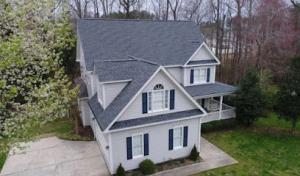
Lane's Contracting & Roofing
(919) 631-6112 lanescontracting.com
817 S Brightleaf Blvd, Smithfield, North Carolina
4.9 from 244 reviews
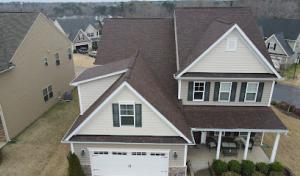
Serranos Contracting
259 Venture Dr B, Smithfield, North Carolina
5.0 from 41 reviews
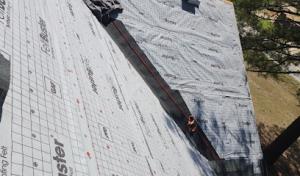
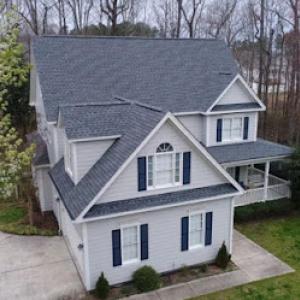
Lane's Contracting & Roofing
(919) 631-6112 lanescontracting.com
817 S Brightleaf Blvd, Smithfield, North Carolina
4.9 from 244 reviews
Lane's Contracting and Roofing offers dependable roofing, siding, and painting services to homeowners and businesses. Our skilled team specializes in roof repairs, replacements, and gutter installations, ensuring your home is protected. We also provide expert window installation and window film services, enhancing your home's energy efficiency and privacy. As experienced painting contractors, we handle residential, commercial, and exterior projects with precision. Trust Lane's Contracting and Roofing for quality workmanship and reliable service in every project. Your satisfaction is our priority.
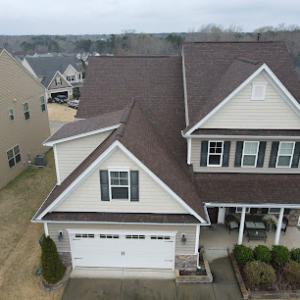
Serranos Contracting
259 Venture Dr B, Smithfield, North Carolina
5.0 from 41 reviews
We offer free roof inspections, free estimates and free consultations for any roofing or home improvement needs. We do quality work with quality products. Get all your home improvement needs done right the first time. With over 15 years experience.
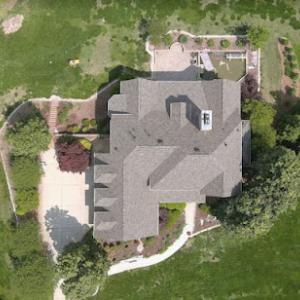
C & J Storm Repair Team
(919) 215-9171 candj-stormrepairteam.com
1327 N Brightleaf Blvd Building A, Smithfield, North Carolina
4.8 from 39 reviews
C&J Storm Repair Team specializes in top-notch roofing and home exterior services in Garner, NC, and the surrounding areas. Our expert team provides services such as roof repair, installation, and inspection, along with gutter cleaning and repair. Experience peace of mind with our skilled handling of storm damage and emergency repairs, ensuring your home is safe and secure. We pride ourselves on customer satisfaction and offer free inspections to assess your needs. Trust C&J for reliable solutions tailored to your home. Serving Garner, Clayton, and surrounding communities, we're your go-to roofing contractor.
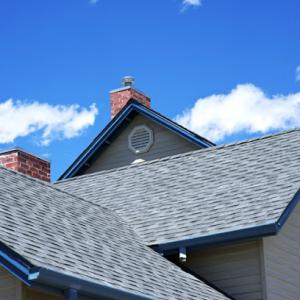
Brian's Roofing & Home Improvement
(984) 212-0634 briansroofnc.com
Smithfield, NC
5.0 from 3 reviews
Restore Your Roof by Turning to the Professionals REACH OUT TO OUR LOCAL ROOFING COMPANY IN WENDELL, NC Do you find new leaks every time it rains? Is your roof missing shingles? Fortunately, the pros at Brian's Roofing and Home Improvement can fix your roof. Our local roofing company in Wendell, NC provides roof repair and replacement services at fair prices. Your roof will be ready for even the worst storms by the time we're finished. Call today to schedule services with our local roofing company.
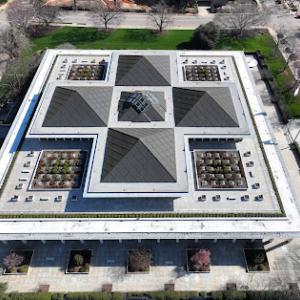
Owens Roofing
(919) 821-0082 owensroofinginc.com
1200 Short Journey Rd, Smithfield, North Carolina
4.0 from 4 reviews
Owens Roofing (ORI) provides their clients done right, leak-free roofing solutions to protect their properties and people. Since 1986, ORI has set the standard for excellence in commercial and industrial roofing in North and South Carolina. ORI has established a great reputation for high quality craftsmanship, expertise in the marketplace, and strong relationships with customers and suppliers. ORI’s services include commercial reroofing, maintenance & repair, leak investigation, emergency leak response, and sheet metal work. We install a wide range of roofing systems, from modified bitumen, built-up, TPO & PVC, to metal, slate, and tile roof. Owens Roofing fabricates its own metal from their state-of-the-art shop.
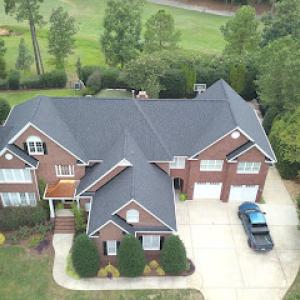
Ready Roofing
(919) 807-1361 www.readyroofing.com
Serving
4.7 from 181 reviews
Ready Roofing is Clayton, North Carolina's premier professional roofing contractor, specializing in both commercial roofing and residential roofing services. Our team of highly trained and certified roofers have a combined four decades of industry experience. Whether you need a simple repair or a complete roof replacement, our licensed, insured contractors have the skills to take care of it! Call Ready Roofing today at (919) 807-1361 to learn more about our residential and commercial roofing services, quality workmanship, premium products, and unparalleled customer service!
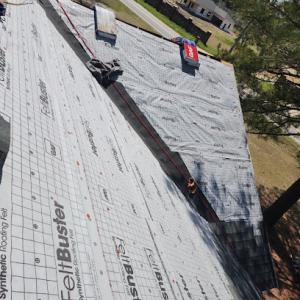
Pro Roofers NC
Serving
5.0 from 8 reviews
At our roofing company, we understand the importance of a well-maintained roof for your home. Our comprehensive roofing services in Four Oaks, NC cover everything from routine maintenance to extensive repairs. Whether you need an asphalt shingle repair, a metal roof replacement, or even a complete roof overhaul, our experienced team is ready to provide efficient, reliable service. Our residential roofing services ensure the safety, longevity, and aesthetic appeal of your home. Trust us to deliver nothing but excellence. call today at (919) 538-4472.
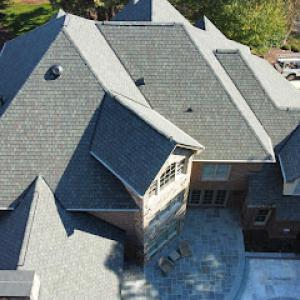
AKC Roofing
(919) 763-6767 roofingclayton.com
Serving
5.0 from 52 reviews
AKC Roofing are Clayton, NC based roofers specializing in both emergency and general maintenance roof repairs, as well as partial to full roof replacement and restoration for residential homes and commercial businesses. Siding services include replacing siding panels to complete siding installations in a variety of materials. AKC Roofing also installs seamless gutter drainage systems which can reduce erosion by controlling water flow to preserve landscaping around the home. Free estimates, along with free roof inspections for homeowners, and storm damage repairs that require insurance claims are fully handled by AKC.
William Ryan Roofing
(704) 603-7797 williamryanroofing.com
Serving
5.0 from 19 reviews
William Ryan Roofing - Trusted Roofing Services in North Carolina At William Ryan Roofing, we deliver top-quality roofing services with a focus on integrity, value, and craftsmanship. Whether you need a new roof installation, repairs, or replacement, our experienced team is here to handle all your roofing needs. Our services include: Roof Installation Roof Repair Roof Replacement Storm Damage Repair Roof Inspections Shingle Roofs Metal Roofs Commercial Roofing We proudly serve all of North Carolina, offering free estimates and 24/7 emergency services. Trust us to provide durable, reliable, and aesthetically pleasing roofing solutions for your home or business. Contact us today to schedule your free estimate!
Finishin Touch Roofing
Serving
5.0 from 40 reviews
Finishin Touch Roofing is a full service roofing and exteriors company serving customers throughout central and eastern North Carolina. We are known for our superior workmanship, and our integrity and honesty in dealing with customers and our partners.
Generations Roofing & Restoration
(919) 935-9368 generationsroofing.com
Serving
5.0 from 120 reviews
Here at Generations Roofing & Restoration we strive to meet all of your roofing and restoration needs throughout Eastern North Carolina. Our experienced roofers can handle anything from roof repairs to full roof replacements. Our team of roofing contractors here at Generations Roofing & Restoration are professionals when it comes to identifying hail damage along with wind damage to your roof after a bad storm and helping to assist you with your insurance claim. Some of are top brands that we use include Atlas, and CertainTeed to provide your home with the best possible materials to with stand any storm coming your way! We have 25+ Years of experience as a licensed roofing company and we treat each of our customers like they are family!
Raptor Roofing
(984) 318-6065 www.raptorroofers.com
Serving
5.0 from 89 reviews
Experienced Excellence At Raptor Roofing, we’re dedicated to safeguarding homes and businesses with our exceptional roofing solutions. Our commitment to quality, craftsmanship, and customer satisfaction sets us apart as a reliable choice for all your roofing needs. With years of industry experience, our seasoned team brings a wealth of knowledge and expertise to each project. Whether it’s a residential roof or a commercial installation, we ensure precision and care in every step. Crafting Quality Craftsmanship is at the core of what we do. Our skilled professionals take pride in their work, employing top-tier materials and techniques to create roofs that stand the test of time and the elements.
In this area, asphalt shingles and metal roofing are the go-to options for a reliable mix of performance and value. Asphalt shingles offer broad availability, straightforward repairs, and proven endurance against the coastal Plain humidity Smithfield experiences in the hot months. Metal roofs bring excellent wind resistance and rapid water shedding, which is especially helpful during late-summer storms when gusts and heavy rains coincide. While clay tile, concrete tile, wood shingles, and synthetic shingles exist, they're less common for mainstream residential replacement due to weight, installation complexity, and frequent compatibility questions with existing roof structures. A homeowner considering those premium materials should plan for detailed evaluations of load paths and fascia support.
The coastal plain climate calls for a dual focus: moisture management and wind integrity. Asphalt shingles perform well when installed with proper underlayment and ventilation, and they tolerate humidity without significant rot risk if the sheathing is solid and completely dry during installation. Metal roofing excels with wind; its panels stay secured when fastened correctly and can resist delamination during heavy rain or flying debris. When evaluating options, prioritize systems with integrated moisture barriers, sealed flashing around vents and chimneys, and a nail pattern that aligns with the roof deck's spacing. Roofs in this region should be evaluated for drainage efficiency as well, ensuring that valleys and crickets keep runoff moving away from the home's interior and any low-perimeter areas prone to standing water during storms.
Heavier materials such as clay and concrete tile demand careful scrutiny of the existing structure. In a replacement project, heavier roofing can require reinforcing the ceiling joists, deck, or even upgrading fasteners and supports. In practice, that means more planning and potential adjustments to the attic space and roof-to-wall connections. A typical Smithfield home with mid-range framing may tolerate lighter systems without major structural changes, but any plan involving heavy tile should trigger a detailed review of load paths and, in some cases, additional structural calculation. For metal, asphalt, and synthetic options, the structural impact is typically less dramatic, yet still real enough to warrant a qualified assessment of deck condition and nailers. The permit process in this area often emphasizes correct ventilation, flashing, and fastening patterns, so ensure the chosen system is compatible with those expectations and that a licensed contractor follows the local sequence precisely.
Late-summer storms demand careful installation around eaves, ridge lines, and any existing skylight openings. Your installer should confirm adequate attic ventilation and ensure flashing around chimneys and vent stacks is continuous and corrosion-resistant. For asphalt or metal, insist on a professional sealant strategy to handle recurring exposure to humidity and rain. Regular inspections after major storms help catch loose fasteners, lifted shingles, or dented panels before minor issues escalate into leaks. In this climate, a well-chosen material paired with precise installation and diligent maintenance yields the most durable performance when the next hurricane-season wind arrives.
In Smithfield, asphalt shingles typically run 320 to 520 USD per square, metal 700 to 1100, clay tile 1500 to 2600, concrete tile 900 to 1800, wood shingles or shakes 550 to 1200, and synthetic or composite shingles 420 to 700. These figures reflect local material availability and labor habits that prioritize storm resistance. When choosing, consider long term durability and how each option handles heat, humidity, and wind.
Late-summer hurricanes can tighten labor markets and extend scheduling in this area. After tropical storms, prices can rise as demand for re-roofs spikes and crews move quickly to rebuild. Planning ahead helps lock in materials and avoid delays when crews are scarce. A concrete or clay option might push total costs higher but can offer extended life in harsh weather, which matters in Coastal Plain exposure.
Costs in Smithfield can also increase when a project shifts from a straightforward tear-off to include structural changes, ventilation updates, or flashing corrections identified during inspection. If a roof requires reinforcing rafters, additional decking, or updated ventilation, price can jump beyond the base ranges. Proper attic ventilation plays a big role in performance and may change up the need for underlayment or flashing upgrades.
For a reliable estimate, get at least three local quotes that itemize labor, materials, and disposal. Expect scheduling constraints to push calendars into late summer or early fall after storms. Ask about crew experience with hurricane-season repair and verify that the contractor will address soffit and fascia integrity to prevent future water intrusion. In Smithfield, costs tend to be higher when the project includes permit review elements or inspections that require extra materials or labor.
Get a clear picture of your project costs upfront - no commitment required.
Serranos Contracting
259 Venture Dr B, Smithfield, North Carolina
5.0 from 41 reviews
A building permit is typically required for a full re-roof in Smithfield, with permitting handled through the local building department serving Smithfield and Johnston County. Before any shovel hits the ground, verify that the scope of work is clearly defined in your permit application. The permit process in this area tends to be more thorough than in many nearby towns, particularly when the project includes venting changes or more substantial structural work. If the plan reviewer spots ambiguity in venting, flashing, or nail patterns, the review can pause progress or require design adjustments. Being precise about materials, ventilation strategy, and flashing details at the outset saves time and reduces the risk of costly callbacks after the project starts.
Smithfield-area roof inspections are scheduled during and after replacement work and commonly verify underlayment, nailing patterns, ventilation, and flashing rather than only the finished surface appearance. That means the inspector is looking for sound structure and proper installation steps, not just the curb appeal of new shingles. If your permit requires changes to the attic ventilation or enhancements to the roof-to-wall interface, expect an extra check or two. Plan on coordinating inspection dates with weather windows and the contractor's schedule so each stage can be reviewed without delaying the project. A good practice is to have a pre-inspection walk-through with your contractor to confirm the underlayment, nails per square, and flashing integration meet the expected standards.
Projects involving structural changes or venting updates may require additional plan review locally, making scope definition important before work begins. If the roof deck or supporting structure is altered, or if a new venting strategy is proposed to address summer humidity and hurricane-season moisture, the reviewer may request engineering notes or revised drawings. This is not an obstacle to progress when handled early; it is a safeguard that can prevent later rework. Clear communication with the contractor about whether a structural modification is needed helps avoid surprises at the permit counter or during inspections. In these cases, a documented plan and an approved ventilation approach can streamline the path from permit to punch list.
NC homeowners insurers generally still offer broad coverage, but Smithfield homeowners can see increased scrutiny after wind and hail events because claim frequency tends to rise following severe weather. That means a storm-season claim may be reviewed more closely for pre-existing wear, alignment with policy terms, and whether the roof was adequately maintained. A carrier may introduce documentation requests or ask for independent assessments if the loss looks unusual or repetitive. Understand that insurers in this market may adjust expectations after a big event, so staying proactive helps.
Insurers in this market may request documentation of roof age and condition, which matters in Smithfield because many claims follow tropical weather rather than isolated one-off leaks. Gather recent roof reports, contractor notes, and any prior repair receipts. Take clear photos of visible damage with timestamps, including wind-torn shingles, flashing seams, and attic signs of moisture. Keep a simple loss log: dates of the storm, when damage was first noticed, and any temporary fixes applied to prevent further harm. This record helps illustrate the progression of impact rather than a single snapshot.
After weather events affecting Smithfield, carriers may adjust coverage expectations or require inspections, so homeowners should document visible damage, dates of loss, and any emergency mitigation performed. If an adjuster arrives, point out all obvious damage, including vents, gutters, and soffits, and provide access for a thorough check of underlayment and decking as needed. If a contractor finds hidden damage during inspection, share those findings promptly to avoid gaps in coverage. Scheduling a neutral third-party assessment can help corroborate the condition at the time of loss.
Keep emergency mitigation supplies handy and retain all receipts for temporary protections, such as tarps or board-ups, since such measures can influence claim outcomes. After a storm, avoid delaying communication with the insurer, and promptly report the loss with a concise description of what occurred and when. In this market, clear documentation and timely reporting reduce the risk of coverage disputes and help align the claim with the actual condition of the roof at the time of loss.
Smithfield's regular rain makes flashing reliability a high-value detail, especially around roof penetrations where water intrusion can develop before broad field-shingle failure is obvious. In late-summer downpours, a small flaw can mask a larger problem until weeks later. If flashing around chimneys, vent pipes, or skylights looks nicked, lifted, or softened at the edges, the leak may not be dramatic at first-then moisture works its way into decking or walls. You want a system that breathes with the roof, not a cosmetic cover that hides a slow drip.
Skylight service appears meaningfully active in the local contractor market, suggesting penetration detailing and leak repair are recurring homeowner concerns. When a contractor discusses skylight flashing, confirm that the flashing is integrated with the skylight curb and roof shingles, not just sealed with exterior caulk. Look for a continuous line of sealant that isn't brittle, and for flashing metal that is properly embedded behind shingles rather than tucked under them. The goal is a seamless transition where roof and skylight share a single waterproof path, so wind-driven rain cannot pry seams apart during a squall.
Local inspection emphasis on flashing means Smithfield homeowners should expect this area to receive more scrutiny during re-roofing than purely cosmetic roof features. During a re-roof, expect inspectors to examine how penetrations-vent pipes, skylights, and chimneys-are flashed, nailed, and integrated with field shingles. Ask your roofer to show the flashing plan for each penetration and to demonstrate continuity from the deck up through the shingles. A thorough check helps prevent water intrusion long after the headlines of storm season fade.
After heavy rains or substantial wind, walk the perimeter of the roof with care and note any staining, bubbling sealant, or lifted metal around penetrations. Clean any debris from skylight pans and verify that drip edges direct water away from the fascia. Schedule a quick flashing inspection annually, focusing on edges, corners, and transitions where moisture tends to hide. If you notice recurring leaks around a skylight or a vent, treat it as a red flag rather than a minor annoyance.
Find contractors experienced in skylight installation, flashing, and leak repairs to bring natural light into your home.
Lane's Contracting & Roofing
(919) 631-6112 lanescontracting.com
817 S Brightleaf Blvd, Smithfield, North Carolina
4.9 from 244 reviews
In this area, warranties often separate labor from material coverage. You will see signals that warranty offerings exist, but they vary by contractor and product line. After a storm, focus on what the labor warranty actually covers: installation practices, flashing work, ventilation integration, and fastening patterns. Material warranties protect the shingles or panels themselves, but labor coverage is what fixes installation-driven failures. Read the fine print to confirm whether labor coverage travels with the home or with the contractor, and whether it requires the original installer to perform follow-up service.
Storm events can pack work calendars, and rushed scheduling increases the chance of missed flashing, undersized ventilation, or improper nailing. When selecting a crew, ask specifically about their post-storm workflow: how they prevent rapid, shortcut-based installs, and how they document nailing patterns and flashing details. Favor contractors who provide a written plan for detailing roof penetrations, ridge and hip venting, and drip edge alignment. Confirm that all work adheres to standard practice for coastal Plain weather and the local inspection emphasis on secure fastening and proper ventilation.
Warranty value in this area hinges on how closely the job passed inspection on the first try. Before signing, request a checklist that mirrors the local inspection focus: nailed patterns, correct placement of starter and field nails, and the integration of ventilation with the chosen roofing system. If the contractor offers a workmanship warranty, require explicit language about inspection-compliant installation steps and a clear remedy window if any detail fails to meet the first-pass inspection standard.
Keep a project binder with photos of flashing, ventilation hookups, and nail patterns at critical points. Save the final inspection report and the warranty documents in one place. If a storm-driven repair shows signs of leakage or poor fastening, contact the contractor quickly and reference the specific installation details that were intended to satisfy the first-visit inspection. This documentation helps establish the warranty path and reduces negotiation friction.