
Last updated: Apr 19, 2026
The Pamlico River shoreline in Beaufort County's Inner Banks puts roofs under a constant near-mail from tropical-storm rain bands, prolonged wind-driven rain, and coastal storm conditions, even if the house isn't perched right on the oceanfront. That exposure means shingles and flashing face more frequent abuse from gusts that slam from unusual angles, plus higher humidity that promotes moisture intrusion behind edges and penetrations. In these conditions, a roof's overall resilience hinges on airtight edge work, robust fasteners, and materials that hold their shape under wind pressure rather than buckle and lift.
Eastern North Carolina often sees the heaviest disruption late summer into early fall as hurricane season overlaps with wet, humid conditions. Tear-offs, dry-in, and final inspections can slip or stall when storms arrive or when crews must manage recurring rain. Planning with a window that anticipates not just the storm itself but the downstream weather consequences-muddy access, rust on metal components, delayed blade and sealant curing-will reduce the chance of back-to-back delays. If a project is in progress during this period, expect potential pauses and coordinate temporary protections to prevent water intrusion while work stalls.
Homeowners here consistently report wind-lifted shingles, flashing failures around roof edges, and water intrusion following tropical systems rather than hail damage. Flat or low-slope transitions around chimneys, vent pipes, and skylights are especially vulnerable when wind pressure shifts suddenly. Aging or poor-graded underlayment compounds edge failures, and moisture that creeps under the shingles during a storm can escalate into interior damage with little warning. The most common weak points sit where the roof deck meets the fascia, at dormers, and along eaves that have seen repeated exposure to driving rain.
Start with a careful inspection of edge details. Look for loose or cupped shingles, torn or wrinkled underlayment at rake edges, and any gaps at flashing seams. Replace damaged components promptly and upgrade flashing where it shows signs of corrosion or lifting. Ensure fasteners are corrosion-resistant and driven to the correct depth so wind cannot pry them loose. Consider an upgraded roof ventilator arrangement that reduces moisture buildup in high-humidity periods; poorly vented roofs trap humidity, which softens attic framing and can magnify wind-driven damage during a storm. If a roofline includes hips and valleys, have those sections reinforced to resist wind uplift more effectively.
During hurricane season, keep a vigil on sealants around penetrations and the condition of drip edges and gutters. Debris buildup along the ridge and eaves can act as leverage points for wind to pry shingles loose, so establish a routine to clear out leaves and branches after heavy rains. A temporary protective layer over vulnerable areas during anticipated storms can reduce water entry, but it must be properly installed so it doesn't trap heat or create new leakage points. Establish a plan with your roofing team for rapid inspection and remediation after a storm, focusing first on edge integrity, flashing seams, and any interior signs of moisture near ceilings and attic spaces.
Spring and fall are the sweet spots for roofing projects in this area. In Washington, those windows sidestep the peak summer humidity that can complicate asphalt shingle handling and the heavy August-October hurricane window. Waiting for milder temperatures helps crews manage underlayment and decking exposure more predictably, which reduces the chance of wind-driven moisture sneaking under mis-timed installations. If a job can be scheduled between late March and early June or from late September into November, you'll typically see more consistent material handling, faster sequencing, and fewer weather-related delays.
Eastern North Carolina summers bring heat and humidity that can slow the install process. Afternoon storms are common and can interrupt underlayment exposure and deck drying, especially when the roof deck has just been prepped or when new underlayment is being laid. Planning for a season with fewer pop-up storms helps keep the sequence tight-from deck prep to underlayment to shingle tabbing. If a summer project cannot be avoided, expect occasional pauses to let shingles acclimate and for moisture to evaporate before flashing and sealing, and arrange a contingency day or two in the schedule.
In this climate, the actual installation sequence benefits from moderate daytime highs. Excessive heat can cause shingles to become too pliable, making alignment and nailing more challenging, while cool mornings couple with lingering humidity to slow adhesive activation on certain synthetic or self-sealing shingles. Aim for mid-50s to mid-70s Fahrenheit on the bulk of installment days, with sunny, calm afternoons when possible. If a crew must work in late-season warmth, emphasize hydration, staggered labor, and targeted breaks to prevent overheating and mistakes during nailing or flashing.
Winter in this part of North Carolina is milder than inland markets, but cold fronts are not rare. Freeze-thaw cycles can stress joints, penetrations, and aging shingle tabs, especially where sealants or mastic have not fully cured. Schedule borderline projects during periods when temperatures are reliably above freezing for the critical stages of installation, such as underlayment exposure and shingle tabbing. If a cold snap is forecast, consider delaying the final seal and seam work until conditions improve. Protect exposed areas and avoid long stretches of wind-driven rain during this season, which can push water under imperfectly sealed edges.
Coordinate weather outlooks with the crew and plan for a "dry-run" day after any heavy rain spell to confirm deck dryness and flashing integrity before laying shingles. Keep a close eye on humidity forecasts; high humidity can slow curing of certain underlayments and tapes. For historic or coastal-styled homes with mixed roof lines, pre-inspection of hips, valleys, and penetrations becomes even more critical before the first fastener is driven. By aligning the project with spring or fall windows and staying flexible around tropical-season disturbances, a Washington roof replacement can proceed with fewer interruptions and a more reliable finish.
Asphalt shingles are a familiar sight on the area's modest single-family homes and on replacements. They fit a wide range of budgets and architectural styles, which makes them a sensible default for many owners in this coastal zone. The practical upside is quick installation and broad availability. The caveat in this harbor-adjacent climate is that wind loss can be a real concern, especially where gusts whip across open water and inland streets. Humidity and coastal salt moisture can accelerate aging, so choose a weathered look that includes a good underlayment and properly sealed edges. Look for shingles rated for high wind performance and confirm that the roofing system, not just the shingles, is designed to resist the storm-driven rain that pours off the Pamlico River.
Metal roofing stands out for wind resistance and rapid shedding of rain, key advantages in Eastern North Carolina's storm-prone seasons. When installed with a properly sealed fastener pattern and a corrosion-resistant finish, metal can deliver long-term durability with relatively low maintenance. In this waterfront context, a standing-seam profile or ribbed panels with a quality paint system helps resist salt spray and humidity. Pay attention to ventilation underneath and to flashing details around chimneys, skylights, and intersections with old dormers. If the home has historical character or wood trim, consider color and profile choices that complement the architecture while keeping corrosion risks in check.
Clay tile, concrete tile, wood shakes, and synthetic/composite products are less typical for many Inner Banks homes, but they appear selectively, especially on waterfront properties or houses with character-rich histories. Clay and concrete tiles offer durable moisture resistance but can be heavy and require structural checks to handle long-term damp exposure. Wood shakes bring a classic look but demand meticulous maintenance to keep moisture from compromising the substrate and fingering wind-driven leaks in exposed gables. Synthetic or composite shingles can mimic different textures while offering improved moisture tolerance, but still need proper underlayment and ventilation to perform well in a humid, windy climate. On older homes and those near the water, any of these options should be evaluated with a careful inspection of the roof deck, attic ventilation, and drip edge details to prevent moisture intrusion.
In a storm-exposed setting, the best choice pairs a resilient roof with a dependable underlayment and robust connections. For most town and farmstead styles common to the Inner Banks, metal or asphalt with a high wind rating often delivers the most reliable mix of performance and value. If considering clay, concrete, wood, or composites, expect to invest in additional structural reinforcement, precise flashing, and a moisture-aware installation plan to ensure long-term durability against dampness and humidity. The optimal path balances architectural compatibility, local wind patterns, and the home's existing framing, ensuring that the roof remains a steadfast shield through each hurricane season.
Typical material pricing in Washington follows the provided ranges: asphalt shingles 350-700 USD per square, metal 800-1400, clay tile 900-1700, concrete tile 750-1500, wood shingles/shakes 650-1100, and synthetic/composite shingles 550-1000. In practice, you'll notice a wider spread when a historic in-town home or a waterfront property with unique architectural elements is involved. For most standard roofs, the choice between asphalt, metal, or synthetic often drives the biggest swing in initial cost, with a direct impact on long-term resilience against wind-driven rain. If a roof is already showing age or moisture penetration, the replacement price can climb quickly as more deck repair, underlayment upgrades, or ventilation corrections become necessary at the time of reroof.
Storm-related demand spikes in eastern North Carolina can raise scheduling pressure and labor pricing after tropical systems, especially when many homeowners seek repairs or full replacements at once. In Washington, where hurricane-driven wind paths and repeated heavy rains push roofs to their limits, a rushed project can cost more in materials per square and in labor surcharges. If your project coincides with a broad local push, expect tighter windows for inspections, delivery of specialized underlayment, and the availability of qualified crews. Planning ahead, with a specific timeline and fallback dates, helps prevent premium penalties tied to last-minute scheduling.
Costs in Washington can also shift based on older roof deck condition, ventilation corrections required at inspection, and the architectural mix of historic in-town homes versus newer suburban or waterfront properties. Older decks may need plywood replacements, repair of ROT-affected ledgers, or bridging to meet wind uplift standards, all of which add to the square cost. Historic lines often demand more precise nail patterns, additional underlayment, and sometimes custom flashing around dormers or chimneys, which can raise both material and labor costs but improve long-term wind resistance and moisture management.
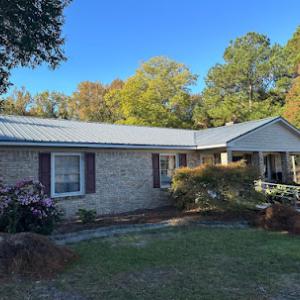
Assist Roofing
(910) 459-1949 www.assistroofing.com
521 W 15th St #103, Washington, North Carolina
5.0 from 21 reviews
Imagine a roof that not only protects your home but also elevates its value and slashes energy costs. Assist Roofing, serving Eastern North Carolina, brings decades of expertise to every project. Specializing in robust, energy-efficient metal roofs built to withstand the elements, we offer comprehensive installation, repair, and maintenance services for both homes and businesses. As a fortified roofing partner, we're committed to quality, standing behind our work with a limited lifetime warranty and guarantees against fading, rust, and more. Discover the Assist Roofing difference and invest in lasting protection and peace of mind for your property.
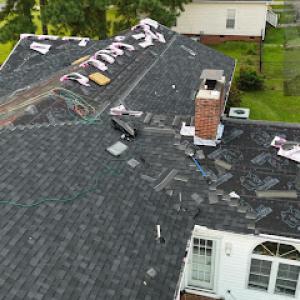
Steven Drywall & Home Repair
(252) 414-9542 stevendrywall.com
Serving
4.9 from 179 reviews
STEVEN DRYWALL & HOME REPAIR IS A TRUSTED FAMILY COMPANY SERVING OUR CUSTOMERS FOR MORE THAN 10 YEARS. WE OFFER ROOFING REPAIR/REPLACEMENT, DRYWALL REPAIR/INSTALLATION, PAINTING, FLOORING (HARDWOOD, LAMINATE AND TILE), ELECTRICAL SERVICES, PLUMBING SERVICES, SEAMLESS GUTTERS, SIDING, AND TEXTURE CEILING. ALWAYS WANT OUR CUSTOMERS' SATISFACTION
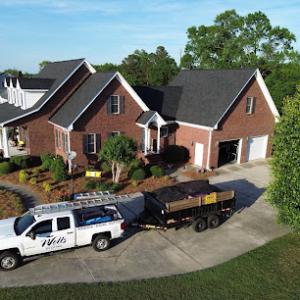
Wells Roofing & Seamless Gutters
(252) 227-8403 wellsroofingandseamlessgutters.com
Serving
5.0 from 382 reviews
Wells Roofing and Seamless Gutters is an award-winning residential exterior home company, proudly offering top-quality roofing services and gutter solutions. We specialize in shingles, metal roofing, and seamless gutters, delivering craftsmanship you can count on. Our selection of gutter profiles is the largest in eastern NC, including 5” K style, 6” K style, 6” 1/2 round, and 6” European box gutters—all fabricated onsite at your residence for a perfect fit. Most of our roofing and gutter installations are completed in just one business day, ensuring a smooth, hassle-free experience. With offices in Greenville, Washington, and Wilmington, we are always close by to serve you. For a job “Wells” done, contact us today!
Atwell Exterior Services
(252) 304-6229 atwellextservices.com
Serving
5.0 from 32 reviews
Residential, exterior home improvements.
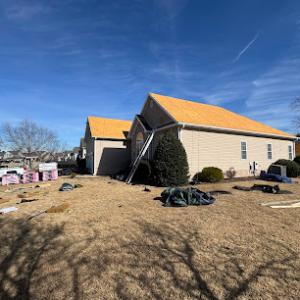
Hunter Roofing & Construction
Serving
5.0 from 57 reviews
We specialize in Roofing, Siding, Windows, Exterior Doors & Gutters. Residential, Multi-Family, Commercial & New Construction Licensed & Insured Hunter Roofing & Construction hunterroofingandconstruction@gmail.com
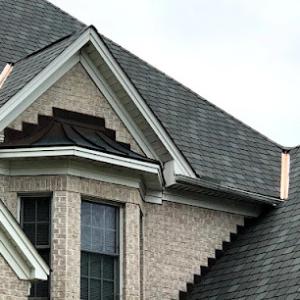
Langley Contracting Roof Specialists
(252) 214-7663 langleycontractingllc.com
Serving
4.7 from 101 reviews
Langley Contracting Roof Specialists, based in Greenville, NC and serving all of Eastern North Carolina, is your trusted local roofing contractor for residential and commercial roofing needs. Our experienced, licensed, and insured team provides expert roof repair, metal roofing, shingle roofing, roof replacement, emergency roof repair, and commercial roofing solutions. We proudly serve Greenville, Wilson, Raleigh, Goldsboro, Kinston, Washington, Rocky Mount, Winterville, Jacksonville, Tarboro, Fayetteville, Elizabeth City, Chocowinity, Nash County, Greene County, and all nearby communities. Whether you need a reliable roofing company for storm damage repair, insurance claims, leak repair, or routine maintenance, we deliver fast service.
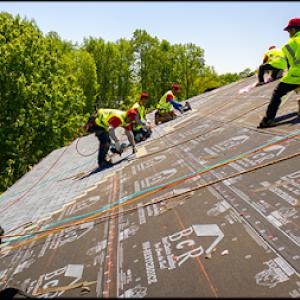
Best Choice Roofing
(252) 648-6246 bestchoiceroofing.com
Serving
4.8 from 363 reviews
Best Choice Roofing is your trusted roofing expert and the Best Choice when it comes to choosing a roofing company with a commitment to impeccable customer service in Greenville, NC. In business since 2009, Best Choice Roofing’s industry-leading contributions to the roofing industry include a customer-first mentality, a dedication to top-quality products and a leadership team focused on the growth of its people. Because of this framework, we have created a loyal base of customers all over the United States.
Roofing Solutions NC
(252) 702-3395 roofingsolutionsnc.com
Serving
4.9 from 344 reviews
Roofing Solutions NC is one of North Carolina’s most trusted and fully insured roofing contractors, proudly serving Greenville and Eastern NC. As a NC Licensed General Contractor, we specialize in residential and commercial roofing, including roof replacements, metal roofing, TPO, EPDM, standing seam, and fortified systems. We also provide gutters, siding, windows, insulation, and preventative maintenance contracts. As an Owens Corning Platinum Contractor, we deliver proven quality. Recently voted Greenville’s Best Roofer, we’re the trusted choice for roofing and storm restoration..
Earnest Handyman Service
Serving
5.0 from 4 reviews
Commercial & Residential ___________________________________ * Roofing Installation & Repairs. * Concrete Installation & Repairs. * Fencing Installation & Repairs. * And Much More. My Motto Is: (It's About Quality, Not Quantity)

Advanced Building & Roofing
(252) 717-7176 advancedbuildingroofs.com
Serving
5.0 from 159 reviews
Advanced Building & Roofing, we specialize in repairing storm-damaged roofs commercial & residential. Being a local owned company, we can give the utmost attention to each client and make sure that they are completely satisfied with the quality of our work. 24/7 Emergency Services
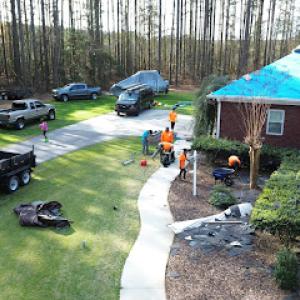
W.J. Smith Construction Roofers
(252) 304-3115 www.roofersgreenvillenc.com
Serving
5.0 from 12 reviews
At WJ Smith Construction Roofers, we are proud to be the leading roofing company in Greenville, NC, providing top-tier roof repair, installation, and replacement services for both residential and commercial properties. Located at 1035 Director Ct, we specialize in using the highest quality roofing materials like metal and shingles to ensure your roof stands strong against extreme weather, including storms. Whether you need a minor repair or a complete roof replacement, we’re committed to delivering reliable, durable, and long-lasting solutions. Trust WJ Smith Construction Roofers to keep your home or business safe and secure, no matter the condition
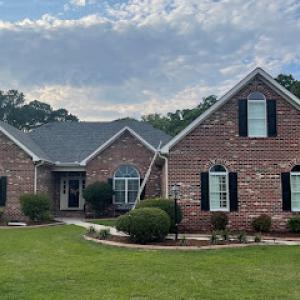
Ross Roofing & Vinyl
(252) 355-6877 rossroofing.mybusiness.site
Serving
4.7 from 33 reviews
Third Generation Family Owned Business Serving all of Eastern NC We do all types of roofs. Shingles, Standing Seam Metal, Rib Loc Metal, TPO, Rubber and Vinyl siding Call us for all your roofing needs Free Estimates
In Washington, a full roof replacement typically requires a building permit rather than being treated as a no-paperwork maintenance item. That means your project starts with the permit application, not an informal approval. Before any shingle bundles or metal panels show up, you must align with the building department on the scope, timeline, and required documentation. Plan for the review to cover not just the roof itself but related elements that affect how the home breathes and holds together in a coastal climate-such as how the deck connections integrate with the roofing system and how the underlayment choices will perform across damp seasons. Getting this right up front avoids delays that ripple into your construction schedule.
The local process includes plan review and on-site inspections by the building department, with inspectors checking items such as deck attachment, underlayment, and venting before final sign-off. Expect several milestones: a plan review meeting, a permit issuance, and periodic inspections as the job progresses. During the process, the inspector will verify that the roof is properly tied to the structure, that the underlayment is appropriate for the moisture and wind conditions, and that venting is adequate to prevent moisture buildup and ice dam risks. Clear, organized documentation and ready access for the inspector can keep the project moving smoothly, especially when dealing with older homes that may have retrofit challenges.
Because eastern North Carolina roofs are frequently replaced after storm events, homeowners should expect permit closeout and final approval to matter for future insurance documentation and property records. The final sign-off is not merely bureaucratic; it becomes a substantive record of what was installed, how it was attached, and how the system was vented and sealed. Keep copies of all inspection stickers, permit numbers, and any deviations noted during reviews. These records can help when updating homeowners' policies or selling the property, as they demonstrate compliance with current wind and moisture safeguards.
Communicate early with your contractor about anticipated hurricane-season timelines and any weather-driven scheduling constraints. If the project stalls, contact the building department promptly to understand whether an inspection reschedule is needed or if additional documentation is required. Maintain an accessible job binder with permits, plans, and inspection reports so that the record is complete and ready for review by insurers or future property records requests. Being proactive about these steps reduces the risk that permit issues become costly delays after a storm-tested roof is already in place.
Washington sits in an eastern North Carolina insurance environment with elevated wind and storm exposure, so carriers often scrutinize roof age, material type, and condition more closely than in lower-risk inland markets. That means a roof's history-when it was installed, what specific products were used, and how it has held up to past storms-becomes a deciding factor in whether coverage remains intact after a major event. For homes sporting older decking or mixed-age sections, carriers may view risk differently, sometimes prompting a tighter stance on future claims. Understanding how this scrutiny works helps avoid surprises when a storm hits and the need for a claim arises.
Insurers commonly expect strong documentation after storms, including dated photos, material details, and repair or replacement timelines, because adjusters in this region regularly evaluate wind- and rain-related claims. After a storm, gather a clear record that ties the roof to its installed components: photo trails from before, during, and after work; receipts or product tags for the exact shingles, underlayment, and flashing; and notes detailing all work completed, with dates. This isn't just for the claim file-it helps the adjuster assess whether wind-driven damage or moisture infiltration aligns with the reported events. In practice, take fresh photos after every storm season and store them with simple notes that map to visible roof areas.
Homeowners in Washington may encounter tighter underwriting or coverage terms tied to storm risk, making it important to document permit sign-off, installation dates, and post-storm damage promptly. When a contractor completes repairs or a full replacement, ensure written confirmation of the completion date and a concise description of the work performed. If a storm causes new damage that appears to be linked to the same roof, report it quickly and keep a running log of when those issues were observed and addressed. Delays or gaps in documentation can complicate settlements or trigger questions from the insurer about whether the roof has remained adequately weather-resistant in the intervening period.
Older housing stock in the historic core can hide multiple reroof layers, aged decking, and ventilation shortcomings that only become obvious once tear-off begins. Before lifting, you should expect portions of the roof to reveal deck rot, uneven support, or framing gaps that no shingle layer indications would show. A careful inspection plan, done with a trusted contractor, helps you map out repairs beyond a simple swap. In practice, that means pausing to assess attic access, checking for sag, and noting any soft spots or nail pops that point to compromised decking. This is where the project shifts from a cosmetic refresh to a real moisture-management job.
High ambient humidity near the river makes balanced attic ventilation and reliable underlayment essential. Moisture can travel from living spaces into the roof system and condensate on cooler underside surfaces, especially in older homes with limited venting. You'll want a coordinated approach: ensure soffit intake, ridge or low-profile exhaust, and a vented attic floor that supports air movement across the deck. Pair that with a high-quality underlayment that resists moisture intrusion during storm-driven rain and long stretches of humid days. If the attic lacks a practical baffle system, plan for baffles or vent resealing to restore predictable airflow.
On older homes in this region, roof replacement often turns into a broader moisture-management project involving decking repairs, flashing updates, and venting corrections rather than a simple shingle swap. Expect gaps around chimneys, wall intersections, and stack flashings to require upgrading. Dedicated attention to underlayment continuity, proper drip edges, and vent sealing reduces the chance of recurrent leaks after the new roof is in place. This is the step where durability for the next decade hinges on treating moisture as a core design constraint, not an afterthought.