
Last updated: Apr 19, 2026
In this part of Hampton Roads, roofs face a relentless mix of wind-driven shingle lift, hail impact, heavy rain, and the periodic tropical-storm threat. The combination creates a perfect storm for sudden leaks and unseen interior damage. Insurance scrutiny tends to be sharper here, with claims reviewed against roof age and prior damage history more closely than in quieter markets. When a storm hits, the window to document what happened and how the roof performed is narrow, because adjacent homes often experience the same gusts and hail patterns, and adjusters move quickly to triage claims. A storm today can become a claim tomorrow, especially if the wind shifts or hail rocks a ridge line and shingles lift in a way that becomes noticeable only after a few hours of rain. Understanding this environment is the first step toward a faster, smoother claims experience and a safer, more durable repair.
When wind and hail slam a roof, the priority is preventing further damage while keeping everyone safe. If you notice active leaks, ceiling staining, or damp walls, treat it as an urgent leak, even if rain is forecast to subside. Move belongings away from water intrusion paths and place tarps or plastic sheeting over affected areas to reduce cascading damage while you arrange professional evaluation. After a major event, contractor availability can tighten quickly; delays matter, because prolonged exposure increases interior moisture and potential secondary damage. Do not delay calling a trusted local roofer who understands the region's storm patterns and the typical damage profiles seen after Hampton Roads wind events. Ask about their ability to perform rapid, temporary repairs to mitigate further water intrusion while a full replacement plan is organized. In parallel, document the scene as soon as safely possible to support an accurate assessment.
In storms with widespread wind and hail activity, insurers commonly request storm-damage assessments and meticulous documentation. A clear, date-stamped trail of evidence can decisively shape an adjustment and settlement. Start with date-stamped photos showing the extent of shingle loss, edge lift, hail impact marks, and any interior water intrusion. Capture both wide-angle shots of the entire roof and close-ups of damaged areas, plus storefronts or street signs for precise timing if weather changes rapidly. Keep a repair history log: note every observed leak, when it was first noticed, and every temporary measure taken to control damage. If a prior roof condition is relevant, have a concise history ready-dates, nature of prior repairs, and outcomes. When speaking with an insurer representative, present a clear chronological narrative of the events: storm onset, observed damage progression, initial containment steps, and the point at which professional inspection confirmed the damage category. The goal is to establish a transparent, auditable trail that aligns with how adjusters typically review claims in this region.
Choosing a contractor who understands the region's climate cycles and the insurer's expectations is critical. Seek a roofer who can perform a rapid assessment after the storm, differentiate between cosmetic surface damage and structural concerns, and propose a remediation plan that suits both the weather window and the claim process. Ask for a written restoration timeline that includes temporary protection measures, sequence of repairs, and how weather forecasts influence scheduling. Because storage and access logistics around storm events can complicate work, confirm crew arrival times, material lead times, and protection of landscaping and gutters during the repair window. In Suffolk, the combination of high humidity, seasonal storms, and aging housing stock means a careful balance between prompt response and thorough, code-respecting repair is essential to restore resilience quickly and reduce the likelihood of repeat claims in the near term.
Find local contractors experienced in assessing and restoring roofs after hail, wind, and severe weather events.

Top Tier Roofing
(757) 500-5377 toptierroofingva.com
429 N Main St, Suffolk, Virginia
4.9 from 110 reviews
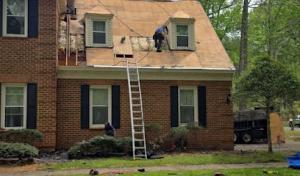
BlackTree Construction
(757) 768-8518 www.blacktreellc.com
3612 Winborne Dr, Suffolk, Virginia
4.6 from 11 reviews
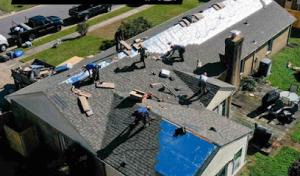


Top Tier Roofing
(757) 500-5377 toptierroofingva.com
429 N Main St, Suffolk, Virginia
4.9 from 110 reviews
Top Tier Roofing is your go-to roofing company for residential roofing and commercial roofing projects. Our team of expert roofers is committed to providing high-quality shingle roofing solutions that protect and enhance the look of your home or business. We understand the importance of a durable and aesthetically pleasing exterior, which is why we offer top-tier siding services. Our siding contractors work meticulously to ensure your property's siding is flawlessly installed and maintained. Additionally, our gutter installation services are designed to effectively manage water flow. Whether you're in need of residential roofing, commercial roofing, or gutters, Top Tier Roofing is here to deliver exceptional service and craftsmanship.
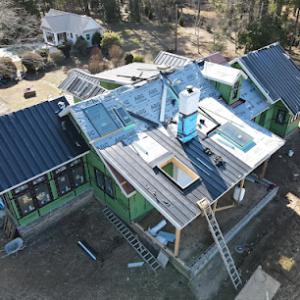
Pro Roofing
(757) 239-3776 proroofingva.com
110 Virginia Ham Dr Suite 100, Suffolk, Virginia
5.0 from 10 reviews
Our team at Pro Roofing brings 18 years of solid experience to the roofing industry. Over the years, we’ve grown to be a trusted roofing contractor, siding contractor, deck builders, and a reliable source of gutter services and painting services. Certified with Owens Corning, we bring lasting value and quality to every project, whether it’s a roof replacement, siding repair, or building a custom deck. We’re deeply rooted in Suffolk and dedicated to serving the local community.
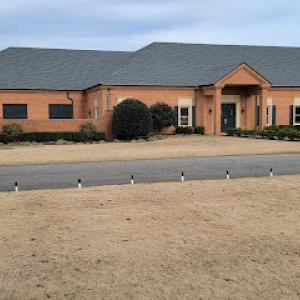
National Roofing Corporation
(757) 465-1188 nationalroofingcorp.com
5463 Nansemond Pkwy, Suffolk, Virginia
5.0 from 8 reviews
National Roofing Corporation delivers trusted commercial roofing solutions in Chesapeake, VA, backed by more than 50 years of proven expertise. Founded in 1935 and re‑established in 1968, our company carries a legacy built on craftsmanship, integrity, and strict NRCA standards. Our experienced team provides roof replacement, commercial roofing, roof maintenance, foam roofs, cedar shake roofs, tile roofs, and green roofs across Norfolk, Virginia Beach, Newport News, VA, and surrounding areas. We combine industry knowledge with advanced roofing systems to ensure durability, performance, and long‑term value. From complex commercial projects to specialty roof designs, we deliver quality results that last. Connect with us today to get started.
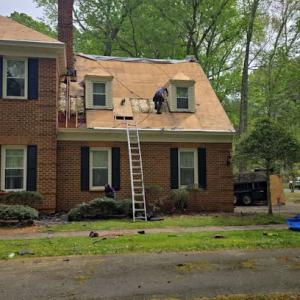
BlackTree Construction
(757) 768-8518 www.blacktreellc.com
3612 Winborne Dr, Suffolk, Virginia
4.6 from 11 reviews
BlackTree Construction, LLC is a full-service roofing contractor proudly serving Suffolk, Norfolk, Chesapeake, and nearby areas in Virginia. We specialize in roof installation, roof repair, roof maintenance, storm damage repair, roof inspections, and gutter installation for residential and commercial properties. Our skilled roofers are trained to identify early signs of damage and offer practical, affordable solutions that extend your roof’s life and prevent costly replacements. We use only premium materials from trusted manufacturers, ensuring every project meets our strict standards for durability, safety, and design.
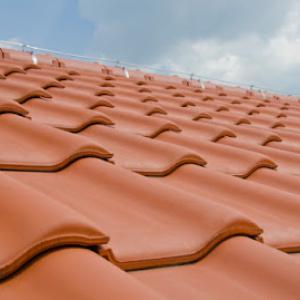
Maya Roofing General Contractor
Suffolk, Virginia
5.0 from 1 review
A top notch roofing service is one phone call away. Reach Maya Roofing General Contractor and we will exceed your expectations.
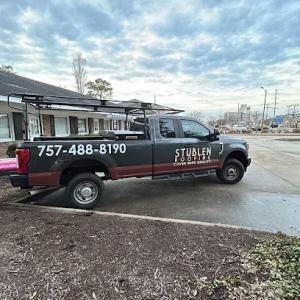
Stublen Roofing
(757) 488-8190 www.stublenroofing.com
Serving
4.9 from 193 reviews
Family owned and operated Class A Roofing Contractor serving Hampton Roads.
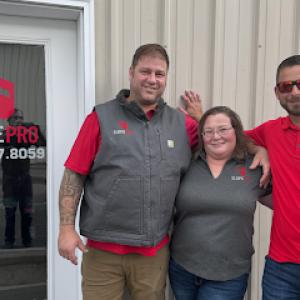
SlopePro Roofing
(757) 657-8059 www.slopeproroofing.com
Serving
5.0 from 35 reviews
SlopePro is a professional roofing company in Chesapeake, VA servicing the Tidewater area. As a family-owned and operated company, we are committed to helping you make better roofing investment decisions. Our professional roofers specialize in both residential and commercial roof repairs and roof replacements. Call us today to schedule an inspection.

Gray Line Roofing
(757) 263-0232 graylineroofingva.com
Serving
4.9 from 134 reviews
Gray Line Roofing is a veteran-owned roofing company proudly serving Chesapeake, VA, and Hampton Roads for over 10 years. Led by a licensed Professional Engineer and Class A Contractor, we specialize in Residential Roofing, Roof Replacements, Roof Repairs, and Emergency Roof Repair in Chesapeake, VA. Our expertise includes Asphalt Shingle Roof Installations, Flat Roofing, and Commercial Roofing in Hampton Roads. We’re also trusted Storm Damage Roof Repair Specialists in Hampton. Get a same-day, no-pressure estimate, enjoy flexible financing, and benefit from free shingle upgrades with a lifetime warranty. Call today for your free roofing estimate!
Knight Exteriors
(757) 751-3831 knightexteriorsva.com
Serving
5.0 from 81 reviews
We are a local business that is licensed and insured. Knight Exteriors makes sure the job is done right the first time. All of us at Knight Exteriors put our name on every job. Knight Exteriors always offers Military, Emergency Medical Technicians (EMTs), Paramedics, Firefighters, and Police Officers a discount on all work. We are Grateful for your service and sacrifice.

Roof 757
Serving
5.0 from 134 reviews
Roof 757 is a family owned business serving the Hampton Roads area for over 35 years. Our mission is to give you the highest quality roof at the best possible price. We are a platinum level installer for Owens Corning Roofing. If you're in Virginia Beach, Norfolk, Chesapeake, Portsmouth, Suffolk, Hampton, or Newport News call the areas number one roofing company Roof 757. Thanks, Stephen Croxton, ROOF 757
J.D. Wiggins
(757) 439-7057 jdwigginsinc.com
Serving
4.8 from 17 reviews
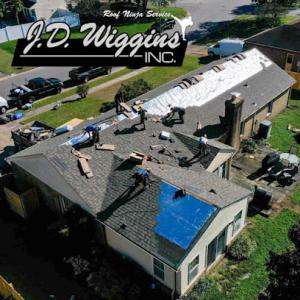
J.D. Wiggins is a family-owned and operated general contractor serving the Hampton Roads area, specializing in roofing, siding, windows, and gutters. With over 18 years of experience, they offer exceptional craftsmanship and superior customer service, ensuring a successful project for your home.
Year-round roofing is possible in Suffolk, but heavy rain and tropical-storm periods regularly disrupt tear-off and installation schedules. Spring storms and hail can damage roofs just as replacement season ramps up, while summer heat and humidity affect crew pace and material handling. Fall wind events and tropical activity can delay booked projects, and winter cold with occasional moisture can slow installation windows even though work does not fully stop. In practice, that means you should plan replacements to begin just after the peak of spring storm activity or after a calm stretch in late summer, but be prepared for weather-driven delays that push start dates into shoulder periods.
If a roof has sustained repeated blows from hail or has multiple damaged areas that show up after storms, replacement becomes more reliable than chasing patch repairs. In Suffolk, where storms can come quickly and storms can echo across neighboring neighborhoods, leaks tend to track along rafters and through flashing during wind-driven rain. If you notice curling shingles, missing granules, exposed fasteners, or widespread interior staining after a strong event, a replacement assessment is warranted rather than piecemeal fixes. If the roof is approaching the end of its expected life for the chosen material, replacement is a prudent consideration, especially when high winds are forecast for the coming season.
Aim for a span with a reliable several weeks of dry weather and moderate humidity. Early fall can work well if tropical activity is unlikely, but winter installations slow due to cold and moisture. If spring brings back-to-back storms, consider delaying non-urgent work until a lull appears, since crews may get diverted to urgent repairs. Coordinating with an experienced local crew that can flex dates around storm risk helps minimize extended exposure to weather and accelerates the process when windows finally open.
Storm damage response requires quick action to limit interior damage and further deterioration. Have a temporary weatherproofing plan ready: tarping or boarding exposed areas, covering interior furnishings, and securing pets and valuables. When scheduling, ensure the contractor has a contingency plan for soda-soak nights and rain windows. Ask about teardown sequencing and the expected pace, since heavy rain and high humidity slow material handling and shingle delivery. Clear access for trucks and a nearby staging area reduce delays during the crucial tear-off phase.
Certain materials handle Suffolk's climate differently under storm pressure and heat. Asphalt and synthetic/shingle options tend to install faster and tolerate humidity swings, while metal can offer robust wind resistance when installed with proper underlayment and fasteners. Clay and concrete tiles work well in long-term performance but require careful handling in hot, humid conditions and may slow crews. If a fast return to weather-tightness is critical after a major storm, discuss interim weatherproofing steps and the anticipated pace for covering and securing underlayment.
Asphalt shingles remain the dominant practical choice in Suffolk because they fit the area's re-roofing-heavy market and broad residential housing stock. This climate brings humid heat, thunderstorm-driven wind, and the occasional hail event, so you want a shingle product with strong wind resistance and a forgiving installation window. Choose a fiberglass-backed shingle with a reputable warranty and a installation crew that uses integrated underlayment and proper nail patterns for the local winds. In storm seasons, a well-sealed, properly vented attic helps prevent heat buildup and ice-like damming during heavy rain, which can extend the life of an asphalt roof even when wind-driven debris is a concern. When your roof is pitched on a typical Suffolk bungalow or modest two-story, asphalt shingles often provide the most reliable balance of performance, ease of repair, and availability of quick re-shingle options after a damaging event.
Metal roofing is a strong local option where homeowners want better performance against repeated rain exposure and storm-season durability, but it carries a higher installed cost range in this market. In wind-prone periods, metal panels or standing-seam systems can shed hail better without cracking, and their fast installation can be a meaningful advantage after a weather event that disrupts normal contractor schedules. Metal also tends to reflect more sun, which can help reduce attic heat and improve overall energy efficiency in hot Virginia summers. The downsides to weigh carefully include potential noise in heavy rains and the need for careful detailing around chimneys, vents, and skylights to prevent leaks. For homes with existing overhead lines, gutters, or nearby trees, the precision of flashing and edge details matters twice as much because high winds can test those seams more aggressively. If choosing metal, prioritize proven installers who demonstrate a strong track record with Suffolk-style roof lines and the local storm season.
Tile, wood shake, and synthetic products appear in Suffolk but are less prevalent, so homeowners should weigh local contractor familiarity and inspection expectations before choosing less common systems. Clay and concrete tiles offer excellent longevity and resistance to heat but can be heavier and more susceptible to damage from hail and high winds if not properly fastened and braced. Wood shakes provide a distinct look and good performance when properly maintained but can be vulnerable to moisture, rot, and insect intrusion in humid heat, requiring more frequent inspections. Synthetic shingles mimic many of these options while offering easier installation and often better impact resistance, yet installer expertise matters for flashing transitions and roof-to-wall interface details. If you explore these types, verify that the contractor has hands-on experience with Suffolk roofs, a methodical approach to inspecting underlayment and ventilation, and a plan for prompt repair or replacement after storms to minimize leaks and interior damage. In storms, the emphasis should be on secure attachment, accurate niche detailing around roof penetrations, and a realistic assessment of long-term maintenance needs for each material type.
The most popular roofing material in the US. Find pros who install, repair, and replace asphalt shingles.
In Suffolk, a building permit is typically required for a full roof replacement through the City of Suffolk Building Inspections. Skipping this step can lead to fines, failed insurance claims, and trouble when you sell the home. A permit ensures that the project plan, materials, and installation meet current code and weather-related standards for the area's humid heat and storm-driven wind. The process usually starts with a permitted plan set from the contractor, including ventilation, underlayment, flashing details, and nailing patterns. Expect to provide basic site information and a project schedule, with the city reviewing for safety and compliance before any work begins.
City inspections are conducted at key milestones, including rough-in and final, with attention to underlayment, nailing, ventilation, and overall installation quality. The rough-in inspection checks that the roof deck is sound and that the underlayment installation follows code, especially in areas prone to driving rain and high winds. The final inspection confirms that any penetrations, exhaust vents, and skylights are properly flashed and sealed, and that attic venting and insulation interfaces perform as intended. Delays or re-inspections can occur if fasteners or nailing patterns don't meet standards, or if ventilation details aren't coordinated with attic space conditions. Keeping the permit document and inspector contact handy speeds the process when questions arise.
Some neighborhoods and HOAs may impose additional roofing restrictions, so contractors need to coordinate both city approval and community requirements. Delays can happen if HOA approval lags or if color, material, or ridge venting choices need alignment with the community's guidelines. Start early by sharing the permit application number and project plans with the HOA board or management company. Having a clearly labeled color and material sample ready helps prevent last-minute changes that trigger code or rule conflicts and extended timelines.
During inspections, a city inspector will walk the roof and attic space to verify underlayment quality, proper nailing patterns, and venting adequacy. If anything isn't up to code, corrective work will be required before the project proceeds. Some weather disruptions can delay inspections; plan for a window that allows for a quick, clean pass once conditions improve. Clear access to the roof, attic, and utility penetrations speeds the process and reduces the chance of rework. Keep communication lines open with the contractor and the inspector so issues are addressed promptly.
For asphalt shingles, expect about $300 to $700 per square. Metal roofs fall in a higher band, roughly $600 to $1200 per square. Clay tile ranges from $900 to $1800 per square, while concrete tile runs about $800 to $1500 per square. Wood shingles or shakes typically cost $700 to $1100 per square, and synthetic or composite shingles span roughly $500 to $900 per square. These ranges reflect the mix of housing stock in the area, from traditional Cape Cod-style roofs to larger, modern layouts common in mixed urban-rural parcels.
After a regional storm event, costs in this area can rise as demand surges across the Hampton Roads region and scheduling tightens. When crews are in high demand, you may see shorter lead times and higher labor charges for expedited work, debris disposal, and storm-response adjustments. That extra pressure matters most if your roof needs rapid repair to stop leaks or prevent interior damage during the transition from storm to settlement.
The final price is influenced by whether the home uses less-common materials that fewer local crews install regularly. If you're weighing tile or specialty shingles, you'll see higher per-square pricing than the standard asphalt or synthetic options. Ventilation needs or corrective steps tied to the roof's current setup can further affect the bottom line. If your roof already has a balanced venting plan and typical mating materials, costs tend to be closer to the middle of the ranges listed above.
If your roof has sustained wind or hail damage, prioritize immediate leak mitigation and document any visible issues. Take clear photos, note dates, and keep a simple log of repairs. This documentation helps when evaluating quick restoration versus full replacement and when discussing options with local crews who understand Suffolk's storm patterns and typical housing layouts.
Get a clear picture of your project costs upfront - no commitment required.

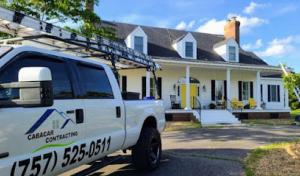
In the humid, storm-prone climate you deal with frequent thunderstorms and lingering rain events, making leak tracing around penetrations and transitions a careful, ongoing task. Shingle edges around vent stacks, pipe flashings, chimneys, and skylights are where water tends to slip in after a quick downpour or a late-season storm. After a thunderstorm, look for damp insulation, staining on the ceiling below, and soft spots along ridges or eaves. The consequence of missing a slow drip is creeping mold, higher indoor humidity, and accelerated deck deterioration. Handle suspected leaks by confirming not just where the water shows but how it travels inside the roof line, then reseal with materials rated for attic-level humidity and wind exposure.
City inspections specifically check nailing patterns and ventilation because these details materially affect performance in local heat, humidity, and wind exposure. Poor nailing can allow shingles to lift in sudden gusts, exposing underlayment to rain. Inadequate attic ventilation traps heat and moisture, accelerating aging and lifting of fasteners. Verify that nails penetrate to solid decking, using the recommended pattern for your shingles, and ensure ridge and soffit ventilation are balanced with baffles where needed. When heat builds up in the attic, you need a clear path for air to move; without it, expansion and contraction promote fastener loosening and micro-leaks around transitions.
Because many local contractors emphasize re-roofing and quick response, homeowners should expect frequent service calls for storm-related shingle loss, active leaks, and aging-roof replacement rather than only new-construction work. Expect rapid responses after a wind event, but plan for the reality that aging components may require more than patchwork-think resealing, reseaming, or full edge-to-edge replacement over time. Keep meticulous records of storm damage, including photos and dates, to guide timely inspections and insurance conversations. In Suffolk, quick triage and documentation can save unnecessary damage and protect interior spaces.
In a city with heavy rain and thunderstorm-driven wind, skylights demand extra scrutiny during inspections and leak investigations. When a storm tears through Hampton Roads, flashing around a skylight is a common weak point. Look for gaps where shingles meet the skylight curb, and check for older sealant that has dried out or split. If a leak runs inside, trace it to the lowest point on the interior ceiling first, then work outward along the skylight's edge to find lifted shingles or compromised flashing. In Suffolk, where projects can be interrupted by weather, document every visible issue with clear photos and notes so a crew can reproduce the problem quickly after a storm window reopens. For repairs, expect crews to reseal the skylight curb, refresh metal flashing transitions, and reseal or replace the surrounding shingles to restore a watertight line from top to valley.
Low-slope sections on additions or porches exist in many Suffolk homes, and they can behave differently than the main shingle roof during rain events. A common pitfall is insufficient slope or transitions where the low-slope runs into a steeper section, creating a trap for water and debris. When inspecting, pay attention to step-flashing where the low-slope meets a vertical wall, as well as edge details along eaves and parapets. Low-slope roofs may require different fastener patterns or membrane transitions than the primary roof, and some crews specialize in one but not the other. Before hiring, confirm the crew can handle both conditions on the same project, including proper sealing at valleys and dormers where the low slope meets the main roof.
Because heavy rain can interrupt work and expose weak flashing, use a storm-ready mindset: keep gutters clear, verify that flashing around skylights is continuous and properly seated, and watch for exposed fasteners on any low-slope sections. After a storm, a quick internal check for damp spots near skylights can speed up the identification of a leak source. When scheduling repairs, prioritize crews who demonstrate a methodical approach to both skylight transitions and low-slope interfaces, so the repair holds up through the next round of spring showers.
Find contractors experienced in skylight installation, flashing, and leak repairs to bring natural light into your home.
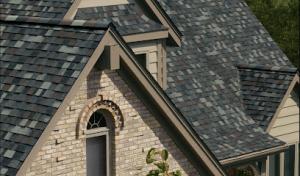
The Suffolk market is heavily oriented toward re-roofing, so homeowners should prioritize crews that publish a clear tear-off sequence, protective measures for the yard and landscaping, and a thorough post-job cleanup. A proper tear-off minimizes lingering debris and helps prevent weather-related delays from masking hidden damage. Contractors should outline how they protect vents, flashing, and edges during the process, and how they handle disposal promptly after completion.
Quick response signals reliability, especially when storm-driven leaks threaten interior damage. Seek crews that can arrange temporary tarping or quick temporary repairs to stop leaks while the full replacement schedule is set. In a coastal climate with humid heat and seasonal storms, a crew that can respond within hours rather than days makes a real difference in safeguarding ceilings, drywall, and insulation.
After the storm, documentation matters as much as the roof itself. Favor crews that routinely document pre-existing conditions, install temporary protections, and provide detailed write-ups of the tear-off scope, new materials, and warranty terms. A crew should leave you with a clean, itemized record of work performed, photos from key stages, and a clear path for follow-up if an issue arises.
Given the mix of city permitting and potential HOA restrictions, homeowners should favor crews that routinely handle inspections, documentation, and cleanup rather than treating the job as a simple shingle swap. A dependable crew will coordinate with any necessary authorities, verify alignment with HOA guidelines, and perform a thorough cleanup, including removal of nails and debris from the yard and landscaping.
Request references from local homes with similar roof styles, verify timeline expectations for tear-off and replacement, and confirm that the crew commits to full-site protection and a final outdoor cleanup. Prioritize contractors who share a written plan for storm-driven emergency response and comprehensive aftercare.