
Last updated: Apr 19, 2026
Portsmouth homeowners face the highest roof stress from August through October, when hurricane season brings the region's strongest wind and rain exposure. That window turns every ridge cap, seam, and vent into a potential failure point, especially on aging roofs or ones with mixed materials. In those months, a single storm can stage a rapid surge of wind-driven rain that finds dry spots and peels back shingles or drives water under flashing. The goal is to be ready before August, not scrambling after a storm blows through. If a remodel or retrofit is on the horizon, plan for a work schedule that finishes before the heat peaks and tropical systems start steering storms toward the coast.
The city's position along the Elizabeth River and within Hampton Roads leaves roofs vulnerable to wind-driven rain that can exploit ridge vents, flashing transitions, and older shingle seals. Salt air accelerates corrosion around metal flashings and fasteners, and coastal humidity invites moss or algae growth that can lift shingles over time. Ridge lines take the brunt of gusts, while transitions at chimneys, skylights, and vents become pressure points where water can seep in first. Older asphalt shingles may already show curling or granule loss, making them less able to shed heavy rain and resist uplift during a hurricane's gusts. A roof with mismatched patches or damaged sealant transitions will feel the difference the moment rain starts to pelt at a shallow angle. In practice, every attic space can become a pressure chamber during a storm, so weaknesses above living areas demand attention before they announce themselves with a leak.
Because summer thunderstorms can delay crews and disrupt material deliveries, many replacements are best scheduled in spring or fall before peak tropical weather pressure. Waiting for the storm season to "hit or miss" a project increases the risk of weather-related delays that leave a roof vulnerable during a critical week of wind and rain. A proactive plan calls for pre-storm readiness: secure loose components, reseal exposed flashing, and replace any damaged underlayment where visible. If a roof has multiple penetrations-vent stacks, skylights, and HVAC curbs-ensure each transition is reinforced with high-performance sealant and compatible flashing to resist wind-driven rain from all directions. When a project is underway, prioritize temporary protection for the home interior-tarps over stakeouts, secure roof-access equipment, and clear the yard of project debris that could block drainage or create windborne hazards.
Durable upgrades pay off in force during October squalls. Consider reinforcing ridge lines with winds rated for higher uplift and upgrading flashing to corrosion-resistant materials that resist salt exposure. If the roof is approaching the end of its life or has a history of leaks, a continuous-alignment overhang or a more robust underlayment can reduce water intrusion. For metal roofs, inspect seam closures and fastener charts to ensure clips and sealants stay intact under salt-laden humidity. Synthetic or composite shingles can provide more consistent seal and wind resistance in this coastal climate, while slate or tile, if chosen, should be properly anchored to resist hurricane-force gusts. In all cases, a steady, pre-season readiness check reduces storm risk and keeps interior living areas safe when the weather turns.
The salt-laden breeze that brushes along the shoreline doesn't just feel grimy; it corrodes exposed metal components year after year. In a coastal climate, fasteners, flashing edges, and vent boots are the parts most likely to fail first under salt air and high humidity. Those tiny failures can spark a longer chain of problems, especially where roof edges are constantly kissed by damp air and rain-driven spray. Expect more frequent inspection of metal-nails and screws, step flashings at chimneys, and any accents that show dulling or surface rust. When you see even a hint of corrosion, address it promptly with compatible, corrosion-resistant materials and proper sealant compatibility to prevent rapid deterioration.
Sealants and flashing tend to age faster in environments with sustained humidity and recurring moisture after storms. If rain lingers on a roof or in shaded, poorly ventilated corners, sealants can degrade, allowing slow seepage that undermines the roof deck over time. In the coastal climate, you'll notice faster drying and curing cycles in summer heat followed by prolonged dampness during humid spells. Pay attention to seams around dormers, sunken flashings, and the transitions from roof to wall. A proactive approach means inspecting and re-sealing suspect joints before the next storm, and selecting sealants that perform well in coastal, damp conditions and are compatible with the chosen flashing materials.
Winters are mild but wet enough to keep roof assemblies saturated longer than in drier locales. Constant moisture retention raises the stakes: small flashing defects or micro-leaks can turn into interior leaks after a strong shower or a long rainy spell. In practice, this means you should not rely on a single annual inspection. After significant rain events or periods of heavy humidity, run a quick check along rake edges, gutters, and around penetrations. If any staining, soft spots, or dampness is noticed on ceilings or attic insulation, investigate promptly. The goal is to catch a slow intrusion before it becomes a visible interior issue, which is far harder to remediate than a surface fix.
Coastal humidity compounds aging at the roof's edges. Gaps around vent boots, ridge vents, and edge metal experience more rapid wear when damp air creates constant condensation cycles. Ensure vent boots are sealed with corrosion-resistant materials and that their collars are firmly integrated with the roofing material. Regularly check edge metal and drip edges for loosening or corrosion, especially where salt spray reaches the roof during storms. A careful, ongoing regimen-especially after hurricane season-helps keep the roof resilient against the next round of salt winds and rain.
Explore specialists in steel, aluminum, and standing seam metal roofs built to last 50 years or more.
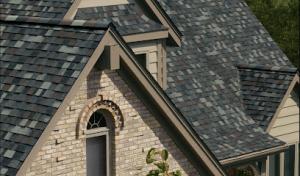
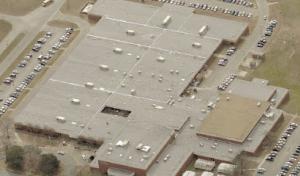
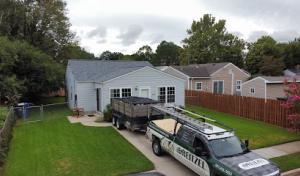
In a city shaped by the Elizabeth River, storm readiness is a practical daily concern. You face hurricane-season wind-driven rain, year-round coastal humidity, and salt air that can corrode metal components and degrade fasteners. The terrain and housing stock in this area push a straightforward, durable approach: choose roof systems that handle wet weather, resist wind uplift, and hold up against edge details that see heavy splash from coastal spray. This section walks through the main options with a Portsmouth-appropriate lens, focusing on resilience, maintenance needs, and how each choice behaves when storm events test penetrations and flashing.
Asphalt shingles remain a dominant choice because they fit the city's broad mix of residential re-roofing projects and lower upfront budgets. Their straightforward installation, wide availability, and flexible color options make them a practical, reliable foundation for many homes here. When selecting asphalt, prioritize those with good granule adhesion and a solid underlayment, since extended exposure to humidity and driving rain can accelerate wear at roof-to-wall transitions. Pay attention to the attic ventilation and ridge venting, as proper airflow helps reduce heat buildup under shingles and supports longer life under coastal conditions.
Metal roofing is especially relevant in Portsmouth because coastal moisture and storm exposure make homeowners weigh wind performance against the need for corrosion-resistant components. A properly installed metal roof can excel in high-wind events and offer excellent longevity, but it requires careful detailing at hips, ridges, and roof-to-wall transitions. Look for panels rated for your wind zone, and ensure fasteners are compatible with the coastal environment, featuring corrosion-resistant coatings and proper sealing. Pay particular attention to edge details and overhangs, where wind-driven rain can seek entry if flashing or gutters aren't thoroughly executed.
Clay tile, concrete tile, synthetic/composite shingles, and slate appear in the local market but require careful structural and flashing planning in a city where wet weather and storm events test roof penetrations and edge details. Tile and slate add distinct aesthetics and durability, yet they demand a strong structural deck and meticulous installation to prevent cracking from movement and to manage water infiltration at penetrations and chimneys. Synthetic or composite options can strike a balance between weight, ease of installation, and weather resistance, but still rely on precise flashing and underlayment choices. Regardless of the material, ensure the deck is rated for the weight class and that edge details, valleys, and penetrations are sealed to resist moisture intrusion during heavy rain.
No matter the roof type, the most critical steps center on sealing edge details and flashing, controlling moisture intrusion, and planning for reliable gutter and downspout performance. In a coastal setting, it pays to choose materials and profiles that shed water quickly and resist salt-induced corrosion where applicable. Regular inspections after hurricane season help catch loose fasteners, lifted flashing, or damaged seals before the next round of storms arrives. For homes with existing older roofs, the decision to retrofit or replace hinges on the ability to upgrade underlayment, ventilation, and perimeter detailing to meet the demands of year-round humidity and seasonal wind events.
In this coastal area, hurricane-season wind-driven rain and tropical systems can tighten labor availability quickly. When a storm passes, you'll likely see a spike in demand for roof work that translates to tighter scheduling and higher watchful wait times. Plan for around-the-season price shifts and arrange project windows as soon as forecasts show potential impacts, not after a system arrives. Your contractor should build buffer time into ordering and delivery of materials, plus stretch crews to handle rapid weather changes without compromising safety.
If a storm or heavy rain exposes damaged decking or structural areas during a tear-off, expect added inspection steps and potential decking replacement. Portsmouth projects often reveal rotten sheathing, warped boards, or sagging supports once the old roof is peeled back. Those findings trigger additional labor, quicker material turns, and possible access equipment needs. Budget for contingencies in the 5-15% range above the base replacement price when a moisture-damaged substructure is uncovered. Having a prepared scope with a reinforced deck allowance helps prevent delays and price surprises.
Choosing material matters sharply here because humidity, salt exposure, and wind-driven rain demand longer-lasting components. In this climate, homeowners commonly upgrade underlayment, flashing metals, and sealants to resist corrosion and maintain a tight, wind-resistant seal. Asphalt shingles remain a cost-effective baseline, with metal, clay, concrete, synthetic, and slate options available at different price points. The listed per-square ranges are typical: Asphalt Shingles 350-650 USD, Metal 600-1100 USD, Clay Tile 800-1400 USD, Concrete Tile 600-1100 USD, Synthetic/Composite 450-850 USD, Slate 1000-1800 USD. For coastal exposure, expect higher upfront costs if you upgrade underlayment to a high-permeability, moisture-barrier system and select corrosion-resistant flashing and sealants.
To keep costs predictable, lock in material choices early and request a staged schedule that accounts for potential storm-season delays. Ask for a detailed contingency line item that covers hidden decking repairs revealed during removal. Finally, verify that the warranty covers coastal-specific issues like salt spray and wind-driven rain, so you're protected if a quick re-seal or flashing refresh is needed after the first season.
Roof 757
Portsmouth, Virginia
5.0 from 134 reviews
Roof 757 is a family owned business serving the Hampton Roads area for over 35 years. Our mission is to give you the highest quality roof at the best possible price. We are a platinum level installer for Owens Corning Roofing. If you're in Virginia Beach, Norfolk, Chesapeake, Portsmouth, Suffolk, Hampton, or Newport News call the areas number one roofing company Roof 757. Thanks, Stephen Croxton, ROOF 757
SB Roofing
Portsmouth, Virginia
4.9 from 132 reviews
SB Roofing, Inc. — Where Quality Counts! SB Roofing, Inc. is proud to deliver the highest-quality residential and commercial roofing services across Hampton Roads. As a local, family-owned, GAF Master Elite contractor, we stand behind our work with top-notch products, exceptional craftsmanship, and honest pricing. Serving Va. Beach, Chesapeake, Norfolk, Portsmouth, Suffolk, Hampton, Newport News and surrounding areas, we offer over 35 years of experience protecting homes and businesses with durable, reliable roofing systems. From simple repairs to full roof replacements, you can trust SB Roofing, Inc. for fair, transparent service and a clean, professional installation — every time. Call today to schedule a free, no-pressure estimate.
Stublen Roofing
(757) 488-8190 www.stublenroofing.com
4011 Seaboard Ct, Portsmouth, Virginia
4.9 from 193 reviews
Family owned and operated Class A Roofing Contractor serving Hampton Roads.
Cabacar Contracting
(757) 525-0511 cabacarcontracting.wixsite.com
Portsmouth, Virginia
5.0 from 32 reviews
Free Roofing & Siding Estimates Licensed & Insured Satisfaction Guaranteed Cabacar Contracting Cares (757)525-0511
Roof Shark
(757) 448-8808 www.roofsharkva.com
Portsmouth, Virginia
5.0 from 29 reviews
Roof shark offers professional roofing services for residential properties. Established in 2023 we specialize in repair and replacement, particularly for homes affected by storm damage. As a Class B contractor, we are fully insured to ensure safety and satisfaction. Our experienced team, including subcontractors with over 10 years in the industry is dedicated to quality workmanship and customer service. We assist homeowners with the insurance claims process to secure the necessary roofing funds. At Roof Shark we prioritize, integrity, and transparency. Contact us today for a consultation or to learn more about our services.
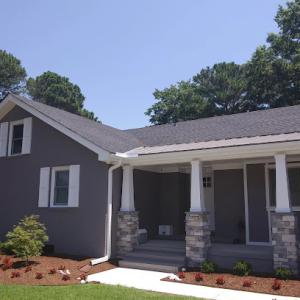
John's Roofing & Home Improvements
(757) 798-8938 john-roofing-home-improvements.com
Portsmouth, Virginia
4.8 from 68 reviews
John's Roofing & Home Improvements is a roofing contractor / roofer serving the Portsmouth, VA area since 1997. Services include Roofing, Roof Installation, Roof Repair, Shingle Roofs, Metal Roofs, Tile Roofs, Roof Coating, Roof Vents, Roof Shoveling, Roofing Prices and Gutter Repair.
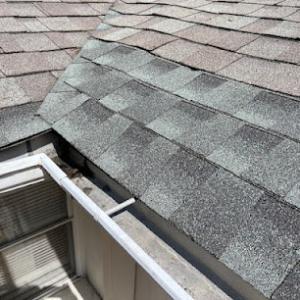
Calvin's Roofing Repair
(757) 377-2933 www.calvinroofing.com
Portsmouth, Virginia
5.0 from 12 reviews
When you suffer roof damage, you need a reliable roofing repair company to come out quickly. At Calvin’s Roofing Repair, we understand the frustration of having to wait around. That is why we put you as a priority and get you scheduled in for our services the soonest as possible. Whether it’s a leak on your roof or there was storm damage, your roof needs immediate attention. Your home or business shouldn’t wait days for proper roofing repairs in Chesapeake, VA, and surrounding areas! Leave it to our professional roofers to ensure your roofing issue gets fixed quickly and at a competitive rate. We offer 24/7 roofing repair work. Contact us today!
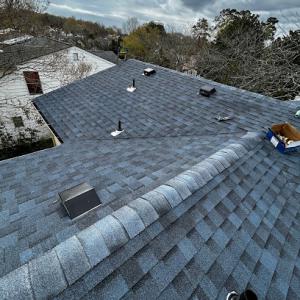
SNL Home Repair & Improvements
(948) 210-7830 snlhomerepairimprovement.com
Portsmouth, Virginia
5.0 from 6 reviews
At SNL Home Repair & Improvements, we take pride in serving Portsmouth, VA and surrounding areas with top-notch handyman services. We are a team of skilled professionals dedicated to providing high-quality repairs and improvements for our clients' homes. Trust us to tackle any project with precision and efficiency.
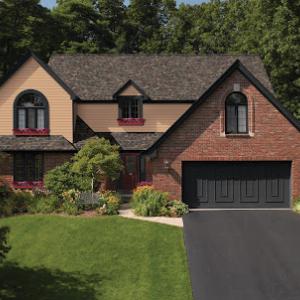
Surfside Homes
(757) 434-4090 surfsidehomesllc.com
Portsmouth, Virginia
4.5 from 8 reviews
Your home is an investment, so you'll want to make frequent updates to increase its resale value. Replacing your roof is just one of many ways to boost your property value in the Virginia Beach, VA area. Surfside Homes, a local remodeling and roofing contractor, can do whatever is needed to modernize your property. You can rely on us for... Residential roof replacement and roof repair services, to protect and beautify your exterior Kitchen and bathroom remodeling services, to upgrade the spaces you use the most Roll-off dumpster rental services, to dispose of clutter with ease

Brizuela's Contractor
(757) 796-6505 roofingcontractornorfolk.com
Portsmouth, Virginia
5.0 from 2 reviews
Brizuela's Contractor INC is a well-known roofing service provider in Norfolk, VA. Call us and we will provide you with a reliable service that will exceed your expectations!
Contra Roofing
(757) 997-1919 norfolk-roofing.company
Serving
5.0 from 12 reviews
Introducing Contra Roofing, Inc.'s extraordinary roofing service. We provide top-tier roofing solutions that exceed your expectations. Our team of experts delivers unmatched craftsmanship, durability, and reliability for all your roofing needs. With Contra Roofing, you can trust that your roof will not only meet but exceed industry standards. Whether it's a repair, replacement, or installation project, our simple yet effective approach ensures a hassle-free experience and exceptional results every time. Experience the difference with Contra Roofing, Inc.'s extraordinary roofing service - where quality meets simplicity for superior performance and peace of mind.
Premier Roofing & Siding Contractors
(757) 335-6950 www.premierroofingandsiding.com
Serving
4.6 from 193 reviews
Premier Roofing & Siding specializes in roof replacement, roof repair & maintenance, roof inspection, roof leak repair, hail damage, ridge vents & roof ventilation. vinyl siding, replacement windows, commercial roofing, and more. Call a roofing contractor for a free estimate if you live in Southside Virginia and Northern Carolina. If you've noticed missing shingles, leaks, or signs of wear and tear, it's time to call in the professionals. We provide comprehensive roof repair solutions that help prevent future damage and extend the lifespan of your roofing system. Trust us for local roof repair in Chesapeake, VA and surrounding areas, where our team of experts will work tirelessly to restore your roof's integrity and protect your home.
Portsmouth operates a permit and inspection framework that reflects the city's coastal climate and mixed housing stock. Before any full roof replacement begins, you should expect to interact with the City of Portsmouth Codes and Standards department to obtain a building permit. This process is not optional paperwork to check off after the fact; it is a structured step that helps ensure the work meets current codes for wind resistance, moisture management, and structural integrity. A permit helps preserve your home's value and can ease future resale, especially when storm season looms.
In practice, your contractor will typically initiate the permit application, but you retain responsibility for ensuring the permit is secured and valid for the project. The city requires details about the planned materials, roof slope, and any structural modifications. Expect to provide a project address, project description, and a sketch or plan showing the scope of the replacement. The permit review period can set a realistic timeline, particularly if the roof involves changes to decking, attic ventilation, or anchor points for wind-rated assemblies. If the project involves any reconfiguration of the fascia, gutters, or drip edge, confirm that these elements are incorporated into the permit package.
Inspections for a Portsmouth roof replacement are not limited to a single final walk-through. Scheduling usually includes visits during critical milestones-anchor points and decking sequencing, installation of underlayment and venting, and the meticulous task of "roof close-in" once shingles or coverings are in place. This level of oversight helps catch issues early, such as misaligned decking, improper underlayment laps, or inadequate fastener patterns that could affect hurricane-season performance. Your contractor should coordinate these inspections with the Codes and Standards department so you know exactly when each check happens.
If tearing off the existing roof exposes decking damage or reveals the need for structural changes, Portsmouth may require additional inspection steps before the roof can be closed in. Decking damage discovered during tear-off can necessitate temporary protective measures and a revised scope of work. In coastal settings, where moisture intrusion can compromise framing quickly, those extra inspections are a prudent safeguard. Keep your contractor honest by scheduling a pre-closure walkthrough with the inspector to confirm that decking, fasteners, and ventilation meet current code expectations.
Start the permit process early and maintain open communication with both the contractor and the inspector. Have documentation ready-photos of the existing roof, notes on any decking concerns, and a clear layout of the planned ventilation and underlayment. Ask your contractor to provide a site-specific inspection calendar so you know when to expect inspections and what to prepare. If weather or supply delays arise, stay in touch with the Codes and Standards office to avoid losing your place in the inspection sequence. This coordinated approach helps your storm-ready roof meet Portsmouth's standards while keeping the project moving.
Portsmouth sits in a higher wind and storm claim environment, so insurers often scrutinize roof age, condition photos, and storm timing more closely than in inland markets. When a hurricane-season event rattles the neighborhood, a rushed repair can trigger questions about preexisting wear or selective damage. Being proactive about knowing your roof's age, materials, and recent maintenance sets a clearer baseline for any claim that follows a big storm. In state inspections and adjuster visits, paperwork that shows steady upkeep can move conversations forward rather than stall them.
Local homeowners may be asked for nearby weather records, a detailed scope of work, and documentation showing whether underlayment or wind-related upgrades are part of the replacement. Having these items ready helps avoid back-and-forth delays. If your roof has a known vulnerability-loose flashings, aging vents, or a sagging edge-note it in your file so the adjuster can see it alongside storm damage. Expect questions about shingle or tile type, roof pitch, and any prior repairs that might influence how a claim is evaluated.
Because coastal exposure drives claim activity in the region, Portsmouth owners should document damage immediately after storms before temporary drying and cleanup obscure evidence. Take wide exterior photos from multiple angles, close-ups of shingles or tiles, and any interior signs of water intrusion. Keep receipts for temporary protections, like tarps, and compile a simple timeline of when damage was observed. If interior staining appears after a day or two, photograph again to track progression, which helps distinguish storm impact from gradual leaks.
When you file, include a clear scope of work that reflects current building codes and the house's existing conditions. If upgrades were performed after previous claims or during a prior replacement, include those records. Clear communication with both insurer and contractor reduces the chance of disputes down the line. In practice, a contractor who understands Portsmouth's coastal vulnerabilities can preemptively note wind-related zones and underlayment choices that support a smoother adjustment process.
Connect with contractors who help homeowners navigate the claims process from damage assessment to final approval.
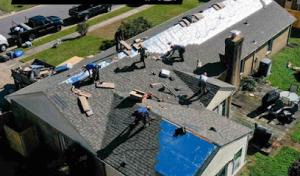
Flat and low-slope roofing is a meaningful local specialty in Portsmouth, reflecting the city's mix of residential additions, porches, and commercial buildings. The frequent coastal humidity and wind-driven rain strain edge details and drainage-focused components more than steeper roofs. When a porch roof or a back addition uses a low-slope plane, the risk profile shifts toward standing water, faster membrane wear, and hidden leaks behind coping and fascia.
In this climate, low-slope sections are especially vulnerable when drains, scuppers, or transition flashing hold water after repeated storms. Inspect drainage paths after heavy rains for partial blockages, debris, or silt that slows runoff. Keep scuppers and roof drains clear, and verify that downspouts discharge well away from foundations. If a low-slope area channels water toward a seam or flashing, plan a targeted flush and re-seal during dry spells, not in the middle of a storm season.
Winter freeze-thaw periods can worsen existing low-slope flashing and membrane edge defects if the roof is left exposed during replacement. Exposure to survey winds and salt-laden spray accelerates edge aging. When planning maintenance or replacement, schedule steady, dry weather windows and ensure edging details-parapet caps, base flashing, and seam tapes-are fully integrated with a continuous membrane. Avoid shortcuts at transitions where porches meet main roofs, as those joints see the most movement and water intrusion risk.
For repairs, target the most vulnerable seams first and verify the integrity of the membrane edge where it meets flashing. Choose a compatible, UV-stable membrane system with proper bonding to counter Portsmouth's humidity. During installation, prioritize clean substrate, precise seam bonding, and interior backer insulation where needed to reduce condensation. After completion, document drainage paths and set a post-storm inspection routine to catch issues early.
Find specialists in TPO, EPDM, and built-up flat roofing systems for residential and commercial properties.
VA Commercial Roofers of Chesapeake
(757) 317-0221 www.vacommercialroofers.com
Serving
5.0 from 44 reviews
The coastal proximity and frequent rain in this area mean skylight curbs, chimney flashing, and roof-to-wall transitions take a beating sooner than you might expect. Wind-driven rain during coastal storms can force water into detail areas that may not leak during ordinary showers, especially when humidity keeps materials damp and seals brittle. In practice, these penetrations are the ones homeowners notice first after a heavy storm, and they are the points where small flaws become bigger headaches if not addressed promptly. In a city with a history of tidal influence and salt exposure, neglect here often shows up as dark staining, musty odors, or lingering dampness along ceiling lines near skylights or chimneys. Portsmouth experiences this dynamic in every substantial rain event, so treat these spots as high-priority checks.
During a re-roof or major repair, inspect skylight curbs for any signs of rust, cracking, or membrane lift where the curb meets the roofing. Look for loose fasteners or degraded sealant around the skylight flange, and verify that flashing is properly integrated with the surrounding shingles or metal. Chimney flashing should be examined for creasing, blistering, or any gaps where the step flashing meets the brick or siding. Pay attention to the transitions from roof to wall; misaligned or worn step flashing and counter-flashing allow wind-driven rain to penetrate at the junction. In humid conditions, sealants can become sluggish or shrink, so re-sealing with an appropriate non-generic sealant is a prudent precaution after a heavy season.
Because many local contractors advertise both skylight and chimney-related work, these penetrations are a recurring concern in maintenance and replacement projects. When a roof is being replaced, require thorough flashing integration details that specify continuous weatherproofing around these features, rather than quick, cosmetic fixes. Install proper curb framing for skylights, choose flashing materials compatible with the new roof system, and ensure adequate drip edges and underlayment coverage extend over the transitions. If you notice any early signs of moisture in those areas after a storm, address them promptly rather than waiting for the next major event. Early intervention saves more extensive interior damage later.
Find contractors experienced in skylight installation, flashing, and leak repairs to bring natural light into your home.
Cabacar Contracting
(757) 525-0511 cabacarcontracting.wixsite.com
Portsmouth, Virginia
5.0 from 32 reviews