
Last updated: Apr 19, 2026
Lancaster homeowners deal with recurring spring hail and high-wind events that drive roof inspections, repairs, and full replacement decisions. When a storm hits, the clock starts ticking on impact assessment, safe shingle alignment, and preventing further interior damage from leaks. The weather pattern here means you should treat every rapidly changing forecast as a prompt to inspect, document, and respond before the next freeze-thaw cycle locks in problems.
After a storm, your first priority is safety and a clear, methodical evaluation. From ground level, look for missing granules, lifted edges, and dented metal flashing. If you must walk on the roof, do so cautiously and preferably with a helper. Seek a professional inspection as soon as you can-early, accurate assessment prevents small issues from spiraling into costly failure. In our market, storm damage signals from hail-driven bruising or wind-swept lifting can be subtle at first but become unmistakable after a rain. A swift, professional assessment helps you separate cosmetic wear from structural impact that could threaten your home's envelope.
Documentation is your strongest ally in an insurance claim. Ohio claim activity around wind and hail means insurers expect photo documentation, detailed estimates, and post-installation certification when a replacement is involved. Start a thorough photo log from multiple angles: damaged shingles, fascia and soffits, vent boot pairs, gutters, and any interior staining near ceilings or walls. Keep a dated record of what you see, including close-ups of hail hits on shingles and metal surfaces. When you call your insurer, you'll want a clear timeline and a visible trail of the storm's path on your roof, not just a general "it happened after the storm." A careful log now pays dividends when adjusters review the claim.
Choosing the right contractor in this market is a defining move. Local contractor signals show storm damage and insurance-claim help are the most prevalent specialties, indicating post-storm roof assessment is a primary homeowner concern. Look for firms with a documented track record of storm-related claims, fluent coordination with adjusters, and proven post-storm replacement capabilities. In Lancaster, the best teams bring a collaborative approach: they help you translate observed damage into credible, itemized estimates and provide post-installation certifications when work completes. A trustworthy contractor will guide you through the claim process, help you gather the necessary photo sets, and align your documentation with insurer expectations.
Timing matters, too. Fast post-storm response reduces exposure to further weathering and minimizes the risk of interior damage. If shingles are loose or flashing is compromised, rain intrusion can occur quickly, and attic ventilation can be affected, especially during rapid temperature swings in late winter or early spring. The right response combines a temporary protective cover if safe to install, a prioritized inspection schedule, and a plan that aligns with your insurer's expectations. In practice, that means contacting your chosen contractor promptly, allowing them to perform a thorough assessment, and then coordinating a coordinated set of next steps with your insurer.
Communication with neighbors and the HOA, when applicable, can streamline access for inspectors and crews, particularly in densely built neighborhoods with shared eaves or tight access points. A coordinated approach reduces delays and helps ensure that the scope reflects real conditions rather than isolated observations. When you receive an adjuster's visit, have your documentation ready, including the storm timeline, photos, and the proposed scope from your contractor. A clear, consistent story helps moves claims along and prevents back-and-forth that can stall essential repairs.
Finally, think long term about ventilation and roof health as part of the claim outcome. Insurers and contractors frequently flag ventilation improvements and proper attic sealing as part of a complete replacement or major repair. Acknowledge these elements early in the process; addressing them now can prevent repeat damage during the next severe season and contribute to a more durable, code-compliant roof system. In this climate, a ready plan-rooted in rapid assessment, solid documentation, and a capable local partner-ensures you recover faster and restore your home with resilience.
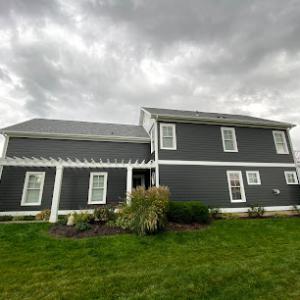
S&F Roofing
(740) 415-4103 sfroofingoh.com
109 N Broad St STE 200, Lancaster, Ohio
4.9 from 89 reviews
Our team at S&F Roofing has proven experience in roofing, siding, gutters and exterior remodeling for residential and commercial properties. We take pride in the fact that our work is done precisely, and more affordable than other contractors in the Lancaster and central Ohio area. We know our customers deserve nothing but the best; let us show you how skilled and efficient we are for your home’s needs!
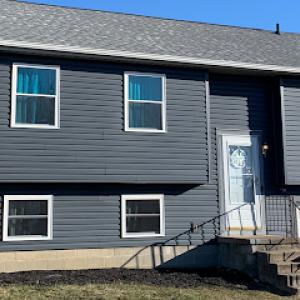
Exterior Improvements
(740) 503-3501 www.exteriorimprovementsoh.com
726 N Memorial Dr, Lancaster, Ohio
4.9 from 55 reviews
Make your home a space you can be proud of by hiring a professional team of contractors to complete the projects you’ve been dreaming of. Exterior Improvements in Lancaster, OH, consists of home remodeling professionals that take pride in beautifying homes in the Columbus area. They’ve worked with homeowners for over 20 years, rightfully earning the title of Lancaster’s top roofers. Make sure your home is the best-looking on the block by hiring Exterior Improvements. Their services include residential roofing, siding, windows, and gutters. No matter which service you choose, their team will completely transform the outside of your home with their seamless workmanship.
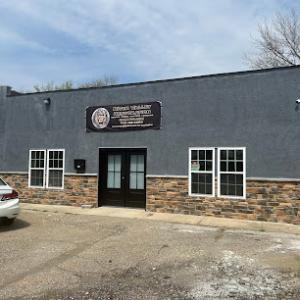
River Valley Restoration
(740) 272-5895 rivervalleyrestoration.com
385 Lincoln Ave, Lancaster, Ohio
4.7 from 144 reviews
As the premier roofing contractors in Central Ohio, River Valley Restoration has been keeping families safe, healthy, and comfortable since 2016. We specialize in a variety of different home improvement services including roof repair and replacement, siding repair and replacement, gutter installation and more. No matter the size or difficulty of the project, River Valley Restoration aims to provide the highest quality exterior restoration with customer service to match. Call us today to schedule your next home restoration project.
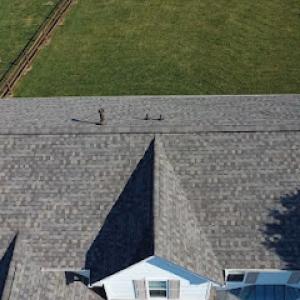
Ohio Roofing Solutions
(614) 656-2333 ohioroofingsolutions.com
124 W Main St #203, Lancaster, Ohio
5.0 from 12 reviews
Ohio Roofing Solutions, situated in the heart of Lancaster, offers comprehensive roofing solutions for both residential and commercial properties. Their skilled team boasts expertise in not only roofing installation and repair but also siding and gutter repair and installation services. Additionally, Ohio Roofing Solutions is at the forefront of sustainable home improvements, providing specialized solar installation services to eco-conscious homeowners and businesses alike.
R&L Roofing
140 Beck Rd SE, Lancaster, Ohio
5.0 from 3 reviews
Licensed and bonded. Veteran owned and operated. LE and Military friendly. call or email for free quotes.
Kaygan
(740) 304-8575 www.kayganllc.com
960 Champion Ave, Lancaster, Ohio
5.0 from 1 review
We are a family owned property restoration company. We specialize in the following: Roofing Siding Gutters Insurance restoration services Wind, hail, fire or flood, we will work with your insurance provider to bring your property back to its original condition
BW Roofing
570 E Main St, Lancaster, Ohio
5.0 from 1 review
Since 1978, our family business has been providing quality new roofs and roof repair to our neighbors here in Lancaster OH and the surrounding area. Each member of the BW Roofing team has been personally trained in the most efficient construction procedures. We make it our goal to leave you so happy that you will recommend us to your friends and family. *Known For Quality & Value Since 1978 *Licensed, Bonded, And Insured
RCS Roofing-Columbus
(216) 773-0412 www.rcsroofingohio.com
Serving
5.0 from 167 reviews
At RCS Columbus, we take pride in being the top roofing contractor in Central Ohio, OH, and serving the surrounding areas. Our team is dedicated to providing exceptional service and quality workmanship. We have years of experience working through the insurance process and understand the importance of accountability, response time, and communication. Our professionals are highly trained and equipped to handle all your roofing needs, from repair to re-roofing to storm damage. We also offer services in gutters and siding. Contact us today to schedule your appointment and experience the RCS Columbus difference!
A1 Roofing Solutions
(614) 989-5871 www.a1roofingsolutions.com
Serving
5.0 from 45 reviews
A1 Roofing Solutions is a Central Ohio based roofing company. We specialize in storm damage and restoration but can also handle commercial roofing applications as well as siding, gutters, and Christmas light installation around the holidays. With nearly a decade of experience serving customers and perfecting our craft, we pride ourselves in customer service and doing things correctly the first time.
AM Roofing & Siding
(740) 974-8268 amroofingandsiding.com
Serving
4.6 from 28 reviews
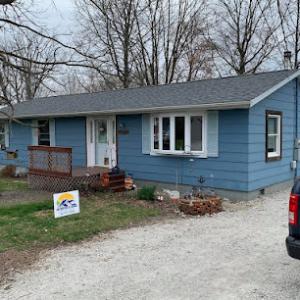
At AM Roofing And Siding we provide the best roofing services for all types of residential and commercial roofing in Columbus, Ohio. The roofs of homes and offices are considered to be the most important feature that protects you, your family, and your valuable assets. It's never a good idea to gamble with the maintenance and repairs of your roofs. Correct investment at the correct time would help you save a lot of unnecessary expenses in the future. Our main objective is to provide the best services to our clients as they are our top priority.
Nailed It Roofing & Restoration
(614) 892-7663 www.naileditroofing.com
Serving
4.8 from 22 reviews
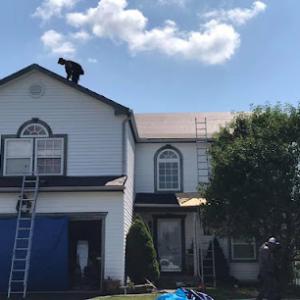
We offer high quality restoration and improvement services backed by years of experience and expertise in satisfying customer needs. From residential, commercial, and industrial to budgets, insurance claims, and disaster recovery—no repair or remodel is too large or too challenging for our professional team of contractors.
Brown's Roofing
(614) 837-3280 www.brownsroofingcolumbus.com
Serving
5.0 from 39 reviews
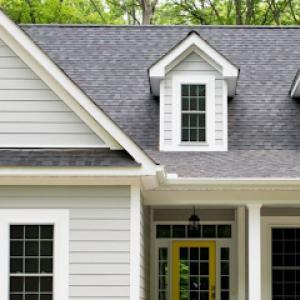
Brown's Roofing is a licensed, bonded and insured general contractor that works with both residential and commercial clients throughout Central Ohio.
Lancaster experiences cold winters with snow and ice, creating freeze-thaw stress that can open vulnerable roof areas and shorten service life. In practical terms, that means you'll see the most damage pattern along eaves, flashing, and around penetrations after a few cycles of warm days followed by freezing nights. If a storm hits late winter or early spring, you may notice softened or shivering shingles, uplifted edges, or granule loss on exposed sections. Recognize these signals early so they don't turn into leaks after a thaw.
Late spring through early fall is typically the best replacement window in Lancaster because installation conditions are more favorable than during winter snow and ice periods. Warmer days, adequate daylight, and dry forecasts help crews maintain ventilation, sealants cure properly, and attic work stay moisture-free. If you're weighing timing after storm damage, prioritize the late-spring to early-fall span for roof replacements or major repairs, unless a temporary fixing is absolutely necessary to protect interior space.
Freeze-thaw cycles can push minor repairs into larger issues if moisture hides in cracks until a lift in temperature. A small gap around a vent boot or step-flashing might hold moisture that expands when temperatures drop, widening the compromise. In Lancaster, this means you should schedule a thorough inspection soon after a severe winter event or spring hail, not months later. The goal is to identify any area where ice buildup may have forced water under shingles or behind chimney flashing, then address it before a long subfreezing stretch returns.
During stretches of mild weather, walk the perimeter of your roof from ground level to spot curling edges, loose shingles, or damaged flashing. Pay attention to areas where a storm-fed wind could have chipped away protective granules. In autumn, clear leaf buildup from the gutters and near eave vents to prevent moisture pooling and blocked ventilation-these conditions aggravate freeze-thaw stress once winter arrives. If visible issues exist, arrange a professional assessment before temperatures drop again to ensure ventilation and moisture control remain effective through the season.
The dominant roofing materials in Lancaster include asphalt shingles, metal roofing, clay tile, concrete tile, synthetic/composite shingles, and slate. Each type shows up in different neighborhoods, from newer subdivisions to older, established Ohio streets where homes have varying roof lines and attic layouts. Understanding how these options perform under local weather helps you choose something that lasts.
Asphalt shingles are the workhorse for many homes here. They're familiar to homeowners and contractors, quick to install, and compatible with a wide range of roof pitches common in the area. In summers, the combination of warmth and high humidity accelerates UV exposure and heat aging of both shingle surfaces and underlayment. That means you'll want a shingle option with good UV resistance and a quality underlayment stack to protect against rapid aging during hot spells. Look for sealed-for-life asphalt with reinforced mats and mineral granules that can better withstand the seasonal sun. A well-ventilated attic in a home with asphalt shingles keeps the system cooler and extends the life of the shingles and flashing.
Metal roofing brings fire resistance, wind strength, and a clean, modern look that can blend with older neighborhoods when color choices are planned thoughtfully. In Lancaster, metal can shed snow more predictably than some other materials, which helps with winter performance. However, metal's fast temperature changes can stress fasteners and panels if the roof isn't properly anchored to manage seasonal freeze-thaw cycles. A metal system paired with a solid layout for ventilation, proper ridge and soffit intake, and appropriate sealants around penetrations stands up well to heavy spring winds and hail. If you're replacing a roof with metal, consider color and profile options that reflect sunlight enough to reduce heat gain while not creating glare for neighboring homes.
Clay tile and concrete tile offer timeless curb appeal and robust life when installed correctly. They are heavier roof systems, and Lancaster's winter snow load adds another factor. The structural demands on older homes in established neighborhoods mean a careful assessment of framing, truss spacing, and roof deck condition before tile goes on. If a tile roof is on a vintage structure, you'll need a qualified engineer or experienced roofer to confirm load capacity and anchor strategy. Tile roofs perform excellently in heat due to their thermal mass, but if the attic lacks adequate ventilation, heat buildup can accelerate underlayment wear. Regular inspection around flashing and hips is essential, as cracking and broken tiles are more likely after hail events and winter freezes.
Synthetic or composite shingles blend real-wood aesthetics with added durability. They're lighter than slate and can mimic the look of more premium materials while offering strong resistance to UV degradation and hail impacts. They also tend to handle temperature swings well, which is valuable in the region's hot summers and cold winters. If a home has limited attic ventilation, a synthetic option with a proven wind uplift rating and compatible underlayment can provide a balanced, long-term performance.
Slate delivers a distinct, lasting appearance and exceptional durability when installed on a solid, properly vented structure. The weight, however, is substantial, and winter snow load evaluation is critical on older houses where framing and supports may be closer to or at capacity. For homes with slate, a thorough assessment of deck integrity, hangers, and flashing details is essential to prevent ice damming and leaks after heavy snowfall. Slate can be excellent in climate zones like this, provided the roof is engineered for its weight and the attic is ventilated to minimize temperature-driven stress.
In this area, pricing for common roof types follows a clear pattern. Asphalt shingles are the most common, with typical costs running about $350 to $650 per square. If you're weighing something a little more durable, metal roofing sits around $700 to $1200 per square. For a traditional look with heavier durability, clay tile can run from $900 to $1900 per square, while concrete tile often falls in the $900 to $1700 per square range. Synthetic or composite shingles match asphalt at roughly $350 to $650 per square, and slate sits much higher, from about $1600 to $3000 per square. These ranges reflect Lancaster's mix of aging homes and newer builds, plus the need to cover steeper pitches or heavier systems that require careful hauling and setup.
Storms consistently reshuffle the real-world timeline after hail or strong winds. In Lancaster, a heavy hail season or a stretch of high winds tends to pull contractors into back-to-back storm-response work, which can extend wait times for inspections, material delivery, and crew availability. As a result, you'll often see shorter lead times for the first window of service after a storm, followed by tighter booking as crews shift toward urgent replacement projects elsewhere in Fairfield County. This dynamic can also nudge pricing higher, especially if the project needs extra crew time, expedited material handling, or rapid tarp-and-damage-repair work to keep your home protected while full replacement is scheduled.
In practice, the numbers you pay aren't just about shingles or tiles. Costs can move based on how ventilation-related corrections are addressed during review, and the labor needed for steeper or heavier roof systems. If your home's attic ventilation or attic-to-roof balance needs adjustment to satisfy inspection feedback, that adds a layer of labor and potential materials. Steep pitches or heavy tile systems demand more safety measures, additional lift and rigging, and longer installation times, all of which push the per-square price upward. If a storm-repair project is coupled with a full replacement, crews may consolidate work, but that can also compress schedules, which has its own cost implications. Planning with this local context helps you balance timely protection with the most predictable price path.
Get a clear picture of your project costs upfront - no commitment required.
A building permit is typically required in Lancaster for a full roof replacement. The permit application is handled through the City of Lancaster Building Department by either the contractor or the homeowner, depending on who takes responsibility for the project. If a permit is not secured and inspected, you risk enforcement actions, delays on the job, and potential complications with insurance claims after a storm event. The permitting process signals to inspectors that the work will meet local building codes, especially around ventilation and wind-resistance upgrades that can be critical after harsh winters and spring hail. Treat the permit as an essential part of the project, not an afterthought, so that repairs don't become a legal or safety minefield.
Lancaster projects move through the Building Department with the contractor or homeowner submitting the plan set, scope of work, and any code-required details. If a contractor handles the submission, confirm in writing who bears responsibility for all permit fees and follow-ups. Documentation commonly needed includes roof replacement scope, attic ventilation strategy, and, in some cases, wind-resistance or attic-ventilation details to satisfy permit review. The city's review can scrutinize vent placement, deck fasteners, and overall attic integrity because those elements influence long-term performance in our winter freeze-thaw cycles and spring wind events. If you are handling the submission yourself, be prepared to provide precise roof dimensions, new vent specifications, and any certified product information that supports code compliance.
Inspections are generally scheduled during installation stages and again after completion. Expect visits that verify ventilation adequacy, proper underlayment installation, alignment of flashing, and the overall roof system's wind-resistance features. In some cases, inspectors may request verification of attic ventilation calculations or documentation showing the attic is adequately vented to prevent moisture buildup. Weather can push or delay inspection windows, especially after winter storms or during deluges typical of spring. Plan for a short window between inspection steps and keep the site accessible and organized so inspectors can move quickly. Failing an inspection can trigger rework, so address any noted items promptly to avoid cascading delays.
In this area, periodic wind and hail losses create regular roofing claim activity, so insurers are practiced at asking for specific evidence. When a storm hits, you should anticipate requests for dated photos that prove the roof's condition before and after the event, a clearly defined scope of damage, and documentation that separates storm damage from age-related wear. If a claim is filed after a broader regional storm, the adjuster will scrutinize whether what's being replaced is directly tied to the storm or simply the roof reaching the end of its life. Being able to present a clear, organized history can prevent delays and disputes that leave you with a partially completed repair.
The most effective proof in this climate is a concise narrative backed by visuals. Gather dated photographs of visible damage from multiple angles, plus close-ups of hail impacts, loose flashing, or missing granules. Include a simple photo log showing the date, location on the roof, and what is being documented. A builder's or roofer's assessment that distinguishes storm-related issues from normal wear can quell questions about coverage. If the roof has prior repairs, note when they occurred and what was done. Insurers will often want this level of detail to avoid paying for pre-existing conditions that aren't storm-induced.
Adjuster involvement can affect both timeline and approved scope in Lancaster-area roof replacements, especially after broader regional storm events. Expect scheduling constraints during busy storm seasons, and be prepared for potential requests to meet on-site to review disputed items. If you have a contractor who understands the local housing stock-often steep pitches, vented attic space, and mixed-age decking-the communication with the adjuster can stay precise and focused. Keep records of every contact, claim number, and agreed milestones to prevent drift in the project's direction and to protect your coverage rights.
After a storm, roof openings from hail or high wind can become active leaks fast. Emergency repair is a strong local specialty signal in Lancaster, reflecting homeowner demand for rapid tarping and leak control to stop interior water intrusion. The moment water enters, the risk climbs with meltwater in winter; freezing and refreezing near vulnerable edges can push into ceilings and walls.
If you see water, act now. Place a tarp or plastic sheeting over the damaged area and secure it well enough to withstand wind gusts, aiming to cover the ridge and any opened valleys. Safely move valuables away from the affected area and keep a clear path for a contractor to access the roof edge. Inside, place containers under drips and remove insulation or ceiling materials that show moisture to prevent mold growth. Photograph the scene from outside and inside to document damage for the claim process.
Winter snow and ice can turn small storm-created openings into active interior leaks when meltwater refreezes and backs up at vulnerable roof edges. In Lancaster, where melt cycles are common, delaying temporary stabilization increases the chance of hidden rot and accelerated damage. A fast tarping response buys time and reduces interior damage while the season shifts.
Keep written notes ready for the insurer: storm date, prevailing wind directions, visible damage, and any temporary repairs performed. If multiple homes are filing claims at once, fast stabilization stays crucial because permanent replacement may be delayed by high claim volume. A licensed local contractor can stage a controlled temporary fix that protects the interior and buys a window for secure assessment.
When you can't wait, these contractors offer fast response times to stop leaks and prevent further damage.
Exterior Improvements
(740) 503-3501 www.exteriorimprovementsoh.com
726 N Memorial Dr, Lancaster, Ohio
4.9 from 55 reviews
Dean's Roofing & Construction
(740) 564-0001 deansroofingandconstruction.com
Serving
4.9 from 67 reviews
In this market, the emphasis is on re-roofing rather than niche new-construction specialization. Look for crews that clearly position themselves as storm repair and replacement experts with a track record of post-storm work, inspections, and insurance claim follow-through. A contractor who emphasizes rapid response and cleanup is especially valuable after a hail or wind event, when debris and shingle loss can trigger further damage if not handled quickly.
Lancaster homeowners benefit from choosing long-established operators who can stay on site through the claim process and any required inspections. Ask for several projects completed in the last year, ideally with subdivision or street-location references nearby, so you can verify workmanship and cleanup standards. Ask about response times after a storm and how they handle urgent temporary fixes to prevent leaks while waiting for a full replacement.
Storm damage work requires solid documentation. Ensure the crew will provide detailed photos of pre- and post-install conditions, a labeled inventory of removed materials, and a written description of the replacement plan. Confirm they will help organize insurance-adjuster walkthroughs and coordinate or review claim paperwork to avoid miscommunications that slow the project down.
Prioritize crews that protect landscaping, driveways, and gutters during removal and installation, with clear pathways for crews to minimize disruptions. Look for consistent, clean edge sealing and proper underlayment installation. Ask about ventilation considerations and how they address attic insulation and ridge vent placement to support long-term roof health, a concern in this climate where freeze-thaw cycles and spring hail are common.
Choose a contractor who offers a substantial workmanship warranty and demonstrates readiness for post-install inspections, follow-up touchups, and documented warranty service. A dependable team will schedule a quick aftercare check to confirm there are no overlooked leaks or ventilation gaps, and will stay accessible for the claim process if the insurer requests adjustments or additional work.
Get a clear picture of your project costs upfront - no commitment required.