
Last updated: Apr 19, 2026
After a severe hail or high-wind event, roofs can suffer hidden damage that isn't obvious from the ground. In this market, spikes in claim activity can flood local crews and panels of adjusters, so speed and accuracy matter. Start with a rapid exterior check from the ground only-look for missing shingles, dented aluminum vents, and curling edges. If you climb onto the roof, proceed with extreme caution and note any soft spots or cracked sealant. The goal is to document what you can safely observe and communicate clearly with your insurer about the scope of potential storm damage.
Insurers commonly expect detailed photo documentation, material specifications, and a clear separation of storm damage from pre-existing wear after severe weather in the area. Gather close-up shots of damaged shingles, granule loss in gutters, and any denting on H-valves or flashings. Take wide-angle roof views to show the roof's overall condition and roof-to-wall intersections. Keep the date stamp on every image, and organize images by location (ridge, eaves, penetrations) so the adjuster can match photos to the roof plan. If an interior water intrusion occurred, photograph ceiling stains and attic signs of moisture as part of the same claim packet. Document your existing roof age and any known cold-weather deterioration that could blur damage boundaries. Precise, labeled photos reduce back-and-forth and speed up the claim review.
Winter snow and ice can already age shingles in Stark County, so disputed claims often hinge on whether damage is storm-created or the result of older cold-weather deterioration. When you file, make a clear statement about the event that caused the damage, including date, wind speeds if known, hail size, and any accompanying rain or ice buildup that could force a roof leak. If you have photos from before the storm, include them to establish a baseline. Your adjuster will weigh whether observed damage aligns with a specific storm episode or reflects gradual aging. Be prepared to discuss the roof's remaining service life and how freeze-thaw cycles could accelerate wear independent of the event.
In Canton, storm activity can trigger rapid timelines for assessments and decisions. Expect a quick appointment window for a photo-based inspection and a temporary protection plan if leaks are present. When communicating, keep messages concise and anchored to observable facts: date of storm, observed damage, and roof areas affected. If a contractor is involved in the claim process, ensure all contract language clearly states that the contractor will provide a detailed scope of work, material specifications, and a proposed replacement timeline that respects Canton's climate realities. Regular follow-ups are essential; storms don't wait, and neither should your claim progress.
A storm event can attract a mix of responders and fly-by crews. Prioritize established local contractors with a track record of storm response, prompt documentation, and clear warranty language. Confirm that the chosen crew can present a comprehensive written scope, including the exact materials, fasteners, underlayment, and a phased installation plan that minimizes exposure to winter conditions. Expect questions about the roof's history, pre-storm condition, and prior repairs. Your best move is to align the claim narrative with a credible, certified scope that matches the insurer's expectations, while keeping the timeline tight enough to avoid unnecessary weather exposure and further interior risk.
Find local contractors experienced in assessing and restoring roofs after hail, wind, and severe weather events.

Hof Roofing & Construction
(330) 614-9525 www.hofroofing.com
3110 Columbus Rd NE, Canton, Ohio
5.0 from 356 reviews

Canton Roofing Company
(330) 639-9454 cantonroofing.com
5880 Fulton Rd NW, Canton, Ohio
5.0 from 563 reviews

Henderson Roofing & Construction
(330) 323-1500 hendersonohio.com
8045 Dawnwood Ave NE, Canton, Ohio
4.9 from 324 reviews

Hof Roofing & Construction
(330) 614-9525 www.hofroofing.com
3110 Columbus Rd NE, Canton, Ohio
5.0 from 356 reviews
One of Canton’s largest & most trusted roofing contractors. We focus on customer satisfaction and take pride in our outstanding reputation. Professionalism + Experience = HOF!

Canton Roofing Company
(330) 639-9454 cantonroofing.com
5880 Fulton Rd NW, Canton, Ohio
5.0 from 563 reviews
Canton Roofing is the #1 rated roofing contractor in Northeast Ohio, trusted for roof repair, storm restoration, and full roof replacements. As a leading roof replacement company and roofing company near you, we specialize in insurance claims, shingle and metal roofs, flat roofs, siding, gutters, and windows. Based in Canton, we serve North Canton, Massillon, Green, Akron, Alliance, and nearby areas. Whether you searched for roofers near me or roofing Canton Ohio, you’ve found the right team. We’re locally owned, Google Guaranteed, licensed, bonded, and insured. Backed by 500+ 5-star reviews and our Zero Excuses Promise, we deliver premium results with emergency inspections, financing, storm damage evaluations, and fast local service.

Henderson Roofing & Construction
(330) 323-1500 hendersonohio.com
8045 Dawnwood Ave NE, Canton, Ohio
4.9 from 324 reviews
Henderson Roofing is a leading Roofing Contractor in Canton, Ohio, proudly serving all of Stark County and surrounding communities like North Canton and Massillon. We specialize in both Residential Roofing and Commercial Roofing services. Our expert team provides comprehensive solutions including full Roof Replacement, emergency Roof Repair, and detailed storm damage roof inspections (hail & wind damage). We install high-quality asphalt shingles, metal roofing, and flat roofs. Backed by over 20 years of local experience, we are committed to honest, high-quality work and transparent pricing. Trust your home or business to Canton’s most reliable roofing company. Contact us today for a free, no-obligation roof estimate!
IB Exteriors
(330) 597-3192 ibexteriors.com
3327 Middlebranch Ave NE, Canton, Ohio
5.0 from 55 reviews
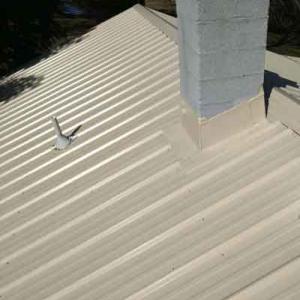
At IB Exteriors, we specialize in metal and asphalt shingle roofing, windows, siding, and gutters. Our pride lies in offering customers the same level of service we would expect if we were in their shoes. Debris removal, hauling, and grounds cleaning are all part of our comprehensive service, ensuring your property is spotless post-job. Additionally, a complete gutter cleaning is included after every project. Respect and care for your home are our top priorities. As Storm Damage Repair Experts and an Owens Corning Preferred Contractor, you can trust us with your home improvement needs.
Silver Leaf
(330) 915-8865 silverleafroofs.com
1208 Harrison Ave SW, Canton, Ohio
4.8 from 314 reviews
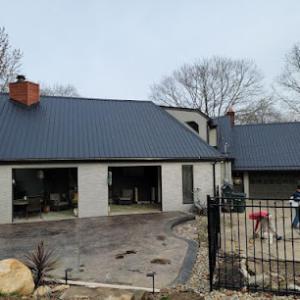
Silver Leaf is a roofing contractor in Canton, Massillon & Northeast Ohio serving Akron, Alliance, Barberton & nearby areas. Our roofing company offers residential roofing, commercial roofing, roof repair, and more. We also specialize in doors, windows, gutters, siding, decking & fencing. Customers love us because of our comprehensive roof warranties and our affordable roof financing options. Contact your reliable Canton, Massillon & Northeast Ohio roofers for a free estimate!
All Roof Repair
Canton, Ohio
5.0 from 41 reviews
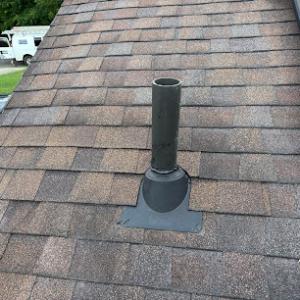
Emergency leak repairs and tarps. We offer repair services in all types of residential roofing. Serving northeast Ohio for over 10 years.
Strongback Roofing & Construction
(330) 412-6067 www.strongbackroofing.com
2407 Cleveland Ave NW, Canton, Ohio
4.9 from 45 reviews
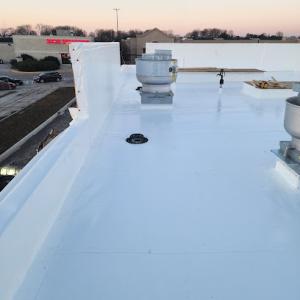
Premium Roofing & Exterior Solutions – Your Trusted Choice Since 2016 Looking for expert roofing, siding, and exterior construction services? We are your #1 choice for commercial, industrial, restaurant, and residential projects. Since 2016, we've been delivering top-quality craftsmanship and durable solutions tailored to your needs. Proudly serving Stark, Summit, Wayne, and Tuscarawas Counties in Ohio, we specialize in reliable roof installations, repairs, and exterior upgrades that stand the test of time. Contact us today for a free estimate and experience excellence in every project!

Biltmore Exteriors
(330) 902-1620 biltmoreexteriors.com
2664 Cleveland Ave SW, Canton, Ohio
4.6 from 198 reviews
Roofing, siding, windows and doors
Resurance General Contracting
1640 4th St SE, Canton, Ohio
4.8 from 21 reviews
Resurance General Contracting. Roofing, Siding, Gutters, Windows and more. Owens Corning Preferred Contractor and professional storm damage claim specialists.
S.W.A.T. Roofing & Consulting
(877) 792-8911 www.swatroof.com
1733 Navarre Rd SW, Canton, Ohio
4.5 from 45 reviews
General contractor specializing in insurance restoration
Dan Buxton Roofing
(330) 437-0719 danbuxtonroofing.com
5020 Southway St SW West, Canton, Ohio
4.5 from 46 reviews
When it comes to Roofing Company, Roofing Contractor, Roofer and more, no one compares to Dan Buxton Roofing With years of combined experience, Dan Buxton Roofing has worked hard to build the trust of our clients in Canton and surrounding areas. Visit our website to learn more or better yet, call us today!
RoofTechPro
(330) 353-3365 www.rooftechpro.com
1429 Woodland Ave NW, Canton, Ohio
4.5 from 15 reviews
Our Team of project managers and lead technicians have over 80 years in combined knowledge for all of you roofing needs.
Heavy snow and ice dam risk in the winter months can delay scheduling and make temporary repairs more common before a full reroof is practical. If storm damage arrives during the coldest stretch, you may need to prioritize shingle- or tarping-based mitigation to minimize interior risk while frost and melt cycles complicate tear-off. A practical approach is to have a contingency plan with a local contractor for rapid response when a warm spell breaks the ice and opens a window for a full roof evaluation. In this season, avoid committing to a complete tear-off unless temporary sealing has already reduced leak exposure and the project can proceed within a safe, code-consistent timeframe when temperatures cooperate.
As temperatures begin to rise, the window for a clean tear-off and sealing becomes clearer, but lingering freeze-thaw cycles can still disrupt roofing crews. During this transition, focus on documenting storm damage for insurance needs and scheduling an on-site assessment to identify areas that need immediate protection versus those that can wait a few weeks. The shift from winter to spring often brings fluctuating conditions-sun exposure can heat up surfaces quickly, while overnight freezes reappear-so plan for staging and sequencing the work to minimize repeated exposure of vulnerable underlayment.
From late spring through early summer, conditions are typically most favorable for a full replacement. Warm days support shingle and underlayment adhesion, and longer daylight hours help crews finish efficiently. This is the period when storm response and rapid replacement timing in Canton's reroof market are most aligned with practical scheduling. If a previous leak has been held at bay by temporary fixes, and the roof deck is sound, this is the time to tackle the project in a single, coordinated effort to reduce the risk of re-tearing or staggered delays caused by deteriorating weather.
Summer heat in northeast Ohio can affect installation conditions and material handling. High surface temperatures can impact certain shingles and underlayment, so crews may time some work for cooler parts of the day or weekday mornings. On hot days, plan for hydration and sun exposure management on-site, and verify that attic ventilation is prepared to minimize heat buildup. If a storm line approaches, be ready to pause and protect exposed work areas to prevent wind uplift or heat-induced material damage. Scheduling flexibility matters, as heat and humidity can subtly slow fastening and sealant cure times.
Autumn wind gusts in the Canton area can accelerate failure on already brittle shingles and lift risk during tear-off. This season can be a race against weather fronts that bring quick temperature drops and gusty conditions. If your assessment shows shingle brittleness or prior hail damage, secure a plan for a timely reroof before the deepest autumn winds arrive. Coordinating staged stops and protective coverings helps preserve decking as crews transition through shifting conditions. A well-timed autumn replacement, when feasible, often reduces the number of days spent fighting adverse weather and helps ensure a solid seal before winter returns.
In Canton, the storm calendar-hail, wind, and freeze-thaw cycles-drives the practical rhythm of reroof work. The goal is to align the project with stretches of stable weather that allow for safe tear-off, secure sealing, and durable mounting. When a pro identifies storm-related damage, prioritize a path to full replacement within a window that minimizes exposure to repeated weather stress. This approach reduces the need for interim measures and helps guarantee a long-lasting roof that can handle Canton winters with fewer disruptions.
Asphalt shingles remain the dominant choice in this market because they align with the large stock of traditional pitched residential roofs that define neighborhood streets here. For many Canton homes facing the region's typical freeze-thaw cycles, these shingles offer familiar installation details and straightforward reroofing timelines. They handle wind and hail reasonably well when installed with proper underlayment and starter courses, and repair work after a storm can be relatively quick, helping homeowners manage the storm-response reality that shapes local reroof projects. The existing supply chain, installer familiarity, and standard flashing connections for asphalt systems create a practical, predictable path through a weather-conscious reroof process.
Metal roofing has a meaningful presence in the area and is often considered by homeowners seeking better snow shedding and resilience through successive freeze-thaw events. In Canton's winters, metal's smooth, sloped surface assists with removing accumulating snow and ice dams more readily than many other options. Its durability under wind and hail exposure can translate into fewer intermediate repairs between major storms, which matters when rapid replacement timing is a central concern in storm-related reroofs. However, metal requires attention to system-specific detailing, including compatible underlayment, fastener choices, and flashing around chimneys and skylights, to prevent issues that can come from thermal movement in Canton's climate.
Tile and wood products exist in the local market, but they are less prevalent than asphalt and metal. That reduced presence means installer availability and system-specific detailing become more important. Tile-whether clay or concrete-demands a roof deck that can support its weight and precise integration with flashing, roof penetrations, and ventilation. Wood shingles or shakes bring a distinctive look but require meticulous maintenance and a careful approach to insect protection and decay resistance in this climate. For homes considering these materials, it is essential to engage installers who understand Canton's freeze-thaw patterns and can coordinate the roof assembly with attic ventilation, moisture management, and appropriate substrate preparation to optimize performance and longevity.
Across material choices, the flexibility to coordinate storm response with rapid, staged scheduling matters. In areas prone to hail and wind, choosing materials and detailing that support quick repairs without compromising long-term performance can reduce disruption during the telltale weeks after a damaging event. The most resilient outcomes come from a coordinated plan that aligns material-specific installation needs with Canton's typical weather windows, ensuring a reroof can progress through freezing periods, thawing cycles, and the occasional heavy snowfall with minimized risk of moisture intrusion and ice-related concerns.
Typical Canton pricing runs about 350 to 650 USD per square for asphalt shingles, 700 to 1100 for metal, 900 to 1800 for clay tile, 800 to 1500 for concrete tile, 500 to 900 for wood shingles or shakes, and 450 to 900 for synthetic or composite shingles. Those ranges reflect what many Canton homeowners see when storm damage drives a reroof after a hail or wind event. If you're choosing a premium material, expect the upper end to squeeze into a higher tier quickly, especially when two or more high-end options are installed on the same house.
In Canton, storm-driven surges in demand after hail or wind events can tighten contractor schedules and push reroof pricing upward faster than in calmer periods. If a hail storm or strong gusts hit, you may see crews juggling multiple quick turnarounds, and some roofers front-load surge pricing to secure slots. Scheduling a reroof in these windows means you'll pay more for expedited management, material staging, and potential overtime for crews to hit a tight deadline before winter weather tightens the schedule again.
Costs in Canton can also move based on tear-off complexity, ventilation or underlayment upgrades requested during permit review, and whether the roof uses less-common materials with fewer local installers. A difficult tear-off on a steep or multi-level roof raises labor time and disposal fees. If you opt for additional attic ventilation or upgraded underlayment during roof replacement, expect incremental cost increases. Non-standard materials may also require sourcing from farther away or from specialty suppliers, which can shift pricing upward compared with more typical shingle packages.
When you're evaluating bids, ask for a clear breakdown: removal, underlayment, ventilation, flashing, and the exact material grade. If timing isn't critical, you can sometimes negotiate better arrival windows and pricing by avoiding peak storm season. For storm-damaged roofs, document the damage thoroughly for insurance discussions, as prompt, organized records help stabilize costs and scheduling during the reconstruction process.
Get a clear picture of your project costs upfront - no commitment required.
Henderson Roofing & Construction
(330) 323-1500 hendersonohio.com
8045 Dawnwood Ave NE, Canton, Ohio
4.9 from 324 reviews
Silver Leaf
(330) 915-8865 silverleafroofs.com
1208 Harrison Ave SW, Canton, Ohio
4.8 from 314 reviews
Strongback Roofing & Construction
(330) 412-6067 www.strongbackroofing.com
2407 Cleveland Ave NW, Canton, Ohio
4.9 from 45 reviews
A full reroof in Canton typically requires a building permit submitted to the city building department by the contractor or homeowner. The permit is not a mere formality; it establishes the project in the city's records and helps ensure the work aligns with local wind, snow, and fire codes that matter during freeze-thaw cycles. If a contractor handles the permit, verify that they have filed it in a timely manner and keep a copy for yourself. If you're applying yourself, make sure the application clearly outlines the scope of work, the planned ventilation, underlayment, and shingle type. Without a valid permit, you risk delays, fines, or required rework if inspectors later flag noncompliant details.
Canton commonly schedules inspections at roof removal and again at final installation rather than treating reroofing as a no-inspection job. The removal stage is your checkpoint for debris control, flashing integrity, and ensuring roof-deck conditions meet code before new material goes on. The final installation inspection covers ventilation, underlayment, fastener patterns, and flashing details. If any step is skipped or rushed, the city may compel adjustments or partial rework, especially given the area's freeze-thaw exposure. Coordinating a clear inspection window with your contractor helps prevent rework delays and keeps timelines tied to weather realities.
For standard shingle reroofs, plan review is usually not needed, but the department commonly checks contractor licensing and general code compliance. Ventilation, underlayment, and proper attic exhaust considerations may come under scrutiny, particularly where older homes or unusual roof lines are involved. Ensure your contractor can demonstrate current licensing, a valid business address, and up-to-date knowledge of Canton's applicable codes. If your home has peculiar ventilation or attic space constraints, discuss these upfront so inspectors see a compliant plan before work begins, reducing the chance of mid-project corrections.
Given Canton's winter conditions, align permit submission and inspection windows with the first dry stretch after a storm, but avoid starting too late in the season when freezing temps threaten shingle sealing. Maintain open communication with the contractor about expected inspection dates and access needs. Prepare for potential minor adjustments after the final inspection, especially around ventilation transitions or flashing at hips, ridges, and valleys. Remember: permits and inspections are not obstacles to finish, but safeguards that prevent long-term leaks and storm-related failures once the snow returns.
Hail and wind claim environment in this area shapes every roofing decision, and adjusters often request detailed estimates, photos, and product information before approving scope. Storms across northeast Ohio bring concentrated review periods, so having thorough records helps avoid back-and-forth delays. You should keep a dated photo trail from before, during, and after each major weather event, especially after winter exposure that can reveal hidden wear. Documentation reduces the risk of a partial or denied claim and guides a more accurate restoration plan.
In this market, insurers frequently compare new damage against prior wear, making prior-condition photos essential. When a claim opens, expect requests for contractor estimates that show material type, layer counts, and rationale for replacement. Product information sheets are helpful, particularly if a newer roof system is proposed to better withstand Canton's freeze-thaw cycles. Make sure your records include a simple map of roof dimensions and any memory of previous repairs, so the adjuster can verify the scope without on-site guesswork.
Claim timelines can stretch after major regional storms because insurer and adjuster volume rises across northeast Ohio at the same time. Prepare for slower processing and longer decision cycles if a storm cluster hits. Proactively compiling a current, comprehensive packet-photos from multiple angles, notes on attic or decking moisture, and clear material specs-gives you leverage when prompt decisions are needed to avoid compounding damage from thawing cycles or subsequent weather. In downturns, maintaining steady communication with your insurance contact helps keep the process from stalling.
Ice damming is a recurring Canton concern because winter snow followed by freeze-thaw cycling can force water back under roof coverings at eaves. When that water refreezes, it lifts shingles, pulls underlayment, and leaks into soffits and walls. Act quickly at the first melt to break the dam and protect interior ceilings.
Aging asphalt roofs are especially vulnerable to wind loss after repeated cold-weather expansion and contraction weakens shingle tabs and seals. In storms, loose tabs can fan out, allowing rapid water intrusion. If you notice curling, shouldering, or lifted edges after a gust, address it without delay to avoid a cascade of damage.
Leak complaints in the Canton market often become urgent during storm season, which helps explain the strong local demand for emergency response and fast temporary protection. If rain is driving under the roof edge or dripping from ceiling corners, arrange shoring and tarping promptly to limit interior damage while you plan a proper repair.
When a storm hits, quick temporary measures matter more than aesthetics. Use sturdy tarps and board up exposed areas, especially around gaps where wind-driven rain can chase under shingles. Your goal is to decouple the interior from the worsening exterior conditions until a professional can secure a full reroof.
Silently repetitive freeze-thaw and wind stress degrade roofs year after year. If your shingles show consistent granule loss, flashing wear, or suspect attic ventilation, address these issues in tandem with repairs to prevent recurring failures and protect your home through Canton's harsh winters.
Find contractors experienced in skylight installation, flashing, and leak repairs to bring natural light into your home.
Henderson Roofing & Construction
(330) 323-1500 hendersonohio.com
8045 Dawnwood Ave NE, Canton, Ohio
4.9 from 324 reviews
Silver Leaf
(330) 915-8865 silverleafroofs.com
1208 Harrison Ave SW, Canton, Ohio
4.8 from 314 reviews
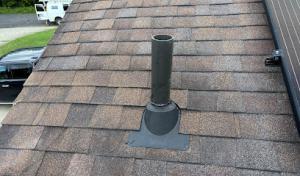
In a storm-active reroof market, you want a contractor who can move quickly after damage is confirmed, document every finding, and include cleanup after tear-off. Look for teams that arrive with a defined damage assessment process, clear timelines, and a plan to protect your interior during the roof replacement. Fast does not mean sloppy-your shingles, vents, and flashing should be inspected and addressed in a coordinated, methodical way.
Canton has many long-established, family-owned operators. Tenure and neighborhood reputation matter as much as price. Ask for a list of local references and for recent projects in nearby blocks with similar roof lines and weather histories. Visit a few completed jobs when possible, noting how crews protect landscaping, driveways, and sidewalks, and how they handle rain during a project. A contractor that has earned trust across several generations is often the most dependable in a hurry.
Documentation is your shield when weather-related claims come into play. Request a written, itemized assessment of damage, a proposed tear-off plan, and a comprehensive written warranty that covers workmanship and any roof system components. Manufacturer certification and recognized warranty support carry extra weight in Canton, because replacement quality after storms backed by a known program reduces risk if the claim faces scrutiny later. Confirm that the contractor can provide proof of certification and can honor warranty terms through the full service life of the roof.
Clarify the sequence from tear-off to reinstallation, including weather contingency plans for freeze-thaw cycles typical in the area. Insist on a thorough cleanup that leaves no nails or debris, and on a final walk-through with the supervisor to confirm everything meets your expectations. A contractor who schedules a post-install inspection or follow-up service demonstrates a commitment to lasting protection beyond the install.