
Last updated: Apr 19, 2026
Westerville roofs are exposed to a Central Ohio pattern of winter snow and freeze-thaw cycling followed by spring hail and wind events, so damage often appears in seasonal clusters rather than as a single-year wear pattern. That means a homeowner may see a batch of issues after a harsh January followed by a quick thaw and a March hail event, rather than a gradual, linear progression. Look for a mix of small leaks, lifted shingles, minor flashing gaps, and spots where granules have washed away after a storm sequence. Because winter weather can stress multiple roof systems at once, a single inspection don't tell the whole story. Prioritize a post-winter, post-storm assessment to catch the wave before it migrates into the attic or interior.
Ice damming risk at eaves and flashing stress from repeated freezing and thawing are especially relevant after cold snaps, making edge details and attic ventilation a first-line concern in this city. Ice can back up under shingles, sealant, and flashing, creating stubborn leaks that travel inward along joints and along soffits. Repeated freeze-thaw cycles can widen small gaps at roof-to-wall connections and around vent pipes, forcing water behind the exterior layers. The attic is where many of these issues reveal themselves first: look for condensation patterns, frost on underside of sheathing, and inconsistent insulation. Efficient attic ventilation helps the entire roof hold up longer in Westerville's climate, reducing the rate at which ice dams form and easing the load on edge materials during thaw conditions.
Because local contractors heavily market storm response and emergency service, homeowners in Westerville are commonly dealing with both sudden storm damage and older roof systems that insurers may classify as age-related wear. That creates a realistic pressure point: a burst of quick fixes after a storm, versus a slower, more thorough evaluation of the roof's remaining service life. Older roofs with mixed materials or underlayment nearing the end of their expected life can present challenges: flashing details around chimneys, vents, and transitions may need updating to handle new storm loads and the repeated freeze-thaw cycle. Storm damage claims frequently intersect with age-related wear, so it's essential to document both conditions clearly for insurers and to set realistic expectations about repairs versus replacement.
After a cold snap or a significant storm, perform a careful exterior and attic check without climbing onto a damaged roof. Note any visible cracks, lifted shingles, or flashing gaps near edges and chimneys. In the attic, monitor for unusual warmth, moisture staining, or frost patterns that indicate hidden leaks. If water is present, limit interior exposure by placing temporary containment and avoid delay in calling a trusted, local roofer who can differentiate new storm damage from older wear. When engaging a contractor, insist on a thorough, staged assessment that examines flashing integrity, edge details, ventilation adequacy, and the overall condition of underlayment, so the repair plan addresses both current damage and how to mitigate future clusters in the next seasonal cycle.
Provantage Builders
(614) 702-2392 provantagebuilders.com
7385 N State St 3 #1009, Westerville, Ohio
5.0 from 105 reviews
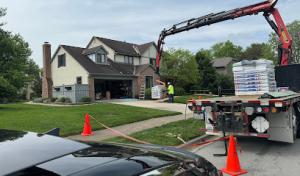
Provantage Builders delivers strong craftsmanship and dependable service across roofing, siding, gutters, skylights, and exterior repairs. The approach is straightforward: educate the homeowner, outline options clearly, and eliminate the pressure. Clients get honest guidance, not a sales pitch. Every project uses quality materials, installed with attention to detail, and backed by responsive support—whether it’s a repair question or post-project follow-up. From targeted leak fixes to full roof replacements, Provantage tailors solutions that protect your home long-term. Flexible financing options help make projects accessible, and the focus stays on trust, transparency, and results that hold up.
Tim the Roof Guy
(380) 244-0060 www.timtheroofguy.com
6295 Maxtown Rd Suite #300, Westerville, Ohio
5.0 from 98 reviews
Tim the Roof Guy, LLC offers roof installation and repair, siding installation and repair, gutter services, and more to customers throughout Central Ohio. As certified CertainTeed ShingleMasters, our local roofers provide quality knowledge and skill to every project, ensuring your roof is built to last. We're committed to safeguarding your property, offering 24/7 emergency services to keep you protected in any weather. We offer free, same-day estimates and flexible financing options to make quality roofing available to everyone. With over 30 years of experience, our roofing company also works directly with insurance companies, managing claims on your behalf to reduce your stress.
Storm Guard Roofing of Columbus
(614) 756-3394 www.stormguardrc.com
642 Brooksedge Blvd, Westerville, Ohio
4.9 from 424 reviews
Since 2003, Storm Guard Roofing and Construction has specialized in exterior restoration, including roofing, siding, gutters, and emergency tarping services. Our team of professionals strive to provide our clients with the utmost in quality construction and insurance expertise. Insurance Restoration Let Storm Guard step in as your trusted advocate for getting storm-related property damage covered by your insurance provider. As your representative, we: • Conduct a free, no-obligation property inspection. • Identify storm damage and assist in filing a claim with your insurance provider. • Work with your insurance adjuster to cover the restoration costs. • Provide high quality, warrantied materials and workmanship.
Bastion Roofing Company
(380) 244-2866 bastionbuilds.com
15 Bishop Dr B2, Westerville, Ohio
5.0 from 117 reviews
Bastion Construction is the premier roofer in Westerville, OH, for all of your roofing needs. Our motto, "We Stand With Our Clients," reflects our commitment to doing roofing right. Our core values of quality, resilience, resolve, and service guide us in providing exceptional service. While we offer a full slate of roofing services, including roofing repairs, commercial roofing, siding and gutter installation, and paint jobs, our specialty is helping clients with insurance claims get a top-notch roof replacement. When you’re looking to get a new roof installed following roof or wind damage, we’re your premier choice. Contact us today for a consultation and experience the difference of working with a team that truly cares.
Great Roofing & Restoration
(614) 503-1966 greatroofing.com
570 N State St Suite 100, Westerville, Ohio
4.9 from 138 reviews
We specialize in residential, commercial, and multi-family roofing services. Our team of experienced contractors are dedicated to providing high quality workmanship and customer service to all our customers. We understand the importance of a secure roof for your home or business, and take pride in working with you to develop a plan that works for your home or business & within your budget. From repairs to full roof replacement, Great Roofing and Restoration has you covered. Contact us today for more information!

Muth & Company Roofing
(614) 882-0900 muthroofing.com
5951 Westerville Rd, Westerville, Ohio
4.8 from 395 reviews
Since 1992, Muth & Company Roofing has installed the highest quality roofing systems on homes and businesses in Central Ohio. When it comes to product knowledge, customer service, workmanship and warranties, no other roofing contractor can compare to us. Muth & Company is among an elite group of certified GAF Master Elite® roofing contractors, a distinction earned by only 3% of all roofing companies in North America. Plus, GAF awarded us the highly coveted President’s Award two years in a row for achieving the highest marks for performance, reliability and service. We’ve also been certified as a ShingleMaster™ installer by CertainTeed, another quality roofing manufacturer.
Know-A-Guy Roofing & Exteriors
(614) 216-6175 www.knowaguyroofingandexteriors.com
670 Meridian Way STE 150, Westerville, Ohio
4.9 from 80 reviews
At Know A Guy Roofing & Exteriors, we’ve proudly served Columbus, Ohio, homeowners for over 8 years with honest, high-quality roofing and exterior solutions. Whether you need a full roof replacement, storm damage repair, or a simple inspection, our expert team delivers durable results with unmatched care. What sets us apart? Our exclusive 25-Year No Gap Warranty offers long-term peace of mind and protection for your investment. From asphalt shingles to metal roofing, siding, gutters, and more, we handle it all with professionalism and pride. Call today for a free estimate and discover why we’re one of Columbus’s top-rated roofing companies.
Lifetime Quality Roofing
(380) 600-3047 www.lifetimequalityroofing.com
501 W Schrock Rd # 301, Westerville, Ohio
4.7 from 626 reviews
Lifetime Quality Roofing is a leader in residential roof replacement, commercial roofing, and solar solutions. With over 100 years of combined experience, we deliver expert storm damage repairs, leak prevention, and gutter installations tailored to central Ohio’s conditions. Our team offers efficient service, performing many roof replacements in just one day, without sacrificing quality. We take pride in our customer-focused process and dependable craftsmanship. Whether you're upgrading or repairing, trust our Columbus professionals for durable, lasting results. Schedule your free roof inspection today and see why homeowners trust Lifetime Quality Roofing. Contact us today!
Allstate Exteriors & Restoration Services
(380) 224-6410 www.allstateexteriorsinc.com
470 Olde Worthington Rd #200, Westerville, Ohio
5.0 from 22 reviews
Allstate Exteriors & Restoration Services is a trusted leader in roofing, siding, and exterior restoration in Westerville, OH. With decades of experience, we offer high-quality roofing, storm damage repair, and exterior solutions for homeowners and businesses alike. Our exceptional craftsmanship and commitment to customer satisfaction make us the go-to choice for reliable service. We handle both residential and commercial projects, ensuring top-tier results focused on durability and aesthetics.
Universal Builders of America
(888) 513-4023 www.ubroofing.com
420 Westdale Ave, Westerville, Ohio
4.5 from 193 reviews
About Us Since 2005, Universal Builders of America, Inc. has been on a mission to provide high-quality and high-performance exterior remodeling solutions throughout Columbus and around the country—with a steadfast commitment to excellence that sets us apart from other local remodelers. Founded on the principles of hard work, attentive customer service, and guaranteed quality, our premier company offers both commercial and residential remodeling services that include everything from siding replacement to the installation of new roofs and gutters.
Alien Roofing
(844) 865-3257 www.alienroofs.com
5725 Maxtown Rd, Westerville, Ohio
4.6 from 106 reviews
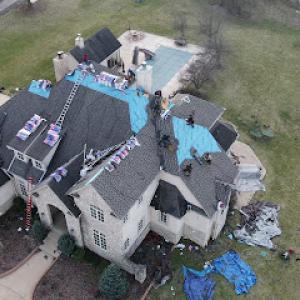
A complete and professional experience is what you can expect from your contractor at Alien Roofing. We are your go-to source for an experienced, knowledgeable, committed, licensed, bonded and insured local roofing contractor in Columbus and surrounding areas. Our collective and ever growing knowledge of the process from start to finish visibly sets us apart from your typical roofing contractor. We invest our time, money and energy into continued education trainings, conferences and product trainings multiple times a year so we can come to you with confidence that we can provide an absolute and undeniably great service. Let our love for what we do be reflected in the service we provide to you. Give us the chance to impress you today!
MaxForce Roofing & Siding
(614) 467-8910 www.maxforceroofing.com
470 Olde Worthington Rd #200, Westerville, Ohio
4.6 from 24 reviews
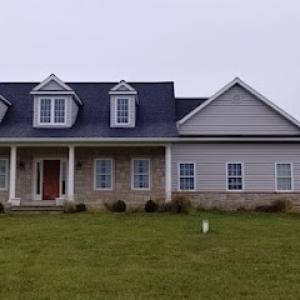
Welcome to MaxForce Roofing and Siding, your premier roofing Westerville, OH, contractor and construction company! With our expert team of professionals, we are dedicated to providing top-quality services that exceed your expectations. Whether you need a new roof, siding installation, or a complete home renovation, our top roofing contractor team has got you covered. Our skilled craftsmen use the highest quality materials and the latest techniques to ensure lasting results. Our commitment to excellent customer service means we listen to your needs and deliver personalized solutions. Contact us today for a free consultation! Also covering Columbus County, New Albany, Gahanna, Powell, Dublin, and more.
In this market, wind and hail claims are common enough that the distinction between sudden loss and long-term wear matters a lot in how an adjuster views repairs. Documentation quality can swing that decision, especially when a roof is older or shows a mix of weather-related impacts and pre-existing aging. A homeowner who grabs date-stamped photos the day after a storm and keeps a tight record of where damage begins versus where aging shows up will be far better positioned when the claim lands on an adjuster's desk. The goal is not to prove a perfect match between storm and damage, but to present a clear, credible story of what happened and when it started.
Notes on prior repairs, shingles missing in isolated spots, or granule loss on visible sections should be organized into a concise scope that separates storm-created damage from pre-existing wear. The adjustment process in this region often hinges on that separation, because inspectors will scrutinize whether the issues existed before the storm or developed as a result of the event. A homeowner who can point to a specific wind gust, hail impact, or other storm indicator with dated evidence has a stronger footing when the claim is reviewed. Keep a simple map of the roof, marking new damage in relation to ridge lines and ventilation points, and attach any service receipts that show recent work prior to the event.
Claim timing can become more difficult after widespread spring or summer weather events when contractor demand spikes across Central Ohio and inspection backlogs slow estimate comparisons. If storms come in quick succession, adjusters may rely more heavily on photographs and sworn statements than on an on-site visit, delaying decisions and potentially extending the time before work can begin. That delay can increase uncertainty about the scope and cost of the project, and it creates pressure to keep documentation fresh. You should anticipate those cycles and keep your records organized and readily shareable, rather than scrambling when a final determination is finally requested.
Begin gathering evidence as soon as a storm passes: date-stamped photos from multiple angles, close-ups of damaged shingles or flashing, and video illustrating wind-driven debris. Keep a simple log noting weather conditions, time of observed damage, and any immediate temporary repairs you perform to prevent further deterioration. When contacting an insurance provider, present the storm event as a discrete incident with a defined start date, followed by a separate section detailing any pre-existing issues. If a contractor identifies additional concerns during early inspection, ask for a written report that clearly marks what is new versus what was already present before the event. This approach reduces the risk of later disputes over whether a particular repair was caused by the storm or existed beforehand.
It is possible to feel the pressure of a fast-moving market and a tight repair window, especially after a notable Central Ohio weather episode. Yet rushing the documentation, the assessment, or the scope can invite problems with coverage and project timelines. Stay steady: maintain organized records, reference the date of the storm event explicitly, and keep channels open with both the insurer and the contractor. When the paperwork aligns with the observed reality on the roof, the path from claim to mitigation is clearer and less prone to costly back-and-forth.
Connect with contractors who help homeowners navigate the claims process from damage assessment to final approval.
Provantage Builders
(614) 702-2392 provantagebuilders.com
7385 N State St 3 #1009, Westerville, Ohio
5.0 from 105 reviews
Tim the Roof Guy
(380) 244-0060 www.timtheroofguy.com
6295 Maxtown Rd Suite #300, Westerville, Ohio
5.0 from 98 reviews
Storm Guard Roofing of Columbus
(614) 756-3394 www.stormguardrc.com
642 Brooksedge Blvd, Westerville, Ohio
4.9 from 424 reviews
Asphalt shingles dominate practical replacements in Westerville because they fit the area's common residential re-roof market, but summer UV and winter freeze-thaw cycling can shorten service life if ventilation is poor. When choosing asphalt, you want a robust attic ventilation plan that keeps attic temps from spiking in July and helps the roof deck dry out after a snow event. In a typical Westerville roof cycle, you often see asphalt shingles paired with a ventilation strategy that includes vents at eave, mid-roof, and ridge lines. If the home has a vaulted ceiling or limited attic space, pay particular attention to airflow around any roof penetrations and around soffits. A well-ventilated, properly installed asphalt roof remains the most forgiving option for storm damage recovery because it's easier to flash with standard details and to repair after hail or wind events. In practice, plan for a surface that can shed water efficiently after spring storms, while ensuring enough overhangs and drip edge to minimize ice dam risk during the coldest months.
Metal roofing is a meaningful local option in this market because it handles snow shedding and weather exposure well, but detailing around penetrations and flashings remains critical during freeze-thaw periods. If you expect heavy wind-driven rain or significant winter snow, metal can yield longer service life with less surface wear from ice. However, every penetration-vents, chimneys, skylights-needs precise flashing compatibility with the metal panel system to prevent water intrusion during rapid temperature shifts. In colder spells, expansion and contraction cycles can stress seals around flashings, so choose a system that allows for movement and is installed with appropriate sealants for quick thermal cycling. For residents facing frequent hail, metal's reflective surface can reduce heat gain and may help with roof longevity, though the installer must address edge metal and seam closures so that wind-driven debris doesn't loosen fasteners over time.
Clay tile, concrete tile, synthetic/composite, and slate are all present in the material mix here, yet heavier assemblies can trigger structural review through the local permit process in a way lighter asphalt replacements may not. If the home has limited attic space or a marginally framed roof, concrete or clay tile may require structural reinforcement to capture wind uplift resistance and to maintain safe, long-term performance through freeze-thaw cycles. Synthetic and composite shingles offer a lighter alternative with improved resistance to hail and UV exposure, while slate delivers durability but demands careful structural assessment due to its weight. For homes with preexisting moisture issues or prior freeze-thaw damage, integrated underlayment and a frost-proof installation plan become crucial to prevent early wear. In practice, when storm damage is a concern, lighter options paired with sound flashing and ventilation details tend to recover more quickly after a hail or wind event.
In a four-season cycle, the choice often hinges on how the roof handles abrupt weather swings, how well the attic breathes, and how readily the installation can accommodate flashing around penetrations. Westerville homeowners should consider a material mix that aligns with existing structural limits, and plan for a staged replacement if climate stress or prior damage suggests a heavier system would benefit from a structural review. Local homes with good ventilation and properly sealed flashings tend to maintain performance through both summer heat and winter freeze-thaw without escalating maintenance needs.
Typical Westerville pricing runs about 350 to 550 USD per square for asphalt shingles, 700 to 1150 for metal, 900 to 1800 for clay tile, 800 to 1600 for concrete tile, 650 to 1100 for synthetic/composite, and 1500 to 2700 for slate. Those ranges reflect common single-story and modest two-story homes in the neighborhood mix, where roof pitch and existing deck structure push costs up or down within those bands. When you're evaluating bids, use these figures as a starting line and compare apples to apples-material grade, underlayment, and whether the quote includes upgraded flashing and ventilation specifics.
Costs in Westerville can rise after regional storm activity when Central Ohio labor demand tightens and homeowners are competing for fast scheduling from re-roof crews. In the weeks after hail or high-wind events, a backlog can push prices higher and windowed start times shorter. If your roof needs urgent attention, expect premium charges for expedited material delivery, extended site work, and priority crew allocation. If timing is flexible, you may save several hundred dollars by choosing a slower-but weather-safe-installation window.
The choice of material drives most of the variation you'll see in quotes, but the impact isn't limited to the per-square rate. Heavier options like clay tile, concrete tile, or slate demand structural checks and, often, upgraded flashing and ventilation to satisfy inspections. In Westerville, that means potential additional costs for truss reconfiguring, reinforced rafter connections, and higher-capacity ventilation equipment. Synthetic or composite shingles offer a compromise between weight, performance in freeze-thaw cycles, and price, but still require proper underlayment and flashing to perform well through Ohio winters.
Project totals here are also affected by whether the roof needs upgraded flashing and ventilation corrections to satisfy inspection expectations. If existing valleys, stacks, or chimney details present corrosion or poor seals, expect labor and material additions. Ventilation upgrades, such as more capable soffit or ridge vents, can add to the bill but pay off in long-term attic comfort and moisture control, especially through Westerville's freeze-thaw cycles. If heavier tile or slate choices are on the table, plan for structural considerations and a higher likelihood of additional framing work to support the load.
Get a clear picture of your project costs upfront - no commitment required.
Tim the Roof Guy
(380) 244-0060 www.timtheroofguy.com
6295 Maxtown Rd Suite #300, Westerville, Ohio
5.0 from 98 reviews
Know-A-Guy Roofing & Exteriors
(614) 216-6175 www.knowaguyroofingandexteriors.com
670 Meridian Way STE 150, Westerville, Ohio
4.9 from 80 reviews
MaxForce Roofing & Siding
(614) 467-8910 www.maxforceroofing.com
470 Olde Worthington Rd #200, Westerville, Ohio
4.6 from 24 reviews
A full re-roof in Westerville typically requires a permit through the City of Westerville Building Division rather than being treated as a no-paperwork maintenance item. The permit review process looks closely at how the roof will integrate with existing structure, attic ventilation, and flashing details, especially when heavier materials like concrete or clay tiles are considered. Before scheduling work, verify that the permit scope matches the planned roof system, and be prepared for any adjustments that come from the building official's assessment of wind exposure, snow loading, and attic space compliance. Having the permit lined up helps avoid delays that can crop up during critical weather windows in Central Ohio.
Submittals usually include the work scope, roofing material selection, and contractor information, which makes material changes more consequential than like-for-like replacements. In practice, this means if you pivot from asphalt shingles to metal or to a heavier tile option, expect the submittal to be revisited for structural compatibility, fastener schedules, and flashing transitions. The City's review often cross-checks with Ohio code amendments and any local amendments on nailing patterns, venting strategies, and roof deck suitability. Keep a record of all product data sheets, installation manuals, and a current roofing plan that shows fasteners and sealants in high-wind areas and at penetrations around chimneys and vents.
Westerville inspections commonly include a rough-in during installation and a final inspection focused on nailing, flashing, and ventilation, with heavier roof systems potentially drawing added structural scrutiny under Ohio code and local amendments. During rough-in, inspectors verify nailing patterns, underlayment installation, and proper alignment of eave and rake edges. The final inspection emphasizes sealed flashing at penetrations, correct vent placement, and confirmation that attic ventilation meets code requirements after the roof assembly is complete. If the project uses a heavy roof assembly, be prepared for a structural assessment regarding deck support, rafter or truss integrity, and potential adjustments to framing or hardware to meet both state and local expectations. Collaboration with the inspector during planning can smooth approvals and reduce rework after windy or freeze-thaw cycles the area experiences.
Autumn leaf drop is a real roof-maintenance issue in Westerville because debris buildup can hold moisture at valleys and clog drainage right before winter freeze events begin. When leaves accumulate, they trap moisture against flashing and under shingles, which elevates the risk of ice dam formation once temperatures drop. Check gutters for leaf pockets near valleys and at transitions to the roof deck. Clean thoroughly, focusing on downstream clog points where downspouts connect and near under-eave vents.
Fall is an important inspection window locally since blocked gutters and buried flashing details can turn into ice-related edge damage once temperatures swing below freezing. A brisk fall walk around the roof edge helps locate sagging gutters, detached or loose downspout connections, and any exposed nails or fasteners in the fascia line. Pay particular attention to chimney lines and vent pipes where flashing can be buried or hidden under seasonal debris. If you find mineral granules washing away or shingles curling at the eave, schedule a targeted check before the first cold snap.
Westerville homes benefit from addressing drainage performance alongside flashing care. Gutters should carry water away from the roof within three seconds of a moderate rain, and downspouts should discharge away from the foundation. Inspect flashing around chimneys and penetrations for lifted edges, gaps, or corrosion, especially where tiles or slate-like materials are present. Buried or hidden flashing details can fail silently over the fall season, turning into edge damage once freezes arrive. If a fall check reveals anything questionable, plan a timely repair or protection strategy to avoid winter-related setbacks.
Westerville homeowners often need roof checks that account for both drainage performance and chimney or penetration flashing before winter weather arrives. For those with mature trees nearby, consider trimming near the roofline to reduce future leaf influx and debris, and note that a proactive fall inspection pairs well with your seasonal maintenance rhythm. Maintain a simple log of gutter cleaning dates and flashing repairs so that a winter-ready roof is easy to verify when storms hit.
In this region with freeze-thaw cycles and spring wind-driven rain, penetration details around skylights and chimneys can deteriorate faster than on simpler roof layouts. Water seeks the path of least resistance, and misaligned or aging flashing around these features invites leaks that travel along the joints, not just through the shingles above. When the temps swing from freezing to thawing, small gaps become wide cracks, and the strength of sealants wears down under seasonal stress. The risk isn't only cosmetic; compromised flashing can threaten attic insulation, cause mold growth, and jeopardize structural sheathing if water penetrates deep enough.
The local contractor market shows meaningful demand for skylight and chimney-related roof work, indicating these details are a recurring homeowner concern rather than a rare specialty issue. Look for flashing that has shifted, rusted metal, or torn step and counter-flashing where it meets the roof deck. Around chimneys, the transition from masonry or vented bases to the roof line is a prime leakage hotspot, especially if mortar joints have weathered or the chimney crown has chipped. Skylights introduce two vulnerable planes: where the curb meets the shingles, and the flat edges that contact sealant. If sealant has dried out or flashing has lifted due to wind, water can wick under shingles even when the visible surface looks intact.
When leaks appear after winter or spring storms, they are often investigated first at flashing transitions rather than assuming field shingles alone are the cause. A slow drip at a skylight or chimney corner can signal a hidden breach that travels along the roof edge or into the attic. Pay attention to any staining on ceiling drywall aligned with these features, and note musty odors that persist after dry days. Regular checks after heavy wind events or rapid temperature swings help catch a failing seal before it worsens.
Keep flashing joints clean of moss or debris that can trap moisture. Re-seal with products rated for roof exposure, and replace any metal that shows rust or bending. If a flashing seam shows lifting, address it promptly rather than waiting for a storm to reveal the full extent. For a homeowner, a visual quarterly sweep during seasonal transitions can be the difference between a minor fix and a major interior renovation.
Find contractors experienced in skylight installation, flashing, and leak repairs to bring natural light into your home.
Provantage Builders
(614) 702-2392 provantagebuilders.com
7385 N State St 3 #1009, Westerville, Ohio
5.0 from 105 reviews
Universal Builders of America
(888) 513-4023 www.ubroofing.com
420 Westdale Ave, Westerville, Ohio
4.5 from 193 reviews
In a market where storm repairs and full re-roofs are common, the warranty you receive is closely tied to how the roof is installed. Local inspections target nailing patterns, flashing integrity, and ventilation flow, not just the brand of shingles or tiles. A warranty that stands up over freeze-thaw cycles and spring hail hinges on workmanship, because proper installation prevents wind uplift, water intrusion, and ice dam formation.
When comparing bids, tie the warranty to installation specifics as much as to material selection. Meaningful warranty-backed work often includes a workmanship guarantee that covers labor for a defined period, plus clearly spelled-out conditions for coverage, maintenance requirements, and post-installation inspections. For homeowners, this means asking who is responsible for addressing workmanship issues after a storm, and what triggers a claim. In Westerville, these details matter because weather patterns stress flashing and ventilation components repeatedly across seasons.
Knowledgeable contractors document and execute a plan that protects the most vulnerable spots on your roof. Inspectors look for properly driven nails, with consistent spacing and sufficient fastener depth. Flashing around chimneys, skylights, vents, and transitions must be integrated with a seamless seal against wind-driven rain. Adequate attic ventilation and intact underlayment are checked to prevent moisture buildup during rapid temperature swings. Ridge, soffit, and fascia work should form an unobstructed balance between intake and exhaust airflow to reduce condensation risks.
Ask bidders to specify how ventilation and flashing corrections will be handled if existing issues are uncovered during installation. A credible plan includes on-site verification, a written warranty addendum detailing scope and duration, and a process for post-installation inspections after severe weather events. Look for contractors who commit to correcting any ventilation or flashing inadequacies that are identified, rather than leaving gaps that could compromise long-term performance.
Beware bids that focus only on material delivery without addressing the surrounding installation details. Temporary fixes during storms may mask underlying flaws in flashing or deck preparation. A wise approach is to require documentation of ventilation strategy, compatible flashing materials, and a confirmable schedule for final sealing and inspection. This keeps adjustments accountable and aligned with Westerville's seasonal stressors.